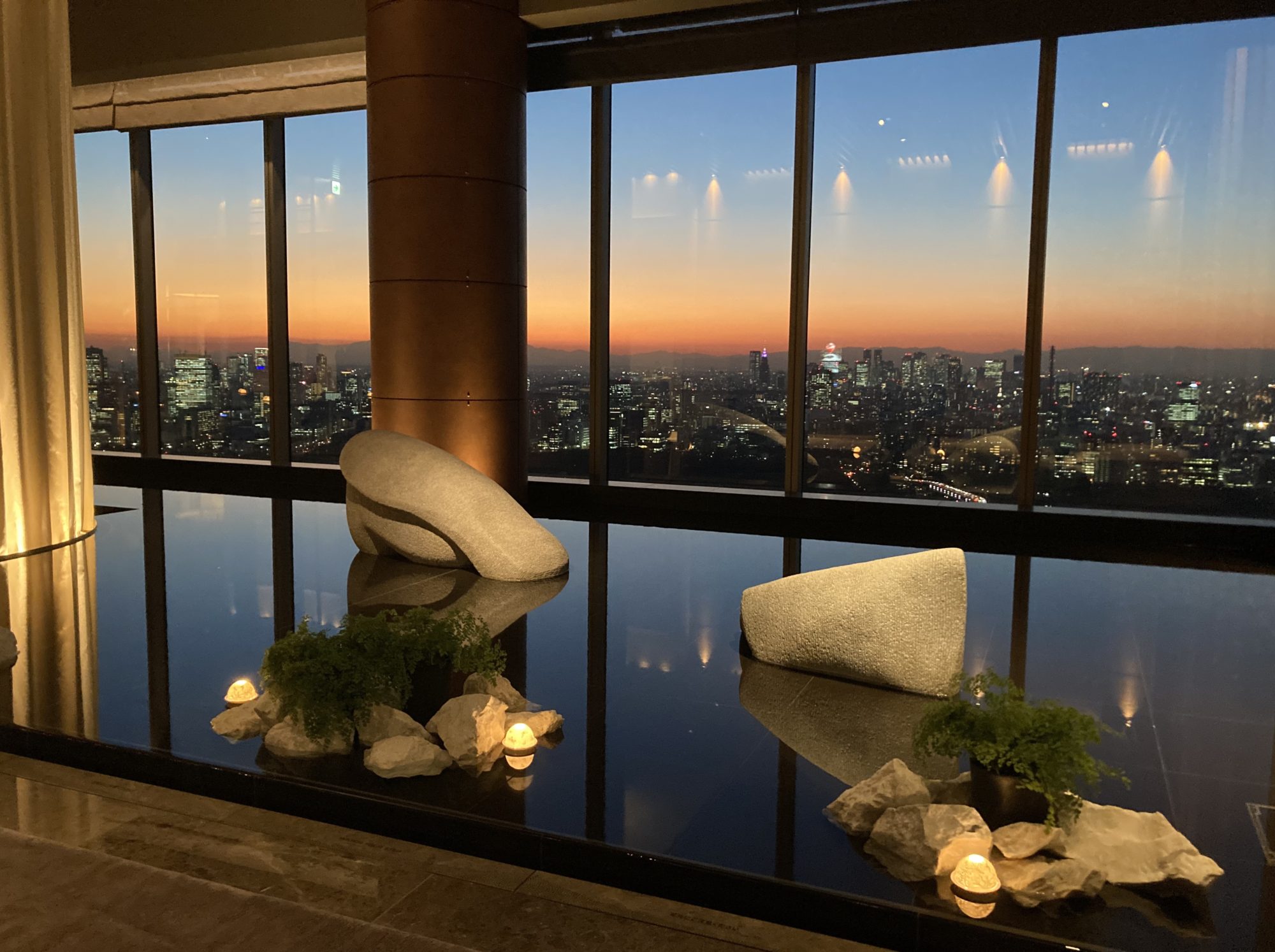
Japanese Ikebana – emerges small universe – the aesthetics of “beauty in the flaws”.

Shoka-Shinputai 生花新風体

Are you interested in Japanese traditional cultures? You might know Japanese traditional Ikebana that is called “Kado”華道, (Japanese Art of Flower Arrangement).

If you flatter yourself that you are definitely a connoisseur of Japanese cultures, you should know the concept and philosophy of Kado.

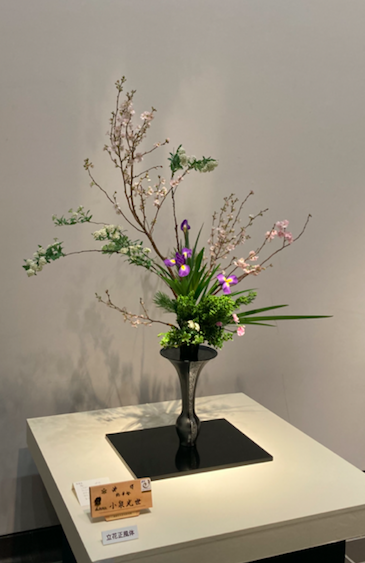
Rikka-Shofutai 立花正風体
Rikka-Shinputai 立花新風体
Tate-Bana たて花

You also know “Sado”茶道(Japanese Tea Ceremony)and Kodo 香道 (Incense Appreciation) which deeply related to Kado, those concepts depict sophisticated atmosphere, spatial arrangement in the space where is strained quiet loneliness and beauty of silence.

Basically, Ikebana used to adorn the tokonoma (alcove) in front of kakejiku(hanging scrolls) in Japanese traditional home.

Sanshu-Ike 三種生

There are various distinct schools of Ikebana in Japan. Frankly I can’t give a clear-cut explanation of the differences of them. Though, I just visited Ikenobo exhibition at Tokyo Metropolitan Art Museum, so I have learned a little about Ikenobo Kado.

There are estimated to be around over 3000 Ikebana schools in Japan, however, the largest and most popular schools of Ikebana are Ikenobo(池坊)Sougetsu(草月)Obara(小原).

The oldest Ikebana school is Ikenobo. It had begun at Muromachi-era by the monk who name is Ikenobo Senkei.

The characteristic of Ikenobo(池坊) is mainly represented these three ways of style,

 “Rikka(立花)” ,”Shoka(生花)”,”Jiyuka(自由花)”, respectively.

Rikka(立花) is emphasized as means of the materials and forms as they existed in their natural state like sky, mountain, river. It is depicting landscape of nature from Muromachi-era.

Shoka(生花) is generally used one to three materials, which express vital nature of living of flowers and leaves, branches. It was established around Edo-era.

Jiyuka(自由花) is no crucial rules or forms of figures, just try to bring out the charm of their figures and textures.

Sougetsu(草月)is more an avant-garde style of school, which was established in 1927 by Teshigahara Soufu. It is known as free and modern art approach to Ikebana. It doesn’t follow to be bound by common traditional style.

Obara(小原) was established by Obara Unshin. He possessed to utilize for expressing his way of school by using western materials and forms in Meiji-era. He developed Moribana(盛花) style, which is composed of 3 dimensions of art works.

In general, Ikenobo(池坊) contributed to the development of rikka style. Considering this fact, Ikenobo is to the oldest Ikebana school in Japan.

Ikenobo’s basic concept is, representing the state of natures – plants and flowers just exist here profoundly. The view of the world is “Less is more”- as it were,”Wabi-Sabi”.

Ikebana reached its first zenith in the 16th century. And later, in the middle of Edo era, spread widely among common people.

In the Meiji-era, most of girls’ schools brought Ikebana classes in school as part of the mandate curriculum.

Rikka-Shinputai 立花新風体

Even today, Ikebana is respected as one of the classical Japanese arts of refinement.

If you really would like to learn “Wabi-Sabi”aesthetics, this column below is one of the best descriptions about the concept.
Japan’s Unusual Way to View the World

The “Golden Week”: Two Weeks During Which You May Just Spot Some Japanese Tourists

In Japan, the end of April to the beginning of May is one consecutive holiday. Depending on what days Saturday and Sunday fall on, the holiday is a week to two weeks long, and it is possible to take a vacation from work during this time.

                Generally, in most of Japan’s workplaces and companies, it is very difficult to take off days consecutively from work. In western countries, it is a given to take off two weeks or so for Christmas and other holidays.

Vacations spanning for several weeks or months are also offered in some countries over the summer. However, in Japan, if one has a lot of days of paid leave left, and they actually use those days to take a vacation, they are instantly labeled as someone who “Can’t read the atmosphere”.

                The average vacation is usually limited to about a week in most Japanese workplaces. To put it like the Japanese would; “Going on a vacation for too long causes trouble for others”, even if no one is actually being troubled. While the Japanese workplace culture is changing, skills like “reading the atmosphere” or “paying attention to those around you” are still considered very important.

                For the average Japanese worker, what takes the place of a long vacation are the festival holidays. In Japan, there are many festival holidays per year. There were about 17 days in 2017 alone. If those days connect with Saturdays and Sundays, they can turn into long periods of work free days, effectively saving some from the deathly effects of overworking.

                Out of all the festival holidays, the one stretching from the end of April to the beginning of May is the “Golden Week”, or abbreviated as “GW”. GW is defined by the Japanese as the time to take off for a long time without feeling guilty.

There are only two other times like the GW throughout the year; the Bon Festival, where spirits of ancestors come to visit, and New Years, which together only take up less than half of August and the end of December through the beginning of January. The great part of GW is the ability to enjoy an outing blessed with the refreshing spring sun and breeze.

                April 29th is “Showa Day”, the third of May is “Constitution  Memorial Day”, the fourth is “Greenery Day” and the fifth is “Children’s Day”. Add in Saturday and Sunday, and together, these days form the Golden Week. How many days it consists of depends on the structure of the month. Many of the Japanese care immensely about the order of the days of Golden Week.

                Even to foreigners, this time of year is the best to visit Japan as a tourist. The weather is perfect, and Japan’s annoyingly high levels of humidity are nowhere to be found. From the northern Hokkaido to the southern islands of Okinawa, it is truly a perfect time for sightseeing.

                Of course, the number of Japanese people that travel overseas during GW is very high. Recently, the number of Japanese enjoying both trips outside and in Japan has increased, causing tourists sites to be very busy and lively.

The Golden Week is truly the best time to enjoy Japan’s natural scenery and tourists sites. However, during this time, tourist attractions, hotels, airplane and train trips become crowded and overbooked, and prices and fares skyrocket to two or even three times the normal cost. Perhaps the largest setback of the Golden Week is the the piling up of vacation expenses.

In 2019, Japaneses experienced “10 consecutive holidays of Golden Week” as the first and the last time for celebrating new Imperial era of “Reiwa”. Most of people in Japan must have felt happy because new era began with the Emperor’s abdication, due to his concern about his age. No Japanese emperor has abdicated for centuries except for his death.