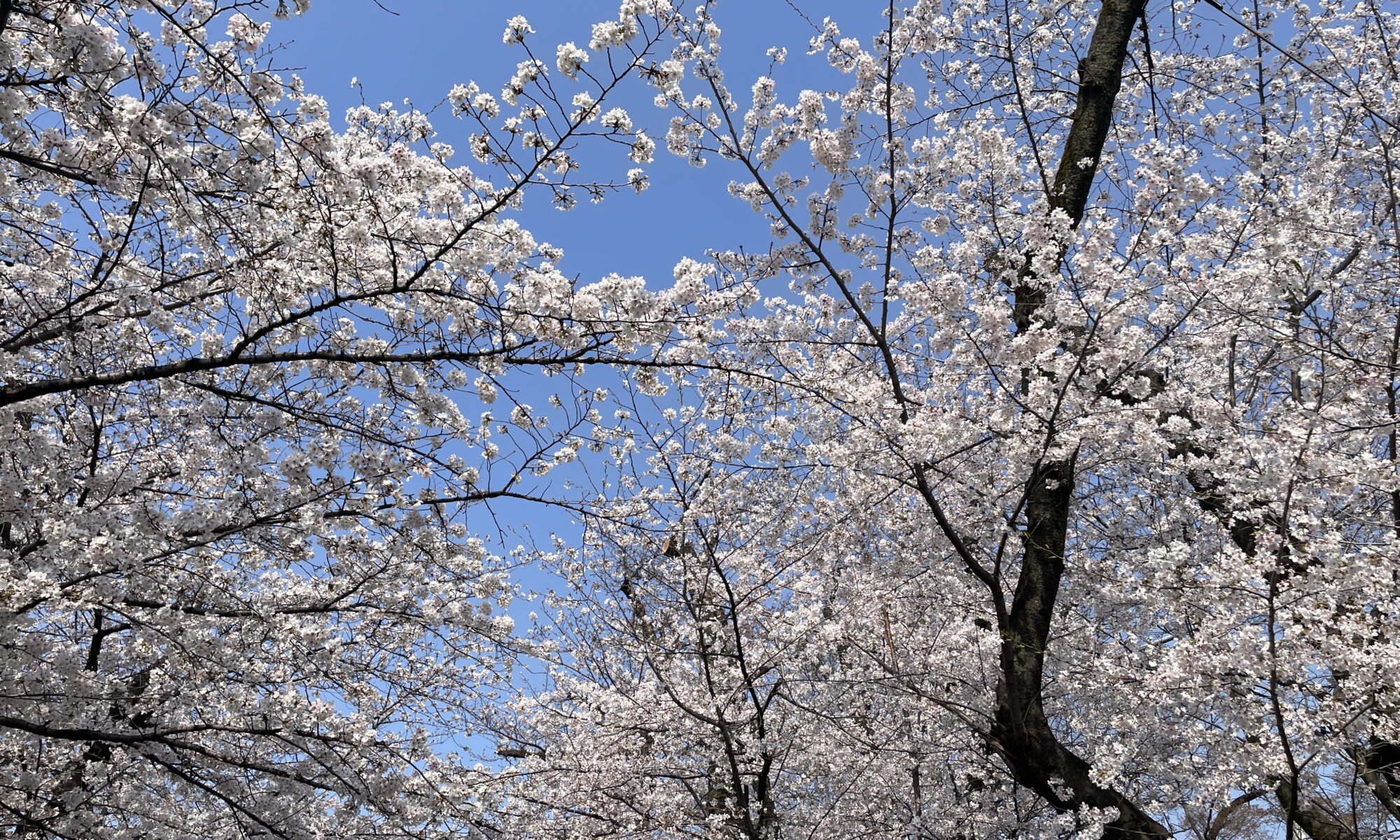
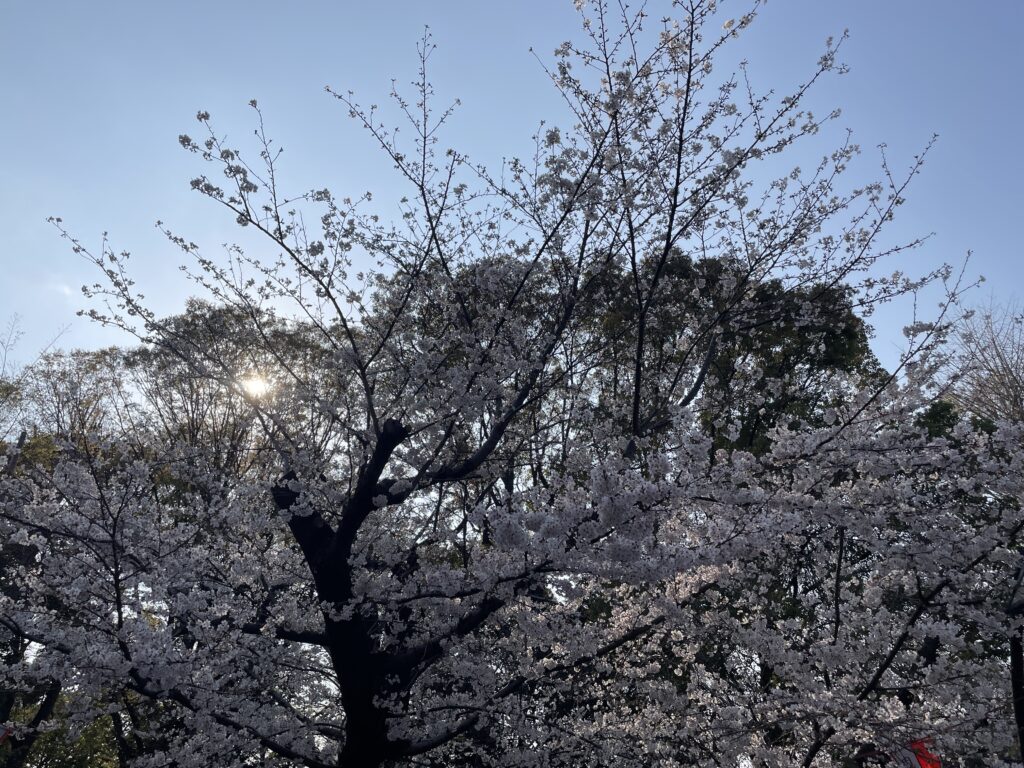
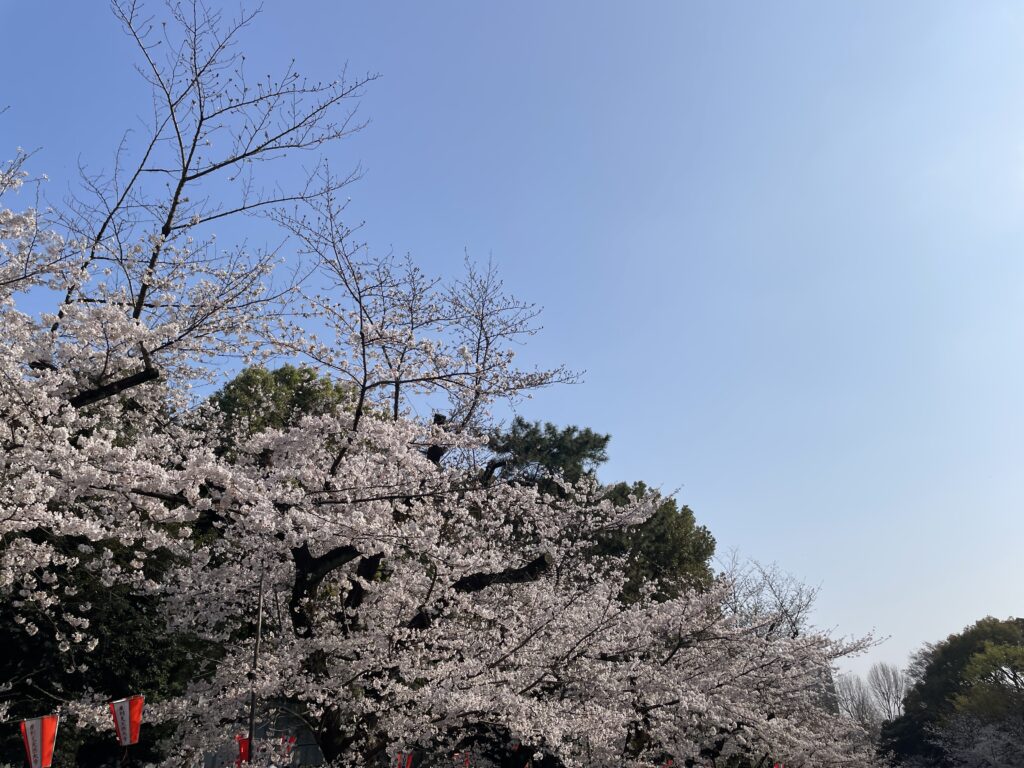
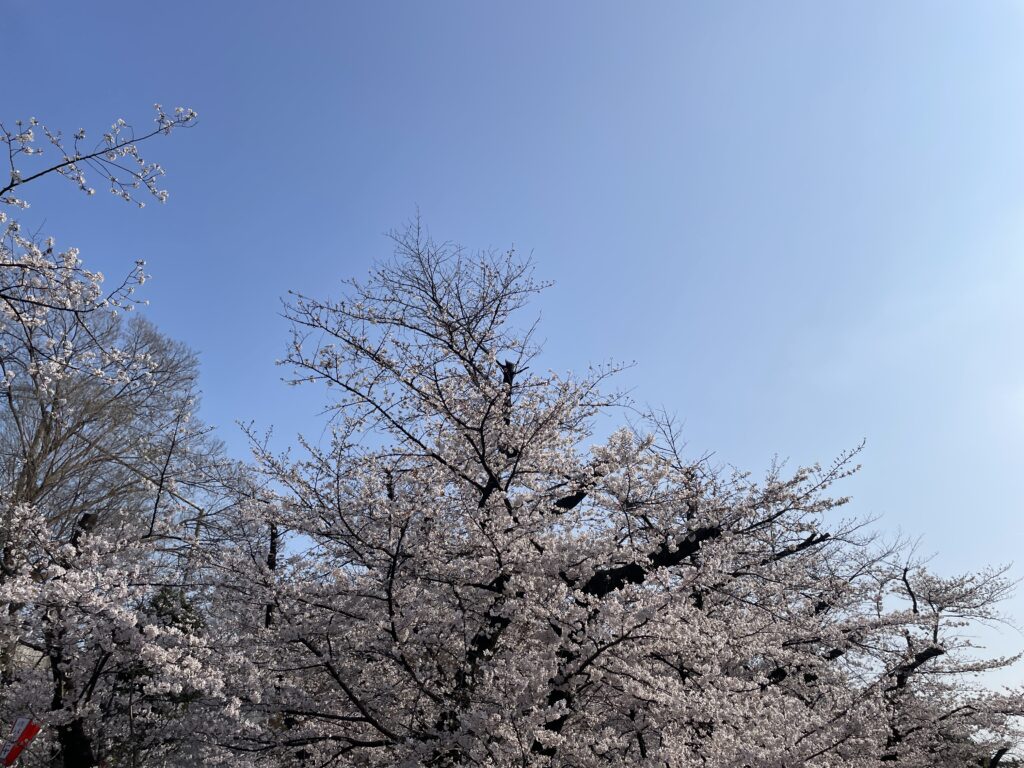
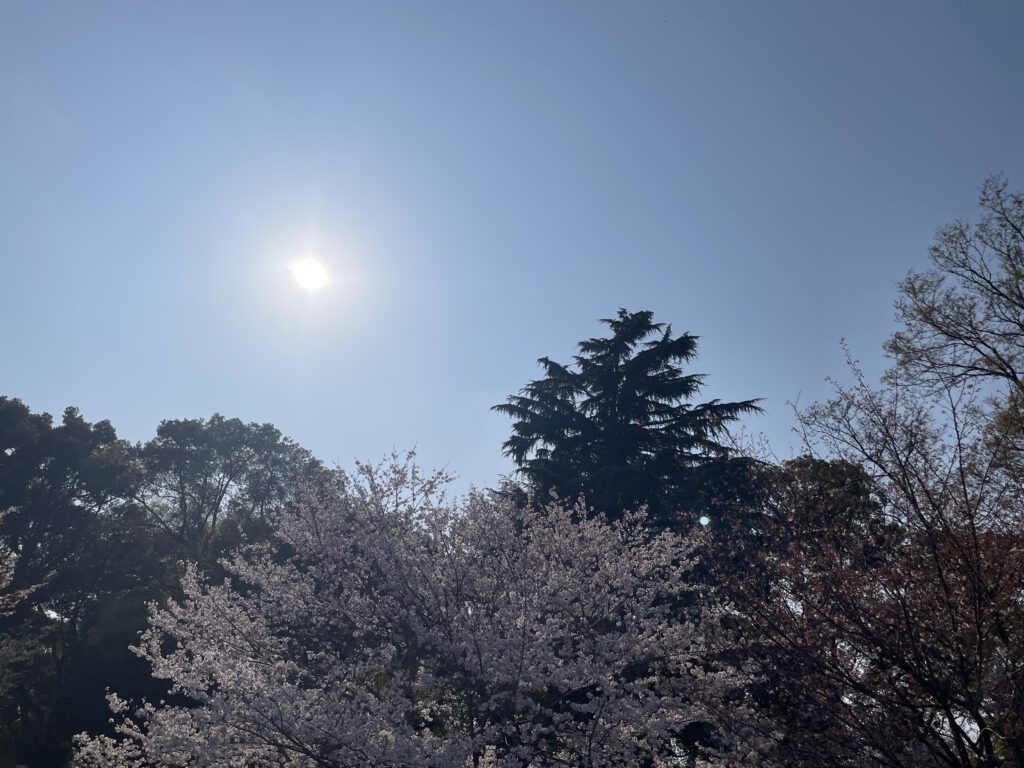
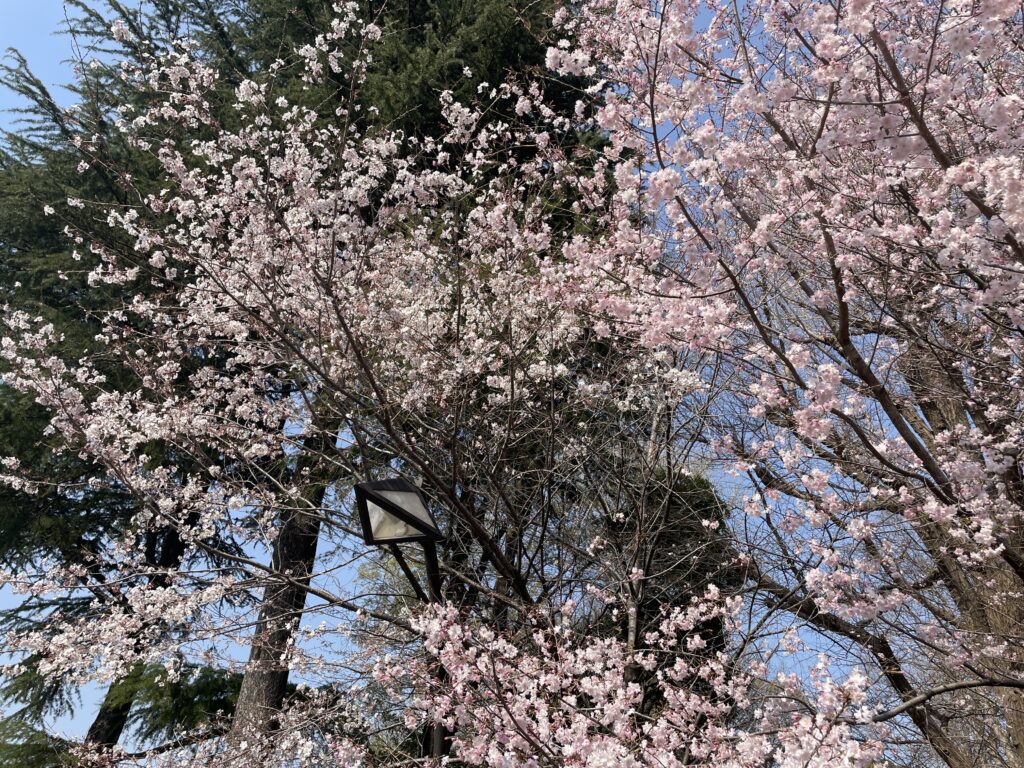
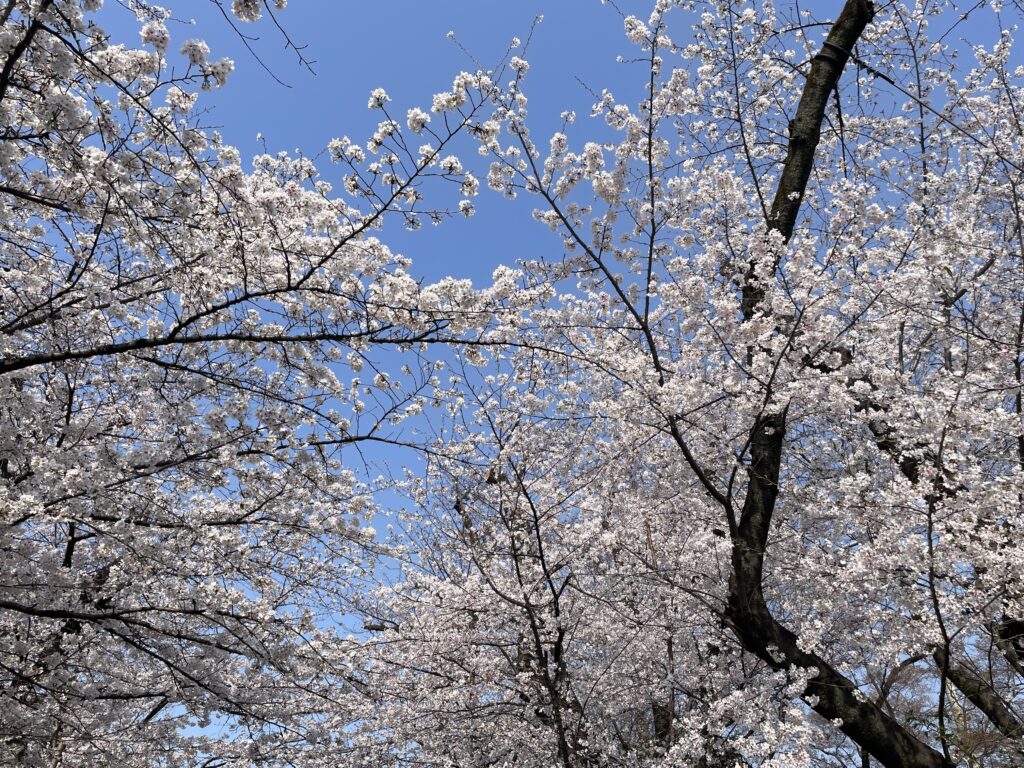
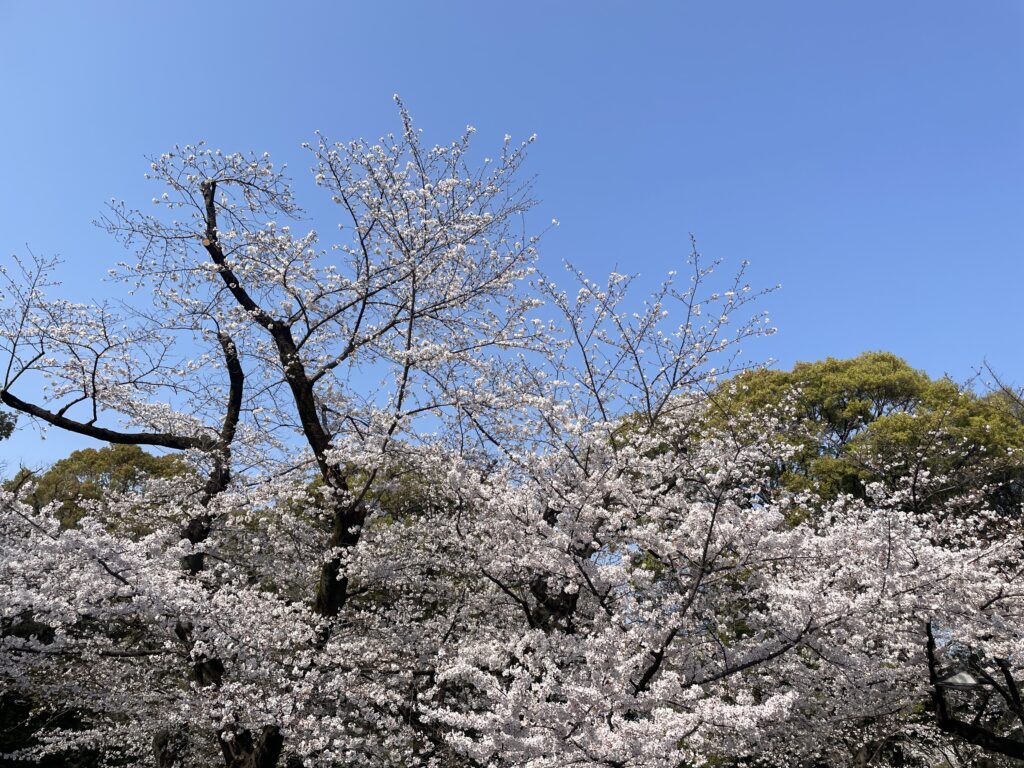
Cherry blossoms in Tokyo are reaching full bloom within
March this year. Last year, the blooming was delayed and they peaked in April,
but with global warming being a long-discussed issue, this year’s blossoms are
once again peaking between March and April.
The cherry blossom front is
expected to continue moving northward, reaching places like Kyoto in the Kansai
region, as well as the Tohoku region and Hokkaido.
Cherry blossoms have become a
quintessential symbol of spring in Japan. Although many kinds of flowers bloom
in spring, sakura truly stand out as the iconic representation of the season.
Because the peak viewing period
for cherry blossoms is so short, it is often said to reflect the Japanese view
of life and death—blooming beautifully and falling gracefully. This fleeting
nature resonates deeply with Japanese aesthetics and emotional sensibilities.
During this time of year,
people all over Japan gather at famous cherry blossom spots to enjoy hanami
(flower viewing). However, in recent years, the crowds have grown so large that
it can be difficult to relax and fully enjoy the experience.
That said, you don’t have to
visit well-known spots. Some people prefer hidden local gems in their
neighborhoods, viewing blossoms from a yakatabune boat along the river, or
enjoying wild mountain cherry trees in the hills. Everyone likely has their own
special cherry tree they cherish.
As for me, there is a
beautiful row of cherry trees near the cemetery where my parents rest, and I
plan to quietly enjoy the blossoms there. I imagine my ancestors also look
forward each year to seeing those trees in full bloom.
Deeply rooted in the hearts of Japanese people, cherry blossoms will
surely captivate us again this year with their stunning beauty. Where will you
go to see the sakura this year?
In Japan, the end of April to the beginning of May is one consecutive holiday. Depending on what days Saturday and Sunday fall on, the holiday is a week to two weeks long, and it is possible to take a vacation from work during this time.
Generally, in most of Japan’s workplaces and companies, it is very difficult to take off days consecutively from work. In western countries, it is a given to take off two weeks or so for Christmas and other holidays.
Vacations spanning for several weeks or months are also offered in some countries over the summer. However, in Japan, if one has a lot of days of paid leave left, and they actually use those days to take a vacation, they are instantly labeled as someone who “Can’t read the atmosphere”.
The
average vacation is usually limited to about a week in most Japanese
workplaces. To put it like the Japanese would; “Going on a vacation for
too long causes trouble for others”, even if no one is actually being
troubled. While the Japanese workplace culture is changing, skills like
“reading the atmosphere” or “paying attention to those around
you” are still considered very important.
For
the average Japanese worker, what takes the place of a long vacation are the
festival holidays. In Japan, there are many festival holidays per year. There
were about 17 days in 2017 alone. If those days connect with Saturdays and
Sundays, they can turn into long periods of work free days, effectively saving
some from the deathly effects of overworking.
Out of all the festival holidays, the one stretching from the end of April to the beginning of May is the “Golden Week”, or abbreviated as “GW”. GW is defined by the Japanese as the time to take off for a long time without feeling guilty.
There are only two other times like the GW throughout the year; the Bon Festival, where spirits of ancestors come to visit, and New Years, which together only take up less than half of August and the end of December through the beginning of January. The great part of GW is the ability to enjoy an outing blessed with the refreshing spring sun and breeze.
April 29th is “Showa Day”, the third of May is “Constitution Memorial Day”, the fourth is “Greenery Day” and the fifth is “Children’s Day”. Add in Saturday and Sunday, and together, these days form the Golden Week. How many days it consists of depends on the structure of the month. Many of the Japanese care immensely about the order of the days of Golden Week.
Even to foreigners, this time of year is the best to visit Japan as a tourist. The weather is perfect, and Japan’s annoyingly high levels of humidity are nowhere to be found. From the northern Hokkaido to the southern islands of Okinawa, it is truly a perfect time for sightseeing.
Of
course, the number of Japanese people that travel overseas during GW is very
high. Recently, the number of Japanese enjoying both trips outside and in Japan
has increased, causing tourists sites to be very busy and lively.
The Golden Week is
truly the best time to enjoy Japan’s natural scenery and tourists sites.
However, during this time, tourist attractions, hotels, airplane and train
trips become crowded and overbooked, and prices and fares skyrocket to two or
even three times the normal cost. Perhaps the largest setback of the Golden
Week is the the piling up of vacation expenses.
In 2019, Japaneses experienced “10 consecutive holidays of Golden Week” as the first and the last time for celebrating new Imperial era of “Reiwa”. Most of people in Japan must have felt happy because new era began with the Emperor’s abdication, due to his concern about his age. No Japanese emperor has abdicated for centuries except for his death.