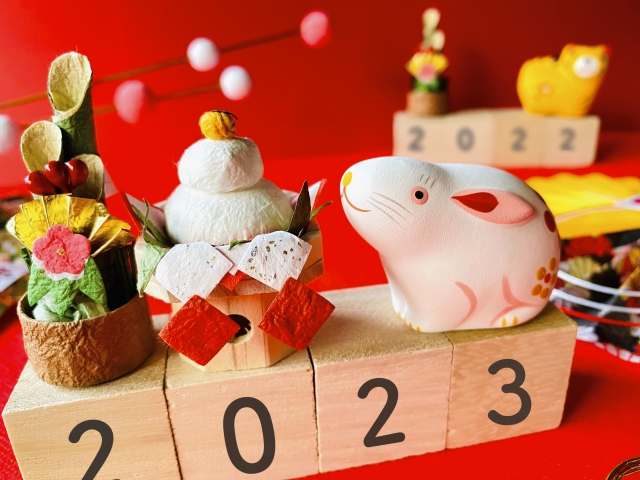
Japanese traditional New Year’s events -Shogatsu-正月- The most important holiday in Japan – how to spend New Year’s holidays!

In the western countries, the most important holiday is Christmas. People celebrate and spend special time with their family members. Japanese people also go back to their hometown in the end of December and spend Shogatsu (正月)holiday until the first few days of January.

To the contrary to the western countries’ Christmas celebrations, the most important holiday in Japan is the New Year’s Day that is called “Shogatsu”.

New Year’s events already begin at the New Year’s Eve. Commonly they eat soba noodles, which is called “Toshikoshi soba” for preparing and celebrating the New Year, While listening the sound of temple’s bells “Jyoya no kane”.

In the morning of Shogatsu, they open jyu-bako bento box. “Osechi Ryori”(お節料理) is hors d’ oeuvre – a set of fortune cuisines. Every ingredient has characteristic meaning. Japanese people taste and enjoy these meals for praying New Year’s fortune and happiness, family member’s health, well-being.

Jyu-bako bento box is full of Osechi Ryori. As I mentioned before, every cuisine has each meaning, for example, it is nothing but a rhyme,

Kuro mame(black beans) – means “mame ni kurasu” (live diligently).

Meanwhile, some dishes were selected, in favor of their figures or colors.

Kazunoko (herring roe) – many eggs of herring – hopes “shison hanei” (descendants prosperity).

Kurikinton (mushed sweet potatos & chestnuts) – indicates “okane” (raise money, gold from its golden color).

Ebi (shrimp) – hopes live longer until their backs are curved (get old) like shrimps.

Zouni(雑煮)is commonly cooked baked rice cakes with some vegetables and fish cakes in broth soup of soy source or miso. Tastes are different in each region.
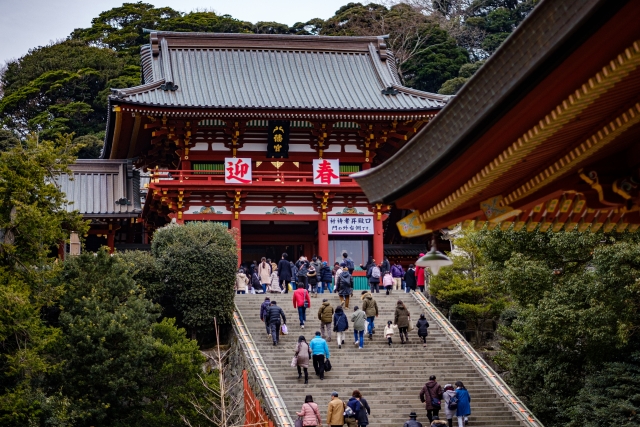
They often visit shrines or temples to make a wish and pray for the good fortune of the New Year. It is called Hatsumoude(初詣). Some people watch the sunrise from ocean or mountain.

At the same time, Japanese people send postcards(Nengajyo 年賀状) to their relatives, friends, colleagues as New Year’s greeting. It’s basic manners to be delivered to addressees until a few days of new year’s day even if belated.

Japanese children often receive some money in a small envelope (pochi-bukuro) from their parents and relatives. That is called “Otoshidama” .

While spending their relaxing, fun time with their family members, often we play traditional New Year’s games as below,

Takoage(凧揚げ)- means flying a kite. Typical kite design is traditional Japanese Ukiyoe (浮世絵), and people selects happy design to celebrate new year.
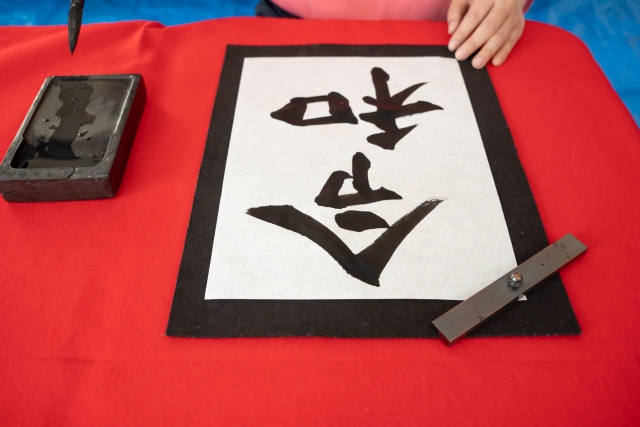
Kakizome, Shodo(書き初め,書道)-the first writing of the new year with Japanese writing brush, Fude(筆)and Sumi(墨). People write their new year’s resolutions, positive words in calligraphy by using a Japanese Shitajiki(下敷), Bunchin(文鎮), and Washi paper (和紙).

Karuta(カルタ)-Japanese playing cards are two sets of cards – reading part and picking part. Participants of the game try to pick the correct card while the partner card is chanted.

The most popular set of cards is “Hyakunin Isshu” that had been selected 100 famous poems from the 8th to the 13th century.

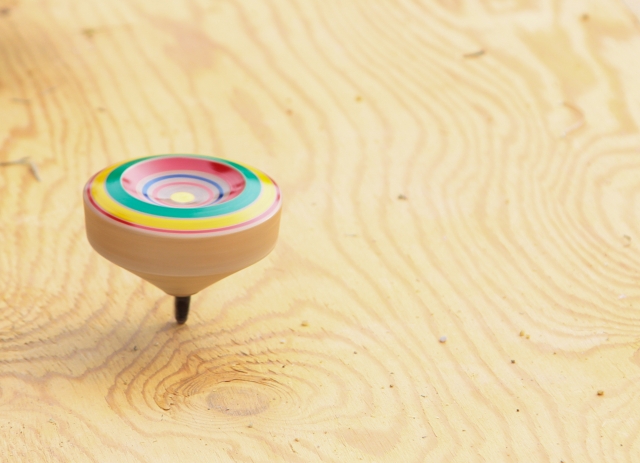
Koma-mawashi(独楽回し)- A game of top-spinning. Players try to spin fast their own spinning top on the ground. The longest spinning one will be the winner.
Hanetsuki(羽根突き)- Hanetsuki is similar to badminton game. But it uses a shuttlecock and a wooden paddle, which is drawn Japanese traditional picture by using bright colors.

There are many other regional, local events and plays in Japan.

Let’s go out and find out something new!

“Learn from the old, know the new”
Ramen museum – Enjoy fantastic ramen trip throughout Japan @ Yokohama

One of the most important “mission possible” is – finding your favorite ramen in Japan.

Ramen magazines in the reception

You might secretly take pride in being ramen authority- who has wide range of Japanse ramens’ knowledge. Japanese ramens have a variety of tastes, for example, soup, noodle, seasoning, texture, seasonal special, temperature, qualities, blah blah…don’t showing off your stock of knowledge about ramens before visiting Japan. Furthermore, I promise you are able to boost your ramen knowledge if you stop by tons of ramen shops in Japan. Which flavor of ramen do you like?  醤油Soy source ? 味噌Miso?塩Salt? 豚骨Pork bone broth? 煮干しFish broth? 坦々Spicy bean curd ? Noodles with seasoning混ぜそば?? Cold ramen 冷やし中華?

Basically, we have many regional ramens – like very famous Hakata Tonkotsu ramen (from Fukuoka Prefecture), Sapporo Miso ramen (from Hokkaido), Tokyo shoyu ramen (from Tokyo), Kitakata ramen (from Fukushima Prefecture), Okinawa So-ki soba (Okinawa Prefecture), Hida Takaya ramen (Gifu Prefecture), Onomichi ramen (Hiroshima Prefecture), Nagasaki Champon (Nagasaki Prefecture) ,Yokohama Ie-kei ramen (Kanagawa prefecture) and more. And new ramen tastes and styles are always been created day by day in Japan.

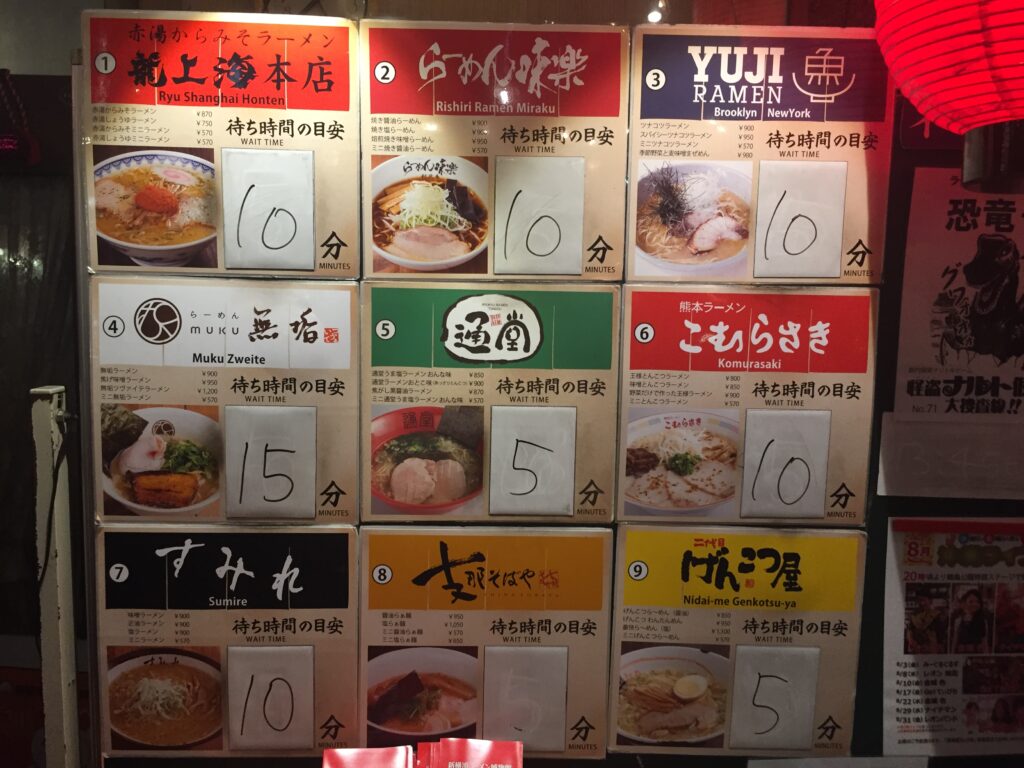
Menu board – with information of approx waiting time

Actually Japanese ramen shops are very competitive. According to Japanese Restaurant Associates 飲食店.com indicates – 40 % of ramen shops are going to close within one year. 70 % ramen shops will also be close their businesses within 3 years. I learned that the reason why I am always at a loss I can’t find the ramen shop that I have been wanting to visit for a long time- It was gone – already out of business before I visit there.

However, we have last ray of hope. There is the Ramen Museum @Shin-yokohama. Yokohama is the suburb area of Tokyo where is located in next to Tokyo 23 wards – only 10 minutes ride will take you Yokohama area. Shin-yokohama station is only one stop from Shinagawa station by Nozomi bullet train (Shinkansen). Local trains are also available from Tokyo station to Yokohama station.

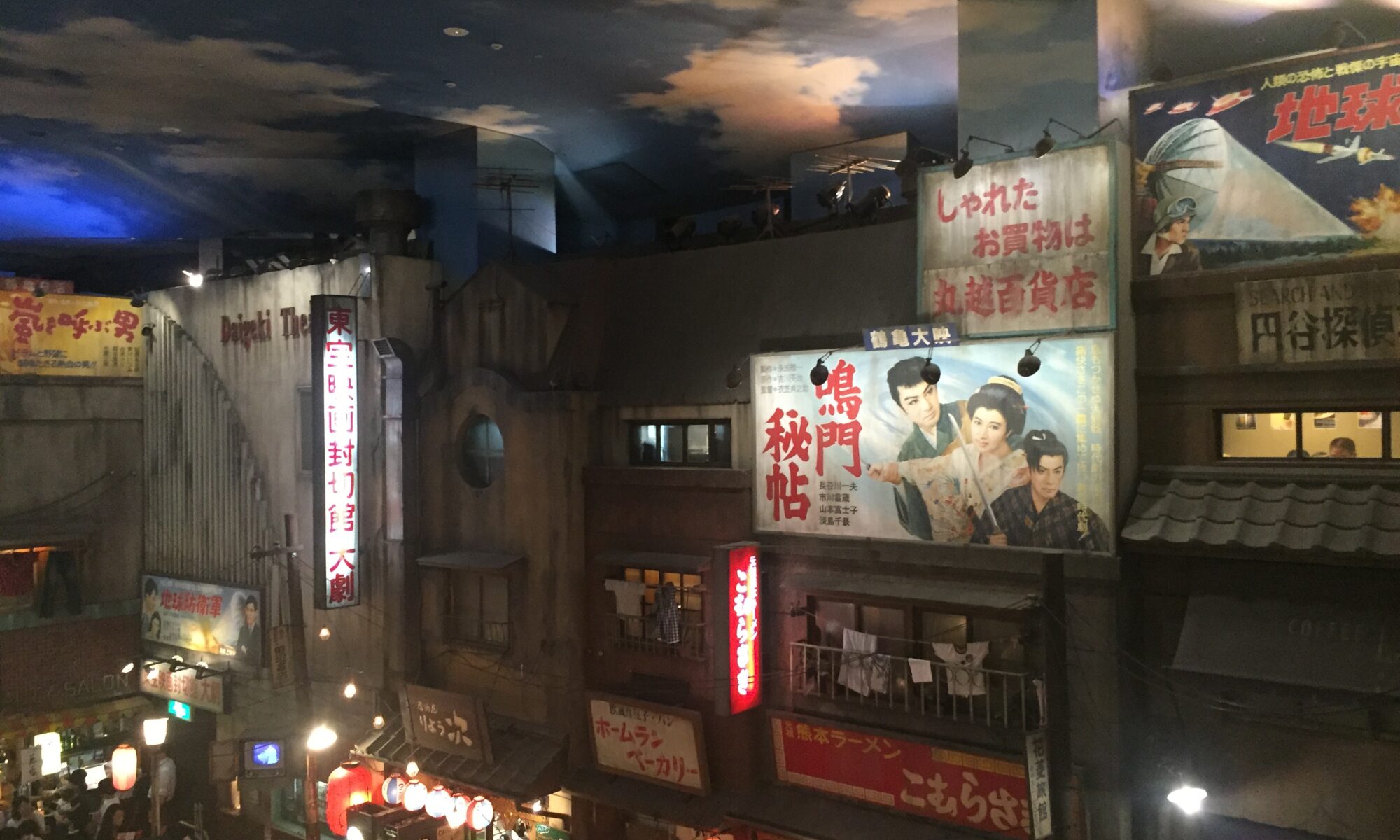
Ramen museum’s concept is Showa-era 1926-1989 revival. After experienced World War Ⅱ, Showa-era of japan is the symbol of post-war reconstruction. It has been said, Japan’s most vibrant era in everything– economy, culture, sports events like Olympics and World Exposition – until Japanese economic collapse (it’s been called “バブル崩壊“bubble burst in 1989).

Ramen museum is featuring, legendary ramen shop which is already physically closed due to owner’s retire, no successor, many reasons – trying to restore the receipt of old style – as it were, nostalgic authentic flavor ramen.

Meanwhile, an up-and-coming ramen shef’s shop is still on the list. We are so lucky we could taste a variety of tasty ramens from North to South area of Japan.

Muku 無垢 ramen

They are also serving half-size ramen, so that we are likely to eat every ramen in the display board! Also ramen shops are roughly rotating every 4 months, you may taste different ramens if you came back 4 months later!!

As of June,2024, the line-ups of Ramen Museum are below the link.

https://www.raumen.co.jp/english/

The museum is fully covered with Japanese old movie theaters’ signboards and old-style taverns, shops, stores in everywhere. It is very fun to see around the alleys of the town after you ate many bowls of ramens!

This museum’s atmosphere is also popular among Japanese young generation – because they’ve never seen Japanese Showa scenes like this. It is really new vibes for young people, they must feel “エモい“being emotional while they are in the museum, and must be reminded of something they had forgotton. Perhaps, it has very nostalgic “ナツい”懐かしい“mood for the middle age of Japaneses.

Anyway, you never be disappointed with this museum, and enjoy Yokohama. Chances are you visit famous Yokohama China Town -it is very close to Shin-Yokohama station. Please leave behind your weight-conscious mindset while visiting the gourmet spot!!