This summer, during the 2025 holiday season, some people might have up to a 9-day consecutive break due to the Obon holiday.
For those spending time with family, going on trips, returning to their hometowns, or paying respects at graves, there will be plenty to do.
Given the extreme heat this year (though I feel like every year is setting new records for the highest temperatures), I’d prefer not to stand in long lines under the blazing sun for leisure activities. But still, I really want to visit the Osaka Expo, as it’s a once-in-a-lifetime event this year.
The content of the Expo is enjoyable for adults, but it’s especially recommended for children because it provides a very compact and easy-to-understand look at the future of society, technology, and the diverse countries of the world. It’s an excellent opportunity for cultural exchange with people from abroad.
Recently, it seems that all tourist destinations in Japan are filled with inbound foreign visitors, but at the Osaka Expo venue, I felt that many of the attendees were Japanese people, especially retirees with more free time, and people from the Kansai region who had purchased full-term passes.
Of course, during summer vacation, it’s expected that there will be many families and children (there are also summer passes for this period), but it’s important to register for pavilion reservations in advance, such as two months, seven days, or even the day before the visit. If that’s not possible, there are also booths where you can make reservations after entering the venue. (While some pavilions don’t require reservations, due to increased congestion, more and more places are now requiring them).
You can find detailed information about pavilion reservations
here:
Expo 2025
Reservation Page
Therefore, it’s recommended to enter the venue as early as possible. (Remember, you need to purchase an entrance ticket separately. Without it, you won’t be able to enter the pavilion lottery. Once inside, you can make reservations, so try to get there early. However, in the evening, the crowds thin out, so it becomes easier to enter pavilions just by standing in line).

Jamaica Pavilion 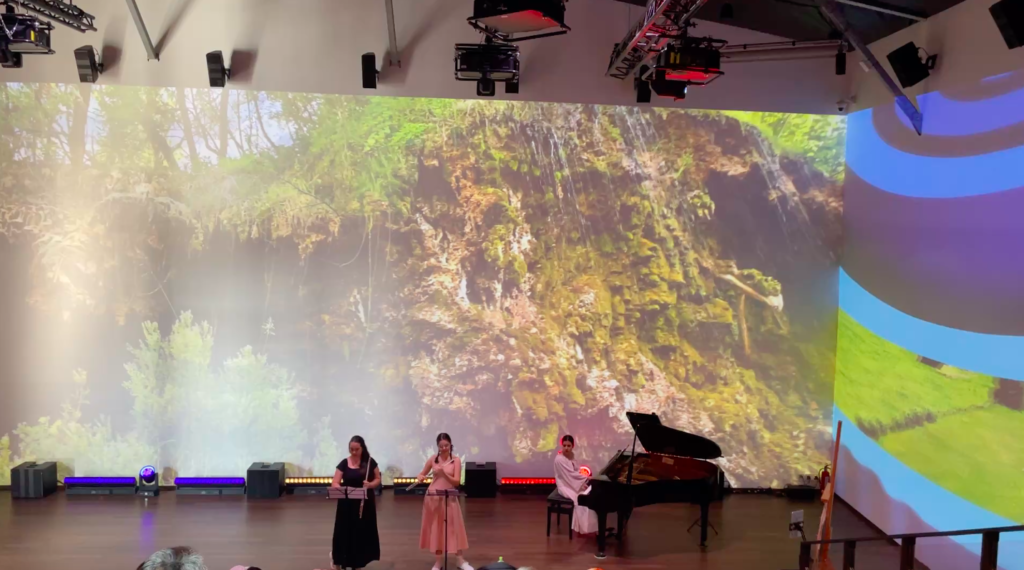
Romania Pavilion 
Kuwait Pavilion 
Austria Pavilion Restaurant 
Czech Pavilion 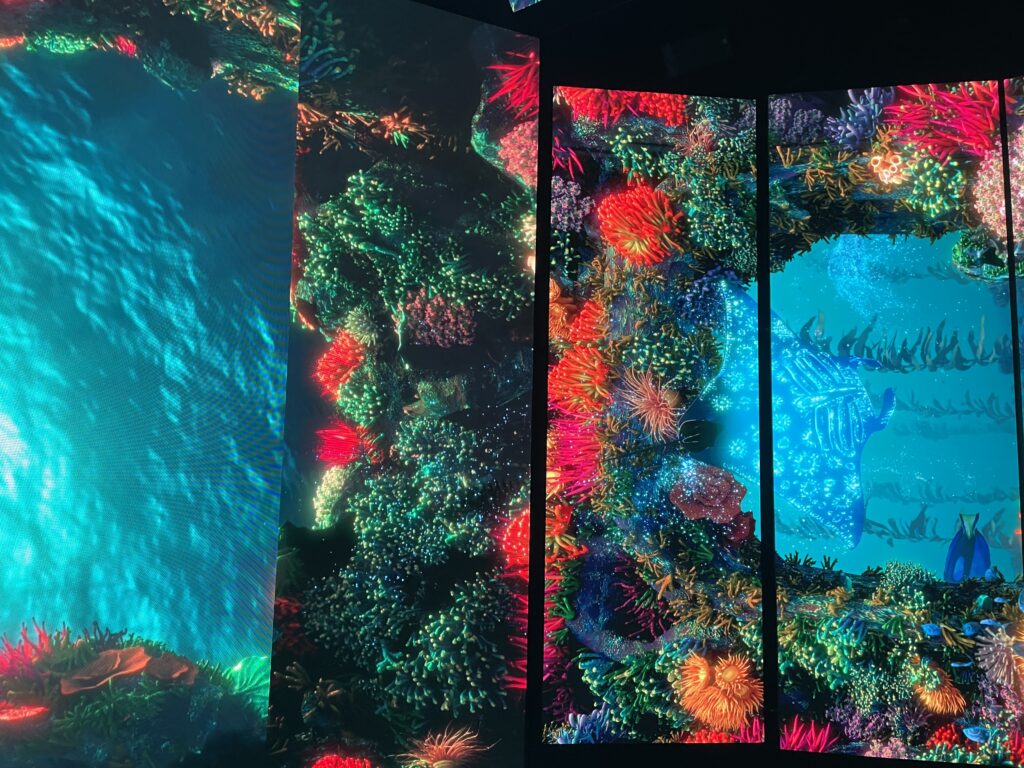
Australia Pavilion
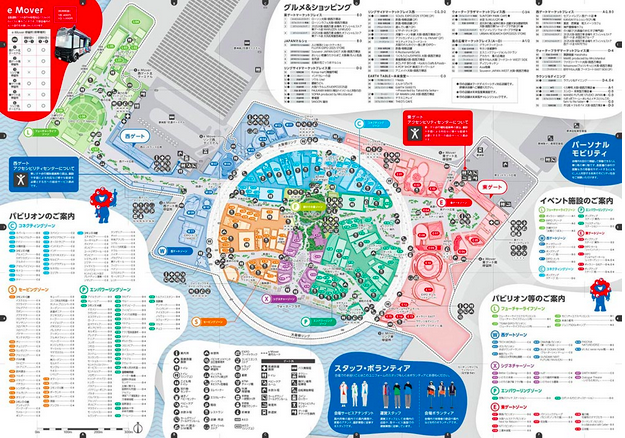
The Italy Pavilion, France Pavilion, USA Pavilion were amazing! the Jordan Pavilion where you can walk through the desert, and the Turkmenistan Pavilion (which is not yet open to the public as a tourist attraction) are often in the spotlight. But I recommend visiting the Commons, where there are booths from many countries within one building. You can see various local products, famous celebrity figures, cultural arts, and more, almost without having to wait in line. There are pavilions from A to F, and it’s impossible to see everything!
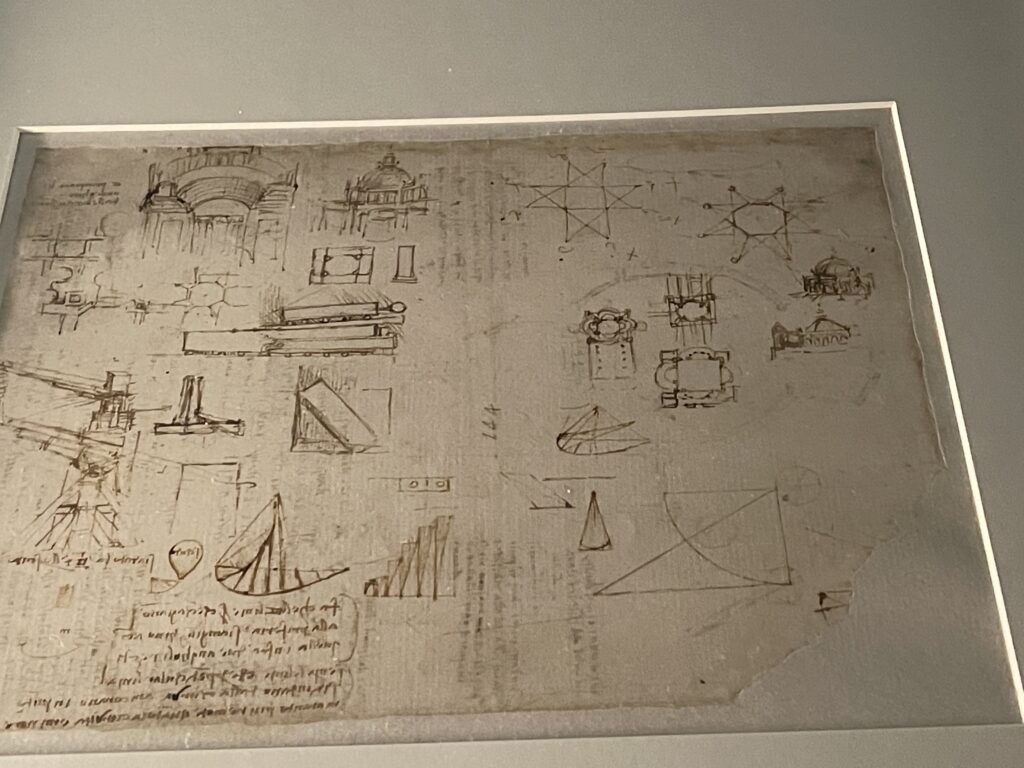
[Atlantic Code] Da VInci 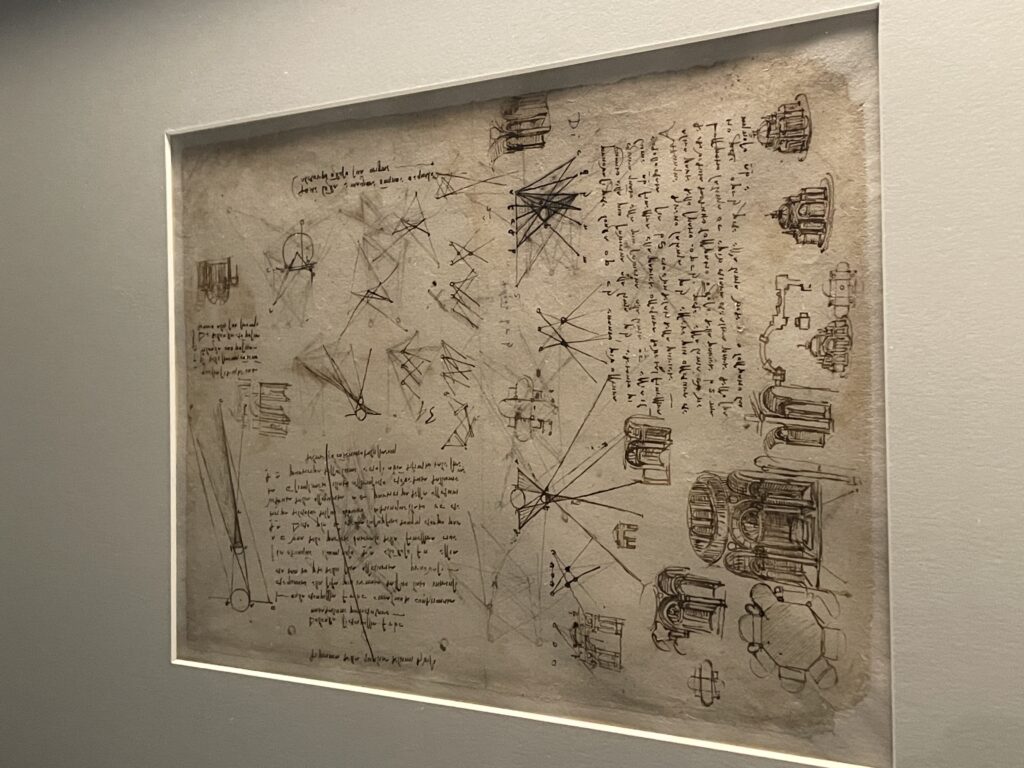
[Atlantic Code] Da Vinci 
[ The Entombment of Christ ] Caravaggio
If you can’t get reservations, you’ll just have to stand in line. When I went, it was the day the Leonardo da Vinci exhibition was launched at the Italy Pavilion, so I had to wait about six hours! But it was worth it and very impressive.
It’s recommended to spend several days and visit the Expo in a planned manner. On the first day, take a quick tour to get an overview, and then, over the next few days, explore the places you really want to see. The large roofed area offers shade and seating, and there’s free drinking water available. Each country also has plenty of food and events, with Myaku Myaku being particularly popular.
There are also so many stamp rallies, so be sure to buy a stamp book and collect them. The unique stamps of each country will be great memories of the Expo.
After the summer vacation, I plan to visit again in September. It’s that fun! The ethnic costumes worn by the pavilion staff from each country are also wonderful. The Japan Pavilion was so popular that I couldn’t get a reservation, so I look forward to visiting it next time.