Mount Nokogiri Hiking, the Hishikawa Moronobu Museum, and Fresh Fish Souvenirs from The Uchibō Line in Chiba prefecture

In the autumn of 2025, when bear sightings are causing concern across Japan, Chiba Prefecture stands out as the only prefecture on Honshu with no bears. As a result, many visitors come to enjoy autumn foliage viewing and hiking.
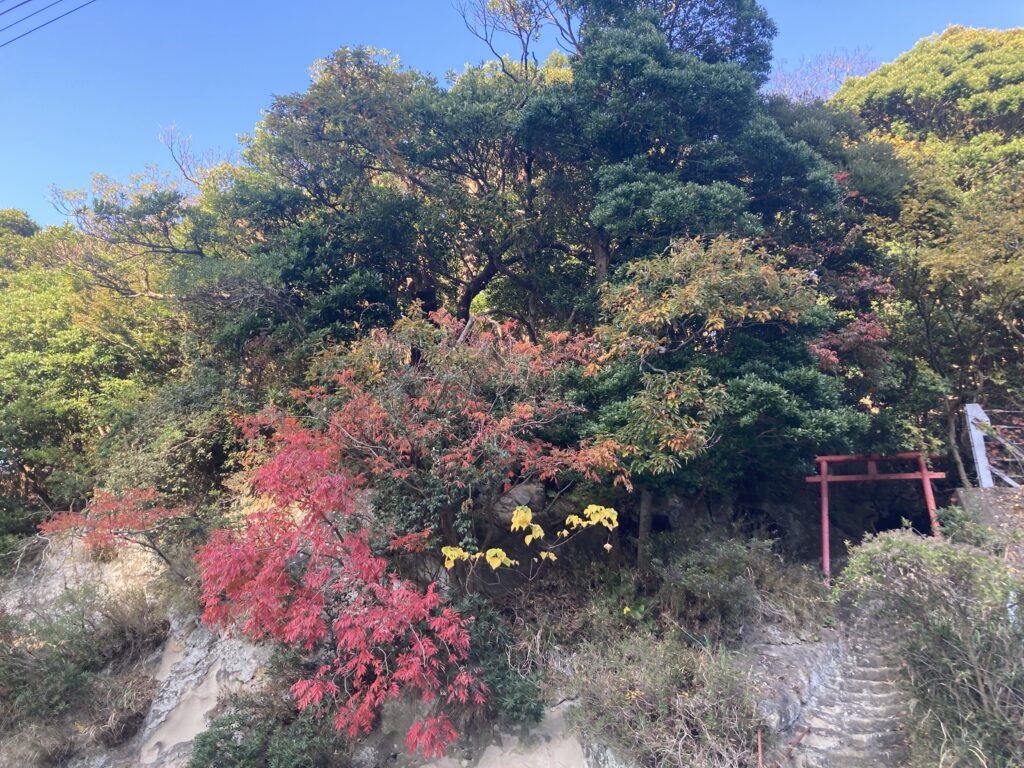
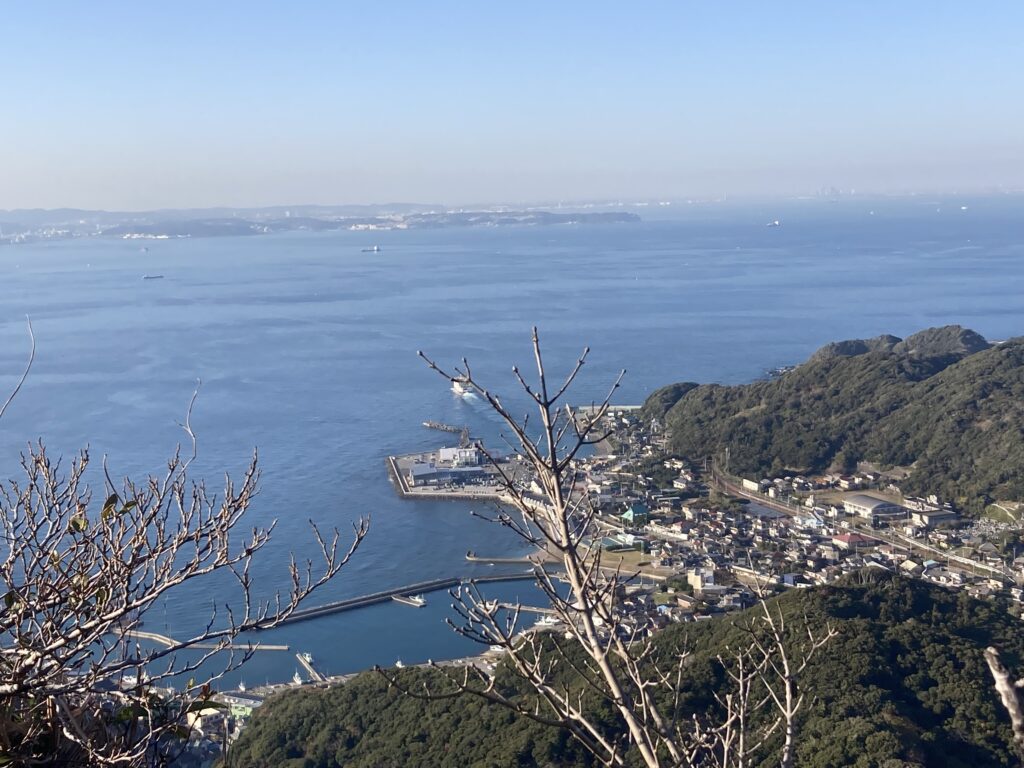
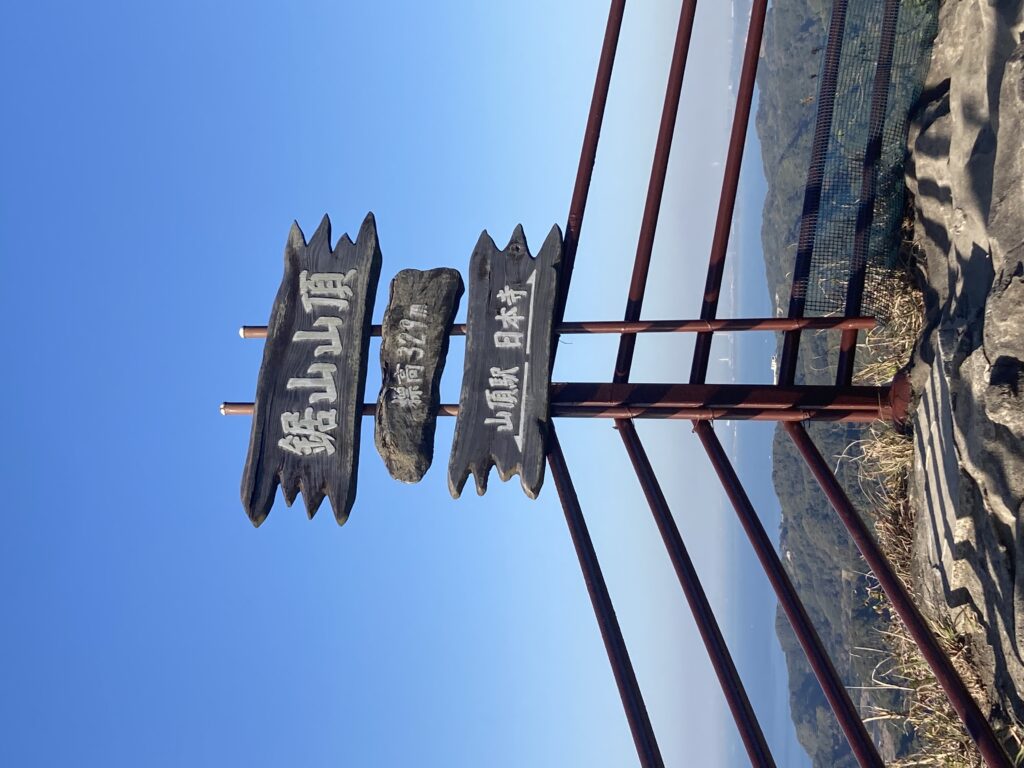
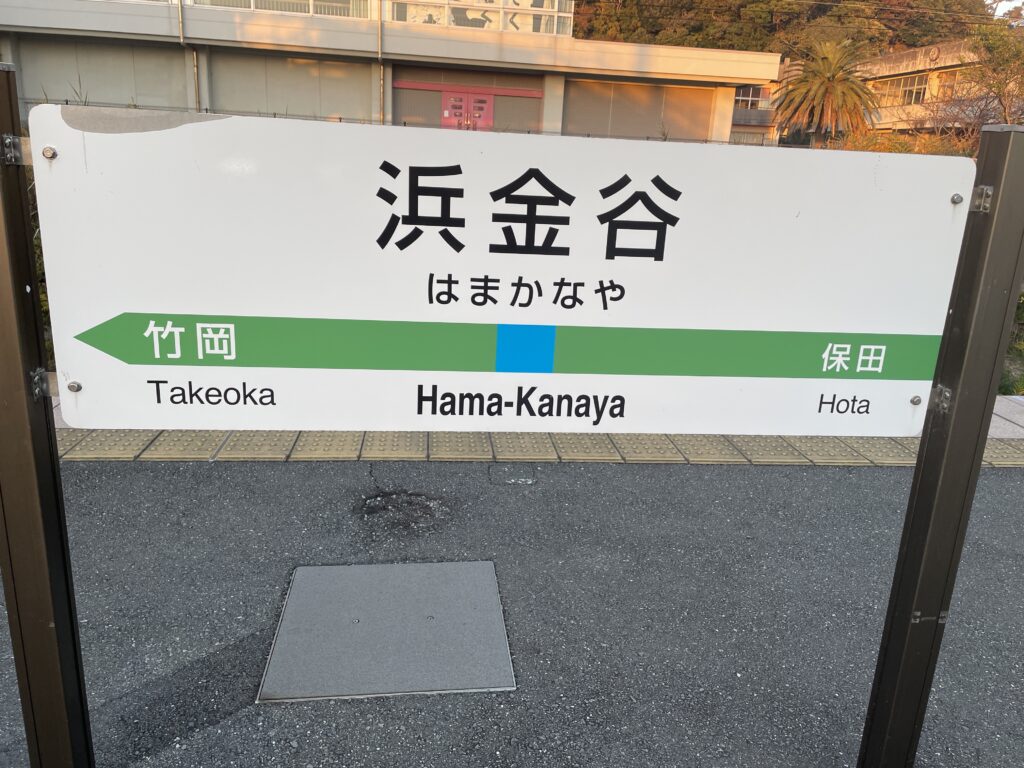
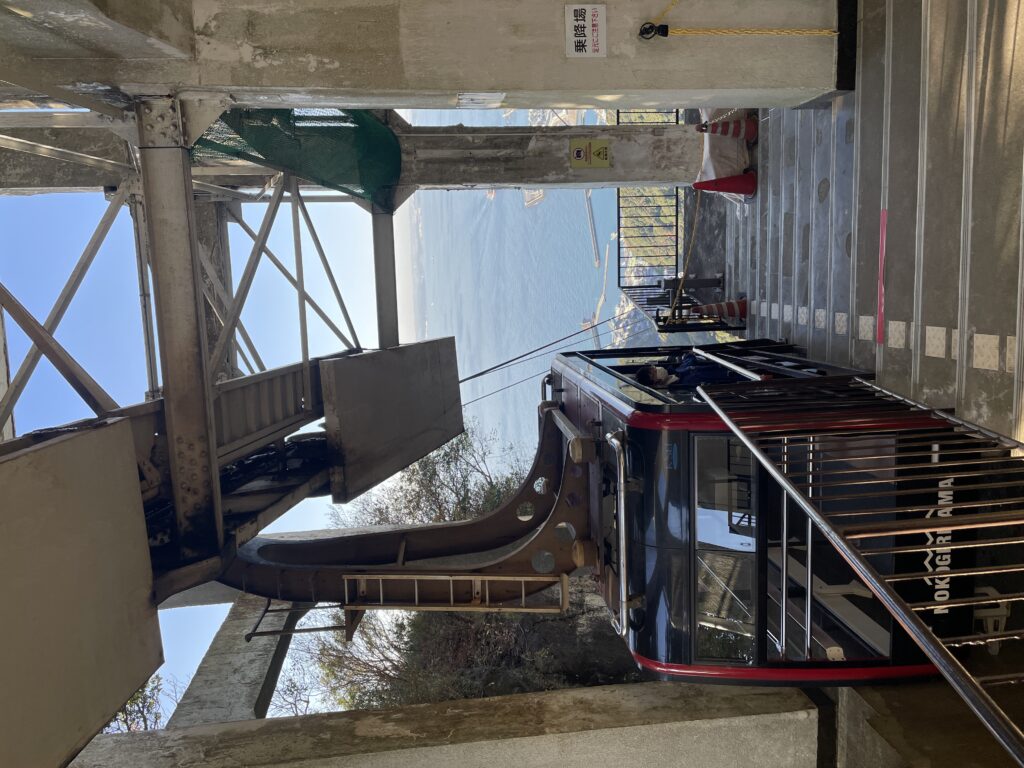
Mount Nokogiri can be reached from Tokyo in about 1 hour and 48 minutes from Shinjuku Station by taking the Limited Express Sazanami. The nearest stations are JR Hamakanaya and Hota. The mountain rises to 329.4 meters, and a ropeway is also available.

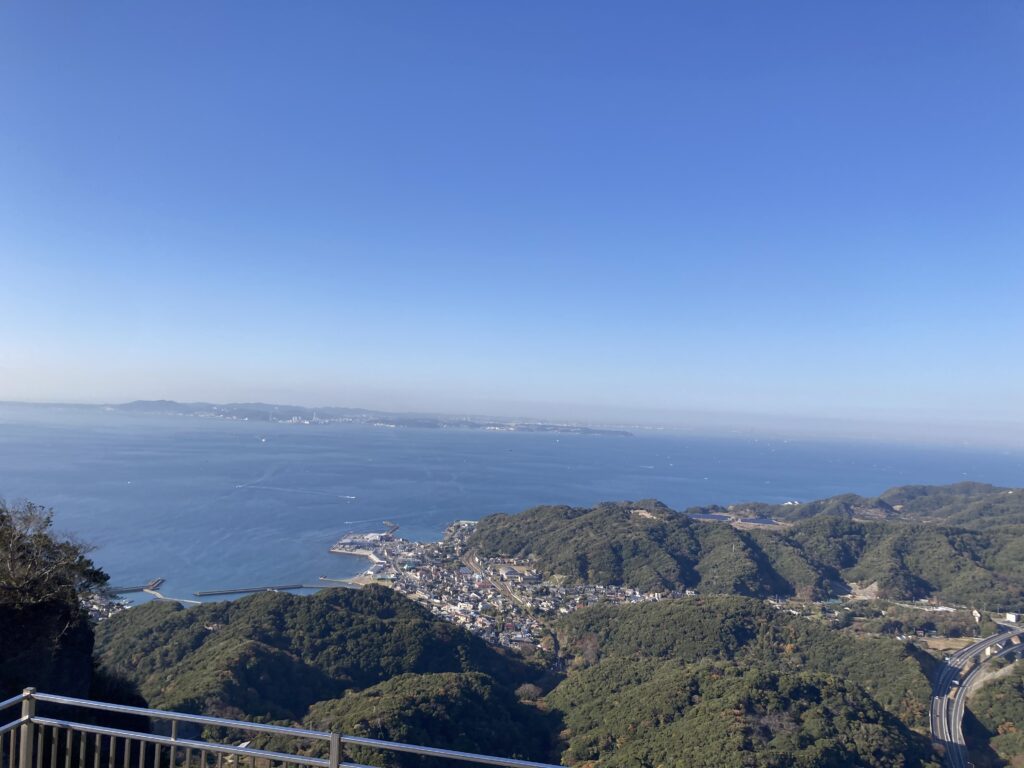
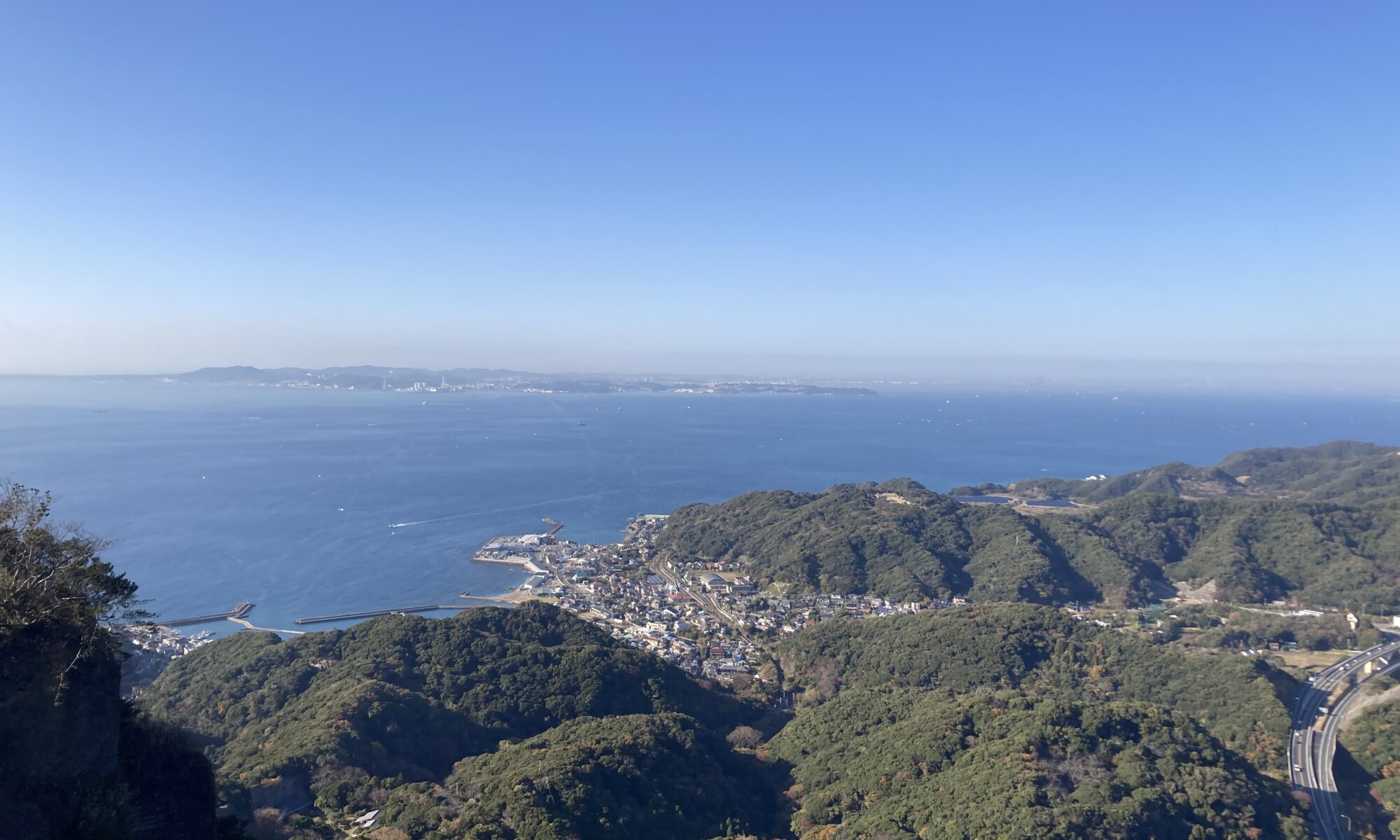
Mount Nokogiri could be called the only true mountain in Chiba Prefecture. Located in the Uchibō area, the summit offers panoramic views stretching from Tokyo to Kanagawa. On clear days, you can even see the Tokyo islands and Mount Fuji.
For those who find hiking a bit challenging, the ropeway can be used to go up or down. However, since the mountain is relatively low and the trails are well maintained and paved, even children can easily reach the summit. It is an ideal spot for hiking.

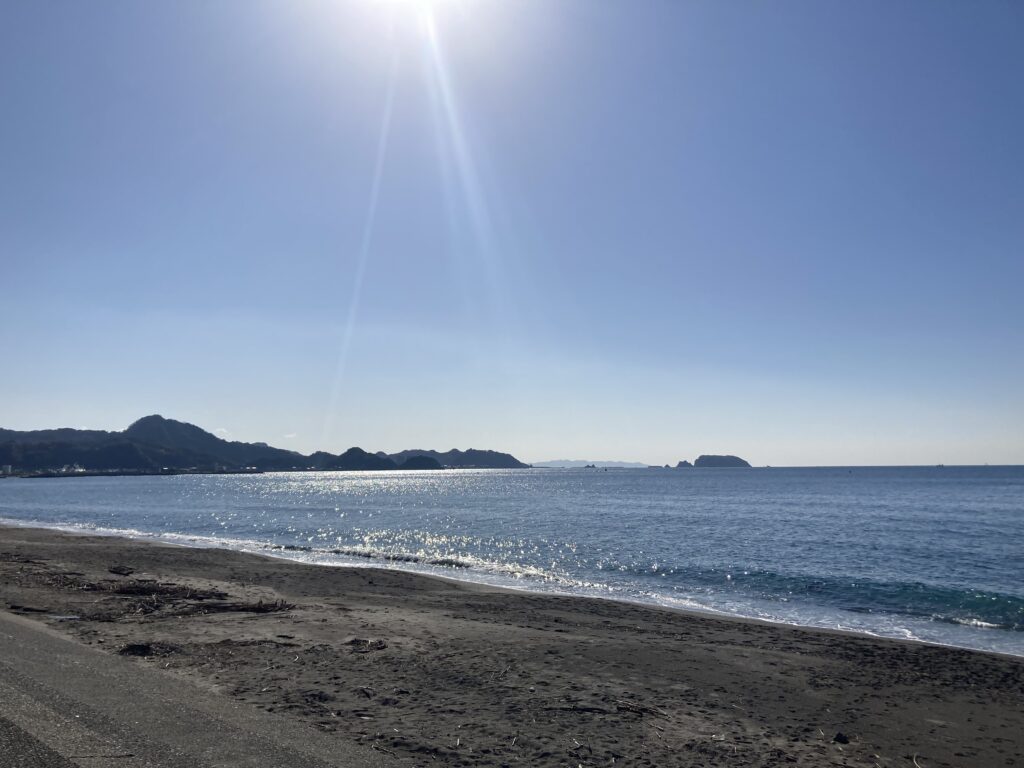
Between JR Hota Station and Awa-Katsuyama Station, there is the Hishikawa Moronobu Museum, dedicated to the Edo-period artist Hishikawa Moronobu. A leisurely walk along the coastline will take you there, where you can enjoy his ukiyo-e prints and other works.
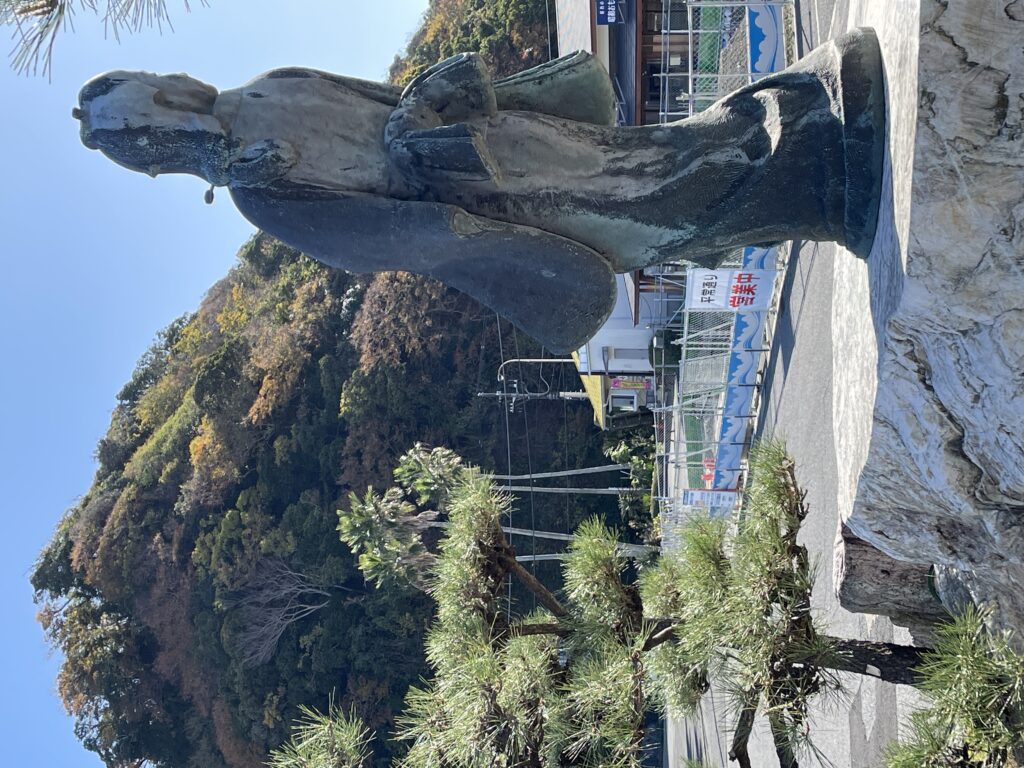
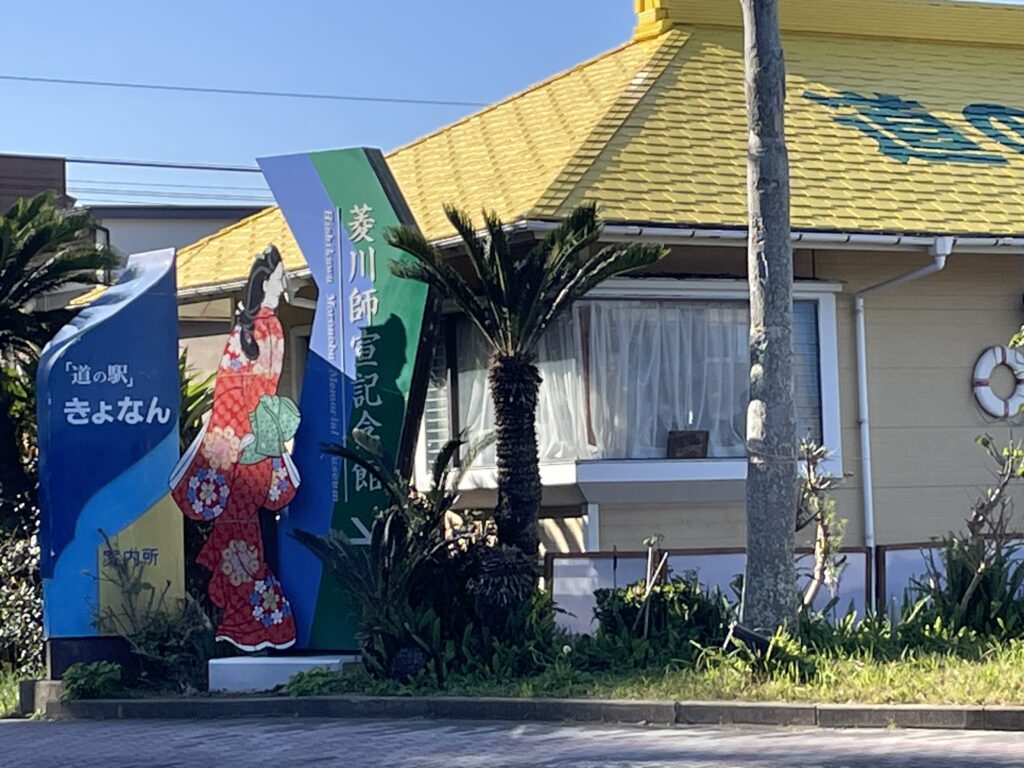
A short walk from JR Hamakanaya Station brings you to The Fish, a restaurant and souvenir area where you can enjoy seafood from the Uchibō region. It is a perfect location for experiencing the feeling of a small, casual trip.

If you decide to stay overnight, you could extend your trip along the Uchibō Line to places like Awa-Kamogawa or Yōrō Valley on the Kominato Railway. Taking a ferry or heading toward Kanagawa via the Aqua-Line is also recommended on a clear day.

Chiba Prefecture is served by several sea-themed limited express trains from Shinjuku, such as the Sazanami (Uchibō Line), Wakashio (Sotobō Line), and Shiosai (to Sakura and Chōshi), making it perfect for short trips.

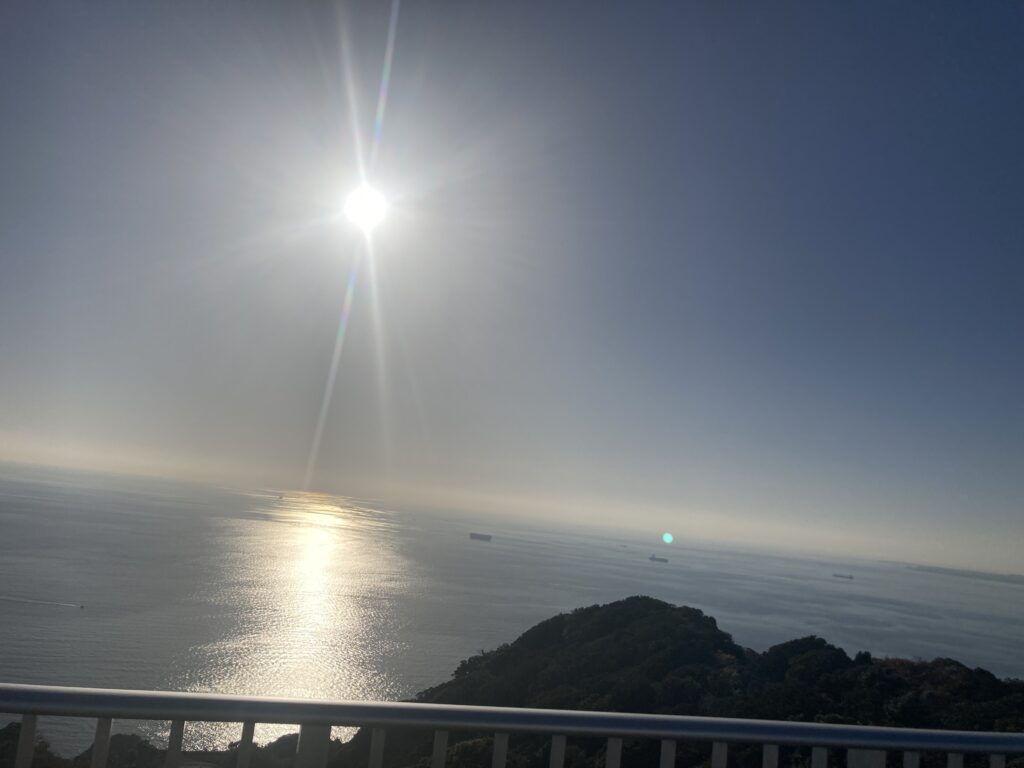
Many areas of Chiba still retain a strong local character compared to other parts of the Kanto region. If you ever feel nostalgic for visiting your grandmother’s house in the Showa era, taking a small trip to the Bōsō Peninsula might be a delightful experience.

In autumn, when the weather is clear, the air is crisp and the views are outstanding. Not only can you enjoy the autumn foliage, but you can also refresh yourself with fresh mountain air, making for a fulfilling day trip.
Autumn Pottery Markets in Japan

In autumn in Japan, it’s not only the fall foliage that you can enjoy—there are also many festivals, events, and flea markets.

Among these, pottery markets held in various regions are especially not to be missed.
There is a convenient website that lists pottery markets held all across Japan, so be sure to check it out.

https://dai-toukiichi.com/

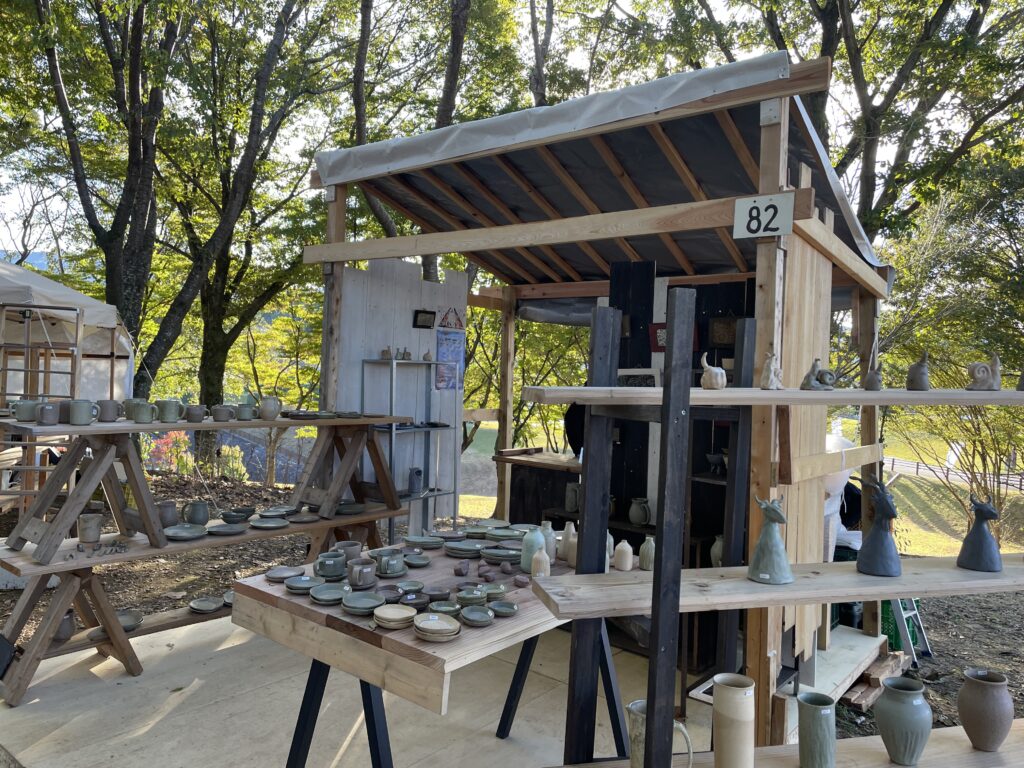
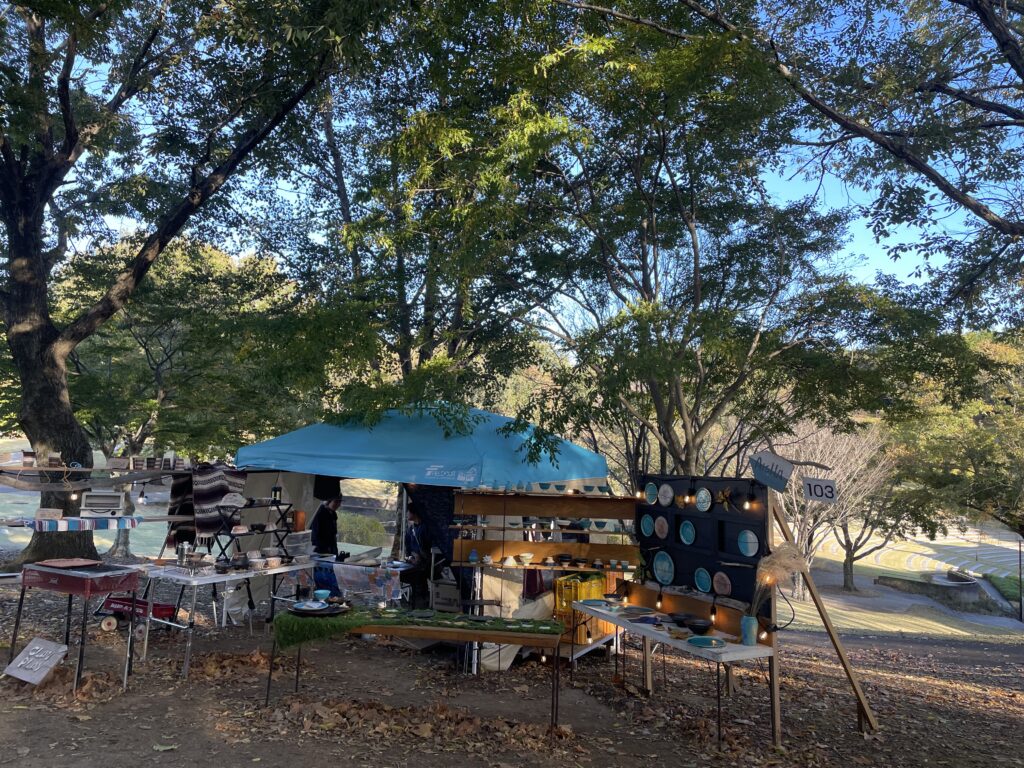
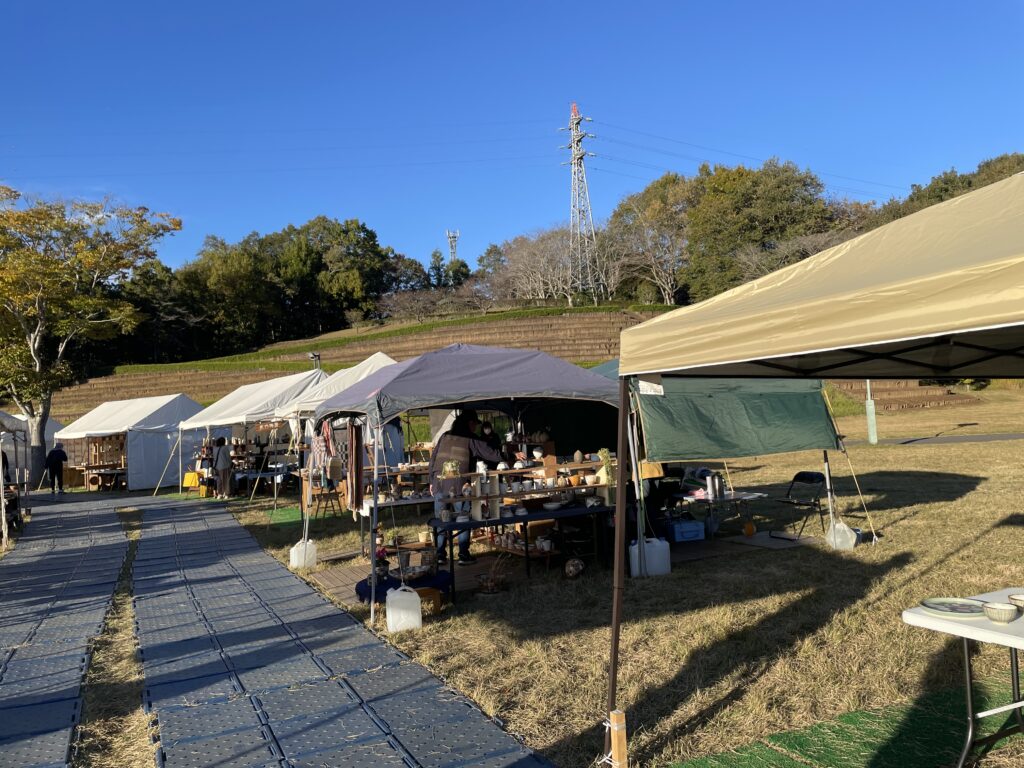
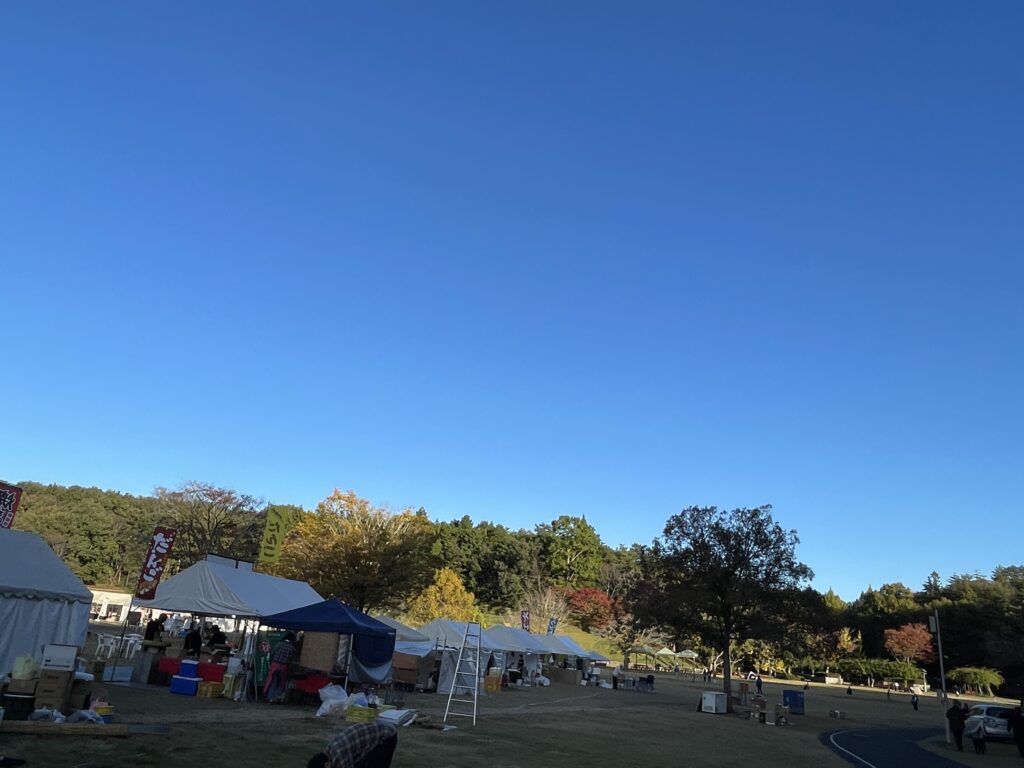
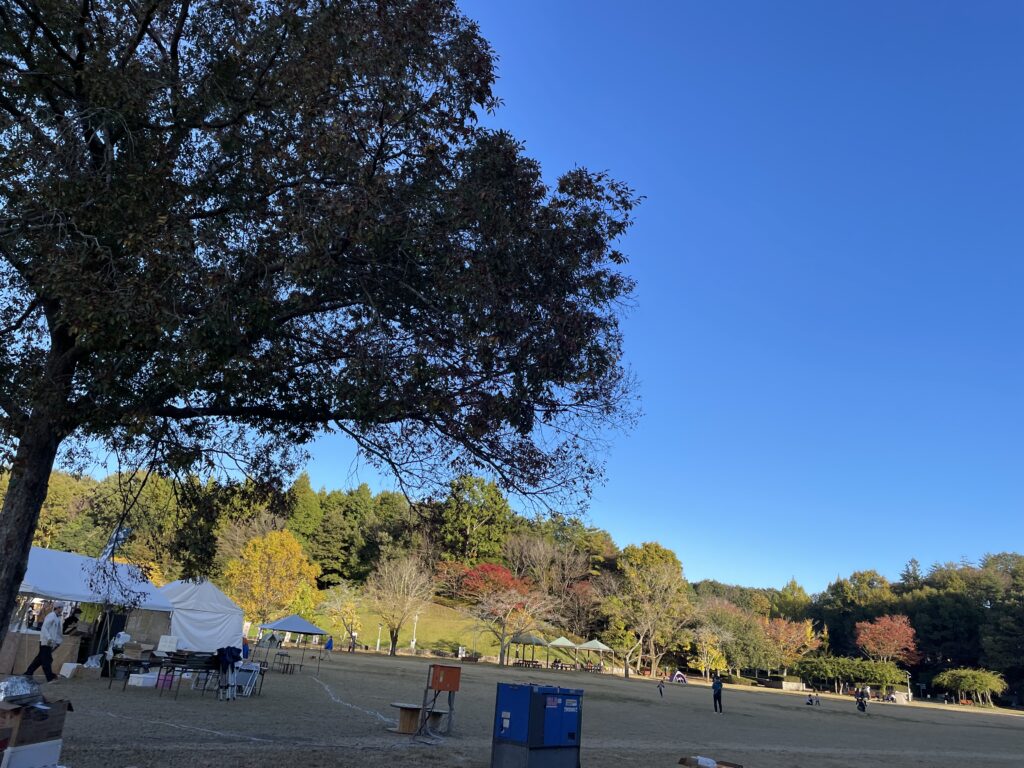
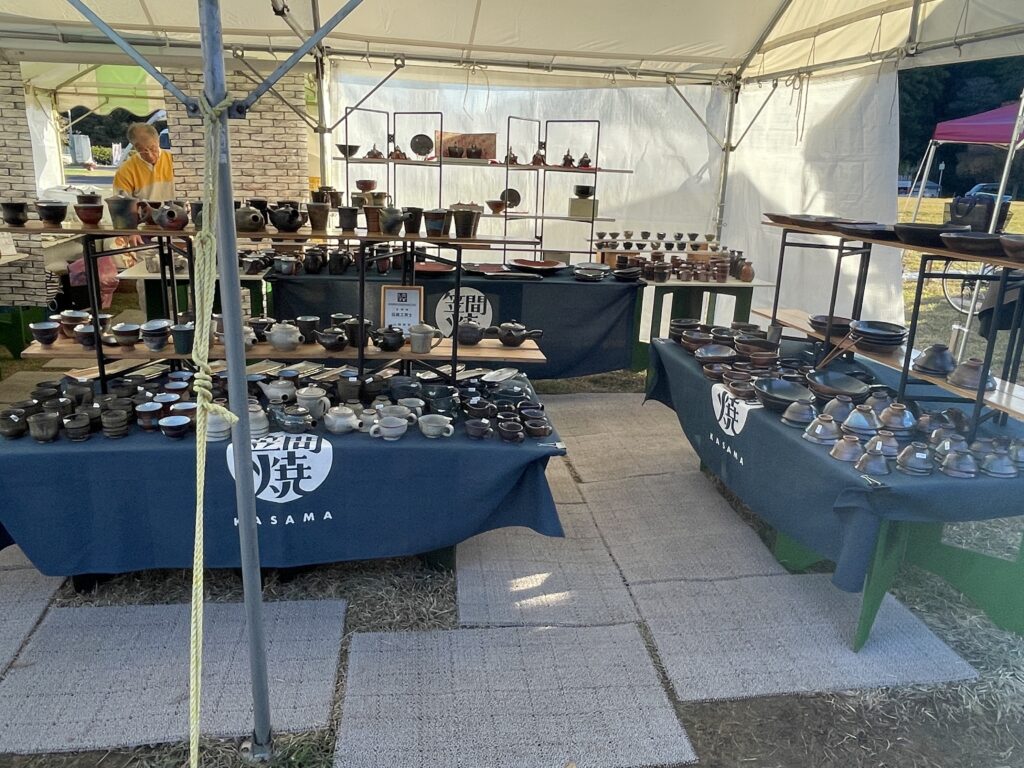
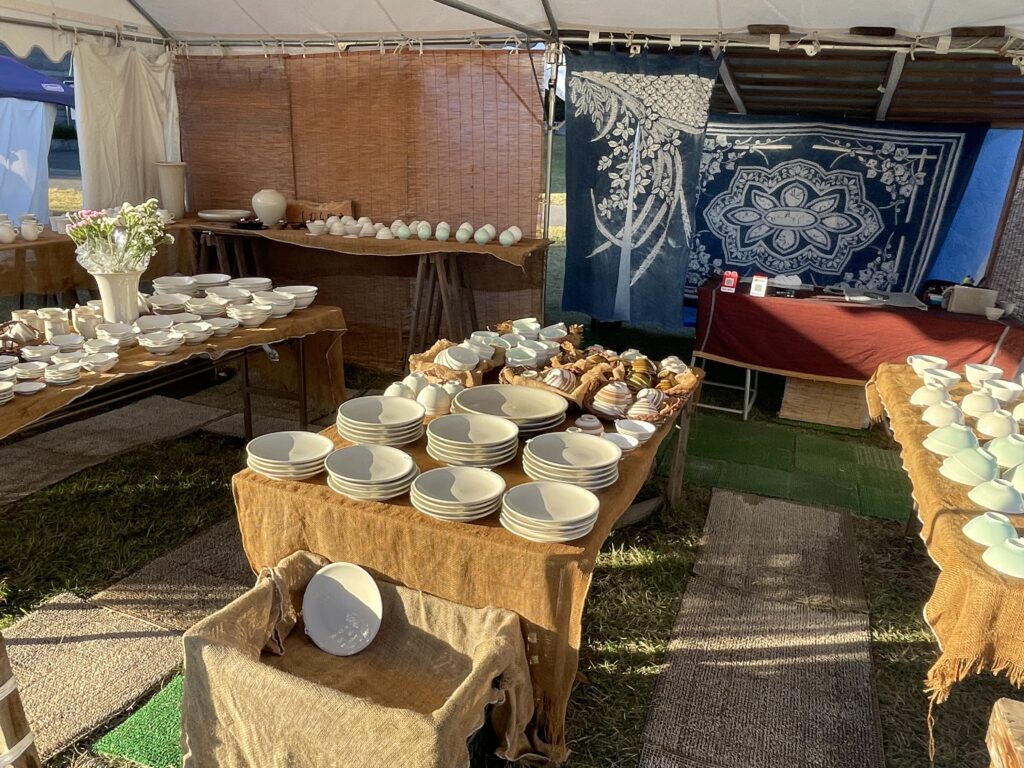
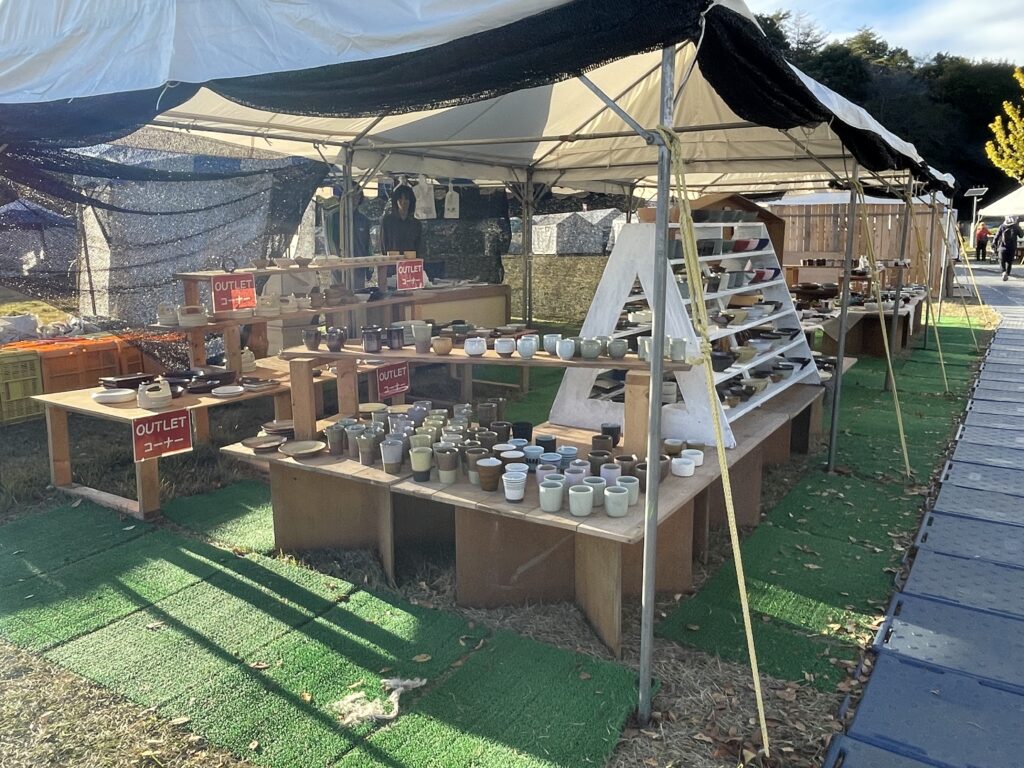
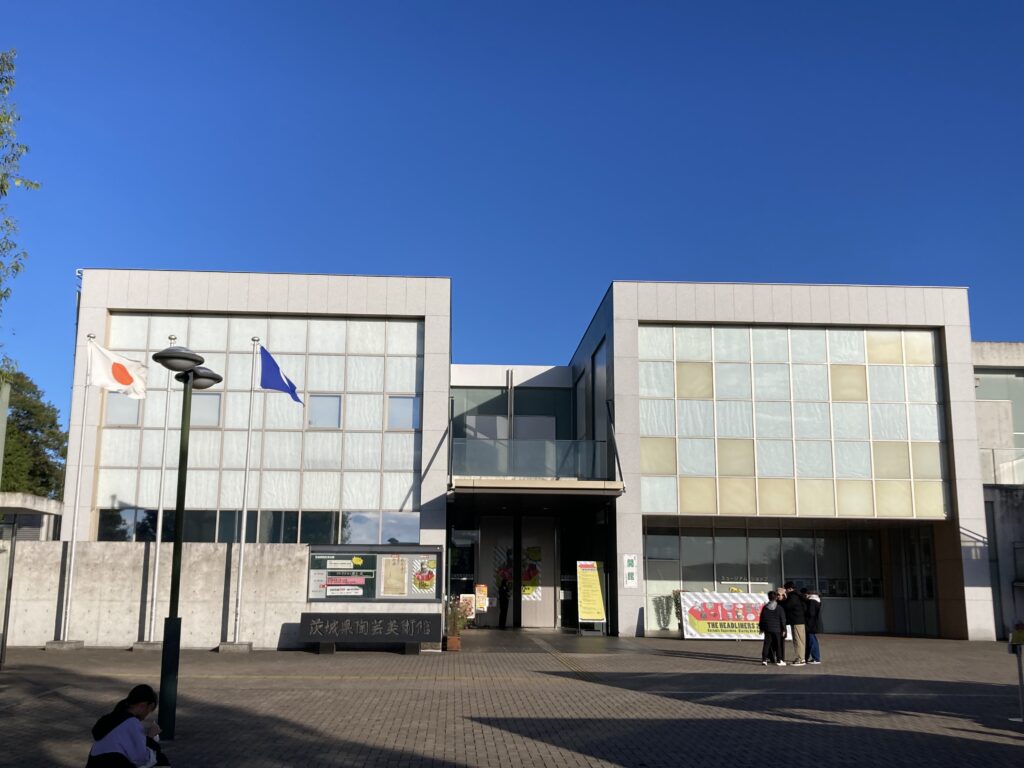
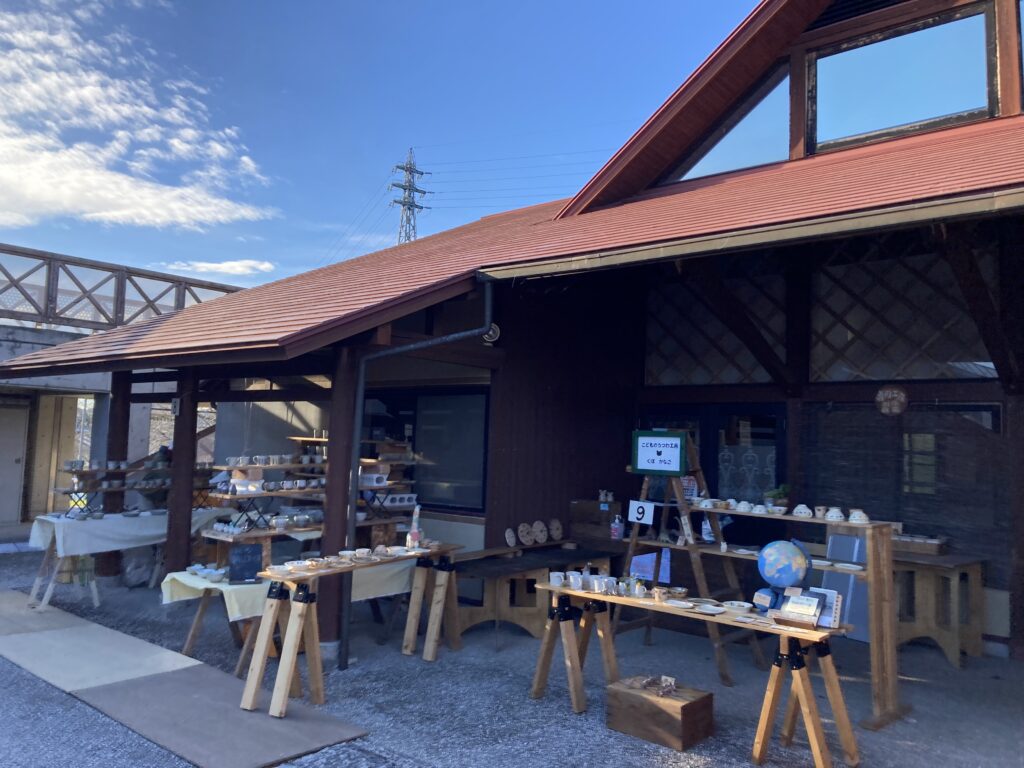
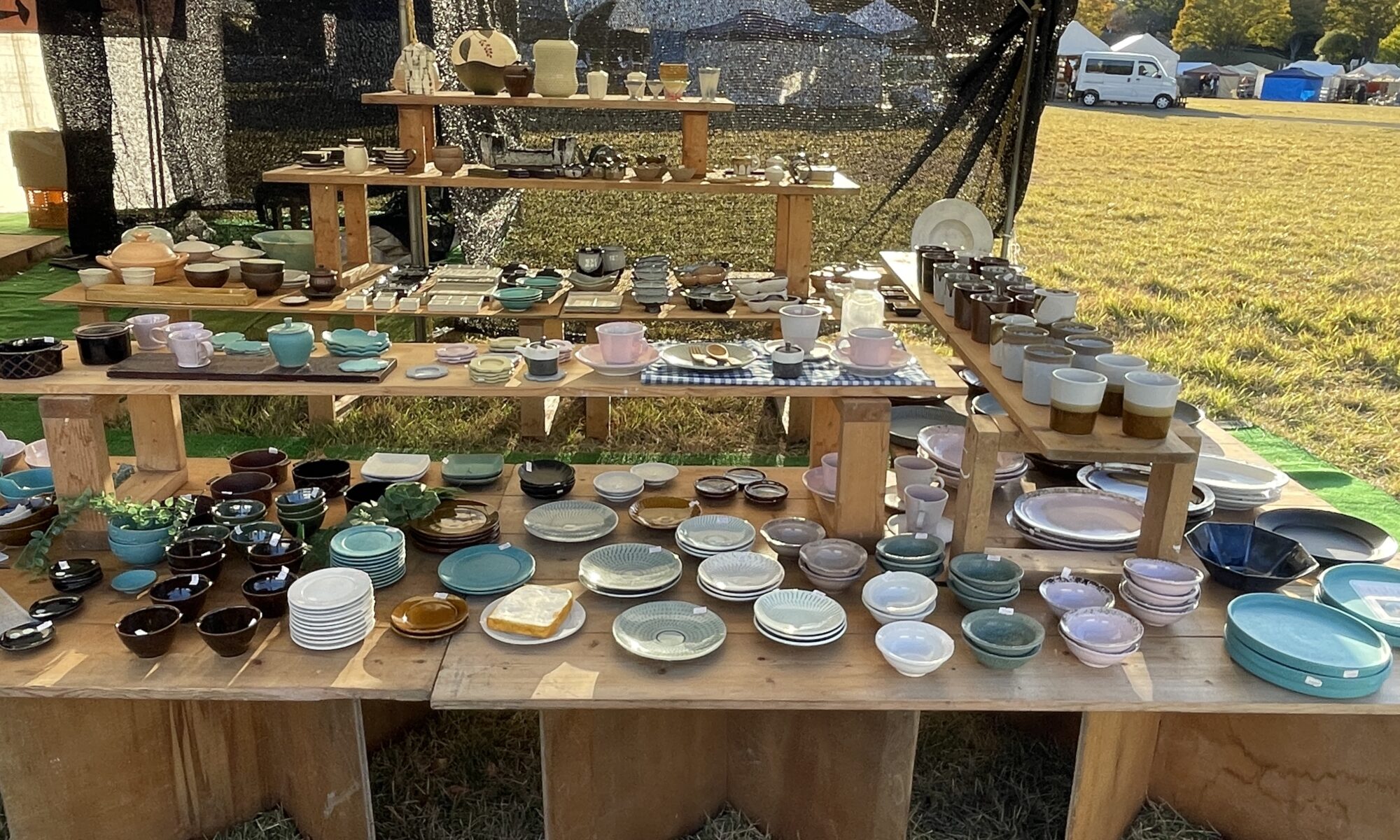
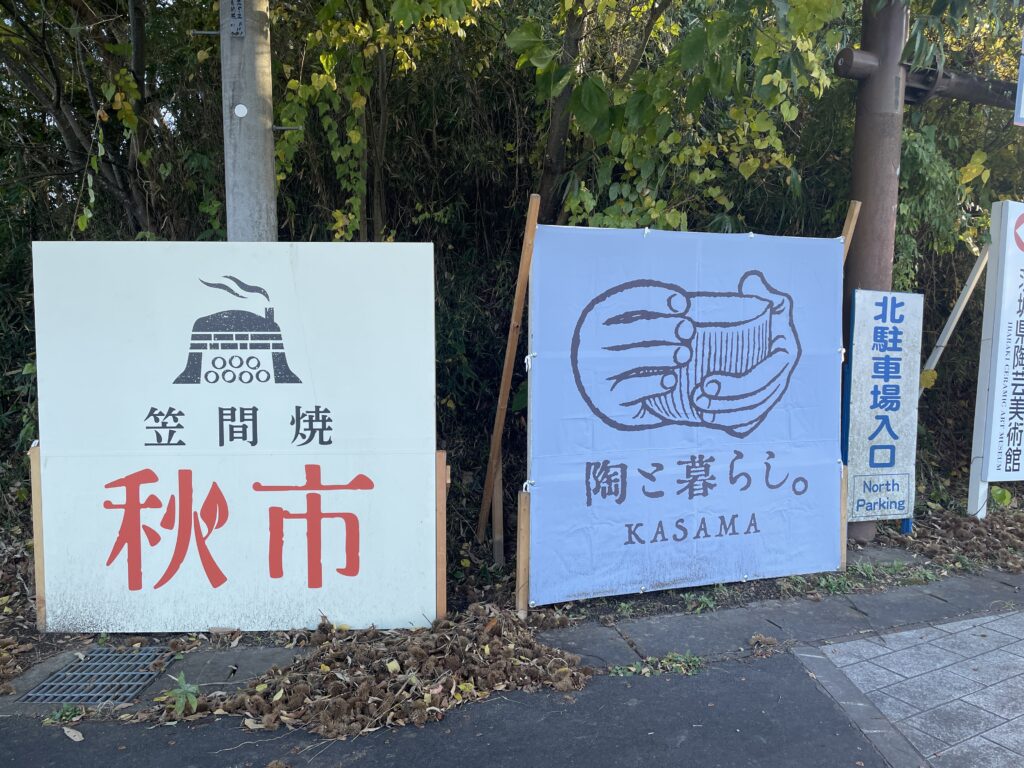
I visited the Kasama Pottery Market in Kasama City, Ibaraki Prefecture, which is held in early November.
Many ceramic artists had booths there, and it was truly fascinating.

There is also a ceramics museum within the grounds, and for anyone who loves pottery, it’s a place I would definitely recommend visiting at least once.
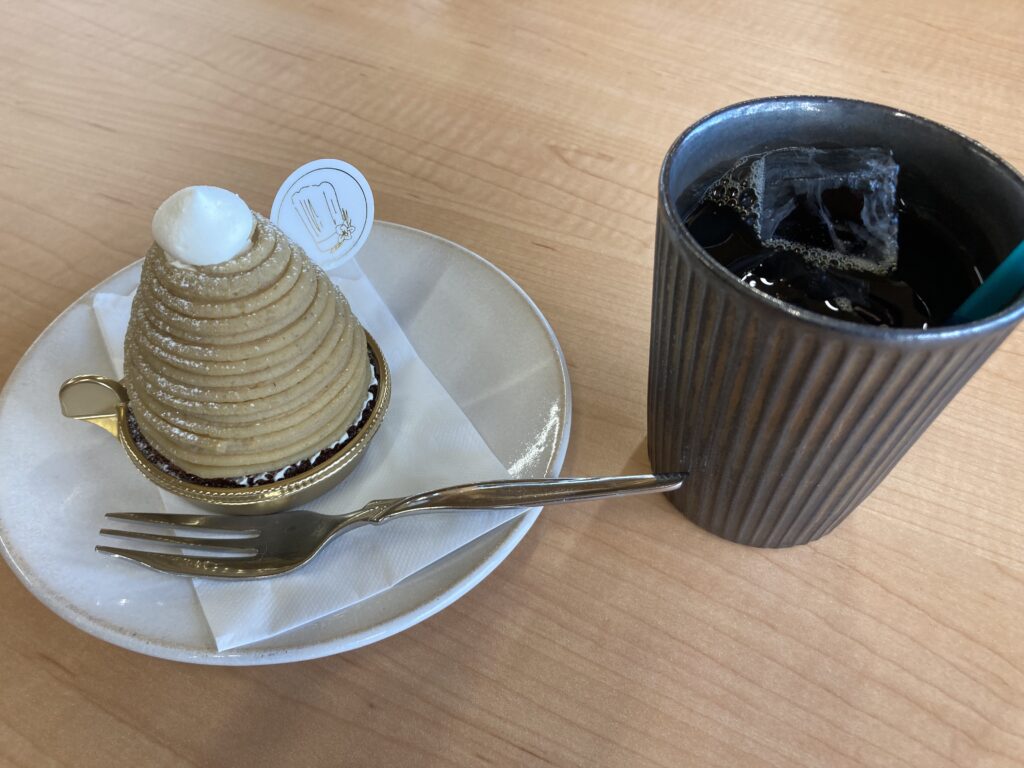
Kasama is also known as a famous chestnut-producing region. At the Kasama roadside station,笠間道の駅、 you can enjoy local specialties such as chestnut sweets and the unique “Mont Blanc Tantanmen (Spicy ramen with chestnuts cream on the top),” making it a fun stop for food lovers as well.

During periods when the Kasama Pottery Market or events at Kasama Geijutsu no Mori Park are held, special shuttle buses operate between the tourist sites and nearby stations—JR Kasama Station on the Mito Line and JR Tomobe Station on the Joban Line.
By using these buses, you can get around easily even without a car.

Especially in autumn, you can enjoy the beautiful fall foliage at the same time, so if you are in the greater Kanto area, it’s sure to feel like a perfect short getaway.

For those who don’t have much time, pottery markets are also held fairly often within Tokyo. If a market is happening nearby on a weekend, be sure to check regularly and try to find a one-of-a-kind treasure just for you.

In Japan, autumn is the season when the summer heat fades, making it easier to focus on a wide variety of activities. It is also a time to celebrate the harvest, which is why it is often referred to as the season of sports, the season of the arts, the harvest season, and even the season of good appetite.

Why not find an autumn activity that suits you best?

Autumn foliage 2025 in Japan

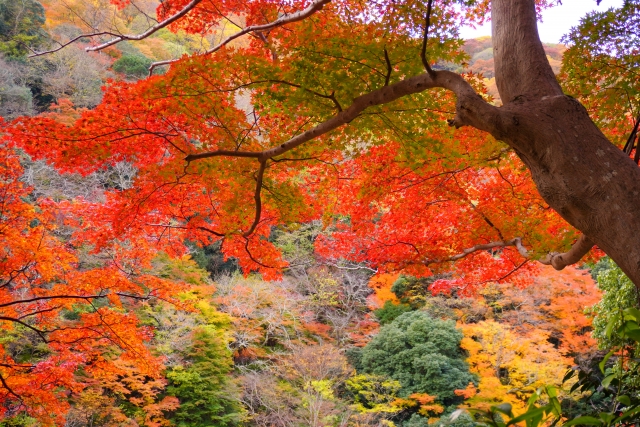
In fall time, we can see autumn foliage everywhere in the north hemisphere in the world. Whereas, there is only place where you can see autumn foliage in conjunction with Japanese temples and shrines.

Due to world climate change effects on fall foliage in Japan, it is high time to change green leaves to yellow or red at the beginning of October, but it is running behind recent years.

Because leaves color are closely related to the temperature. In particular, cool temperature in the nights and mornings are an important condition for the leaves to turn a vibrant yellow or red.

Now, autumn foliage spots are crossing over Japanese continents from the north area to the south.

Earth Communication Provider reports “Release of 2025 Autumn Foliage forecast (2nd Forecast) as below the link

Https://n-kishou.com/corp/news-contents/autumn/?lang=en

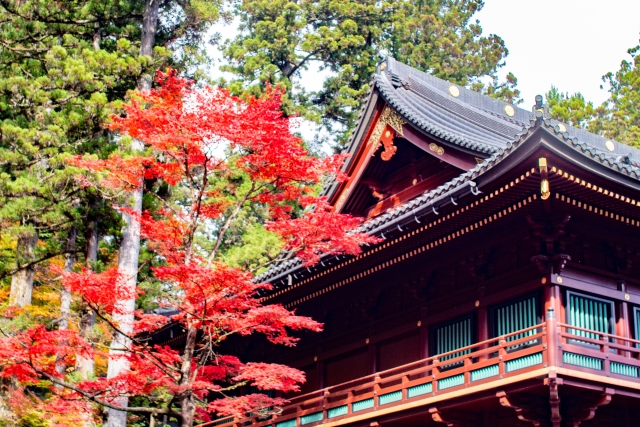
I am going to Nikko to see autumn foliage with Nikko Toshogu 日光東照宮

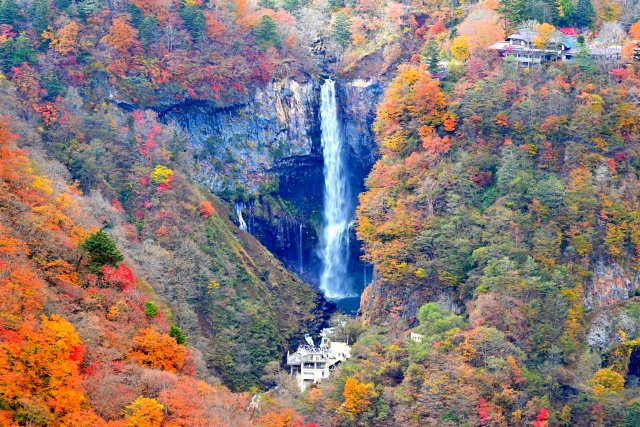
And Kegon no taki 華厳の滝this year. Nikko is very close to Tokyo. Just Two hours train or bus ride will take you to Nikko!

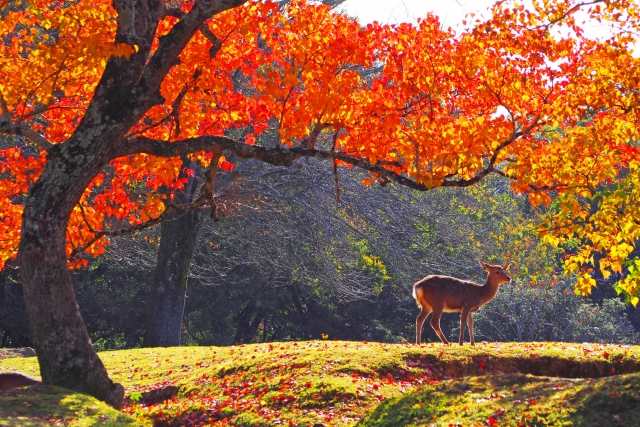
There is so many autumn foliage spots in Japan, especially Kyoto, Nara.

If you love to pet wild animals, visit Nara and see and feed deer at Nara Park.

Let’s start planning to visit autumn foliage spots during this beautiful season in Japan!!

Warning! Be aware of bears in Nikko. Hungry bears have been spotted frequently in towns and villages this autumn. They attacked human in some cases. Please keep update the latest information of bears when you plan to visit mountain areas.