I Went to the Great Extinction Exhibition at the Beginning of the Year

When you think of Ueno at the end of the year, the Dinosaur Night Parade comes to mind. I really wanted to go, but I couldn’t get a ticket. Those were sold-out very quickly.
So instead—if I can call it that—I went to the Great Extinction Exhibition.
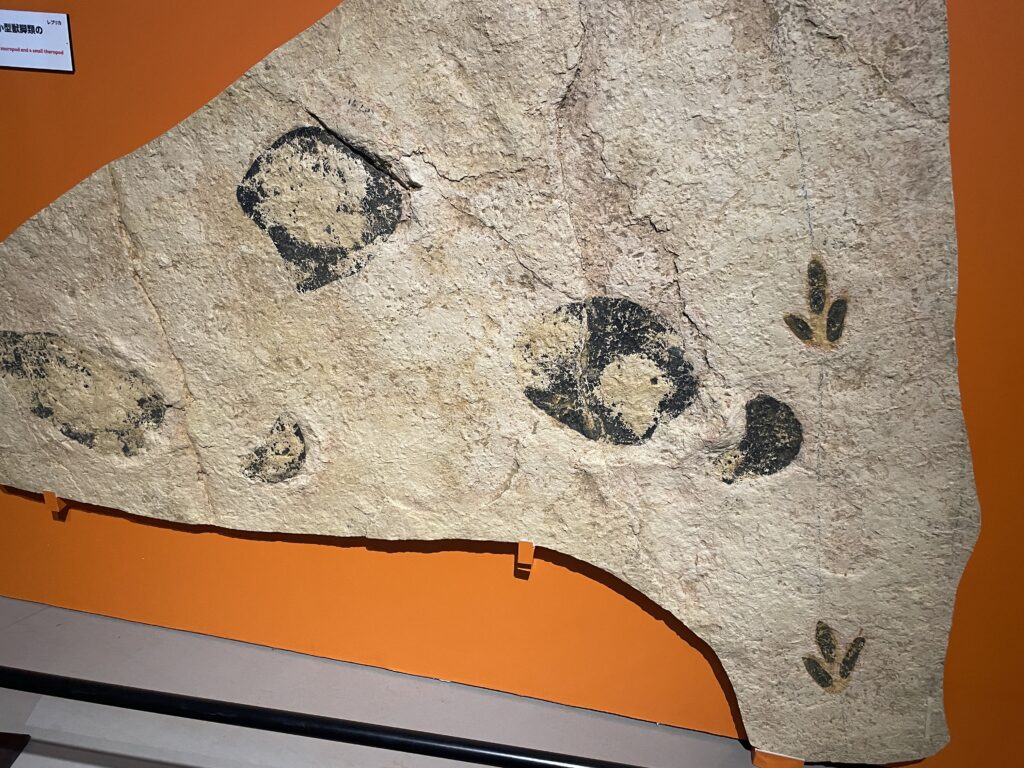
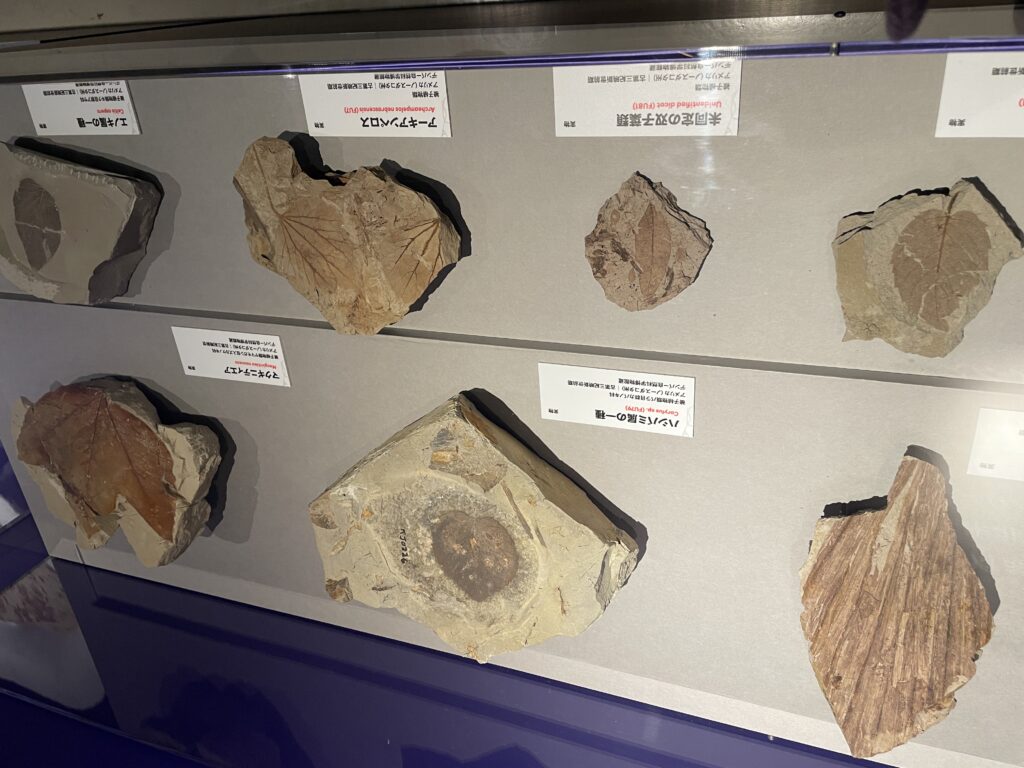
It was a weekend, so it was very crowded. When we hear “mass extinction,” we tend to immediately think of dinosaurs, but in reality, surviving in this harsh world means that only a very limited number of species are able to make it through.

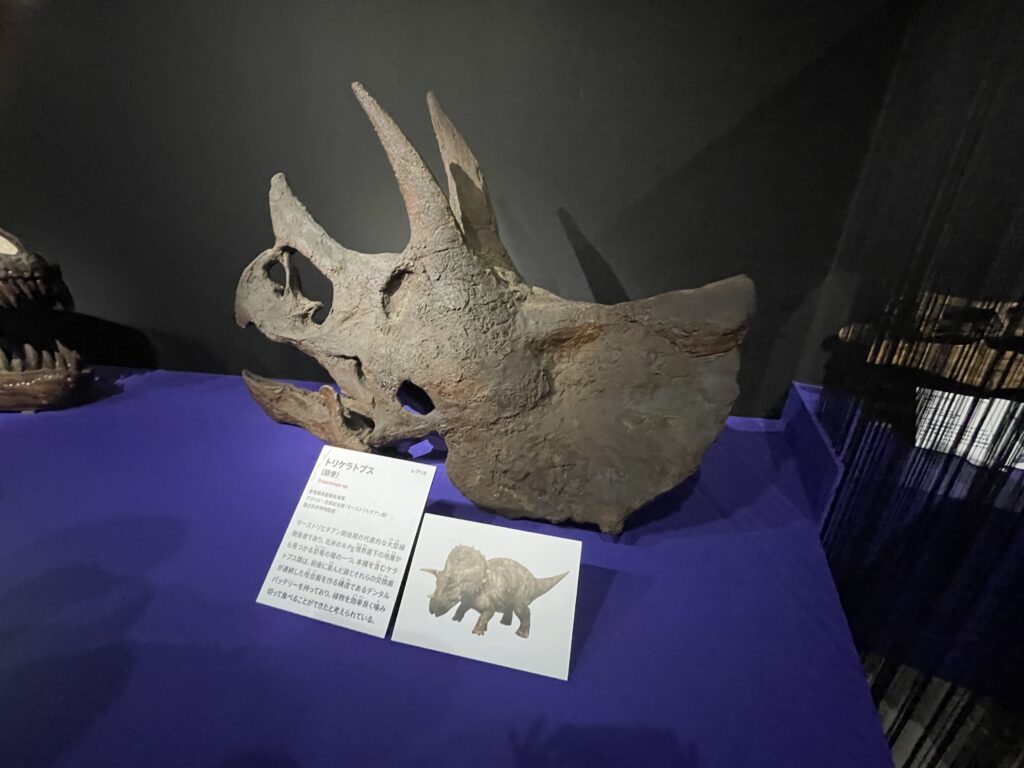
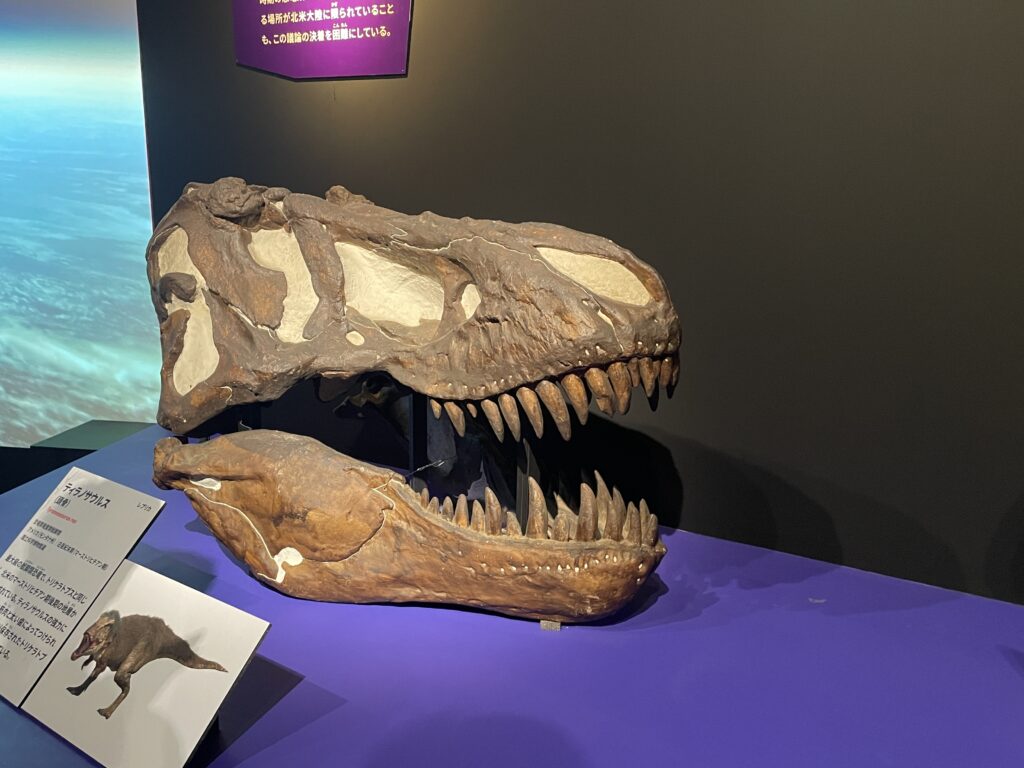
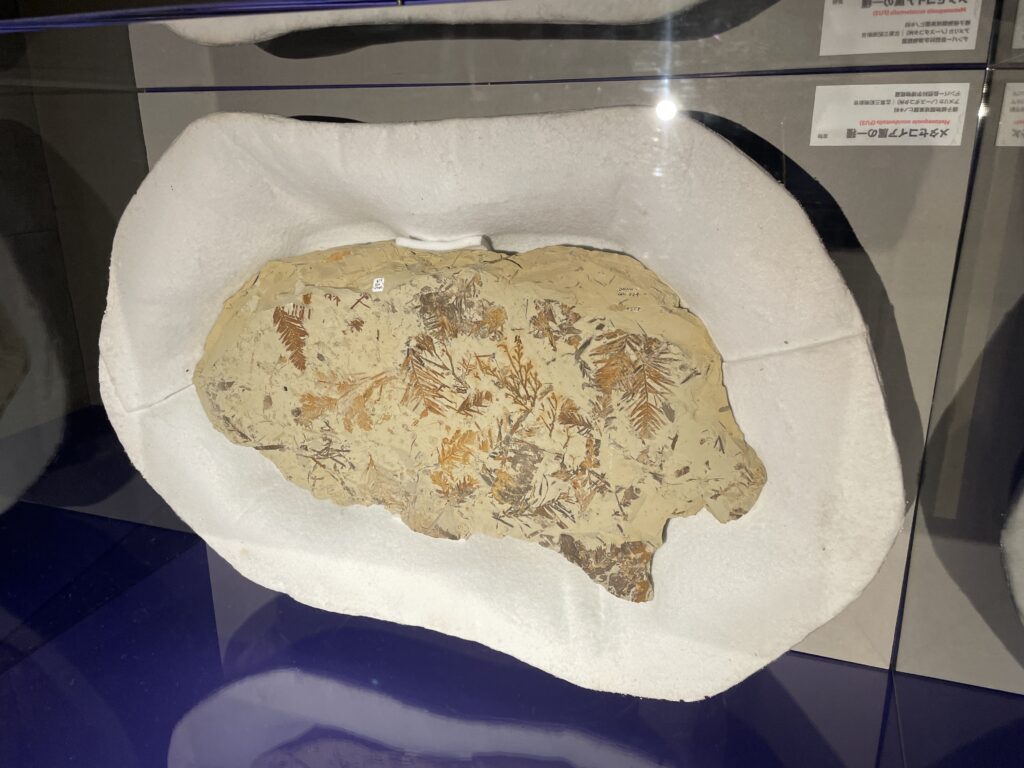
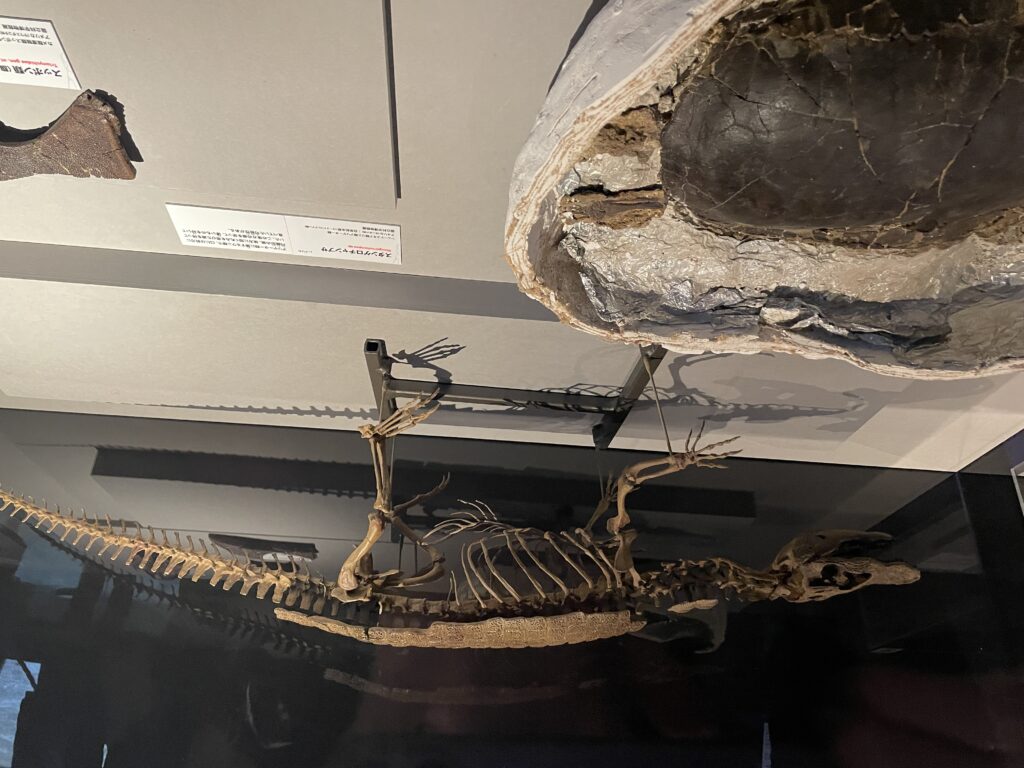
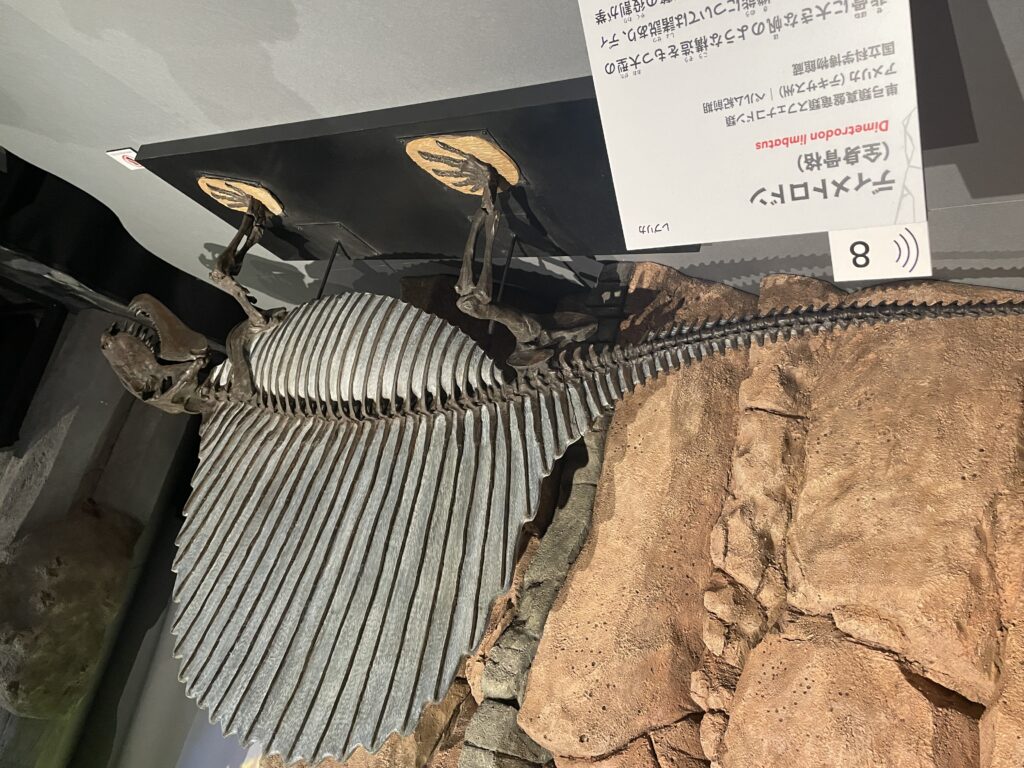
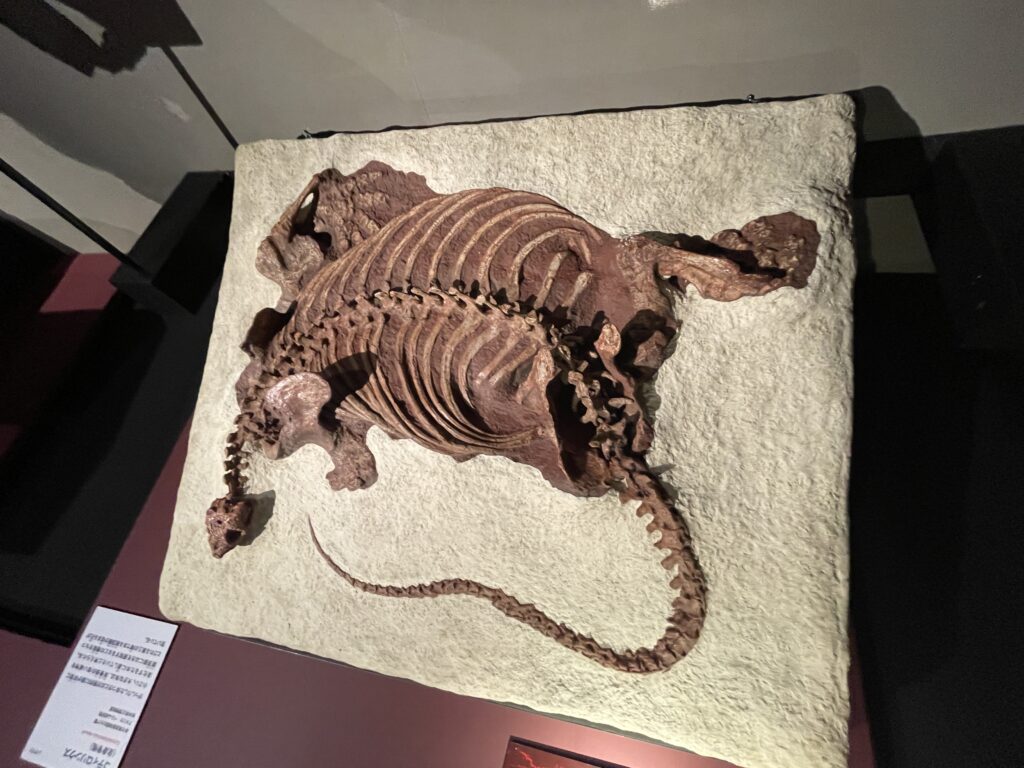
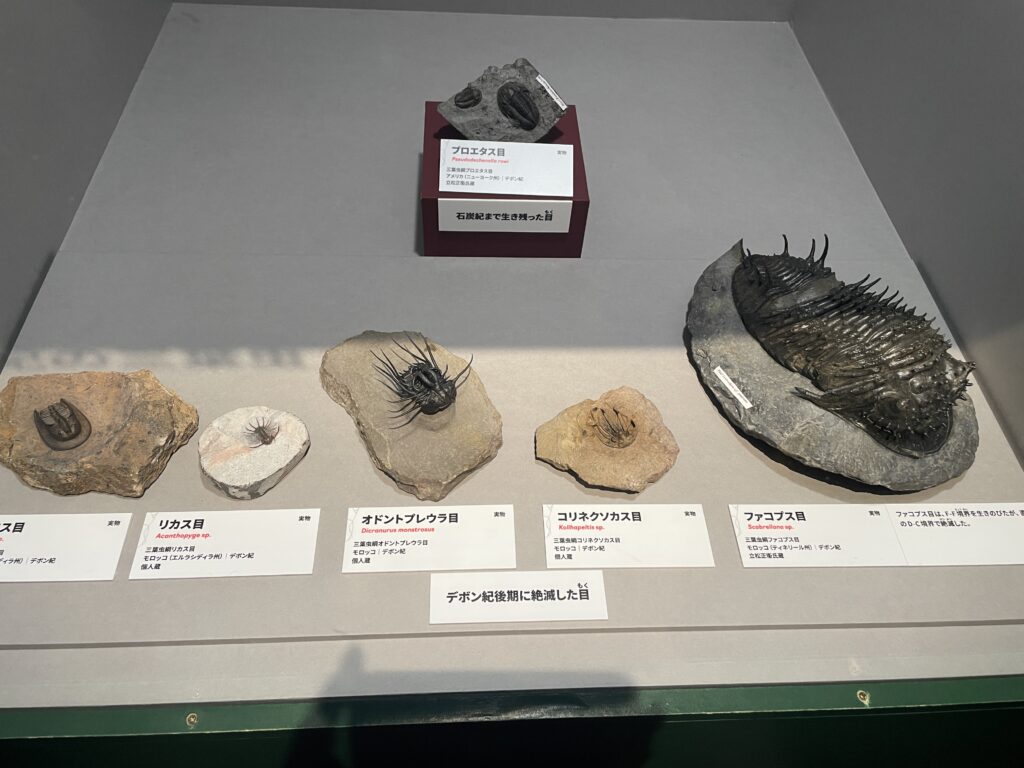
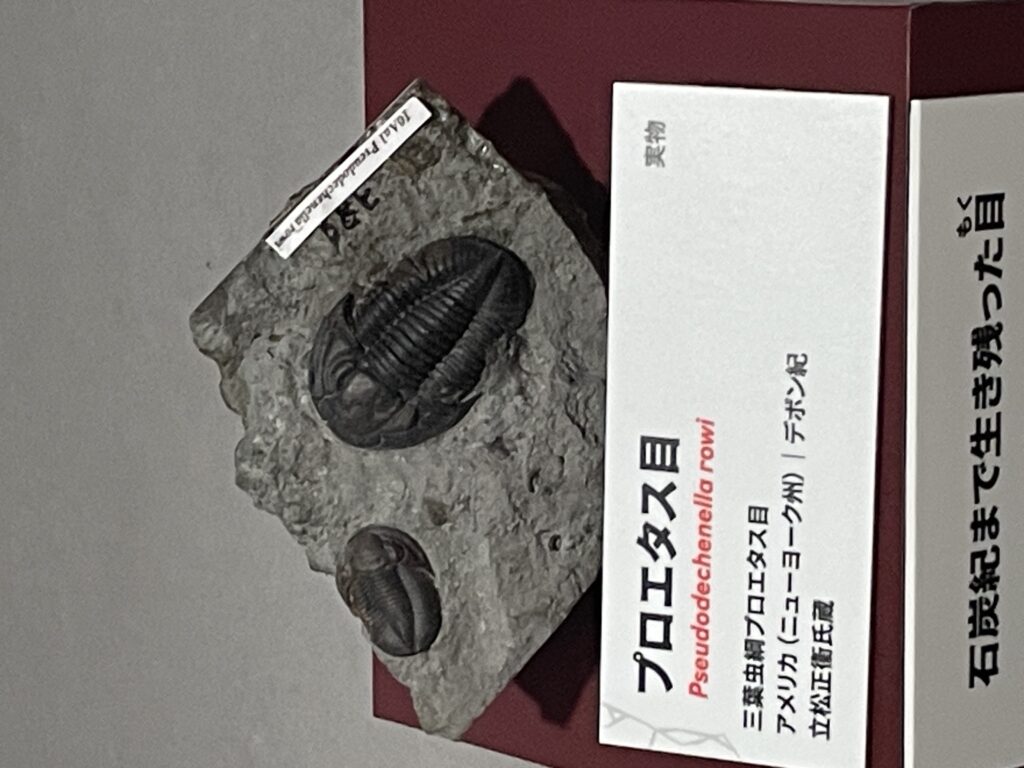
From trilobites to megalodons, the exhibition showcased many unique creatures with a wide variety of survival strategies, tracing how they were born, thrived, and eventually went extinct. It was truly fascinating.
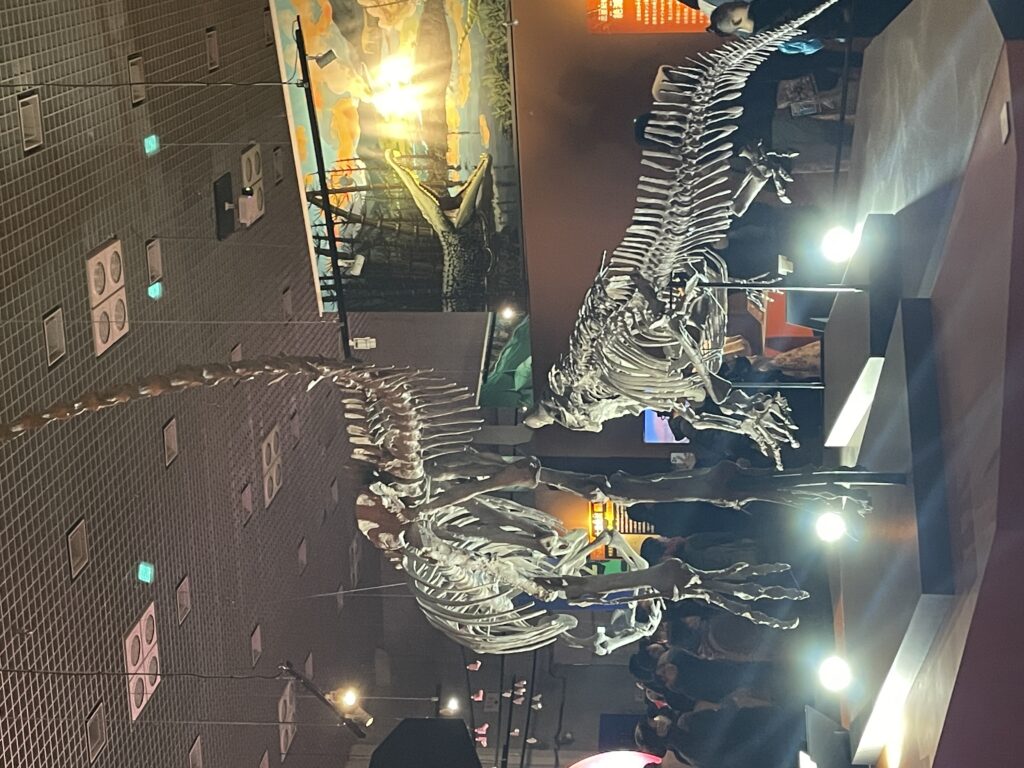
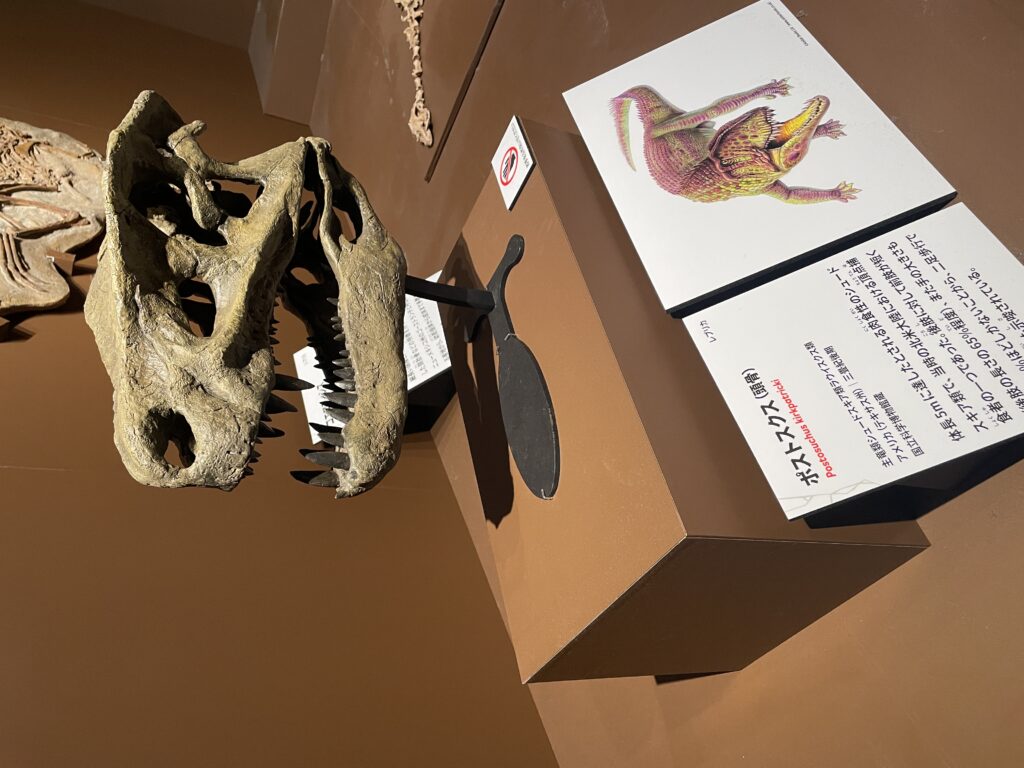
It made me think that the fact we are alive today is largely due to luck, and simply because we happen to be adapted to the Earth’s current environment. If drastic changes were to occur again—through climate change or a meteorite impact, for example—only the creatures capable of surviving would end up being displayed in future exhibitions like this.
My own existence, too, is the result of several miracles overlapping. In the vast flow of time and space, our existence may be tiny, but realizing that we have life at all is an incredible thing. It really made me reflect on that.
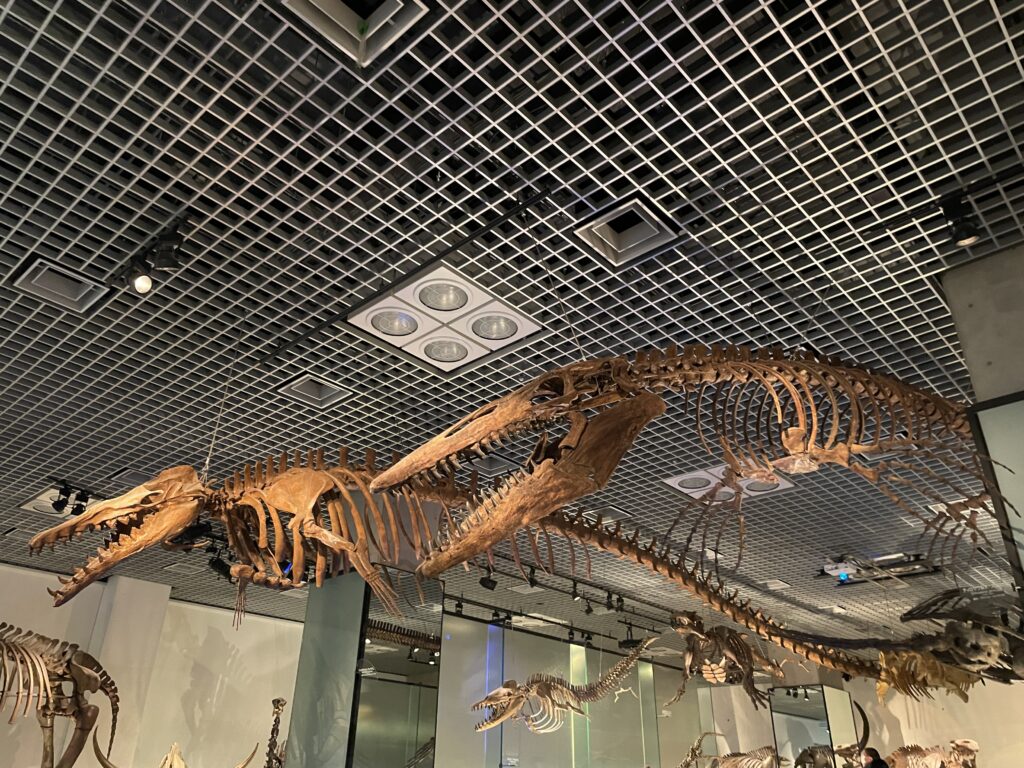
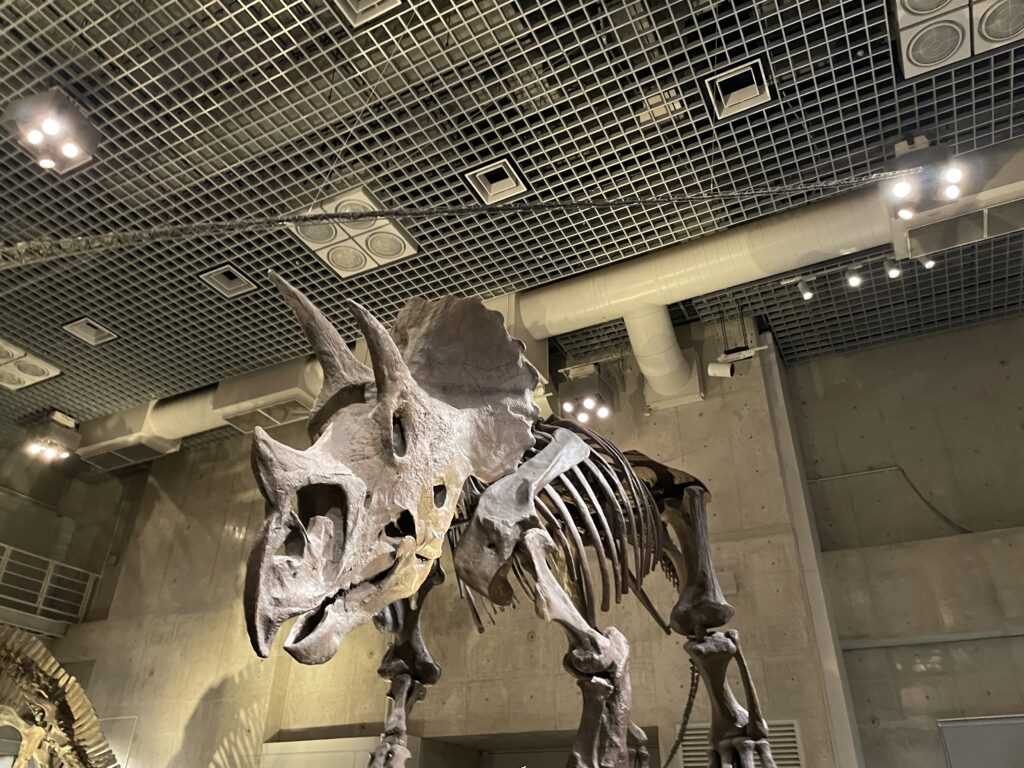
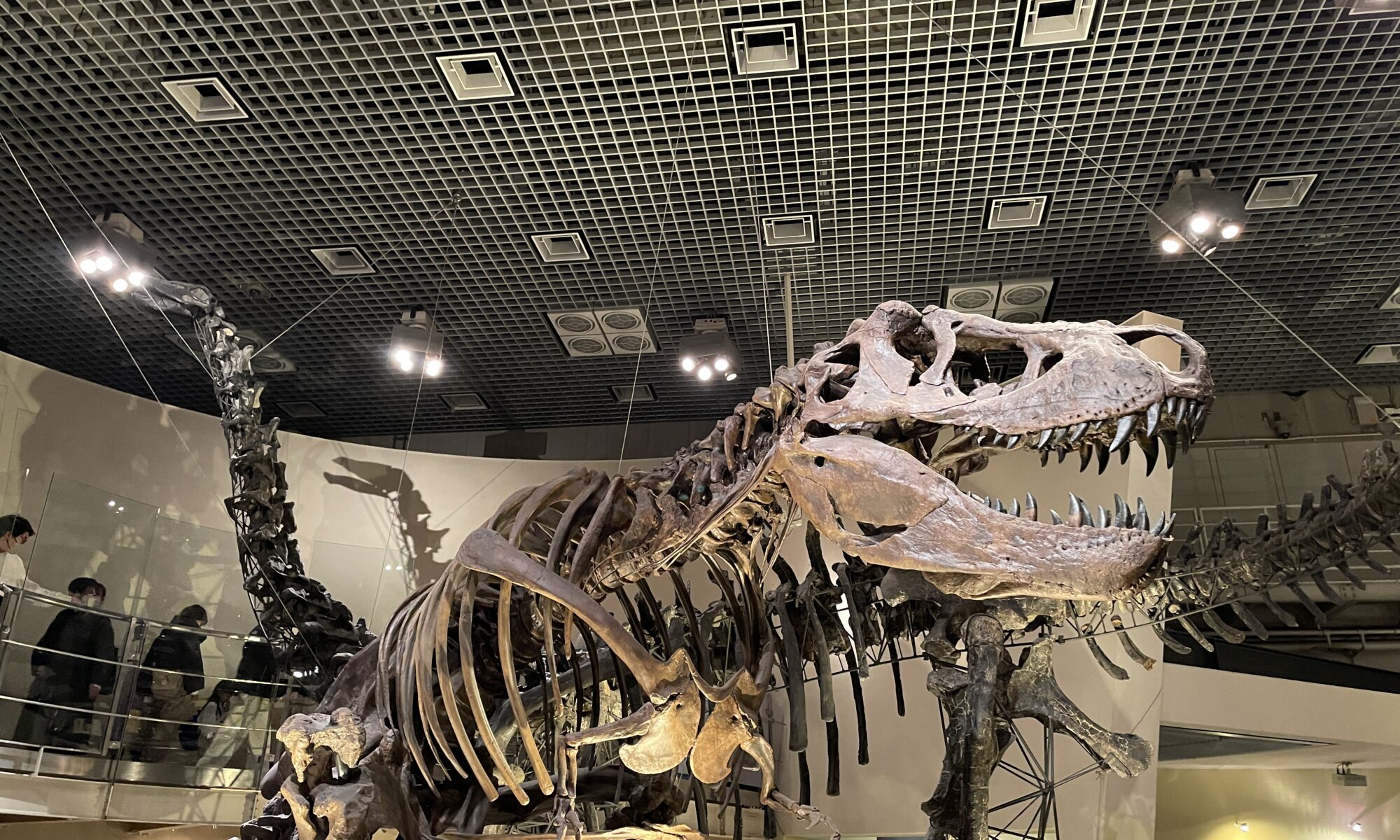
I also highly recommend the permanent dinosaur and mammal exhibitions at the National Museum of Nature and Science in Tokyo.
You can even see a huge sperm whale specimen!

The origins of Japanese comic strip that is commonly called “Choju-Giga” a set of four picture scrolls(Emakimono), in the mid -12th century.

Have you seen this very famous Emakimono (Scroll of Frolicking Animals and Humans)? I am sure that this caricature art works you can find everywhere in Japan. Especially mangas and animes, industrial designs, which have frequently collaborated with several art works.

The set of four picture scrolls, which are composed of “Koh-kan”甲巻、“Otsu-kan”乙巻、“Hei-kan”丙巻、”Tei-kan”丁巻、belong to the Kozan-ji Temple in Kyoto.

The scrolls are entrusted to the Kyoto National Museum and Tokyo National Museum nowadays.

“National Treasure, All About Choju-Giga” exhibition took place late spring in 2021 at National Tokyo Museum. So I visited the museum at Ueno Park, Tokyo.

Koh-kan 甲巻

All four volumes of  “Frolicking Animals” have been passing on the lively activities of anthropomorphized animals and ordinary people life in 12 – 13 centuries with energetic ink lines to our generation in 21 century.

All scenes flow from right to left, you can find quite a few animals inside this Emakimono, especially volume 1,“Koh”甲巻, most famous one, which covers a wide range of animal characters such as hares, frogs, deer, monkeys, cats, wild boars, horses, bulls, foxes and so on.

Koh-kan 甲巻

Some of them are bathing, playing sumo, praying monkey with monk robe to frog budda, deer ride, catch and run…animals are so cute and funny, fresh, vigorous!

They seem to be about to come out of the screen!

Koh-kan 甲巻

No wonder the works still keep inspiring many modern artists. It is no exaggeration to say that the origin works of Japanese mangas and animes.

There is many poultries, and imaginary animals, which were believed to exist in China until late 15 century, emerge in volume 2“Otsu”乙巻.

Otsu-kan 乙巻

In addition, volume 3 ”Hei”丙巻depicts the lives of ordinary people lively, their activities, playing and gaming scenes in downtown. The volume 4 ”Tei” 丁巻draws monks and people are playing sumo and enjoying horse ride, watching an itinerant performer with orchestra in the street.

Hei-kan 丙巻
Tei-kan 丁巻

The Chances are that you can encounter upcoming exhibitions while visiting Japan, or watch digital archives at the museum site.

https://kosanji.com/chojujinbutsugiga/

https://en.wikipedia.org/wiki/Ch%C5%8Dj%C5%AB-jinbutsu-giga

https://www.tnm.jp/modules/r_free_page/index.php?id=2009