Just 1 hour train ride will take you to Kamakura from The Haneda International Airport.
The Kamakura Shogunate was established in 1185 in Kamakura by Yoritomo Minamoto (源 頼朝). It was the feudal military government of Japan during the Kamakura period from 1185 to 1333.A.D.
Those who wish to learn something about the contrast of old toward urban Japanese culture and history may do so by visiting Japan’s old cities and other spots which form a backdrop to Japan’s long history, or visiting old temples, shrines, gardens and by admiring images of Buddha and objects of fine art.
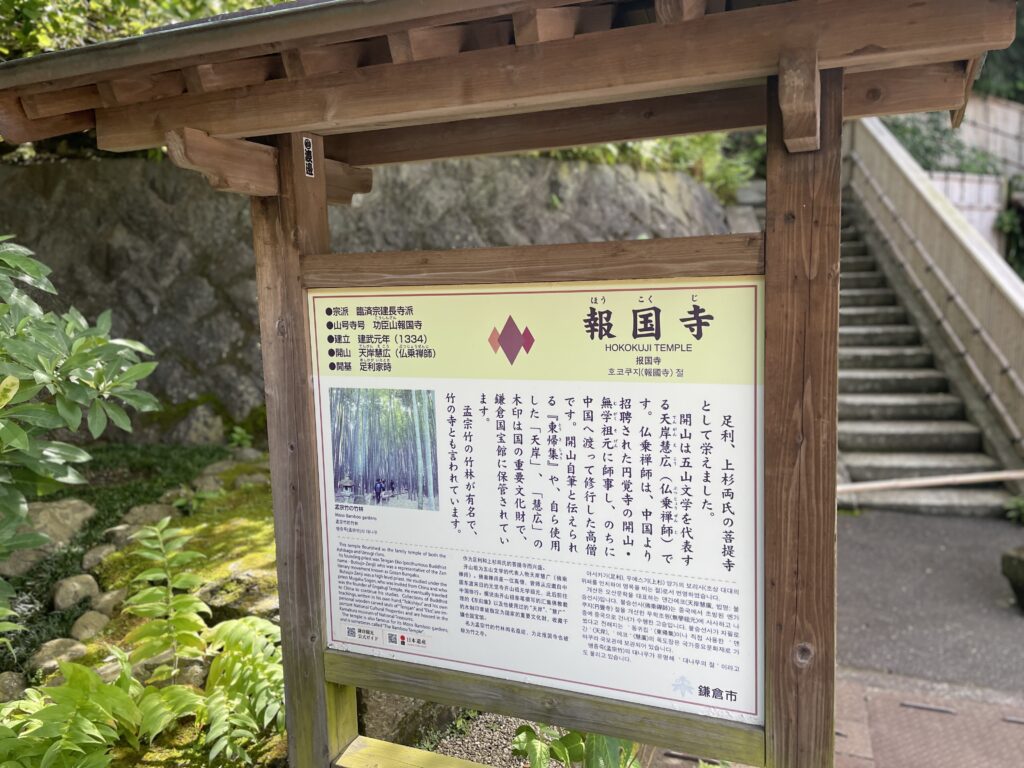
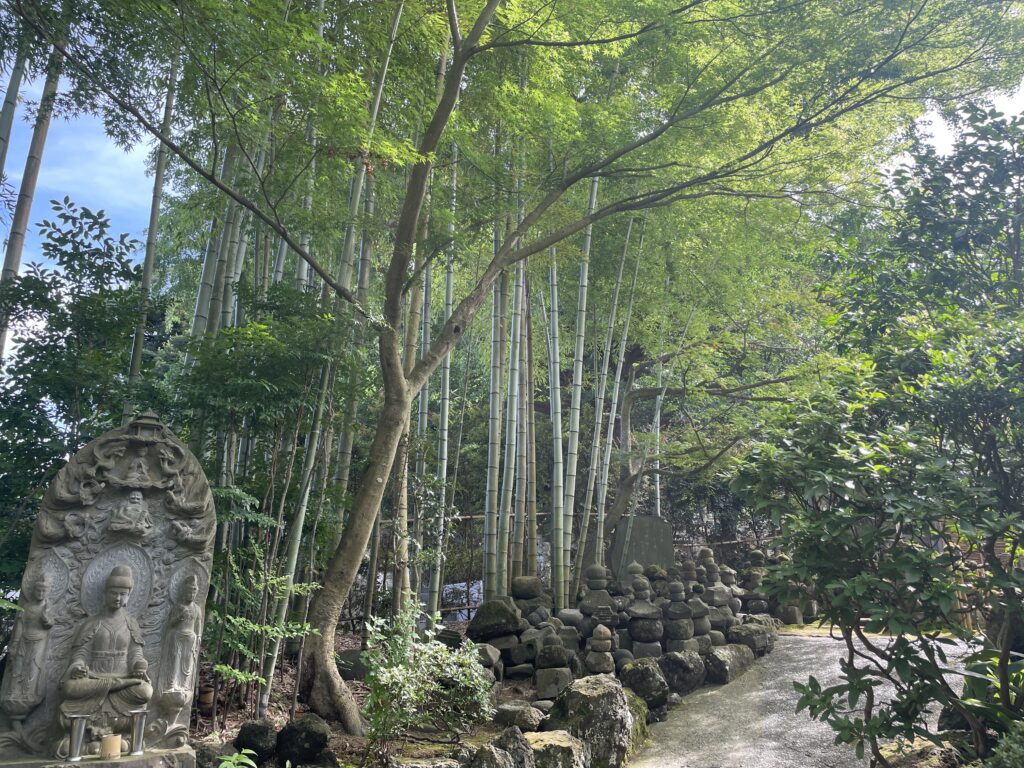
Houkoku Ji
Houkoku Ji
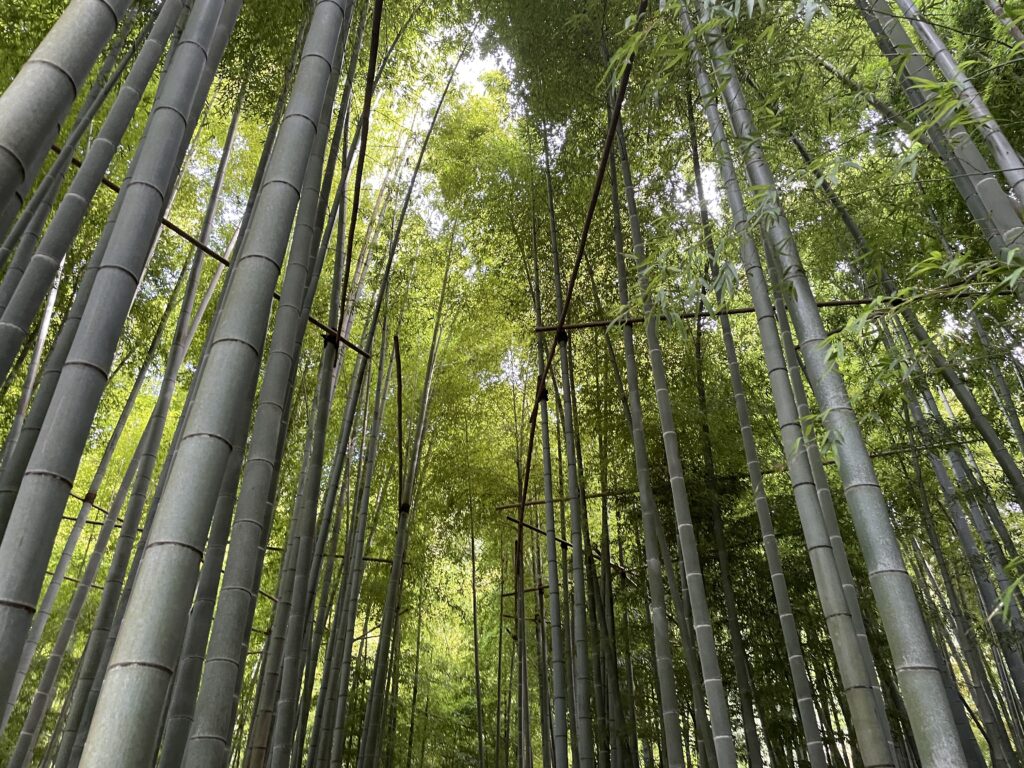
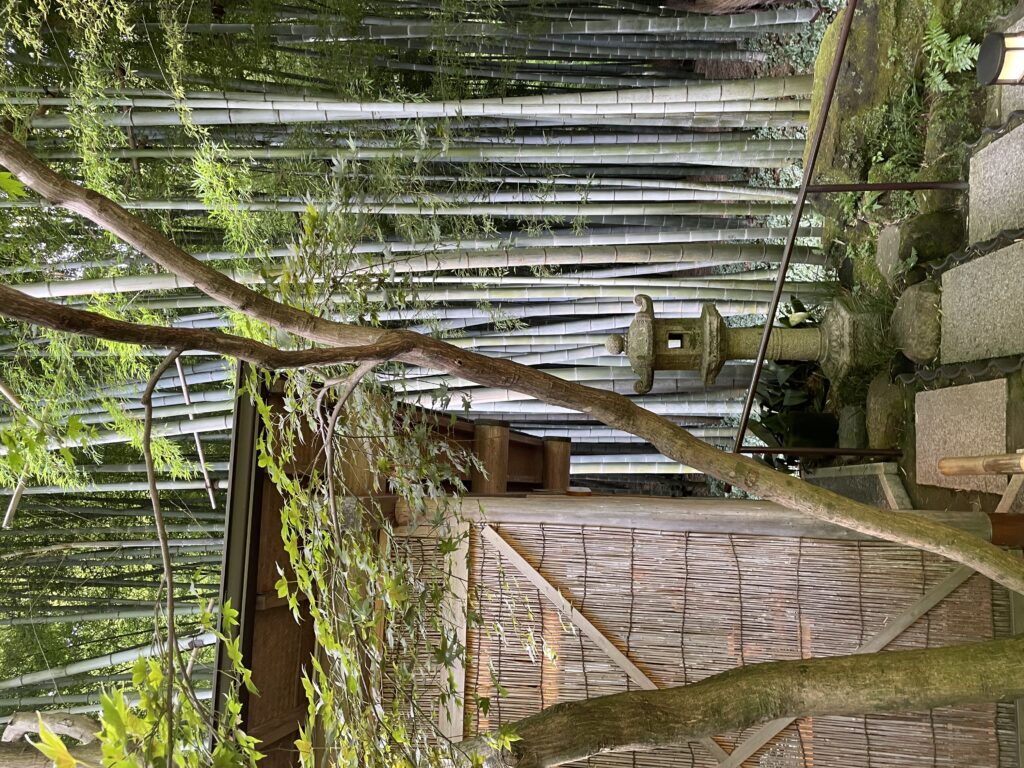
Bamboo forest
Tea room in the bamboo forest
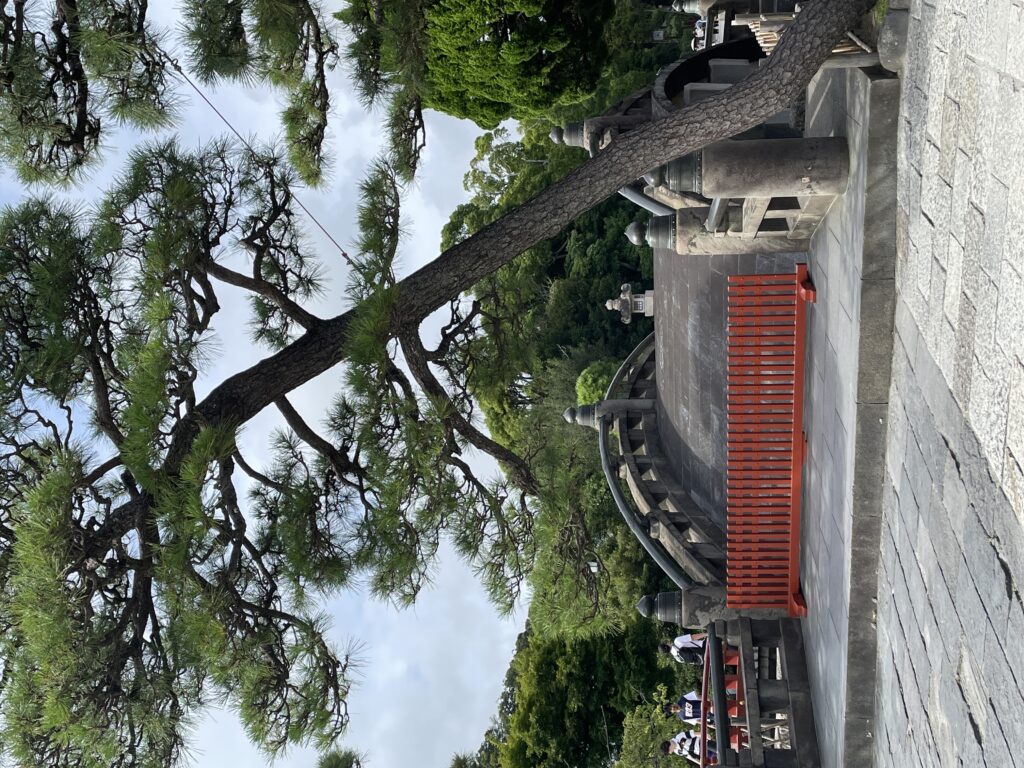
Tsuruoka Hachimangu bridge
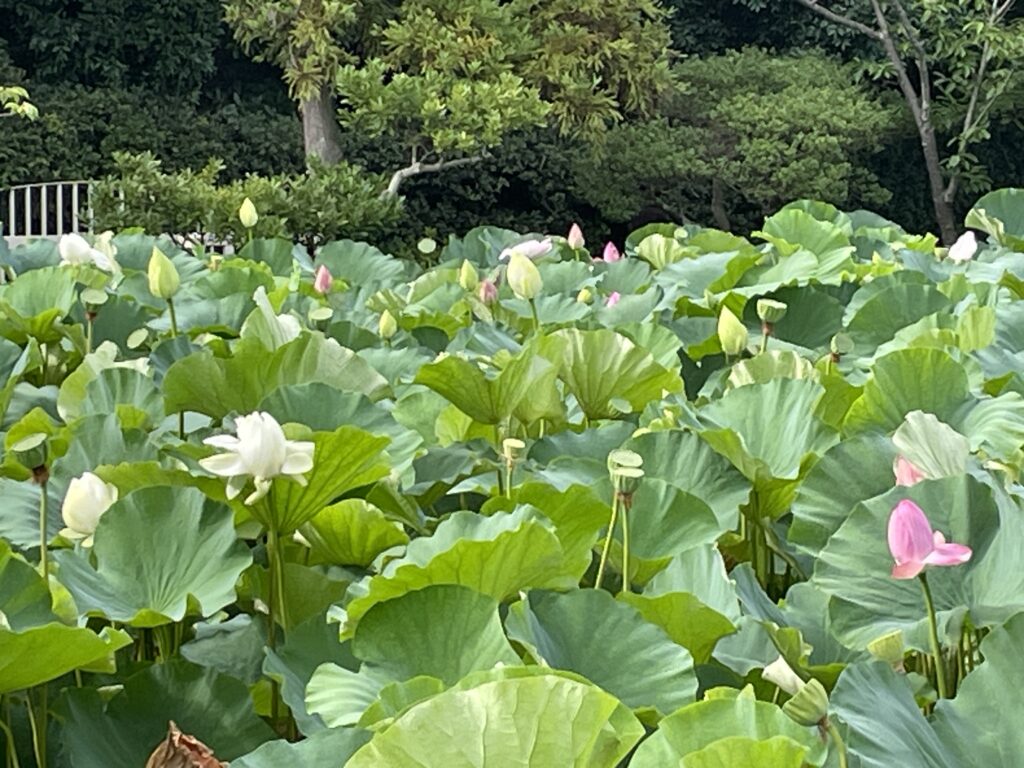
Lotus flowers blooming
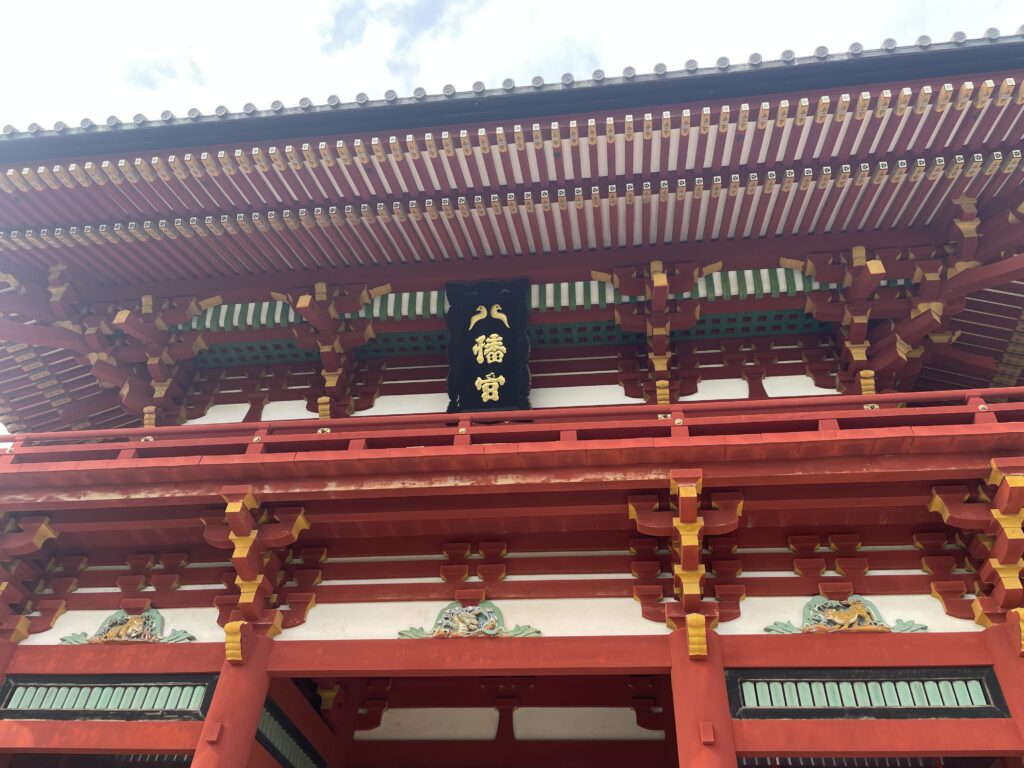
Tsuruoka Hachimangu
Tsuruoka Hachimangu
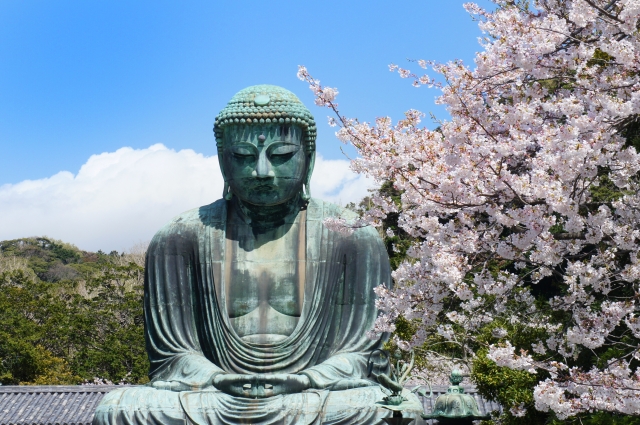
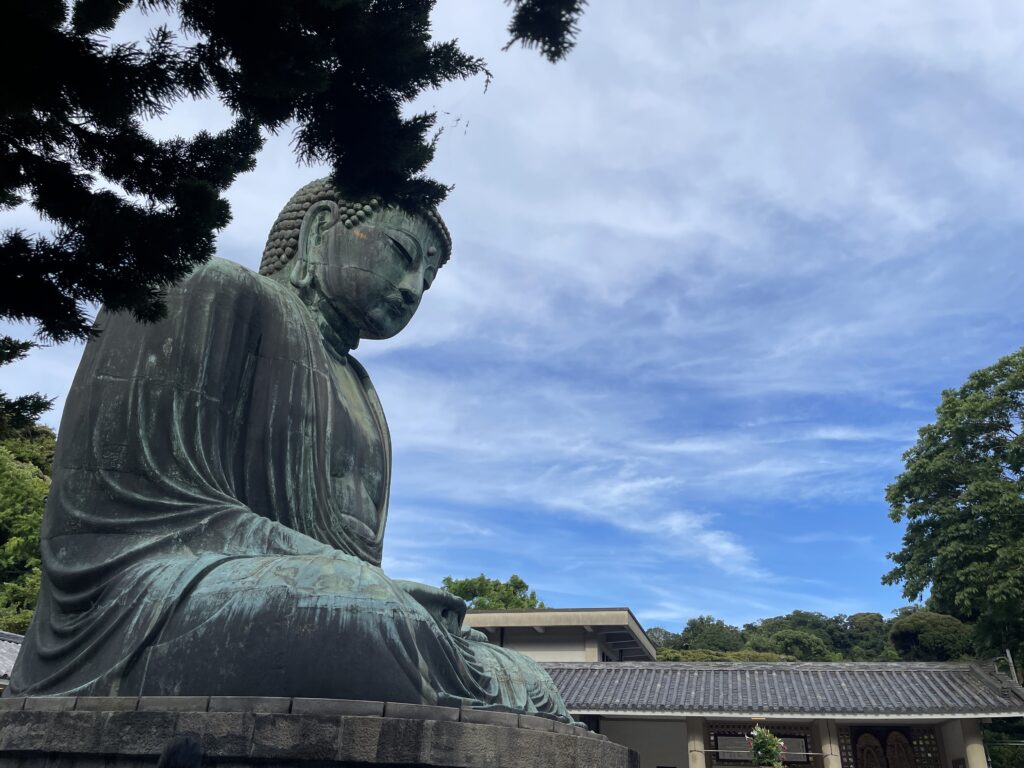
Side face of The Great Budda
Stone paving
There is many historical places and
temples, shrines in Kamakura, especially where is famous for “Great Budda of
Kamakura 鎌倉大仏” “Bamboo Forest Hokokuji Temple 報国寺” “Tsuruoka Hachimangu Shrine
鶴岡八幡宮”.
Kamakura is very compact city to see
around, also can access to many tourist spots easily by public bus. Small old
shopping road is quaint.
Are you sick and tired of gathering the
central area of Tokyo? Tourist
sightseeing spot like Tokyo and Osaka are so crowded?
Come to Kamakura! Kamakura is still
crowded, but it is better than these cities and go to the ocean beach (Yuiga Hama
由比ヶ浜).
Kamakura is the best one-day short trip
destination from Tokyo to feel great atmosphere of Japanese ancient city, worth
visiting here rather than any cherry blossoms viewing spots in Japan.
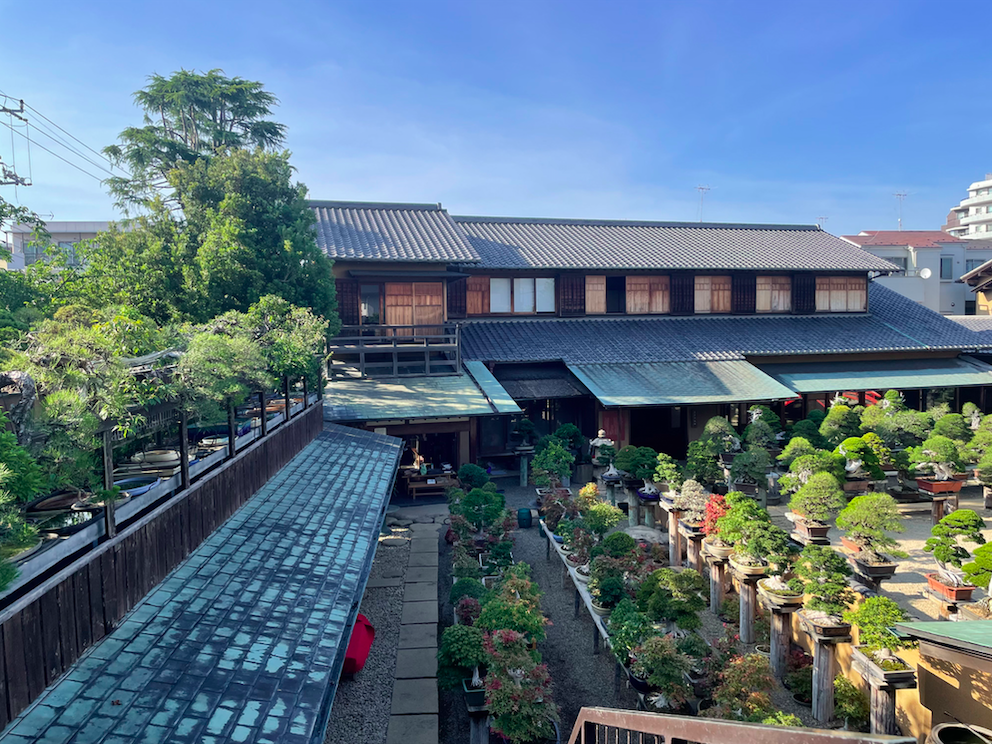
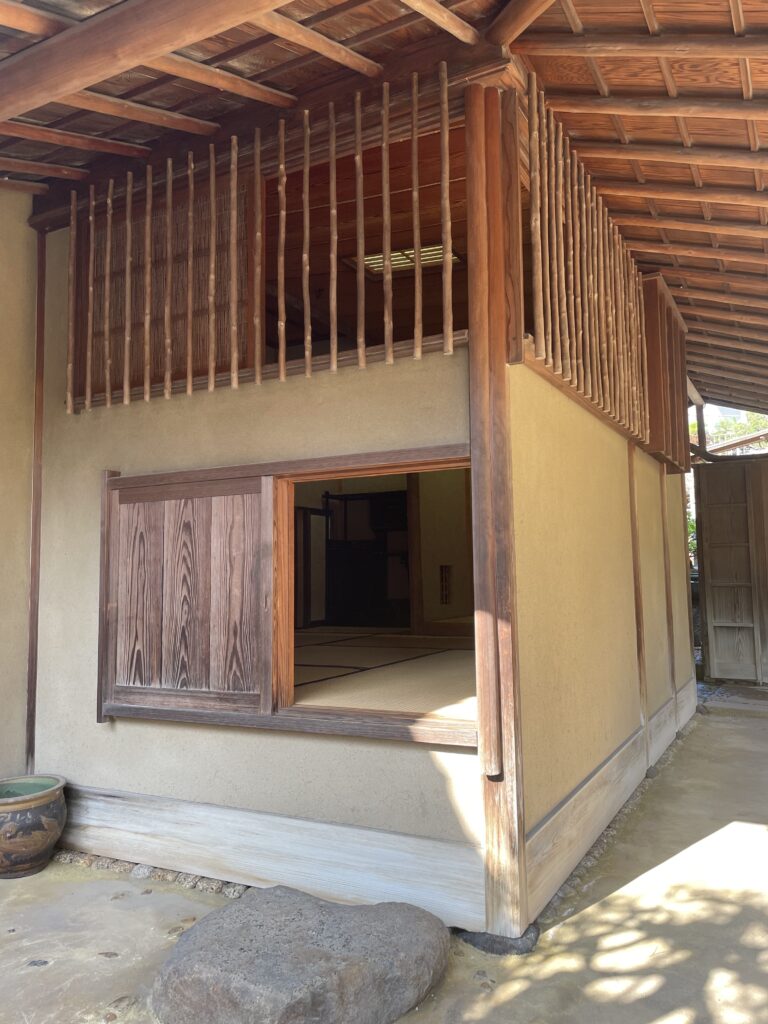
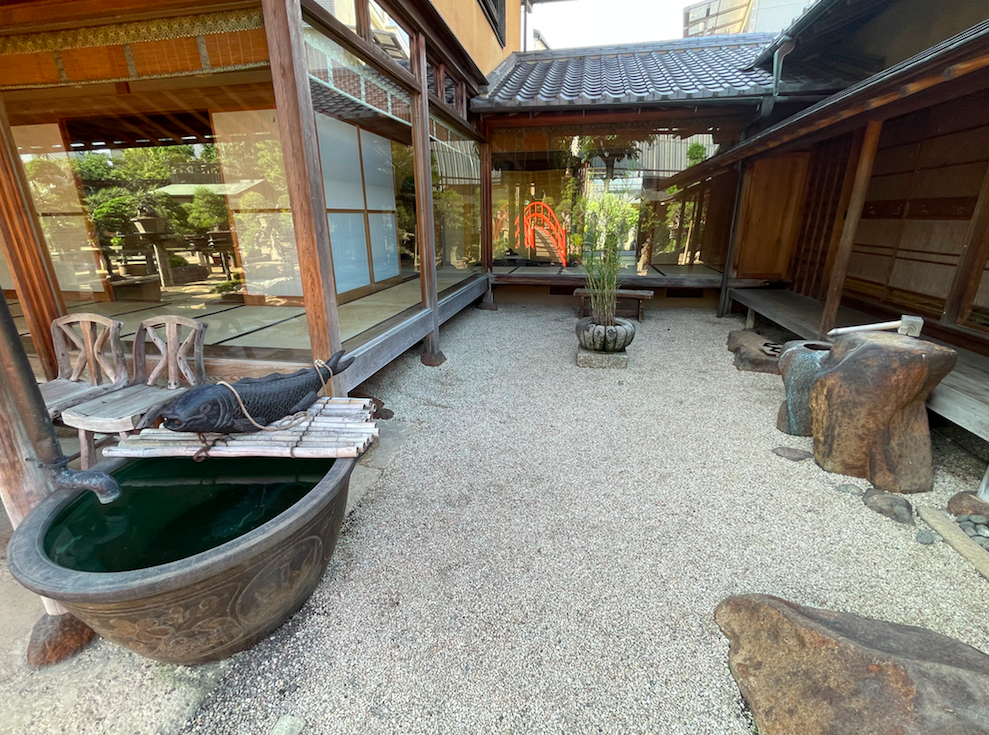
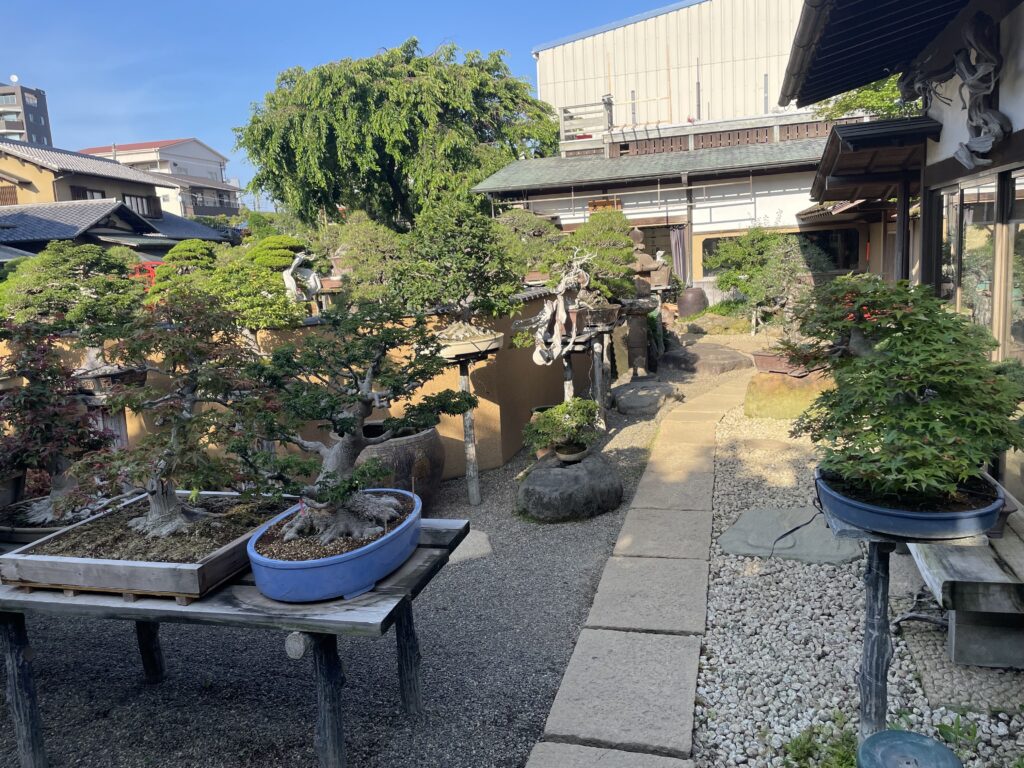
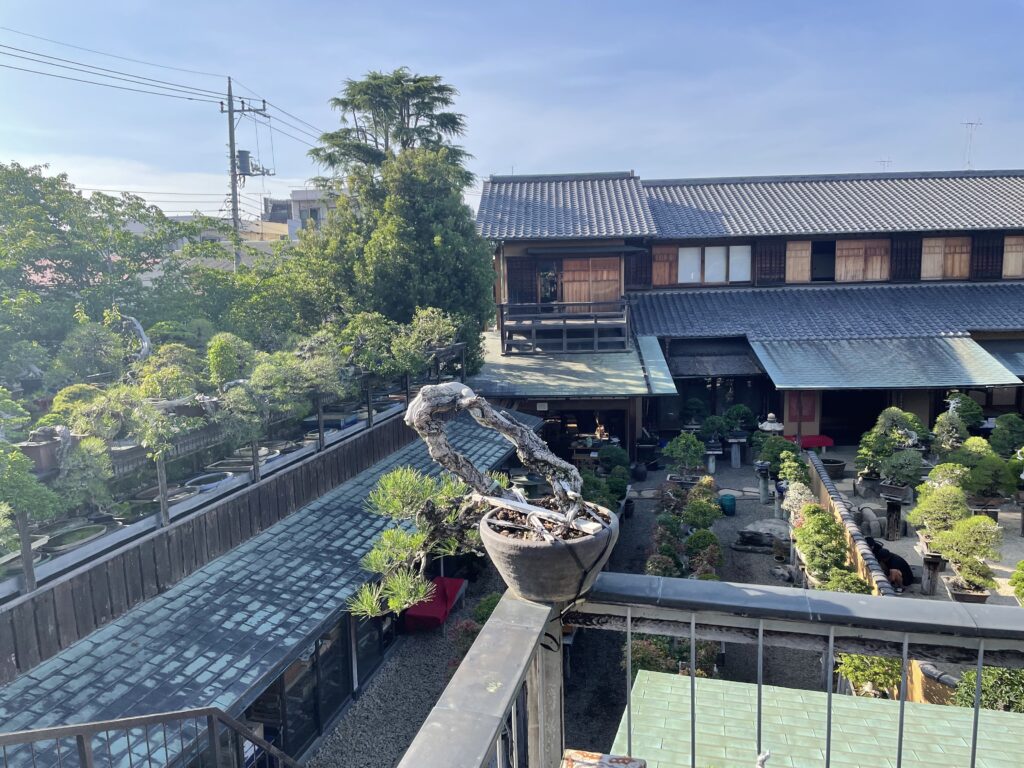
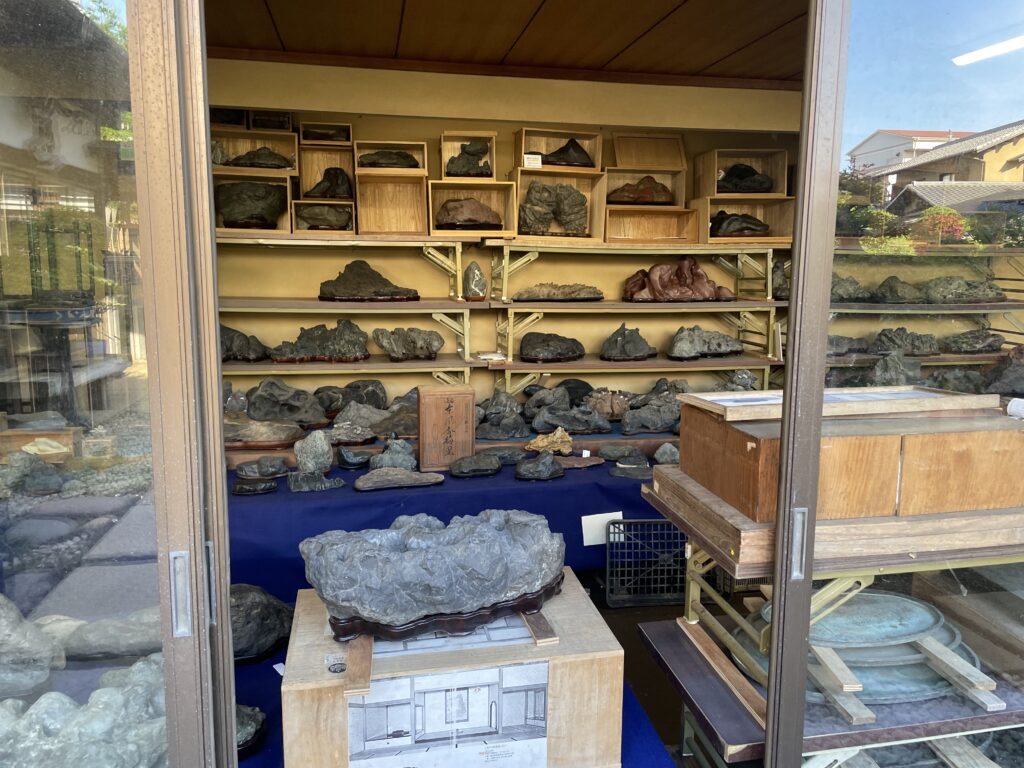
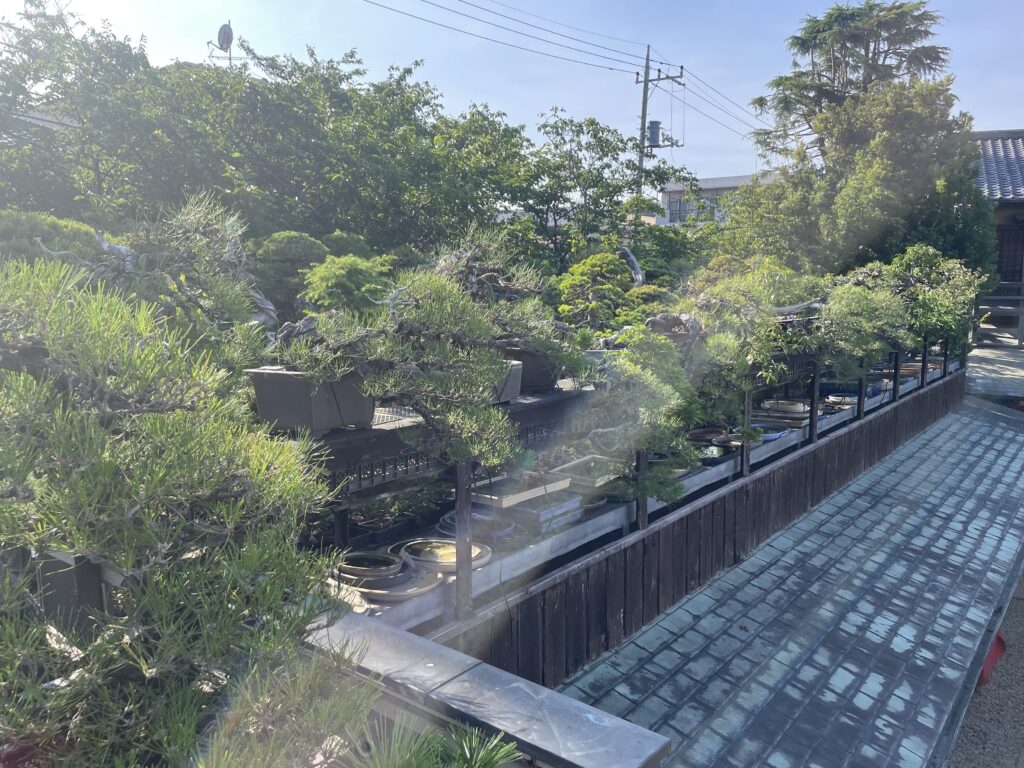
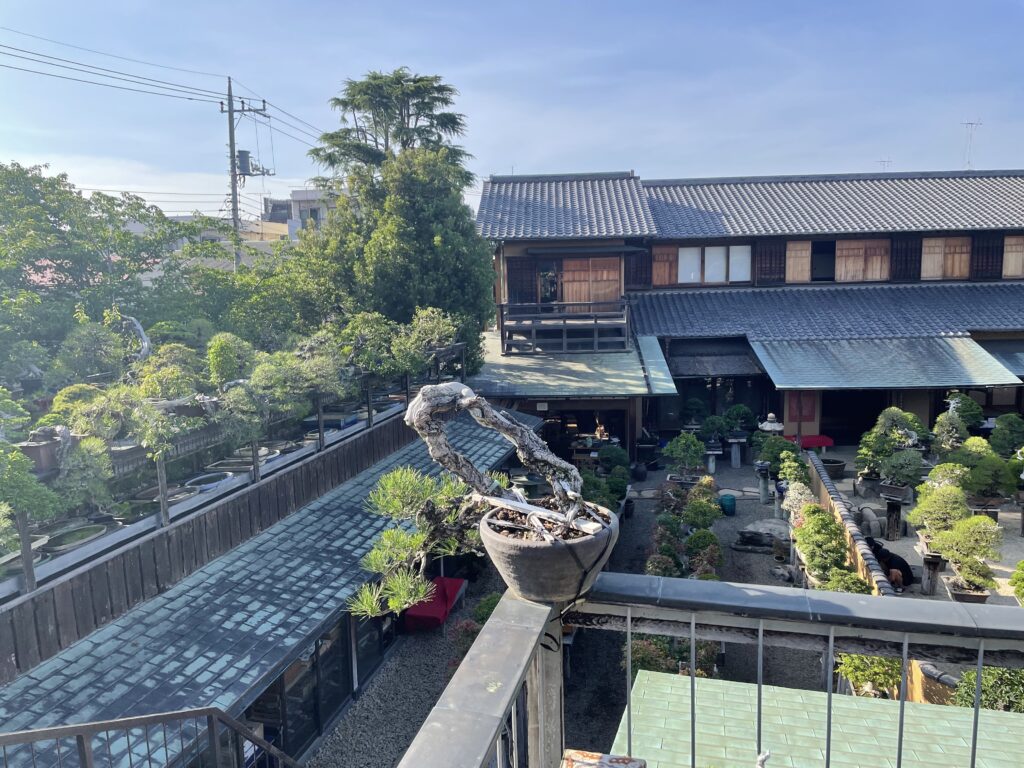
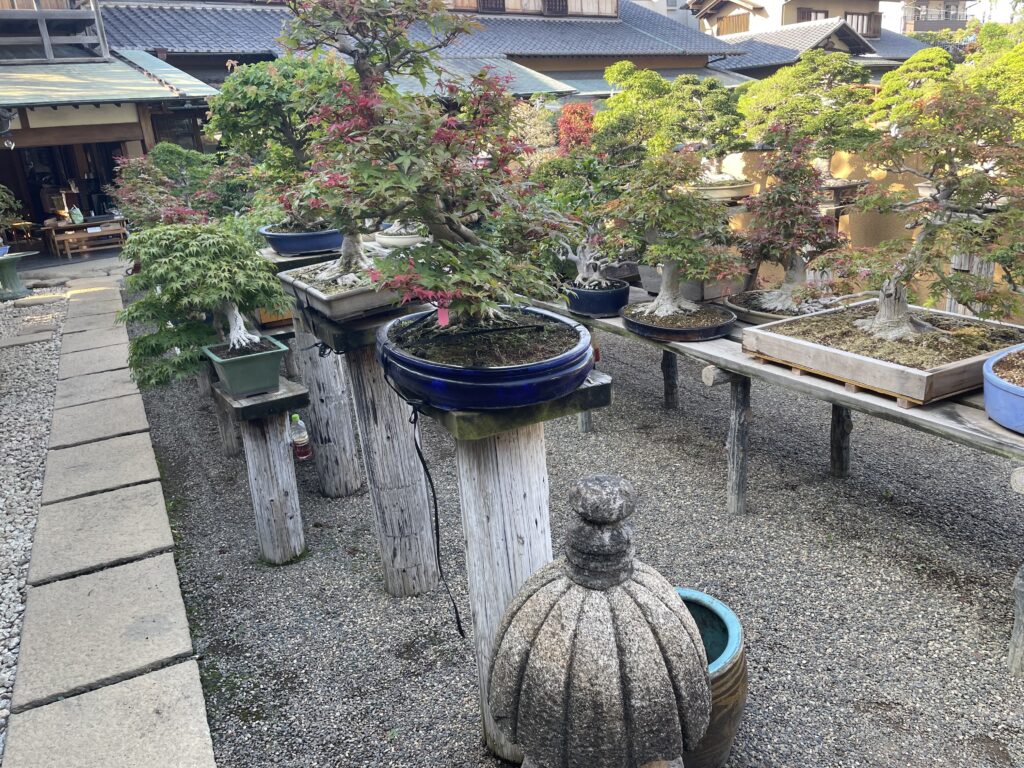
The other day, I visited Japanese Bonsai Museum at Edogawa-ward in Tokyo.
It calls 春花園BONSAI美術館(shunkaen Bosai Museum).
This bonsai museum is famous, which have been visited by world celebrities like Jeff Bezos, Cameron Diaz. More than 80 percent of visitors are foreigners.
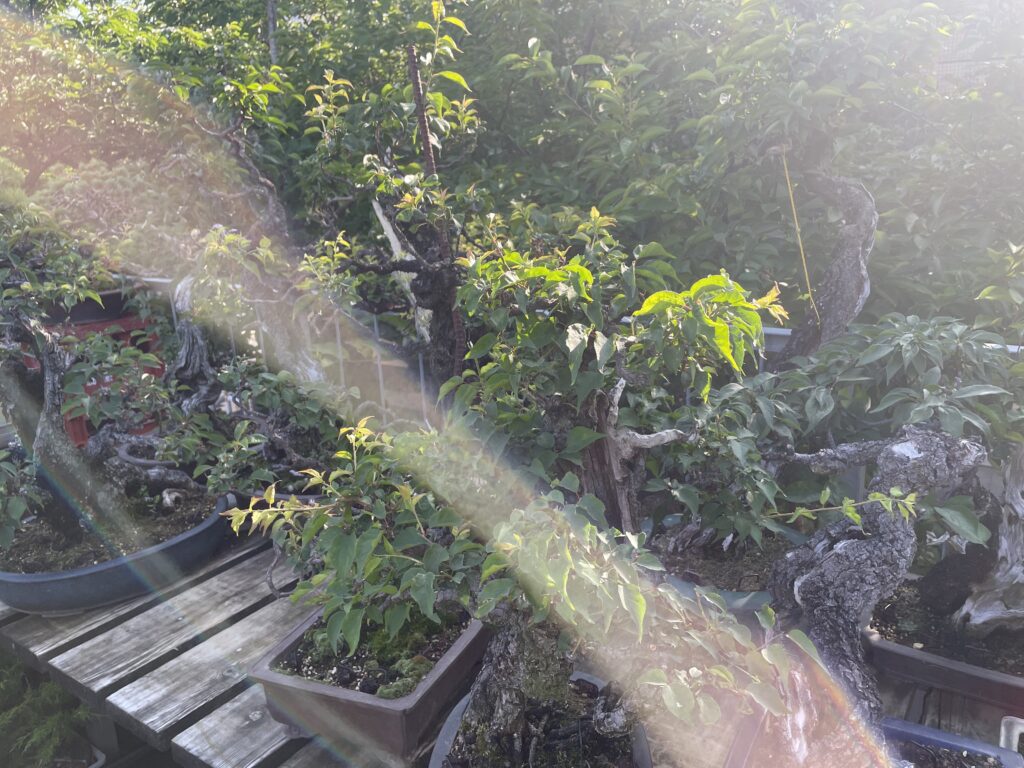
Almost a thousand of bonsai trees in this
garden, moreover, tea ceremony room and taiko bridge has built over a pond for
kois in sight.
This museum founded by Kunio Kobayashi who
is a prominent authority as a Japanese
bonsai artist since 1989. He has trained over 200 successors of all over the
world.
So what, Bonsai? You don’t know that? OK, let me explain what is Bonsai.
Bonsai (dwarf trees) is an art form that
consists of planting a tree in a ceramic pot. Also, articles of taste to be
admired through a process of cultivation that draws on the accents the plant’s
vital powers, producing a natural elegance of form pleasing to the eye.
It was introduced to Japan the Nara and
Heian Period (8 to 12 centuries) from China, whereafter it developed
independently in Japan.
Bosai can last for periods ranging from decades to centuries, gradually gaining character as they age. Special cultivation method will be applied.
The essence of the art of cultivation lies in skillfully controlling the growth of the tree through promoting and restraining technics.
Bonsai are cultivated into variety of
shapes by controlling such factors as the arrangement of the trunk (upright,
learning, twisted, growing from a vertical face), the number of trees (single,
multiple, clumped) and the root configuration (horizon with trunks rising from place
to place, rock-clinging, partially exposed).
Trees are, mainly used pine tree, but many
other types of trees can be used, such as various evergreens and deciduous
trees, and trees that blossom, and bear fruit, and each has its own unique attractiveness.
Bonsai tree is, one symbolic subject, which
is Japanese people love of natural beauty, Zen-inspired micro-world in the
world.
This bonsai garden must be an oasis in concrete jungle of Tokyo, I felt a few degrees cooler in the center of the Tokyo,
actually.
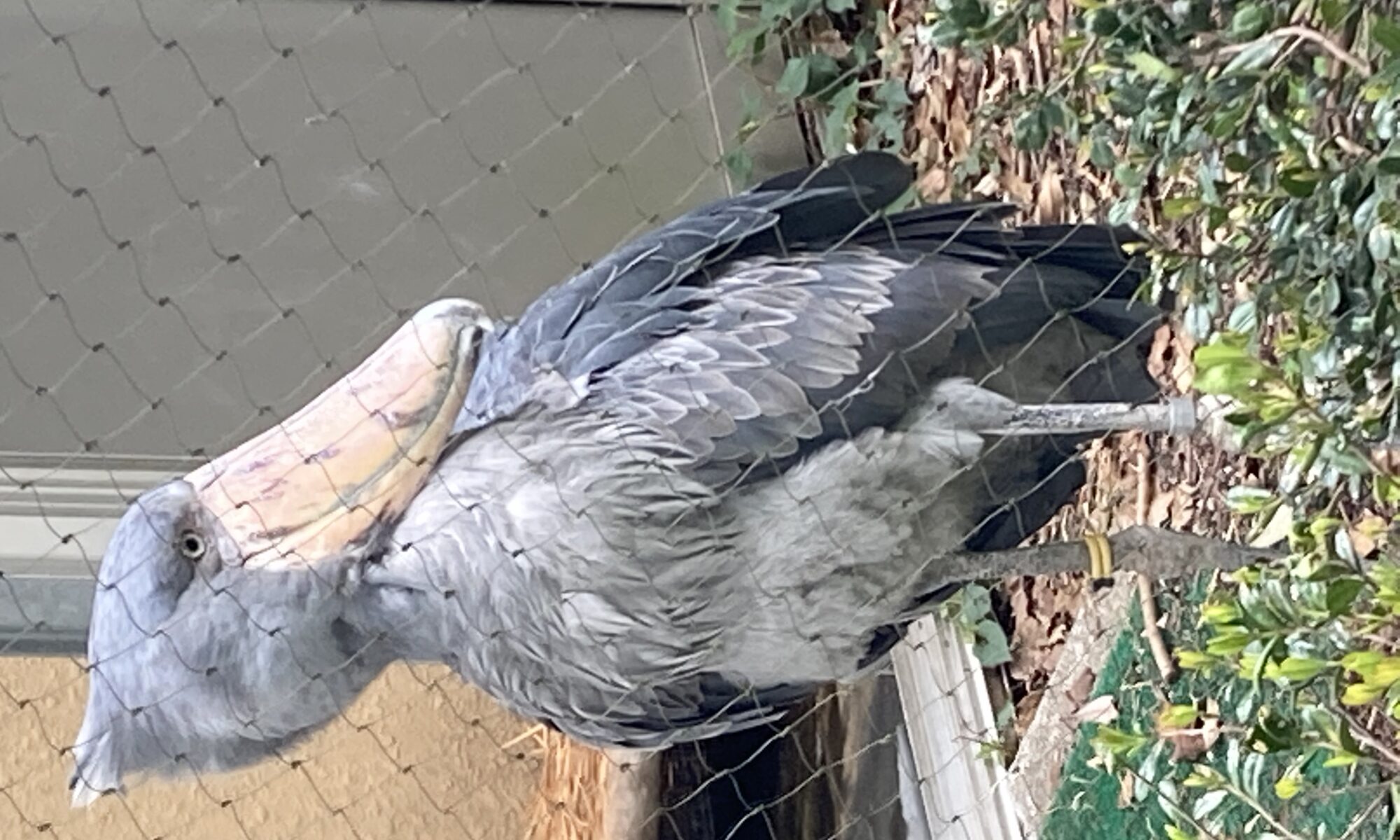
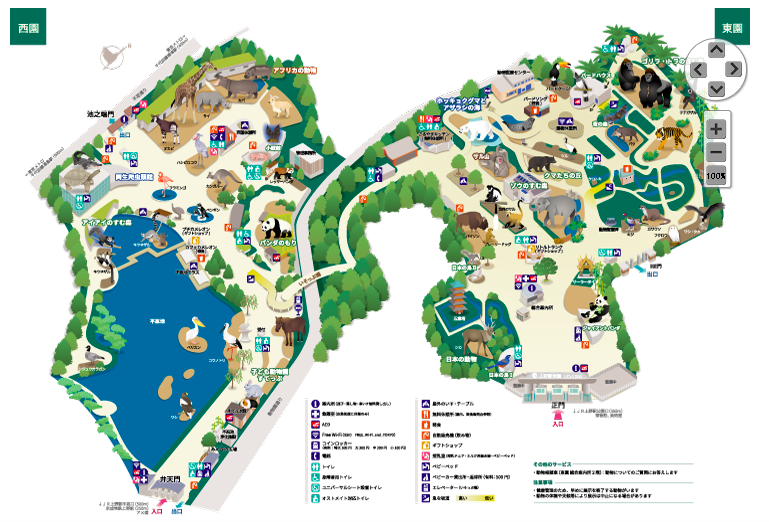
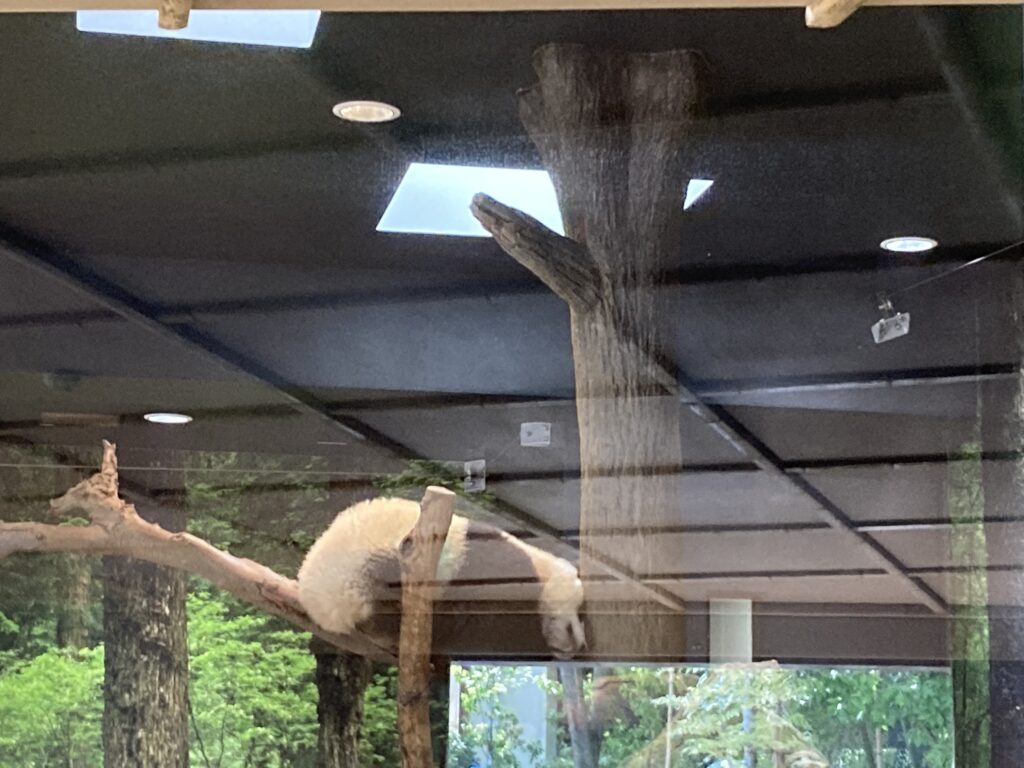
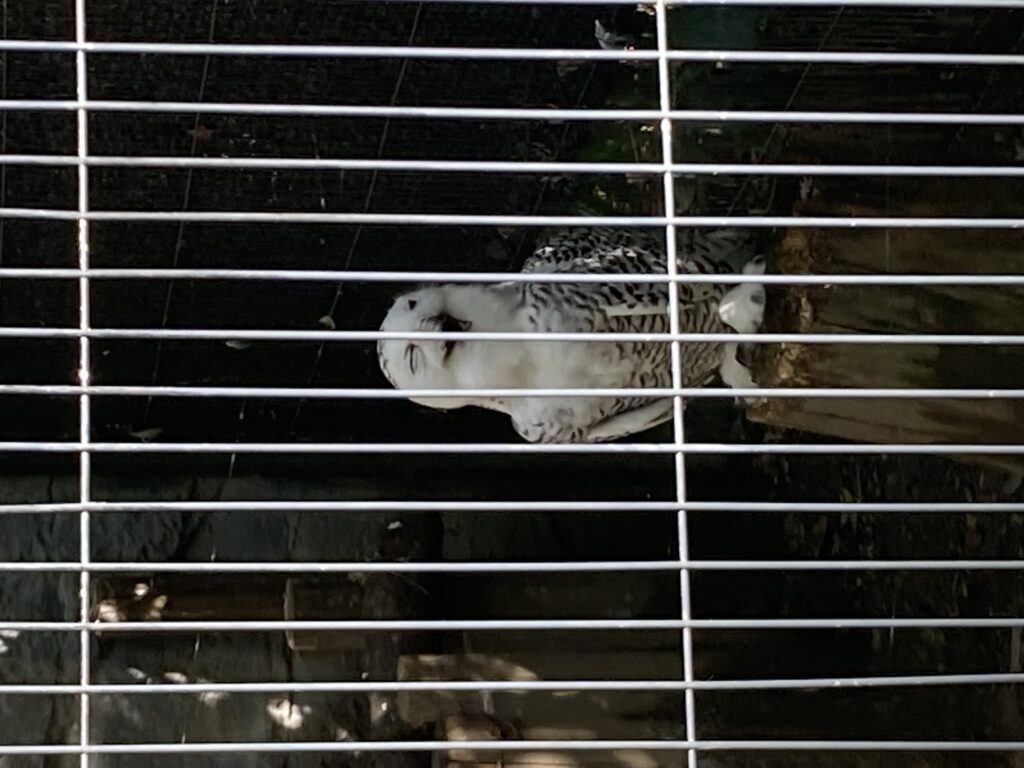
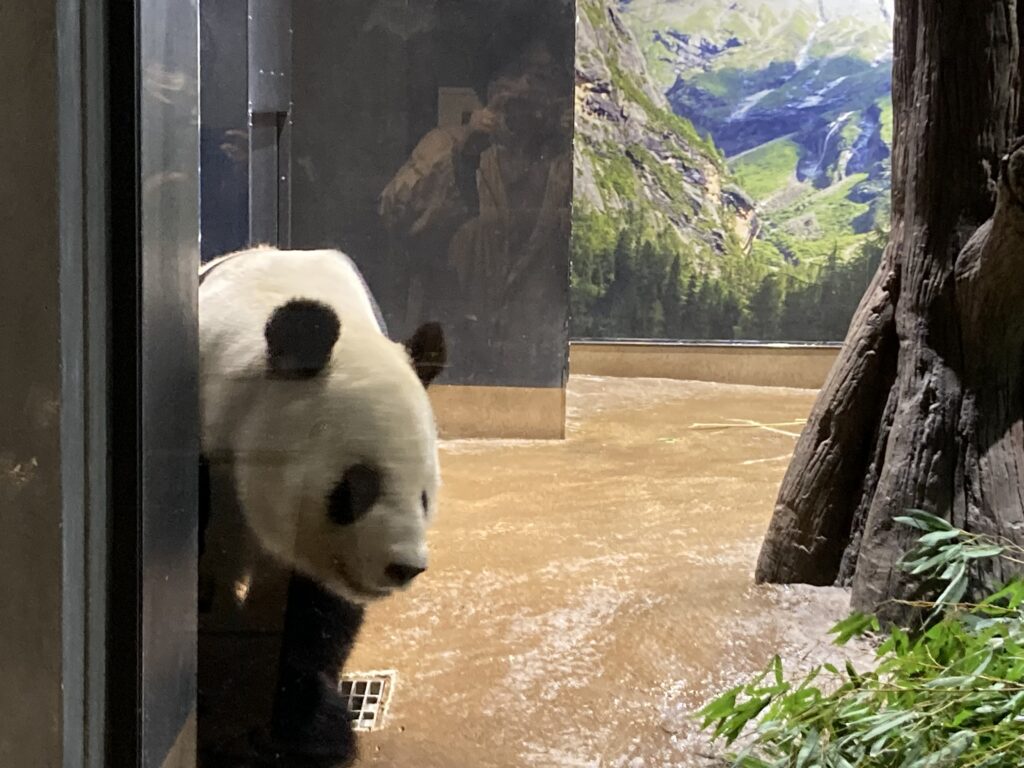
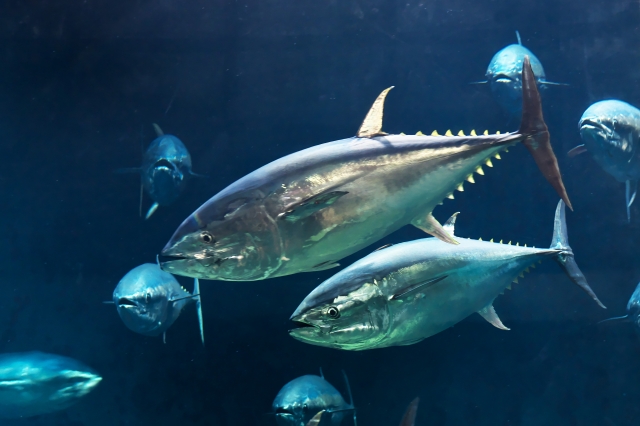
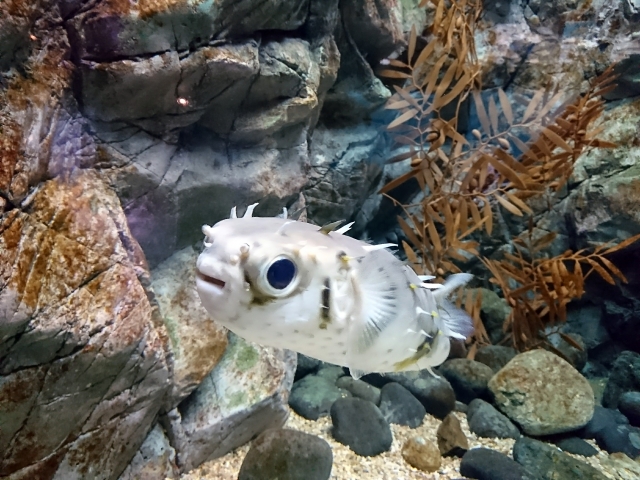
There are unique, characteristic zoos and aquariums all around the world, then, if you love animals or birds and fish, penguins, why don’t you visit zoo and aquarium while staying at Tokyo.
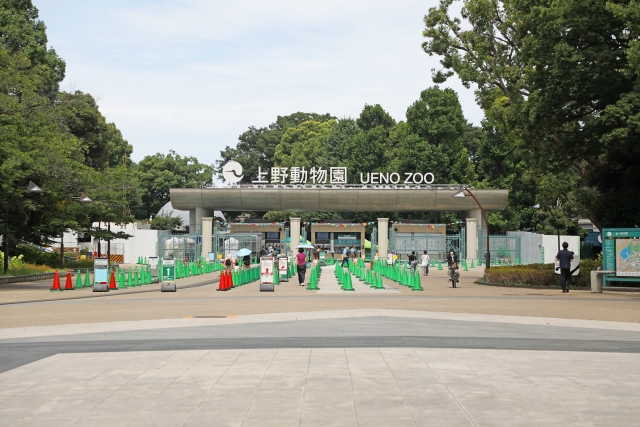
Tokyo Ueno Zoo (Tokyo Zoological Gardens)and Kasai Rinkai Aquarium(Tokyo Sea Life Park) are being managed their administrations by Tokyo Metropolitan Government.
You can see the animals along scenery close to its natural environment.
Meanwhile, Sumida Aquarium, Shinagawa Aquarium are private aquariums, inclined to be particular about presentation.
Basically, Japanese Budo (武道) is highly discipline and refined spirit needed, fundamentally,
Budo is based on profoundly philosophical theory – “Conquer yourself rather
than beating others”.
In other words, “Bushido (武士道) or Samurai no Kokoro-iki(侍の心意気) is most
important spirit among these Japanese budo’s disciples.
According to the website of “Japanese
Budo’s hall of fame – Nihon Budokan日本武道館“,describes what
the Japanese Budo is –
Budō
is a form of Japanese physical culture that has its origins in the ancient
tradition of bushidō – literally, “the way of the warrior.” Practitioners of
budō develop technical martial skills while striving to unify of mind,
technique and body; to develop their character; to enhance their sense of
morality; and to cultivate a respectful and courteous demeanour. Thus, budō
serves as a path to self-perfection. Budō as a general term refers to the
modern Japanese martial arts disciplines comprised of jūdō, kendō, kyūdo, sumō,
karatedō, aikidō, shōrinji kempō, naginata, and jūkendō.
Practitioners of Budo could learn not only
mental toughness but also propriety through the lessons.
Budo’s are, also have different
perspectives – which is “the art of self-defense”. Budo’s main priorities are –
just smart ways of protecting ourselves from disasters, crimes, silly squabbles
sudden incidents in our lifetimes. Budo is defensive ways of body protection from
lot of threats – without wearing personal protective equipment.
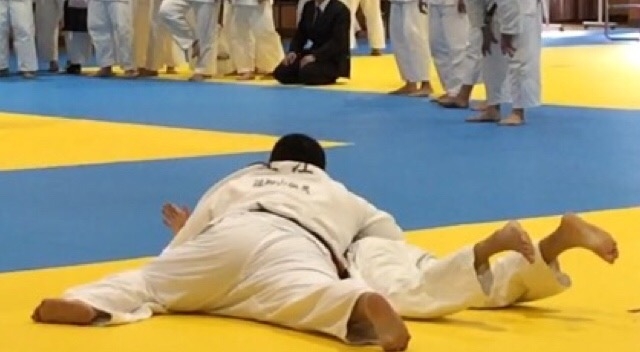
Judo(柔道)
The aim in Judo is not just to win. Judo
means “ 柔“soft “and “gentle”.
It is rather the mind that needs training
not the body.
At the beginning of 12th
century, Judo became part of the educational curriculum of boys from middle
school onwards, then, it has become very widespread – all over the world.
Judo’s spirits is – “softness overcomes
hardness”.
The ability of judo practitioners is
indicated by Dan(段) and Kyu(級)。
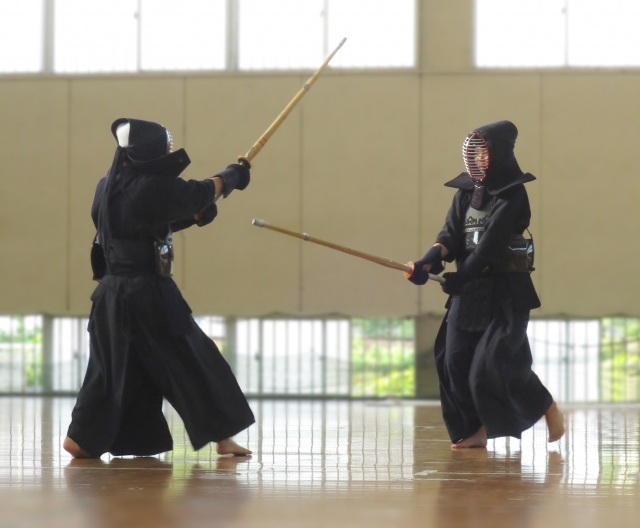
Kendo(剣道) Iaido(居合道)
Kendo is a kind of fencing in which the
fencer uses a “sword” for protection and to attack his opponent of the match.
Basically, Kendo uses shinai 竹刀(bamboo sword) Iaido uses shinken 真剣 (real sword and its sheath).
From the seventeenth century, it has been
stresses that Kendo involves spiritual as well as technical refinement, under
the influence of Buddhism, Confucian teaching like a Zen philosophy and Bushi
do (武士道).
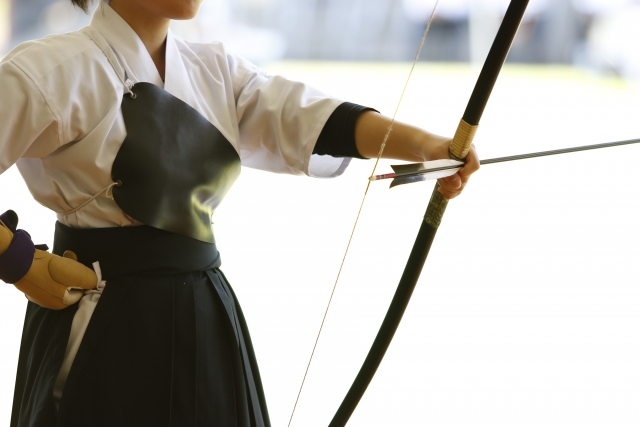
Kyudo(弓道)
Kyudo is Japanese archery. It is said to
have been introduced in the eights century from China and Southeast Asia to
Japan.
The bow had become widespread for hunting
and fighting until medieval – before being introduced firearms from western
countries to Japan. Subsequently, Kyudo development was a discipline of mind
and body based on Zen and Confucian tenets.
It is also famous “Yabusame 流鏑馬“ – playing archery on the horseback.
Yabusame is one of Samurai’s accomplishments.
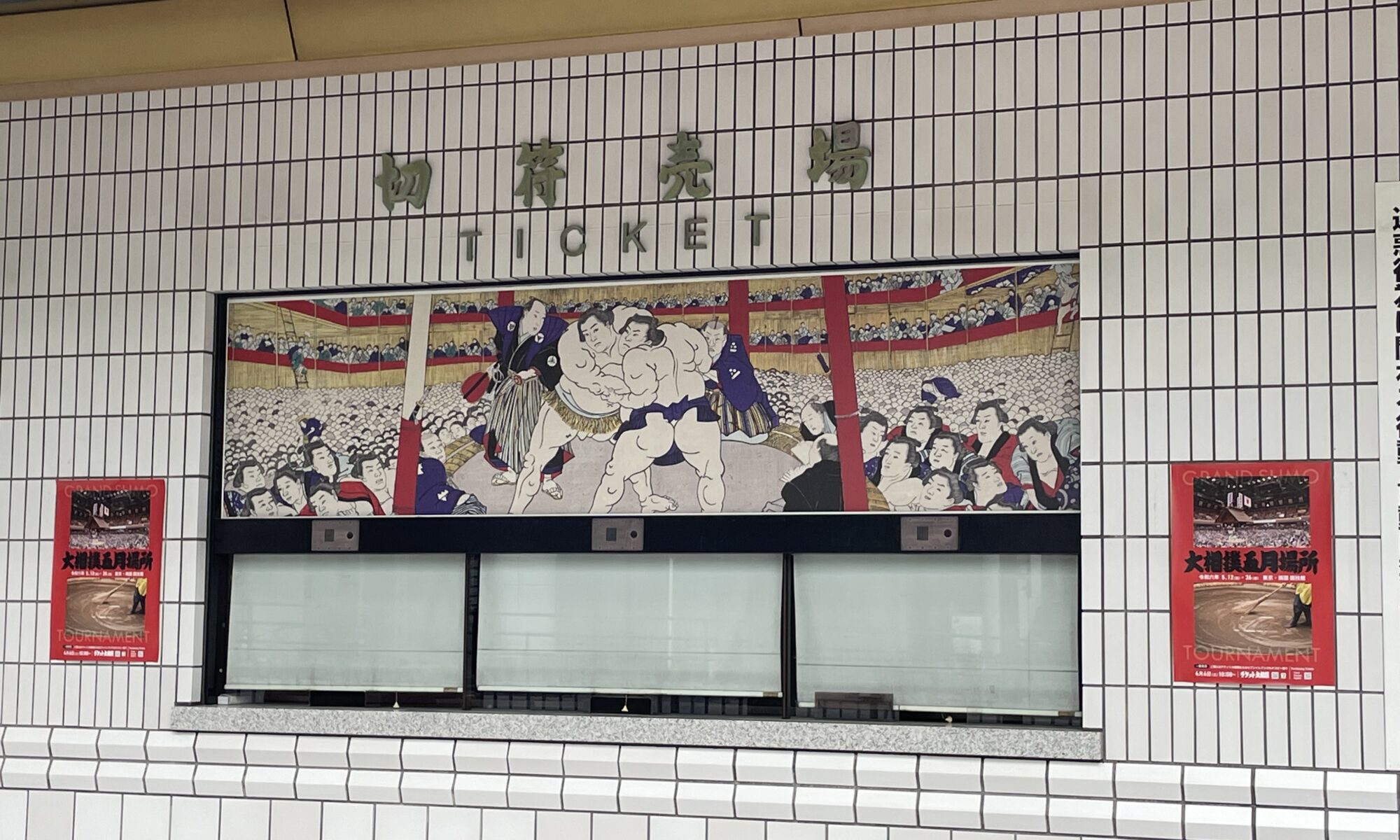
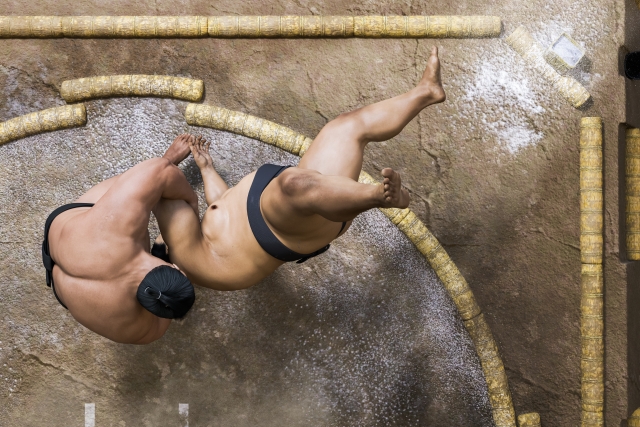
Sumo(相撲)
Sumo’s history goes back to ancient times. In
the ancient myth’s book“Nihon Shoki (日本書紀)”, describes the gods wrestled with each other in some tales. Sumo is
one of symbolic Japanese traditional budos and offerings to the gods.
Due to its origin in offering to the gods,
sumo matches were likely to hold in the front of gods – means inside of
shrines.
In modern sumo tournaments hold 6 times per
a year in different places,
Tokyo(January,May,September),Osaka(March),Nagoya(July), Fukuoka(November).
Sumo wrestlers have huge bodies with traditional
costumes, powerful wrestling styles are very exciting!
The highest rank of sumo wrestlers are
called “Yokozuna 横綱“.
The wrestlers ranking is shown at Banzuke 番付 board in every wrestling tournament.
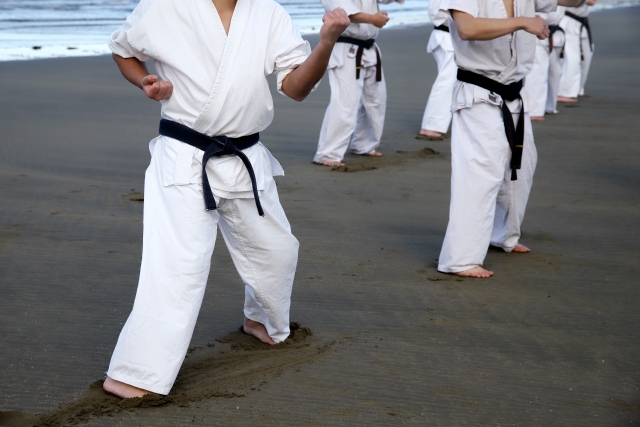
Karate(空手)
Karate is system of self-defense in which
the main emphasis is using the body to the body to the greatest effect to
defeat an adversary.
It has perhaps developed in China around
the eleventh century, in the fourteenth century, it was introduced to Japan via
Okinawa.
Karate contests are, consists of two types, Kata(型)、Kumite(組手)。
Karate has spread all over the world,
especially, to develop well-disciplined habit and a sense of courtesy for
children.
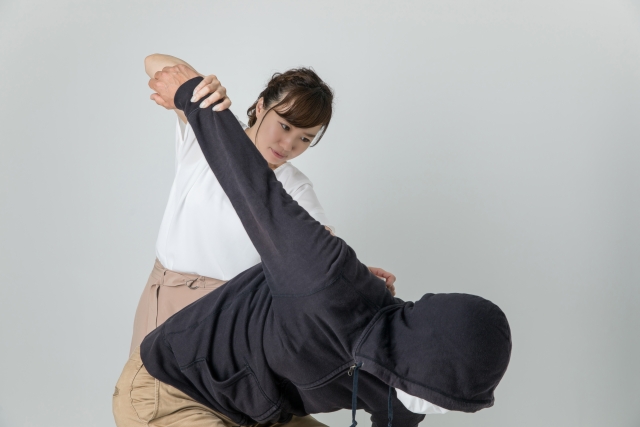
Aikido(合気道)
Aikido’s basically theory is rather than
fighting, it is better to focus on self-defense.
It emphasizes blending with an attacker’s
motion rather than opposing it directly, using techniques that harmonize with
the opponent’s energy to neutralize their attack. Unlike some other martial
arts, Aikido does not focus on competition or fighting, but rather on
self-development and the cultivation of a calm and centered mind.
In short, Aikido can be described as a
modern Japanese martial art that emphasizes blending with an attacker’s motion,
using body movement and posture to redirect force, and fostering both physical
and spiritual development.
Japanese budo is to win over oneself by
embracing a defensive posture rather than an offensive one. As Greek
philosopher Plato said, “The first and best victory is to conquer self”.
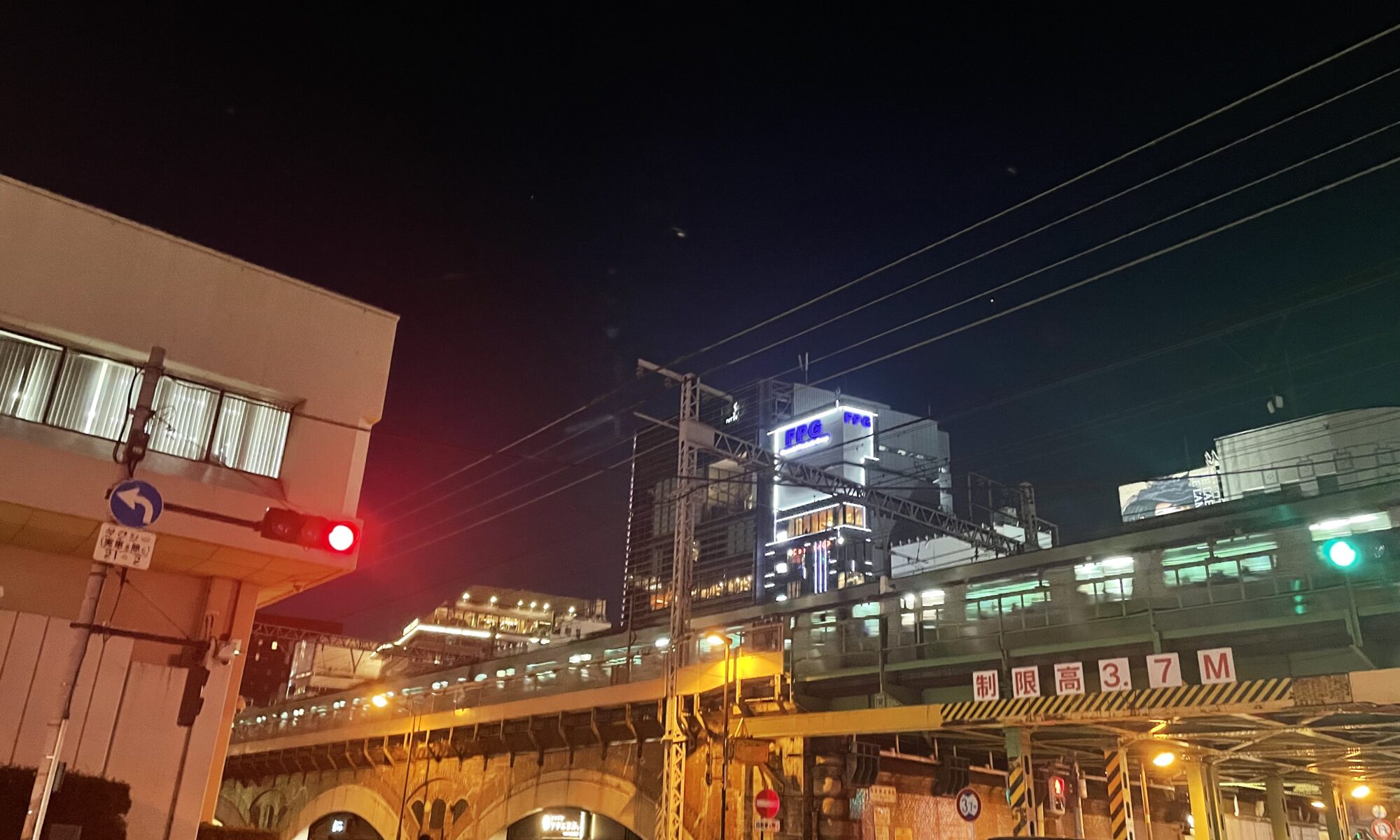
Under the train – under the train♪wow I am not Sebastian @The Little Mermaid, but you might drink like a fish @ under the train tracks between Shinbashi station and Yurakucho station.
Many guidebooks mention that there are so many taverns under the train tracks at the center of Tokyo. Just one stop from Tokyo station or you can just walk along under the JR railroad from Tokyo toward Shinbashi area for a walk.
You can easily find very smokey, sparkle area by Shinbashi,Yurakucho stations.
It seems, as it were, an oasis for Japanese business men after daily hard work, those taverns are like pubs in England. Besides, Japanese taverns under the train tracks are cheaper than other restaurants around the flamboyant area of Tokyo station. You can just have a drink and order small snacks (otsumamis )& go home is OK without paying gratuities but covering what your had only.
Menu + Price tags at the edge of the eaves
Japanese typical taverns
Many people come together here with their colleagues or friends, some people just stop by here alone to have a drink after work. Some taverns keep old-fashioned style – to hang price tags at the edge of the eaves for taking the place of the grand menu.
You can make an order just read those price tags or, ask waiter or waitress to have today’s “Omakase” or find out a menu by a table. Prices are rather cheap because taverns are under the train tracks. Sometimes sounds of train running very noisy but I am sure that you will enjoy the atmosphere and foods & drinks there!
Even though -smoke gets in your eyes – don’t worry, your friends or companies can’t see through your oriental flush and smokey red eyes after getting drunk behind the smoke. Have a good time @ smokey taverns and enjoy Tokyo evening!
One of the reasons why Japanese books and
comics have been enthusiastically published by Japanese publishers for almost a
century is, just because they are bookworms.
Japanese TV anime show started in 1963, it was “Tetsuwan Atom (Astro Boy)” written by Osamu Tezuka. But still, Japanese kids were, not only reading comic magazines (Mangas) but also watching TV anime show. For example, “Dragon Ball” by Akira Toriyama, “One Piece” by Eiichiro Oda, was still really loved by Japanese people both animes and comics. They are legendary & symbolic authors in Japanese comic history!
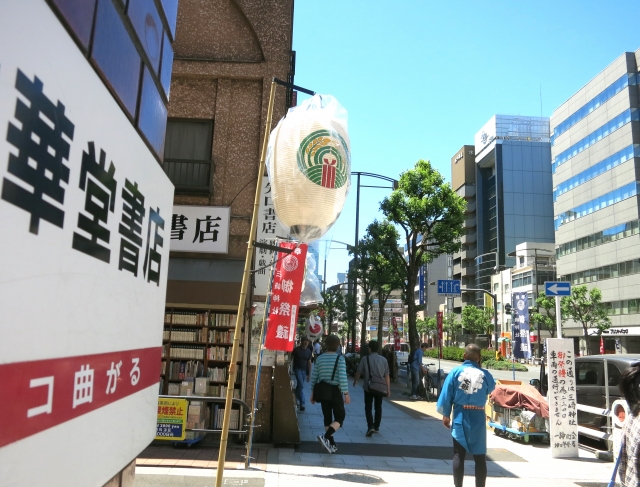
The season has come for bookworms! “Kanda used book festival in 2024” started on 25th October until 4th November.
Kanda, Jimbocho area is broadly known as “booktown” in Tokyo. “Kanda used book festival” is held only once a year, the festival covers flea markets and many events, deals with used books, video, CDs, drawing, painting, and etc, more than 1 million of books are exhibited.
I am a kind of niche collectors of “Ukiyoe hanga 浮世絵版画”and cult movie pamphlet (brochures of cult movies which especially directed by foreign creators). I opened my eyes wide, found a couple of brochures of 80’s movie, some Ukiyoe hangas. I was so happy to find treasure buried in a heap of garbage. I prefer looking for treasure in flea markets to participate in internet auctions!!
Ninja was – because they were supposed to
vanish around the end of 20th century -But people, especially
foreigners believe that their descendants are still living in small villages
anywhere in japan like “Ninja no Sato”.
Yes, their descendants are still alive,
especially Iga-Ninja(伊賀忍者)、Koga-Ninja(甲賀忍者)、Agatsuma-Sanada Ninja(吾妻真田忍者) are very
famous, then, the some real descendants and performers are teaching Nin-jyutsu(忍術) to tourists just as an entertainment below,
However, Ninja used to be treated – secret agents, private detectives, spies – were hired by Shogun and local Samurai, to play an important role in medieval Japan.
Some says Ninja exist at the beginning of 15th century to the end of 20th century. From the end of 15th century, samurai turned into local feudal loads(Daimyo), they gradually controlled their province.
After victory of the battle of Sekigahara, Ieyasu Tokugawa unified Japan as a one country in 17th century. But at that time, Japan was still divided around 68 territories. Daimyos who contributed to Sekigahara, were given Han(dominion)where closed to Edo(Tokyo), On the other hand, Daimyos who were opposed to Ieyasu Tokugawa while Sekigahara, were shunted off to faraway. They are called “Tozama(外様)Daimyo”.
In this way, Tokugawa and Tozama(外様)Daimyo – below the surface battles began! For exsample, some Tozama
Daimyos began import and export trade with foreign countries secretly. Some
Tozama Daimyos tried to rise in rebellion against Tokugawa Bakufu. Furthermore,
Since Tokugawa banned believing Christianity, Christians plotted treason
against Tokugawa in Nagasaki.
Meanwhile, Tokugawa hired many Ninjas for investigating
local movements, also Tozama Daimyos hires Ninjas to win those information
warfare as well.
So that Ninja was very important existence
both of Tokugawa and Tozama Daimyo.
Now, Ninjas are famous – under the influence of comics and animes “Naruto” “Nintama” and drama “House of Ninjas(Ninja-no-ie)”.
Japanese people might think – Ninjas had gone –not exist in present, but you know, Ninjas are spies, they should have just kept his or her head down, hunkered down. Believe it or not, your neighbors might be Ninja!! and Ninja-no-Ie!
By the way, female Ninja are called “Kuno-ichi”. Because “female” is described “女“in Kanji letters, so it can be broken in three parts as
Companies in Japan, officially allow Japanese workers to have two long vacations for a whole year – in summer and in winter. We call them “Bon yasumi” (盆休み summer vacation), “Shogatsu yasumi”(正月休み winter vacation) respectively.
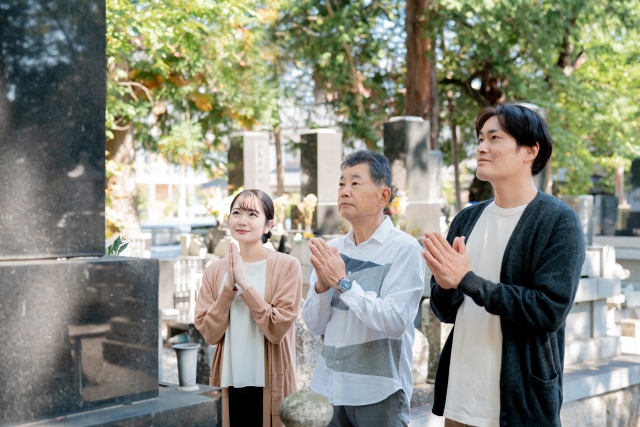
Bon yasumi is set for welcoming our ancestors’ souls from the graves of dead ancestors of the family cemetery to present clans’ homes.
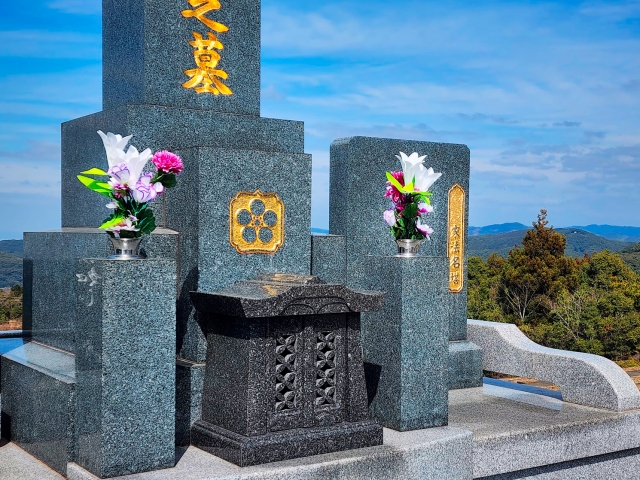
Ohaka – a grave in cemetery
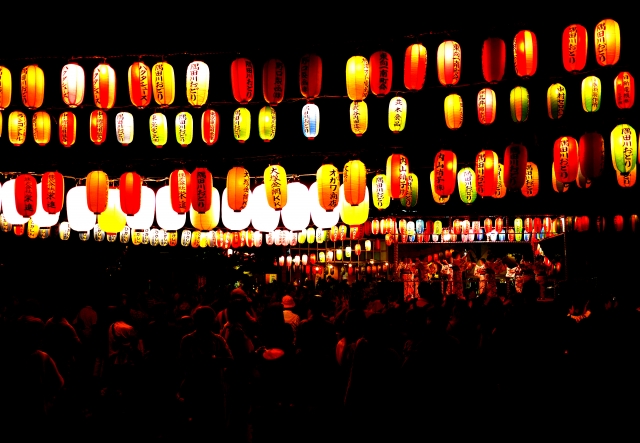
Bon festivals take place in the clan’s home around mid-July or mid-August. In this festival a variety foods are offered to the spirits of ancestors, and their repose prayed for.
People who have moved to the cities to work
return to their hometowns during this period.
Hakamairi – visiting the family’s grave
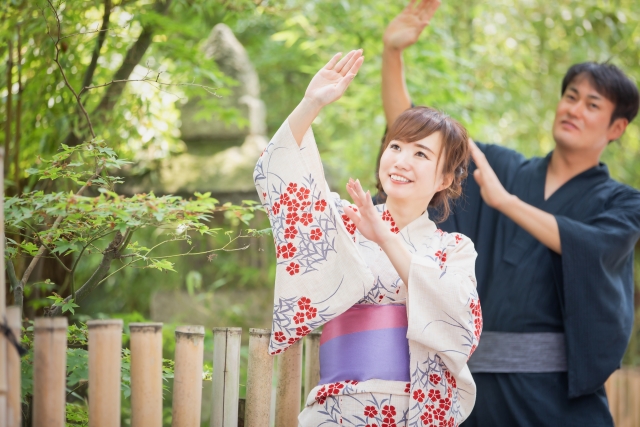
In towns and villages across the country
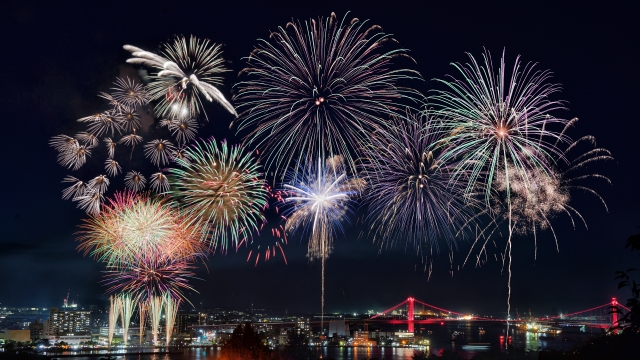
people wearing Yukata(light cotton kimono), gather for outdoor dances known as
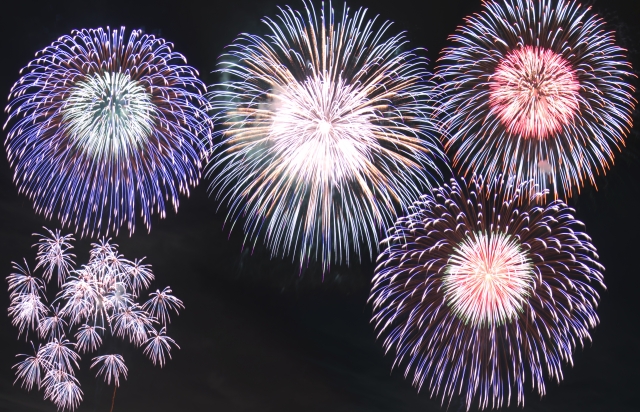
Bon Odori (盆踊り) and fireworks(花火) for sympathizing with the spirits of
the ancestors.
Bon Odori StageWearing Yukata and Bon Odori dance
Visiting a family grave manners (墓参り) commonly would be done in Higan(彼岸).Higan is two periods of seven days with the middle day falling the
spring or autumn equinox. Higan means “the other shore” or “in nirvana” in
English.
Old Japaneses believed that since our ancestors’ spirits may recall during Higan, so visiting family graves means seeing and talking with our ancestors while Buddhist rites carrying out.
However, modern busy lifestyle deprives our time of visiting the family’s grave(墓参り). Nowadays, Japanese people have a tendency to close their family’s graves. So to speak,people prefer to be buried as joint funeral with others in huge cemetery. Or we have some choices like – burial with plants, burial at ocean, etc.
Then, when it comes to have no time to visit family’s grave, sometime we ask for professional agents who visit our family’s graves in our behalf. Some temples provide users for online Hakamairi. Even though you can’t visit family’s grave physically, don’t worry! you could access to the temple’s site to see your ancestors and dead family members virtually!!
One of the most famous iconic symbol of Japan is Mt.Fuji.
-If you can just get your mind together
Then come on across to me
We’ll hold hands, and then we’ll watch the sunrise –
– “Jimi Hendrix “Are you experienced?”-
Mt.Fuji’s climbing rule changes for the 2024 mountain opening.
*Access restrictions will be imposed – Maximum
4000 people per a day.
*Restricted access the Yoshida trail gate at the fifth station will be closed from 4p.m. to 3a.m.
*Hiking fee 2000 yen should be made on the day or paid in advance on the Yamanashi Prefecture reservation system site.
*Optional donation will be appreciated – 1000 yen for conservation of Mt.Fuji’s environment.
Yes, Mt.Fuji is still beautiful when you look up the iconic mountain in the vicinity of the area. But it is not enough. Seeing is believing!! That must be true.
Let’s try to climb to the mountain and feel special moment & atmosphere at the top of Mt.Fuji.
I am not sure you can see the beautiful sunrise from the top of mountain, because mountain’s weather is always changing and Mt.Fuji has been told as “capricious volcano” for the last 1000 years. Yes, don’t forget, Mt.Fuji is just a dormant volcano right now. The last volcanic eruption in the past 500 years happened in 1707, while the edo era of Japan. In 2024, Mt.Fuji is volcanic level is level 1, potential for increased activity.
You might miss an unforgettable mountain view for good if you procrastinate to climb to the mountain this time. As I mentioned before, Mt.fuji is capable of eruption at any time.
You have a couple of choices of trails and
trips.
From Yamanashi Pref. – Yoshida Trail is expected to open on July 1st – September 10th in 2024.
From Shizuoka Pref. – Subashiri Trail – July 10 to September 10, Gotenba Trail-July 10 to September 10, Fujinomiya Trail – July 10 to September 10 (Trail between 5th and 6th station: open from July 1).
Night climbing will not be allowed without
staying in a mountain hut.
Most of climbers decide to stay one night at mountain houses (huts) where is stood in the level 8 of the mountain, but some of them, especially young people from foreign countries, try to climb it one night without having rest. It is called “Dangan Tozan 弾丸登山”- means “Bullet Climbing”. Bullet Climbing causes altitude sickness, hypothermia, risk of fall, crowded path to the top and so on.
Please read the official site above carefully, you should not force yourself to make an excessive schedule.
Shadow of Mt.Fuji – what it calls “Sakasa Fuji” – inverted Fuji.
It will be likely to be hot out, make sure
you stay hydrated, and bring a long-sleeve t-shirt with you, because the
mountain top is very very cold and windy!!
There is the Fuji-san Hongu Asama Taisha shrine and a post office in the top of Mt.Fuji, you can buy special souvenirs and post cards which you can mail it to your family & friends from the top of the mountain! It must be unforgettable experience in your life.
As I mentioned in the previous posting, cherry blossom blooming – initiates new semester and new businesses year in Japan, because cherry blossoms commonly bloom in the beginning of April. (However, under the influence of global warming, cherry blossoms have been blooming and scattering during March the last few years in Tokyo area).
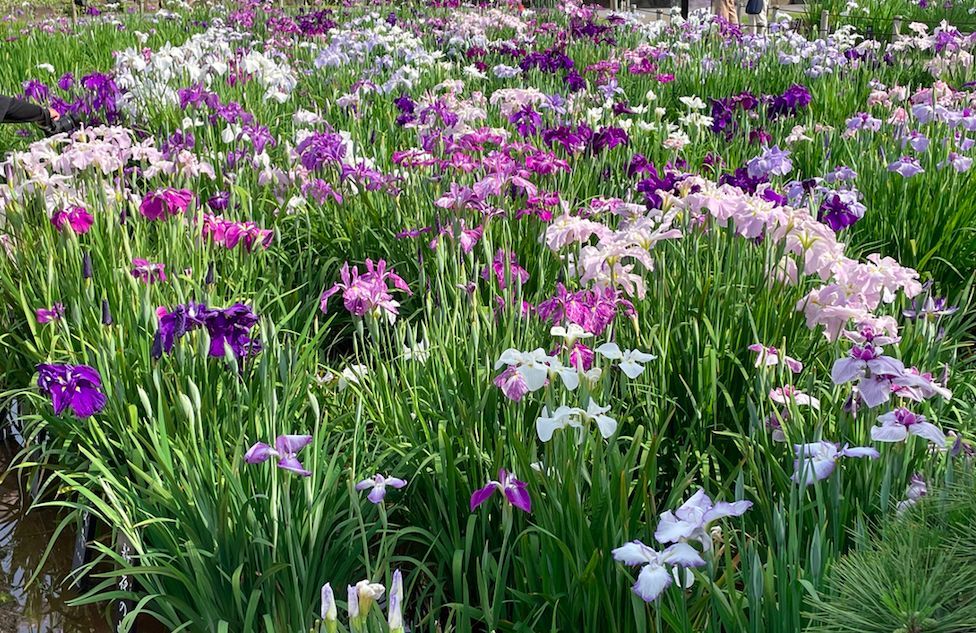
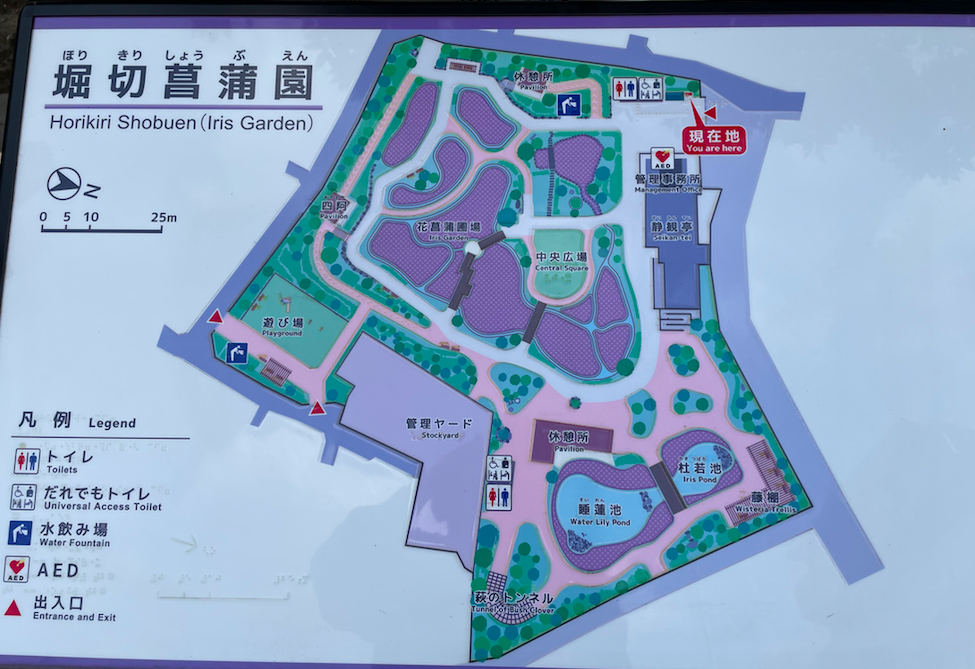
Iris Festival – Horikiri Shobu-en
Cherry blossom blooming season is one of the famous highlights of Japanese sightseeing, moreover you admire flower blooming scenery, we could introduce you some famous flower festival spots in Tokyo.
In Kameido(JR Sobu Line station), where is famous for The Plum Tree Festival from February to March at Kameido Tenjin Shrine. After that, Wisteria Festival takes place in the middle of April. There is over 300 tress of plum and beautiful wisteria trellis – consists of over 50 trees of wisterias.
Wisteria Festival at Kameido Tenjin Shrine
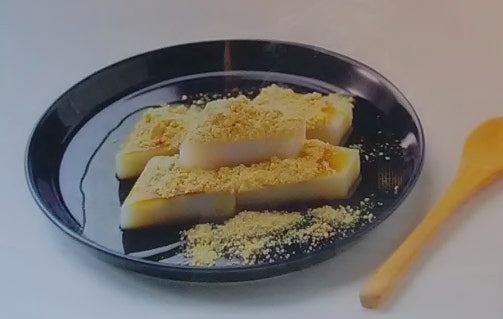
If you have a sweet tooth, you may try to have famous Japanese traditional sweets – Kuzumochi(葛餅) in Funabashi-ya in Kameido – the shop is located in close to Kameido Tenjin Shrine.
Kuzumochi with Kinako and Kuromitsu
In Katushika, Edogawa, there is famous
Flower Irises Festival during May and June.
The flower garden names are, Horikiri Shobu-en, (Edogawa) Koiwa Shobu-en, respectively. Horikiri Shobu-en and Edogawa can be reached by Keisei line. Only 5 or 10 minutes walk takes you to those flower irises gardens.
In the rainy season begins June in Tokyo, hydransias start to bloom.
At the Kinshi(cho) Park is one of interesting selfie spot – with Tokyo Skytree Tower and hydransias and you!
Ueno, Kameido, Katushika, Edogawa,
Kinshicho, are located in Tokyo eastern area, also are called “Shita-machi(下町)“downtown area in Tokyo” including Yanaka(谷根千) area.
You can explore retroactive atmosphere in
deep, old Tokyo eastern area and enjoy this short escape from neo-futuristic
city of Tokyo !!
Those flower gardens above are – all free of charge! Yeah!!