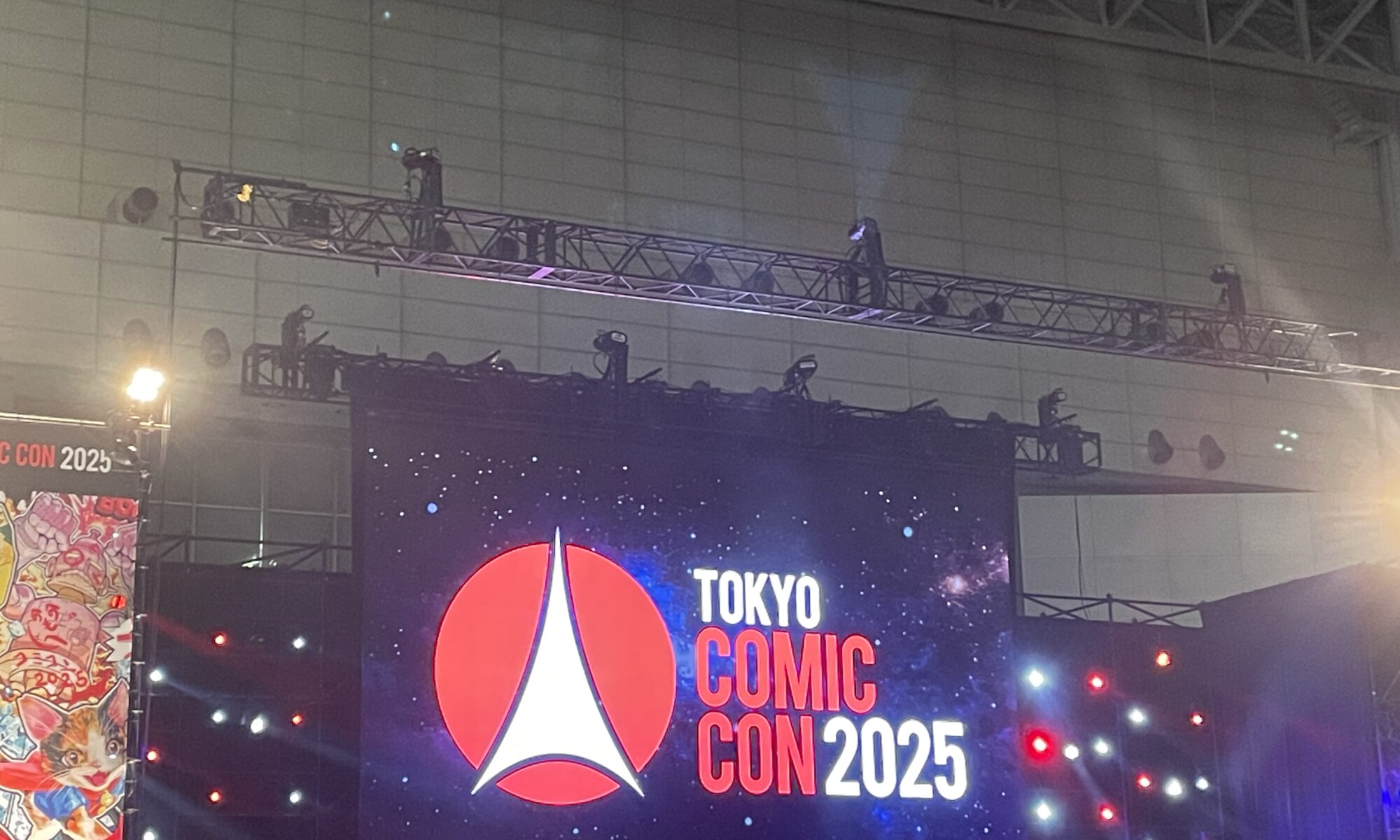
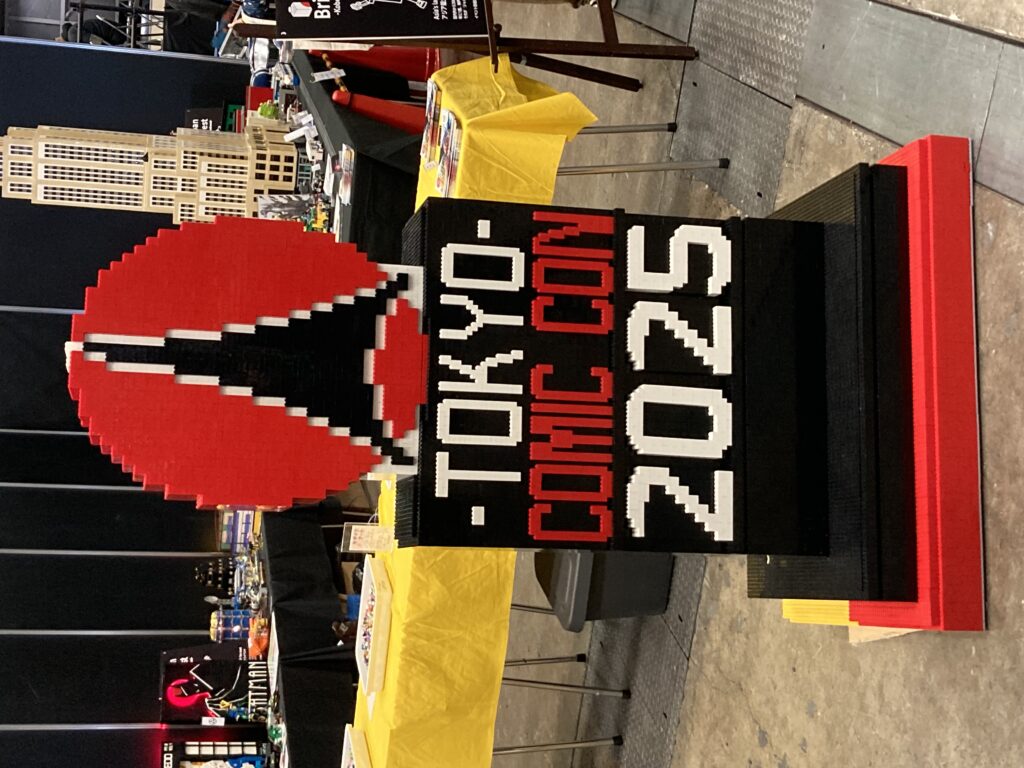
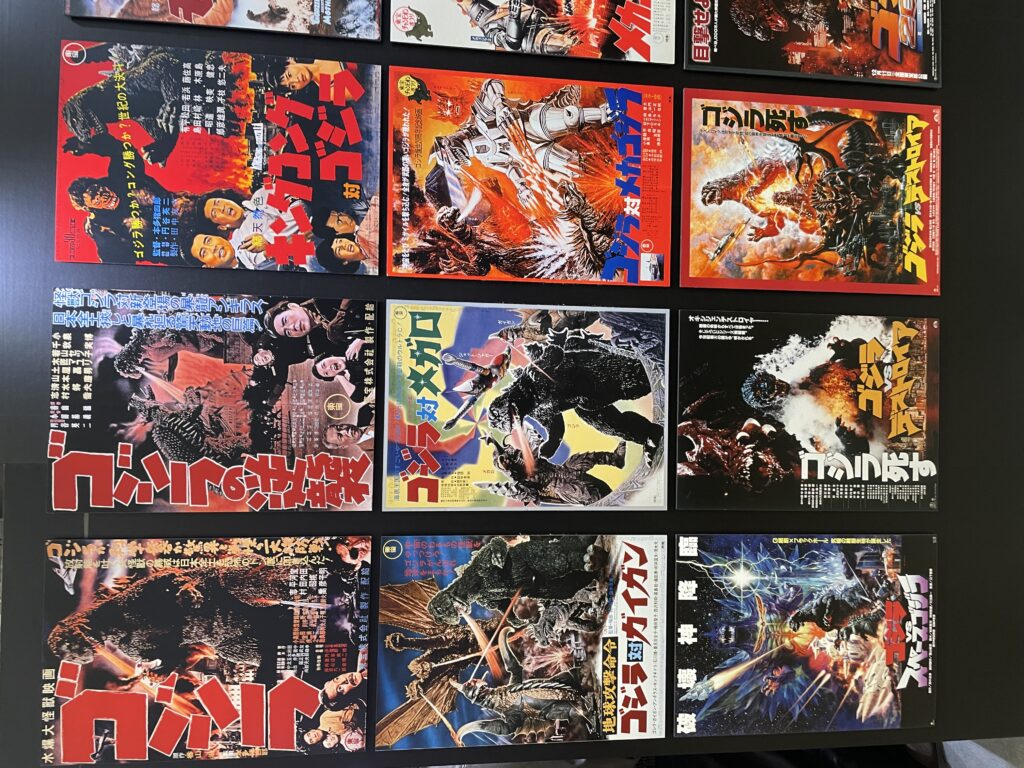
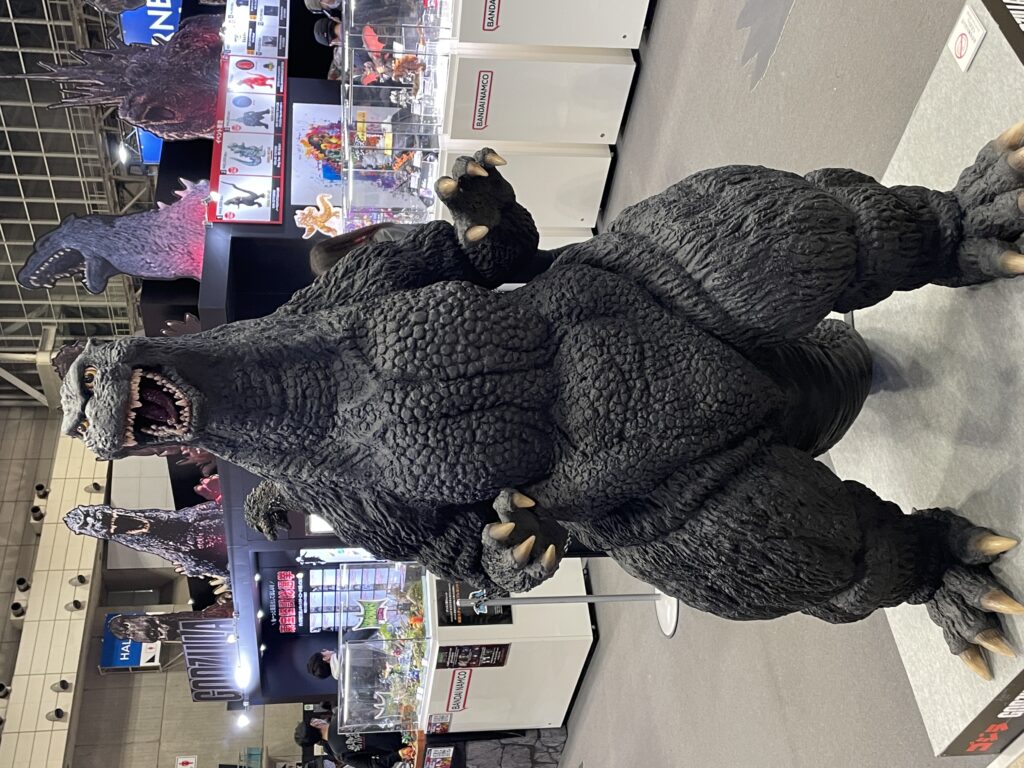
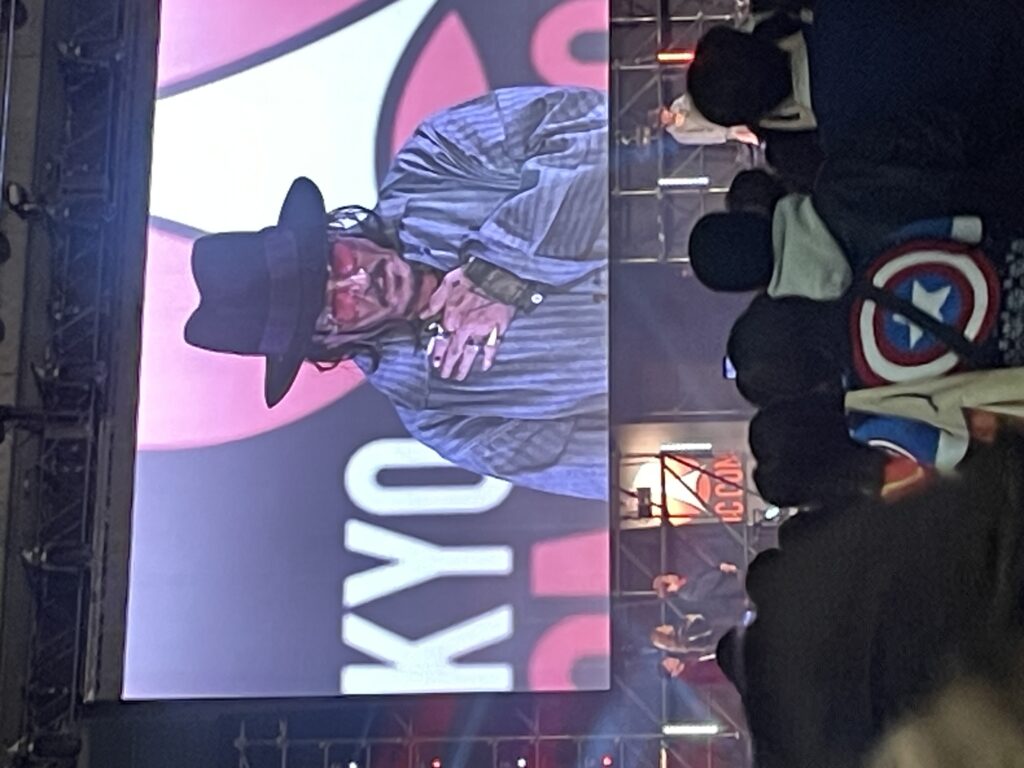
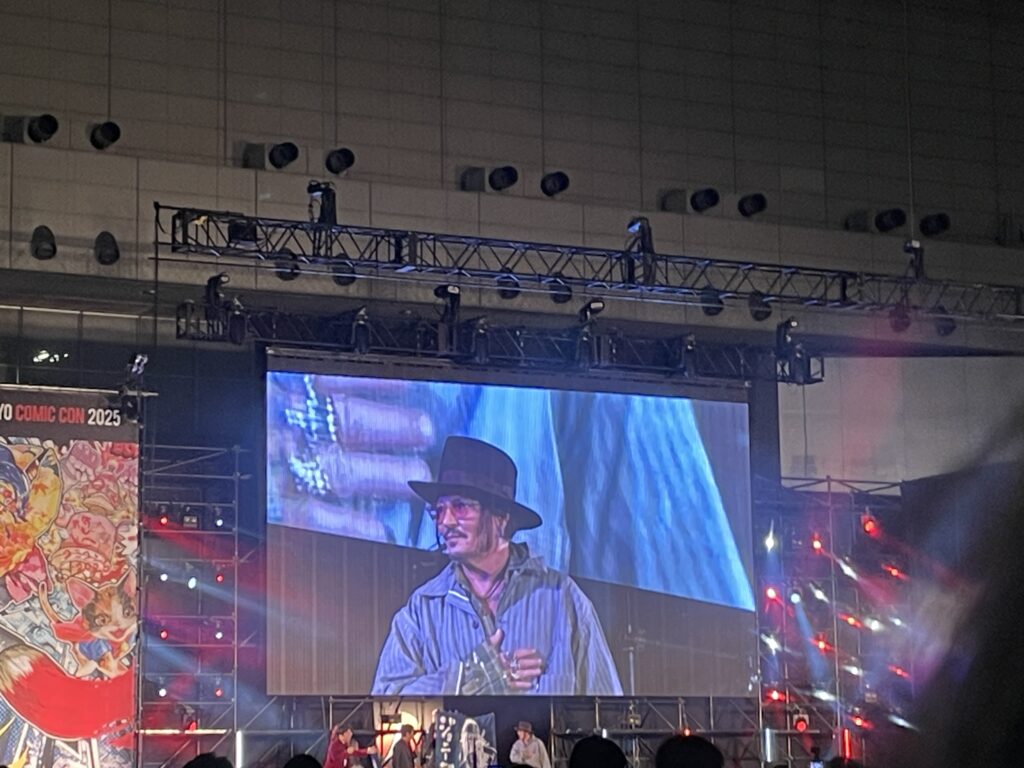
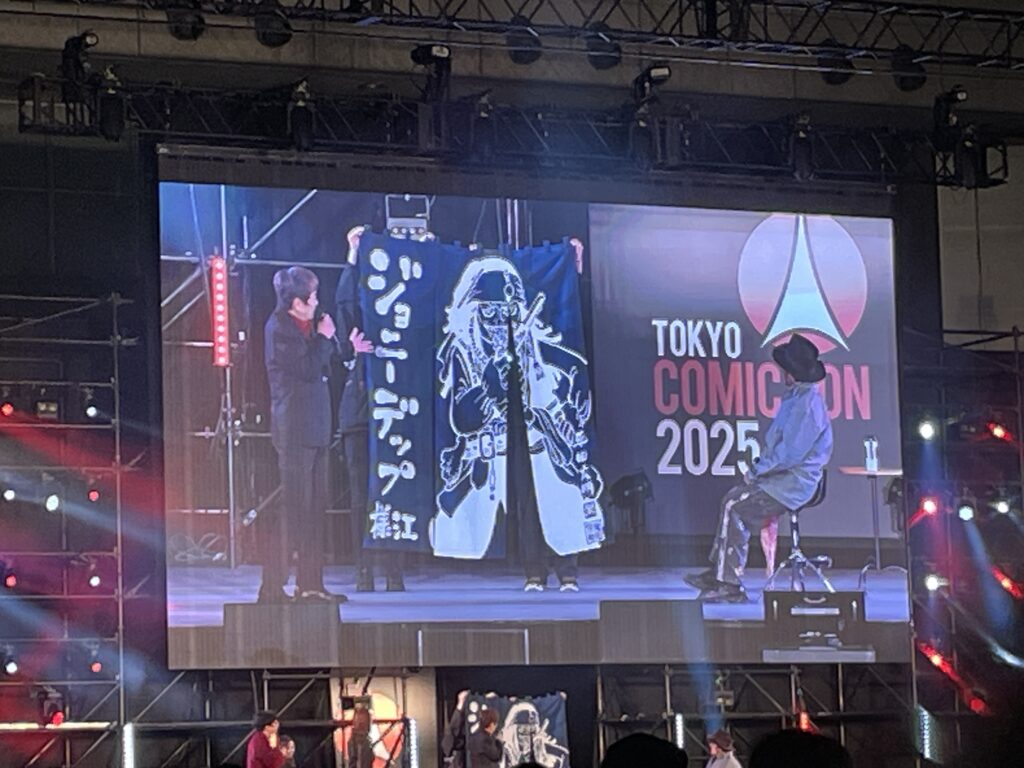
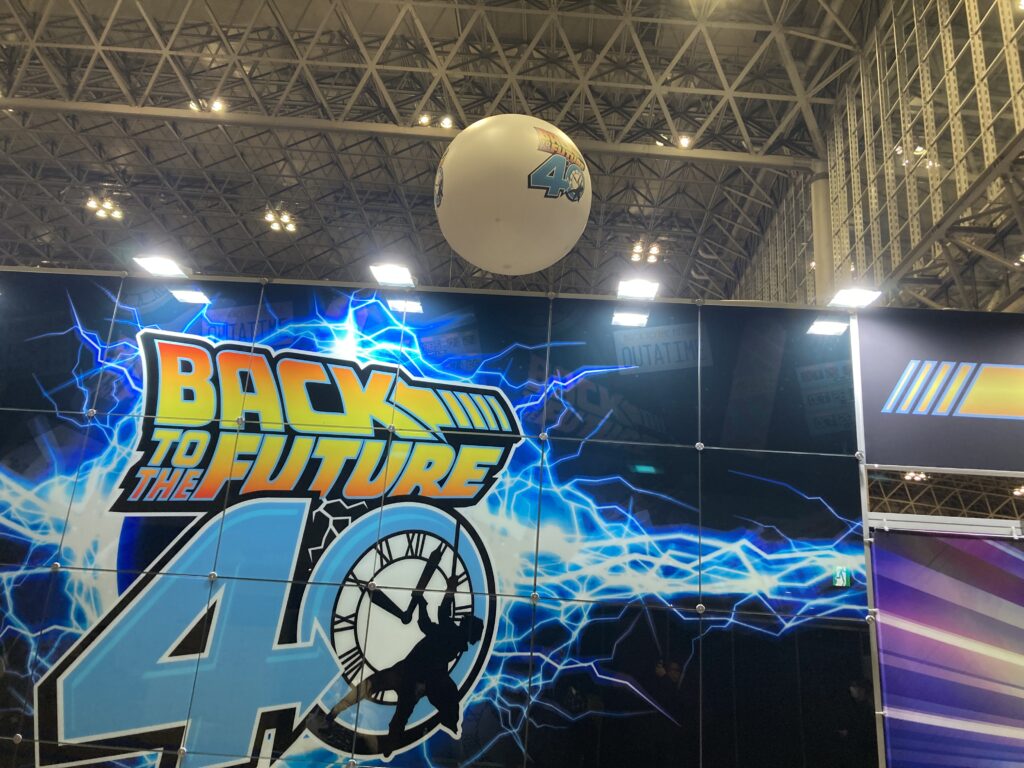
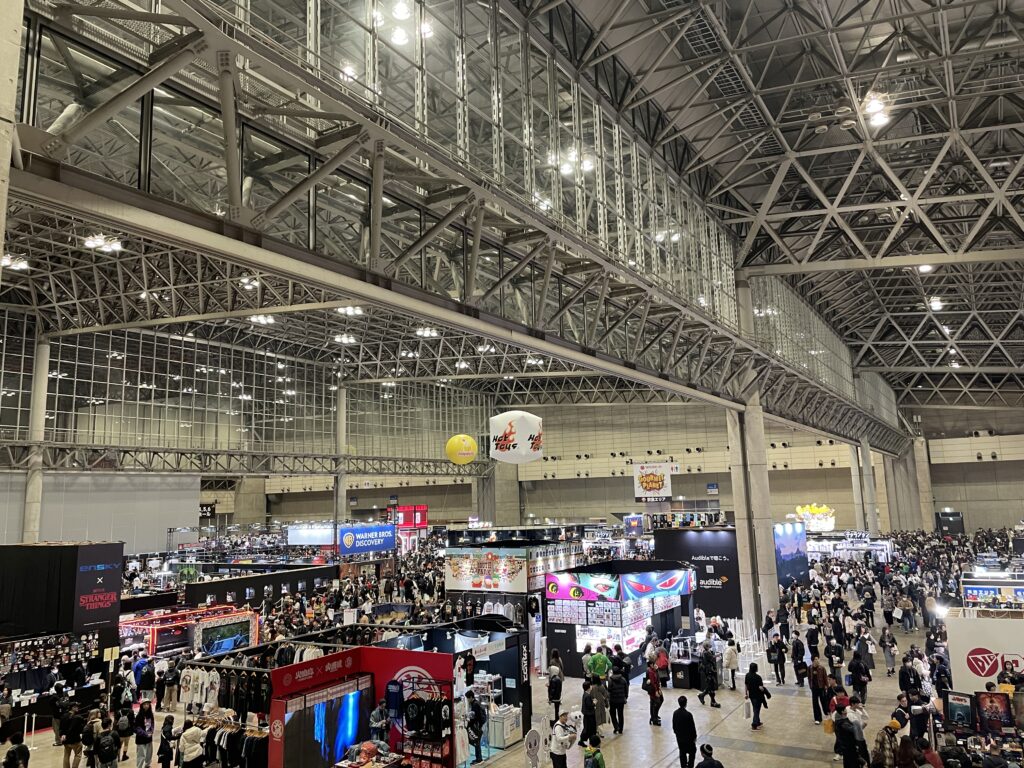
Tokyo Comic Con is held at Makuhari Messe in Chiba. Since it takes place every year in both Tokyo and Osaka, I think many people in Japan are already familiar with it.
I actually attended last year as well, but I completely forgot to write about it on this blog, so this year I went again as a returning visitor.
Every year, Comic Con offers a rich lineup of cosplay and various events, and you can really feel the effort put in by the organizers as well as the enthusiasm of the participants. It’s also an event where you can meet Hollywood stars in person. Compared to global standards, the prices are quite reasonable (though still a bit expensive for Japanese fans), and being able to meet stars face-to-face or get autographs selfies at those prices feels like a great deal.
For me, the main appeal is the unique Comic Con atmosphere, the cosplay, and browsing the merchandise and events. Even without meeting individual stars, it’s more than enjoyable enough.
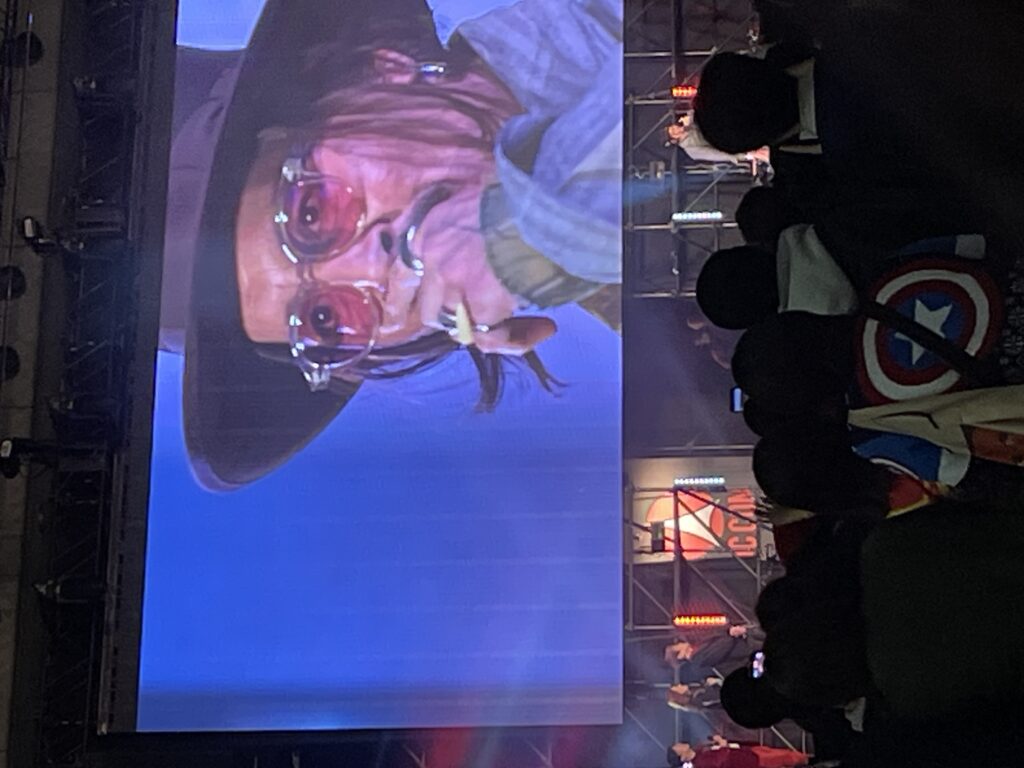
This year, Johnny Depp made his first appearance, which was very exciting. There was a time when he looked quite different during the stress of his divorce issues, but now he’s clearly back to being the cool Johnny Depp we all know. I was surprised to see so many people at the venue dressed as him.
Personally, I was also very interested in Elijah Wood, who always seems to choose good projects. Since it’s Comic Con, actors who have appeared in American comics or related roles come to Japan, but he often plays slightly quirky yet memorable characters, and he’s an actor I’m looking forward to seeing more of in the future. You don’t often get to see Hollywood stars this close, so even though the admission fee is a bit high (the three-day pass is a great deal), it’s definitely worth attending every year.
Christina Ricci was as cute as ever, too. Christopher Lloyd, Lea Thompson are always legend, Sebastian Stan, Mads Mikkelsen were so cool— It turned out to be a very memorable event to wrap up the year.
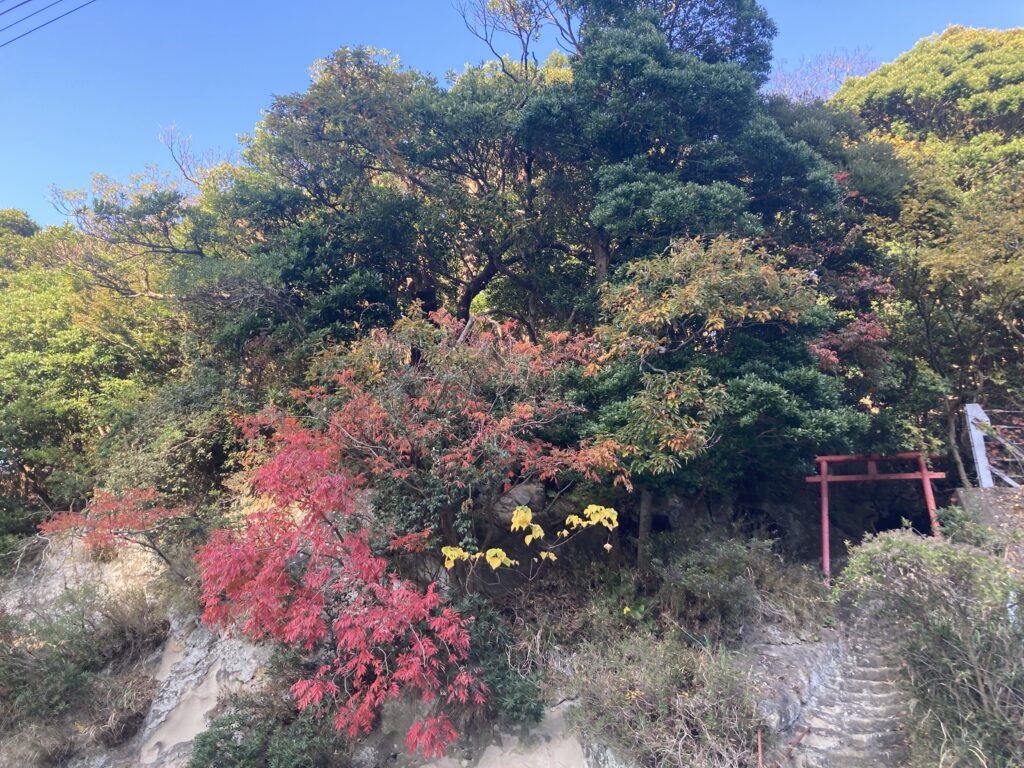
In the autumn of 2025, when bear sightings are causing concern across Japan, Chiba Prefecture stands out as the only prefecture on Honshu with no bears. As a result, many visitors come to enjoy autumn foliage viewing and hiking.
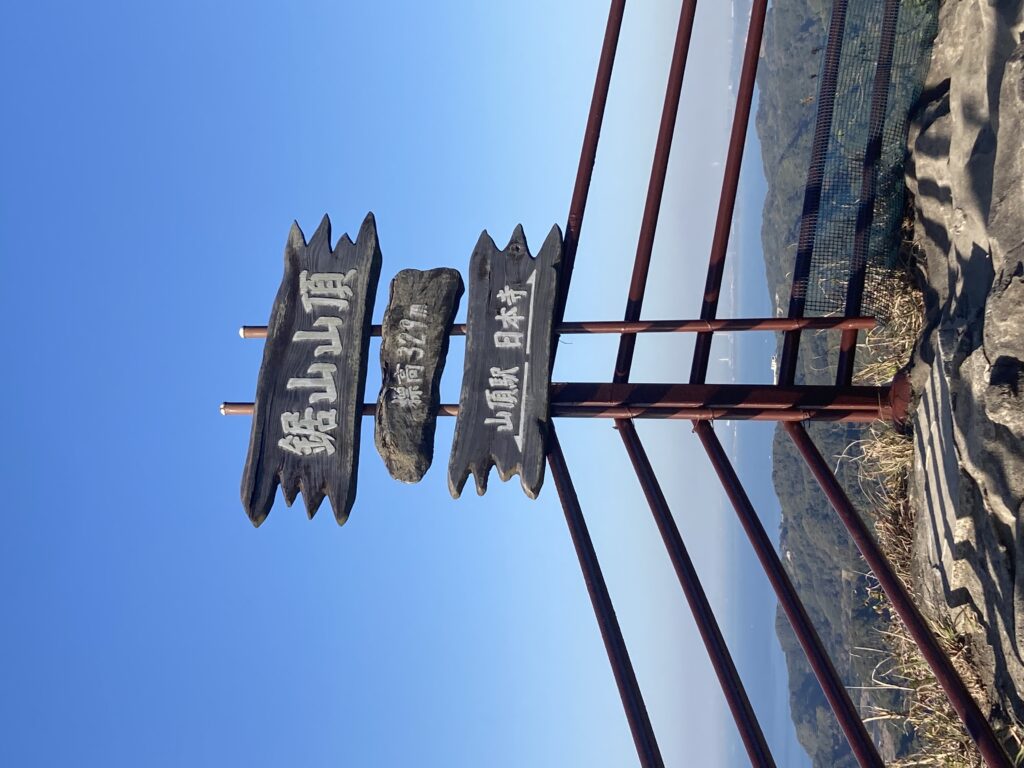
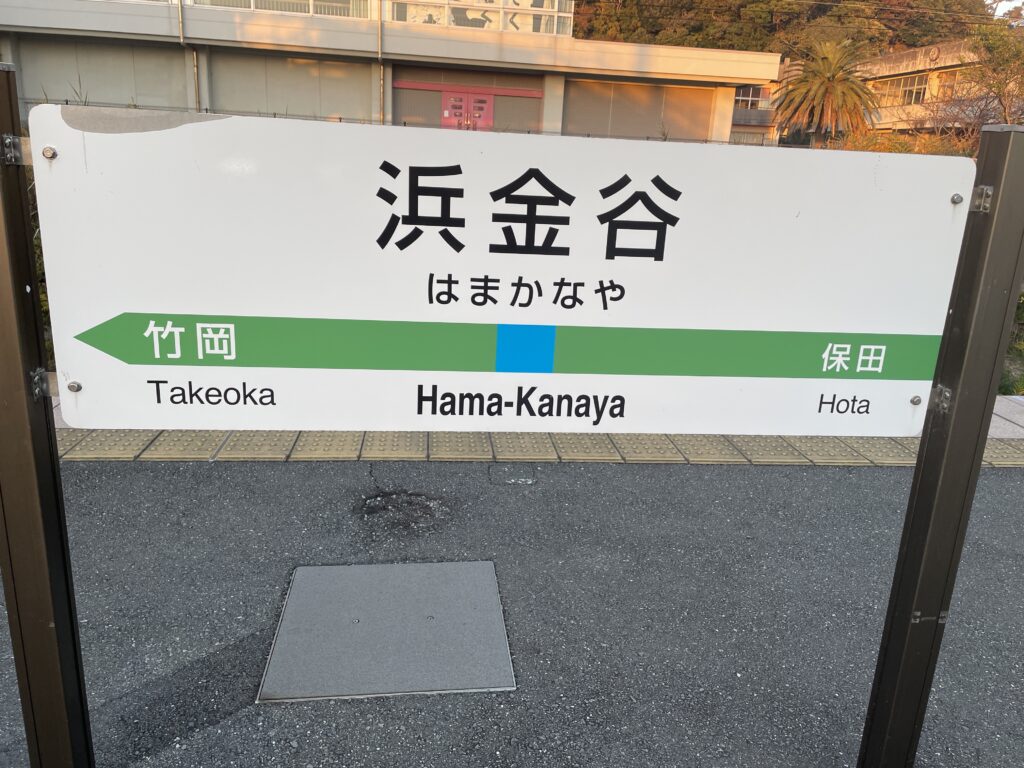
Mount Nokogiri can be reached from Tokyo in about 1 hour and 48 minutes from Shinjuku Station by taking the Limited Express Sazanami. The nearest stations are JR Hamakanaya and Hota. The mountain rises to 329.4 meters, and a ropeway is also available.
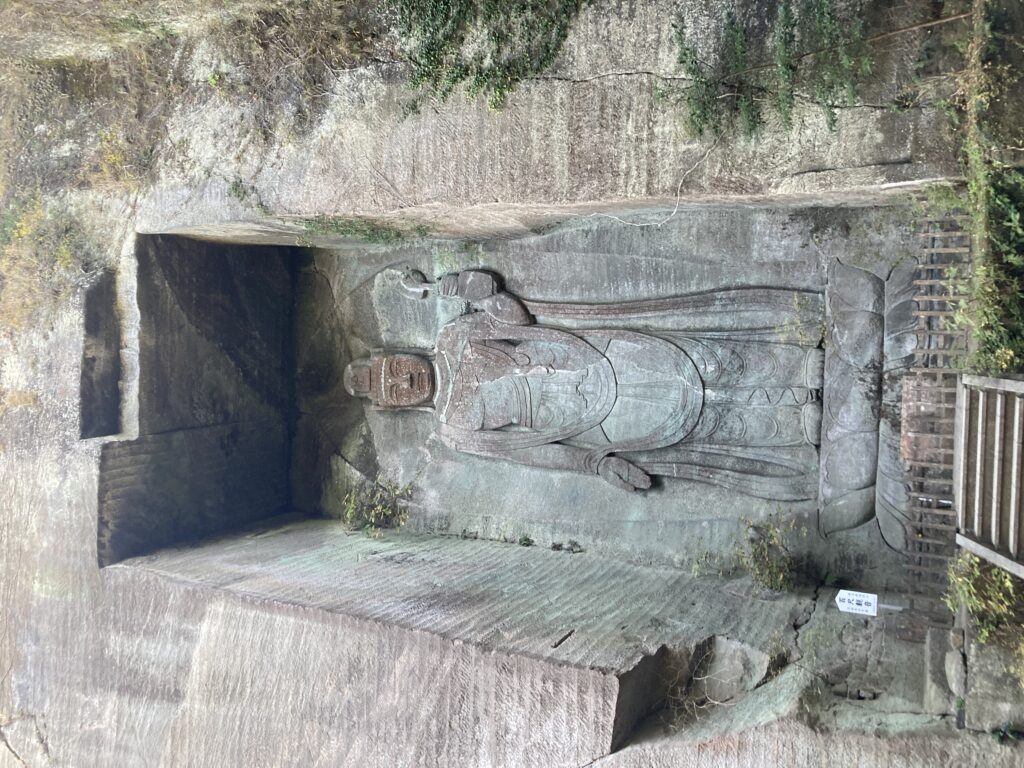
Yakushi Ruri Kou Nyorai
Mount Nokogiri summit
Hyakushaku Kannon
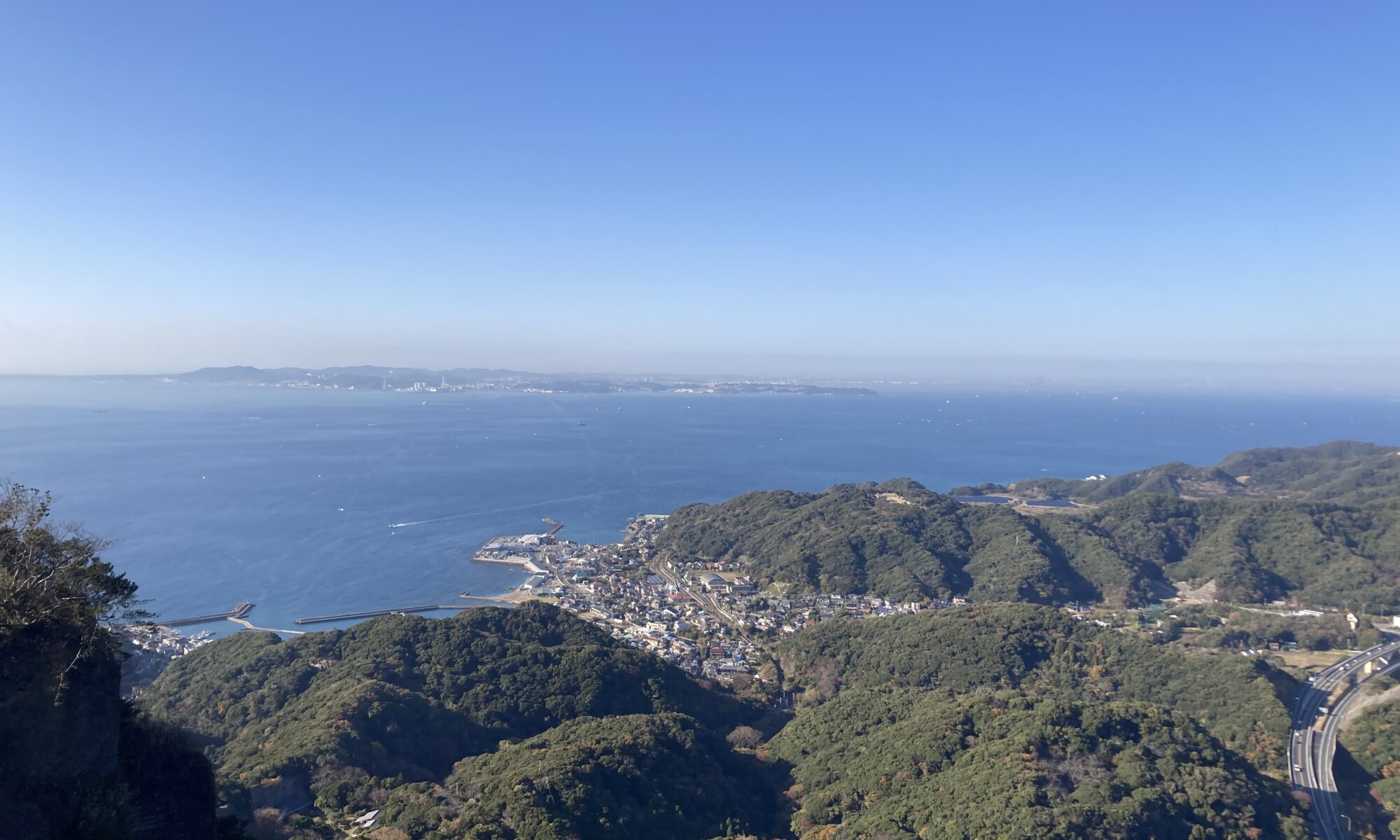
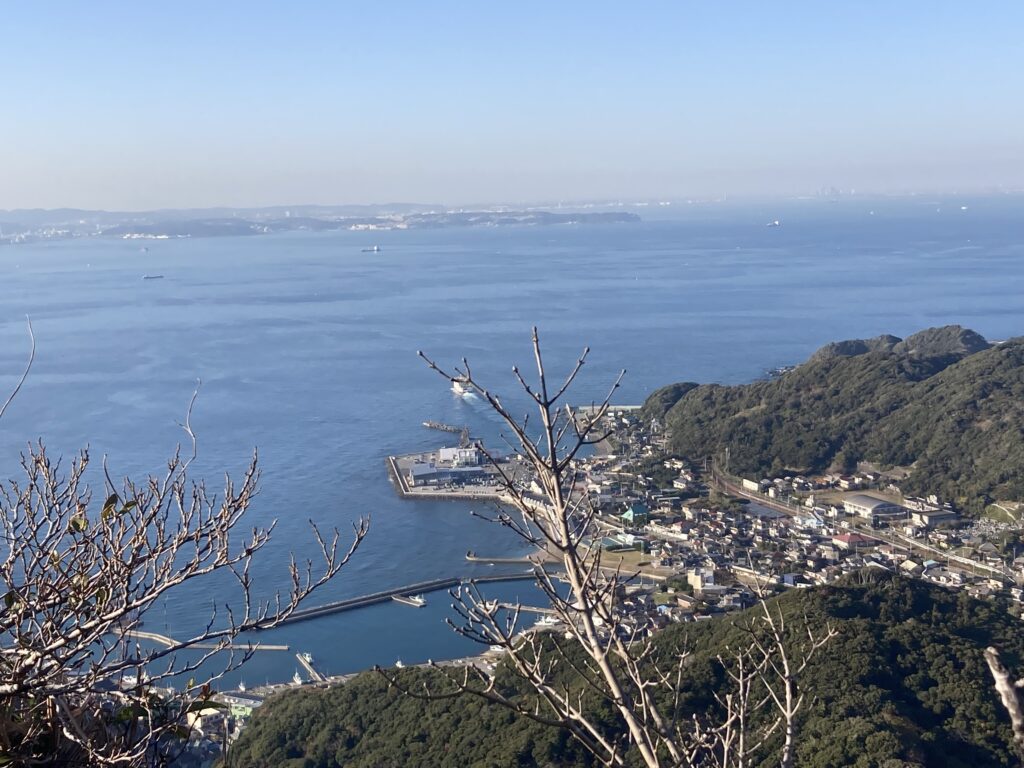
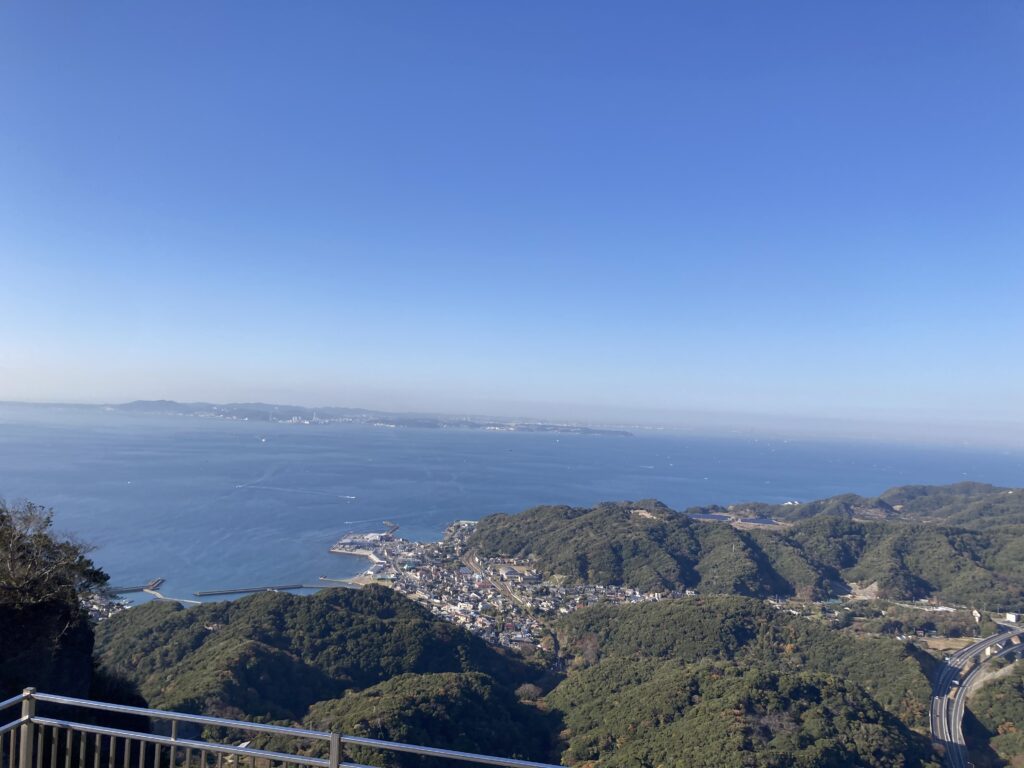
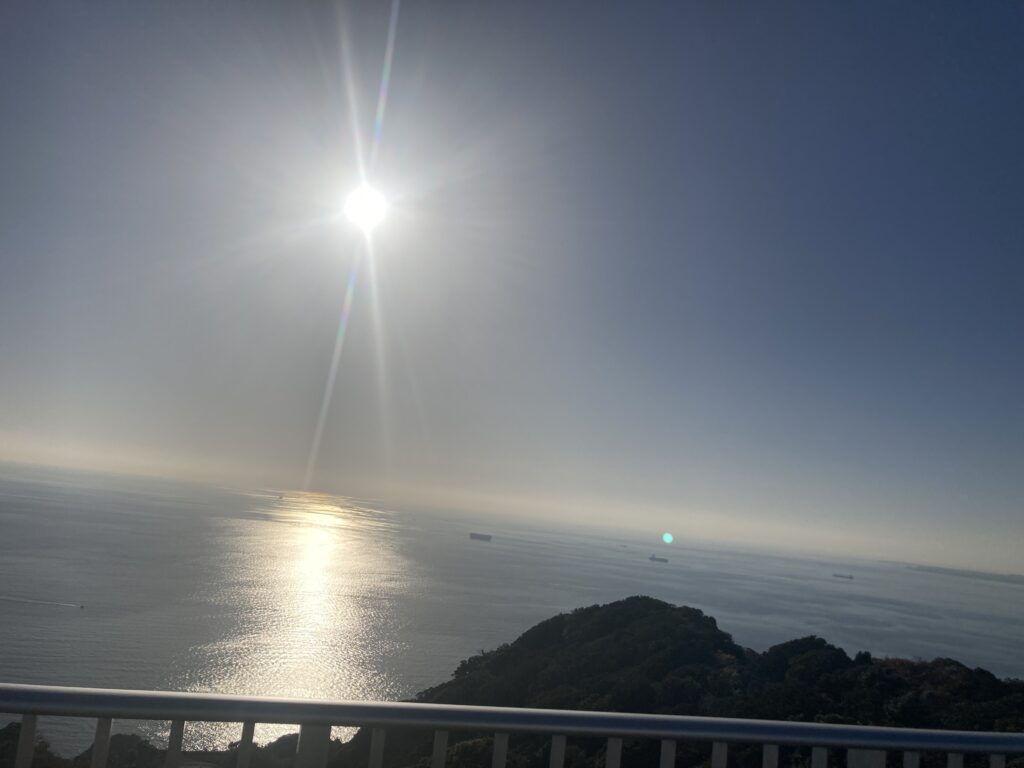
Mount Nokogiri could be called the only true mountain in Chiba Prefecture. Located in the Uchibō area, the summit offers panoramic views stretching from Tokyo to Kanagawa. On clear days, you can even see the Tokyo islands and Mount Fuji.
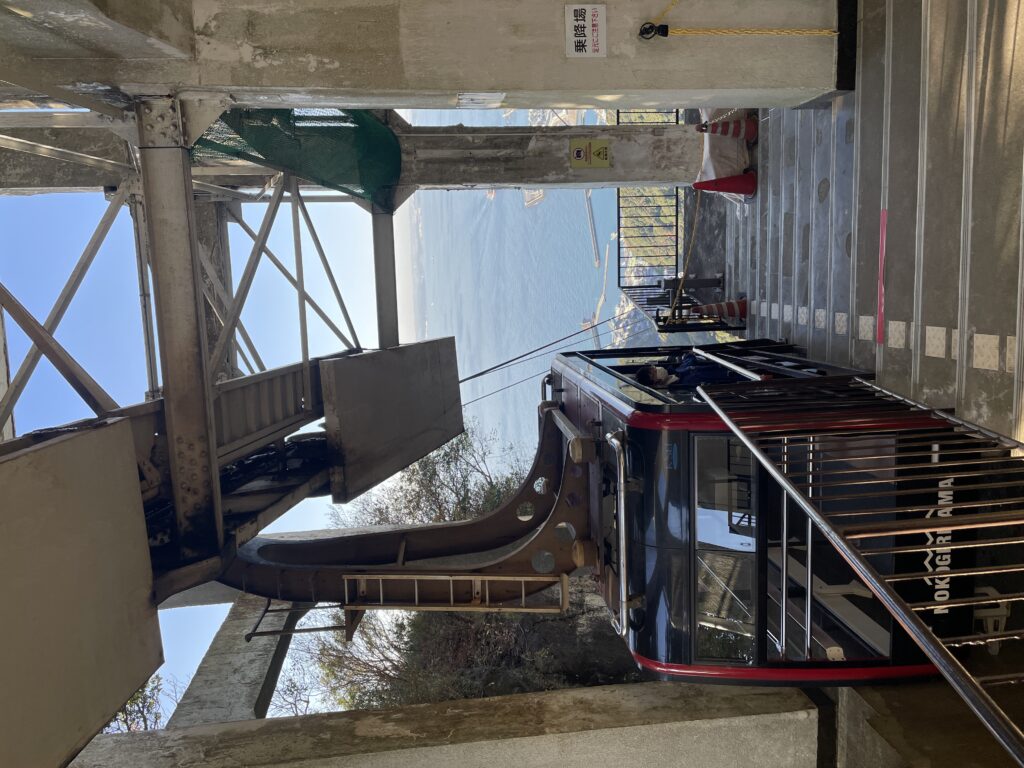
For those who find hiking a bit challenging, the ropeway can be used to go up or down. However, since the mountain is relatively low and the trails are well maintained and paved, even children can easily reach the summit. It is an ideal spot for hiking.
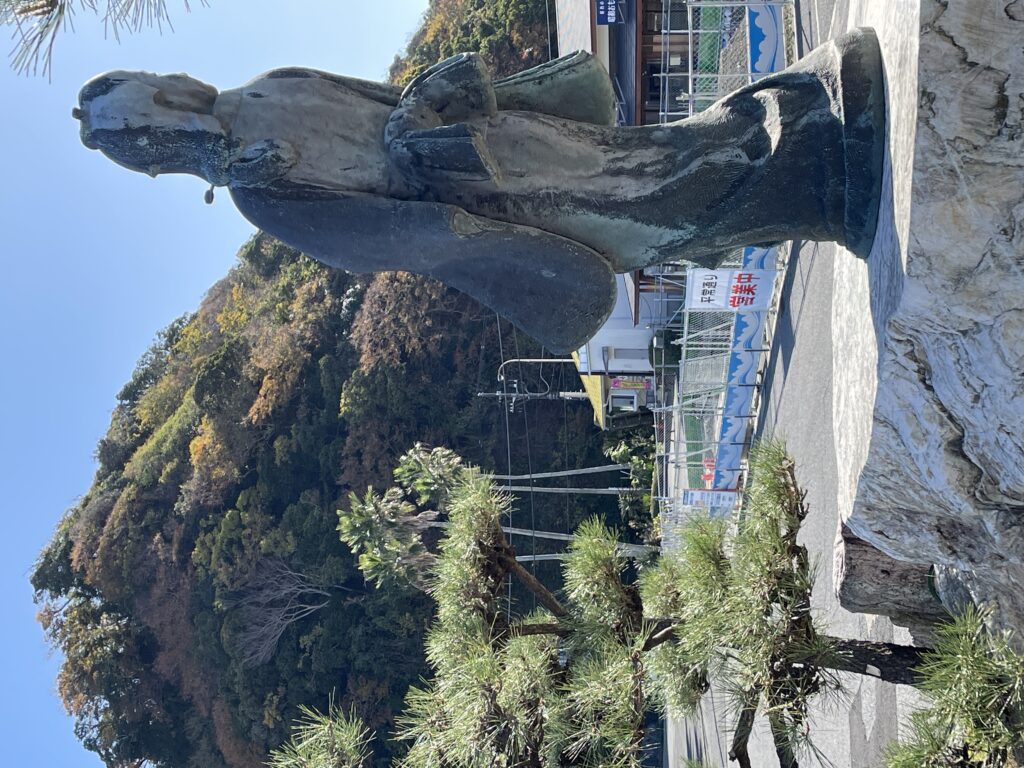
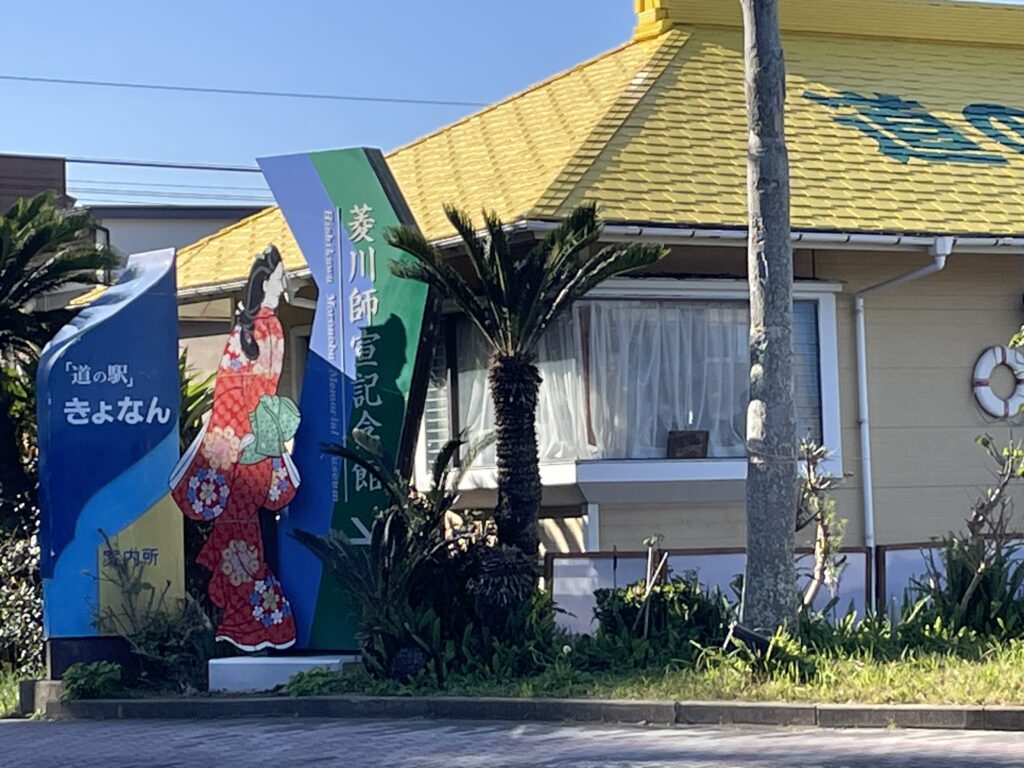
Between JR Hota Station and Awa-Katsuyama Station, there is the Hishikawa Moronobu Museum, dedicated to the Edo-period artist Hishikawa Moronobu. A leisurely walk along the coastline will take you there, where you can enjoy his ukiyo-e prints and other works.
A short walk from JR Hamakanaya Station brings you to The Fish, a restaurant and souvenir area where you can enjoy seafood from the Uchibō region. It is a perfect location for experiencing the feeling of a small, casual trip.
If you decide to stay overnight, you could extend your trip along the Uchibō Line to places like Awa-Kamogawa or Yōrō Valley on the Kominato Railway. Taking a ferry or heading toward Kanagawa via the Aqua-Line is also recommended on a clear day.
Chiba Prefecture is served by several sea-themed limited express trains from Shinjuku, such as the Sazanami (Uchibō Line), Wakashio (Sotobō Line), and Shiosai (to Sakura and Chōshi), making it perfect for short trips.
Ropeway
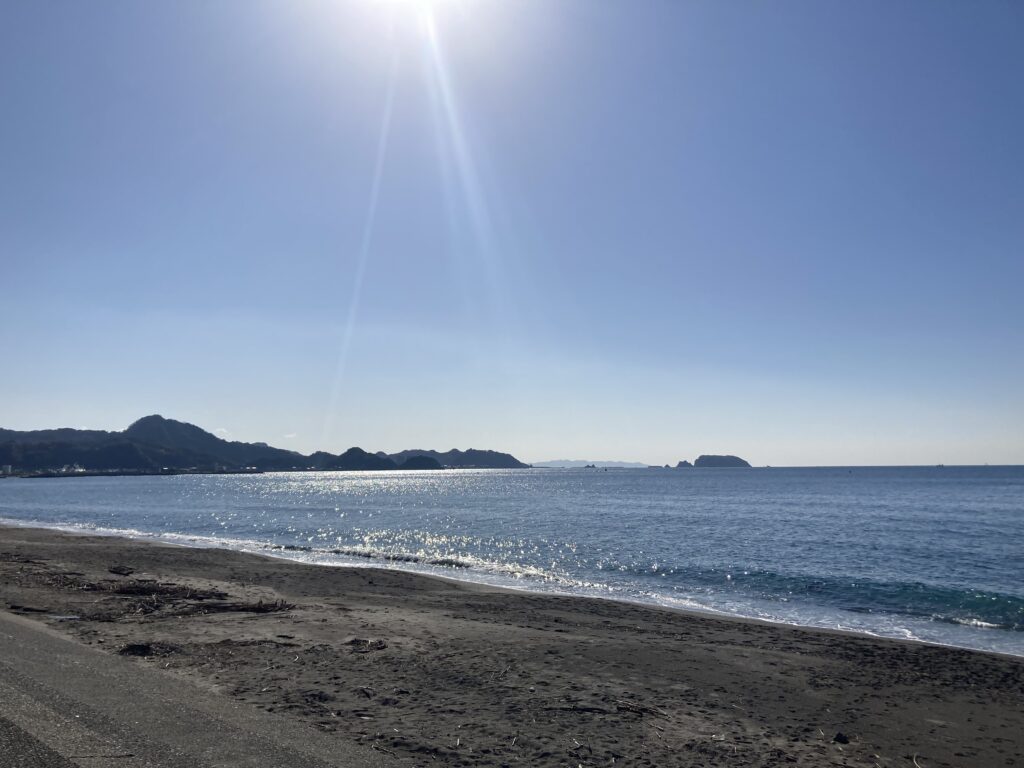
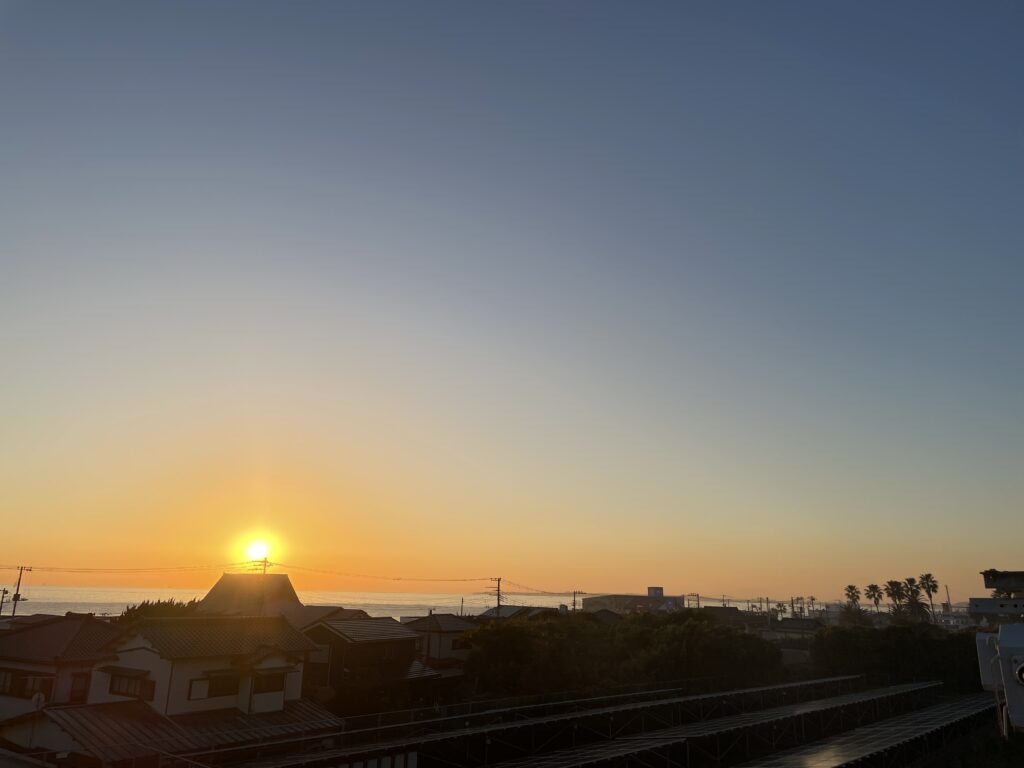
Beautiful sunset from Uchibo area
Many areas of Chiba still retain a strong local character compared to other parts of the Kanto region. If you ever feel nostalgic for visiting your grandmother’s house in the Showa era, taking a small trip to the Bōsō Peninsula might be a delightful experience.
In autumn, when the weather is clear, the air is crisp and the views are outstanding. Not only can you enjoy the autumn foliage, but you can also refresh yourself with fresh mountain air, making for a fulfilling day trip.
This summer, during the 2025 holiday season, some people
might have up to a 9-day consecutive break due to the Obon holiday.
For those spending time with family, going on trips,
returning to their hometowns, or paying respects at graves, there will be
plenty to do.
Given the extreme heat this year (though I feel like every
year is setting new records for the highest temperatures), I’d prefer not to
stand in long lines under the blazing sun for leisure activities. But still, I
really want to visit the Osaka Expo, as it’s a once-in-a-lifetime event this
year.
The content of the Expo is enjoyable for adults, but it’s
especially recommended for children because it provides a very compact and
easy-to-understand look at the future of society, technology, and the diverse
countries of the world. It’s an excellent opportunity for cultural exchange
with people from abroad.
Recently, it seems that all tourist destinations in Japan
are filled with inbound foreign visitors, but at the Osaka Expo venue, I felt
that many of the attendees were Japanese people, especially retirees with more
free time, and people from the Kansai region who had purchased full-term
passes.
Of course, during summer vacation, it’s expected that there
will be many families and children (there are also summer passes for this
period), but it’s important to register for pavilion reservations in advance,
such as two months, seven days, or even the day before the visit. If that’s not
possible, there are also booths where you can make reservations after entering
the venue. (While some pavilions don’t require reservations, due to increased
congestion, more and more places are now requiring them).
Therefore, it’s recommended to enter the venue as early as
possible. (Remember, you need to purchase an entrance ticket separately. Without
it, you won’t be able to enter the pavilion lottery. Once inside, you can make
reservations, so try to get there early. However, in the evening, the crowds
thin out, so it becomes easier to enter pavilions just by standing in line).
Jamaica Pavilion
Romania Pavilion
Kuwait Pavilion
Austria Pavilion Restaurant
Czech Pavilion
Australia Pavilion
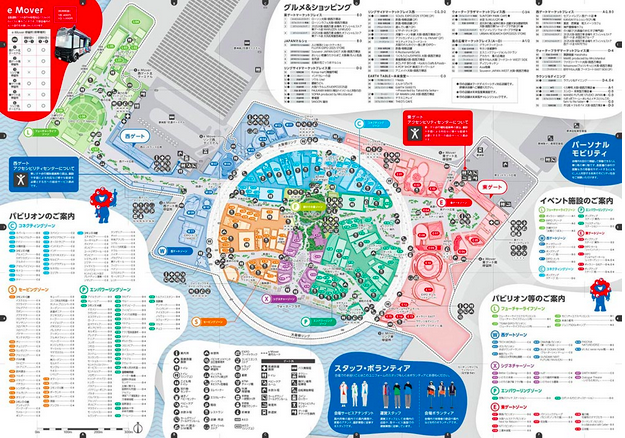
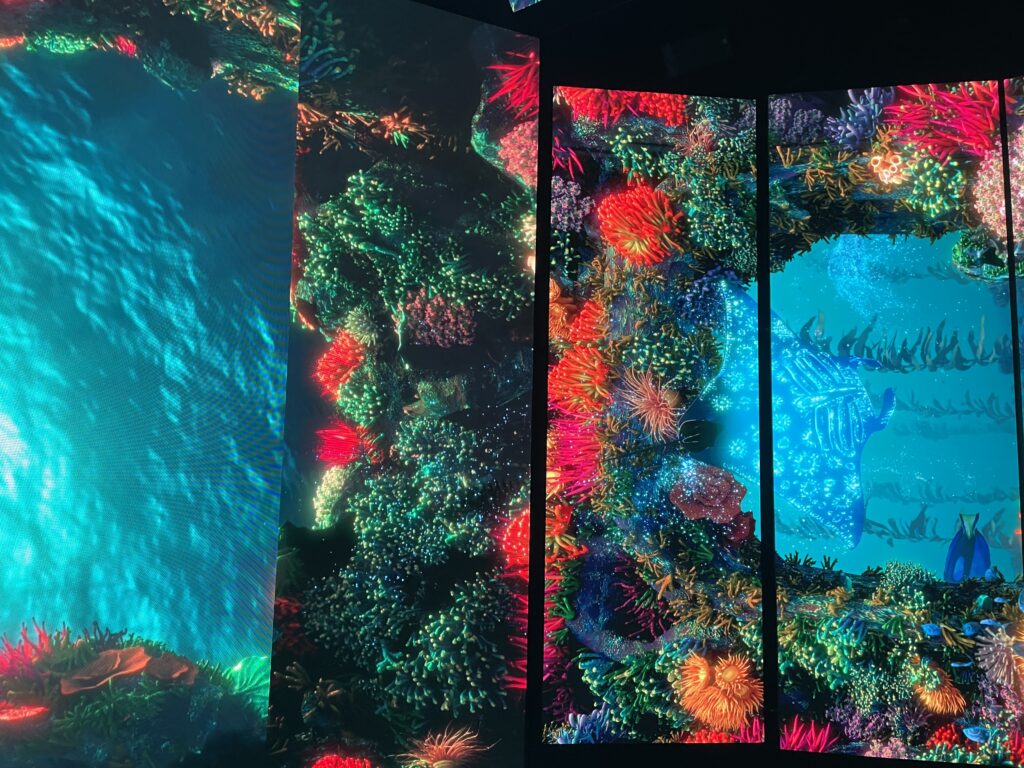
The Italy Pavilion, France Pavilion, USA Pavilion were amazing!
the Jordan Pavilion where you can walk through the desert, and the Turkmenistan
Pavilion (which is not yet open to the public as a tourist attraction) are
often in the spotlight. But I recommend visiting the Commons, where there are booths from
many countries within one building. You can see various local products, famous
celebrity figures, cultural arts, and more, almost without having to wait in
line. There are pavilions from A to F, and it’s impossible to see everything!
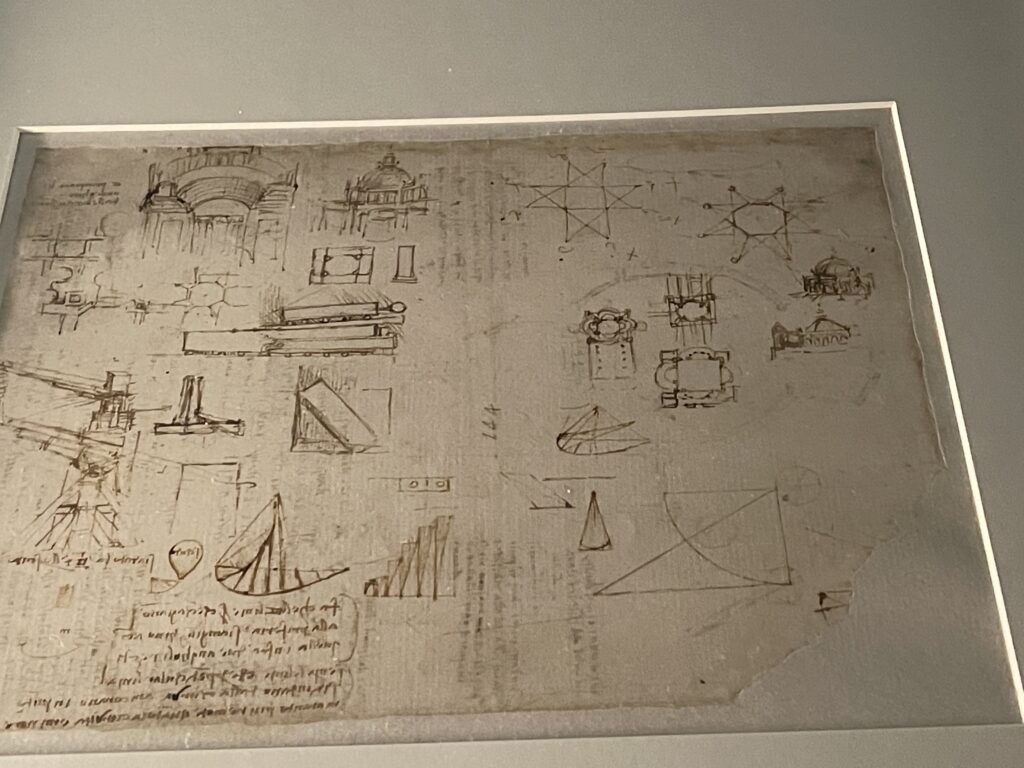
[Atlantic Code] Da VInci
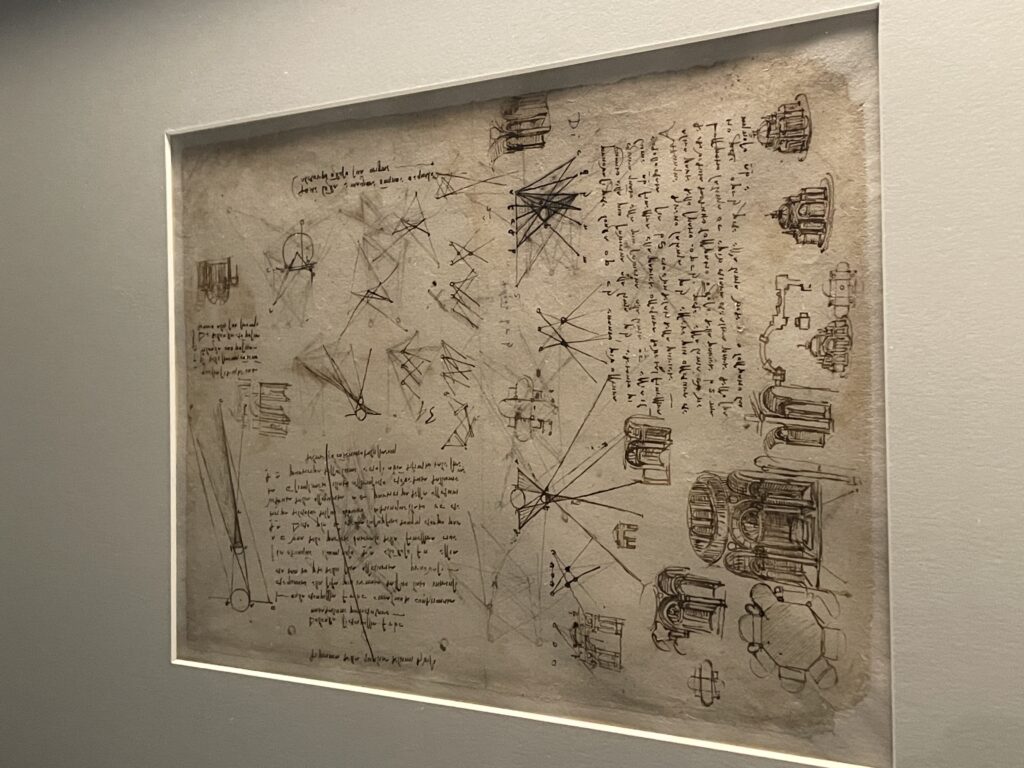
[Atlantic Code] Da Vinci
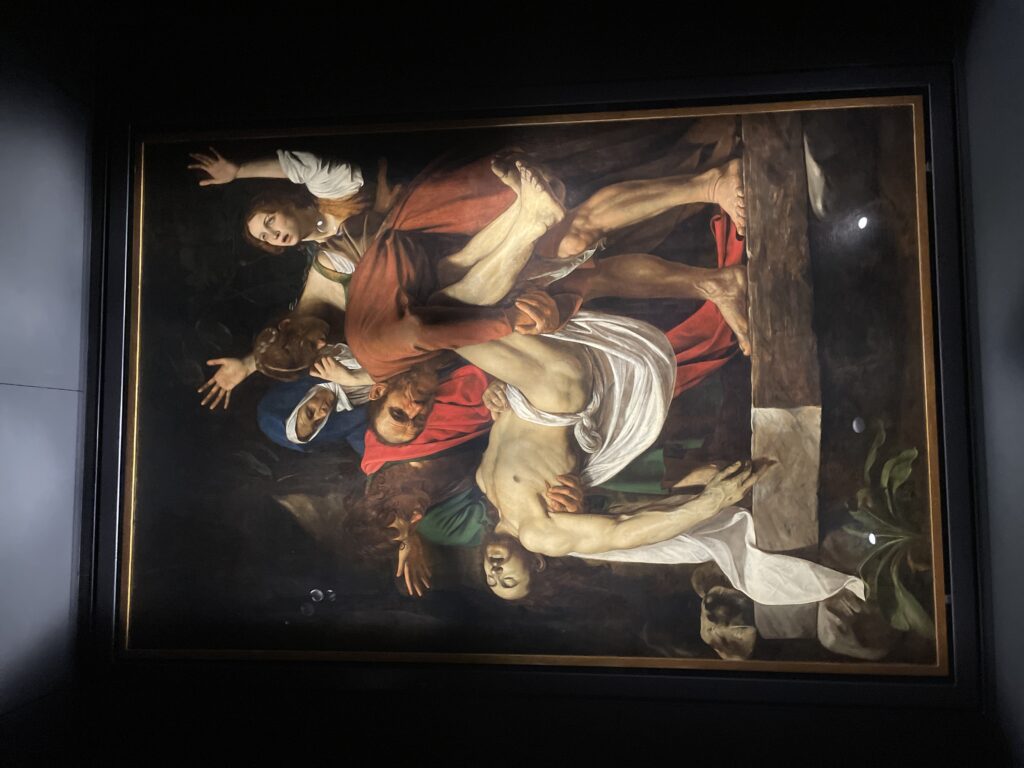
[ The Entombment of Christ ] Caravaggio
If you can’t get reservations, you’ll just have to stand in
line. When I went, it was the day the Leonardo da Vinci exhibition was launched
at the Italy Pavilion, so I had to wait about six hours! But it was worth it
and very impressive.
It’s recommended to spend several days and visit the Expo
in a planned manner. On the first day, take a quick tour to get an overview,
and then, over the next few days, explore the places you really want to see.
The large roofed area offers shade and seating, and there’s free drinking water
available. Each country also has plenty of food and events, with Myaku Myaku being particularly popular.
There are also so many stamp rallies, so be sure to buy a
stamp book and collect them. The unique stamps of each country will be great
memories of the Expo.
After the summer vacation, I plan to visit again in
September. It’s that fun! The ethnic costumes worn by the pavilion staff from
each country are also wonderful. The Japan Pavilion was so popular that I
couldn’t get a reservation, so I look forward to visiting it next time.
Basically, Japanese Budo (武道) is highly discipline and refined spirit needed, fundamentally,
Budo is based on profoundly philosophical theory – “Conquer yourself rather
than beating others”.
In other words, “Bushido (武士道) or Samurai no Kokoro-iki(侍の心意気) is most
important spirit among these Japanese budo’s disciples.
According to the website of “Japanese
Budo’s hall of fame – Nihon Budokan日本武道館“,describes what
the Japanese Budo is –
Budō
is a form of Japanese physical culture that has its origins in the ancient
tradition of bushidō – literally, “the way of the warrior.” Practitioners of
budō develop technical martial skills while striving to unify of mind,
technique and body; to develop their character; to enhance their sense of
morality; and to cultivate a respectful and courteous demeanour. Thus, budō
serves as a path to self-perfection. Budō as a general term refers to the
modern Japanese martial arts disciplines comprised of jūdō, kendō, kyūdo, sumō,
karatedō, aikidō, shōrinji kempō, naginata, and jūkendō.
Practitioners of Budo could learn not only
mental toughness but also propriety through the lessons.
Budo’s are, also have different
perspectives – which is “the art of self-defense”. Budo’s main priorities are –
just smart ways of protecting ourselves from disasters, crimes, silly squabbles
sudden incidents in our lifetimes. Budo is defensive ways of body protection from
lot of threats – without wearing personal protective equipment.
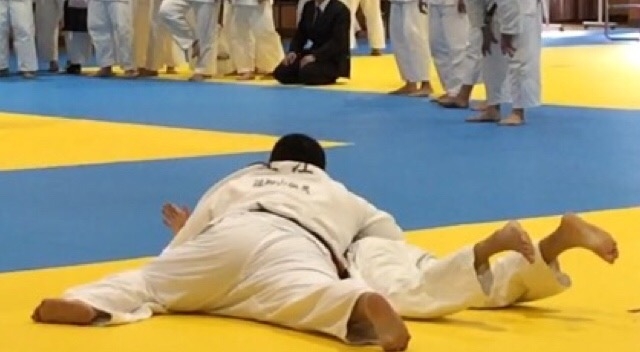
Judo(柔道)
The aim in Judo is not just to win. Judo
means “ 柔“soft “and “gentle”.
It is rather the mind that needs training
not the body.
At the beginning of 12th
century, Judo became part of the educational curriculum of boys from middle
school onwards, then, it has become very widespread – all over the world.
Judo’s spirits is – “softness overcomes
hardness”.
The ability of judo practitioners is
indicated by Dan(段) and Kyu(級)。
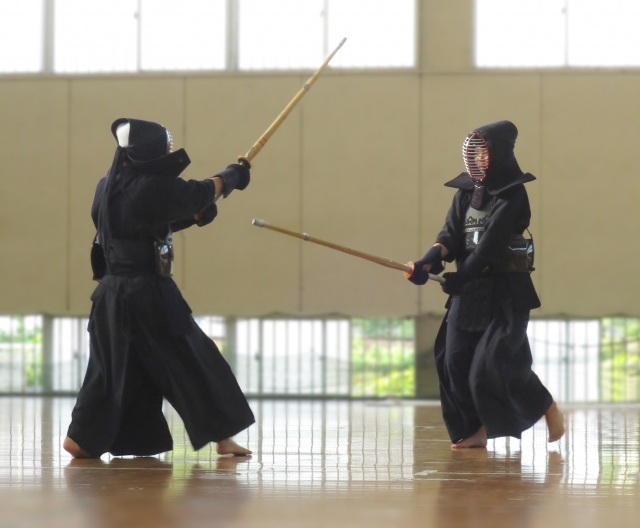
Kendo(剣道) Iaido(居合道)
Kendo is a kind of fencing in which the
fencer uses a “sword” for protection and to attack his opponent of the match.
Basically, Kendo uses shinai 竹刀(bamboo sword) Iaido uses shinken 真剣 (real sword and its sheath).
From the seventeenth century, it has been
stresses that Kendo involves spiritual as well as technical refinement, under
the influence of Buddhism, Confucian teaching like a Zen philosophy and Bushi
do (武士道).
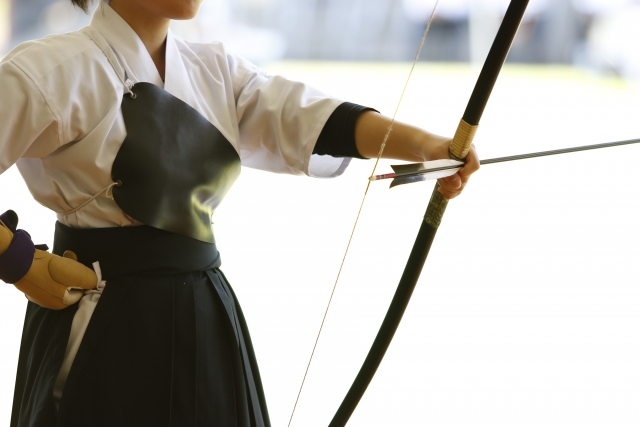
Kyudo(弓道)
Kyudo is Japanese archery. It is said to
have been introduced in the eights century from China and Southeast Asia to
Japan.
The bow had become widespread for hunting
and fighting until medieval – before being introduced firearms from western
countries to Japan. Subsequently, Kyudo development was a discipline of mind
and body based on Zen and Confucian tenets.
It is also famous “Yabusame 流鏑馬“ – playing archery on the horseback.
Yabusame is one of Samurai’s accomplishments.
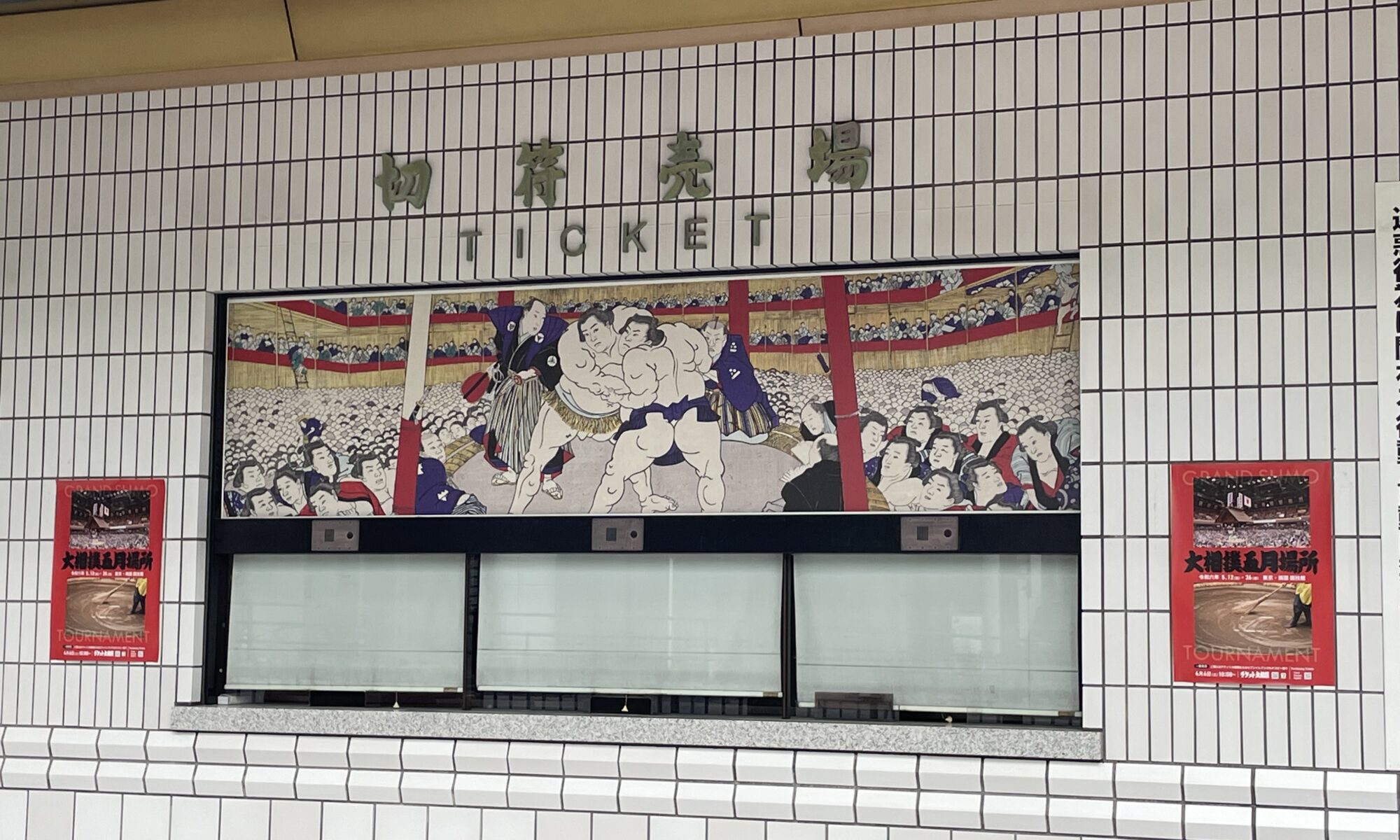
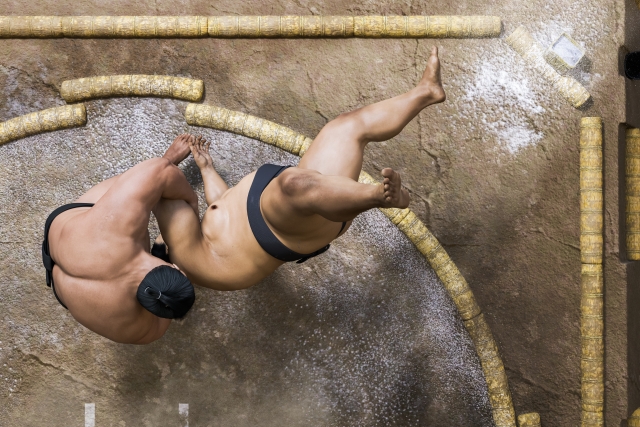
Sumo(相撲)
Sumo’s history goes back to ancient times. In
the ancient myth’s book“Nihon Shoki (日本書紀)”, describes the gods wrestled with each other in some tales. Sumo is
one of symbolic Japanese traditional budos and offerings to the gods.
Due to its origin in offering to the gods,
sumo matches were likely to hold in the front of gods – means inside of
shrines.
In modern sumo tournaments hold 6 times per
a year in different places,
Tokyo(January,May,September),Osaka(March),Nagoya(July), Fukuoka(November).
Sumo wrestlers have huge bodies with traditional
costumes, powerful wrestling styles are very exciting!
The highest rank of sumo wrestlers are
called “Yokozuna 横綱“.
The wrestlers ranking is shown at Banzuke 番付 board in every wrestling tournament.
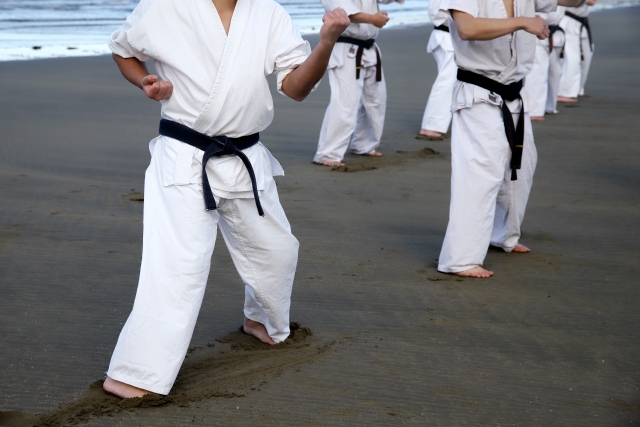
Karate(空手)
Karate is system of self-defense in which
the main emphasis is using the body to the body to the greatest effect to
defeat an adversary.
It has perhaps developed in China around
the eleventh century, in the fourteenth century, it was introduced to Japan via
Okinawa.
Karate contests are, consists of two types, Kata(型)、Kumite(組手)。
Karate has spread all over the world,
especially, to develop well-disciplined habit and a sense of courtesy for
children.
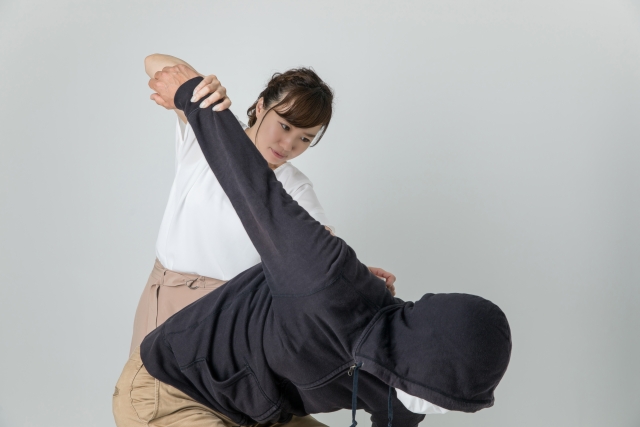
Aikido(合気道)
Aikido’s basically theory is rather than
fighting, it is better to focus on self-defense.
It emphasizes blending with an attacker’s
motion rather than opposing it directly, using techniques that harmonize with
the opponent’s energy to neutralize their attack. Unlike some other martial
arts, Aikido does not focus on competition or fighting, but rather on
self-development and the cultivation of a calm and centered mind.
In short, Aikido can be described as a
modern Japanese martial art that emphasizes blending with an attacker’s motion,
using body movement and posture to redirect force, and fostering both physical
and spiritual development.
Japanese budo is to win over oneself by
embracing a defensive posture rather than an offensive one. As Greek
philosopher Plato said, “The first and best victory is to conquer self”.
One of the most famous iconic symbol of Japan is Mt.Fuji.
-If you can just get your mind together
Then come on across to me
We’ll hold hands, and then we’ll watch the sunrise –
– “Jimi Hendrix “Are you experienced?”-
Mt.Fuji’s climbing rule changes for the 2024 mountain opening.
*Access restrictions will be imposed – Maximum
4000 people per a day.
*Restricted access the Yoshida trail gate at the fifth station will be closed from 4p.m. to 3a.m.
*Hiking fee 2000 yen should be made on the day or paid in advance on the Yamanashi Prefecture reservation system site.
*Optional donation will be appreciated – 1000 yen for conservation of Mt.Fuji’s environment.
Yes, Mt.Fuji is still beautiful when you look up the iconic mountain in the vicinity of the area. But it is not enough. Seeing is believing!! That must be true.
Let’s try to climb to the mountain and feel special moment & atmosphere at the top of Mt.Fuji.
I am not sure you can see the beautiful sunrise from the top of mountain, because mountain’s weather is always changing and Mt.Fuji has been told as “capricious volcano” for the last 1000 years. Yes, don’t forget, Mt.Fuji is just a dormant volcano right now. The last volcanic eruption in the past 500 years happened in 1707, while the edo era of Japan. In 2024, Mt.Fuji is volcanic level is level 1, potential for increased activity.
You might miss an unforgettable mountain view for good if you procrastinate to climb to the mountain this time. As I mentioned before, Mt.fuji is capable of eruption at any time.
You have a couple of choices of trails and
trips.
From Yamanashi Pref. – Yoshida Trail is expected to open on July 1st – September 10th in 2024.
From Shizuoka Pref. – Subashiri Trail – July 10 to September 10, Gotenba Trail-July 10 to September 10, Fujinomiya Trail – July 10 to September 10 (Trail between 5th and 6th station: open from July 1).
Night climbing will not be allowed without
staying in a mountain hut.
Most of climbers decide to stay one night at mountain houses (huts) where is stood in the level 8 of the mountain, but some of them, especially young people from foreign countries, try to climb it one night without having rest. It is called “Dangan Tozan 弾丸登山”- means “Bullet Climbing”. Bullet Climbing causes altitude sickness, hypothermia, risk of fall, crowded path to the top and so on.
Please read the official site above carefully, you should not force yourself to make an excessive schedule.
Shadow of Mt.Fuji – what it calls “Sakasa Fuji” – inverted Fuji.
It will be likely to be hot out, make sure
you stay hydrated, and bring a long-sleeve t-shirt with you, because the
mountain top is very very cold and windy!!
There is the Fuji-san Hongu Asama Taisha shrine and a post office in the top of Mt.Fuji, you can buy special souvenirs and post cards which you can mail it to your family & friends from the top of the mountain! It must be unforgettable experience in your life.
In my previous posting, I introduced that Japanese new year’s customs –Kakizome- the first writing of the new year with Japanese writing brush (fude 筆) and ink(sumi墨). People commonly write new year’s resolutions, auspicious words and poems for celebrating new year.
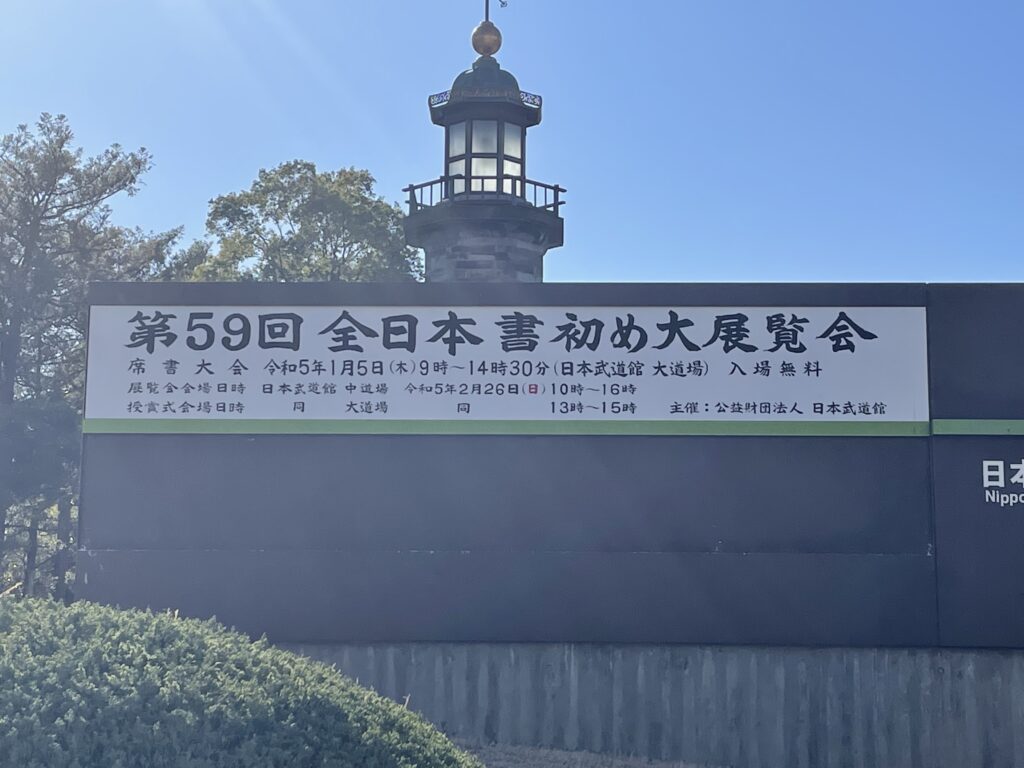
The 59th Kakizome competition
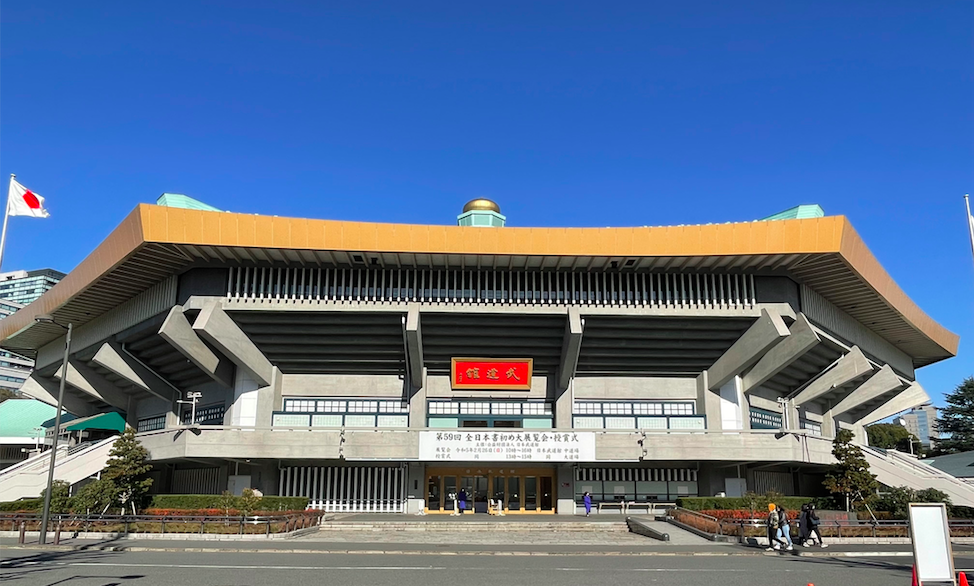
and exhibition of Japan took place at Nippon Budokan in February 2023.
Nippon Budokan, maybe, no need to explain, the central organization hall for the promotion of Japanese Budo武道 (ex. Judo柔道, Kendo剣道, Kyudo弓道,Aikido合気道, Karate空手, Sumo相撲, and so on). Furthermore, it is also a well-known place where is legendary, prestigious live concerts hall. Famous musicians have been holding their live concerts at Budokan since 1964, like The Beatles, Cheap Trick, Kiss, Aerosmith, Eric Clapton, Guns N’ Roses, etc. (excuse me, I am a huge hard rock, heavy metal fan!)
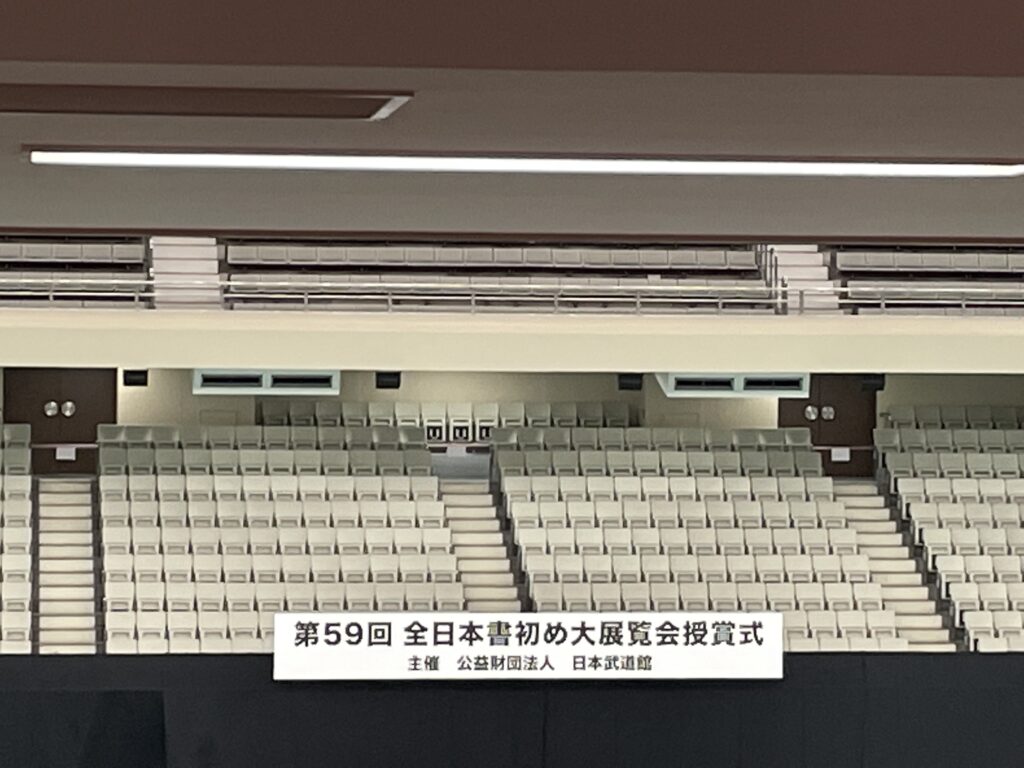
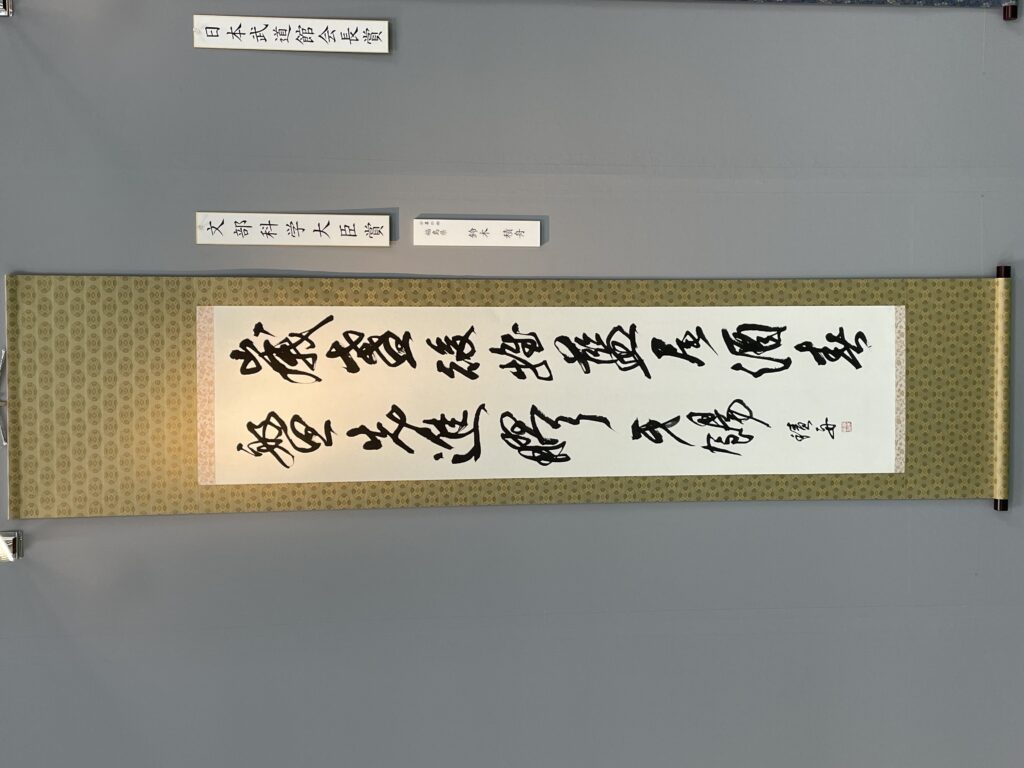
At that time, there was the award ceremony and
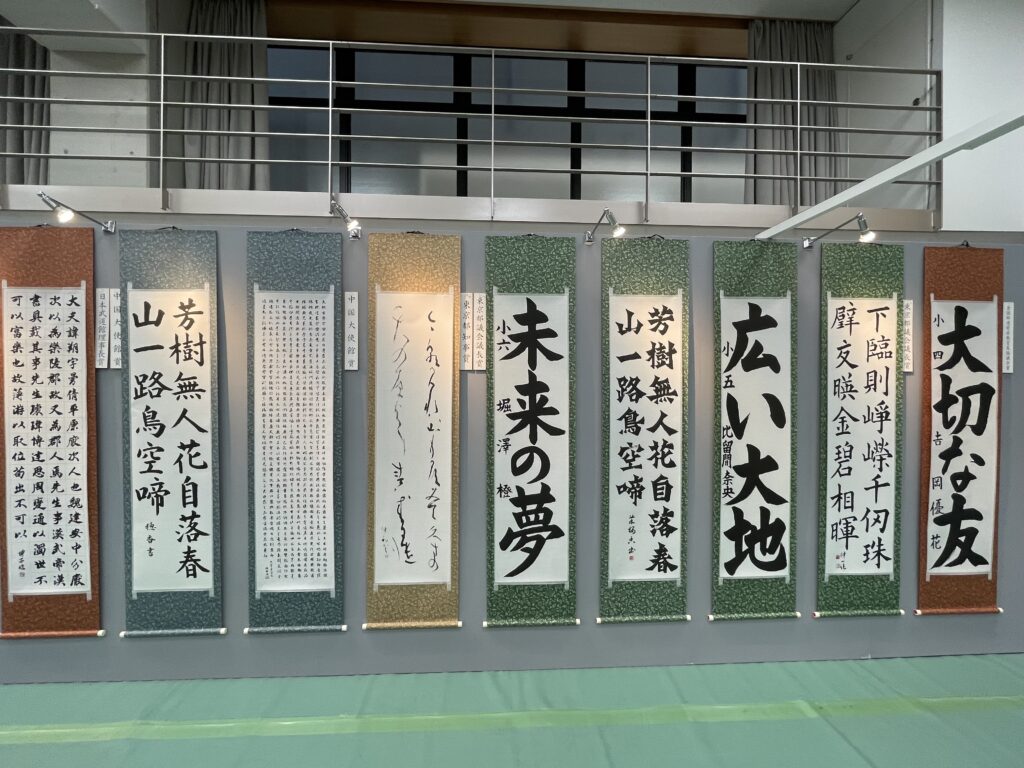
an exhibition for the winners of 59th Kakizome competition.
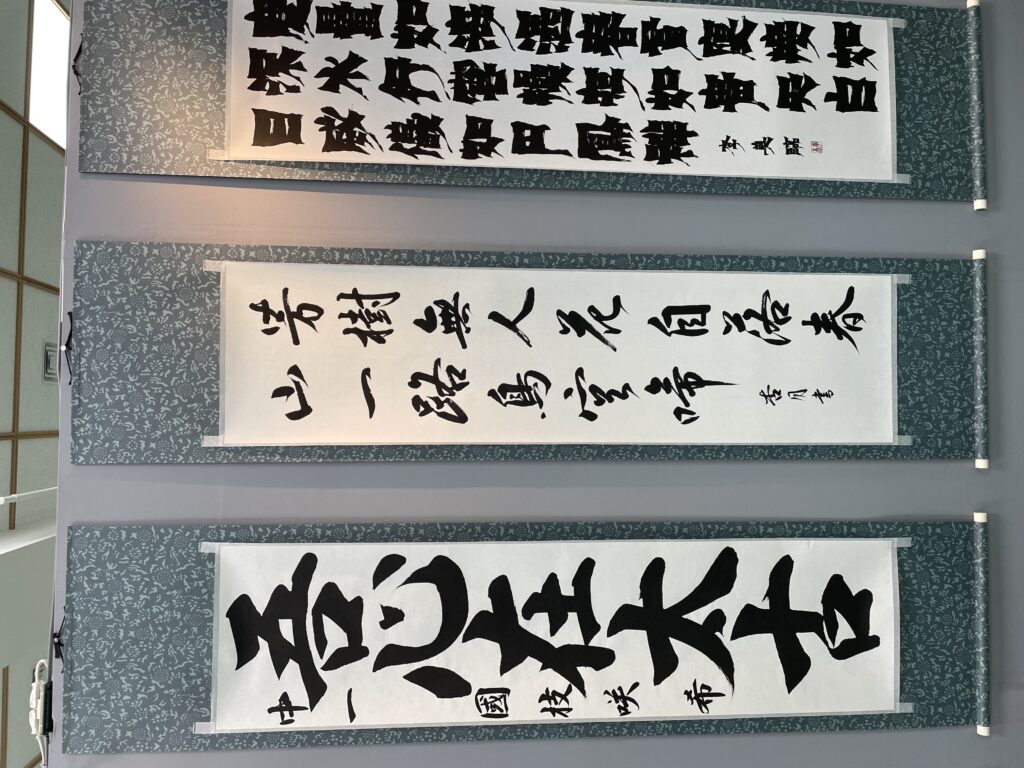
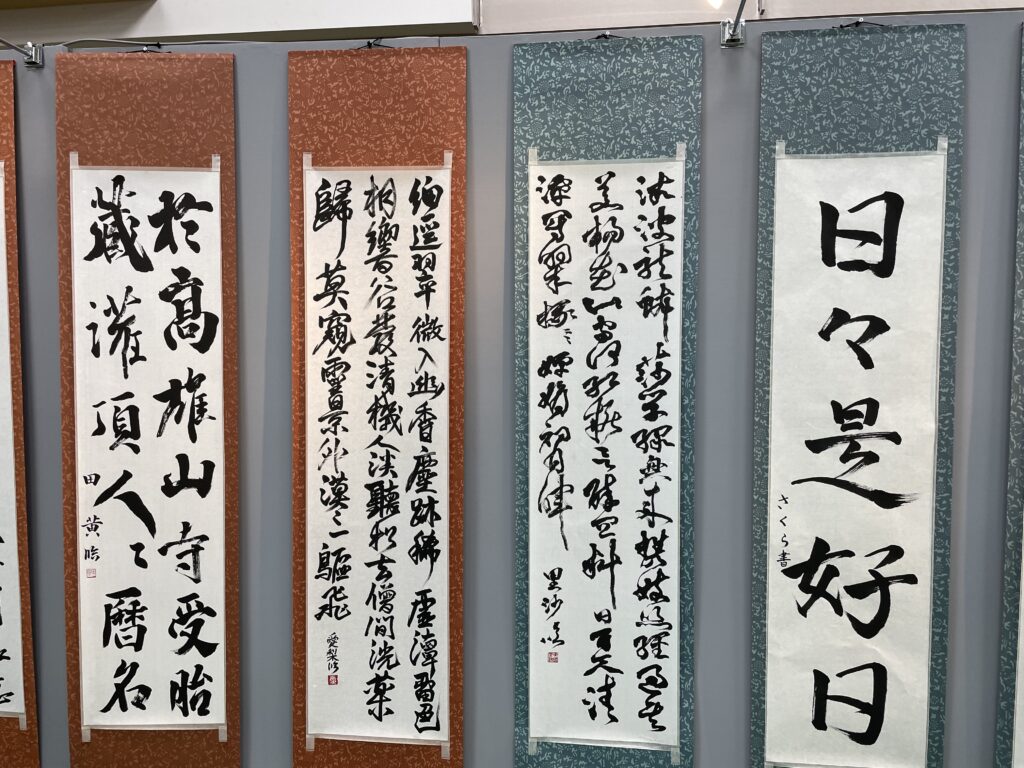
The appreciation of a work of calligraphy depends on the beauty of expression, theme selection, writing style, meaning of the words or poems.
Calligraphy has been more highly respected as an art in China, Korea and Japan for a long time, because of the complexity of the Kanji character. In Japan, They are often displayed at Tokonoma(Japanese alcove) as the main theme of Kakejiku.
The awards judgement have been made by each sponsor like news paper companies, governmental organizations, cultural organizations, thief of municipals. The evaluation criteria is based on brush strokes, letter structure, gradation of light and shade of sumi, arrangement, letter alignment. Every letter should be unified as one worldview by using a one washi和紙(hanshi) 半紙paper,bunchin文鎮, suzuri硯, shitajiki下敷.
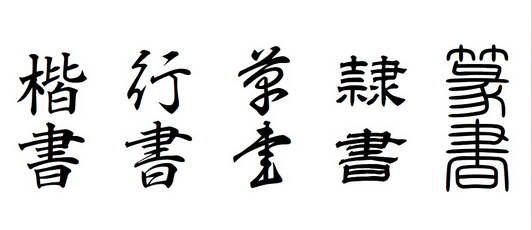
Shodo has basic 5 figures of writing Kanjis, 篆書(Tensho)、隷書(Reisho)、草書(Sosho)、行書(Gyosho)、楷書(Kaisho).
Kaisho, Gyosho, Sosho, Reisho, Tensho,
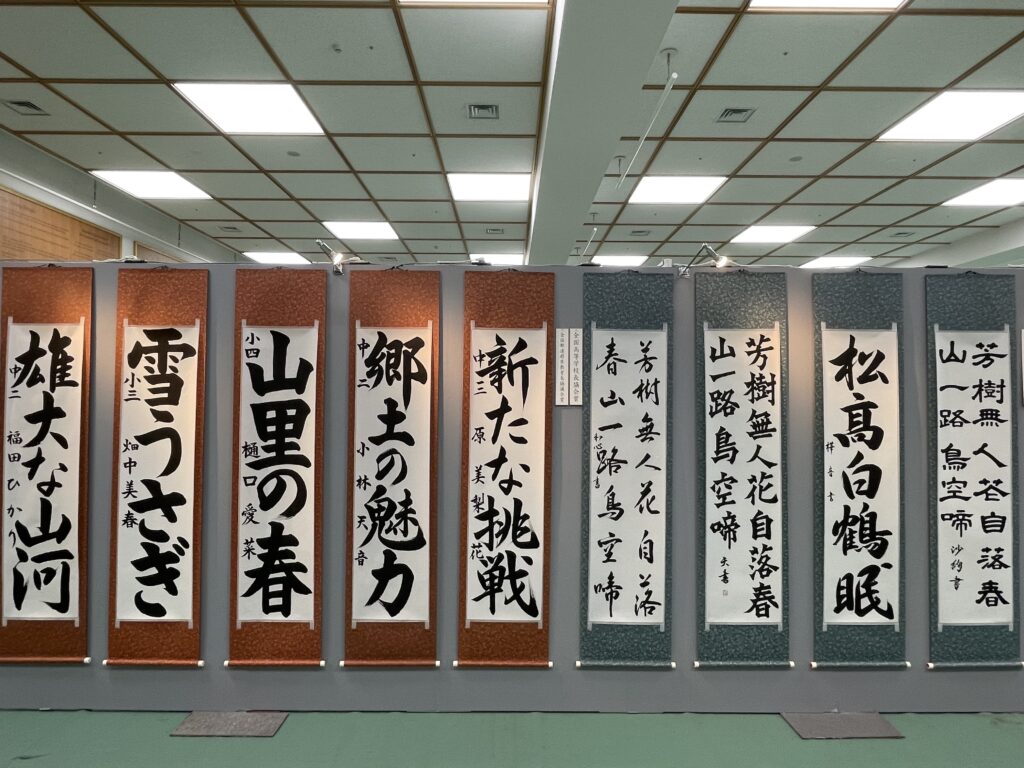
As I mentioned before, writers have a tendency to select new year’s resolutions, happy auspicious words, old Chinese poems, Japanese old proverbs for their writing themes.
Everyone feel happy for watching Childrens’
kakizome in January.
Also, I was really impressed when I stood in front of artistic shodo works by professionals, even amateurs, those shodo works were…beyond description!