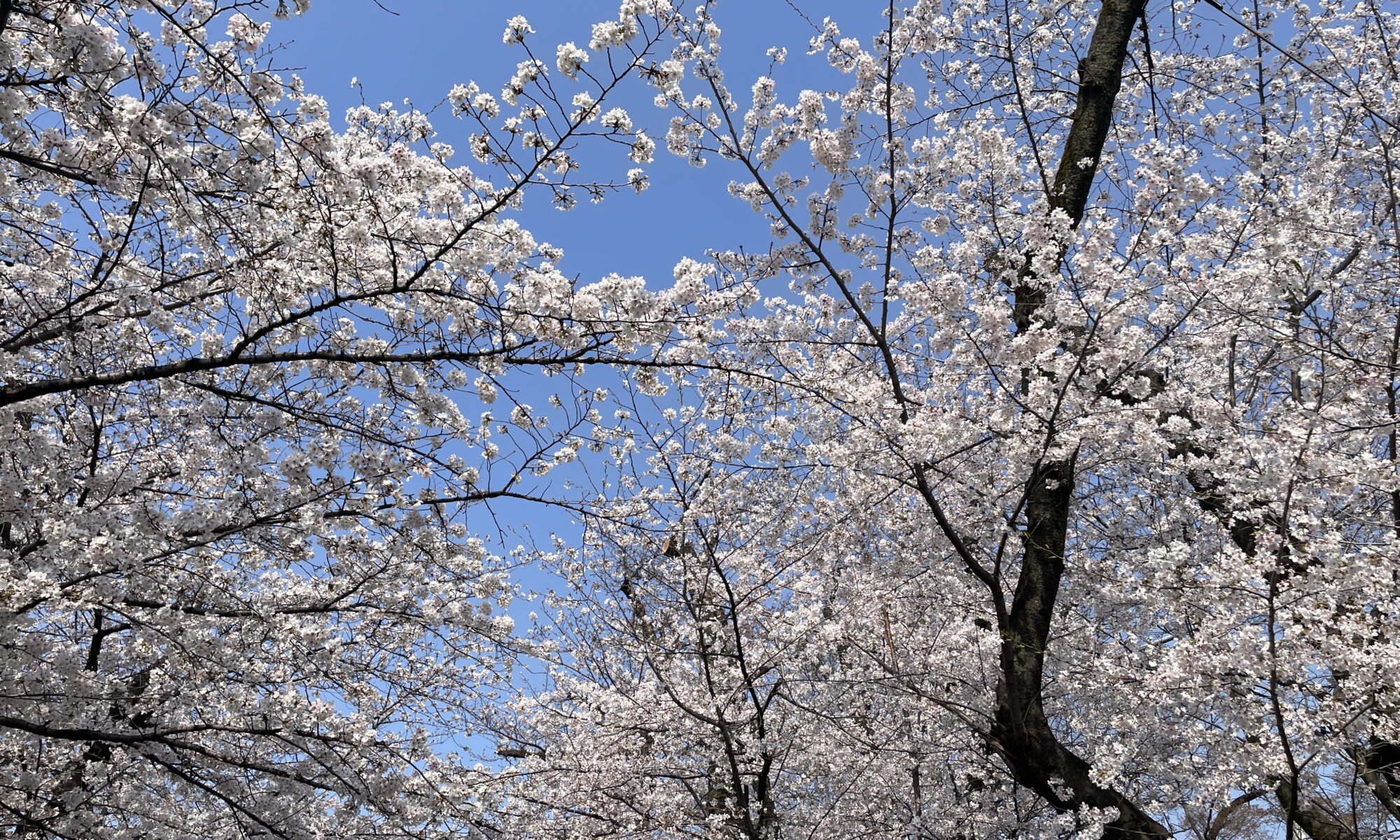
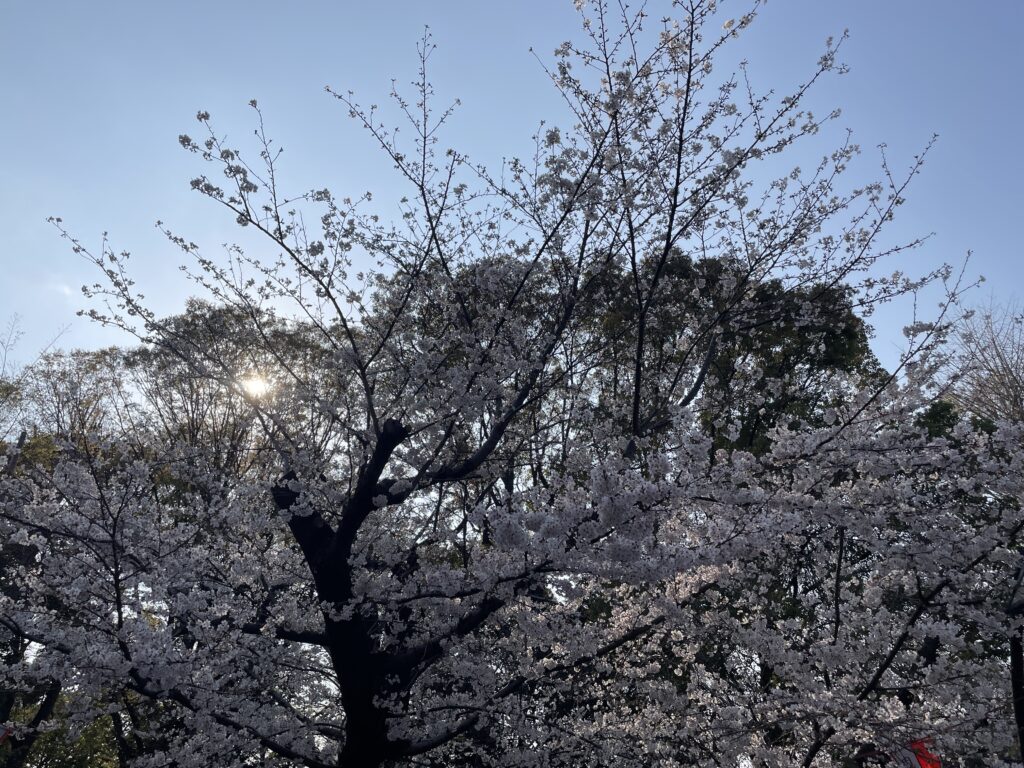
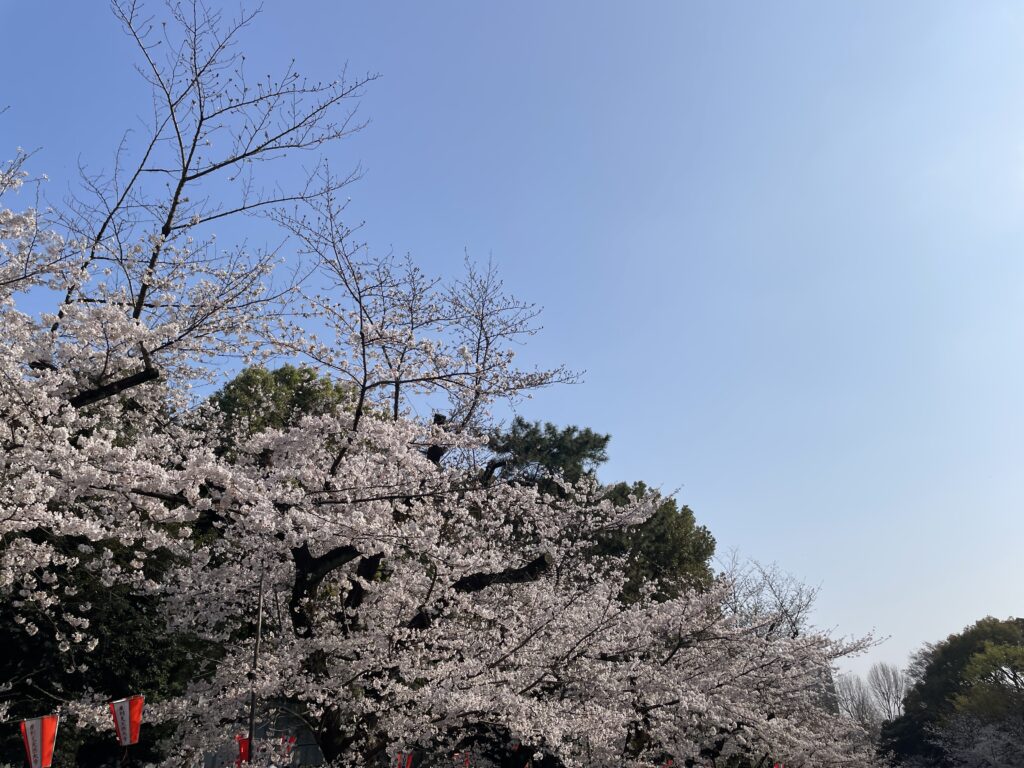
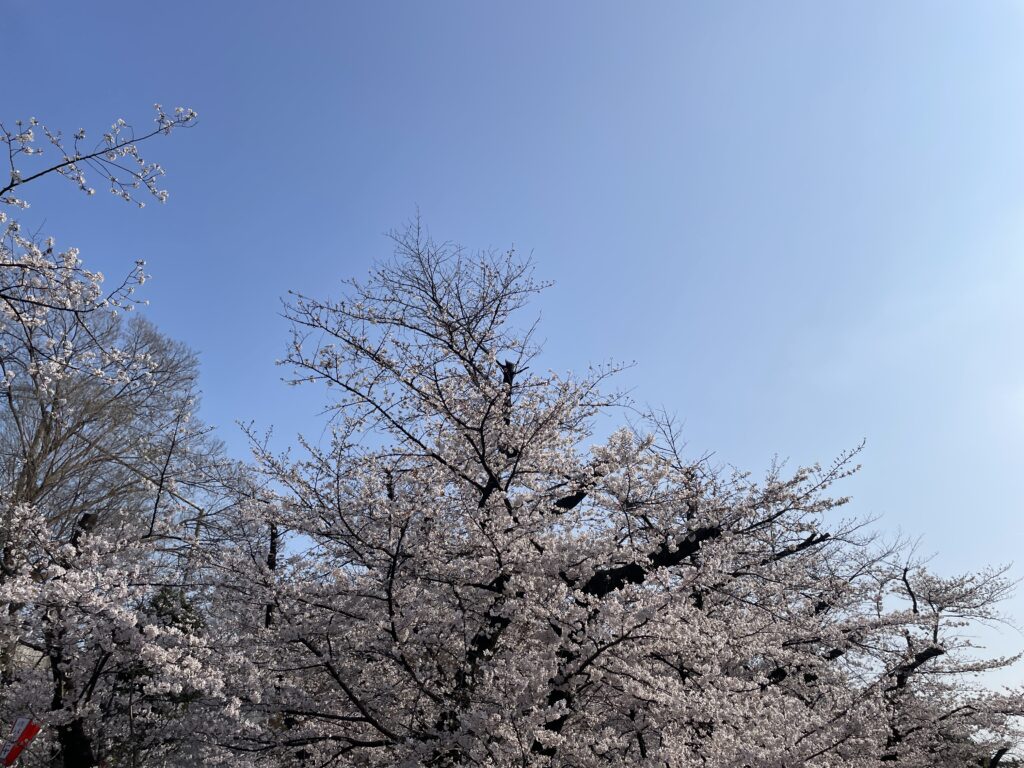
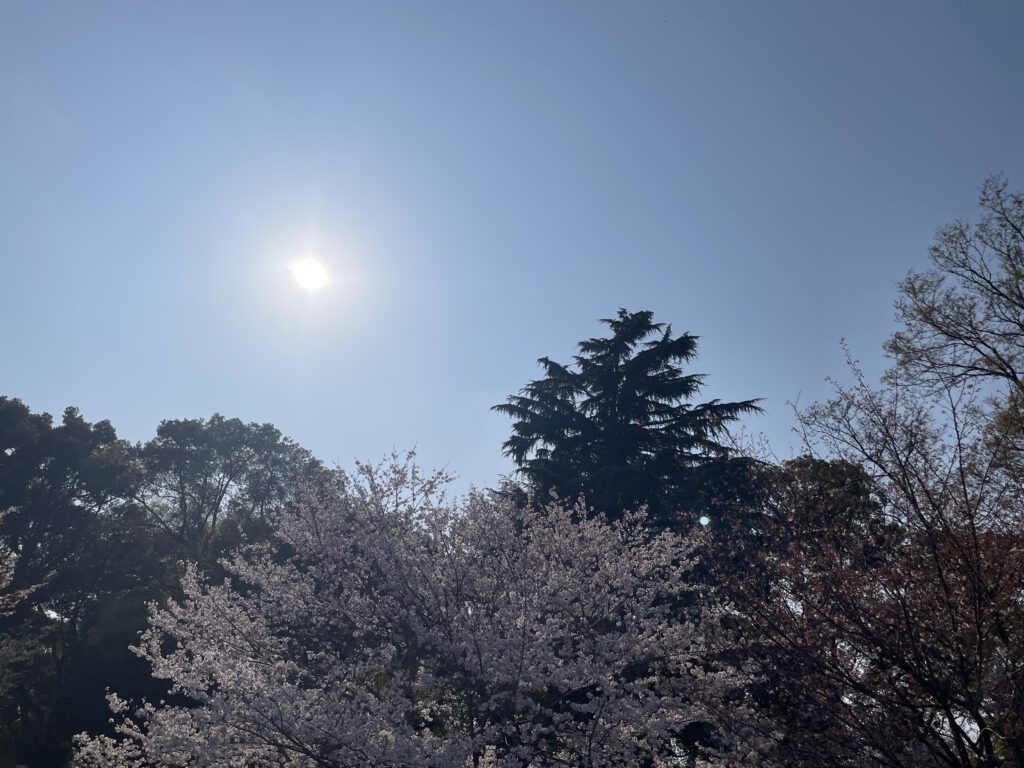
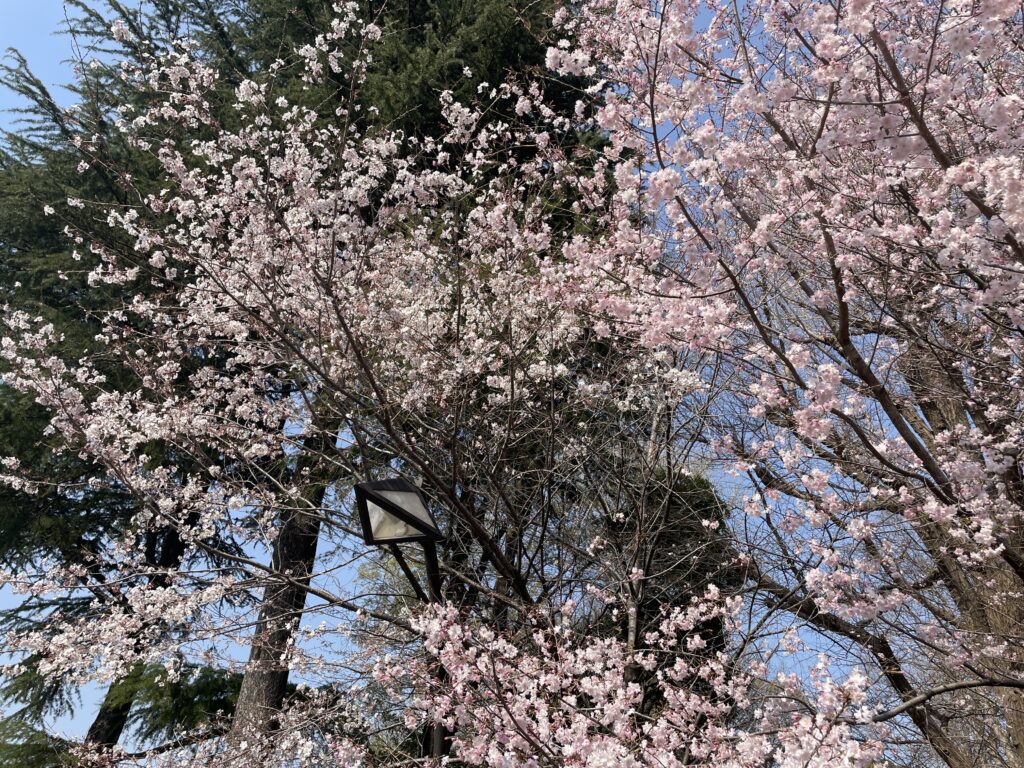
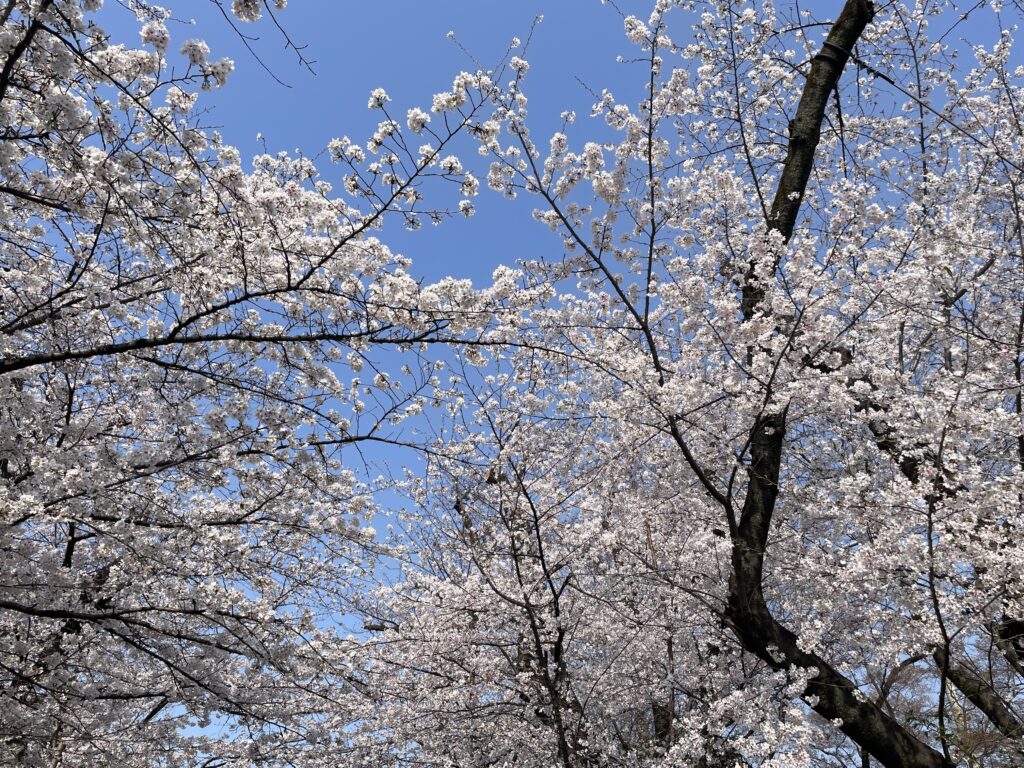
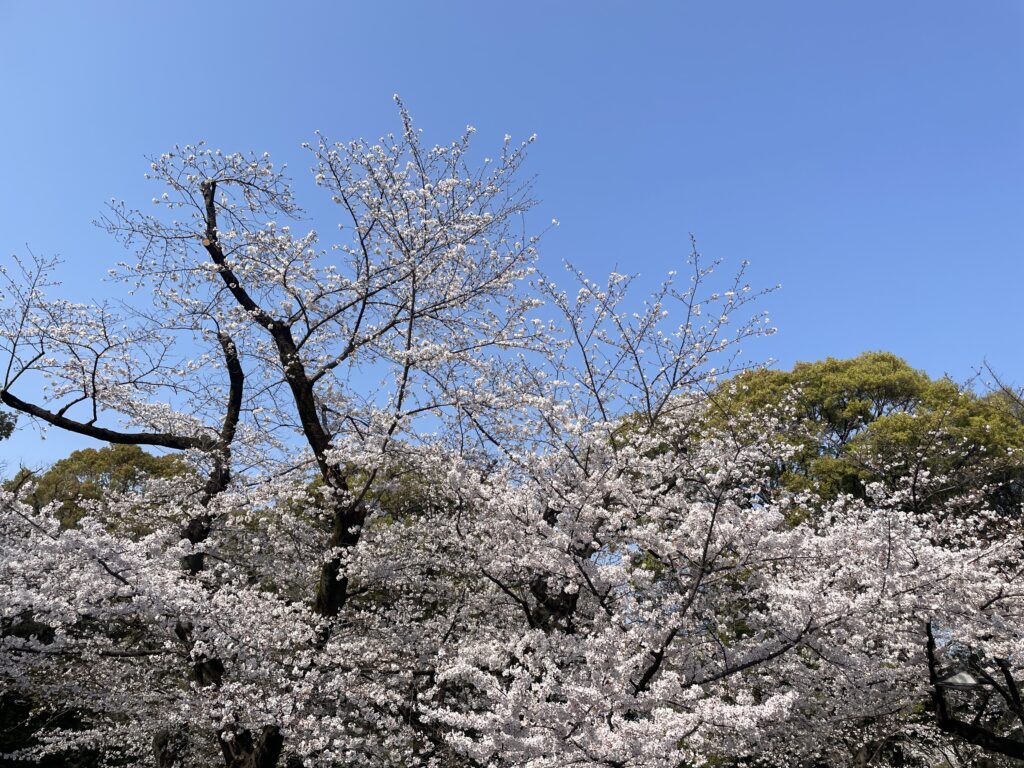
Cherry blossoms in Tokyo are reaching full bloom within
March this year. Last year, the blooming was delayed and they peaked in April,
but with global warming being a long-discussed issue, this year’s blossoms are
once again peaking between March and April.
The cherry blossom front is
expected to continue moving northward, reaching places like Kyoto in the Kansai
region, as well as the Tohoku region and Hokkaido.
Cherry blossoms have become a
quintessential symbol of spring in Japan. Although many kinds of flowers bloom
in spring, sakura truly stand out as the iconic representation of the season.
Because the peak viewing period
for cherry blossoms is so short, it is often said to reflect the Japanese view
of life and death—blooming beautifully and falling gracefully. This fleeting
nature resonates deeply with Japanese aesthetics and emotional sensibilities.
During this time of year,
people all over Japan gather at famous cherry blossom spots to enjoy hanami
(flower viewing). However, in recent years, the crowds have grown so large that
it can be difficult to relax and fully enjoy the experience.
That said, you don’t have to
visit well-known spots. Some people prefer hidden local gems in their
neighborhoods, viewing blossoms from a yakatabune boat along the river, or
enjoying wild mountain cherry trees in the hills. Everyone likely has their own
special cherry tree they cherish.
As for me, there is a
beautiful row of cherry trees near the cemetery where my parents rest, and I
plan to quietly enjoy the blossoms there. I imagine my ancestors also look
forward each year to seeing those trees in full bloom.
Deeply rooted in the hearts of Japanese people, cherry blossoms will
surely captivate us again this year with their stunning beauty. Where will you
go to see the sakura this year?
In Japan, you can spend time playing with adorable cute animals in cozy, small spaces. Going to a zoo is fun, of course, but interacting up close with these cute little creatures is a special kind of joy.
Especially if you’re visiting Japan with children, it’s a safe and memorable experience. Some cafés even let you meet very rare animals.
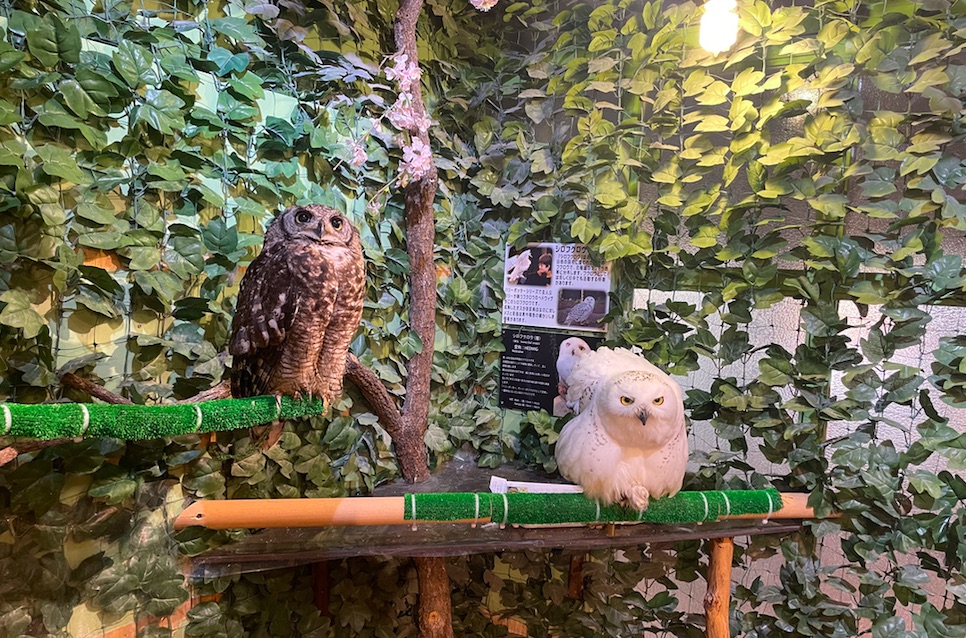
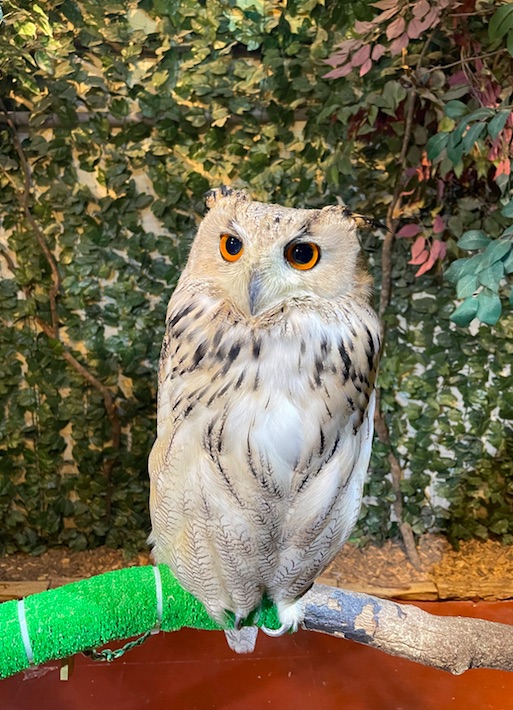
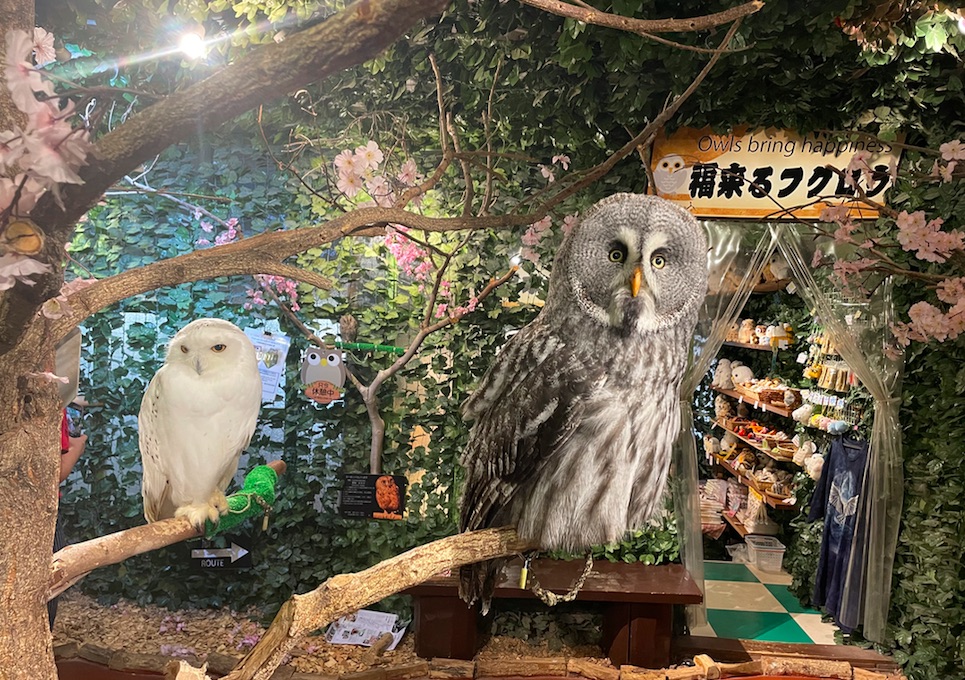
One of my top recommendations
is an owl café. You can observe everything from large owls to tiny screech owls
up close. You can even gently pet them, so be sure to handle them with care.
Capybara cafés are also highly
recommended, as it’s rare to have the chance to touch and interact with these
animals.
For something a bit more
unusual, how about a hedgehog café, a reptile café, or even a mini pig café?
Their charming behavior will definitely delight you. Once you meet them, you’ll
surely want to come back again.
Cat and dog cafés are also
great options if you’d like to see a variety of breeds.
Of course, your own pet at
home is the cutest, but why not take this opportunity to interact with animals
that are difficult to keep at home by visiting a Japanese animal café?
Many of these cafés require
you to order at least one drink. Some even create latte art with animal
designs, adding a nice touch. You can usually feed the animals for an
additional fee, and you’re free to take as many photos as you like.
Be sure to create wonderful memories in Japan together with these
adorable animals!
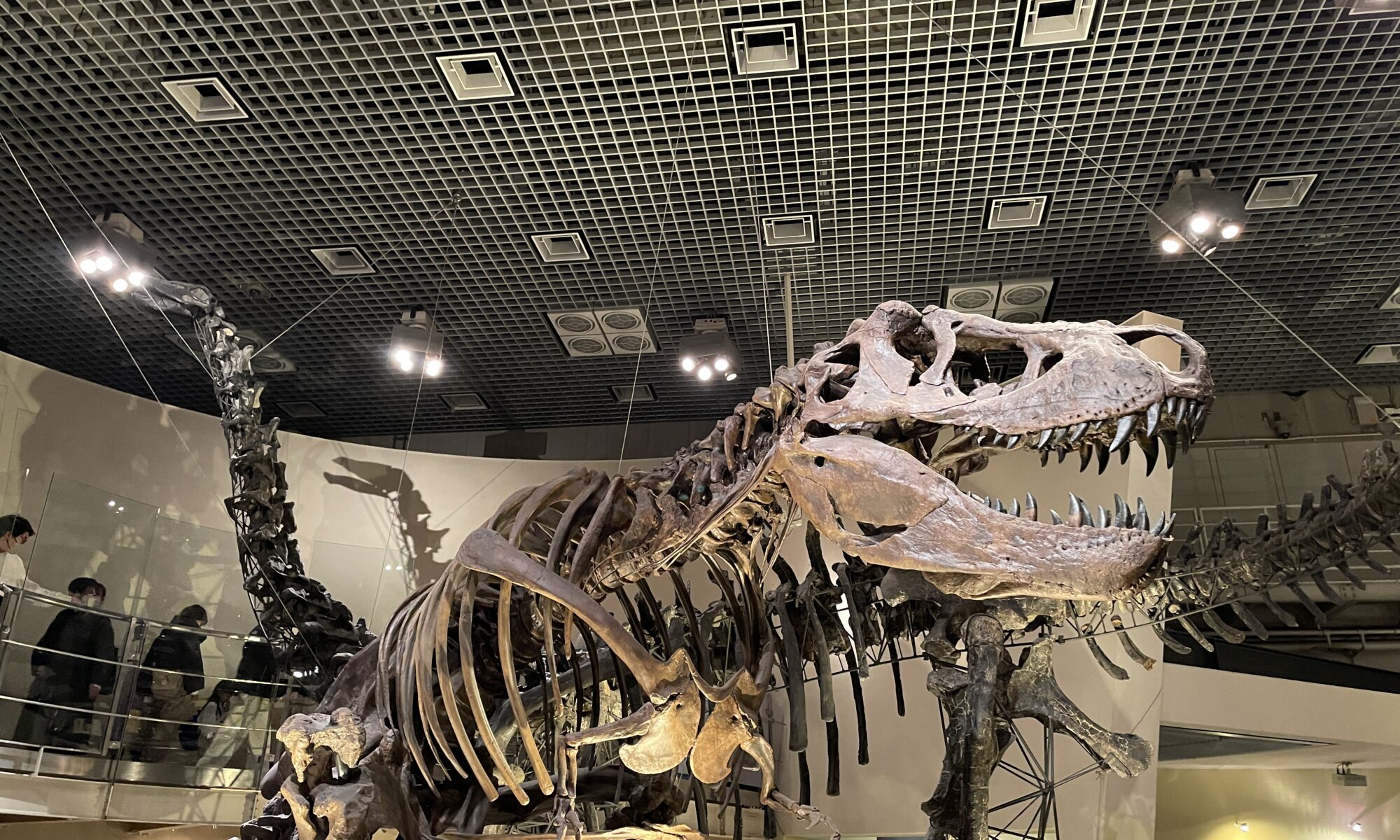
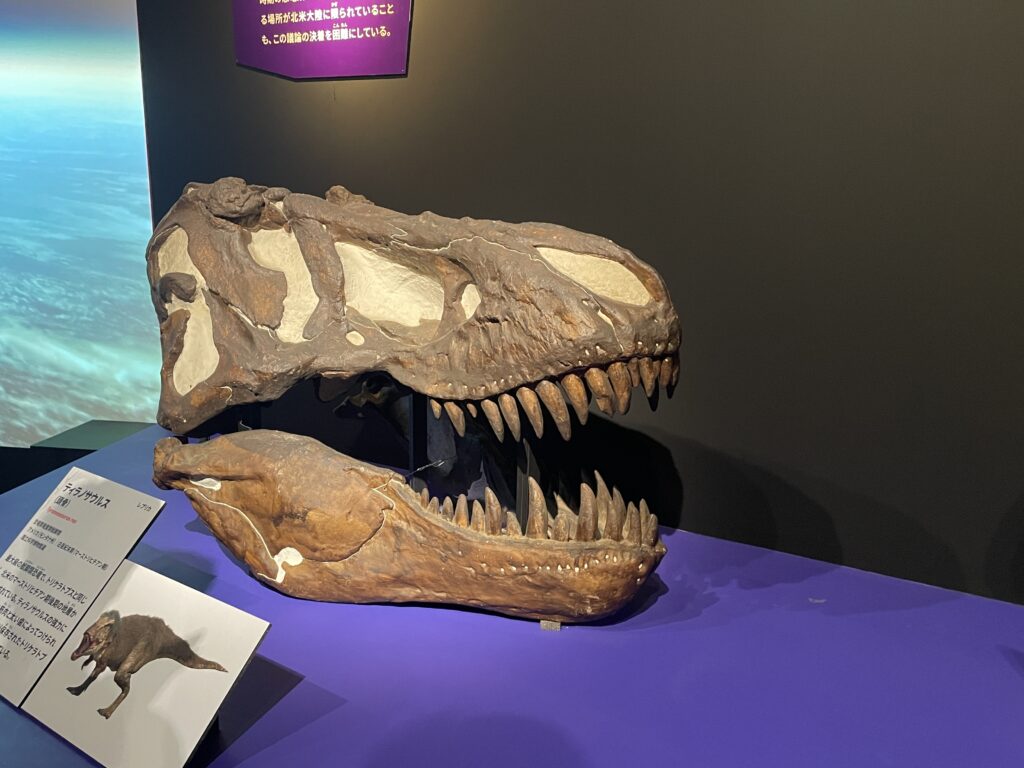
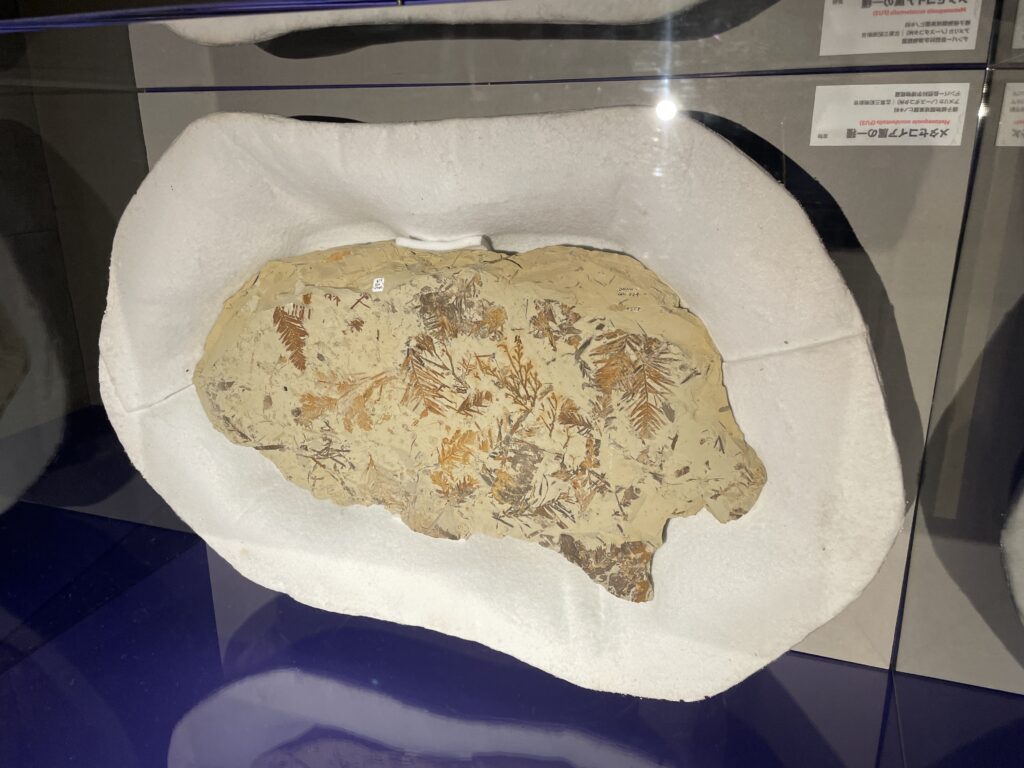
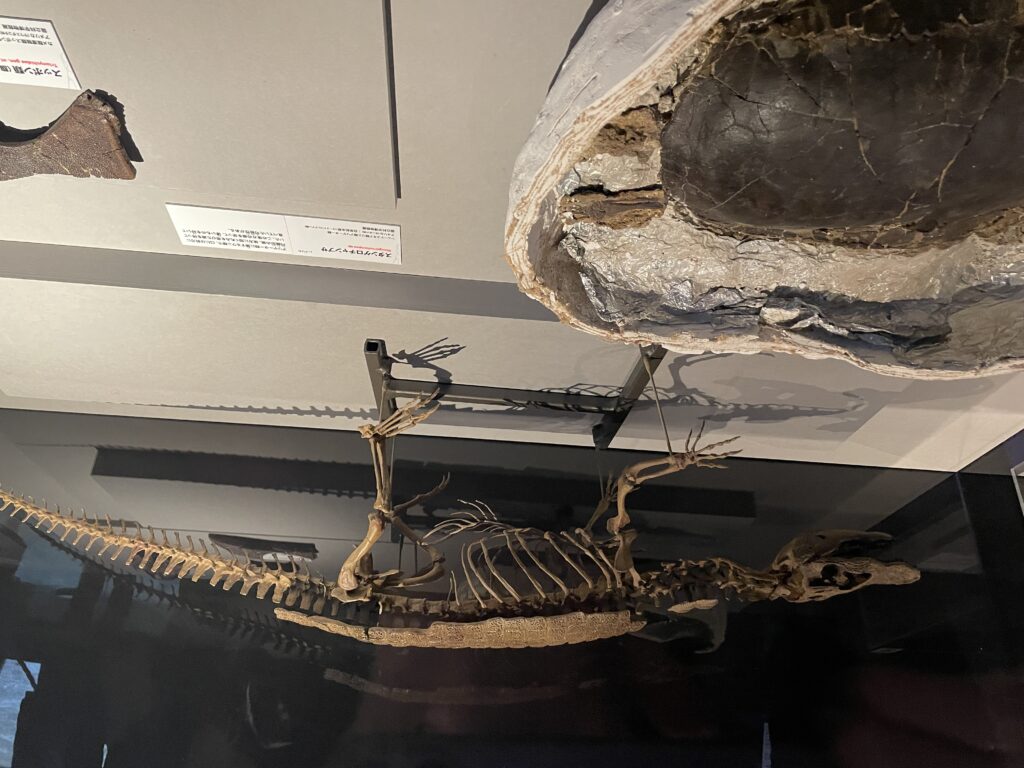
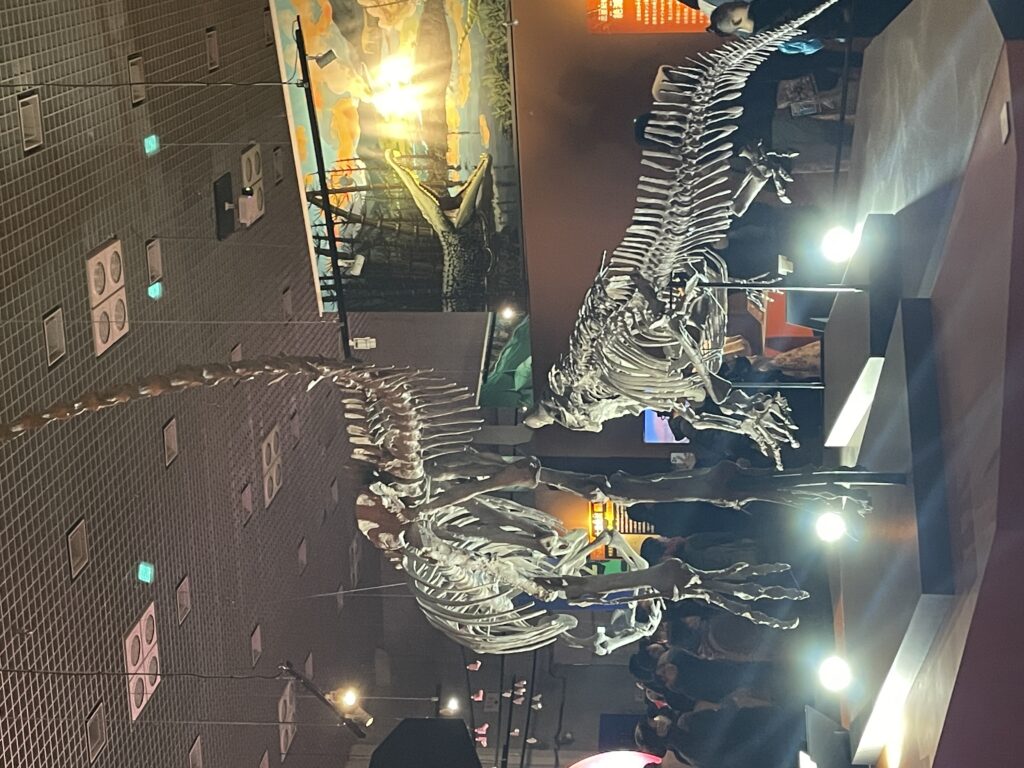
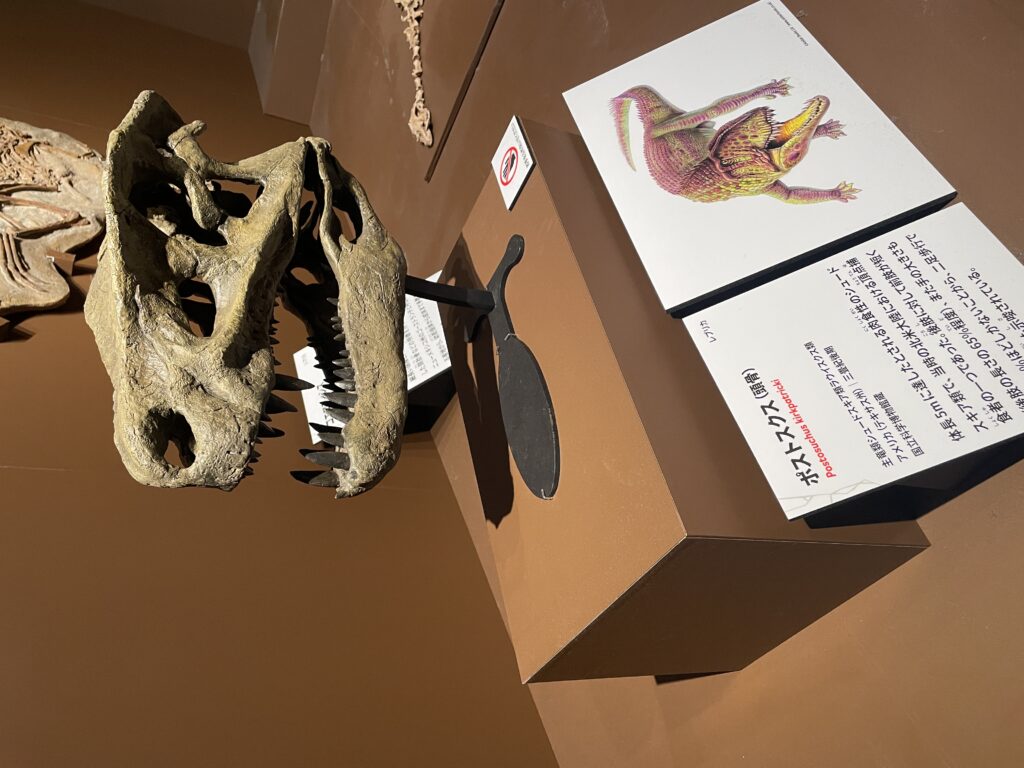
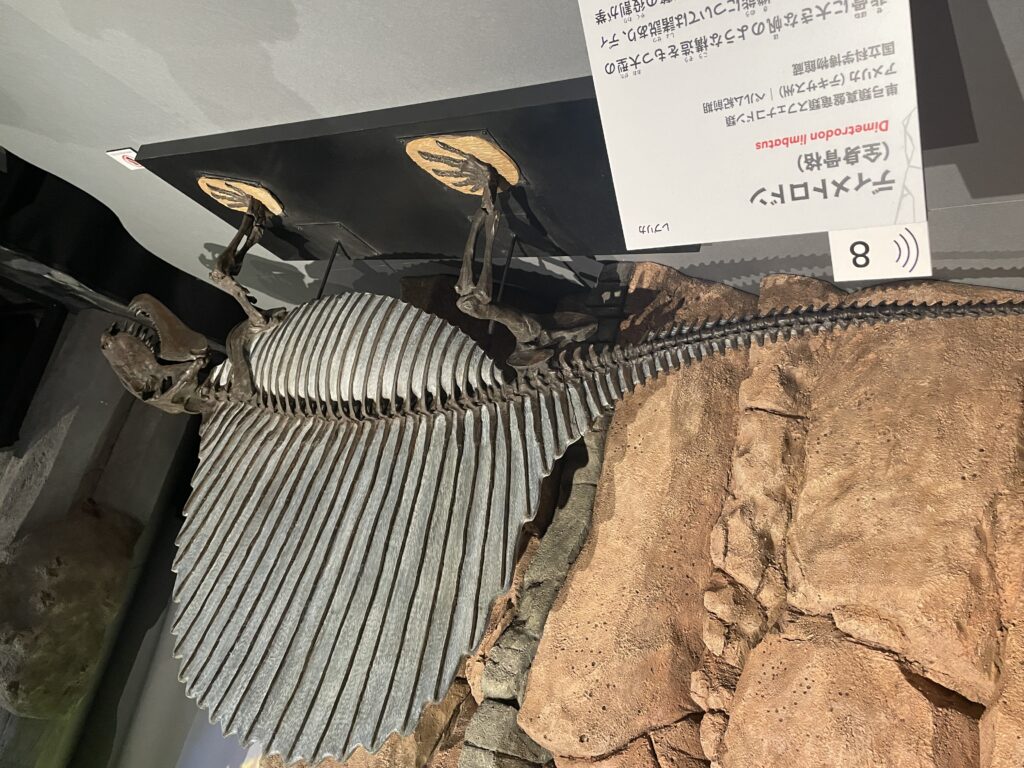
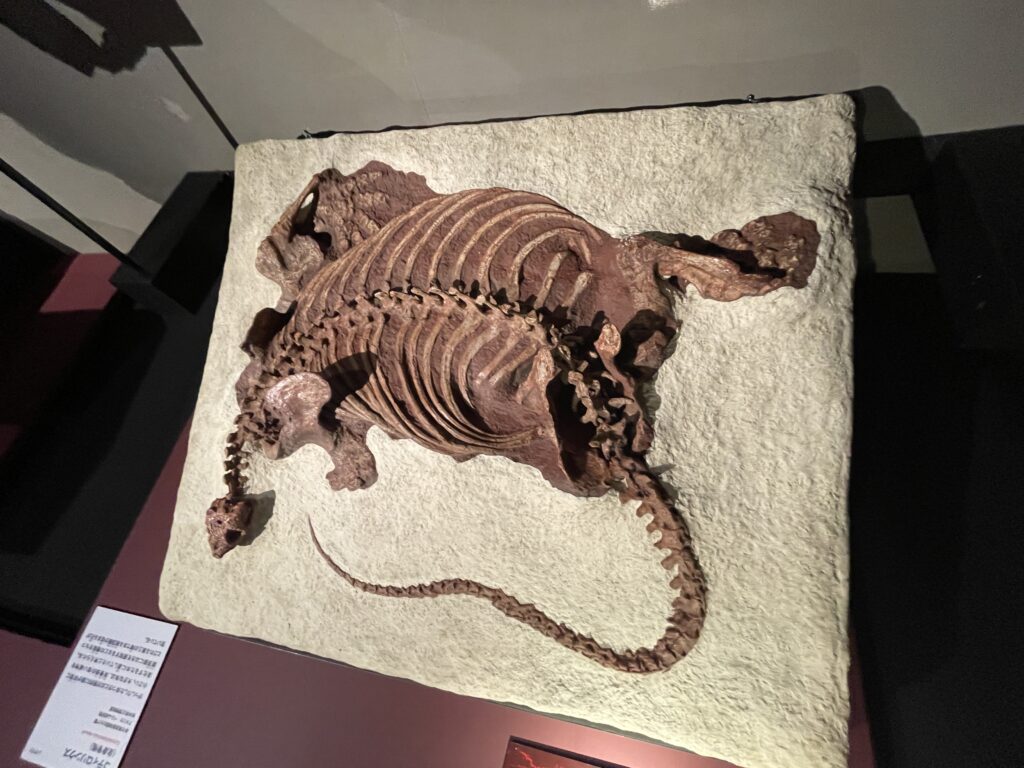
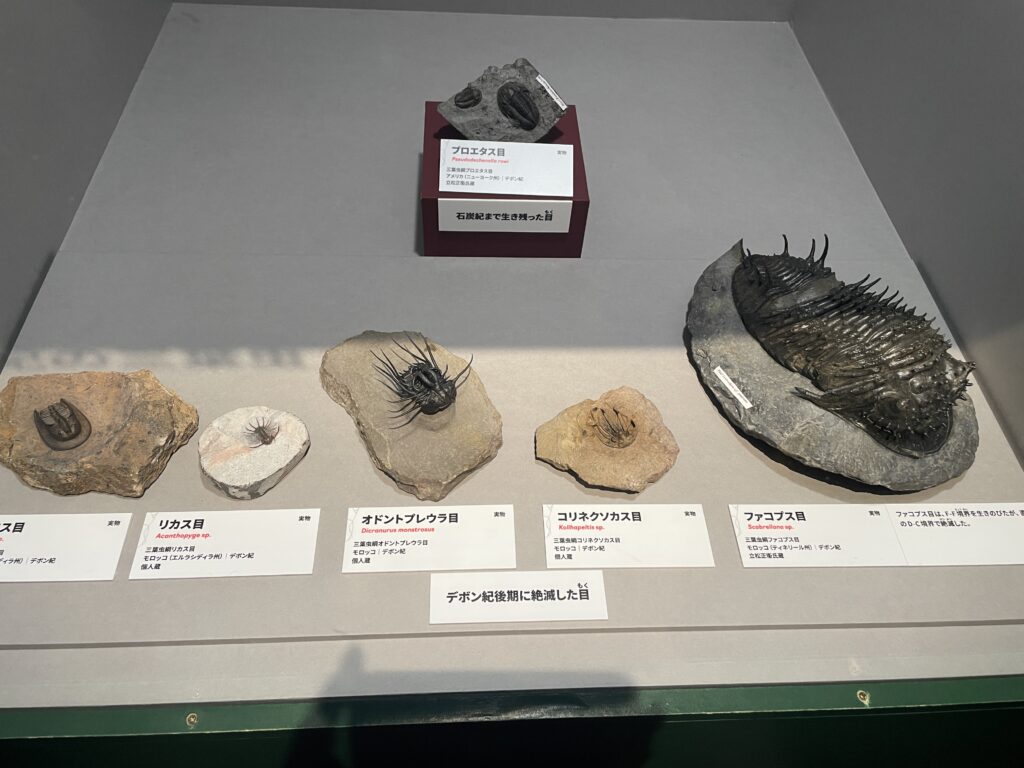
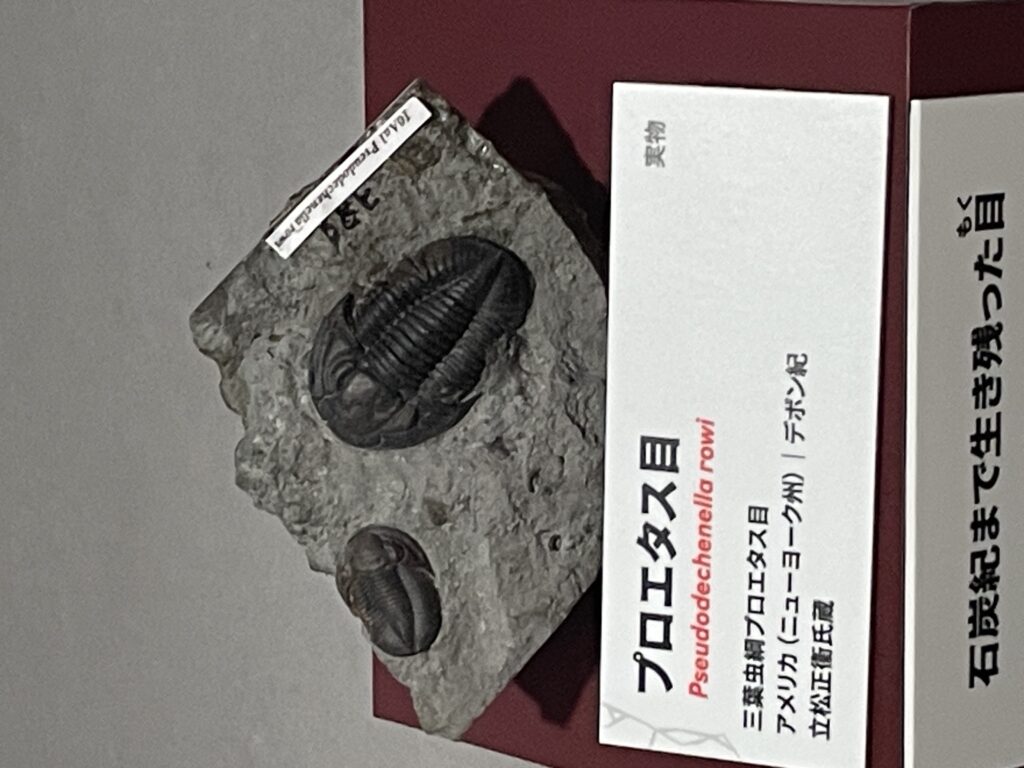
When you think of Ueno at the end of the year, the Dinosaur Night Parade comes to mind. I really wanted to go, but I couldn’t get a ticket. Those were sold-out very quickly. So instead—if I can call it that—I went to the Great Extinction Exhibition.
It was a weekend, so it was very crowded. When we hear “mass extinction,” we tend to immediately think of dinosaurs, but in reality, surviving in this harsh world means that only a very limited number of species are able to make it through.
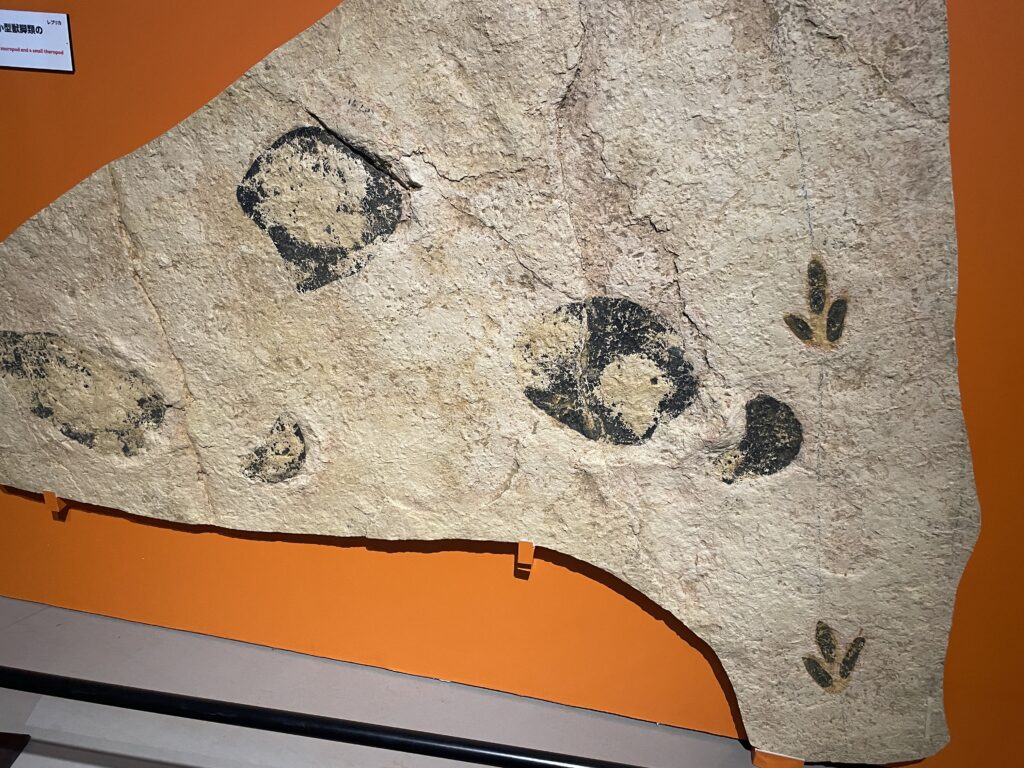
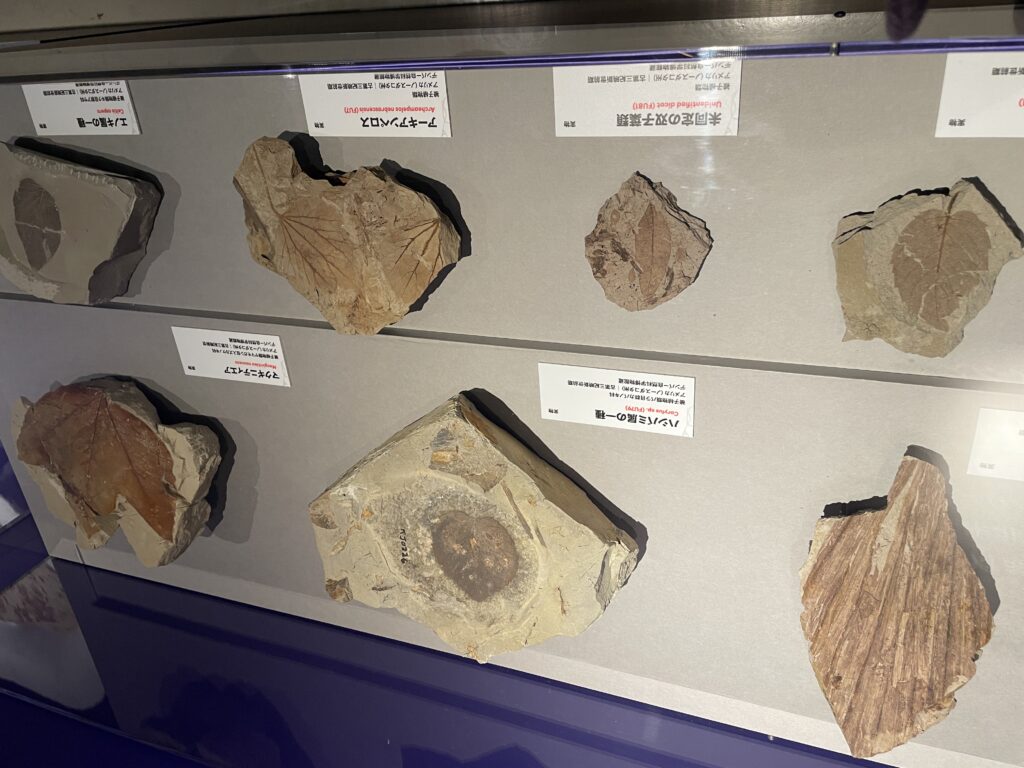
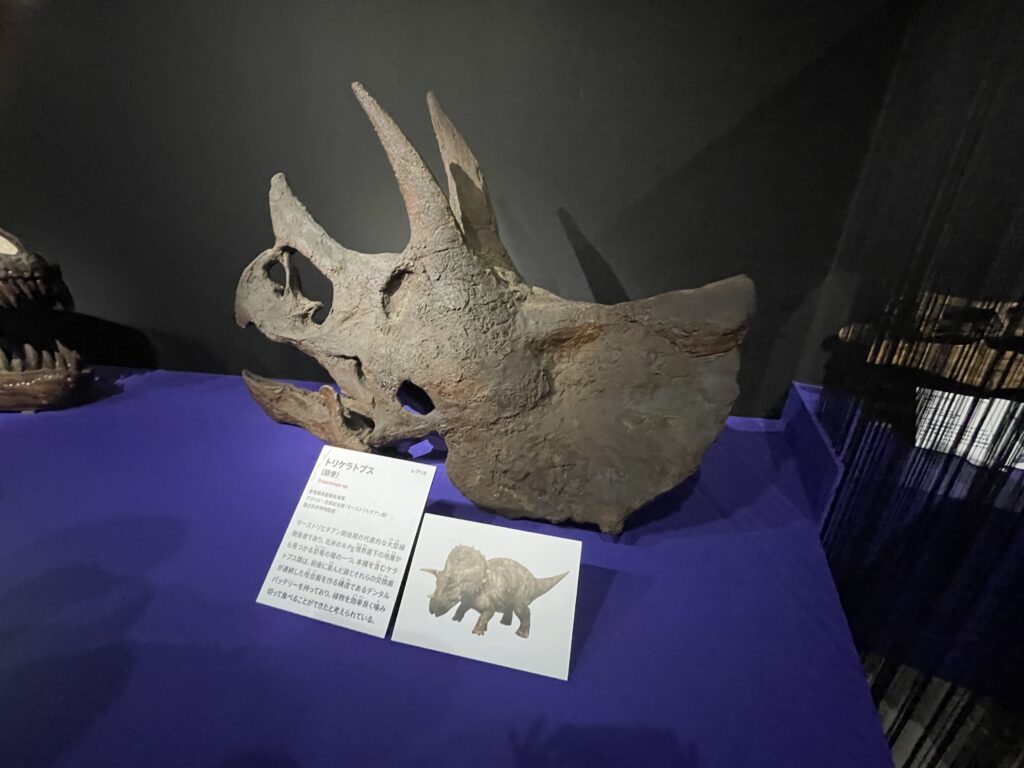
From trilobites to megalodons, the exhibition showcased many unique creatures with a wide variety of survival strategies, tracing how they were born, thrived, and eventually went extinct. It was truly fascinating.
It made me think that the fact we are alive today is largely due to luck, and simply because we happen to be adapted to the Earth’s current environment. If drastic changes were to occur again—through climate change or a meteorite impact, for example—only the creatures capable of surviving would end up being displayed in future exhibitions like this.
My own existence, too, is the result of several miracles overlapping. In the vast flow of time and space, our existence may be tiny, but realizing that we have life at all is an incredible thing. It really made me reflect on that.
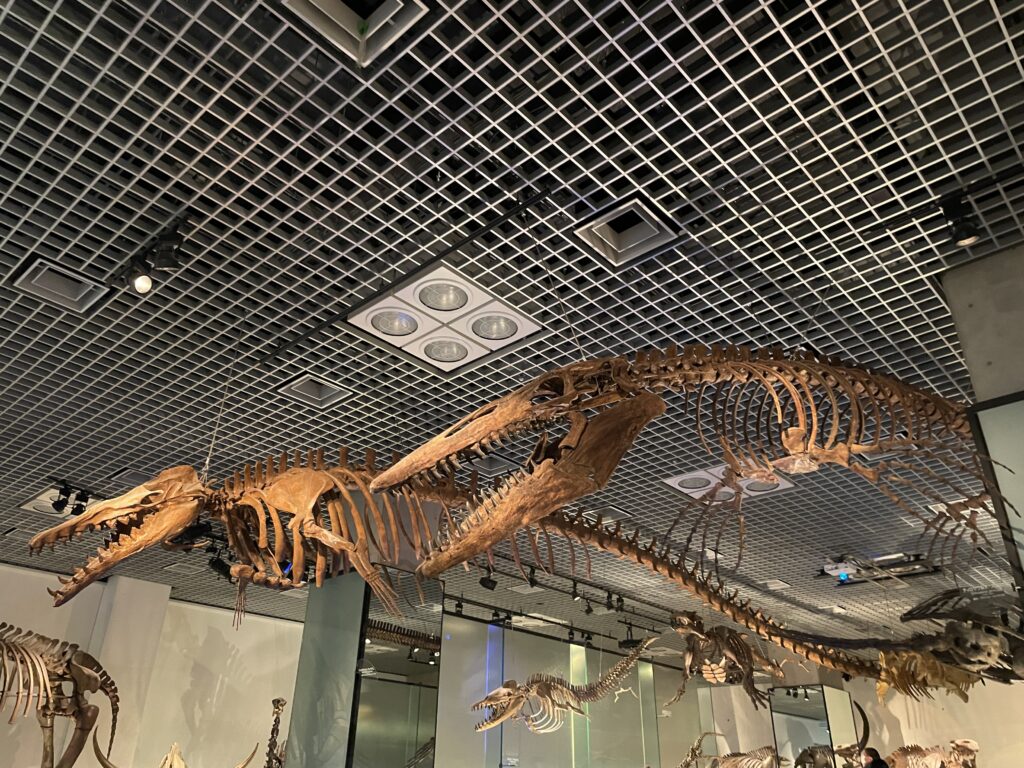
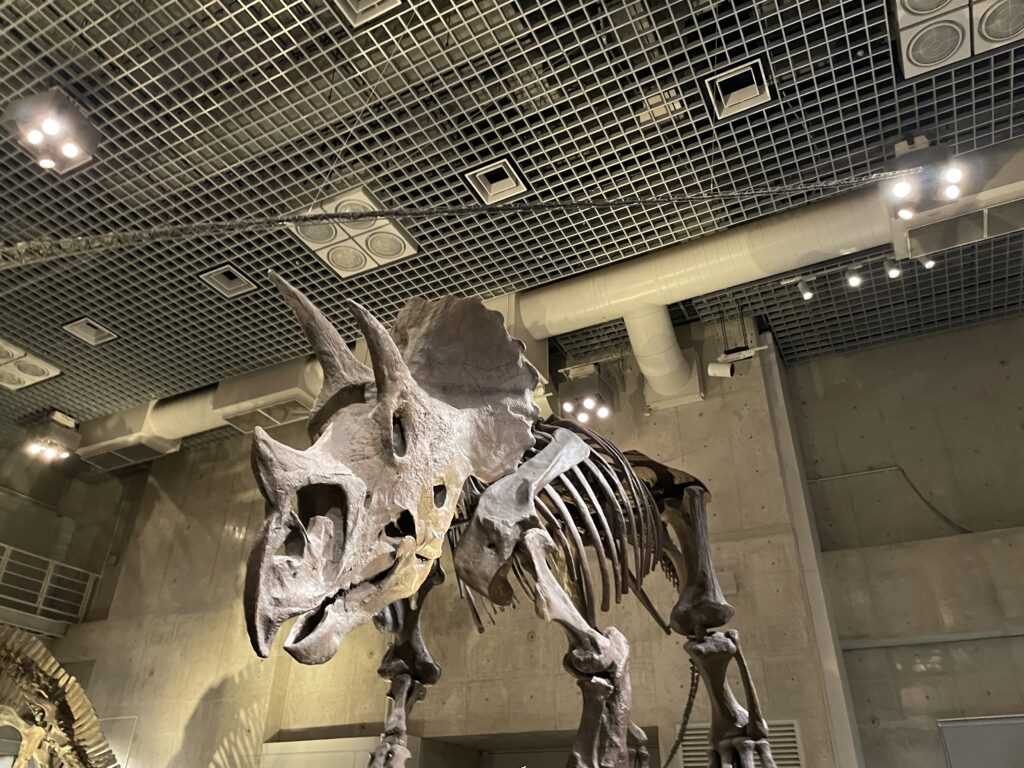
I also highly recommend the permanent dinosaur and mammal exhibitions at the National Museum of Nature and Science in Tokyo.
You can even see a huge sperm whale specimen!
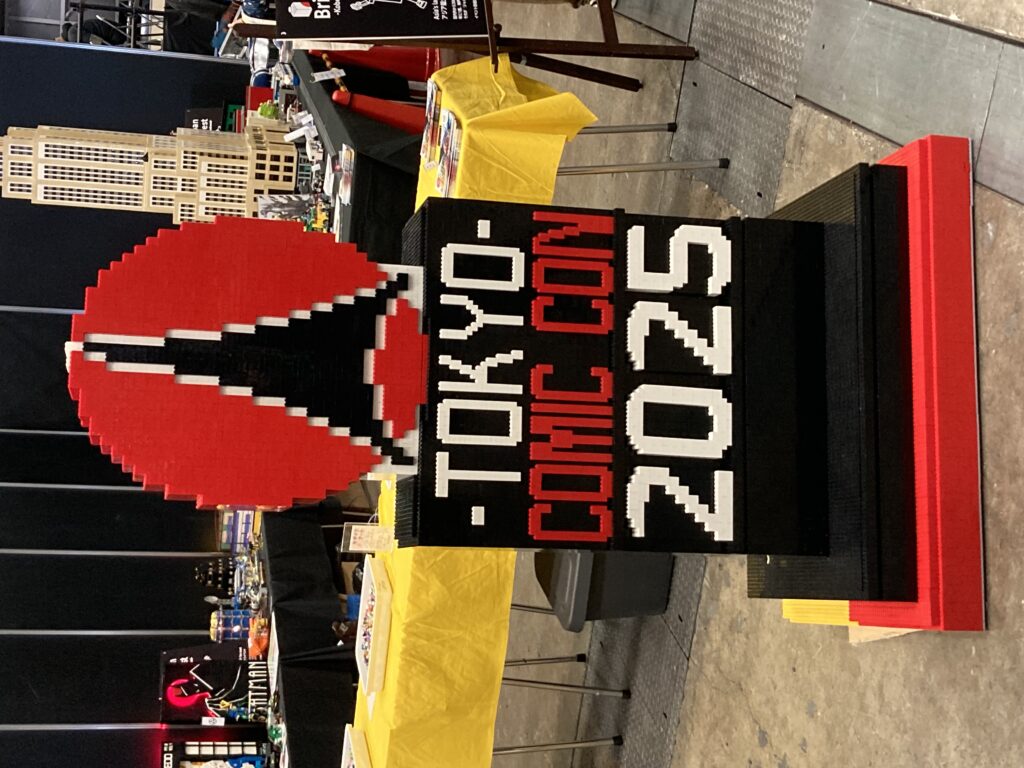
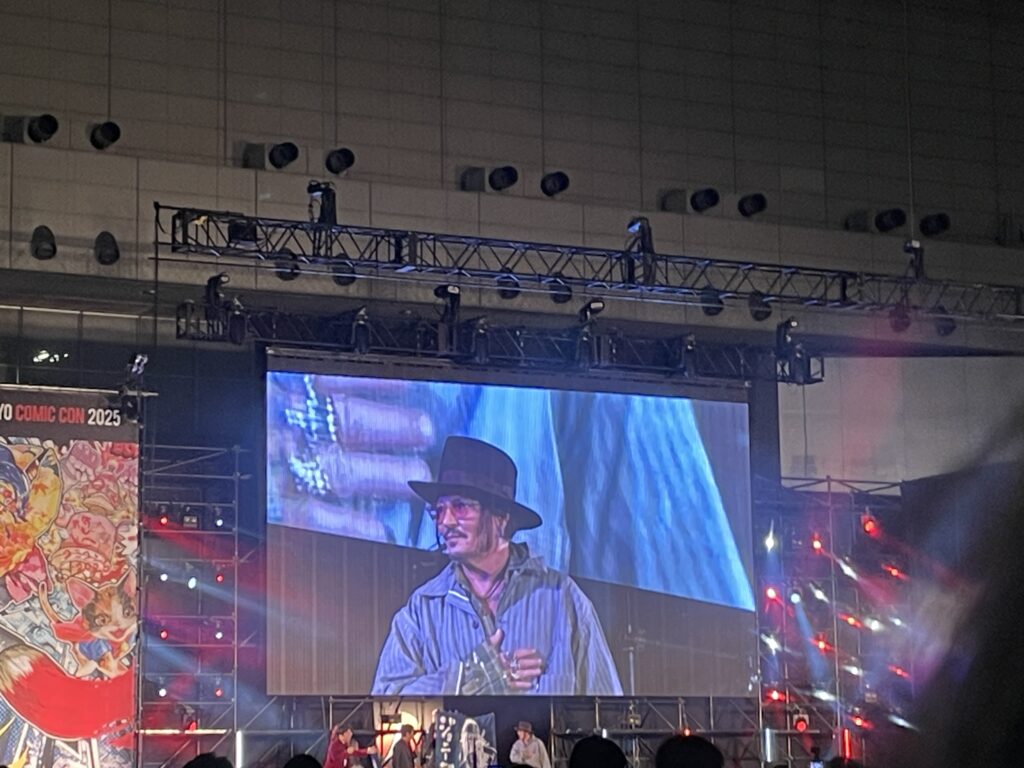
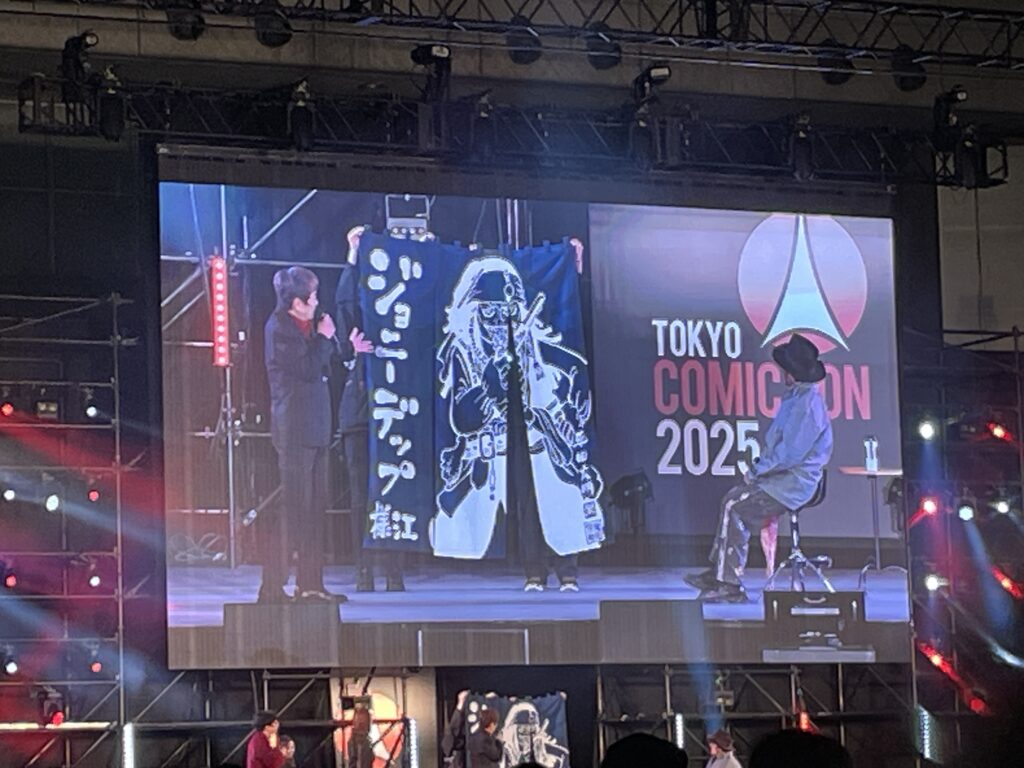
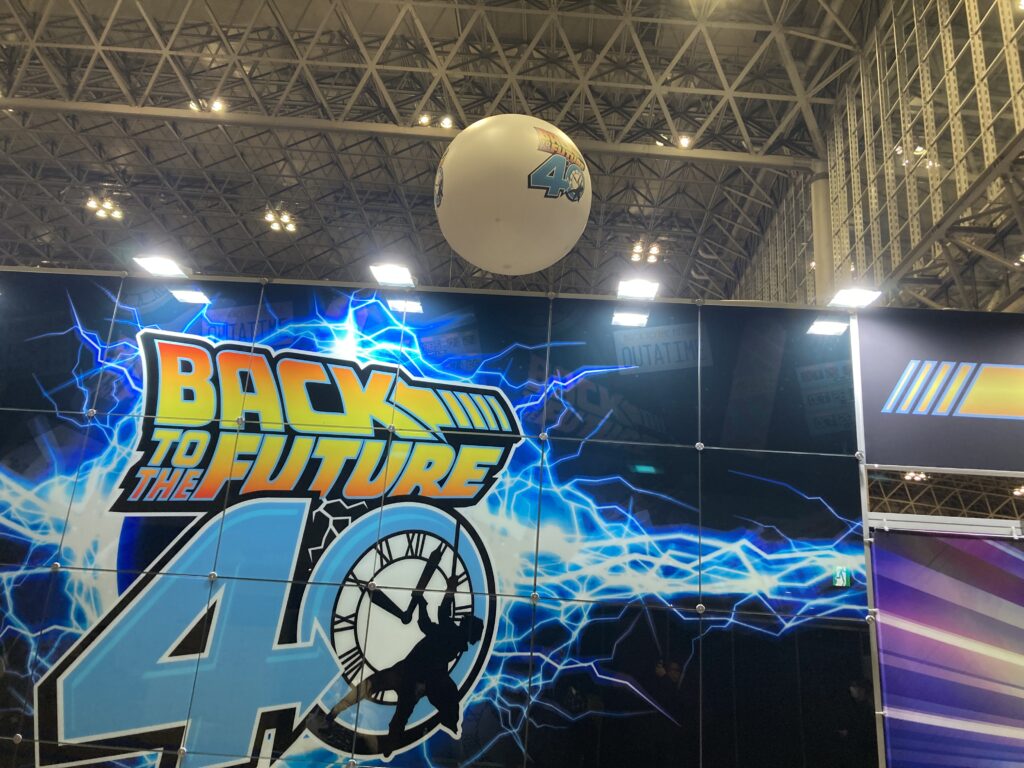
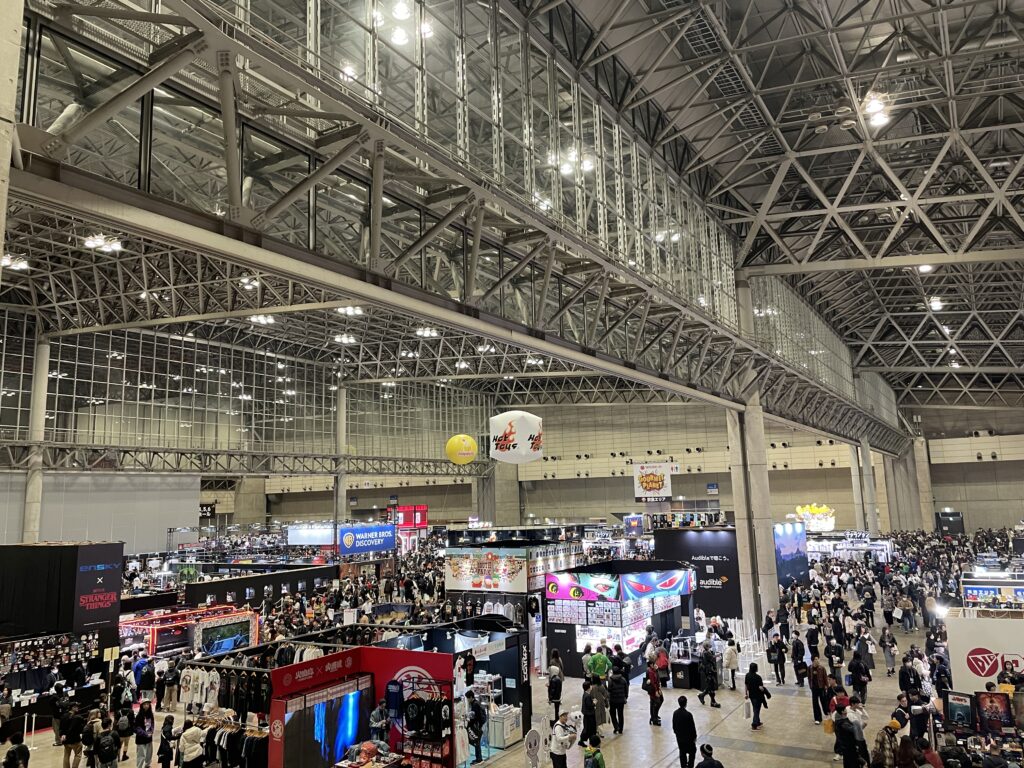
Tokyo Comic Con is held at Makuhari Messe in Chiba. Since it takes place every year in both Tokyo and Osaka, I think many people in Japan are already familiar with it.
I actually attended last year as well, but I completely forgot to write about it on this blog, so this year I went again as a returning visitor.
Every year, Comic Con offers a rich lineup of cosplay and various events, and you can really feel the effort put in by the organizers as well as the enthusiasm of the participants. It’s also an event where you can meet Hollywood stars in person. Compared to global standards, the prices are quite reasonable (though still a bit expensive for Japanese fans), and being able to meet stars face-to-face or get autographs selfies at those prices feels like a great deal.
For me, the main appeal is the unique Comic Con atmosphere, the cosplay, and browsing the merchandise and events. Even without meeting individual stars, it’s more than enjoyable enough.
This year, Johnny Depp made his first appearance, which was very exciting. There was a time when he looked quite different during the stress of his divorce issues, but now he’s clearly back to being the cool Johnny Depp we all know. I was surprised to see so many people at the venue dressed as him.
Personally, I was also very interested in Elijah Wood, who always seems to choose good projects. Since it’s Comic Con, actors who have appeared in American comics or related roles come to Japan, but he often plays slightly quirky yet memorable characters, and he’s an actor I’m looking forward to seeing more of in the future. You don’t often get to see Hollywood stars this close, so even though the admission fee is a bit high (the three-day pass is a great deal), it’s definitely worth attending every year.
Christina Ricci was as cute as ever, too. Christopher Lloyd, Lea Thompson are always legend, Sebastian Stan, Mads Mikkelsen were so cool— It turned out to be a very memorable event to wrap up the year.
In the autumn of 2025, when bear sightings are causing concern across Japan, Chiba Prefecture stands out as the only prefecture on Honshu with no bears. As a result, many visitors come to enjoy autumn foliage viewing and hiking.
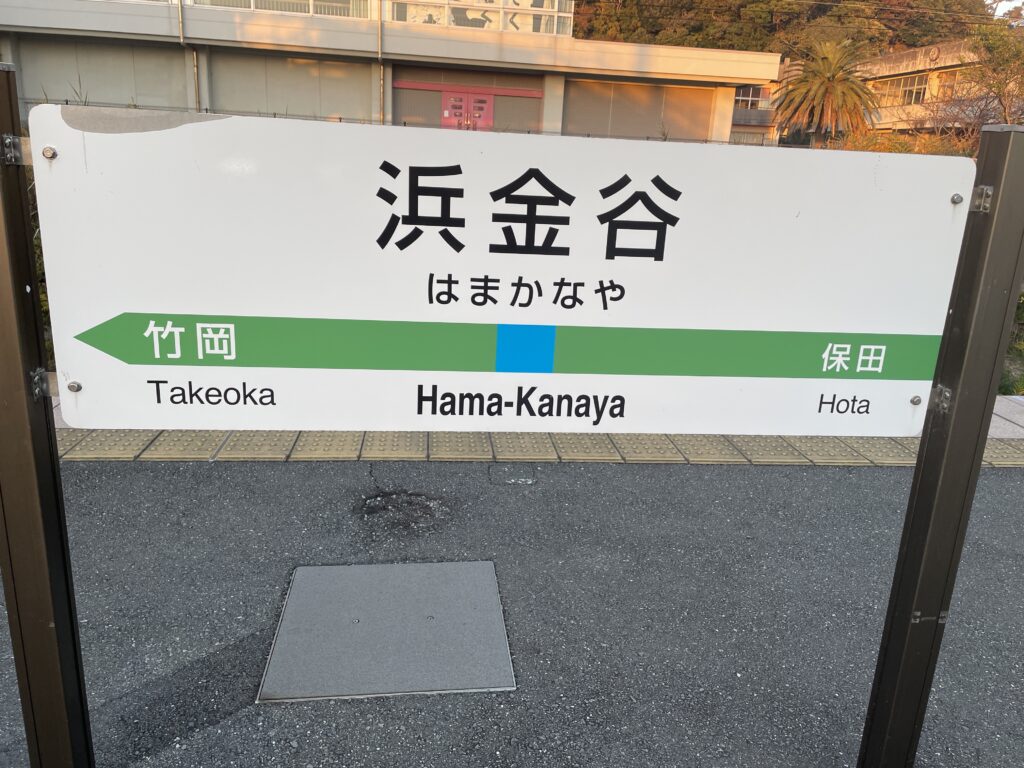
Mount Nokogiri can be reached from Tokyo in about 1 hour and 48 minutes from Shinjuku Station by taking the Limited Express Sazanami. The nearest stations are JR Hamakanaya and Hota. The mountain rises to 329.4 meters, and a ropeway is also available.
Yakushi Ruri Kou Nyorai
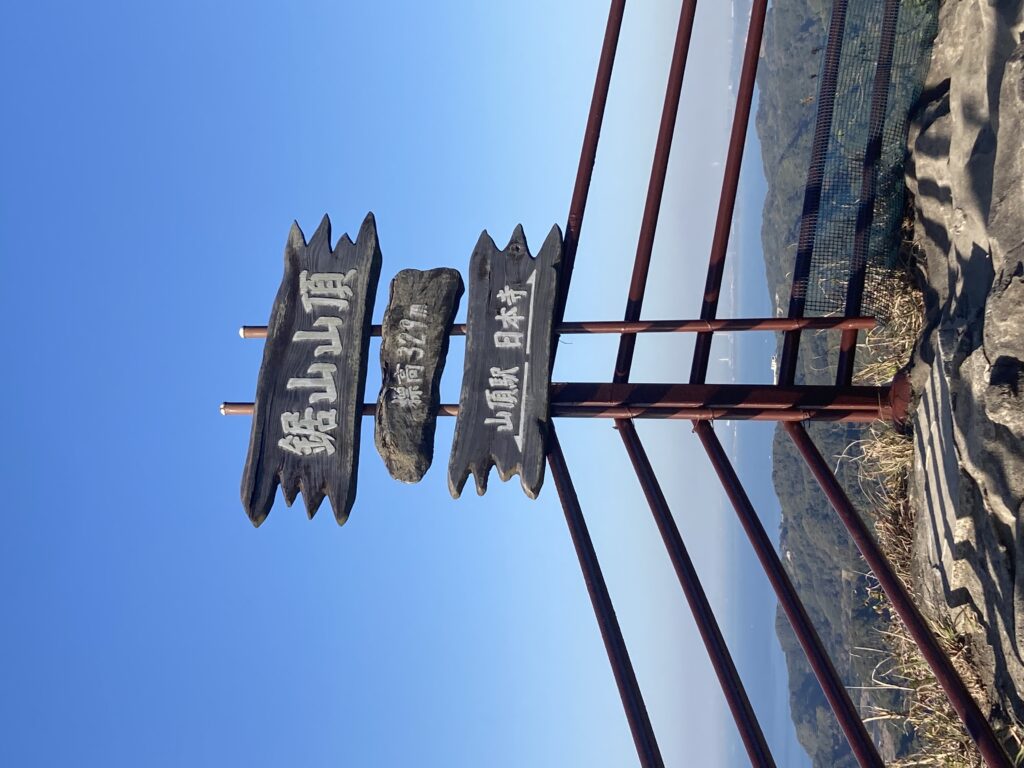
Mount Nokogiri summit
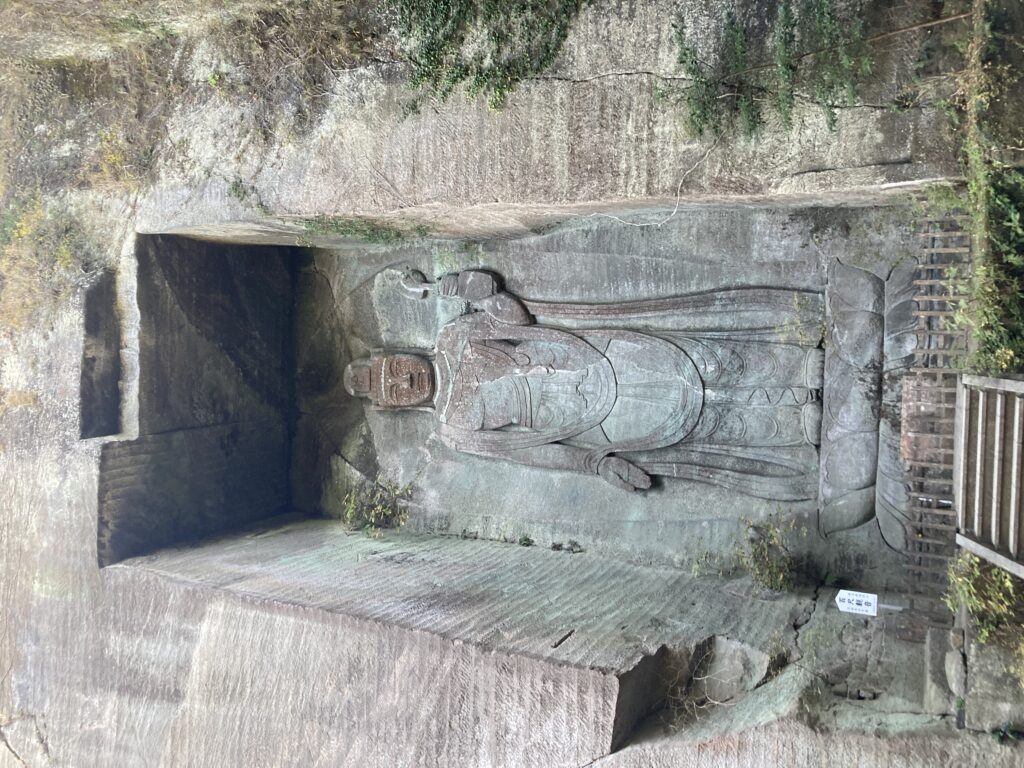
Hyakushaku Kannon
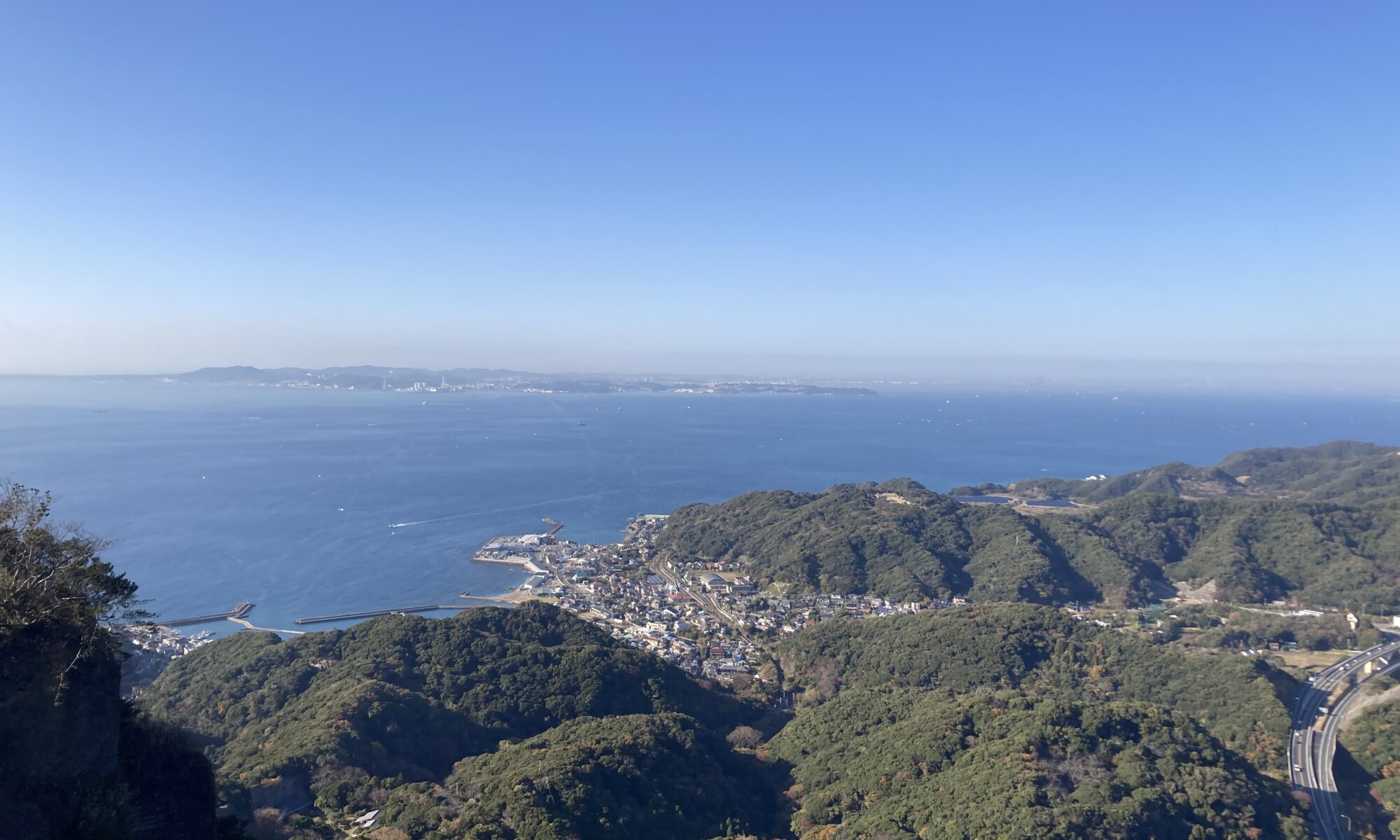
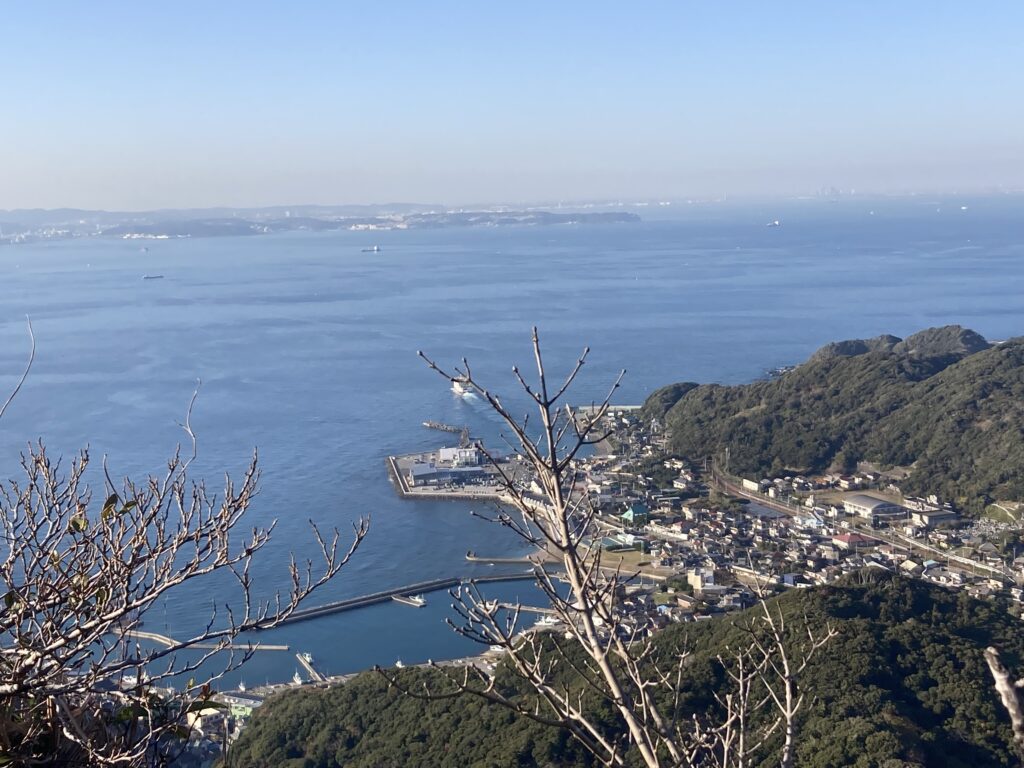
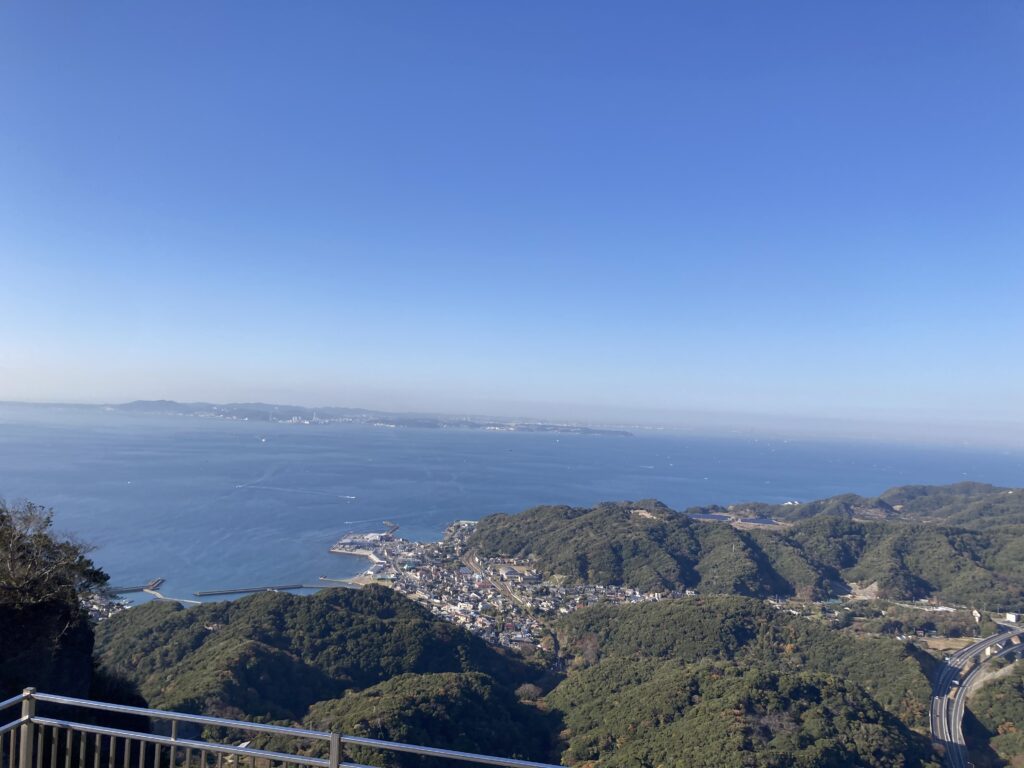
Mount Nokogiri could be called the only true mountain in Chiba Prefecture. Located in the Uchibō area, the summit offers panoramic views stretching from Tokyo to Kanagawa. On clear days, you can even see the Tokyo islands and Mount Fuji.
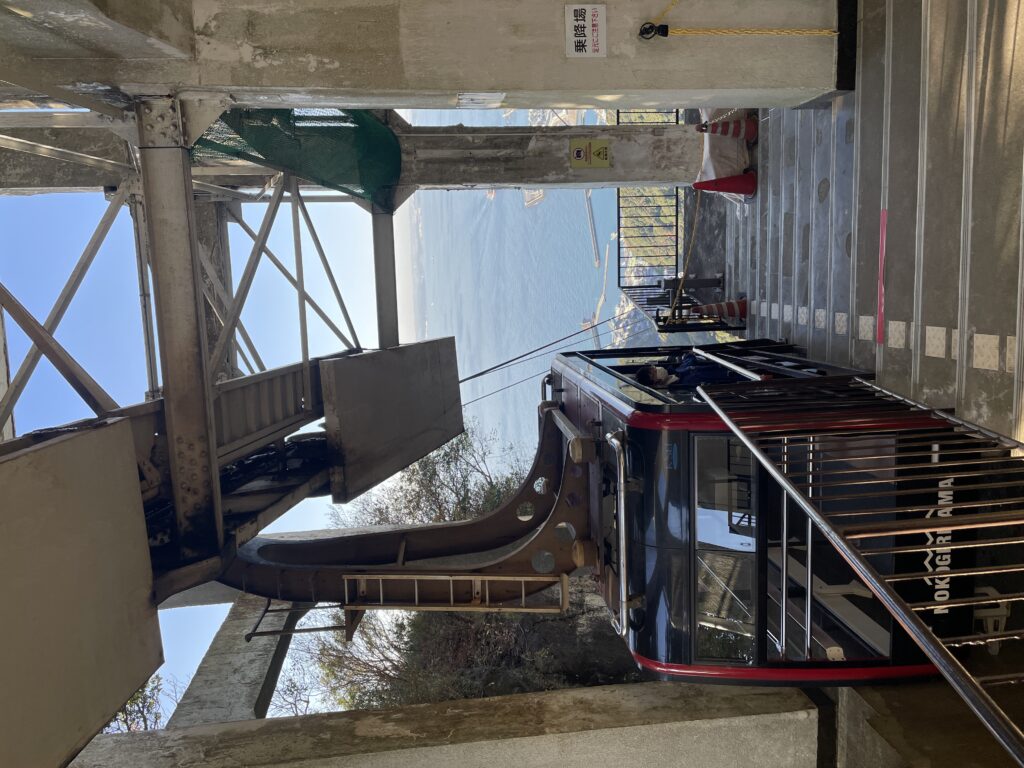
For those who find hiking a bit challenging, the ropeway can be used to go up or down. However, since the mountain is relatively low and the trails are well maintained and paved, even children can easily reach the summit. It is an ideal spot for hiking.
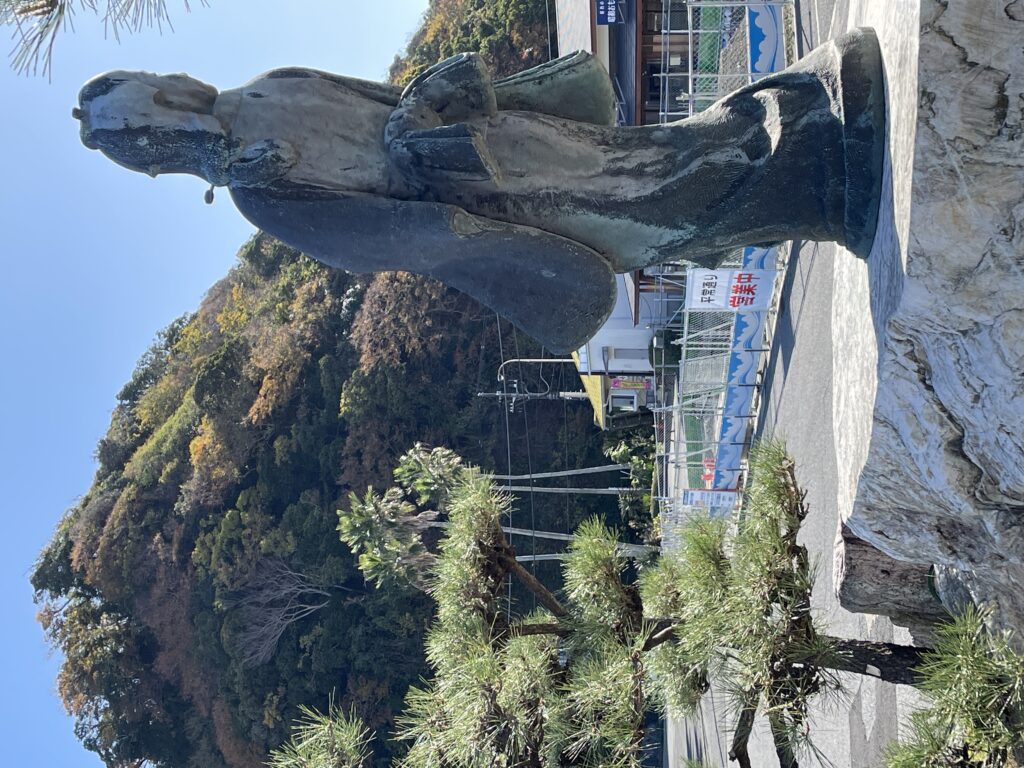
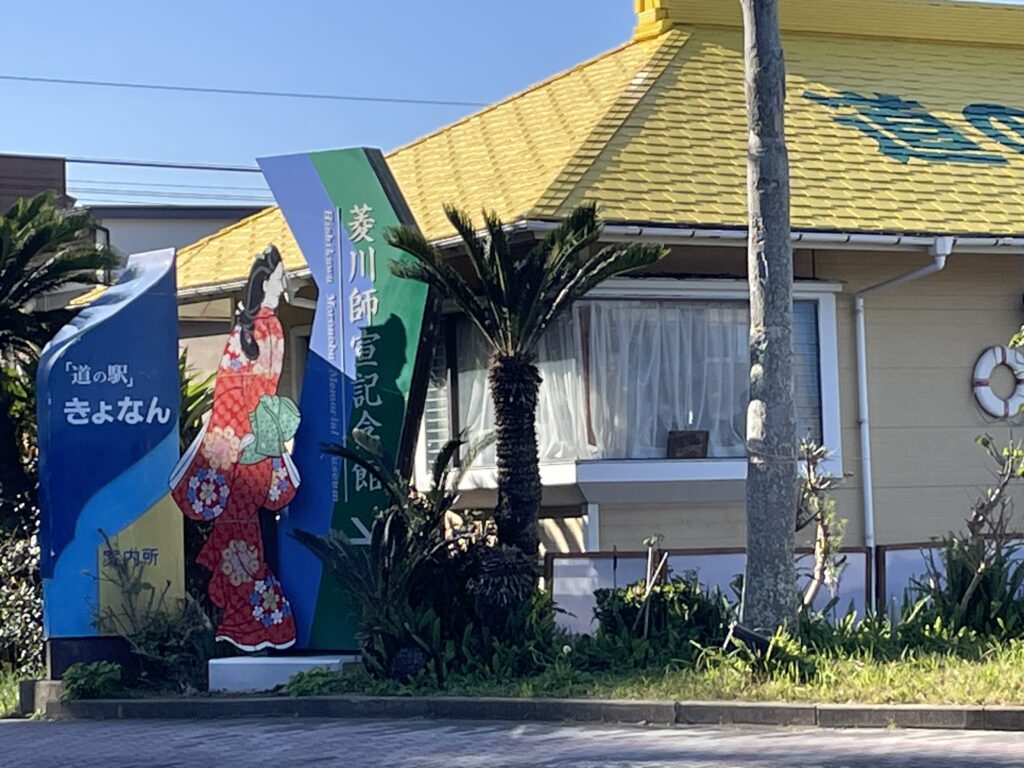
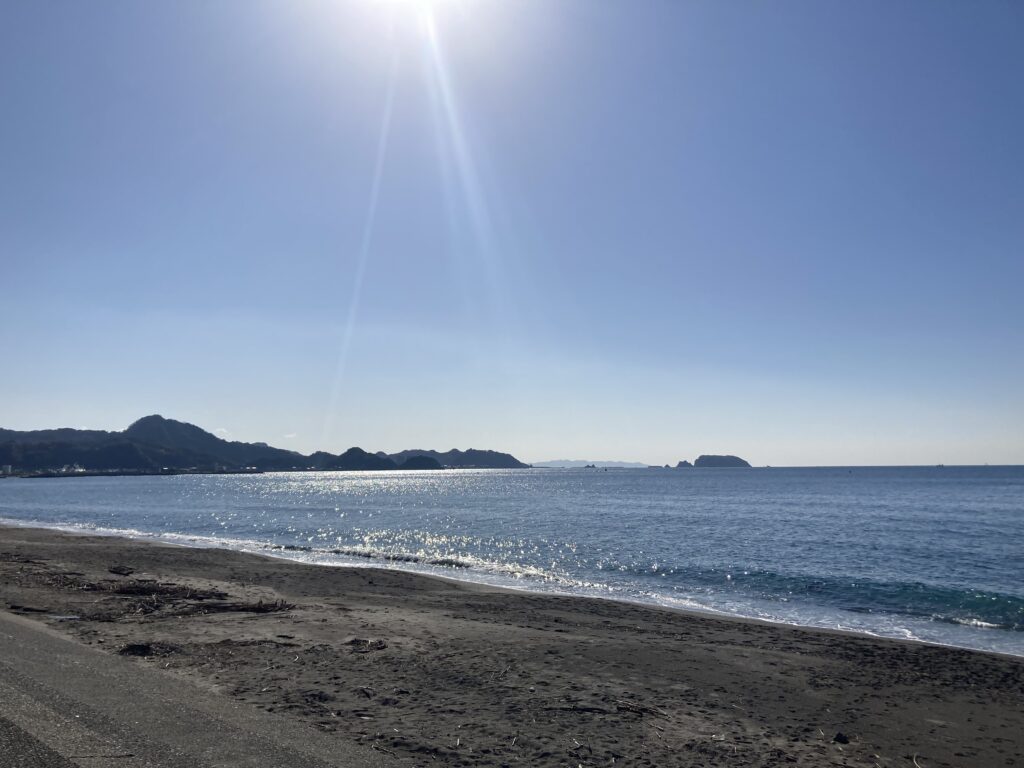
Between JR Hota Station and Awa-Katsuyama Station, there is the Hishikawa Moronobu Museum, dedicated to the Edo-period artist Hishikawa Moronobu. A leisurely walk along the coastline will take you there, where you can enjoy his ukiyo-e prints and other works.
A short walk from JR Hamakanaya Station brings you to The Fish, a restaurant and souvenir area where you can enjoy seafood from the Uchibō region. It is a perfect location for experiencing the feeling of a small, casual trip.
If you decide to stay overnight, you could extend your trip along the Uchibō Line to places like Awa-Kamogawa or Yōrō Valley on the Kominato Railway. Taking a ferry or heading toward Kanagawa via the Aqua-Line is also recommended on a clear day.
Chiba Prefecture is served by several sea-themed limited express trains from Shinjuku, such as the Sazanami (Uchibō Line), Wakashio (Sotobō Line), and Shiosai (to Sakura and Chōshi), making it perfect for short trips.
Ropeway
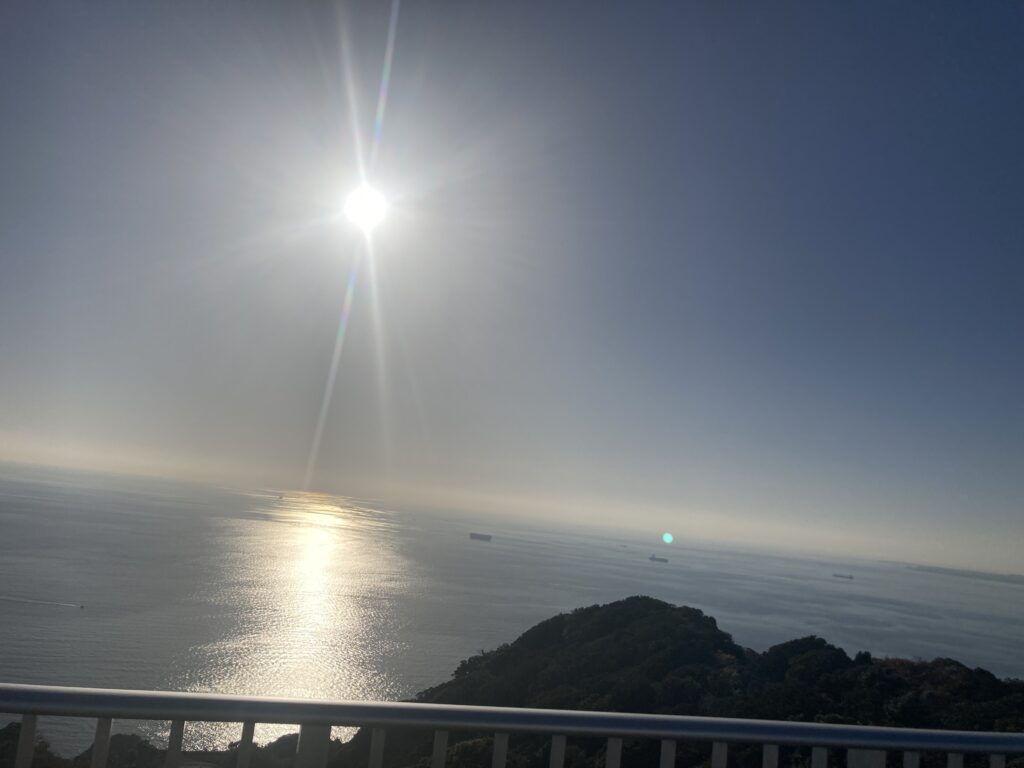
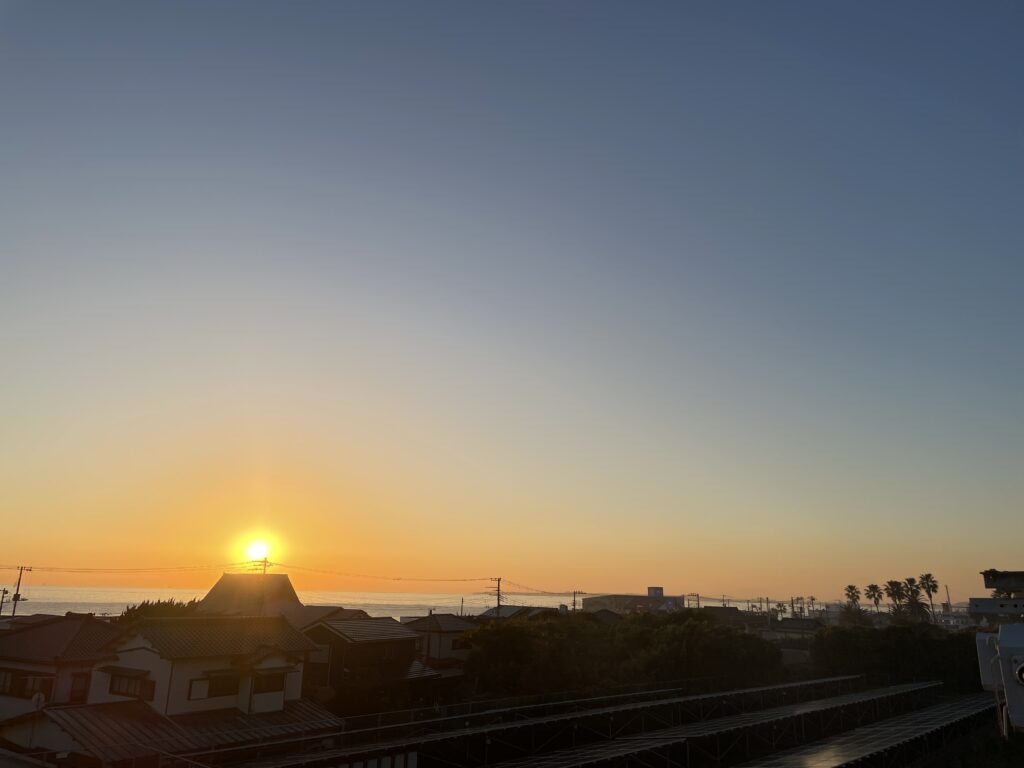
Beautiful sunset from Uchibo area
Many areas of Chiba still retain a strong local character compared to other parts of the Kanto region. If you ever feel nostalgic for visiting your grandmother’s house in the Showa era, taking a small trip to the Bōsō Peninsula might be a delightful experience.
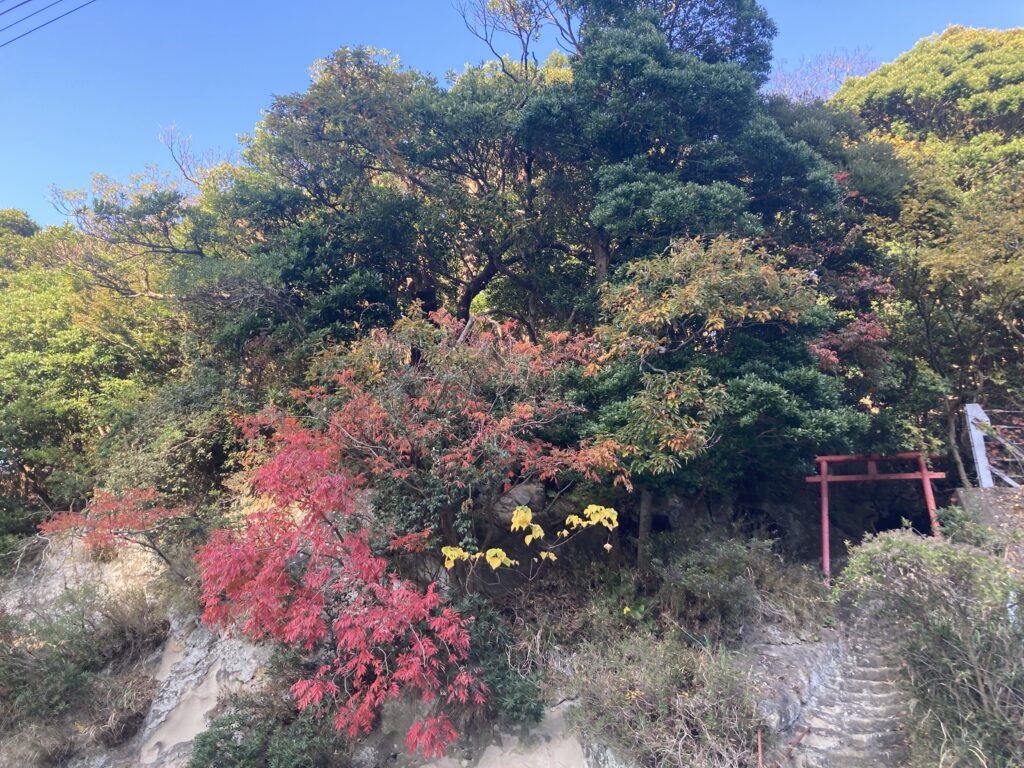
In autumn, when the weather is clear, the air is crisp and the views are outstanding. Not only can you enjoy the autumn foliage, but you can also refresh yourself with fresh mountain air, making for a fulfilling day trip.
In autumn in Japan, it’s not only the fall foliage that you
can enjoy—there are also many festivals, events, and flea markets.
Among these, pottery markets held in various regions are
especially not to be missed.
There is a convenient website that lists pottery markets held all across Japan,
so be sure to check it out.
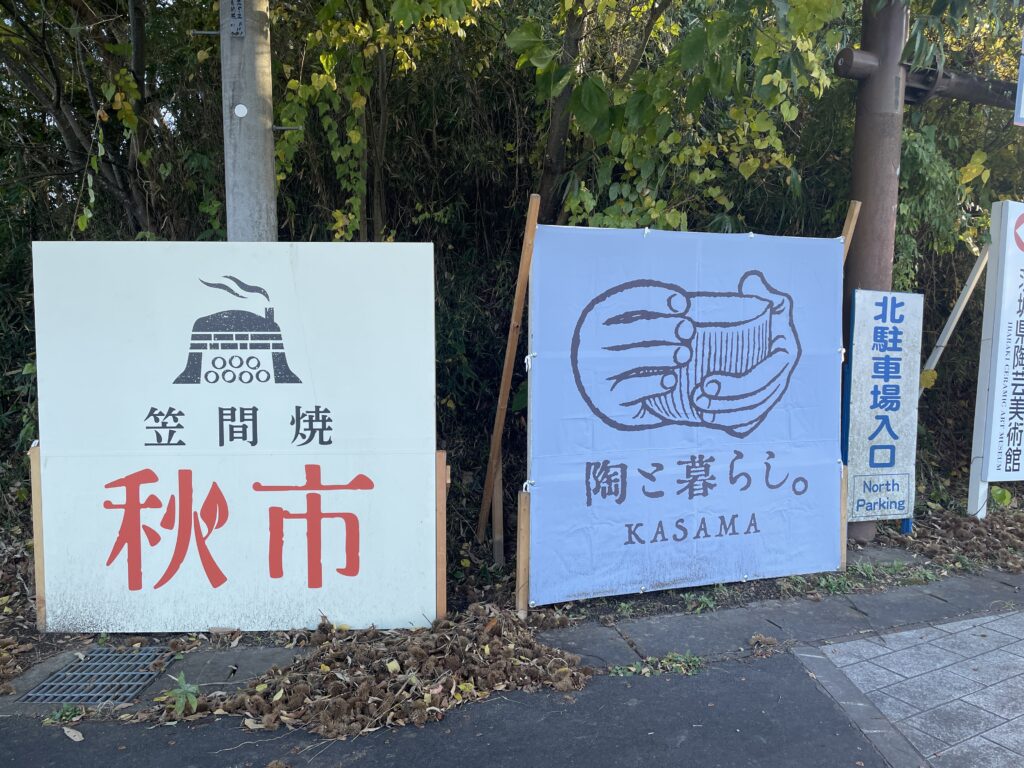
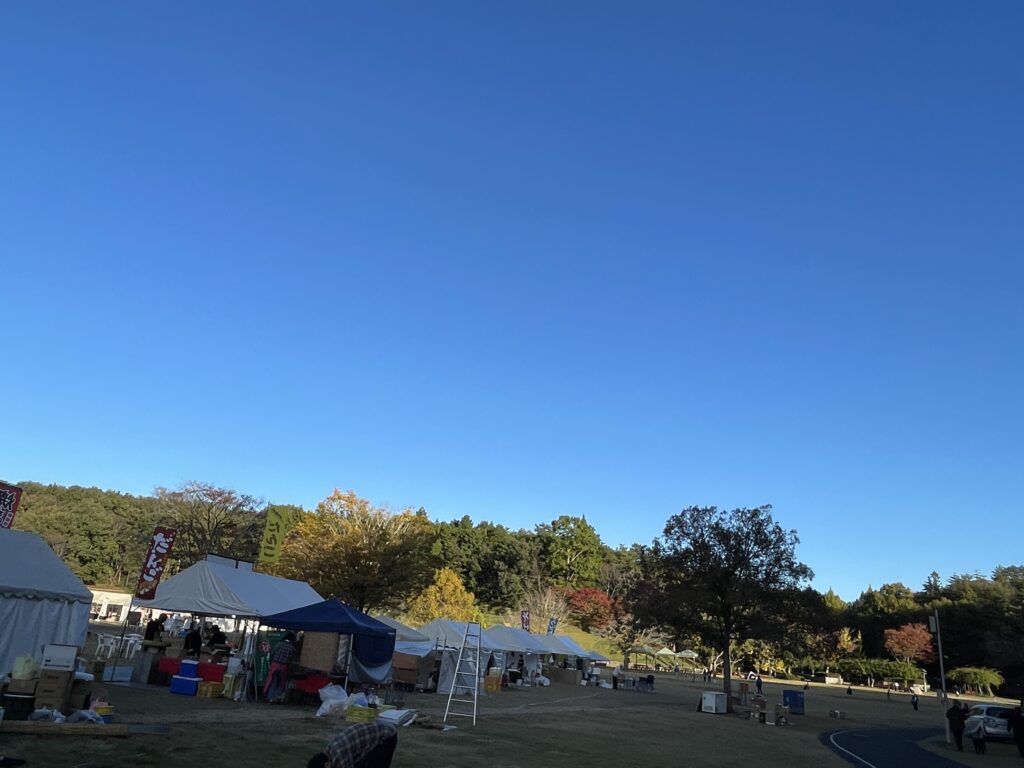
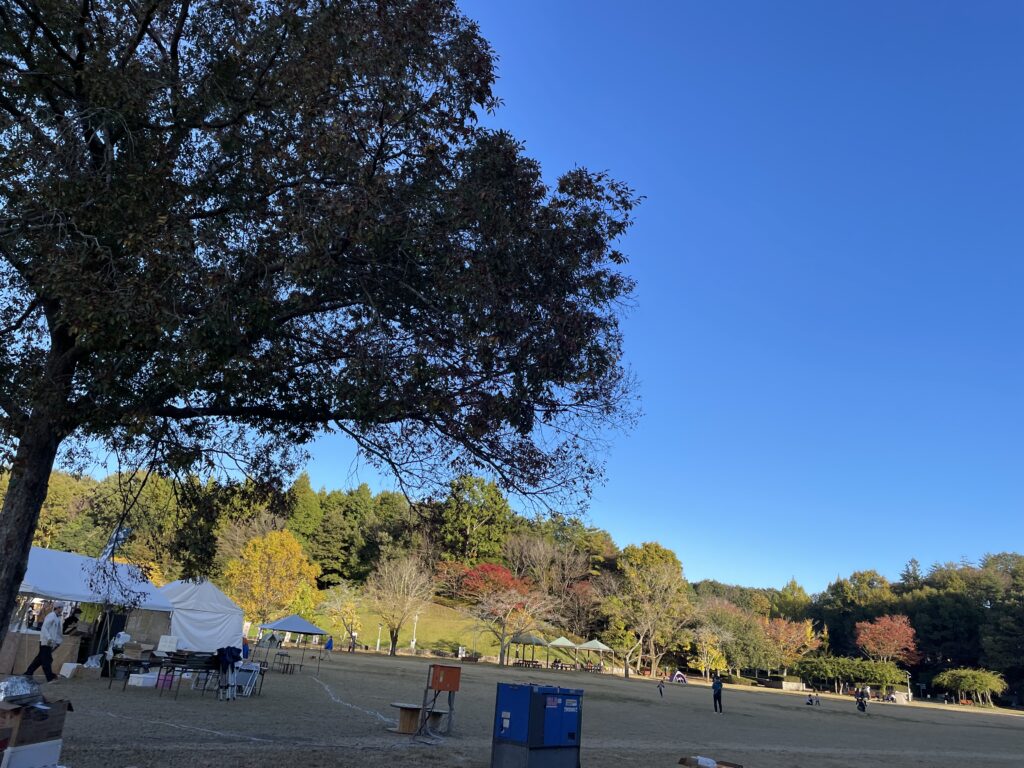
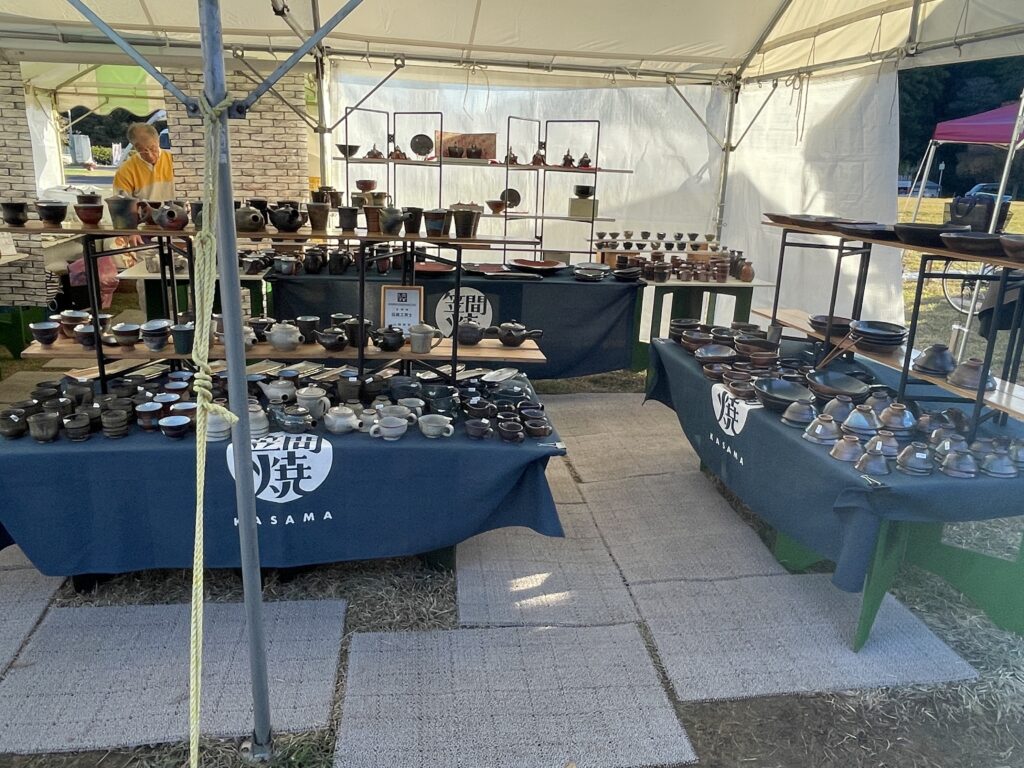
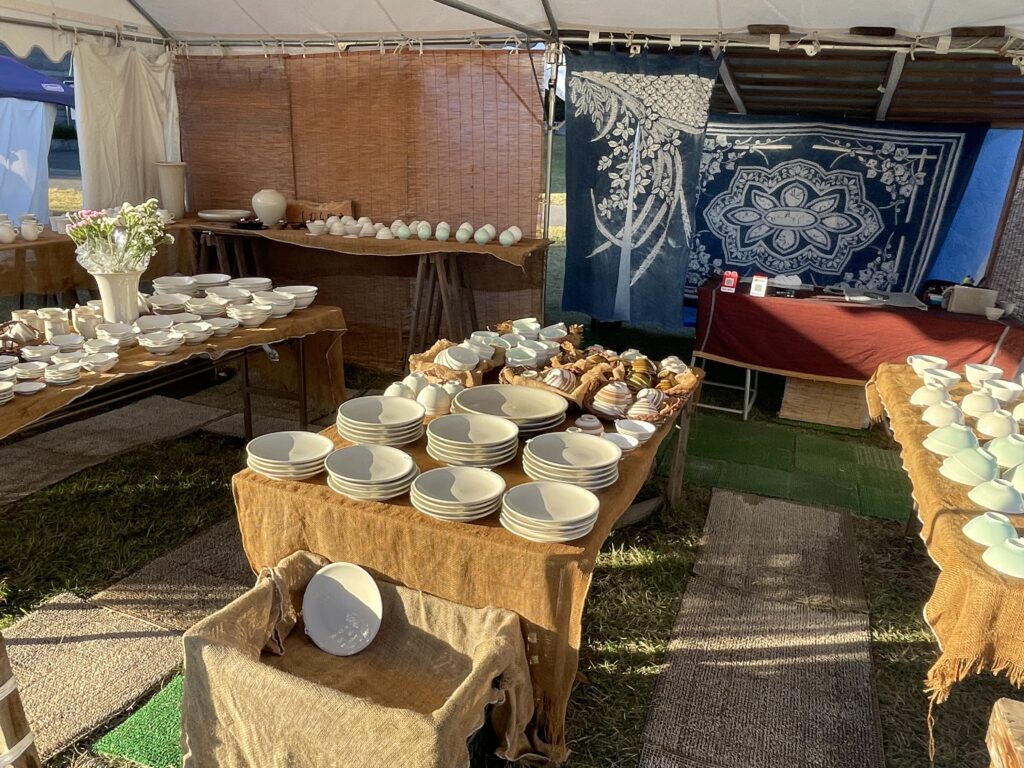
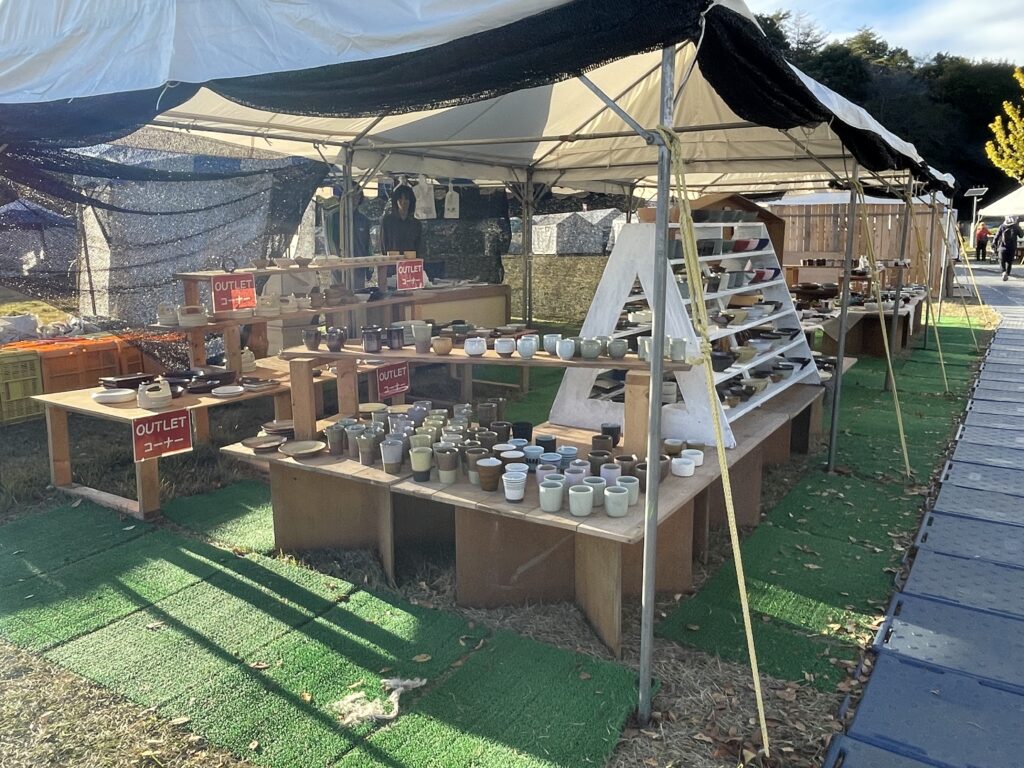
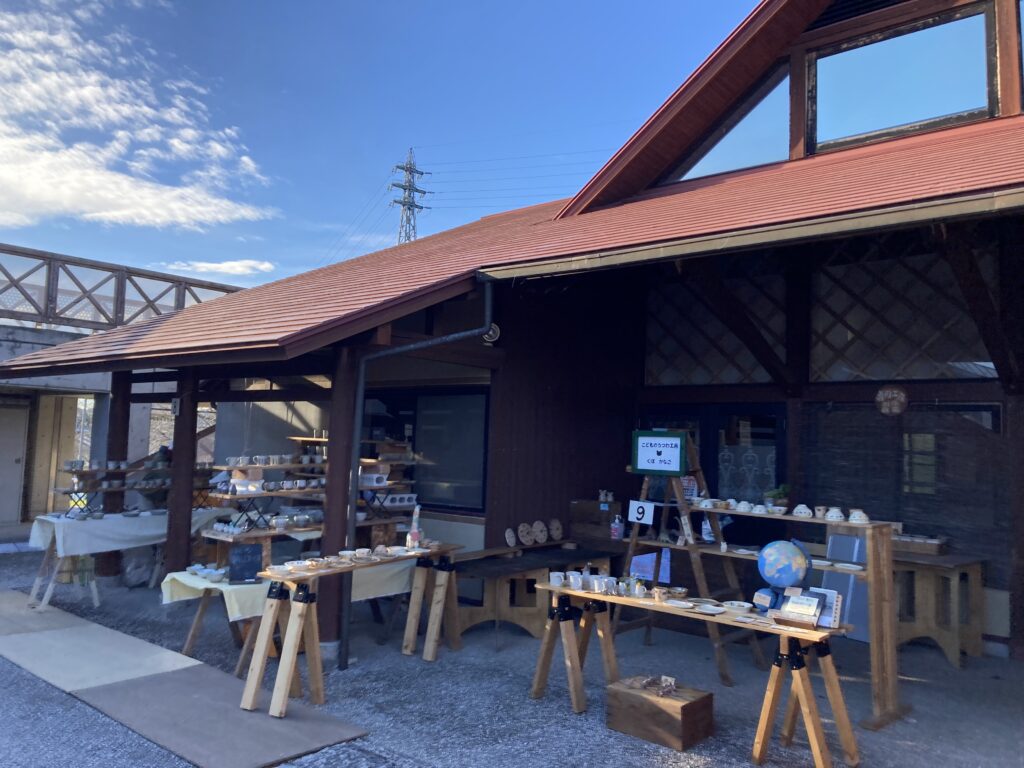
I visited the Kasama Pottery Market in Kasama City, Ibaraki
Prefecture, which is held in early November.
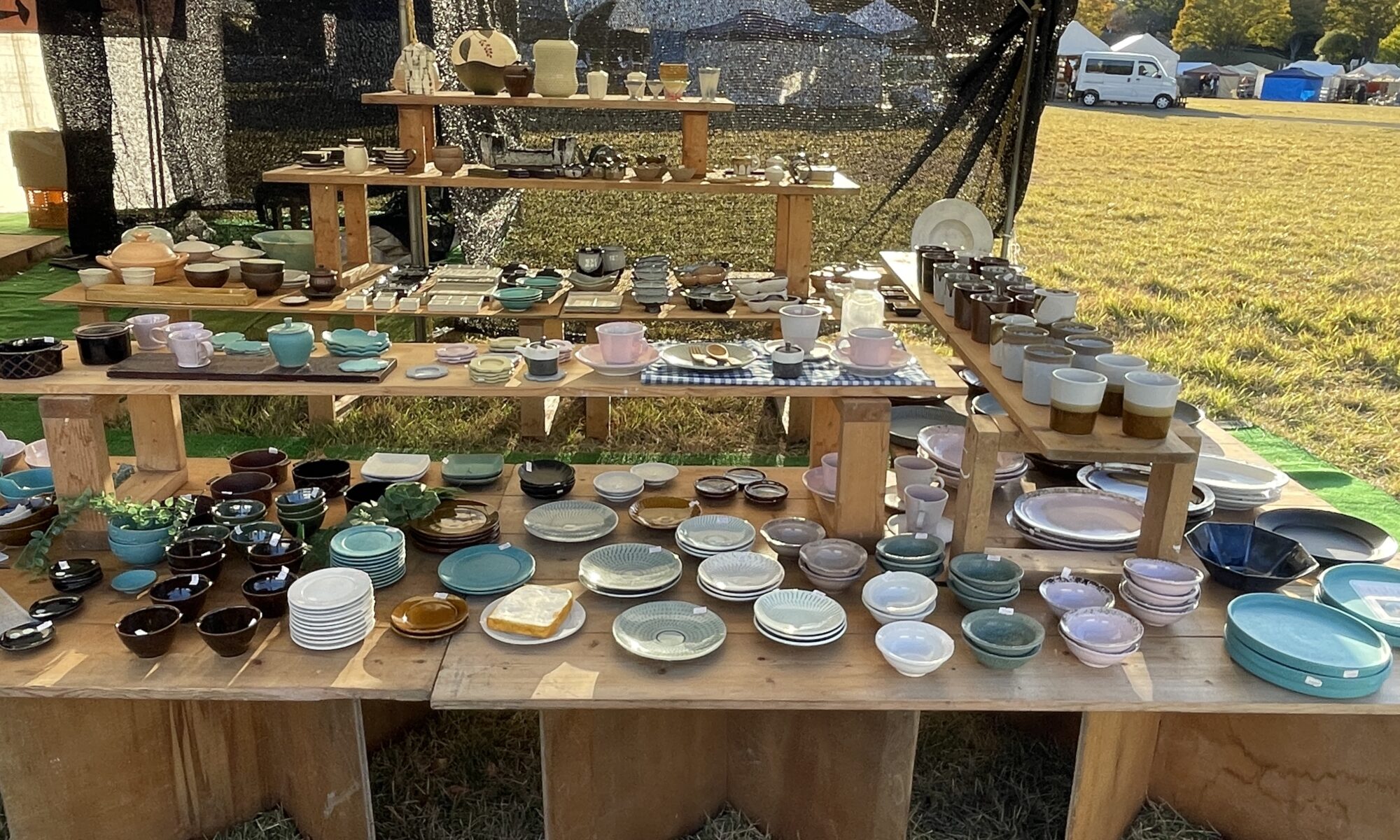
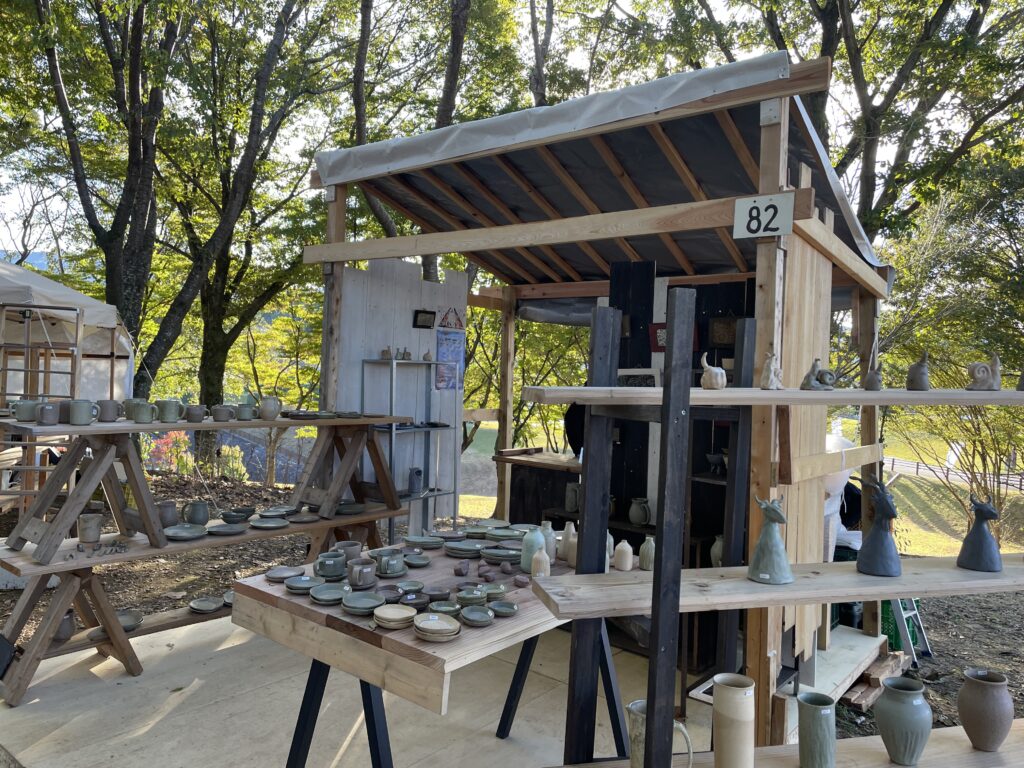
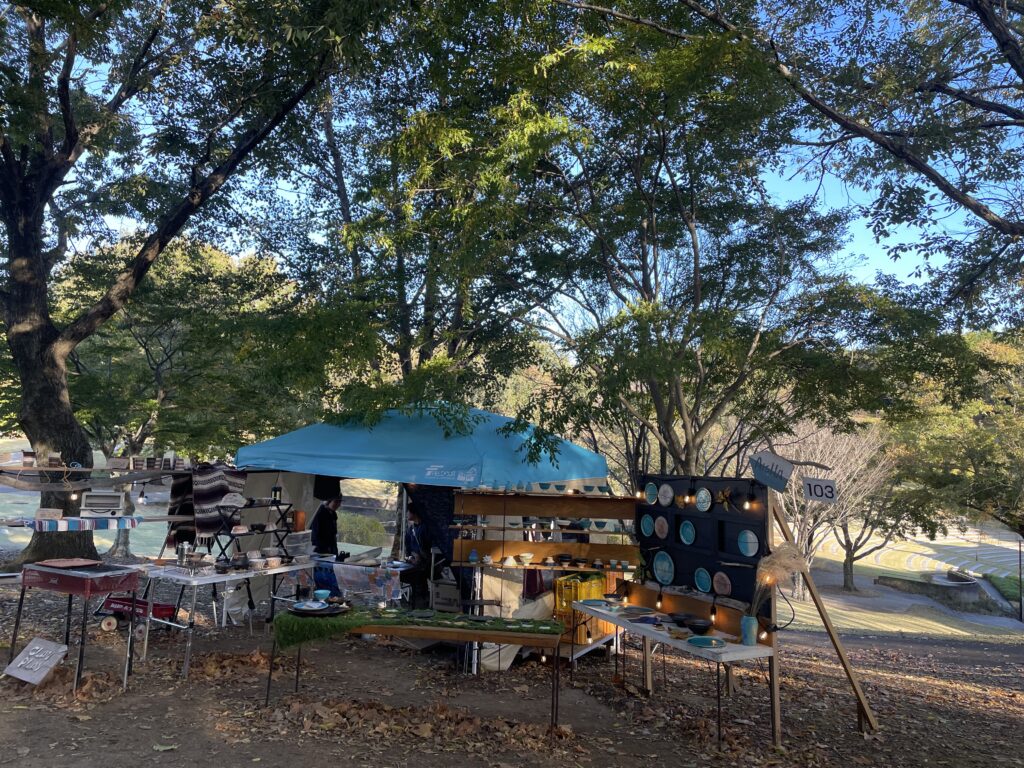
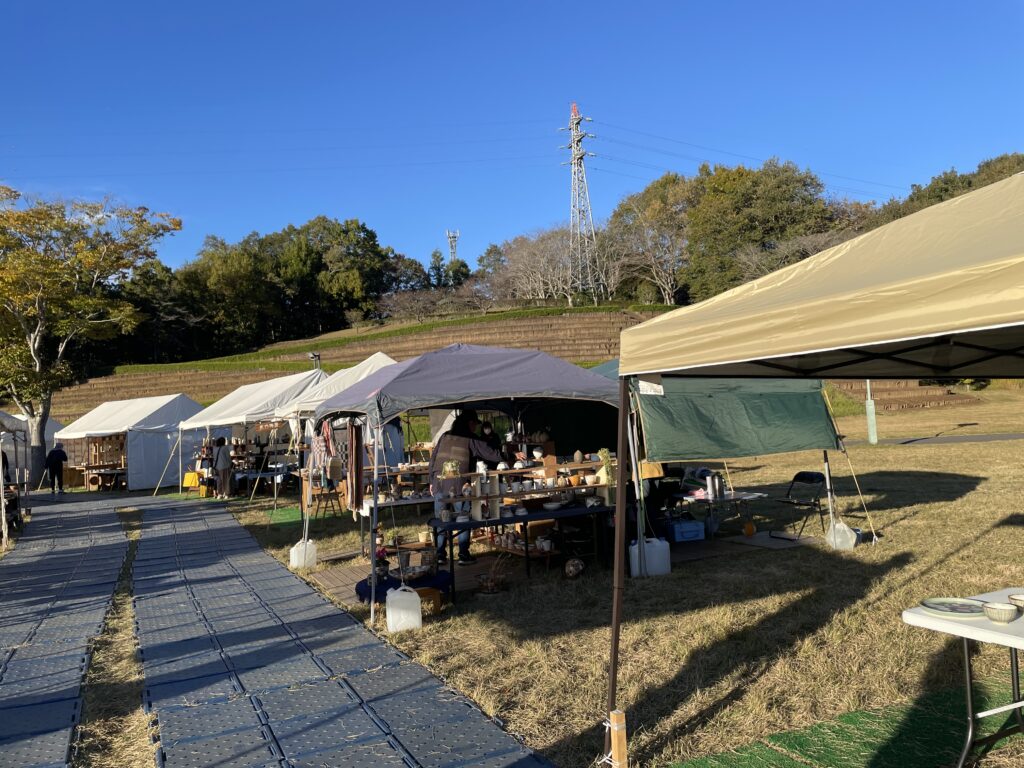
Many ceramic artists had booths there, and it was truly fascinating.
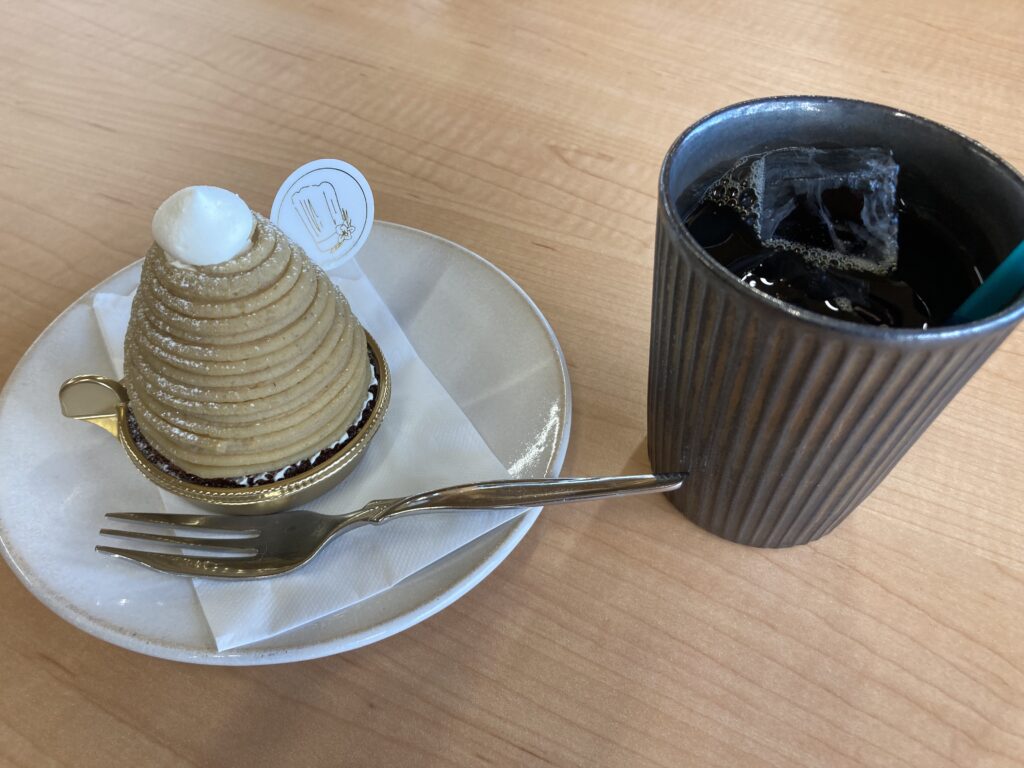
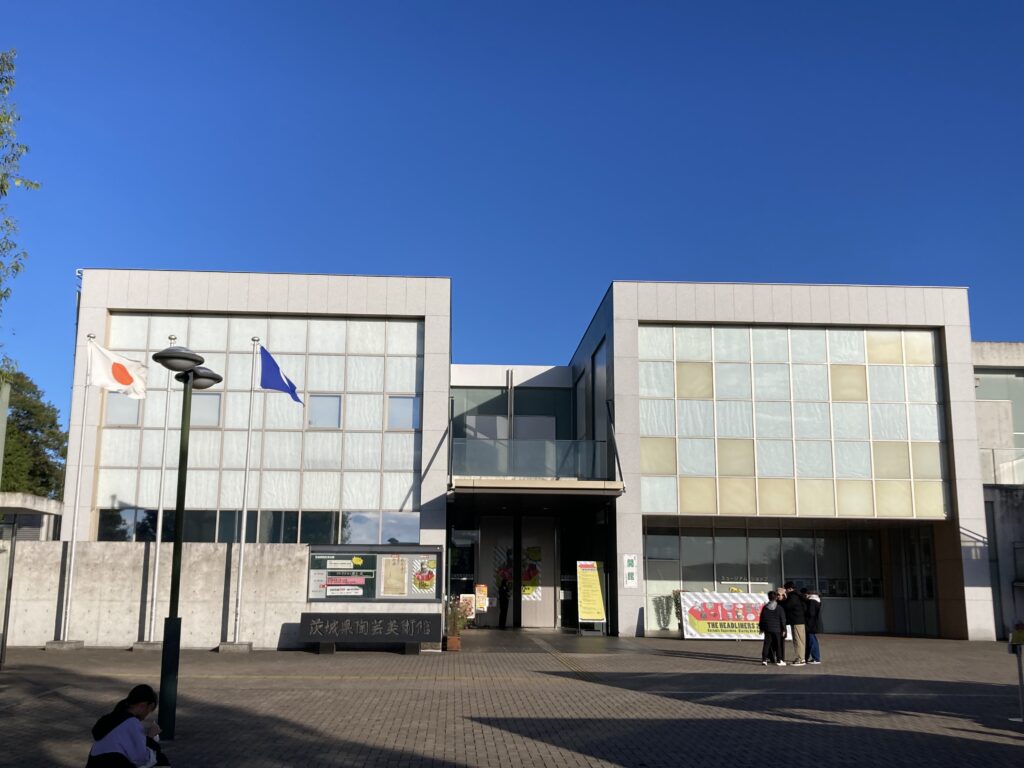
There is also a ceramics museum within the grounds, and for anyone who loves pottery, it’s a place I would definitely recommend visiting at least once. Kasama is also known as a famous chestnut-producing region. At the Kasama roadside station,笠間道の駅、 you can enjoy local specialties such as chestnut sweets and the unique “Mont Blanc Tantanmen (Spicy ramen with chestnuts cream on the top),” making it a fun stop for food lovers as well.
During periods when the Kasama Pottery Market or events at Kasama Geijutsu no Mori Park are held, special shuttle buses operate between the tourist sites and nearby stations—JR Kasama Station on the Mito Line and JR Tomobe Station on the Joban Line. By using these buses, you can get around easily even without a car.
Especially in autumn, you can enjoy the beautiful fall
foliage at the same time, so if you are in the greater Kanto area, it’s sure to
feel like a perfect short getaway.
For those who don’t have much time, pottery markets are also held fairly often within Tokyo. If a market is happening nearby on a weekend, be sure to check regularly and try to find a one-of-a-kind treasure just for you.
In Japan, autumn is the season when the summer heat fades,
making it easier to focus on a wide variety of activities. It is also a time to
celebrate the harvest, which is why it is often referred to as the season of sports, the season of the arts, the harvest season, and even the season of good appetite.
Why not find an autumn activity that suits you best?
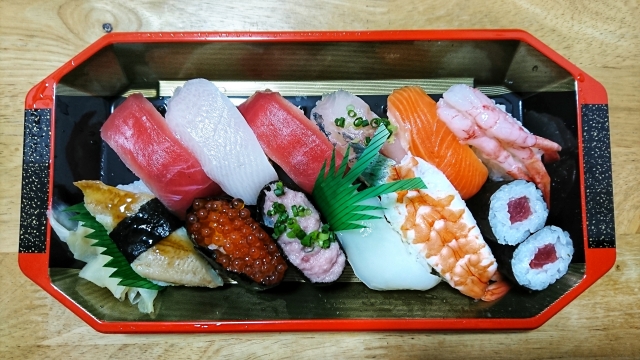
Welcome to Japan! When it comes to visiting Japan, you can’t resist delicious, tempting foods! Ramen, Sushi, Katsu Curry, Tempura, Teppanyaki Steak and Lobster –etcetera.
As you know, convenience stores – Seven
Eleven, Lawson, Family Mart are famous for their delicious snacks, sweets,
finger foods, light meals.
Moreover, even supermarkets set up a large
special corner where displays all genres of foods to take away.
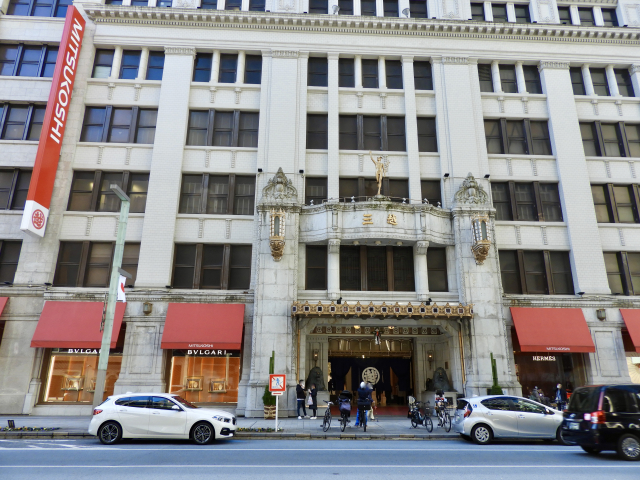
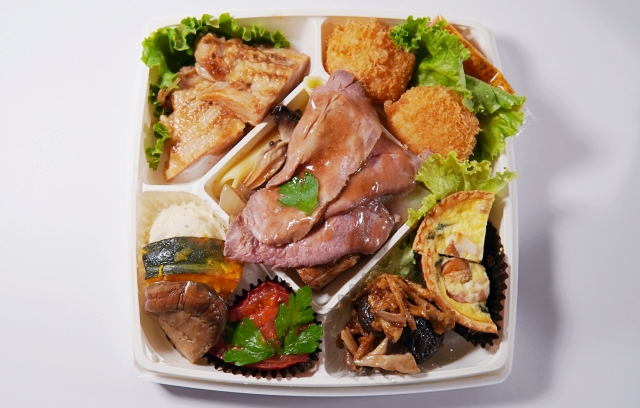
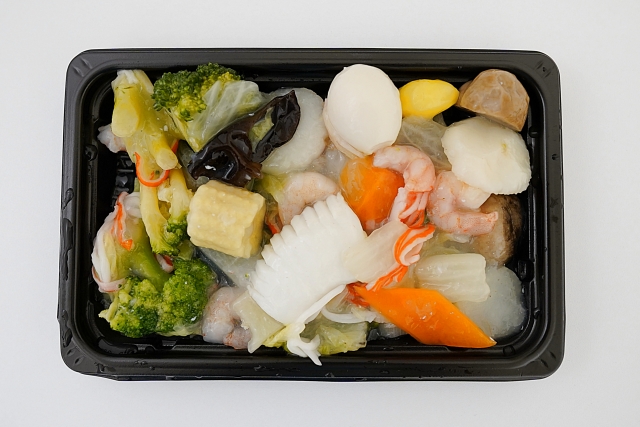
Whereas, most of department stores have food halls commonly are located at their basement floor. We call them as “Depa Chika デパ地下” . Chika means “Basement”.
Ginza Mitsukoshi
Umeda Hankyu
High-end and seasonal select foods and
beverages are displayed everywhere in Depa Chika food streets. They look like Chelsea
Market in NYC or Harrods Food Halls in London.
They entirely hold seasonal theme festivals
like “Christmas”, “New Year’s Eve, New Year’s Day”, “Cherry Blossom”, “Autumn”,
“Hokkaido”, “Kyusyu”, throughout a year.
Takashimaya 高島屋,Isetan 伊勢丹, Mitsukoshi 三越, Matsuzakaya 松坂屋, Marui 丸井, Tobu 東武, Seibu 西武, Sogo 十河, Keio 京王, Daimaru 大丸, Hankyu 阪急, Hanshin 阪神 Fujisaki 藤崎department stores are open for foodies from all around the world!!
Meats & Fries Appetizers
Happousai Fried Vegitable
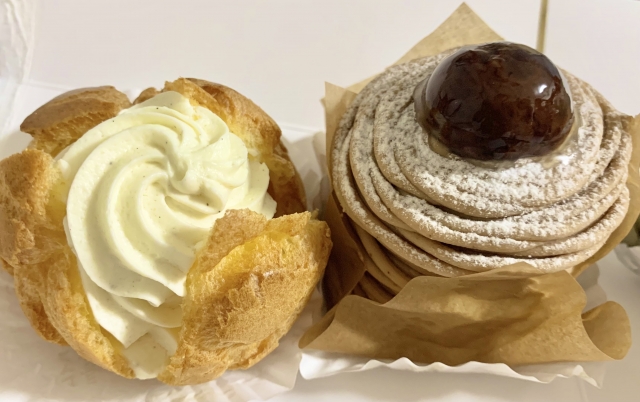
Cheu a la creme & Mont Blanc
Fruits Tarte
Wines
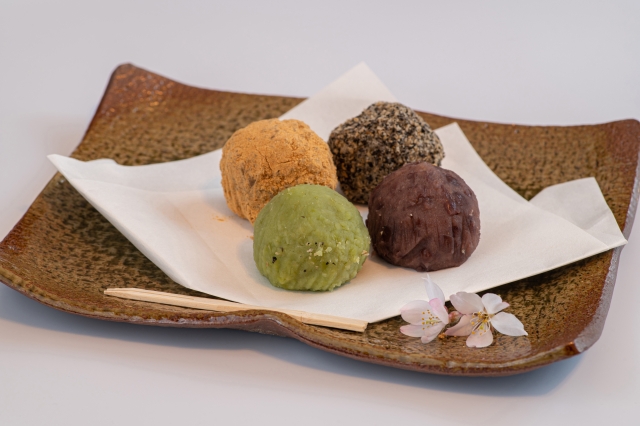
Ohagi Dango
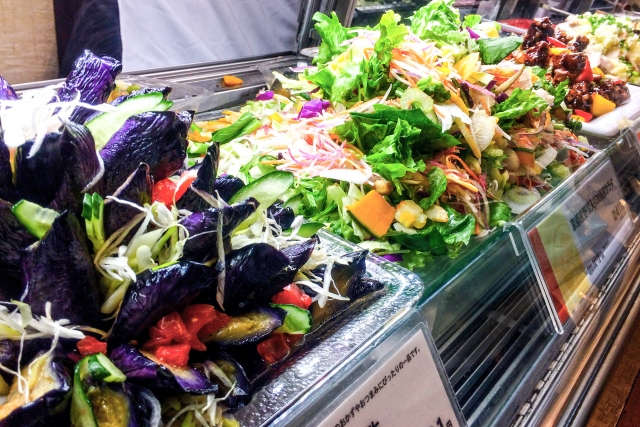
Variety flavors of salads
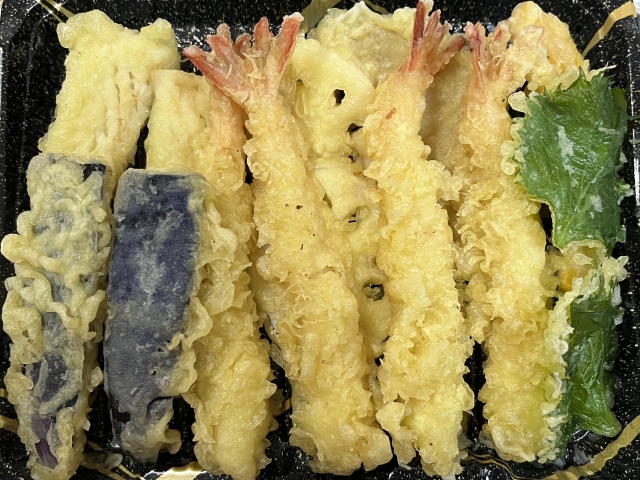
Tempura
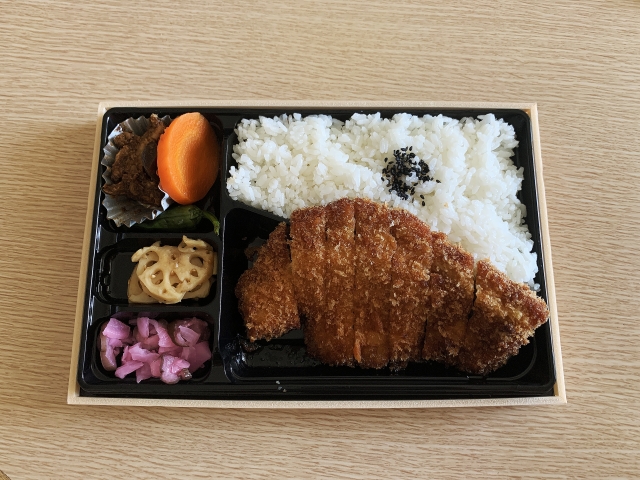
Pork Katsu Bento
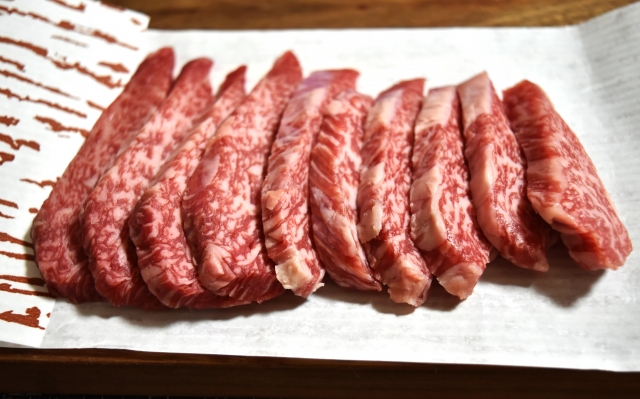
Wa gyu Beef
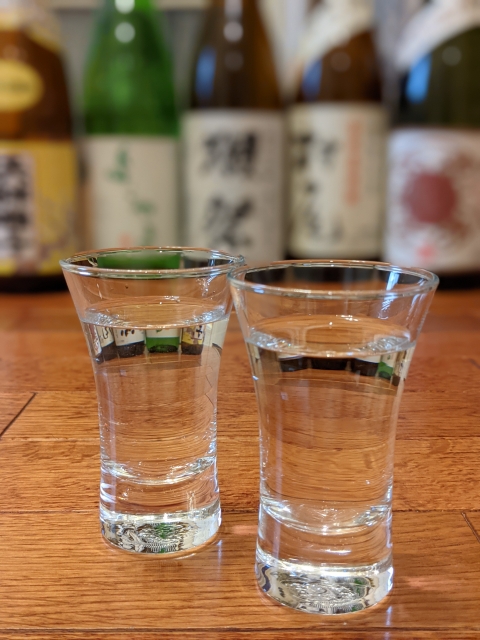
Japanese Sake tasting
I say, some foods are so expensive, because they are literally collecting delicious, beautiful foods from around the world.
Sometime you might be feeling tired from walking so much, just relax, taking a rest at a hotel room with Depa Chika foods and /or having Spa massage.
Exploring Depa Chika might become highlighted, epic Japanesey experience on your itinerary.
This summer, during the 2025 holiday season, some people
might have up to a 9-day consecutive break due to the Obon holiday.
For those spending time with family, going on trips,
returning to their hometowns, or paying respects at graves, there will be
plenty to do.
Given the extreme heat this year (though I feel like every
year is setting new records for the highest temperatures), I’d prefer not to
stand in long lines under the blazing sun for leisure activities. But still, I
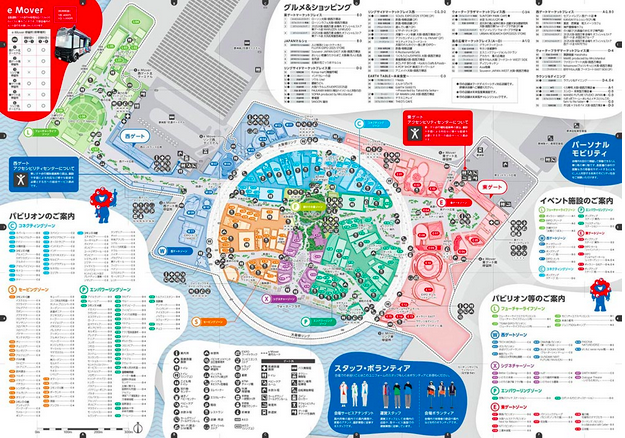
really want to visit the Osaka Expo, as it’s a once-in-a-lifetime event this
year.
The content of the Expo is enjoyable for adults, but it’s
especially recommended for children because it provides a very compact and
easy-to-understand look at the future of society, technology, and the diverse
countries of the world. It’s an excellent opportunity for cultural exchange
with people from abroad.
Recently, it seems that all tourist destinations in Japan
are filled with inbound foreign visitors, but at the Osaka Expo venue, I felt
that many of the attendees were Japanese people, especially retirees with more
free time, and people from the Kansai region who had purchased full-term
passes.
Of course, during summer vacation, it’s expected that there
will be many families and children (there are also summer passes for this
period), but it’s important to register for pavilion reservations in advance,
such as two months, seven days, or even the day before the visit. If that’s not
possible, there are also booths where you can make reservations after entering
the venue. (While some pavilions don’t require reservations, due to increased
congestion, more and more places are now requiring them).
Therefore, it’s recommended to enter the venue as early as
possible. (Remember, you need to purchase an entrance ticket separately. Without
it, you won’t be able to enter the pavilion lottery. Once inside, you can make
reservations, so try to get there early. However, in the evening, the crowds
thin out, so it becomes easier to enter pavilions just by standing in line).
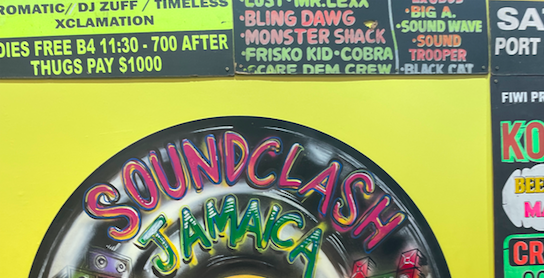
Jamaica Pavilion
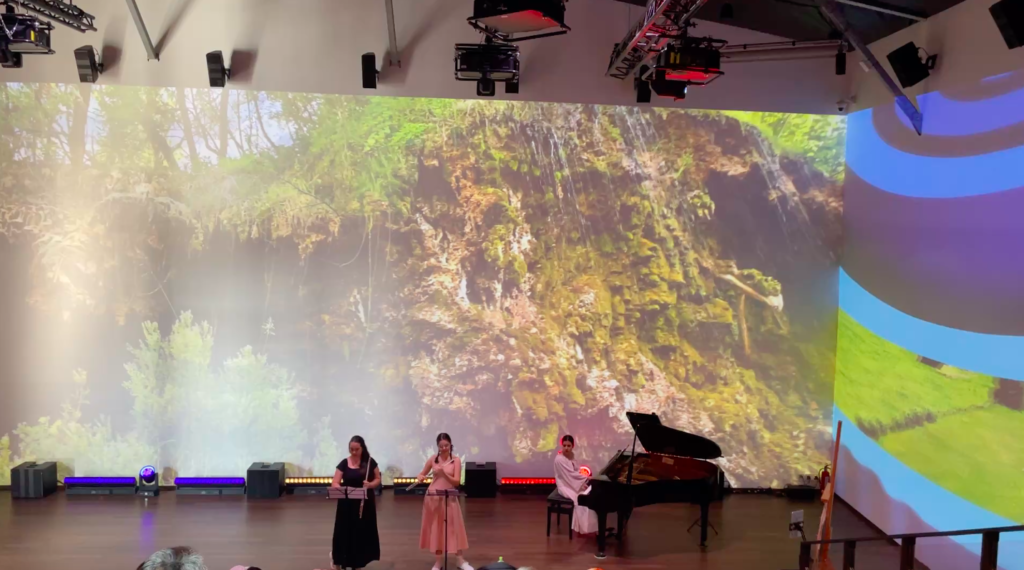
Romania Pavilion
Kuwait Pavilion
Austria Pavilion Restaurant
Czech Pavilion
Australia Pavilion
The Italy Pavilion, France Pavilion, USA Pavilion were amazing!
the Jordan Pavilion where you can walk through the desert, and the Turkmenistan
Pavilion (which is not yet open to the public as a tourist attraction) are
often in the spotlight. But I recommend visiting the Commons, where there are booths from
many countries within one building. You can see various local products, famous
celebrity figures, cultural arts, and more, almost without having to wait in
line. There are pavilions from A to F, and it’s impossible to see everything!
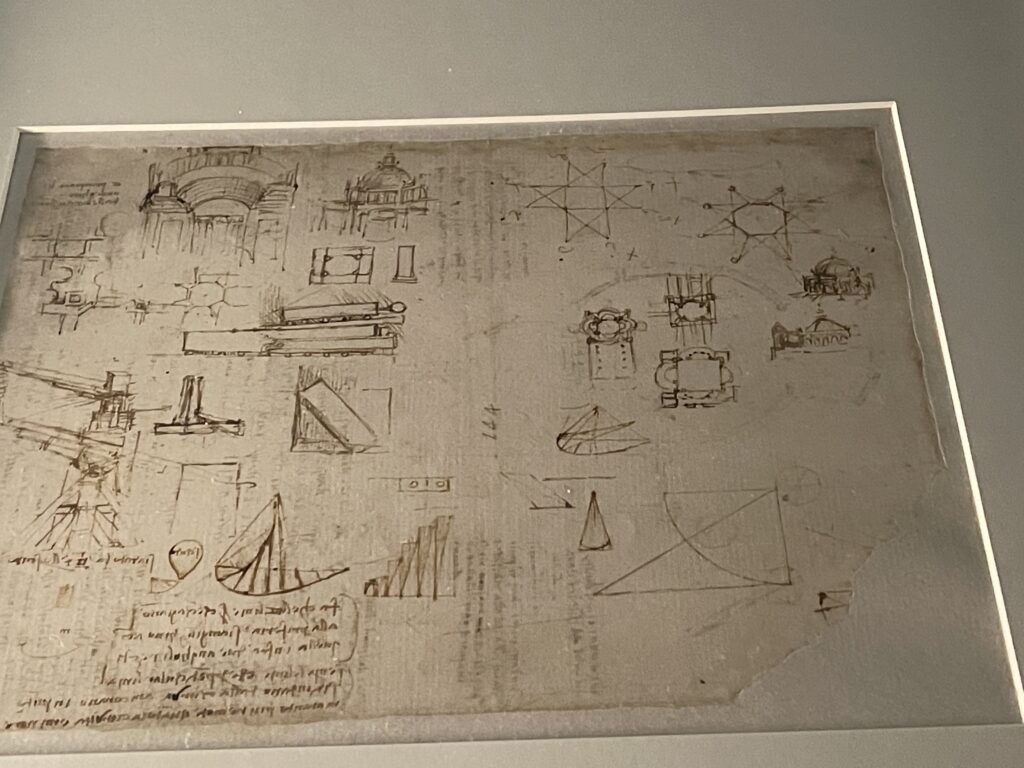
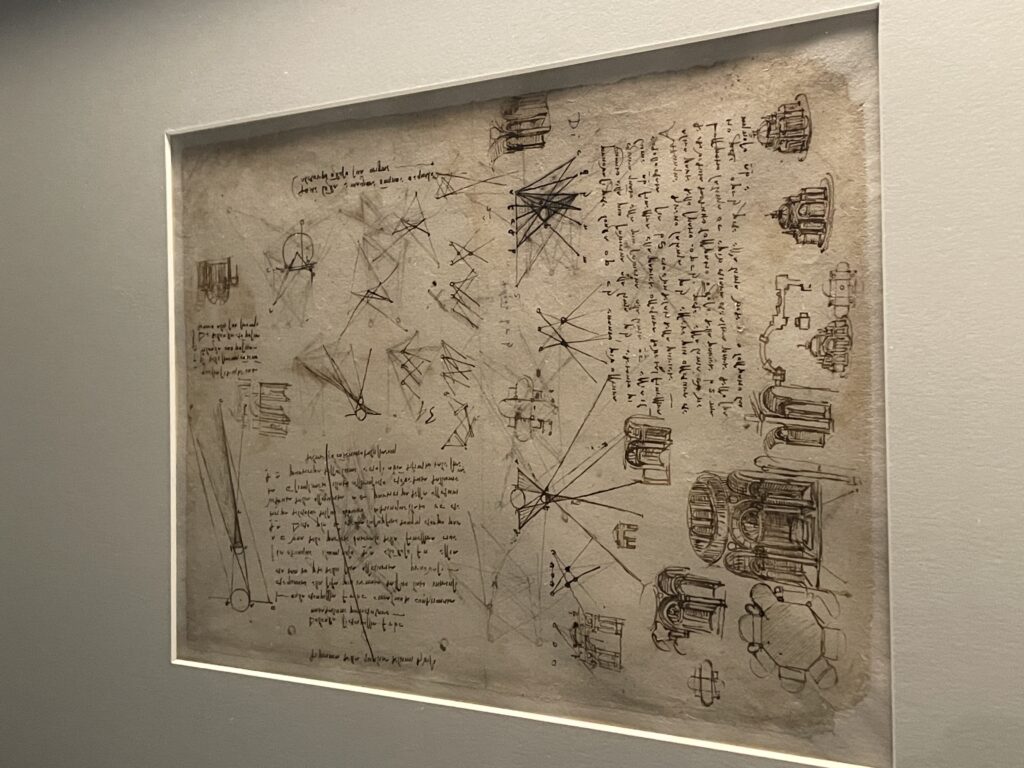
[Atlantic Code] Da VInci
[Atlantic Code] Da Vinci
[ The Entombment of Christ ] Caravaggio
If you can’t get reservations, you’ll just have to stand in
line. When I went, it was the day the Leonardo da Vinci exhibition was launched
at the Italy Pavilion, so I had to wait about six hours! But it was worth it
and very impressive.
It’s recommended to spend several days and visit the Expo
in a planned manner. On the first day, take a quick tour to get an overview,
and then, over the next few days, explore the places you really want to see.
The large roofed area offers shade and seating, and there’s free drinking water
available. Each country also has plenty of food and events, with Myaku Myaku being particularly popular.
There are also so many stamp rallies, so be sure to buy a
stamp book and collect them. The unique stamps of each country will be great
memories of the Expo.
After the summer vacation, I plan to visit again in
September. It’s that fun! The ethnic costumes worn by the pavilion staff from
each country are also wonderful. The Japan Pavilion was so popular that I
couldn’t get a reservation, so I look forward to visiting it next time.
I visited the “Japan, An Artistic Melting Pot”
exhibition at the Kyoto National Museum, and I was absolutely shaken by the
gathering of Japan’s national treasure collections. I don’t think there will
ever be another opportunity like this to see so many national treasures in one
place at once!
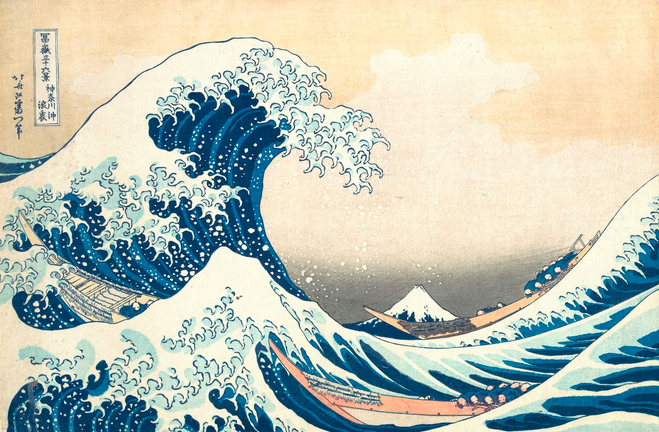
With the Osaka and Kansai Expo in mind, the National Museum
is certainly putting on quite a show. Works like the Fujin Raijin-zu byōbu (Wind and Thunder
Gods Folding Screen) and Fugaku
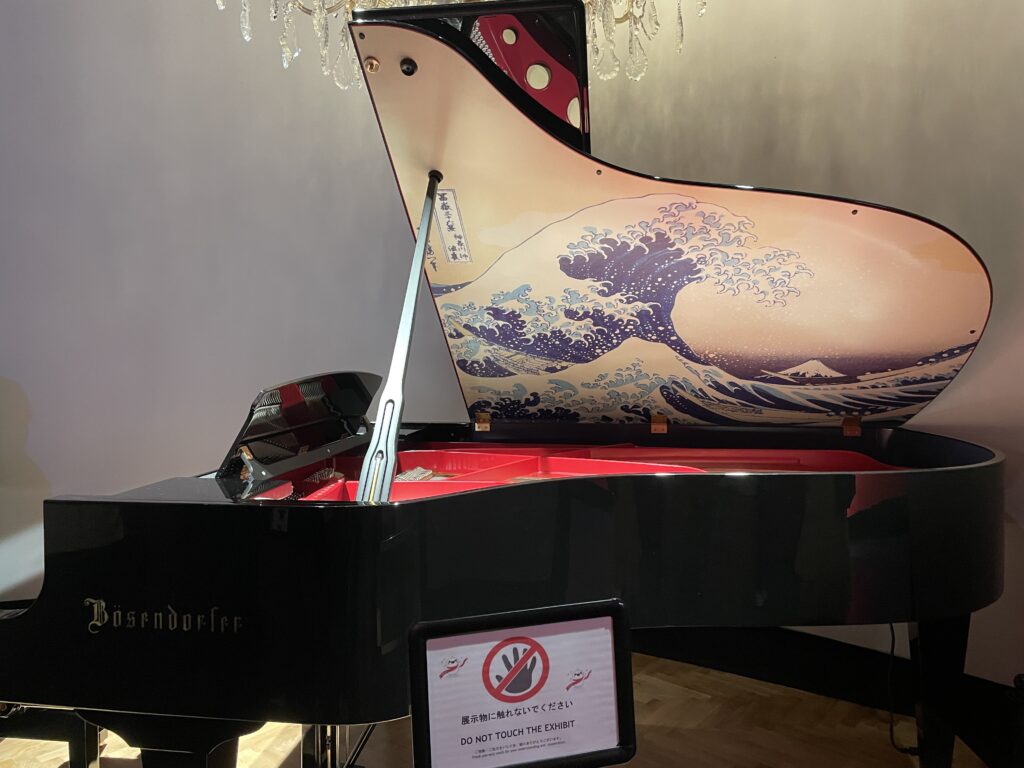
Sanjūrokkei – Kanagawa Oki Nami Ura, Gaifū Kaisei (Thirty-Six Views
of Mount Fuji – The Great Wave off Kanagawa and the Fine Wind, Clear Morning)
are on display together.
Typically, national treasures and sculptures are preserved
by the temples or institutions that have inherited them over generations, so
it’s expected that many would be in the Kansai region. But even in Tokyo, it’s
rare to see such a collection all in one place!
From Japan to abroad and from abroad to Japan: in many
ways, Japan has been influenced by other countries, while also influencing the
world. Amidst misunderstandings and modifications, there is a constant
curiosity and awe in the artworks and sculptures that reflect newly seen
animals, plants, people, foreign cultures, and first encounters with foreign
artists and works of art.
Personally, I really like the ceramics and Nanban (Southern
Barbarian) folding screens from the 16th century, Momoyama period. They
beautifully blend Japanese and foreign cultures—just the right balance.
Also, the artworks featuring motifs of flowers, birds,
wind, and moon, landscape paintings, mother-of-pearl inlay, and maki-e
lacquerware boxes are all wonderful. The haniwa (ancient clay figures) are also
adorable. (Yes, I love them all! Haha)
I spent a full three hours, and even participated in making
a maki-e letter paper and envelope workshop, which took about four hours in
total. Still, it felt like I didn’t have enough time.
Perhaps because of the rain, or maybe despite it, the Kyoto
National Museum had a large crowd, and it was hard to view each piece slowly
and carefully. It truly was an extraordinary exhibition, one that you rarely
encounter!
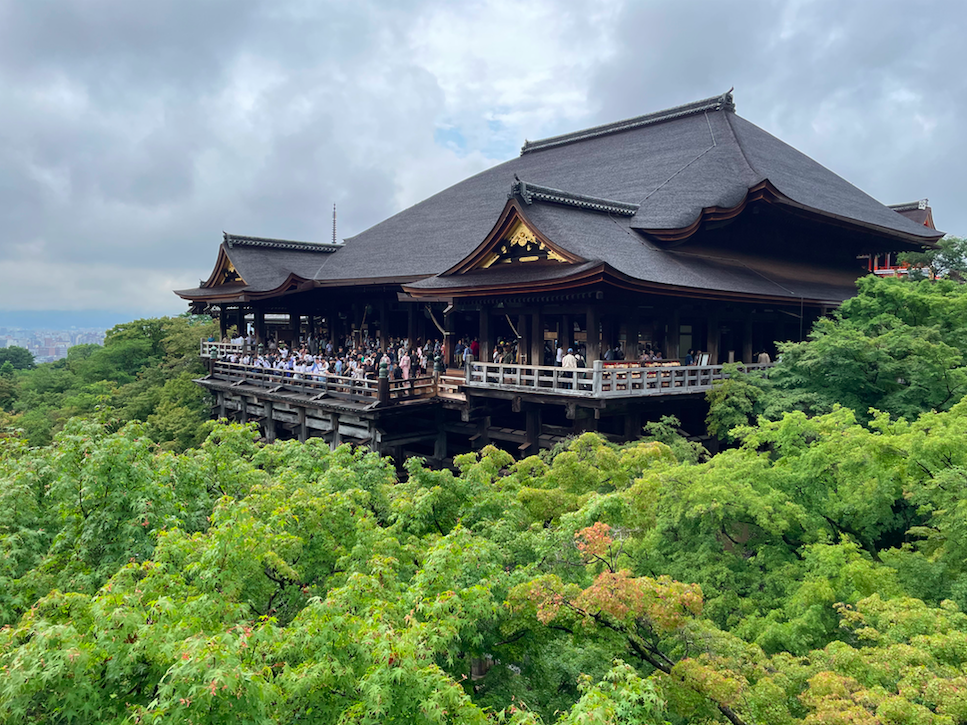
Kyoto is the most famous and popular city, especially tourists from abroad. Kyoto is one of the oldest municipalities in which was set imperial court in 794 A.D. by Emperor Kanmu. This, one of the ancient city of Japan is considered the cultural and historical capital of Japan and is a major tourist destination.
There is lot of tourist spots and
experience in Kyoto. Therefore, let me teach you the most convenient and
effective way to see around this city – using public bus and subway.
The public transportations are in Kyoto is
very cheap – for example, using public bus cost you only 230 yen (approx.1.5
dollars) for one ride.
Check the bus map below, which is divided into
5 points of areas of Kyoto, including famous shrines and temples.
Depending on the location, you may need to
use the train or subway.
Not only visiting old shrines and temples,
but also enjoying Japanese culture at Samurai Ninja museum or Kyoto
International Manga museum and Nintendo museum.
You can also have a walk around Kyoto city
with Japanese traditional kimono or yukata.
Meanwhile, the four seasons in Kyoto, each
has its own beauty.
Spring – cherry blossom, Summer – bamboo
forest, Autumn – fall foliage, Winter – snow etc.
Enjoy the scenery of each season with historical architectures and gardens.
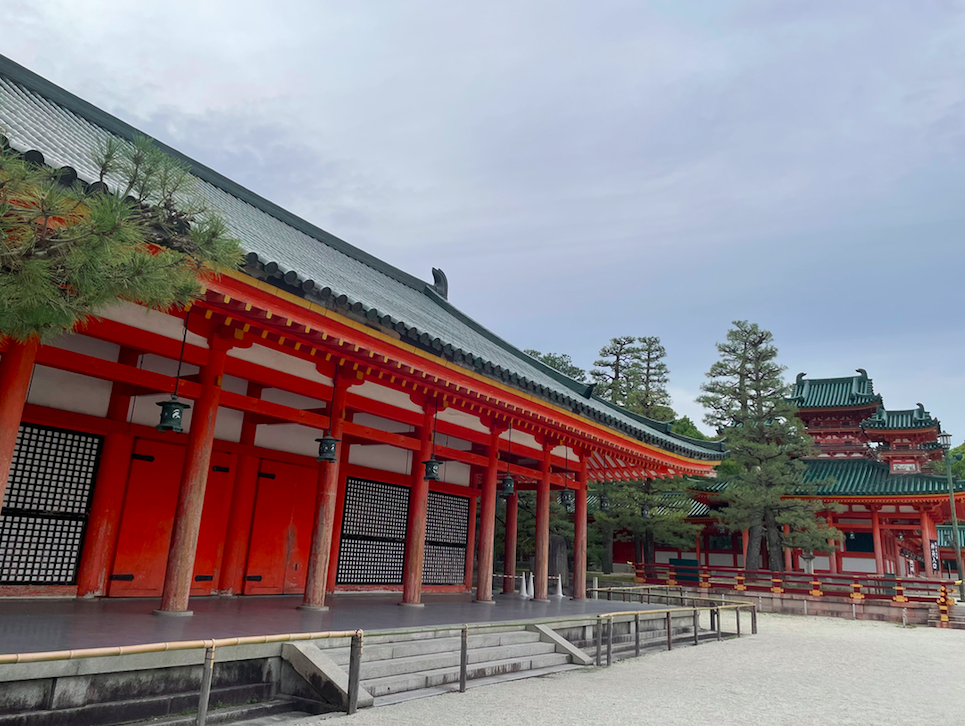
Heian Shrine
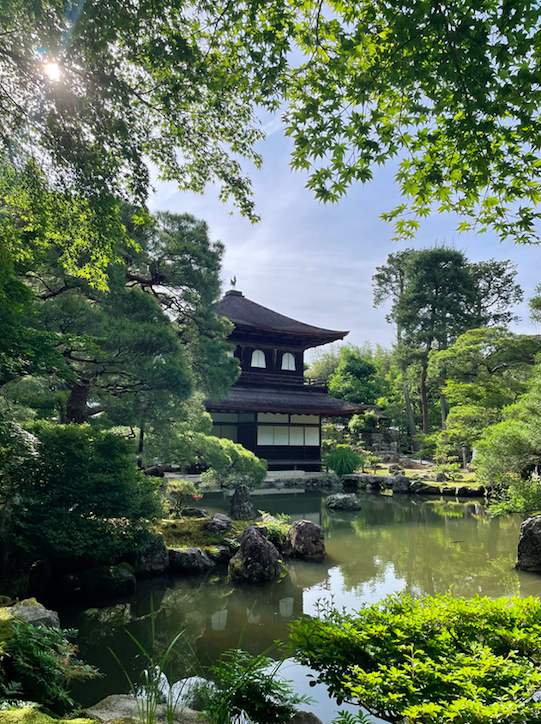
Ginkakuji Temple
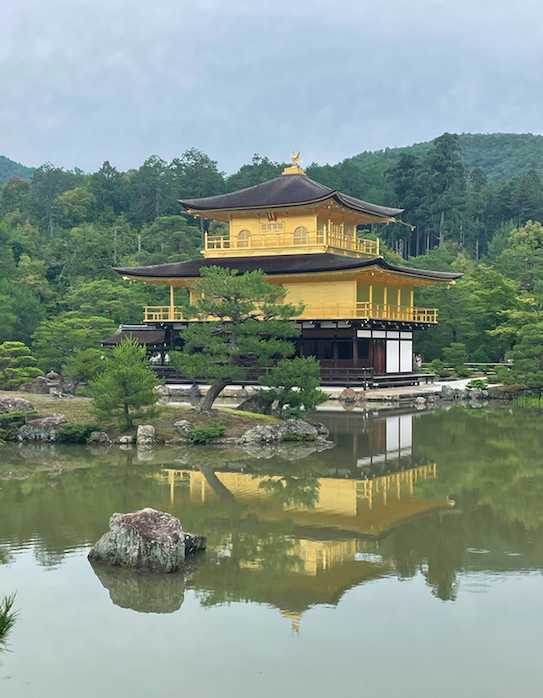
Kinkakuji Temple
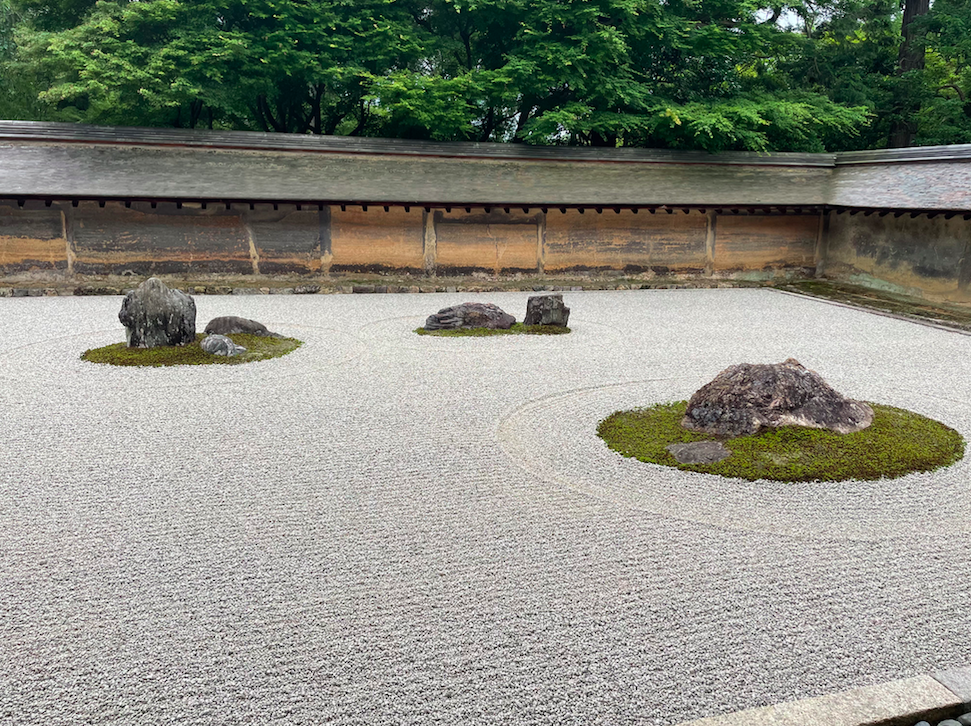
The garden of Ryuan Temple
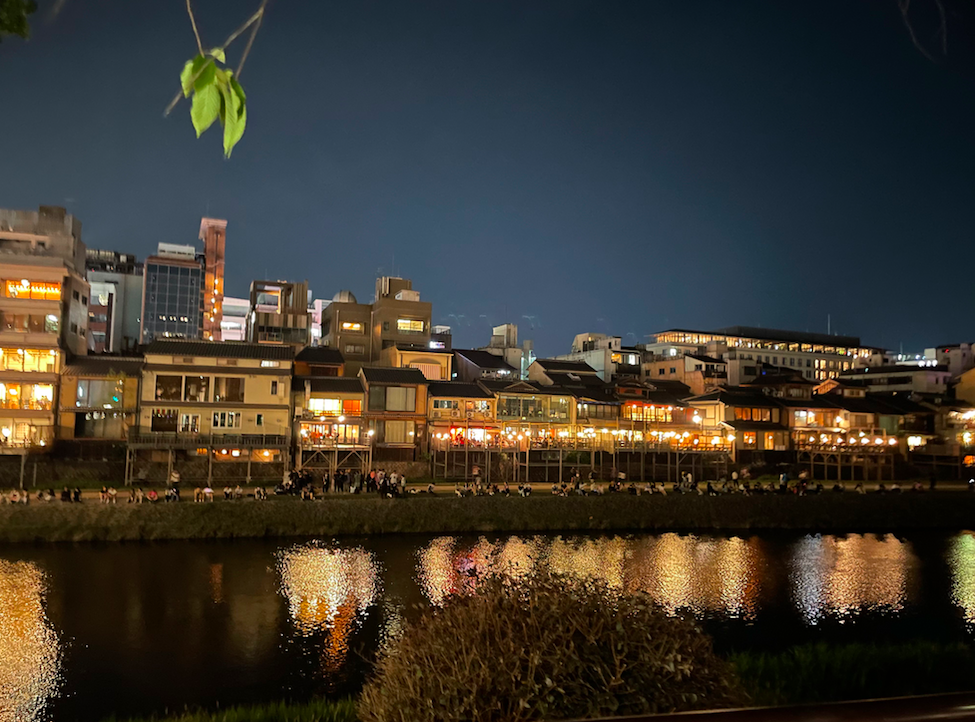
Kamo River
Fushimi Inari Shrine
Moreover, Kyoto has characteristic special quality of foods, especially foods that are made from soy beans and matcha (green tea). Kyoto Uji(京都 宇治) is one of the most famous production area of green tea leaves in Japan.
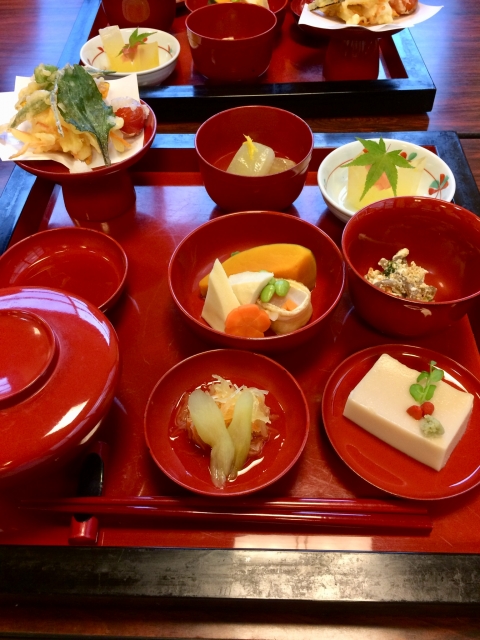
Tofu and yuba, soymilk cuisines have developed in temples at Kyoto, due to the prohibition of meat eating. It is called Shojin Ryori (精進料理).
Shojin Ryori could be a perfect meal for vegans.
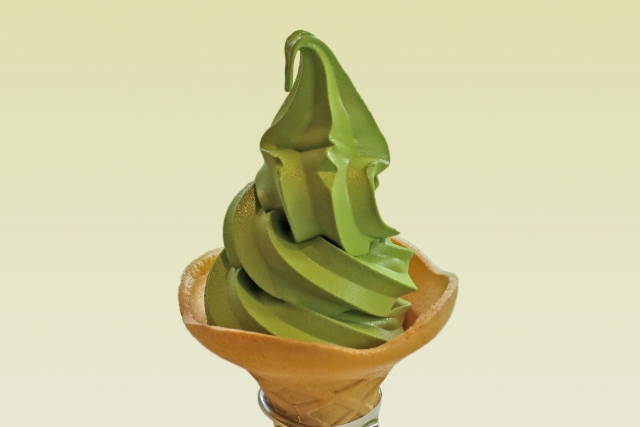
Macha(greentea) ice creams are available
anywhere in Kyoto.
Let’s try a fresh matcha ice cream here!
Besides, Kyoto vegetable pickles(京漬物)and Kyoto yatsuhashi mochi sheets with cinnamon powder(八つ橋)are also popular as souvenirs.