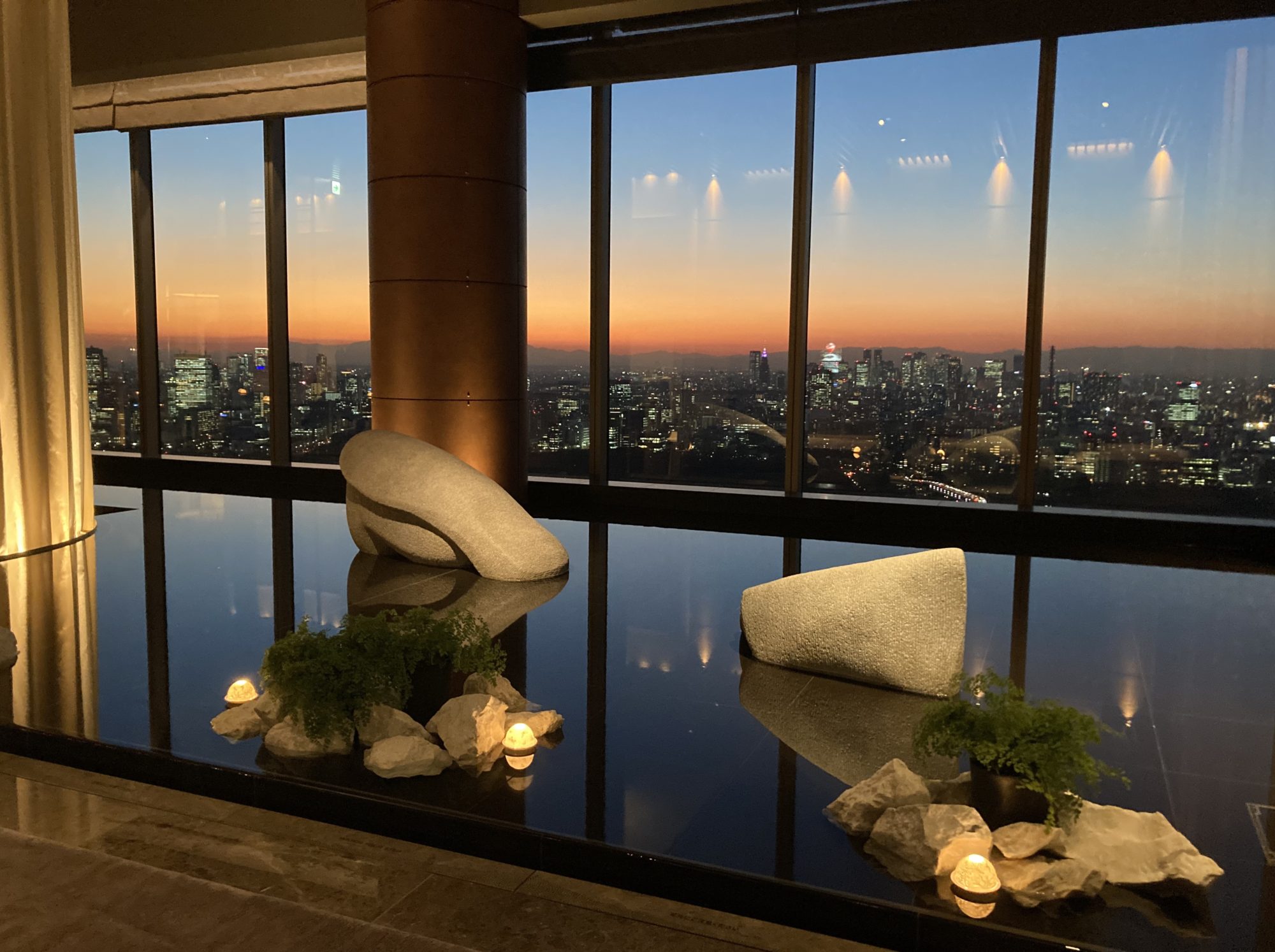
Are you experienced? The sacred sunrise from the top of Japan – Mt.Fuji Climbing!

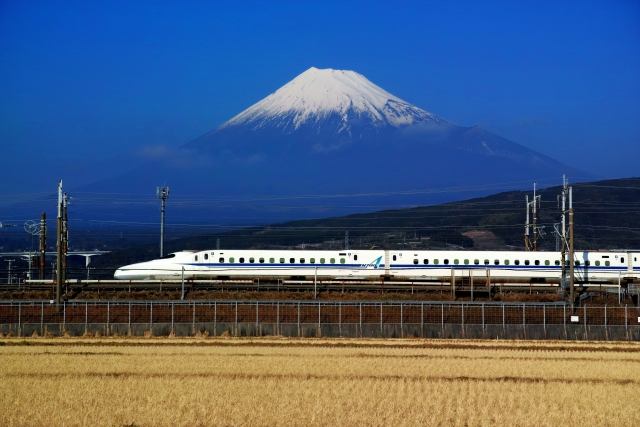
One of the most famous iconic symbol of Japan is Mt.Fuji.

-If you can just get your mind together

Then come on across to me

We’ll hold hands, and then we’ll watch the sunrise –

– “Jimi Hendrix “Are you experienced?”-

Mt.Fuji’s climbing rule changes for the 2024 mountain opening.

*Access restrictions will be imposed – Maximum 4000 people per a day.

*Restricted access the Yoshida trail gate at the fifth station will be closed from 4p.m. to 3a.m.

*Hiking fee 2000 yen should be made on the day or paid in advance on the Yamanashi Prefecture reservation system site.

*Optional donation will be appreciated – 1000 yen for conservation of Mt.Fuji’s environment.

Yes, Mt.Fuji is still beautiful when you look up the iconic mountain in the vicinity of the area. But it is not enough. Seeing is believing!! That must be true.

Let’s try to climb to the mountain and feel special moment & atmosphere at the top of Mt.Fuji.

I am not sure you can see the beautiful sunrise from the top of mountain, because mountain’s weather is always changing and Mt.Fuji has been told as “capricious volcano” for the last 1000 years. Yes, don’t forget, Mt.Fuji is just a dormant volcano right now. The last volcanic eruption in the past 500 years happened in 1707, while the edo era of Japan. In 2024, Mt.Fuji is volcanic level is level 1, potential for increased activity.

You might miss an unforgettable mountain view for good if you procrastinate to climb to the mountain this time. As I mentioned before, Mt.fuji is capable of eruption at any time.

You have a couple of choices of trails and trips.

From Yamanashi Pref. – Yoshida Trail is expected to open on July 1st – September 10th in 2024.

From Shizuoka Pref. – Subashiri Trail – July 10 to September 10, Gotenba Trail-July 10 to September 10, Fujinomiya Trail – July 10 to September 10 (Trail between 5th and 6th station: open from July 1).

Night climbing will not be allowed without staying in a mountain hut.

Most of climbers decide to stay one night at mountain houses (huts) where is stood in the level 8 of the mountain, but some of them, especially young people from foreign countries, try to climb it one night without having rest. It is called “Dangan Tozan 弾丸登山”- means “Bullet Climbing”. Bullet Climbing causes altitude sickness, hypothermia, risk of fall, crowded path to the top and so on.

https://www.fujisan-climb.jp/en/

Please read the official site above carefully, you should not force yourself to make an excessive schedule.

Shadow of Mt.Fuji – what it calls “Sakasa Fuji” – inverted Fuji.

It will be likely to be hot out, make sure you stay hydrated, and bring a long-sleeve t-shirt with you, because the mountain top is very very cold and windy!!

There is the Fuji-san Hongu Asama Taisha shrine and a post office in the top of Mt.Fuji, you can buy special souvenirs and post cards which you can mail it to your family & friends from the top of the mountain! It must be unforgettable experience in your life.

Sanrio fan’s paradise! Let’s get together @ Sanrio Café in Ikebukuro or Kamakura!

One of the most famous super star of Japan is Hello Kitty by Sanrio.

She always acts as a liaison between foreign countries and Japan. She is playing the  biggest role as an ambassador of Kawaii Culture.

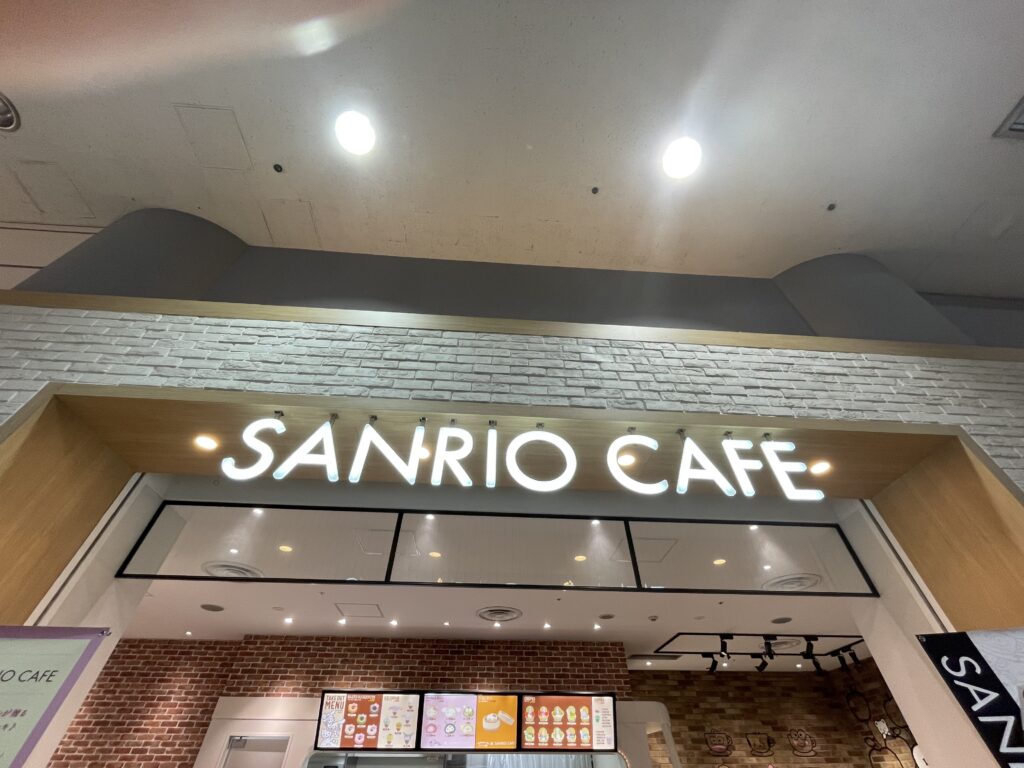
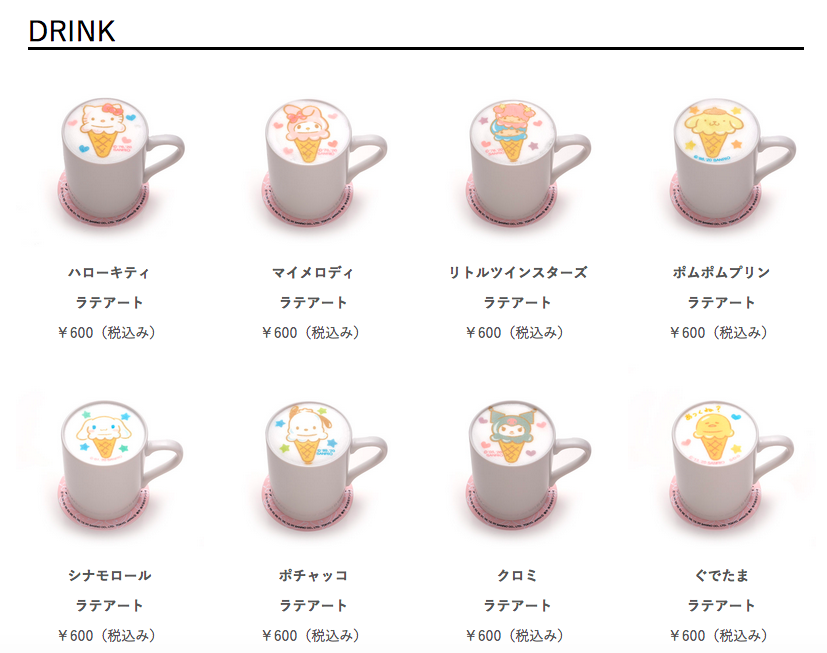
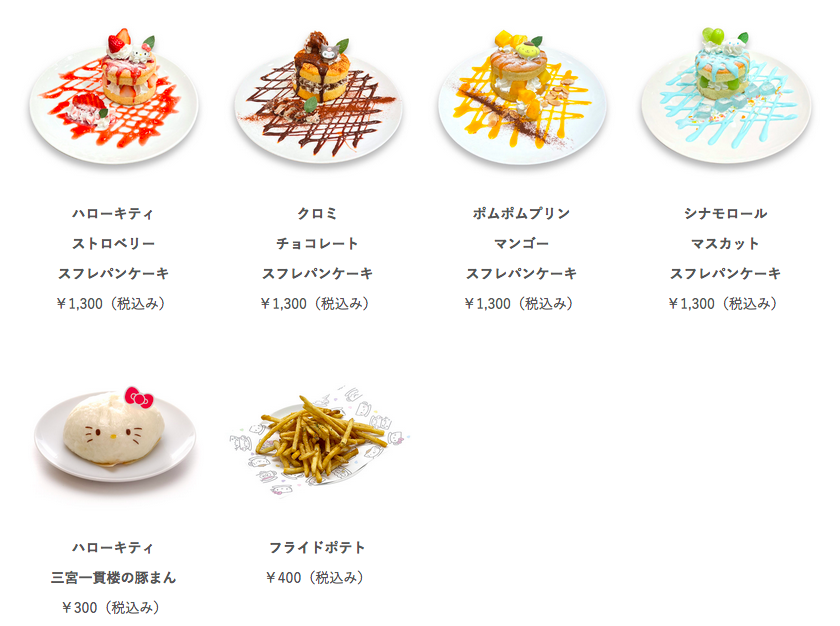
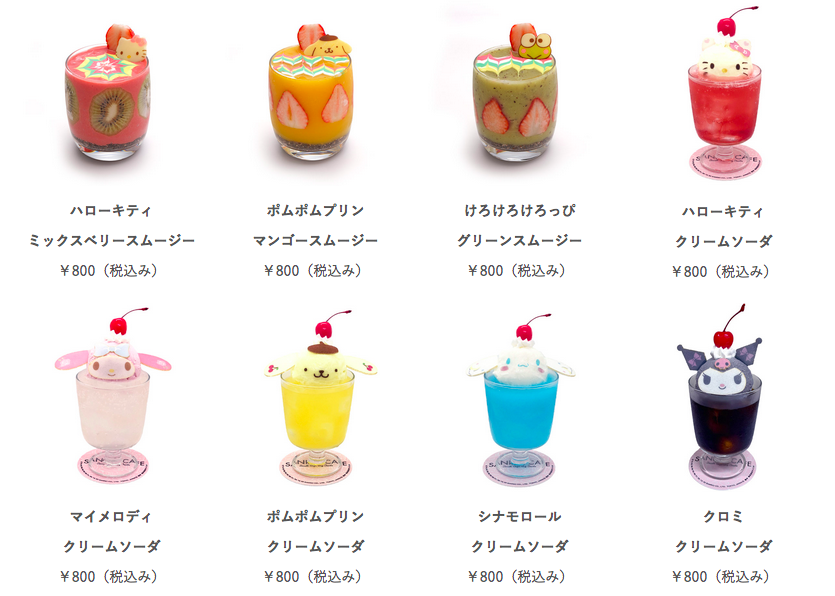
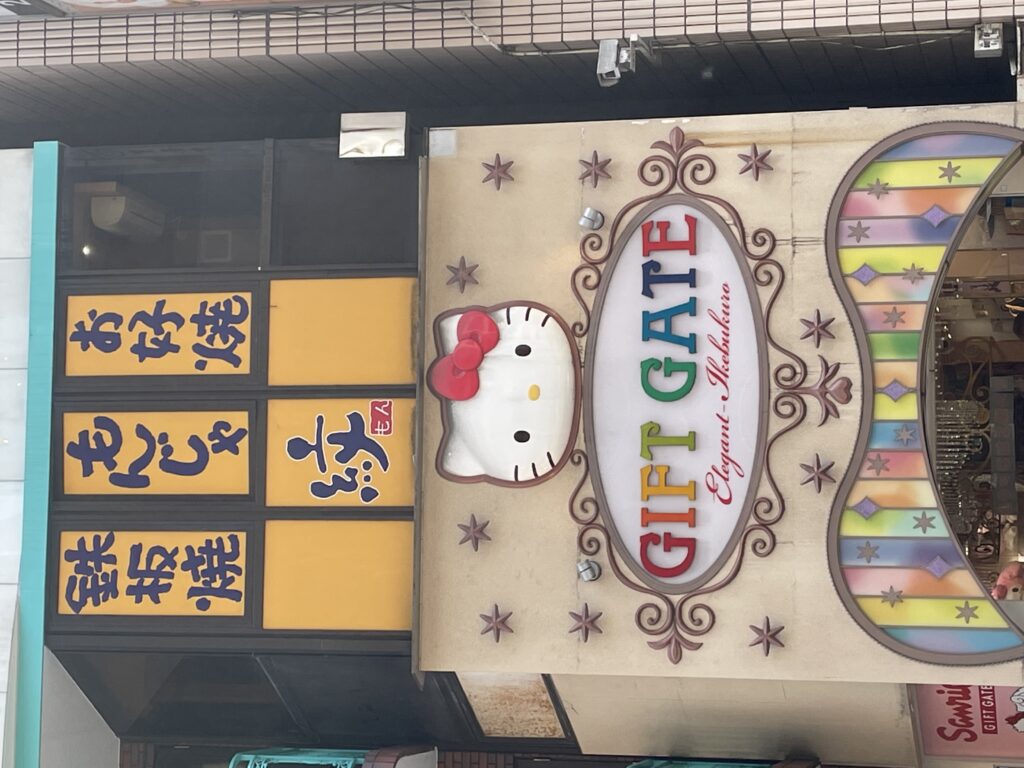
I visited Sanrio Café in Ikebukuro. There are many Kawaii characters of Sanrio, Hello Kitty, My Melody, Cinnamoroll, Pom Pom Purin, Kuromi, etc.

https://www.sanrio.co.jp/special/sanriocafe/

To say nothing of Ikebukuro, is also famous for Otome 乙女road where has lot of girl’s otakuオタク(nerd) shop paradise. There are many stores of amime goods in Otome road. Especially Fujyoshi腐女子 (girls who really love to B.L.(boy loves boy) comics and animes)) must be fascinated by these flamboyant world!

On the contrary to, Akihabara is the paradise of otaku guys or geeks 🙂 who love lolita girls and cute school girls’ animes. The area has a concentration of computers, video games, anime goods, retro games, dvds, home appliance stores in Akihabara.

Oh no, I am getting off the track. Ok, I am back to the main topic, sanrio café.

Sanrio stores can be found everywhere in Japan. But Sanrio cafés are only located in Ikebukuro (Tokyo wards) and Kamakura (Kanagawa prefecture).

I ordered Kuromi soda(iced coffee with black sesame taste icecream)

And Kuromi pancake!(chocolate pancake) @Sanrio Cafe. Cause I am a big fun of Kuromi.
Kuromi has gothloli(abbreviation of gothic lolita) look with black costume and wearing heavy make up(look like the rock band Kiss!).

According to Hello Kitty Wiki, https://hellokitty.fandom.com/wiki/Kuromi

Kuromi (クロミ, Kuromi) is My Melody‘s rival, who is a white rabbit or imp-like creature wearing a black jester’s hat with a pink skull on the front and a black devil’s tail. The skull’s facial expression changes to match Kuromi’s mood. Fittingly, her birthday is Halloween (October 31st). Her name translates from Japanese to English as “black beauty”.

Kuromi’s appearance is also similar to those of cartoon characters from the 1990s such as Pichu from Pokémon. Kuromi has become a popular character for the punk, scene, and goth crowds due to her appearance.
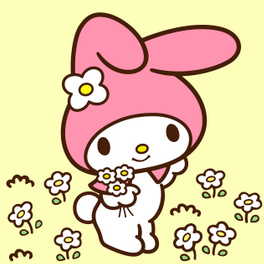
If Hello Kitty and My Melody were angels, Kuromi would be a sweet little demon. She has just irresistible charms for gothic lolita-lovers. Don’t you think she is intriguing anything against My Melody above, do you?

Let’s enjoy the sub-culture paradise of Ikebukuro and Sanrio café!

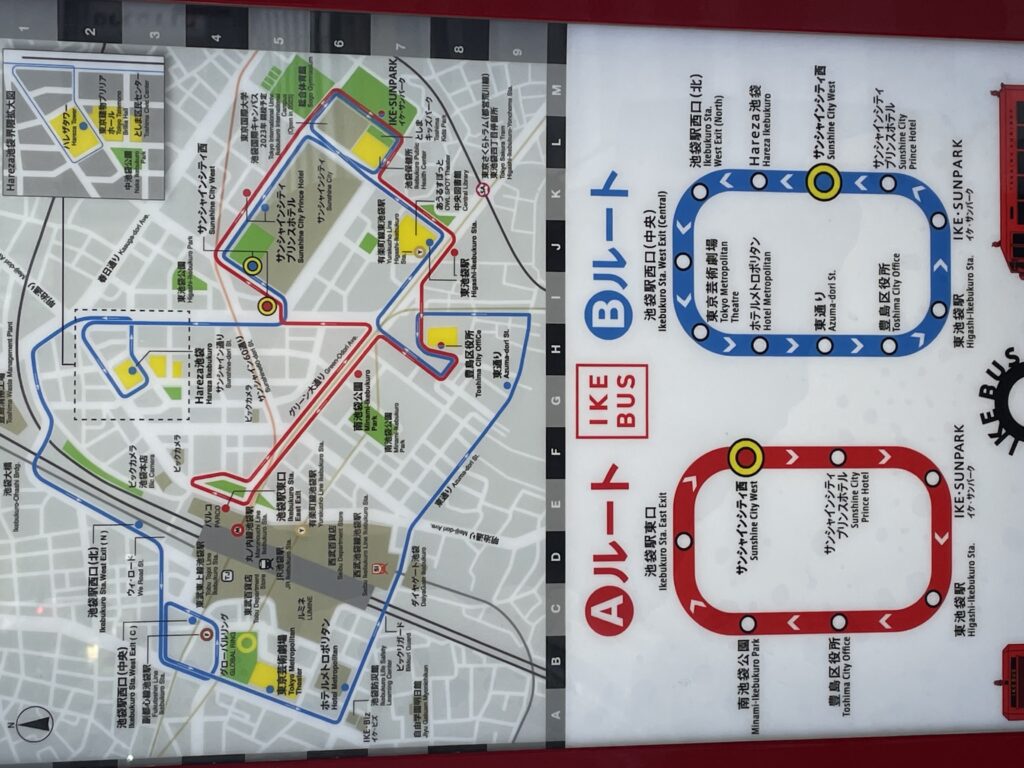
Please stop by Ikebukuro area and see around Otome road. Also Ike-buses池袋バス are available from the east exit of JR Ikebukuro station. The fare is 100 yen.

Sanrio goods are also available at Ginza and Asakusa, Shibuya. You can find many small Sanrio stores on the website below,

https://stores.sanrio.co.jp/en/tokyo

Tokyo flower festivals – Ueno, Kameido, Katushika, Edogawa,Kinshicho Explore – Tokyo retro eastern area!

As I mentioned in the previous posting, cherry blossom blooming – initiates new semester and new businesses year in Japan, because cherry blossoms commonly bloom in the beginning of April. (However, under the influence of global warming, cherry blossoms have been blooming and scattering during March the last few years in Tokyo area).

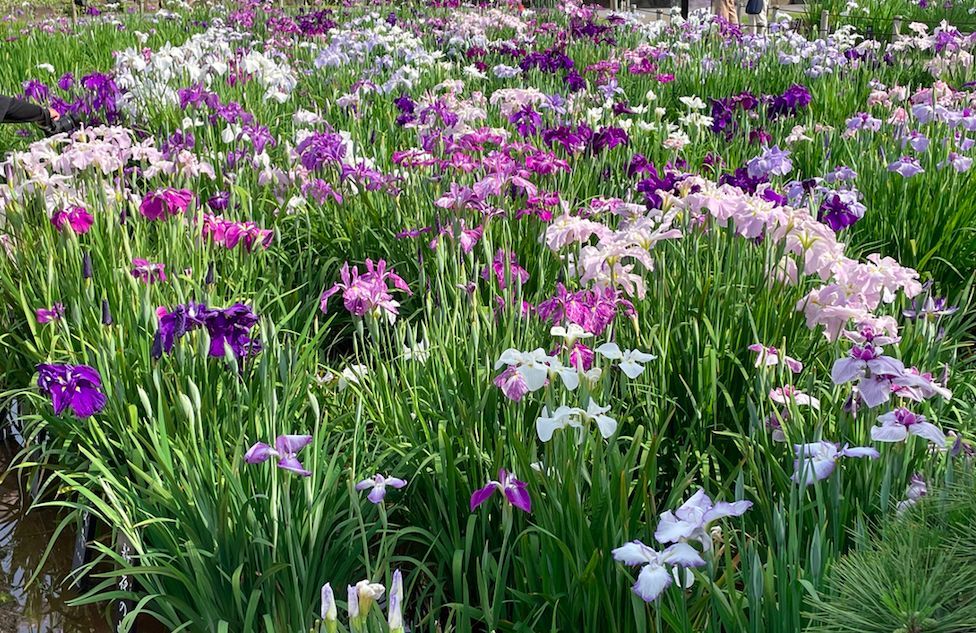
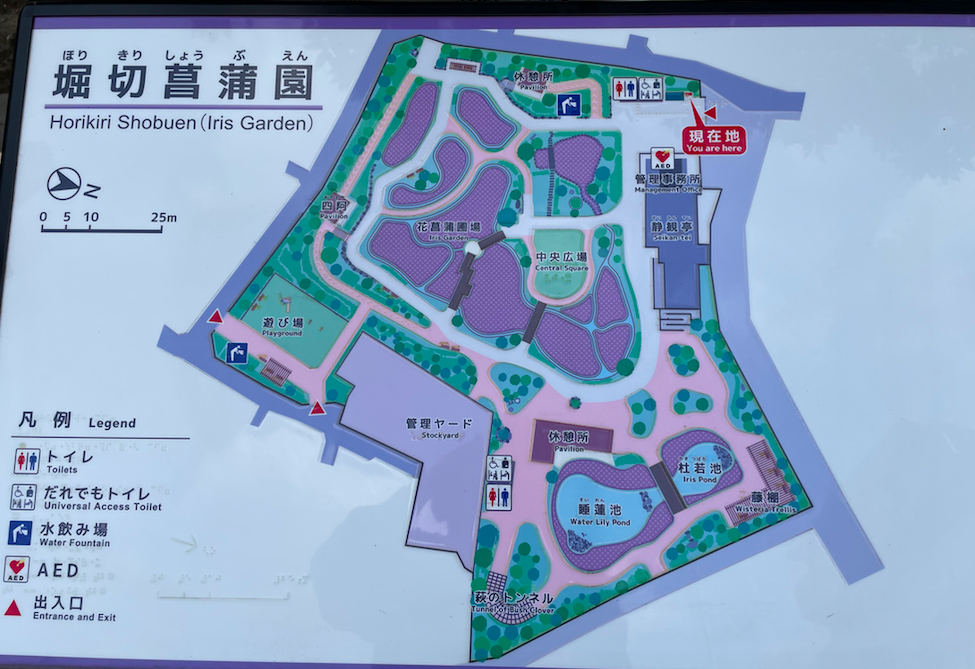
Iris Festival – Horikiri Shobu-en

Cherry blossom blooming season is one of the famous highlights of Japanese sightseeing, moreover you admire flower blooming scenery, we could introduce you some famous flower festival spots in Tokyo.

In Kameido(JR Sobu Line station), where is famous for The Plum Tree Festival from February to March at Kameido Tenjin Shrine. After that, Wisteria Festival takes place in the middle of April. There is over 300 tress of plum and beautiful wisteria trellis – consists of over 50 trees of wisterias.

Wisteria Festival at Kameido Tenjin Shrine

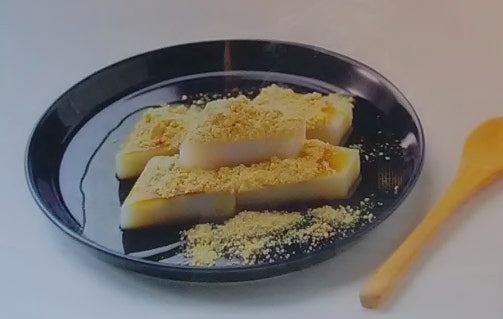
If you have a sweet tooth, you may try to have famous Japanese traditional sweets – Kuzumochi(葛餅) in Funabashi-ya in Kameido – the shop is located in close to Kameido Tenjin Shrine.

Kuzumochi with Kinako and Kuromitsu

In Katushika, Edogawa, there is famous Flower Irises Festival during May and June.

The flower garden names are, Horikiri Shobu-en, (Edogawa) Koiwa Shobu-en, respectively. Horikiri Shobu-en and Edogawa can be reached by Keisei line. Only 5 or 10 minutes walk takes you to those flower irises gardens.

In the rainy season begins June in Tokyo, hydransias start to bloom.

At the Kinshi(cho) Park is one of interesting selfie spot – with Tokyo Skytree Tower and hydransias and you!

Ueno, Kameido, Katushika, Edogawa, Kinshicho, are located in Tokyo eastern area, also are called “Shita-machi(下町)“downtown area in Tokyo” including Yanaka(谷根千) area.

You can explore retroactive atmosphere in deep, old Tokyo eastern area and enjoy this short escape from neo-futuristic city of Tokyo !!

Those flower gardens above are – all free of charge! Yeah!!

Kappa Bashi Dogugai (合羽橋道具街)- for all enthusiasts of cooking utensils & kitchen gadgets!

Do you know Kappa Bashi Dogugai(合羽橋道具街)Tokyo?

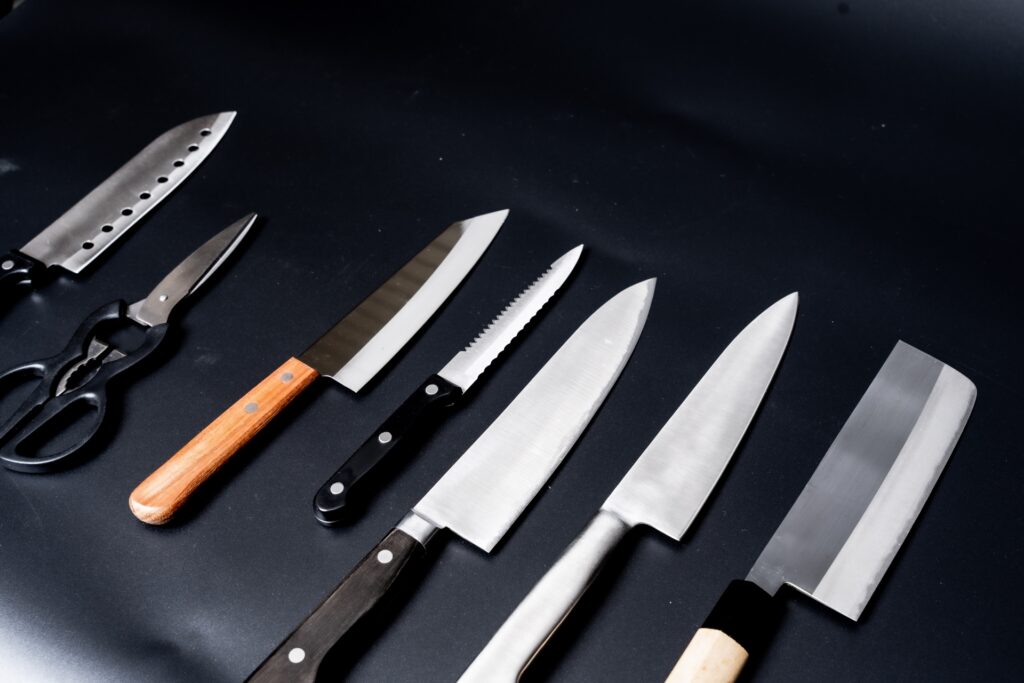
If you are a professional chef, even though nothing but an amateur cook, you will be fond of this town. There are many kitchen wares and supplies in many genres of cuisines tools for professional cooks in everywhere Kappa Bashi.

Just five to ten minutes walk will take you to Kappa Bashi Dougugai from Asakusa station. It is located in between Asakusa to Ueno.

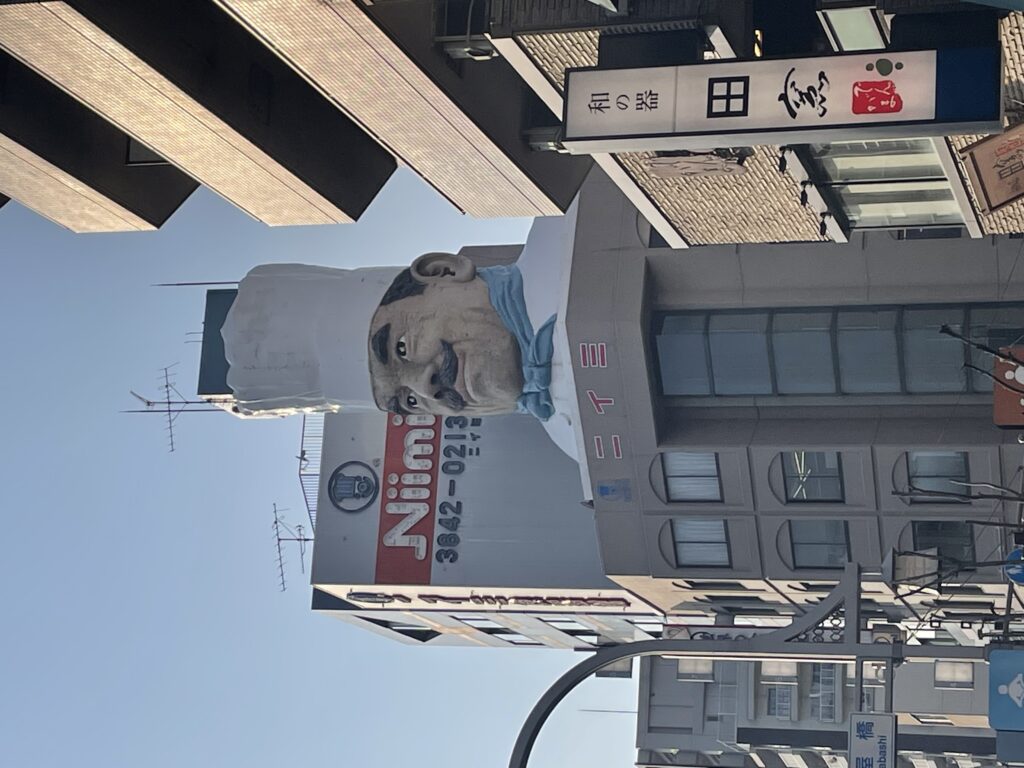
The landmark of Kappa Bash is “The Big Shef” from Niimi Youshokki Store at the corner of south end in Kappa Bashi Dogugai street.

I just stop by this street to find a couple of knife sharpener of my own knives.

Even old, rusty, dull, flawed knives are likely to be renewed by using three types of knife sharpener (Toishi砥石) from coarse to fine textures. The knife sharpener experience was a kind of magic, exhilarating. My own knife became almost brand-new one!!

Knife sharpener lessons on site are available in Kappa Bashi Dogugai.

Also, you can find out many lesson videos @You Tube.

Nothing would need to have an elaborate training for sharpening knives. Don’t be afraid and not to be too much meticulous. Learning useful tips of knife maintenance will make your knives long-lasting. It is also contributing to sustainable living.

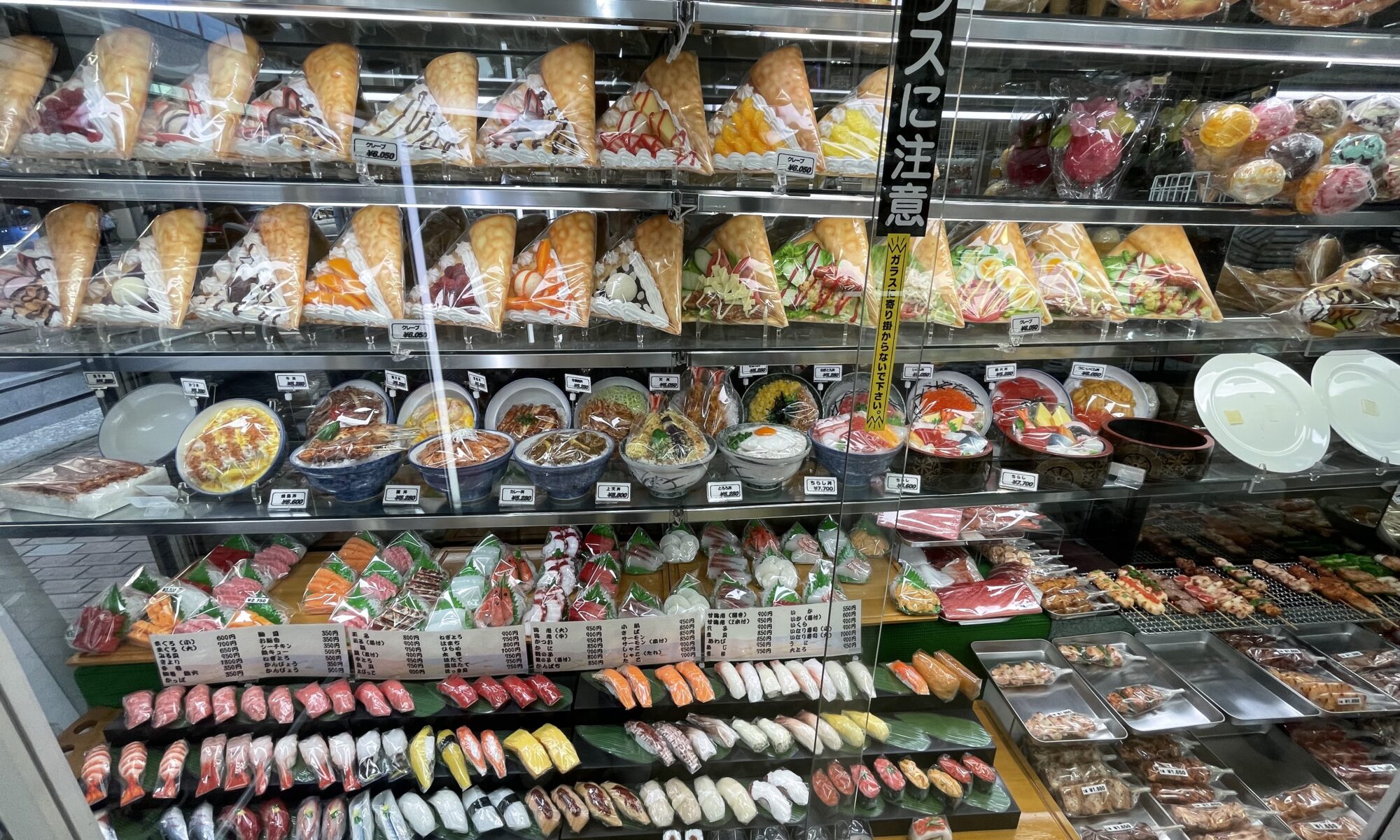
Maybe you also like plastic food samples. I like them too. They are look like real dishes and fresh foods. Small food sample of magnets, key holders are also good for souvenirs.

Japanese Hashi(箸)and Yunomi(湯呑み)ceramics, dishes, Tekki(鉄器),Sake bottles(徳利)and cups(御猪口) are very cute and have a varieties of colors, textures.

If you plan to go to Asakusa, Ueno, don’t forget to stop by Kappa Bashi Dogugai. But one point that I need to mention, most of stores of Kappa Bashi will be closed on Sunday and generally open 9a.m. to 5p.m. Don’t be late, don’t procrastinate to visit there and enjoy finding your precious curios – @ Kappa Bashi Dogugai!!

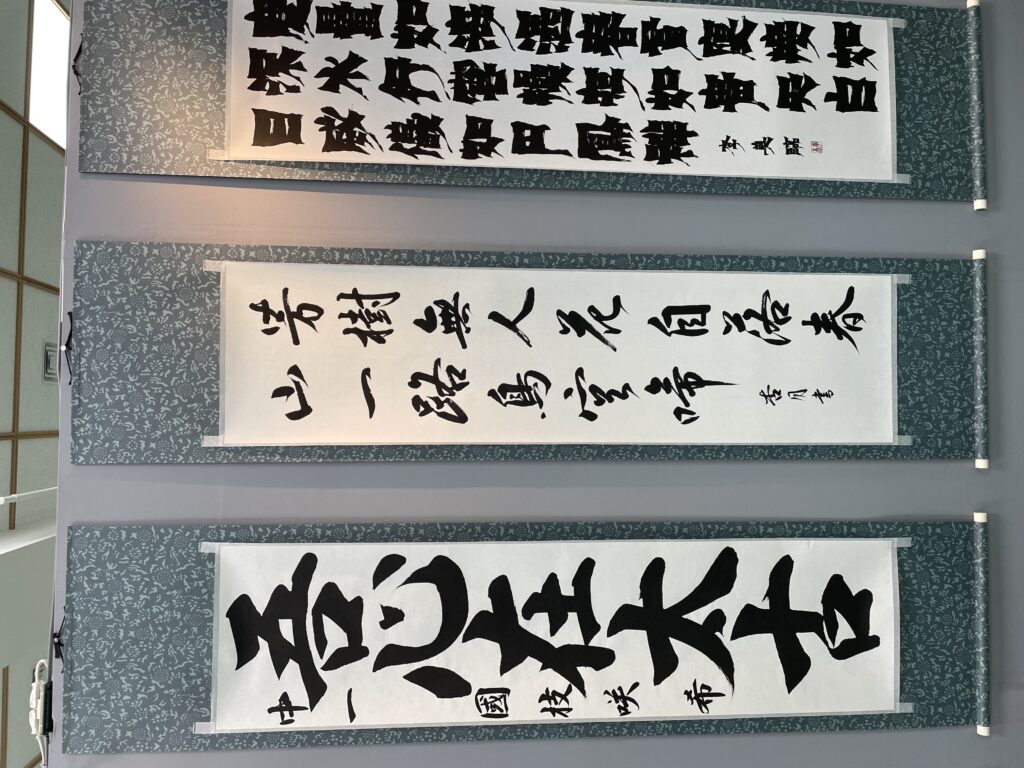
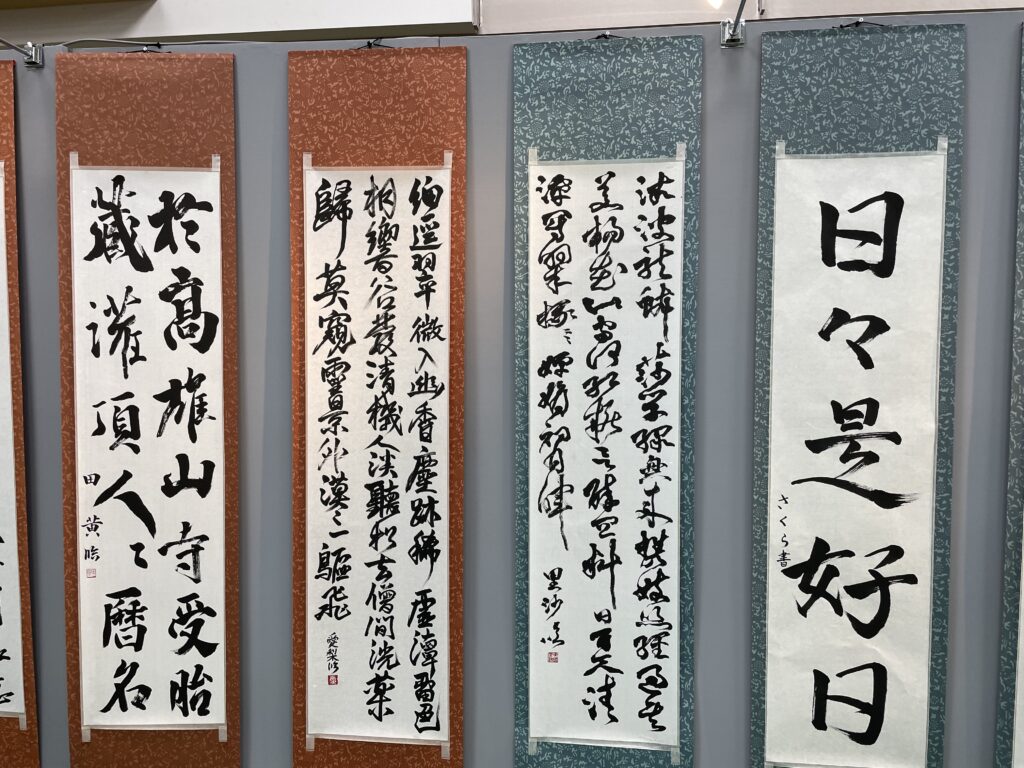
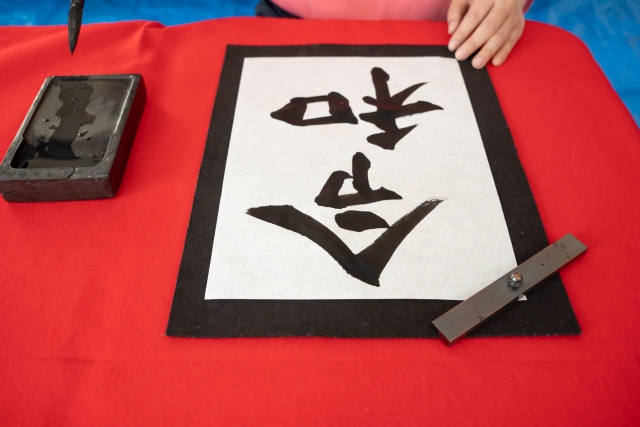
Shodo(書道)-Calligraphy-expresses spiritual depth and beauty by means of Kanji and Kana-Chinese ancient poems and Japanese old saying.

In my previous posting, I introduced that Japanese new year’s customs –Kakizome- the first writing of the new year with Japanese writing brush (fude 筆) and ink(sumi墨). People commonly write new year’s resolutions, auspicious words and poems for celebrating new year.

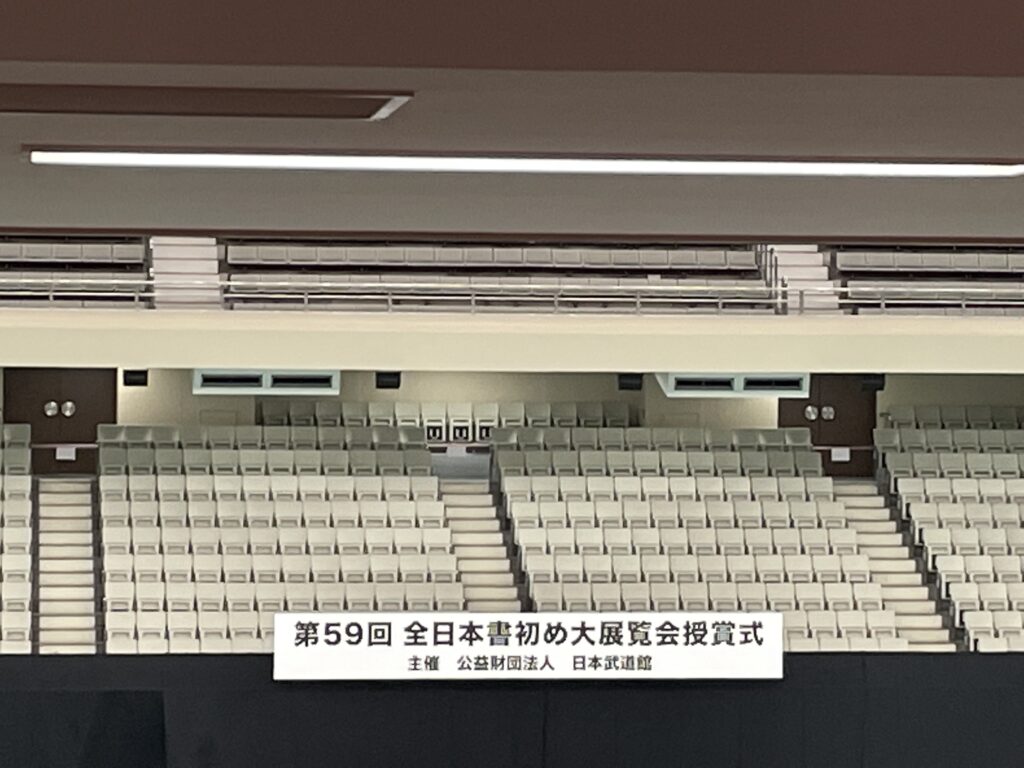
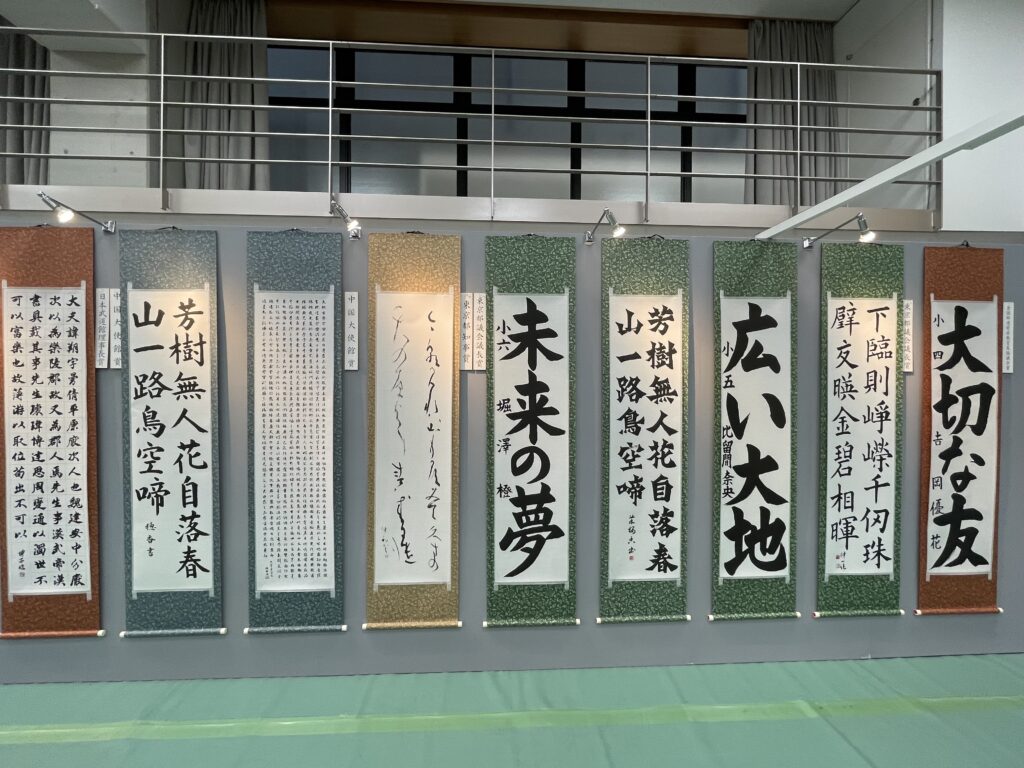
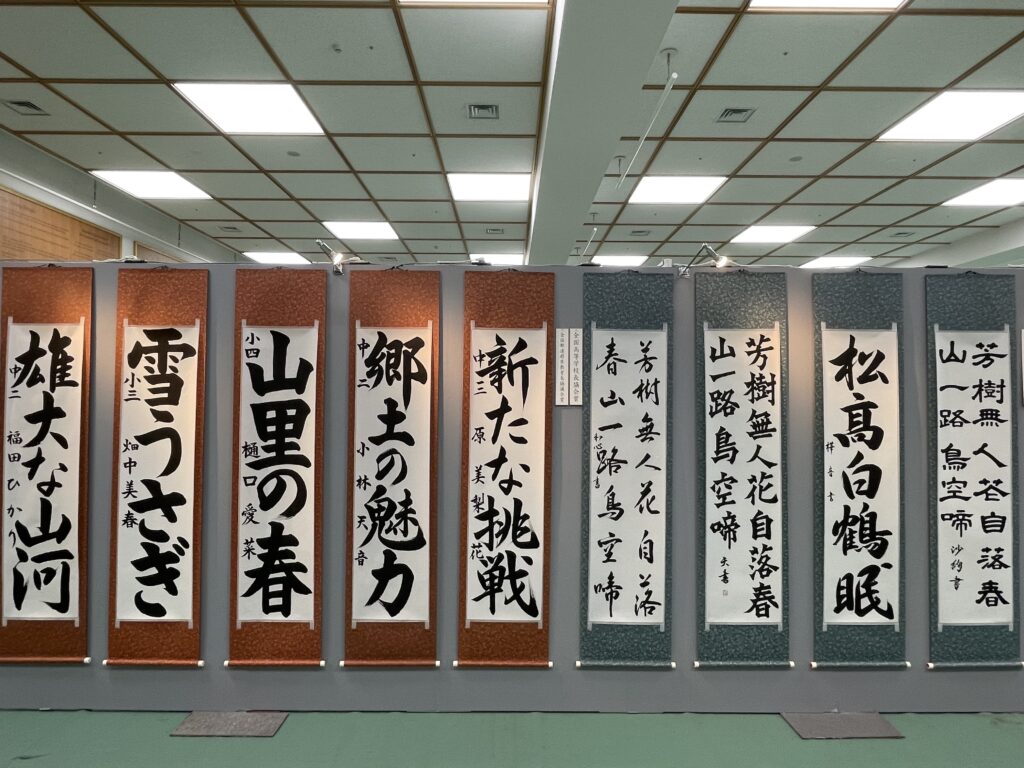
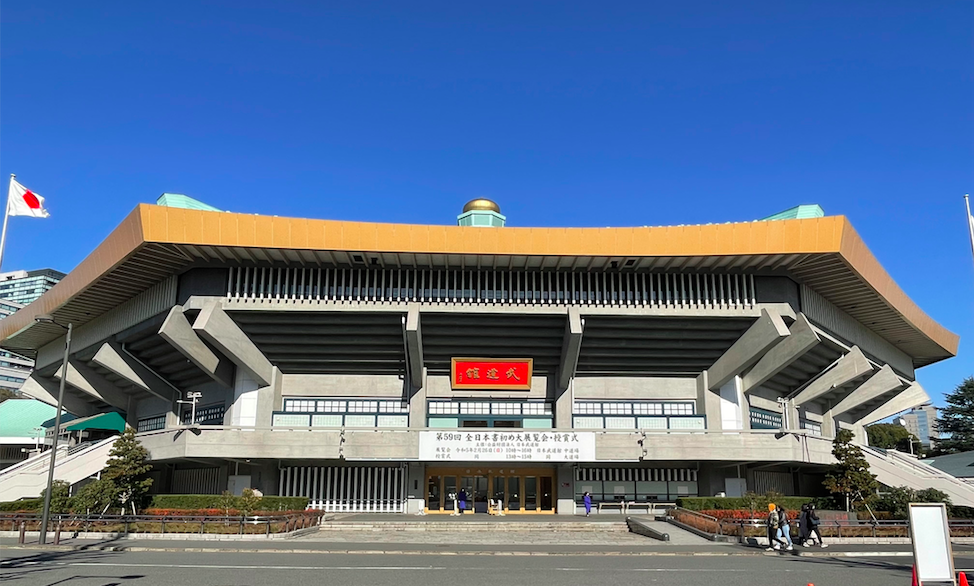
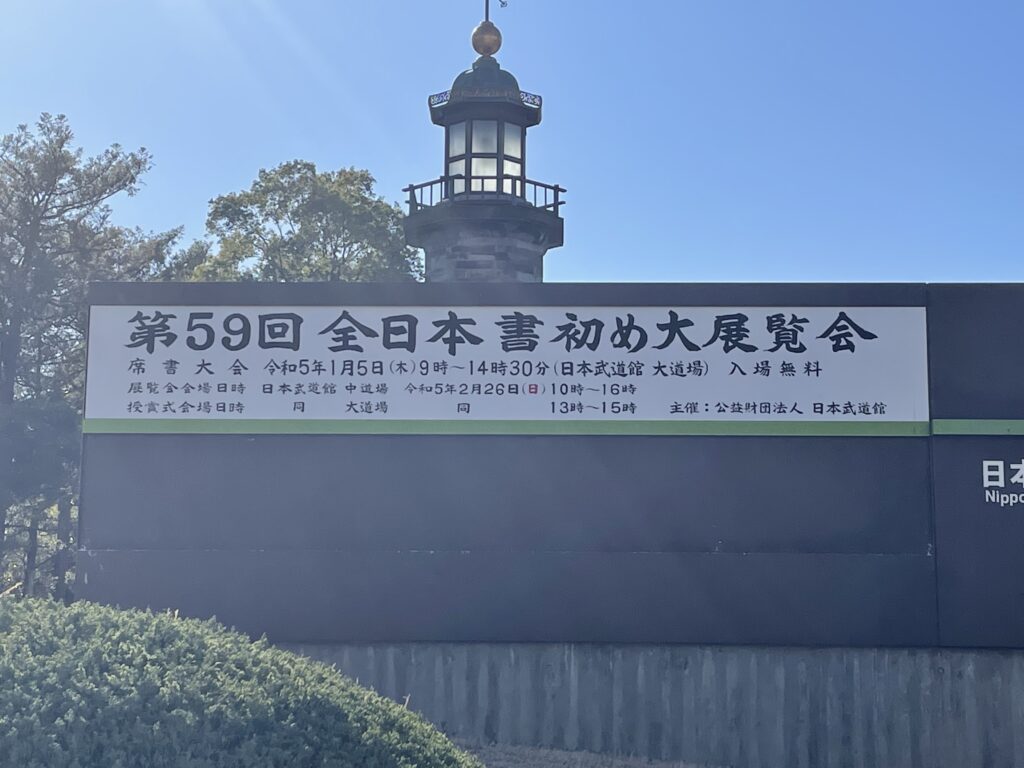
The 59th Kakizome competition and exhibition of Japan took place at Nippon Budokan in February 2023.

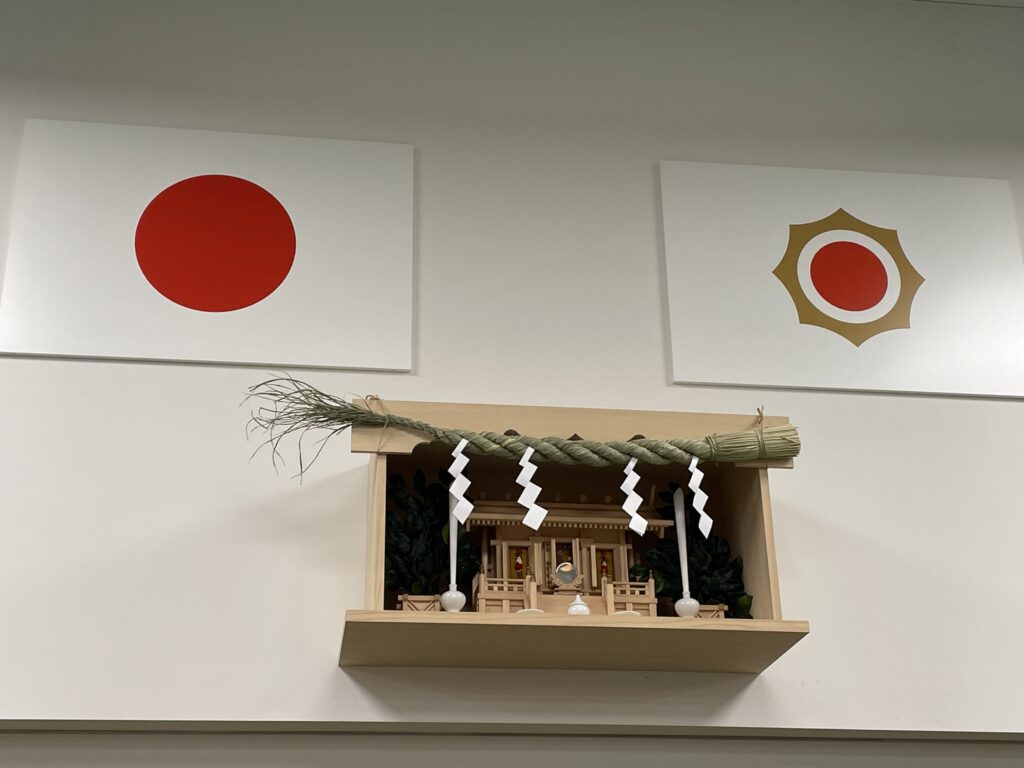
Nippon Budokan, maybe, no need to explain, the central organization hall for the promotion of Japanese Budo武道 (ex. Judo柔道, Kendo剣道, Kyudo弓道,Aikido合気道, Karate空手, Sumo相撲, and so on). Furthermore, it is also a well-known place where is legendary, prestigious live concerts hall. Famous musicians have been holding their live concerts at Budokan since 1964, like The Beatles, Cheap Trick, Kiss, Aerosmith, Eric Clapton, Guns N’ Roses, etc. (excuse me, I am a huge hard rock, heavy metal fan!)

http://nipponbudokan.or.jp/english

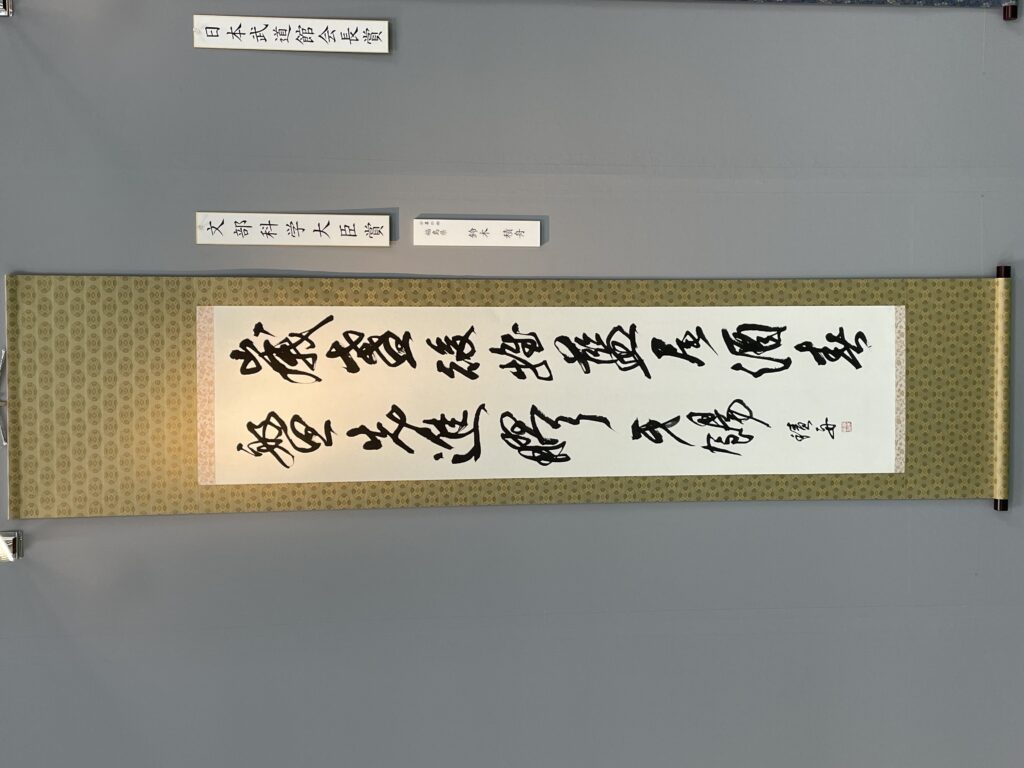
At that time, there was the award ceremony and an exhibition for the winners of 59th Kakizome competition.

The appreciation of a work of calligraphy depends on the beauty of expression, theme selection, writing style, meaning of the words or poems.

Calligraphy has been more highly respected as an art in China, Korea and Japan for a long time, because of the complexity of the Kanji character. In Japan, They are often displayed at Tokonoma(Japanese alcove) as the main theme of Kakejiku.

The awards judgement have been made by each sponsor like news paper companies, governmental organizations, cultural organizations, thief of municipals. The evaluation criteria is based on brush strokes, letter structure, gradation of light and shade of sumi, arrangement, letter alignment. Every letter should be unified as one worldview by using a one washi和紙(hanshi) 半紙paper,bunchin文鎮, suzuri硯, shitajiki下敷.

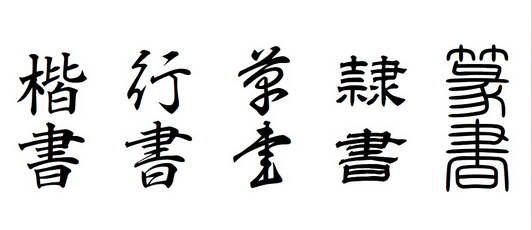
Shodo has basic 5 figures of writing Kanjis, 篆書(Tensho)、隷書(Reisho)、草書(Sosho)、行書(Gyosho)、楷書(Kaisho).

Kaisho, Gyosho, Sosho, Reisho, Tensho,

As I mentioned before, writers have a tendency to select new year’s resolutions, happy auspicious words, old Chinese poems, Japanese old proverbs for their writing themes.

Everyone feel happy for watching Childrens’ kakizome in January.

Also, I was really impressed when I stood in front of artistic shodo works by professionals, even amateurs, those shodo works were…beyond description!

Japanese tea ceremony – the spirit of “Omotenashi”

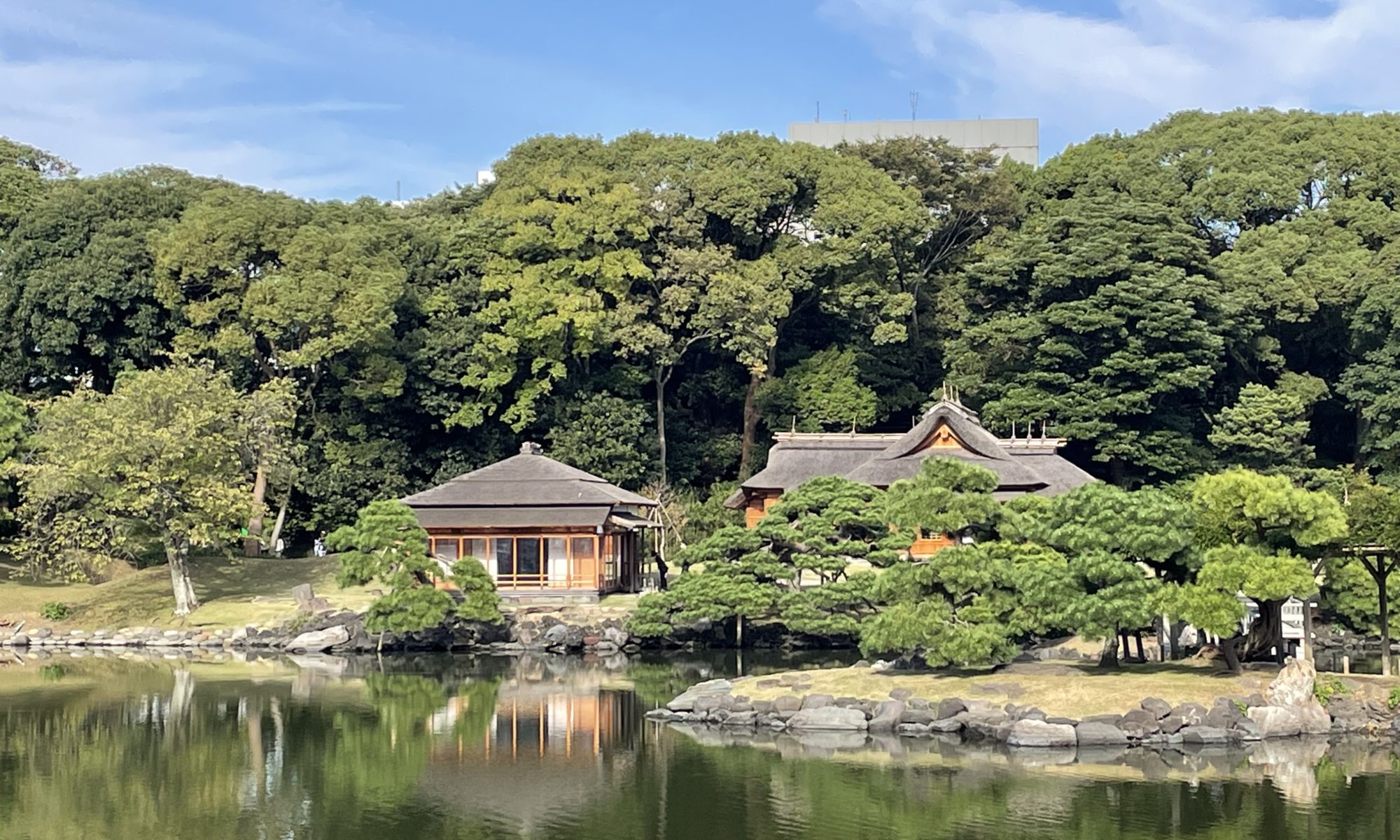
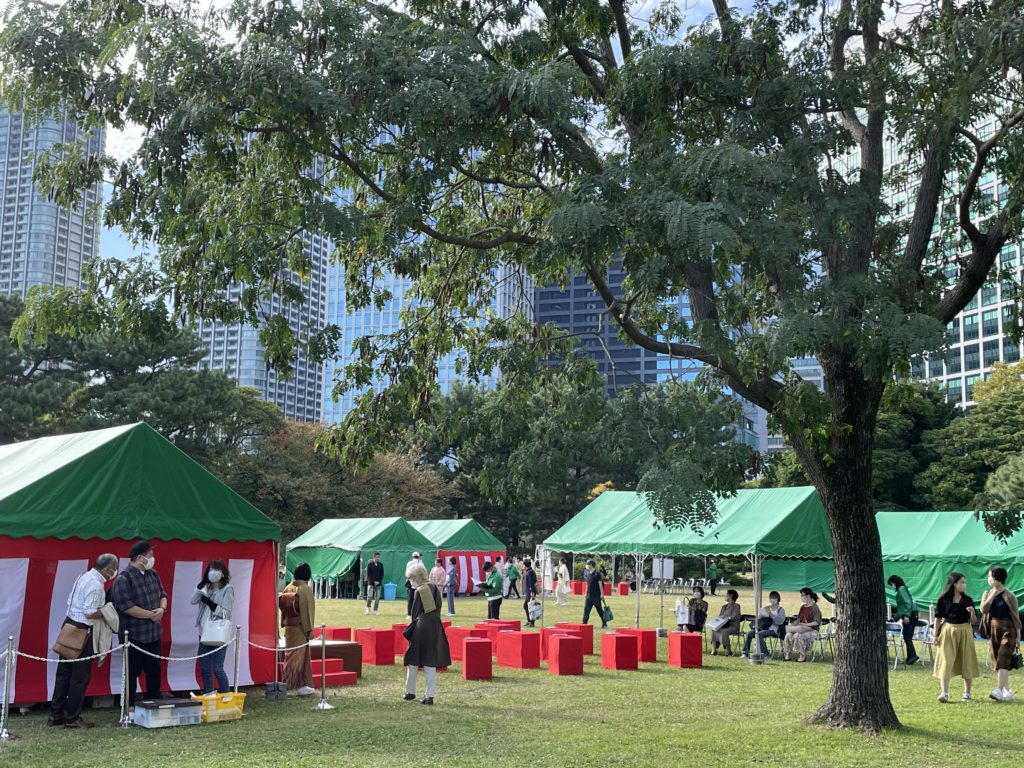
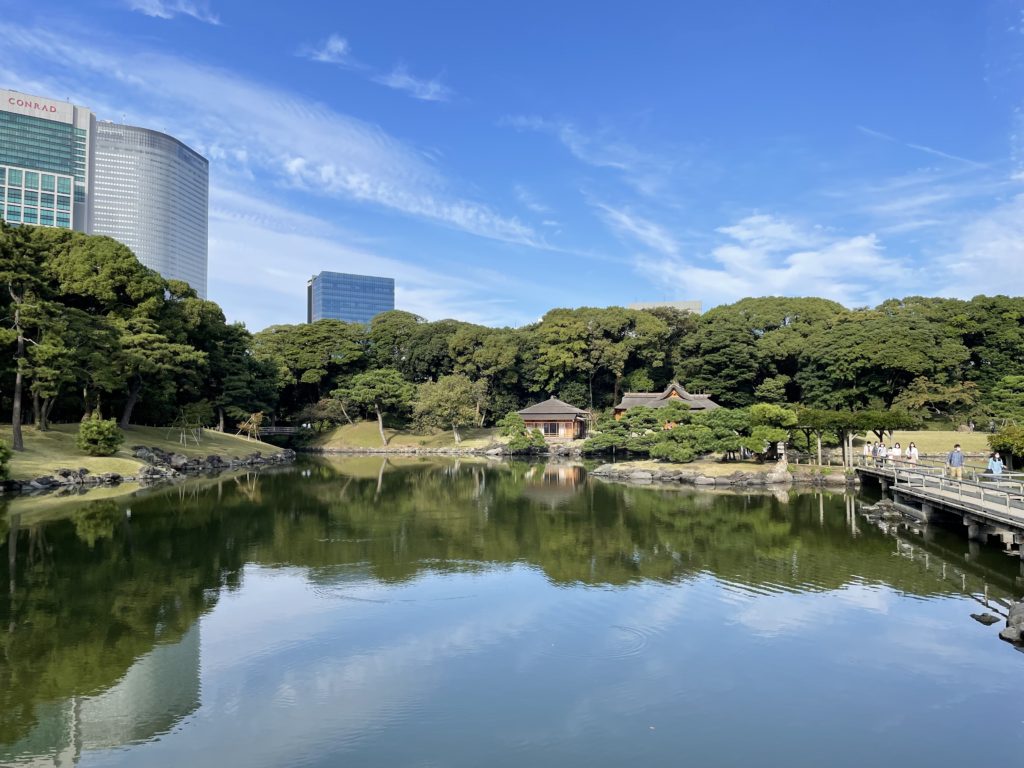
Tokyo Grand Japanese Tea Ceremony was held in Hama Rikyu Gardens on October 2022. It had been held on regular basis from 2020, then the first time ceremony in three years after 2 times cancellations due to covid-19 pandemic.

Tea ceremony – it is called “Sado” “Chanoyu” in Japanese, we have no choice but to mention – “The Book Of Tea” – originally written by Okakura Tenshin in English. The book is very famous in western countries, literally, it is still playing an important role in introducing Sado’s background and philosophy. The book is also very useful guideline for beginners who would like to know the heart of Chanoyu or knowing Japanese esoteric culture and history.

Basically, the event was divided into four programs and areas.

1. Tea ceremony (Indoor)

2. Outdoor tea ceremony (called Nodate in Japanese)

3. Outdoor tea ceremony by high school student.

4. Indoor tea ceremony in English

Pre-registration tickets were available in the website below,

https://tokyo-grand-tea-ceremony.jp/en/index.html

Walk-up tickets were limited available in case of having seat cancellations.

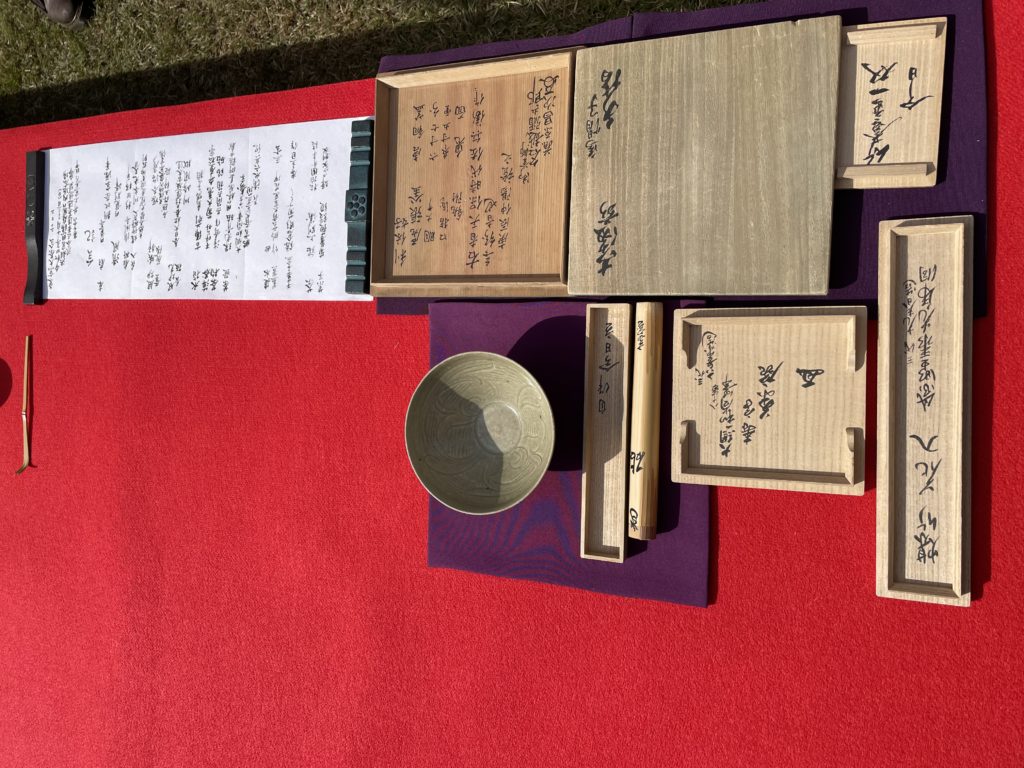
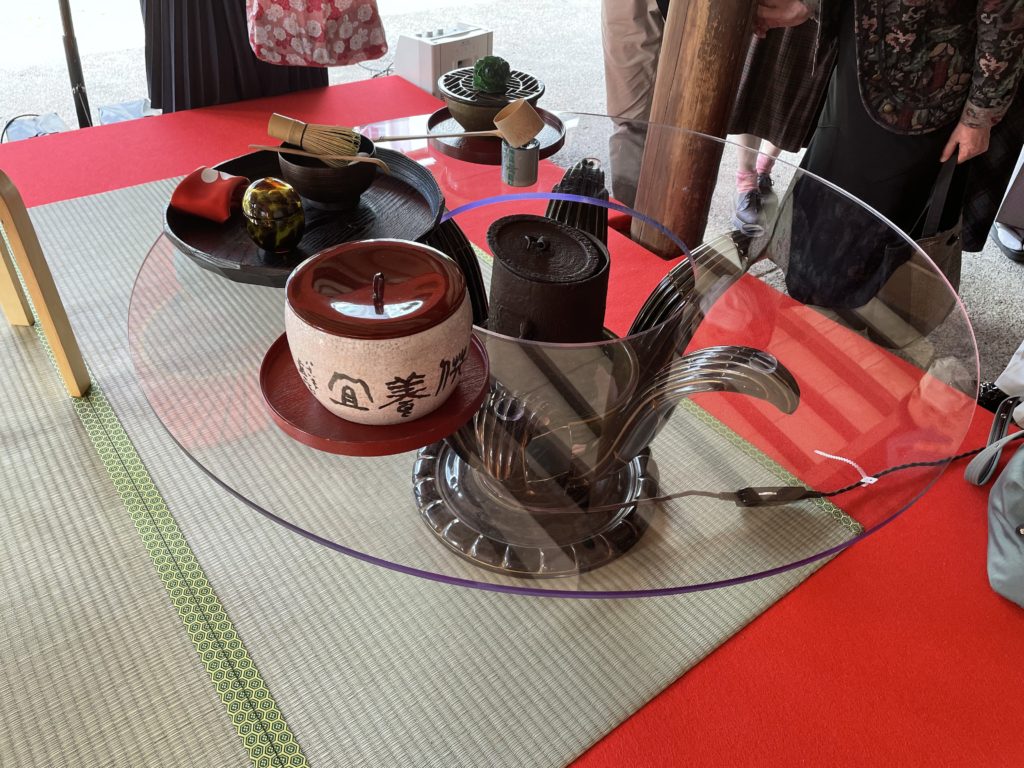
”Cha-Dougu” 茶道具 Tea utencils

The participants will definitely enjoy the world of “Chanoyu” with a cup of green tea (Maccha) and Japanese traditional sweets (Wagashi) only 500 yen!

It is no wonder if you might be a little bit scared to participate in tea ceremony for the first time, frankly, even I am a Japanese, still felt like “having a high threshold” for formal Chanoyu entry because it has strict manners to share same atmosphere and space with the host and other guests.

However, this event is largely open for Chanoyu beginners who are just interested in Japanese Tea Ceremony and Japanese gardens and culture, also Nodate(outdoor tea ceremony) is more casual tea ceremony party so you can join them with ease.

They will hand out brochure, which gives you the basic instruction of tea ceremony. So don’t worry! You don’t hesitate to join them!

”Nodate”野点 Tea ceremony (Outside)

The instruction of tea ceremony – quoted from Tokyo Grand Tea Ceremony 2022 brochure. The ceremony carries on like this.

  • Guests should remove watches and accessories such as rings and bracelet before entering the tearoom, so as not to damage the tea container and utensils.
  • It is said that as a general manner, guests should wear white socks or tabi, and bring along “kaishi” paper and picks used for eating wagashi Japanese sweets.
  • Manners may differ between tea schools. Please listen carefully to the commentary of teacher and put it in practice.
  1. When wagashi Japanese sweet are served, you say : “Osaki-ni (pardon me for going ahead)” to your neighbor, transfer a wagashi to the “kaishi” paper  in front of you, pick wagashi are eaten before the drinking of the tea.
  2. When tea is served, you say : “Osaki-ni (pardon me for going ahead)” to your neighbor, put the tea bowl in front of you and bow to the host. You take it in your right hand, place it on the palm of your left hand and raise it slightly with gratitude. With the front of the bowl toward you, rotate in twice to avoid drinking from the front, and then drink all the tea in a few sips.
  3. When you have finished drinking, use the thumb and index finger of your right hand to lightly trace the part of the tea bowl rim from which you drank, and then wipe your fingers with a “kaishi” paper.
  4. Then turn the bowl back twice so that the front faces you and place the bowl in front of you.
  5. After looking at the tea bowl in appreciation, turn it with its front towards the host.
Tea ceremony in English

The Sado or Chanoyu – is traditional Japanese way of drinking tea in accordance with set rules of etiquette. the point is – both the host and guests  share a sense of togetherness during the ceremony.

The Chanoyu was mostly perfected by Rikyu Sen in the Azuchi-Momoyama period in the latter half of the sixteenth century.

As it were, the core of “heart of Chanoyu” is felling the hosts’ hospitality – they always take utmost care in the preparation of their tea rooms, the adjacent garden, tea utensils and the provision of simple dishes for the exquisite tea room.

The tea ceremony etiquette has been influenced by the etiquette observed by the samurai classes as well as by the form of Noh dances. In turn, the tea cult had a great influence on traditional Japanese customs and manners.

Japanese hospitality – sometime calls “Omotenashi” in Japanese is a part of  Chanoyu, which also represents sense of Chanoyu sprits from Rikyu.

Hama-rikyu Gardens

https://www.gotokyo.org/en/spot/20/index.html

Japanese traditional New Year’s events -Shogatsu-正月- The most important holiday in Japan – how to spend New Year’s holidays!

In the western countries, the most important holiday is Christmas. People celebrate and spend special time with their family members. Japanese people also go back to their hometown in the end of December and spend Shogatsu (正月)holiday until the first few days of January.

To the contrary to the western countries’ Christmas celebrations, the most important holiday in Japan is the New Year’s Day that is called “Shogatsu”.

New Year’s events already begin at the New Year’s Eve. Commonly they eat soba noodles, which is called “Toshikoshi soba” for preparing and celebrating the New Year, While listening the sound of temple’s bells “Jyoya no kane”.

In the morning of Shogatsu, they open jyu-bako bento box. “Osechi Ryori”(お節料理) is hors d’ oeuvre – a set of fortune cuisines. Every ingredient has characteristic meaning. Japanese people taste and enjoy these meals for praying New Year’s fortune and happiness, family member’s health, well-being.

Jyu-bako bento box is full of Osechi Ryori. As I mentioned before, every cuisine has each meaning, for example, it is nothing but a rhyme,

Kuro mame(black beans) – means “mame ni kurasu” (live diligently).

Meanwhile, some dishes were selected, in favor of their figures or colors.

Kazunoko (herring roe) – many eggs of herring – hopes “shison hanei” (descendants prosperity).

Kurikinton (mushed sweet potatos & chestnuts) – indicates “okane” (raise money, gold from its golden color).

Ebi (shrimp) – hopes live longer until their backs are curved (get old) like shrimps.

Zouni(雑煮)is commonly cooked baked rice cakes with some vegetables and fish cakes in broth soup of soy source or miso. Tastes are different in each region.

They often visit shrines or temples to make a wish and pray for the good fortune of the New Year. It is called Hatsumoude(初詣). Some people watch the sunrise from ocean or mountain.

At the same time, Japanese people send postcards(Nengajyo 年賀状) to their relatives, friends, colleagues as New Year’s greeting. It’s basic manners to be delivered to addressees until a few days of new year’s day even if belated.

Japanese children often receive some money in a small envelope (pochi-bukuro) from their parents and relatives. That is called “Otoshidama” .

While spending their relaxing, fun time with their family members, often we play traditional New Year’s games as below,

Takoage(凧揚げ)- means flying a kite. Typical kite design is traditional Japanese Ukiyoe (浮世絵), and people selects happy design to celebrate new year.

Kakizome, Shodo(書き初め,書道)-the first writing of the new year with Japanese writing brush, Fude(筆)and Sumi(墨). People write their new year’s resolutions, positive words in calligraphy by using a Japanese Shitajiki(下敷), Bunchin(文鎮), and Washi paper (和紙).

Karuta(カルタ)-Japanese playing cards are two sets of cards – reading part and picking part. Participants of the game try to pick the correct card while the partner card is chanted.

The most popular set of cards is “Hyakunin Isshu” that had been selected 100 famous poems from the 8th to the 13th century.

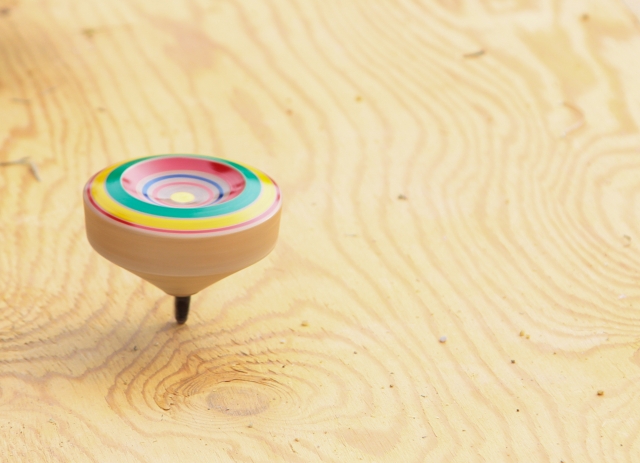
Koma-mawashi(独楽回し)- A game of top-spinning. Players try to spin fast their own spinning top on the ground. The longest spinning one will be the winner.

Hanetsuki(羽根突き)- Hanetsuki is similar to badminton game. But it uses a shuttlecock and a wooden paddle, which is drawn Japanese traditional picture by using bright colors.

There are many other regional, local events and plays in Japan.

Let’s go out and find out something new!

“Learn from the old, know the new”

Japanese Ikebana – emerges small universe – the aesthetics of “beauty in the flaws”.

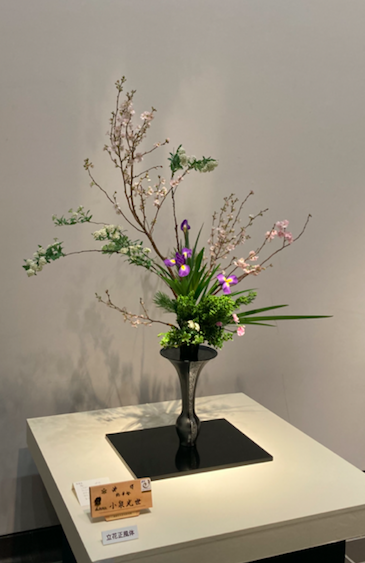
Shoka-Shinputai 生花新風体

Are you interested in Japanese traditional cultures? You might know Japanese traditional Ikebana that is called “Kado”華道, (Japanese Art of Flower Arrangement).

If you flatter yourself that you are definitely a connoisseur of Japanese cultures, you should know the concept and philosophy of Kado.

Rikka-Shofutai 立花正風体
Rikka-Shinputai 立花新風体
Tate-Bana たて花

You also know “Sado”茶道(Japanese Tea Ceremony)and Kodo 香道 (Incense Appreciation) which deeply related to Kado, those concepts depict sophisticated atmosphere, spatial arrangement in the space where is strained quiet loneliness and beauty of silence.

Basically, Ikebana used to adorn the tokonoma (alcove) in front of kakejiku(hanging scrolls) in Japanese traditional home.

Sanshu-Ike 三種生

There are various distinct schools of Ikebana in Japan. Frankly I can’t give a clear-cut explanation of the differences of them. Though, I just visited Ikenobo exhibition at Tokyo Metropolitan Art Museum, so I have learned a little about Ikenobo Kado.

There are estimated to be around over 3000 Ikebana schools in Japan, however, the largest and most popular schools of Ikebana are Ikenobo(池坊)Sougetsu(草月)Obara(小原).

The oldest Ikebana school is Ikenobo. It had begun at Muromachi-era by the monk who name is Ikenobo Senkei.

The characteristic of Ikenobo(池坊) is mainly represented these three ways of style,

 “Rikka(立花)” ,”Shoka(生花)”,”Jiyuka(自由花)”, respectively.

Rikka(立花) is emphasized as means of the materials and forms as they existed in their natural state like sky, mountain, river. It is depicting landscape of nature from Muromachi-era.

Shoka(生花) is generally used one to three materials, which express vital nature of living of flowers and leaves, branches. It was established around Edo-era.

Jiyuka(自由花) is no crucial rules or forms of figures, just try to bring out the charm of their figures and textures.

Sougetsu(草月)is more an avant-garde style of school, which was established in 1927 by Teshigahara Soufu. It is known as free and modern art approach to Ikebana. It doesn’t follow to be bound by common traditional style.

Obara(小原) was established by Obara Unshin. He possessed to utilize for expressing his way of school by using western materials and forms in Meiji-era. He developed Moribana(盛花) style, which is composed of 3 dimensions of art works.

In general, Ikenobo(池坊) contributed to the development of rikka style. Considering this fact, Ikenobo is to the oldest Ikebana school in Japan.

Ikenobo’s basic concept is, representing the state of natures – plants and flowers just exist here profoundly. The view of the world is “Less is more”- as it were,”Wabi-Sabi”.

Ikebana reached its first zenith in the 16th century. And later, in the middle of Edo era, spread widely among common people.

In the Meiji-era, most of girls’ schools brought Ikebana classes in school as part of the mandate curriculum.

Rikka-Shinputai 立花新風体

Even today, Ikebana is respected as one of the classical Japanese arts of refinement.

If you really would like to learn “Wabi-Sabi”aesthetics, this column below is one of the best descriptions about the concept.

Japan’s Unusual Way to View the World

The origins of Japanese comic strip that is commonly called “Choju-Giga” a set of four picture scrolls(Emakimono), in the mid -12th century.

Have you seen this very famous Emakimono (Scroll of Frolicking Animals and Humans)? I am sure that this caricature art works you can find everywhere in Japan. Especially mangas and animes, industrial designs, which have frequently collaborated with several art works.

The set of four picture scrolls, which are composed of “Koh-kan”甲巻、“Otsu-kan”乙巻、“Hei-kan”丙巻、”Tei-kan”丁巻、belong to the Kozan-ji Temple in Kyoto.

The scrolls are entrusted to the Kyoto National Museum and Tokyo National Museum nowadays.

“National Treasure, All About Choju-Giga” exhibition took place late spring in 2021 at National Tokyo Museum. So I visited the museum at Ueno Park, Tokyo.

Koh-kan 甲巻

All four volumes of  “Frolicking Animals” have been passing on the lively activities of anthropomorphized animals and ordinary people life in 12 – 13 centuries with energetic ink lines to our generation in 21 century.

All scenes flow from right to left, you can find quite a few animals inside this Emakimono, especially volume 1,“Koh”甲巻, most famous one, which covers a wide range of animal characters such as hares, frogs, deer, monkeys, cats, wild boars, horses, bulls, foxes and so on.

Koh-kan 甲巻

Some of them are bathing, playing sumo, praying monkey with monk robe to frog budda, deer ride, catch and run…animals are so cute and funny, fresh, vigorous!

They seem to be about to come out of the screen!

Koh-kan 甲巻

No wonder the works still keep inspiring many modern artists. It is no exaggeration to say that the origin works of Japanese mangas and animes.

There is many poultries, and imaginary animals, which were believed to exist in China until late 15 century, emerge in volume 2“Otsu”乙巻.

Otsu-kan 乙巻

In addition, volume 3 ”Hei”丙巻depicts the lives of ordinary people lively, their activities, playing and gaming scenes in downtown. The volume 4 ”Tei” 丁巻draws monks and people are playing sumo and enjoying horse ride, watching an itinerant performer with orchestra in the street.

Hei-kan 丙巻
Tei-kan 丁巻

The Chances are that you can encounter upcoming exhibitions while visiting Japan, or watch digital archives at the museum site.

https://kosanji.com/chojujinbutsugiga/

https://en.wikipedia.org/wiki/Ch%C5%8Dj%C5%AB-jinbutsu-giga

https://www.tnm.jp/modules/r_free_page/index.php?id=2009

The “Golden Week”: Two Weeks During Which You May Just Spot Some Japanese Tourists

In Japan, the end of April to the beginning of May is one consecutive holiday. Depending on what days Saturday and Sunday fall on, the holiday is a week to two weeks long, and it is possible to take a vacation from work during this time.

                Generally, in most of Japan’s workplaces and companies, it is very difficult to take off days consecutively from work. In western countries, it is a given to take off two weeks or so for Christmas and other holidays.

Vacations spanning for several weeks or months are also offered in some countries over the summer. However, in Japan, if one has a lot of days of paid leave left, and they actually use those days to take a vacation, they are instantly labeled as someone who “Can’t read the atmosphere”.

                The average vacation is usually limited to about a week in most Japanese workplaces. To put it like the Japanese would; “Going on a vacation for too long causes trouble for others”, even if no one is actually being troubled. While the Japanese workplace culture is changing, skills like “reading the atmosphere” or “paying attention to those around you” are still considered very important.

                For the average Japanese worker, what takes the place of a long vacation are the festival holidays. In Japan, there are many festival holidays per year. There were about 17 days in 2017 alone. If those days connect with Saturdays and Sundays, they can turn into long periods of work free days, effectively saving some from the deathly effects of overworking.

                Out of all the festival holidays, the one stretching from the end of April to the beginning of May is the “Golden Week”, or abbreviated as “GW”. GW is defined by the Japanese as the time to take off for a long time without feeling guilty.

There are only two other times like the GW throughout the year; the Bon Festival, where spirits of ancestors come to visit, and New Years, which together only take up less than half of August and the end of December through the beginning of January. The great part of GW is the ability to enjoy an outing blessed with the refreshing spring sun and breeze.

                April 29th is “Showa Day”, the third of May is “Constitution  Memorial Day”, the fourth is “Greenery Day” and the fifth is “Children’s Day”. Add in Saturday and Sunday, and together, these days form the Golden Week. How many days it consists of depends on the structure of the month. Many of the Japanese care immensely about the order of the days of Golden Week.

                Even to foreigners, this time of year is the best to visit Japan as a tourist. The weather is perfect, and Japan’s annoyingly high levels of humidity are nowhere to be found. From the northern Hokkaido to the southern islands of Okinawa, it is truly a perfect time for sightseeing.

                Of course, the number of Japanese people that travel overseas during GW is very high. Recently, the number of Japanese enjoying both trips outside and in Japan has increased, causing tourists sites to be very busy and lively.

The Golden Week is truly the best time to enjoy Japan’s natural scenery and tourists sites. However, during this time, tourist attractions, hotels, airplane and train trips become crowded and overbooked, and prices and fares skyrocket to two or even three times the normal cost. Perhaps the largest setback of the Golden Week is the the piling up of vacation expenses.

In 2019, Japaneses experienced “10 consecutive holidays of Golden Week” as the first and the last time for celebrating new Imperial era of “Reiwa”. Most of people in Japan must have felt happy because new era began with the Emperor’s abdication, due to his concern about his age. No Japanese emperor has abdicated for centuries except for his death.