Autumn Pottery Markets in Japan

In autumn in Japan, it’s not only the fall foliage that you can enjoy—there are also many festivals, events, and flea markets.

Among these, pottery markets held in various regions are especially not to be missed.
There is a convenient website that lists pottery markets held all across Japan, so be sure to check it out.

https://dai-toukiichi.com/

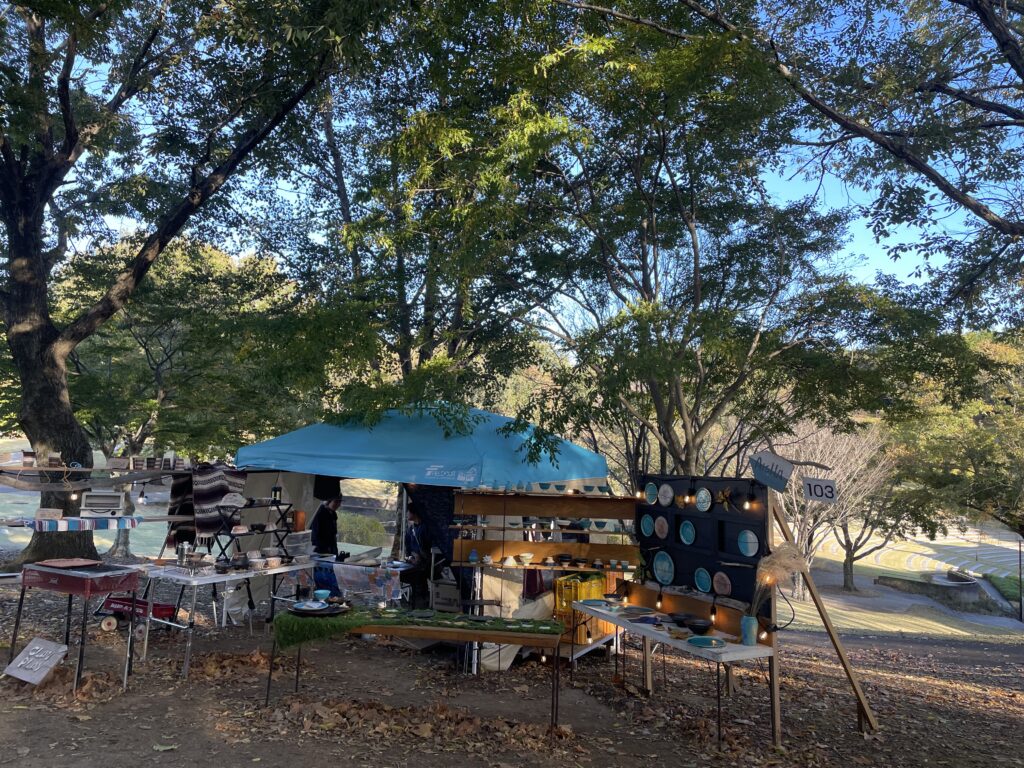
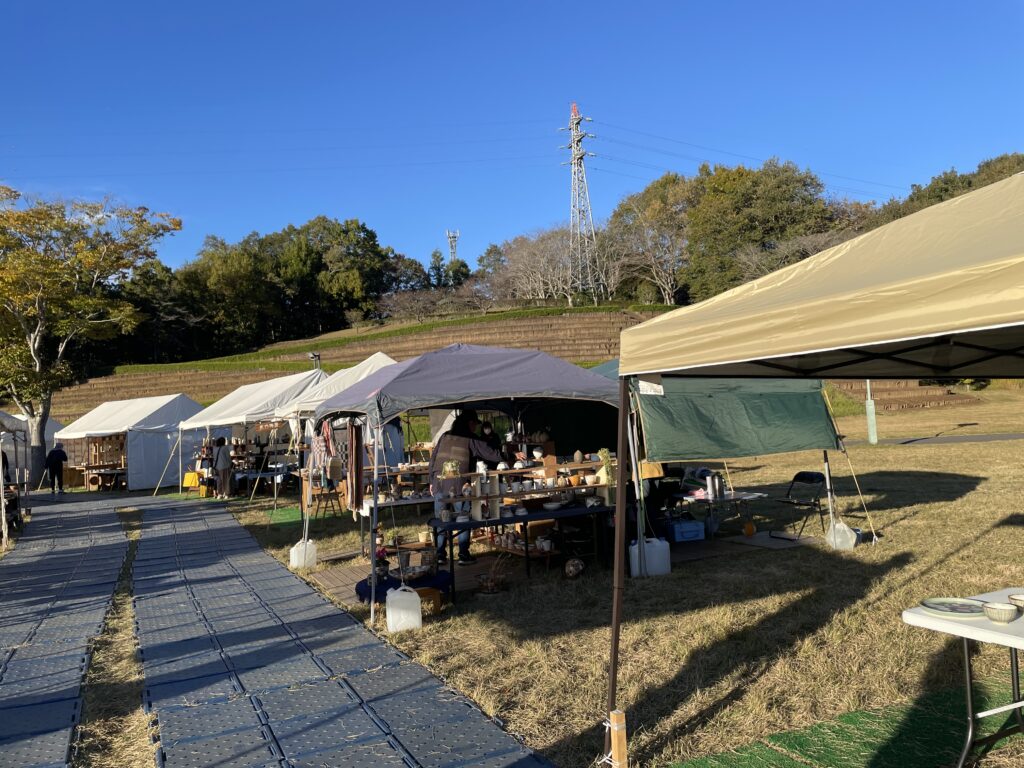
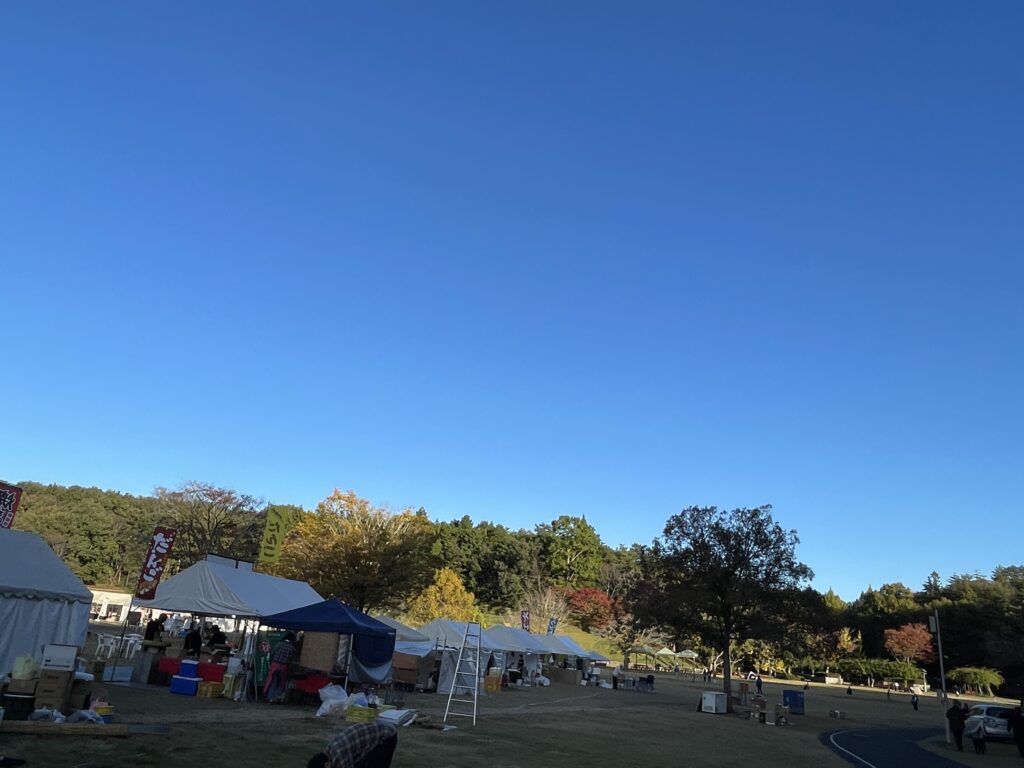
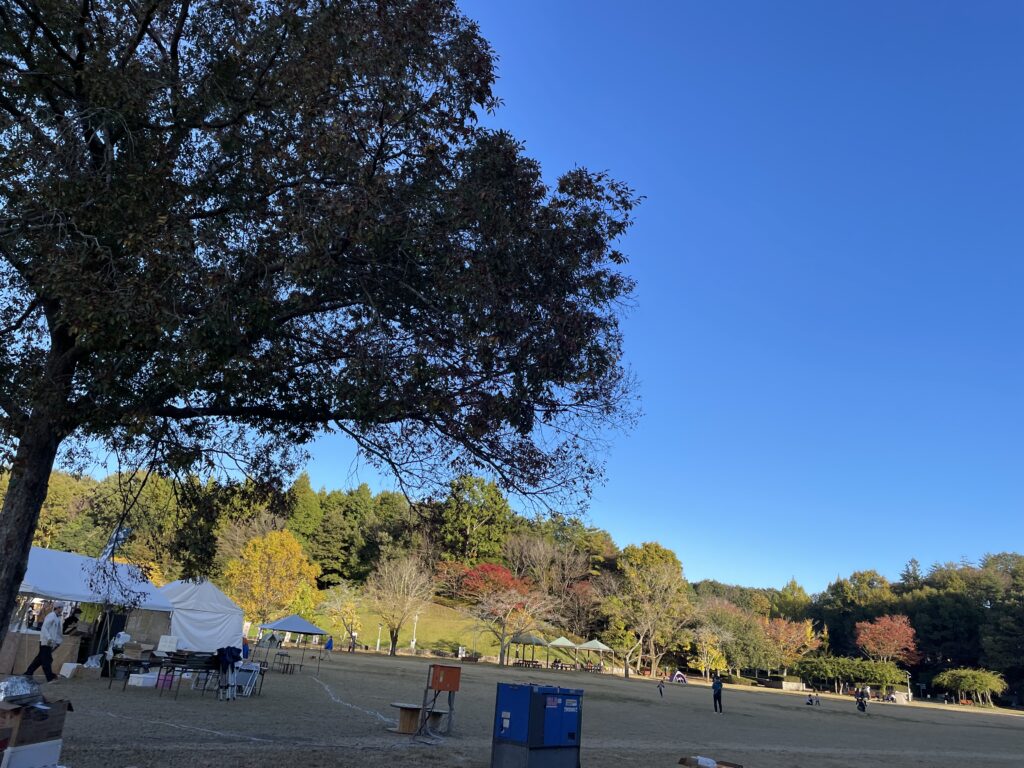
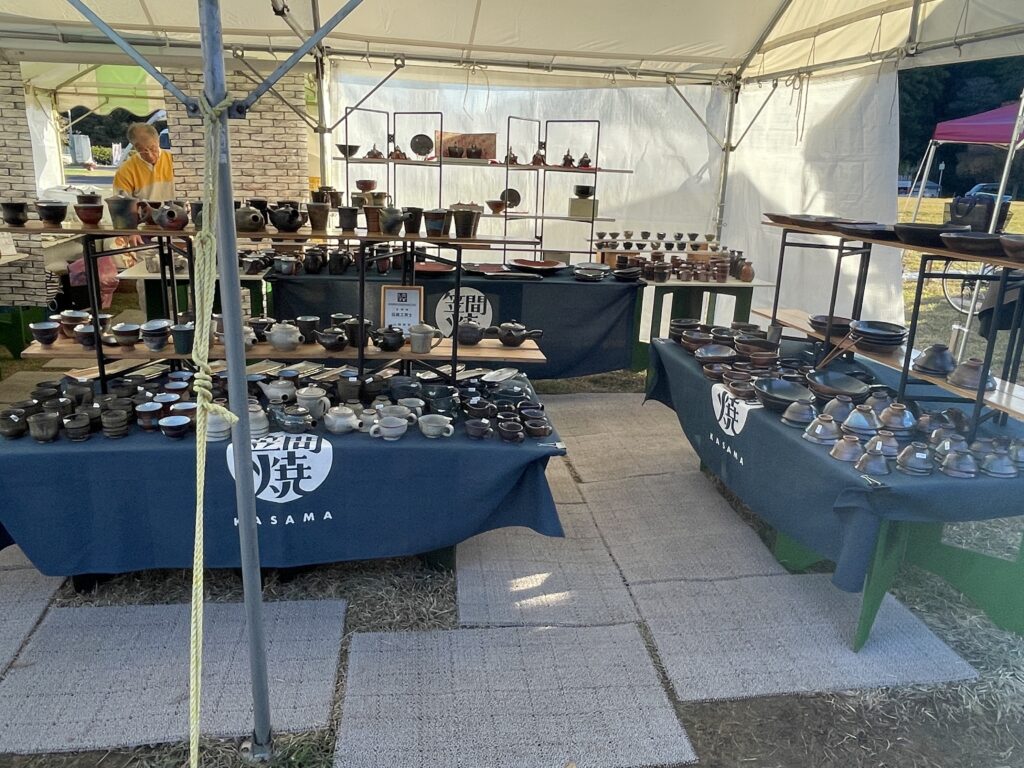
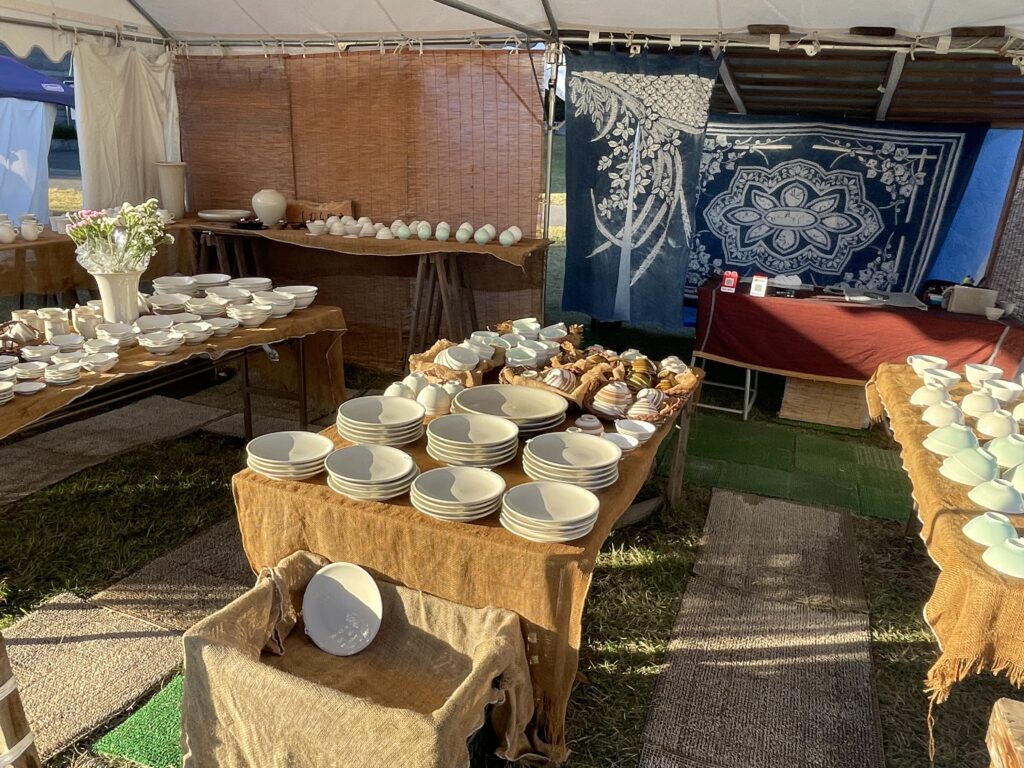
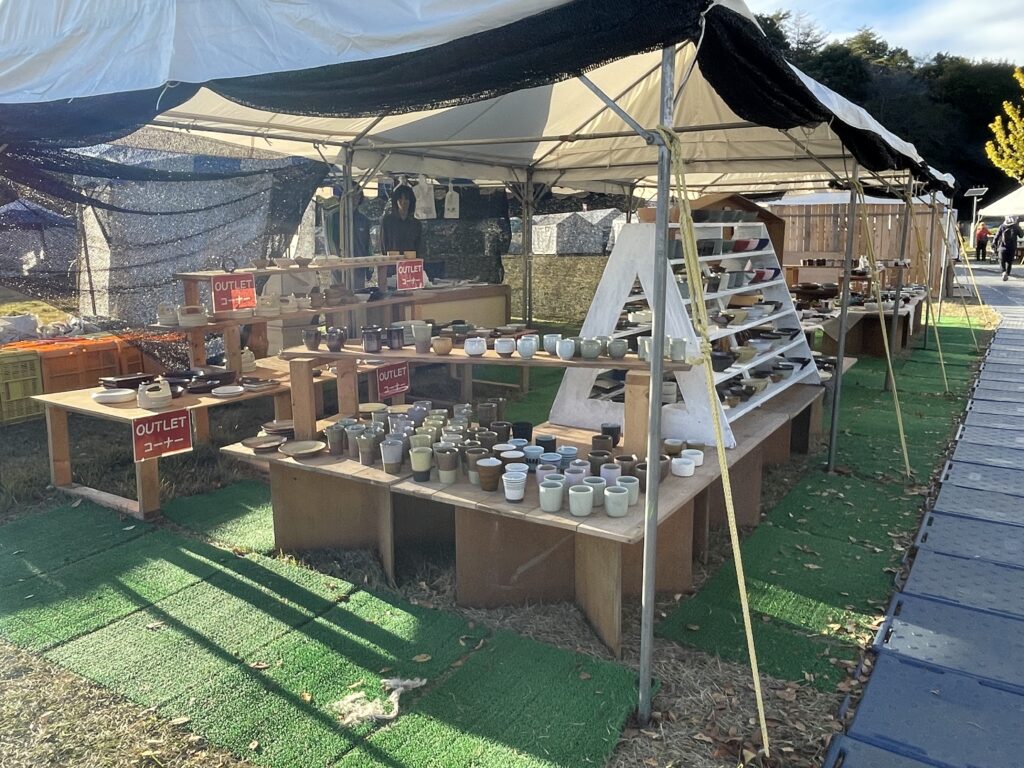
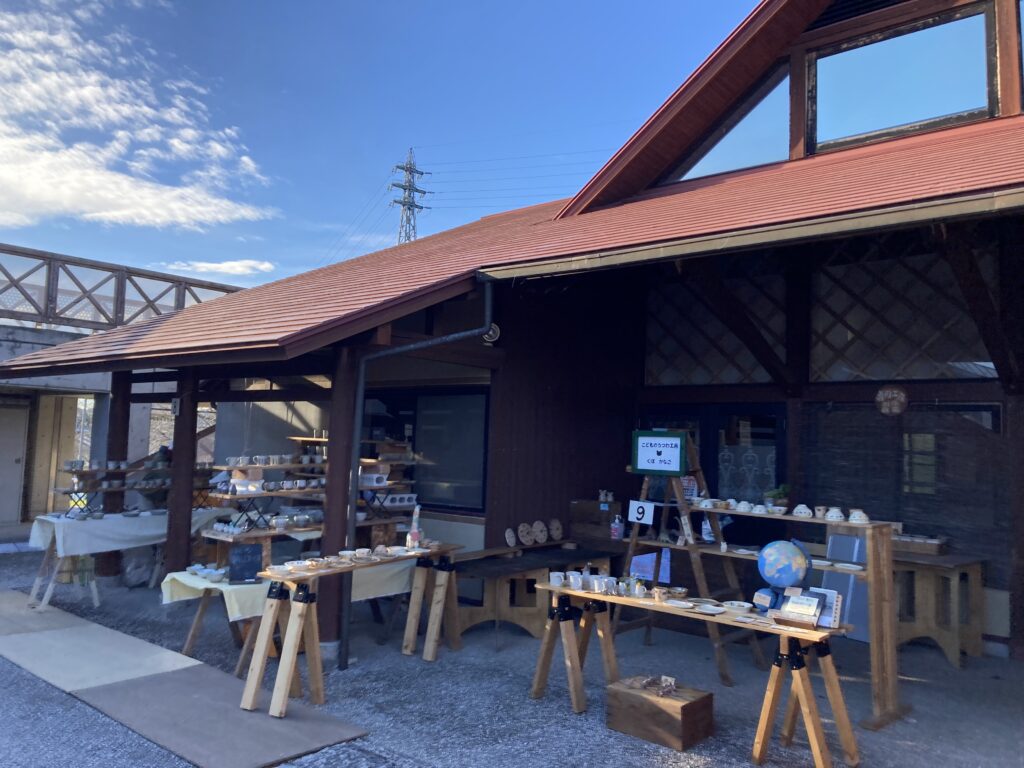
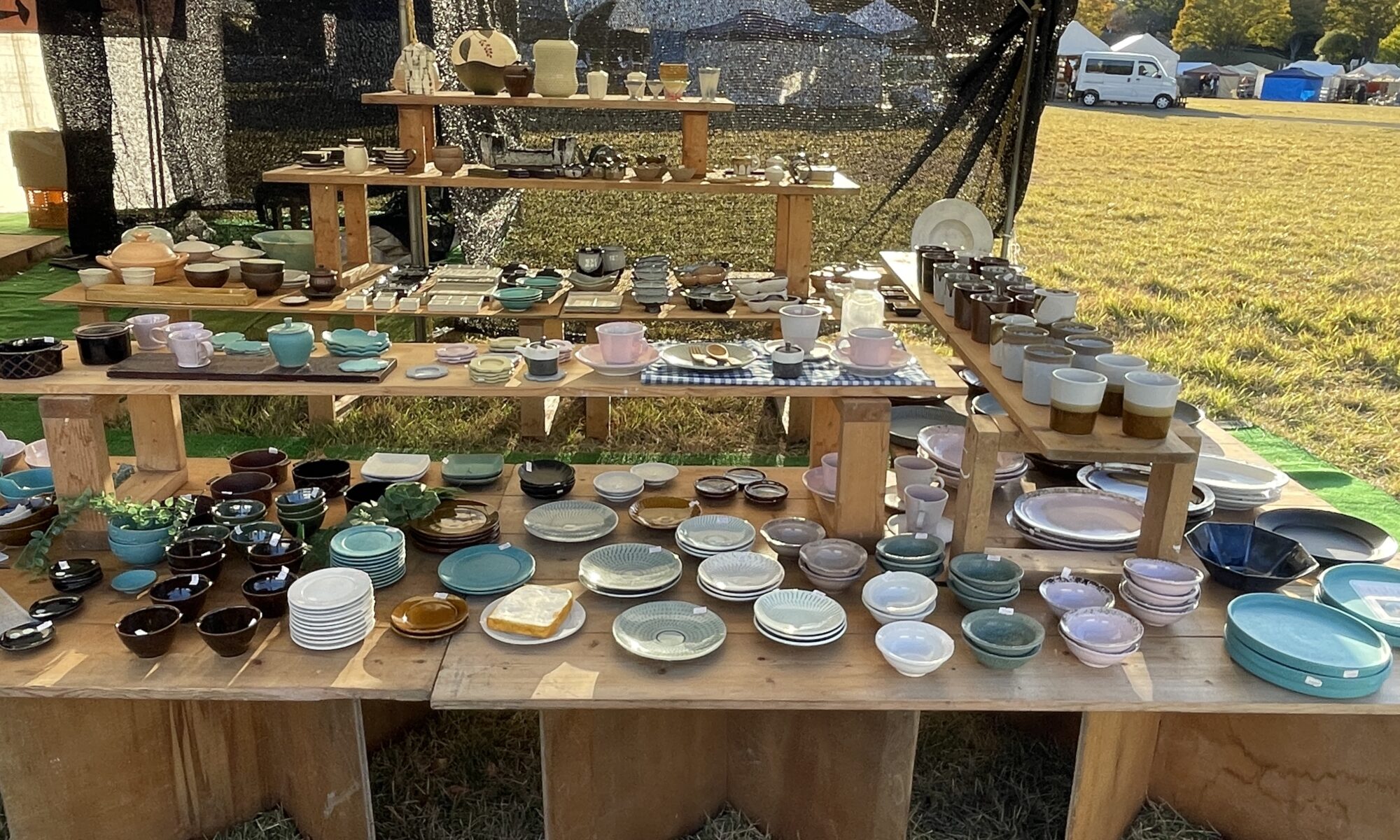
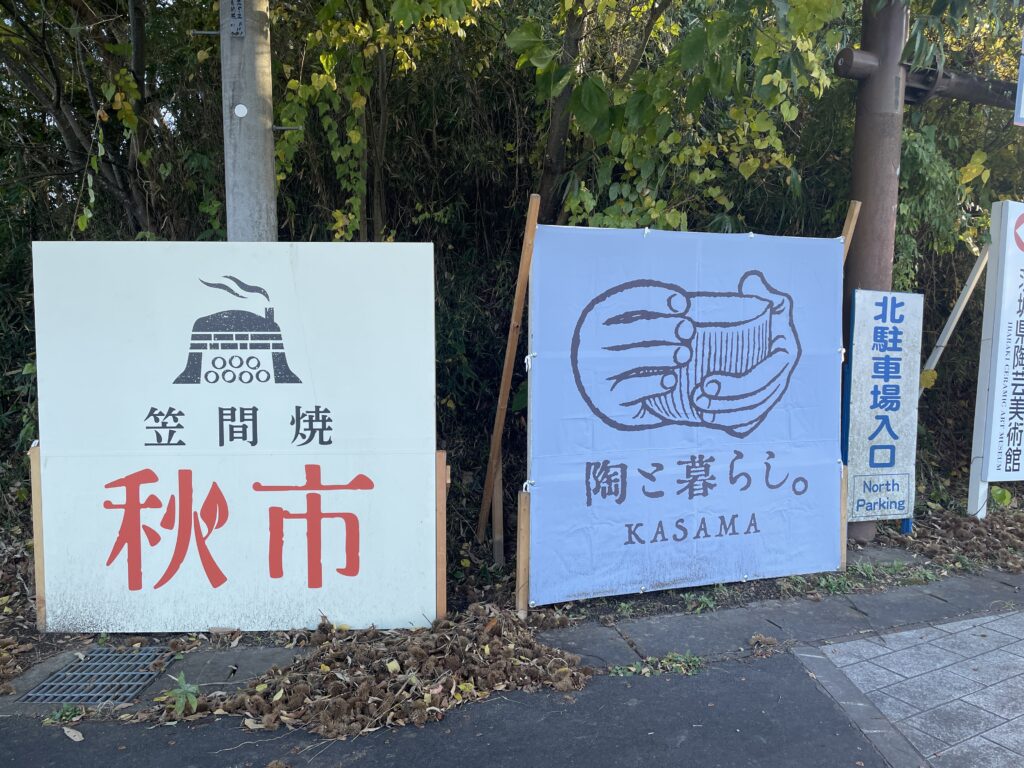
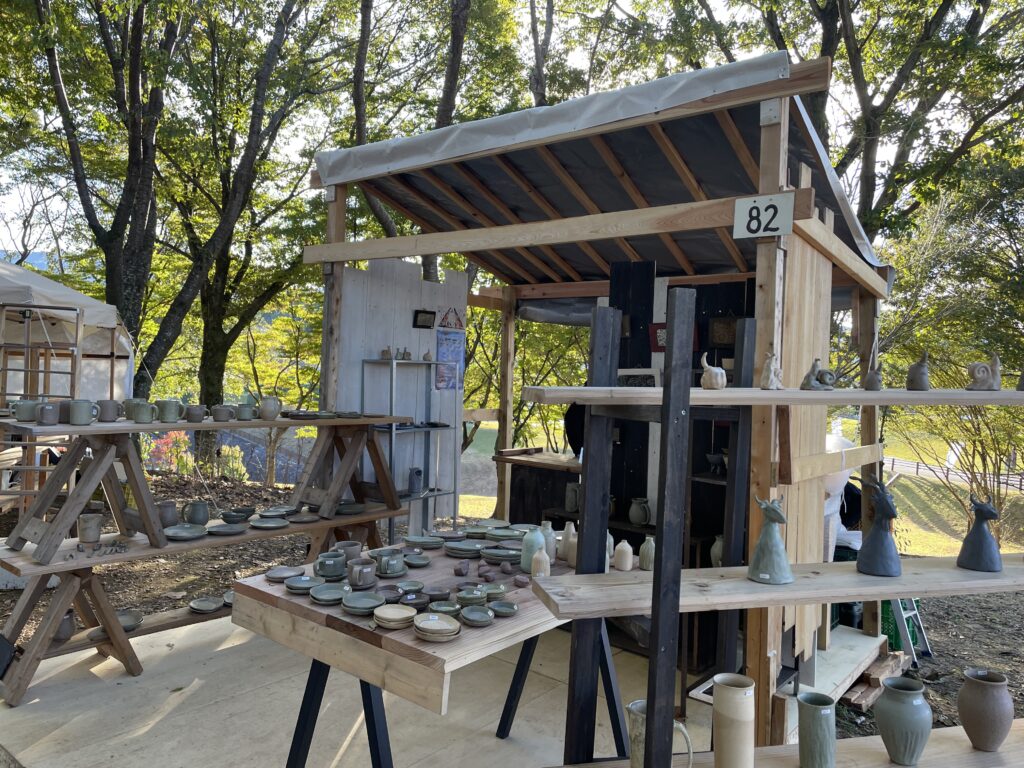
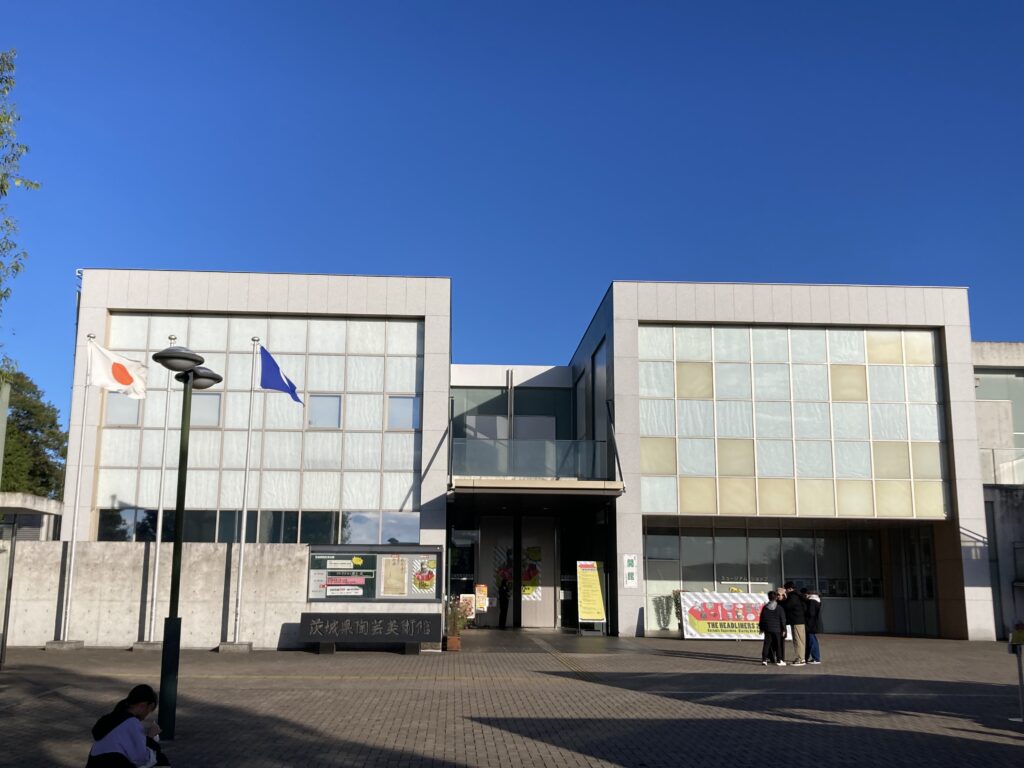
I visited the Kasama Pottery Market in Kasama City, Ibaraki Prefecture, which is held in early November.
Many ceramic artists had booths there, and it was truly fascinating.

There is also a ceramics museum within the grounds, and for anyone who loves pottery, it’s a place I would definitely recommend visiting at least once.
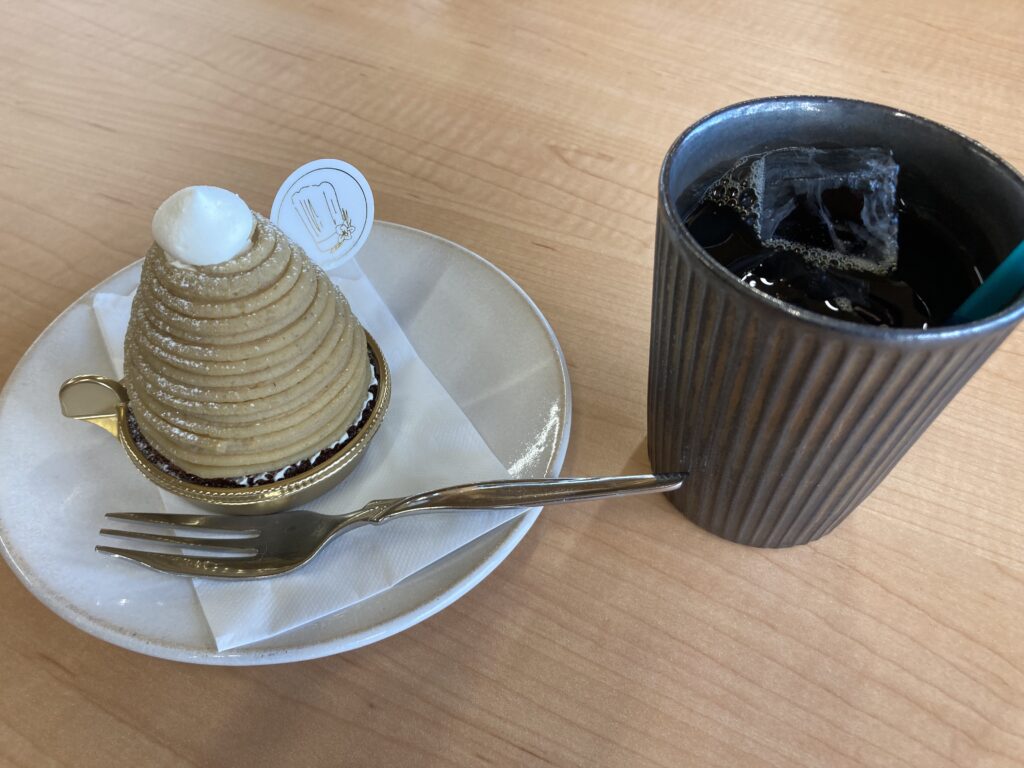
Kasama is also known as a famous chestnut-producing region. At the Kasama roadside station,笠間道の駅、 you can enjoy local specialties such as chestnut sweets and the unique “Mont Blanc Tantanmen (Spicy ramen with chestnuts cream on the top),” making it a fun stop for food lovers as well.

During periods when the Kasama Pottery Market or events at Kasama Geijutsu no Mori Park are held, special shuttle buses operate between the tourist sites and nearby stations—JR Kasama Station on the Mito Line and JR Tomobe Station on the Joban Line.
By using these buses, you can get around easily even without a car.
Especially in autumn, you can enjoy the beautiful fall foliage at the same time, so if you are in the greater Kanto area, it’s sure to feel like a perfect short getaway.

For those who don’t have much time, pottery markets are also held fairly often within Tokyo. If a market is happening nearby on a weekend, be sure to check regularly and try to find a one-of-a-kind treasure just for you.
In Japan, autumn is the season when the summer heat fades, making it easier to focus on a wide variety of activities. It is also a time to celebrate the harvest, which is why it is often referred to as the season of sports, the season of the arts, the harvest season, and even the season of good appetite.

Why not find an autumn activity that suits you best?
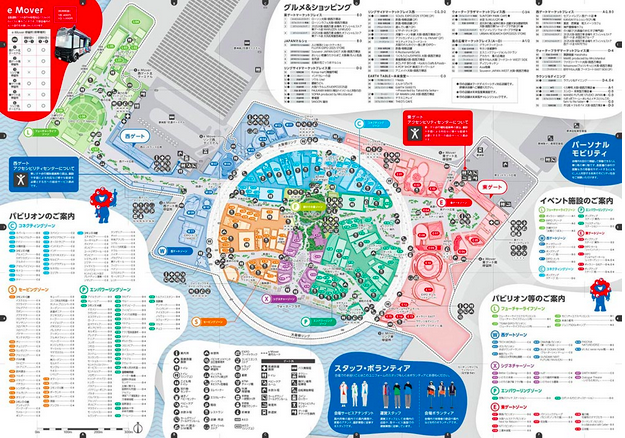
Satisfying Curiosity – EXPO 2025 Osaka Kansai World Expo

This summer, during the 2025 holiday season, some people might have up to a 9-day consecutive break due to the Obon holiday.

For those spending time with family, going on trips, returning to their hometowns, or paying respects at graves, there will be plenty to do.

Given the extreme heat this year (though I feel like every year is setting new records for the highest temperatures), I’d prefer not to stand in long lines under the blazing sun for leisure activities. But still, I really want to visit the Osaka Expo, as it’s a once-in-a-lifetime event this year.

The content of the Expo is enjoyable for adults, but it’s especially recommended for children because it provides a very compact and easy-to-understand look at the future of society, technology, and the diverse countries of the world. It’s an excellent opportunity for cultural exchange with people from abroad.

Recently, it seems that all tourist destinations in Japan are filled with inbound foreign visitors, but at the Osaka Expo venue, I felt that many of the attendees were Japanese people, especially retirees with more free time, and people from the Kansai region who had purchased full-term passes.

Of course, during summer vacation, it’s expected that there will be many families and children (there are also summer passes for this period), but it’s important to register for pavilion reservations in advance, such as two months, seven days, or even the day before the visit. If that’s not possible, there are also booths where you can make reservations after entering the venue. (While some pavilions don’t require reservations, due to increased congestion, more and more places are now requiring them).

You can find detailed information about pavilion reservations here:
Expo 2025 Reservation Page

Therefore, it’s recommended to enter the venue as early as possible. (Remember, you need to purchase an entrance ticket separately. Without it, you won’t be able to enter the pavilion lottery. Once inside, you can make reservations, so try to get there early. However, in the evening, the crowds thin out, so it becomes easier to enter pavilions just by standing in line).

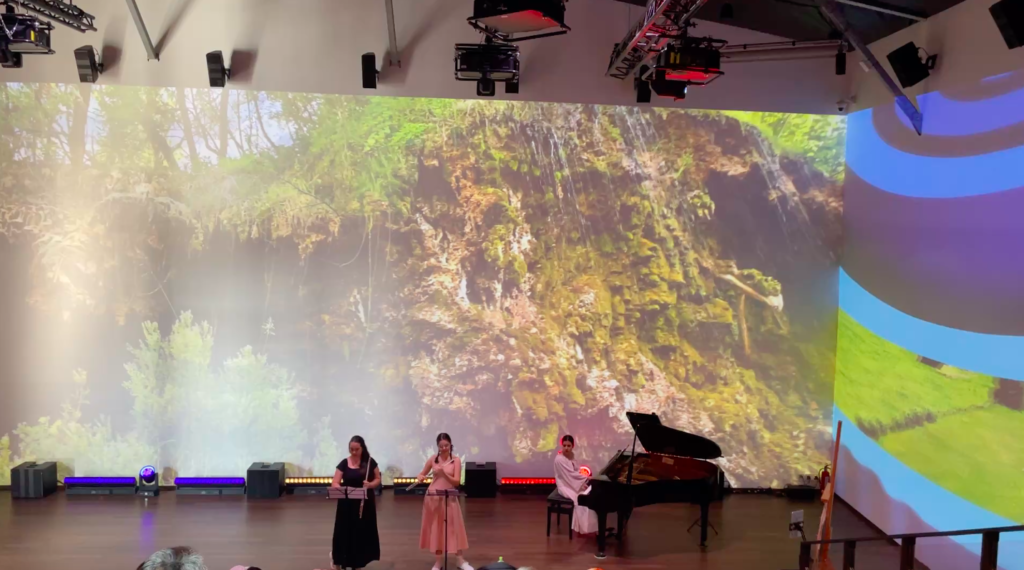
The Italy Pavilion, France Pavilion, USA Pavilion were amazing! the Jordan Pavilion where you can walk through the desert, and the Turkmenistan Pavilion (which is not yet open to the public as a tourist attraction) are often in the spotlight. But I recommend visiting the Commons, where there are booths from many countries within one building. You can see various local products, famous celebrity figures, cultural arts, and more, almost without having to wait in line. There are pavilions from A to F, and it’s impossible to see everything!

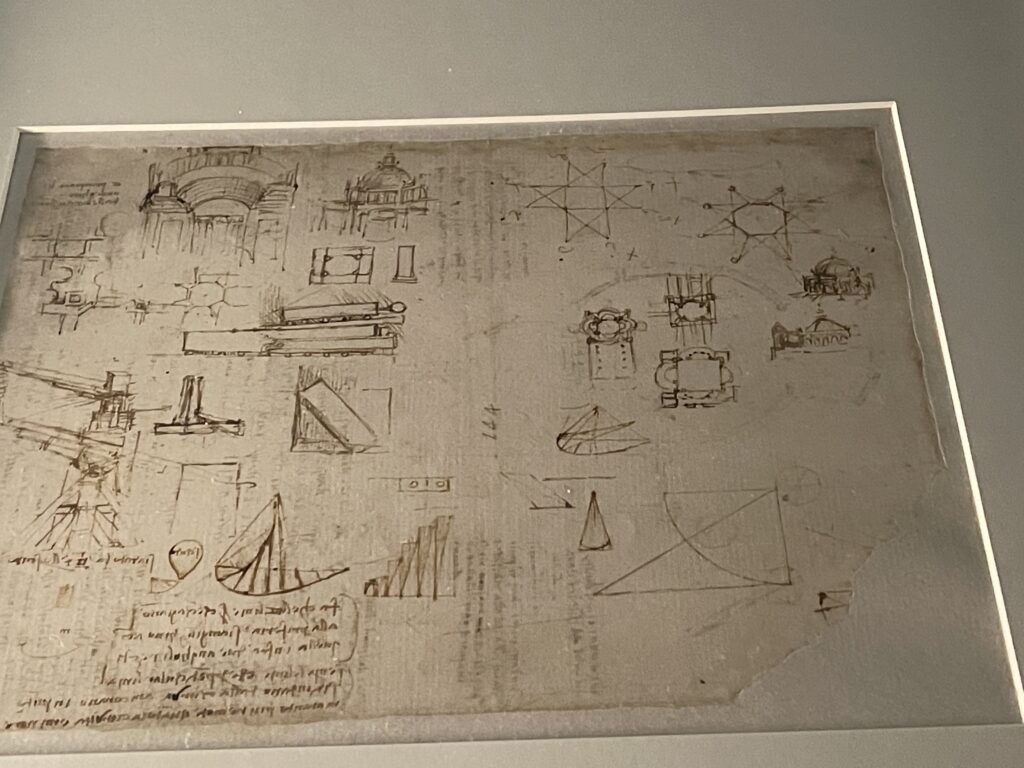
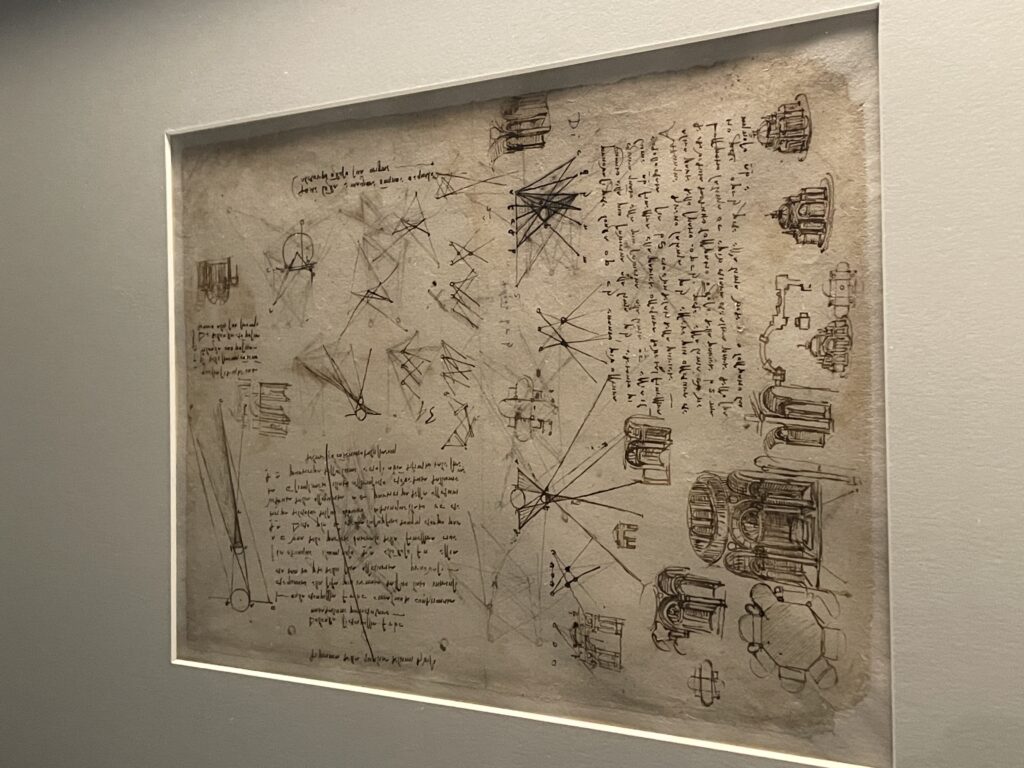
If you can’t get reservations, you’ll just have to stand in line. When I went, it was the day the Leonardo da Vinci exhibition was launched at the Italy Pavilion, so I had to wait about six hours! But it was worth it and very impressive.

It’s recommended to spend several days and visit the Expo in a planned manner. On the first day, take a quick tour to get an overview, and then, over the next few days, explore the places you really want to see. The large roofed area offers shade and seating, and there’s free drinking water available. Each country also has plenty of food and events, with Myaku Myaku being particularly popular.

There are also so many stamp rallies, so be sure to buy a stamp book and collect them. The unique stamps of each country will be great memories of the Expo.

After the summer vacation, I plan to visit again in September. It’s that fun! The ethnic costumes worn by the pavilion staff from each country are also wonderful. The Japan Pavilion was so popular that I couldn’t get a reservation, so I look forward to visiting it next time.

“Japan, An Artistic Melting Pot” exhibition at the Kyoto National Museum

I visited the “Japan, An Artistic Melting Pot” exhibition at the Kyoto National Museum, and I was absolutely shaken by the gathering of Japan’s national treasure collections. I don’t think there will ever be another opportunity like this to see so many national treasures in one place at once!

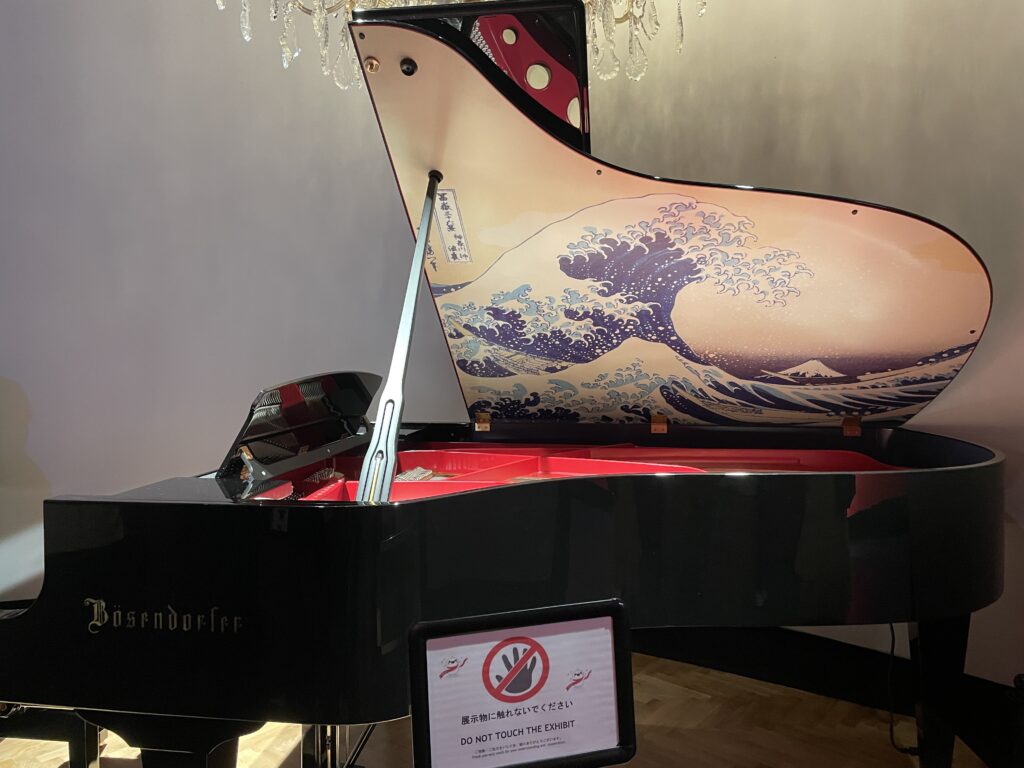
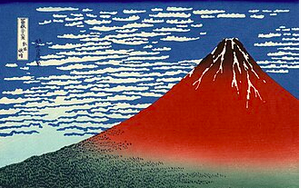
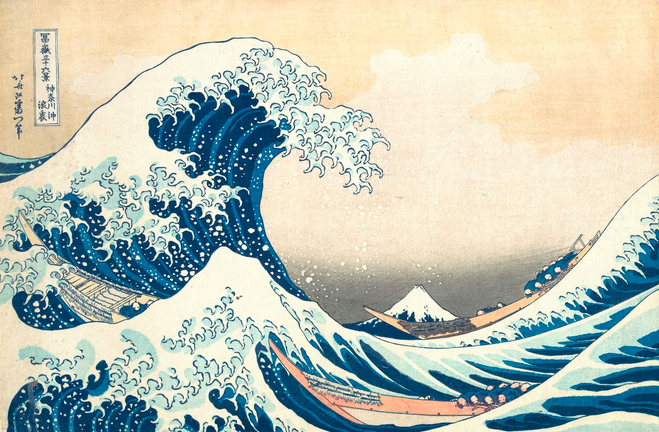
With the Osaka and Kansai Expo in mind, the National Museum is certainly putting on quite a show. Works like the Fujin Raijin-zu byōbu (Wind and Thunder Gods Folding Screen) and Fugaku Sanjūrokkei – Kanagawa Oki Nami Ura, Gaifū Kaisei (Thirty-Six Views of Mount Fuji – The Great Wave off Kanagawa and the Fine Wind, Clear Morning) are on display together.

Typically, national treasures and sculptures are preserved by the temples or institutions that have inherited them over generations, so it’s expected that many would be in the Kansai region. But even in Tokyo, it’s rare to see such a collection all in one place!

From Japan to abroad and from abroad to Japan: in many ways, Japan has been influenced by other countries, while also influencing the world. Amidst misunderstandings and modifications, there is a constant curiosity and awe in the artworks and sculptures that reflect newly seen animals, plants, people, foreign cultures, and first encounters with foreign artists and works of art.

Personally, I really like the ceramics and Nanban (Southern Barbarian) folding screens from the 16th century, Momoyama period. They beautifully blend Japanese and foreign cultures—just the right balance.

Also, the artworks featuring motifs of flowers, birds, wind, and moon, landscape paintings, mother-of-pearl inlay, and maki-e lacquerware boxes are all wonderful. The haniwa (ancient clay figures) are also adorable. (Yes, I love them all! Haha)

I spent a full three hours, and even participated in making a maki-e letter paper and envelope workshop, which took about four hours in total. Still, it felt like I didn’t have enough time.

Perhaps because of the rain, or maybe despite it, the Kyoto National Museum had a large crowd, and it was hard to view each piece slowly and carefully. It truly was an extraordinary exhibition, one that you rarely encounter!

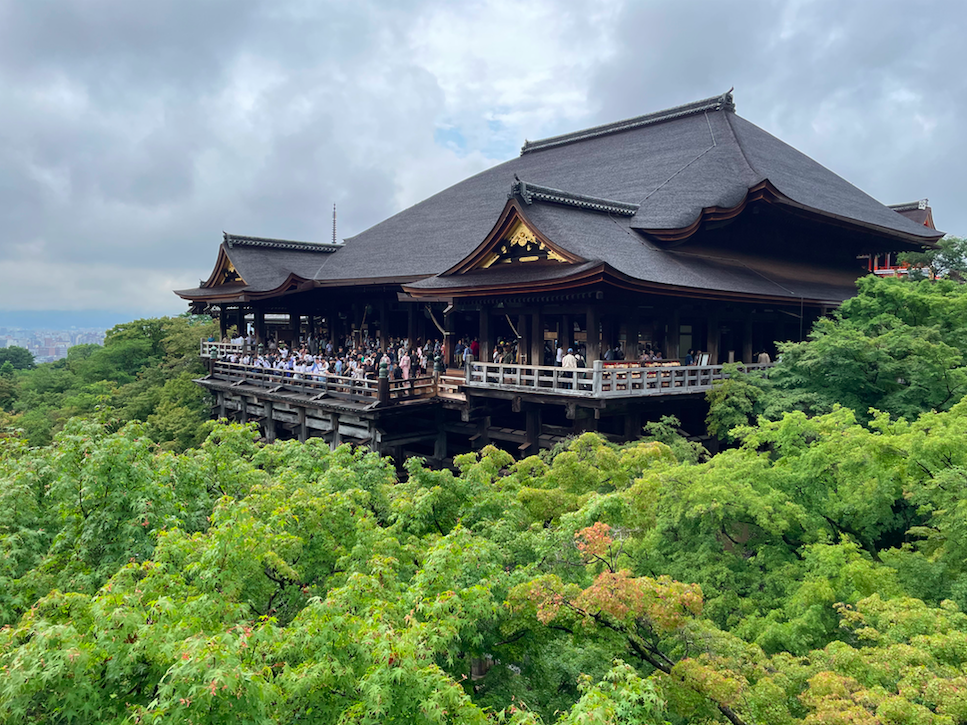
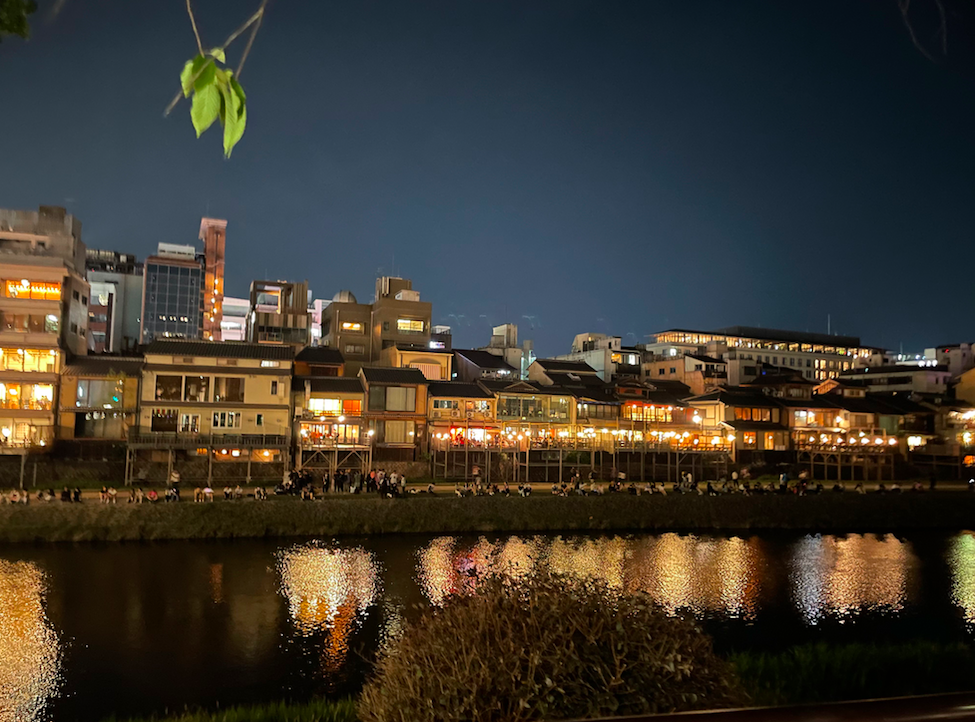
Kyoto tourist spots – must visit places and experience in Kyoto

Kyoto is the most famous and popular city, especially tourists from abroad. Kyoto is one of the oldest municipalities in which was set imperial court in 794 A.D. by Emperor Kanmu. This, one of the ancient city of Japan is considered the cultural and historical capital of Japan and is a major tourist destination.

There is lot of tourist spots and experience in Kyoto. Therefore, let me teach you the most convenient and effective way to see around this city – using public bus and subway.

The public transportations are in Kyoto is very cheap – for example, using public bus cost you only 230 yen (approx.1.5 dollars) for one ride.

Check the bus map below, which is divided into 5 points of areas of Kyoto, including famous shrines and temples.

Depending on the location, you may need to use the train or subway.

https://www2.city.kyoto.lg.jp/kotsu/webguide/files/tikabusnavi/en_tikabusnavi_1.pdf

https://www2.city.kyoto.lg.jp/kotsu/webguide/files/tikabusnavi/en_tikabusnavi_2.pdf

Not only visiting old shrines and temples, but also enjoying Japanese culture at Samurai Ninja museum or Kyoto International Manga museum and Nintendo museum.

You can also have a walk around Kyoto city with Japanese traditional kimono or yukata.

Meanwhile, the four seasons in Kyoto, each has its own beauty.

Spring – cherry blossom, Summer – bamboo forest, Autumn – fall foliage, Winter – snow etc.

Enjoy the scenery of each season with historical architectures and gardens.

Moreover, Kyoto has characteristic special quality of foods, especially foods that are made from soy beans and matcha (green tea). Kyoto Uji(京都 宇治) is one of the most famous production area of green tea leaves in Japan.

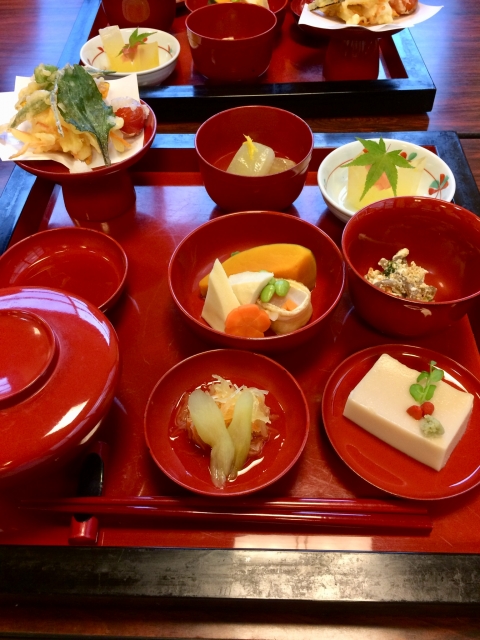
Tofu and yuba, soymilk cuisines have developed in temples at Kyoto, due to the prohibition of meat eating. It is called Shojin Ryori (精進料理).

Shojin Ryori could be a perfect meal for vegans.

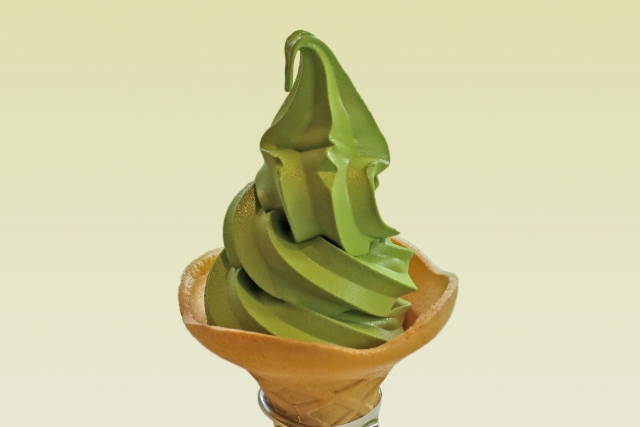
Macha(greentea) ice creams are available anywhere in Kyoto.

Let’s try a fresh matcha ice cream here!

Besides, Kyoto vegetable pickles(京漬物)and Kyoto yatsuhashi mochi sheets with cinnamon powder(八つ橋)are also popular as souvenirs.

The nearest ancient city from The Haneda Airport (Tokyo) is Kamakura!

Just 1 hour train ride will take you to Kamakura from The Haneda International Airport.

The Kamakura Shogunate was established in 1185 in Kamakura by Yoritomo Minamoto (源 頼朝). It was the feudal military government of Japan during the Kamakura period from 1185 to 1333.A.D.

Those who wish to learn something about the contrast of old toward urban Japanese culture and history may do so by visiting Japan’s old cities and other spots which form a backdrop to Japan’s long history, or visiting old temples, shrines, gardens and by admiring images of Buddha and objects of fine art.

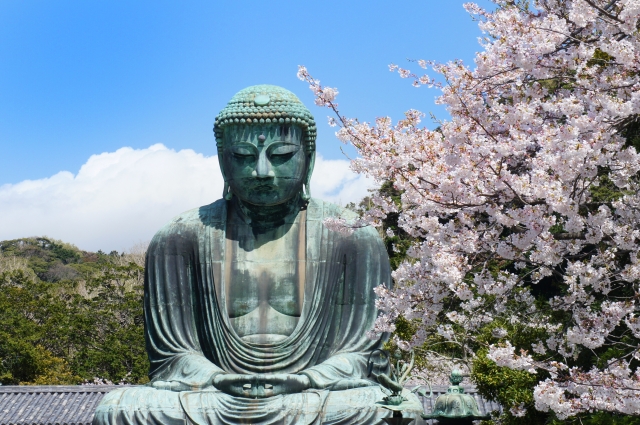
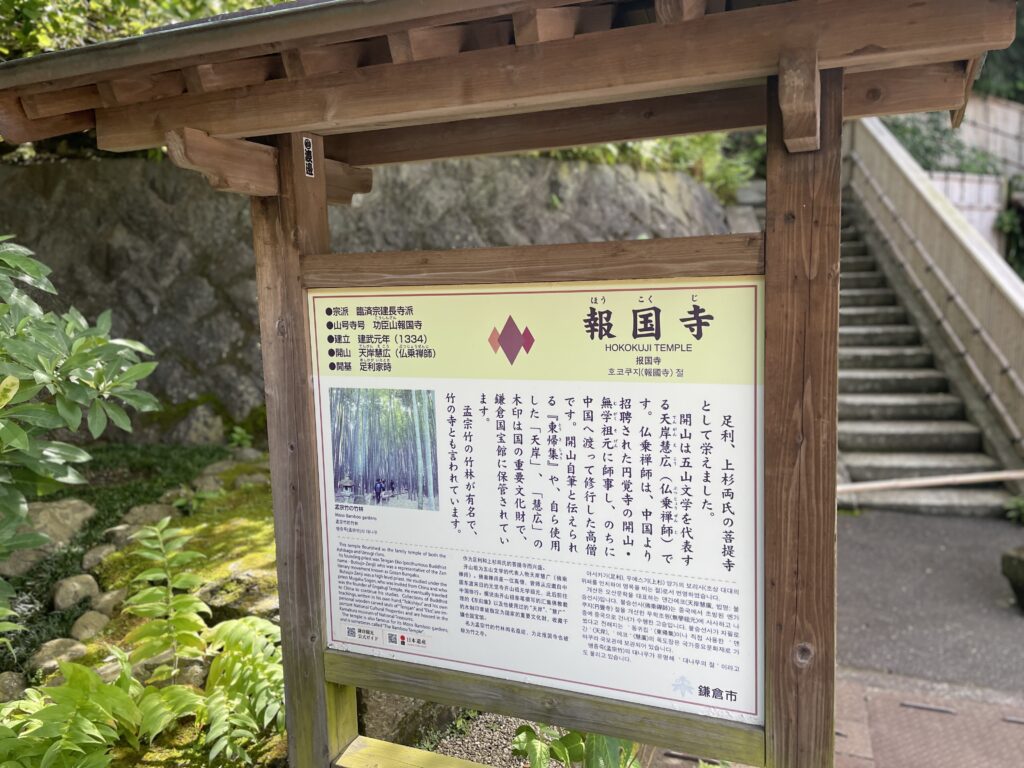
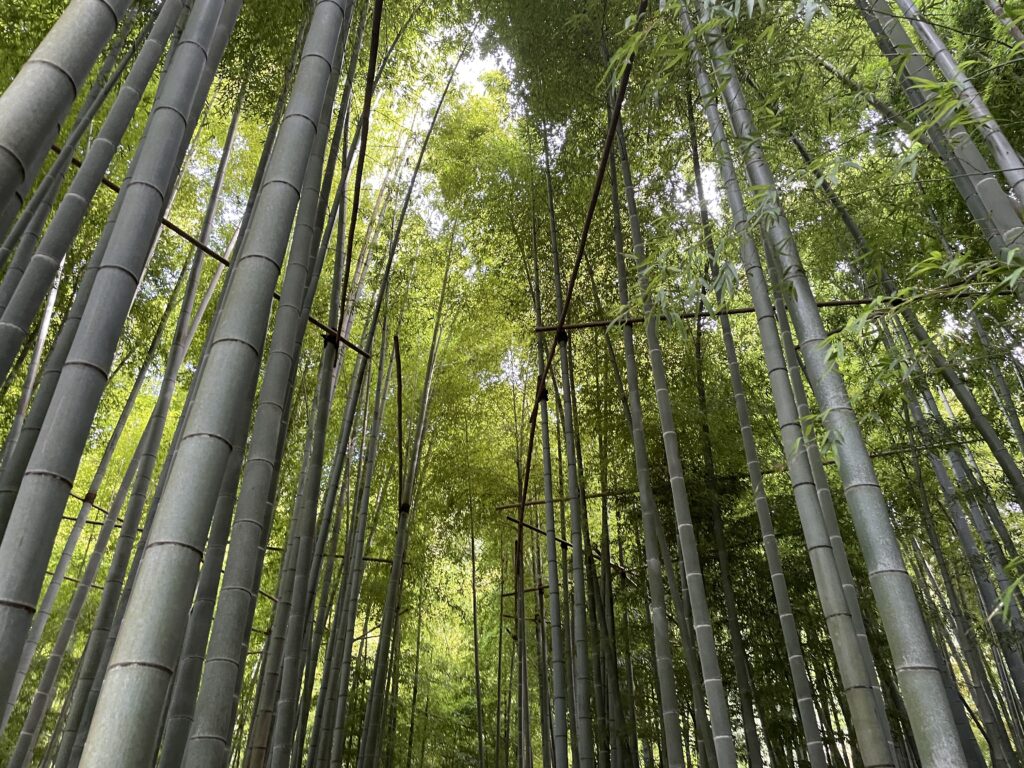
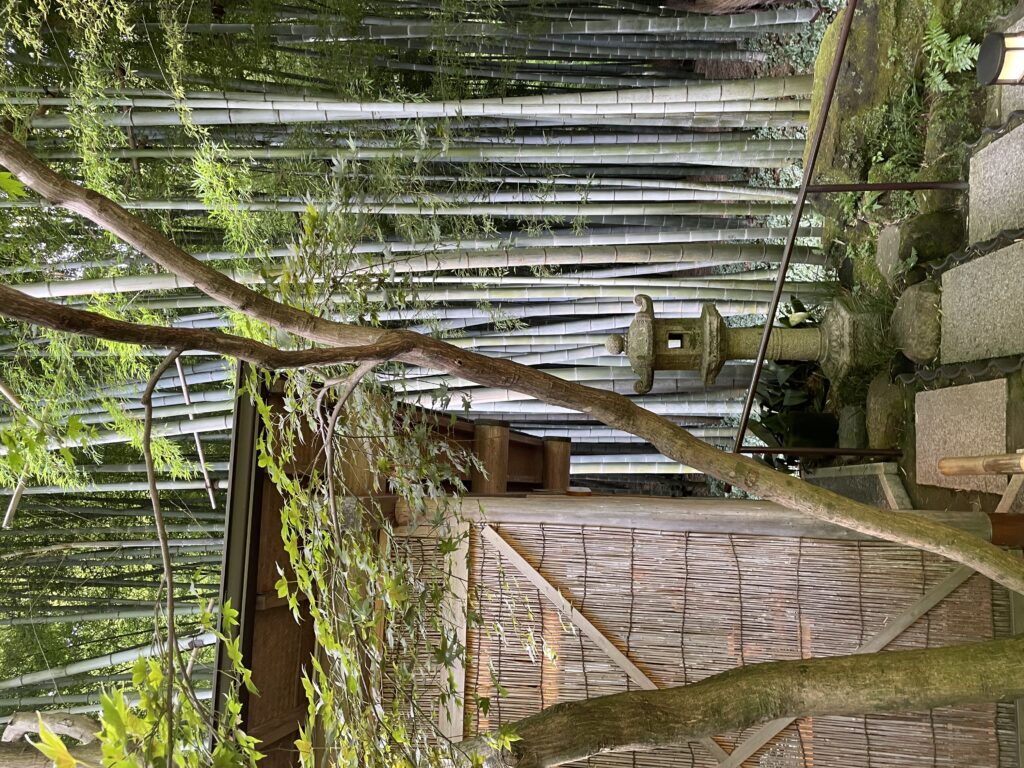
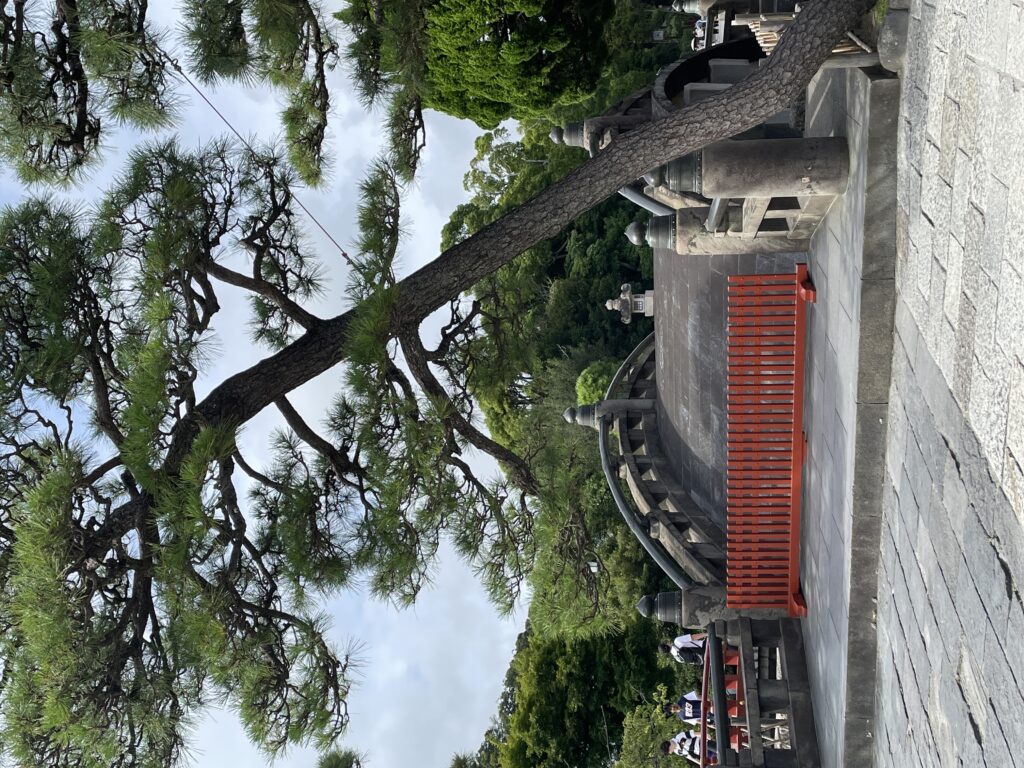
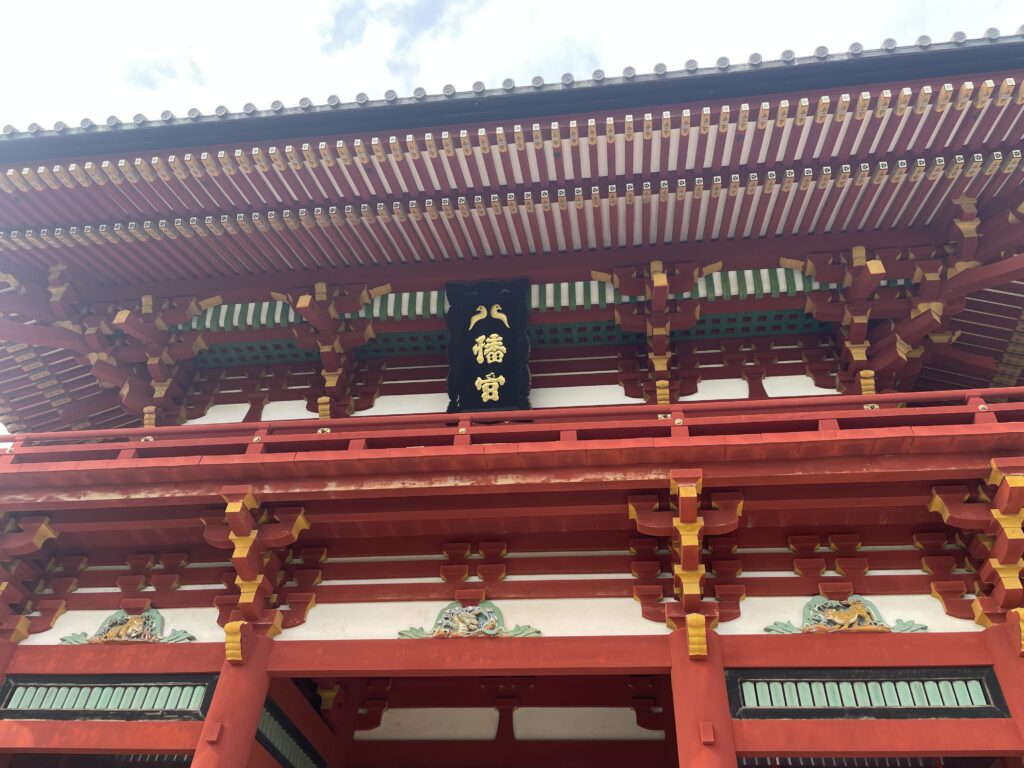
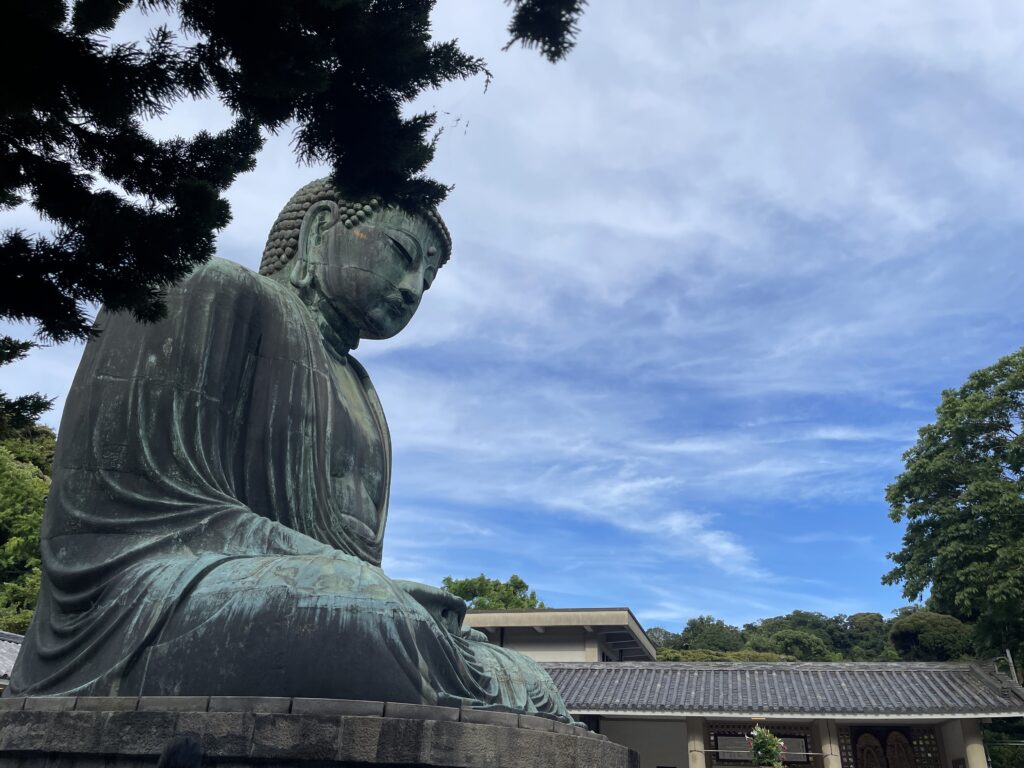
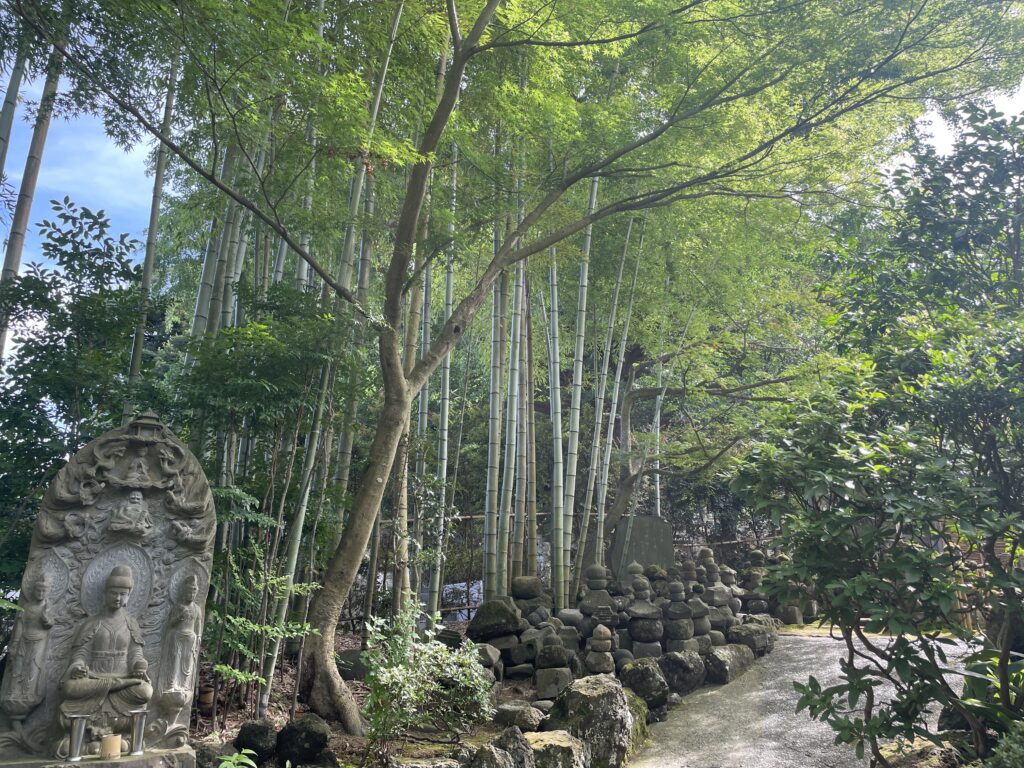
There is many historical places and temples, shrines in Kamakura, especially where is famous for “Great Budda of Kamakura 鎌倉大仏” “Bamboo Forest Hokokuji Temple 報国寺” “Tsuruoka  Hachimangu Shrine 鶴岡八幡宮”.

Kamakura is very compact city to see around, also can access to many tourist spots easily by public bus. Small old shopping road is quaint.

Are you sick and tired of gathering the central area of Tokyo?  Tourist sightseeing spot like Tokyo and Osaka are so crowded?

Come to Kamakura! Kamakura is still crowded, but it is better than these cities and go to the ocean beach (Yuiga Hama 由比ヶ浜).

Kamakura is the best one-day short trip destination from Tokyo to feel great atmosphere of Japanese ancient city, worth visiting here rather than any cherry blossoms viewing spots in Japan.

Japanese Bonsai Museum

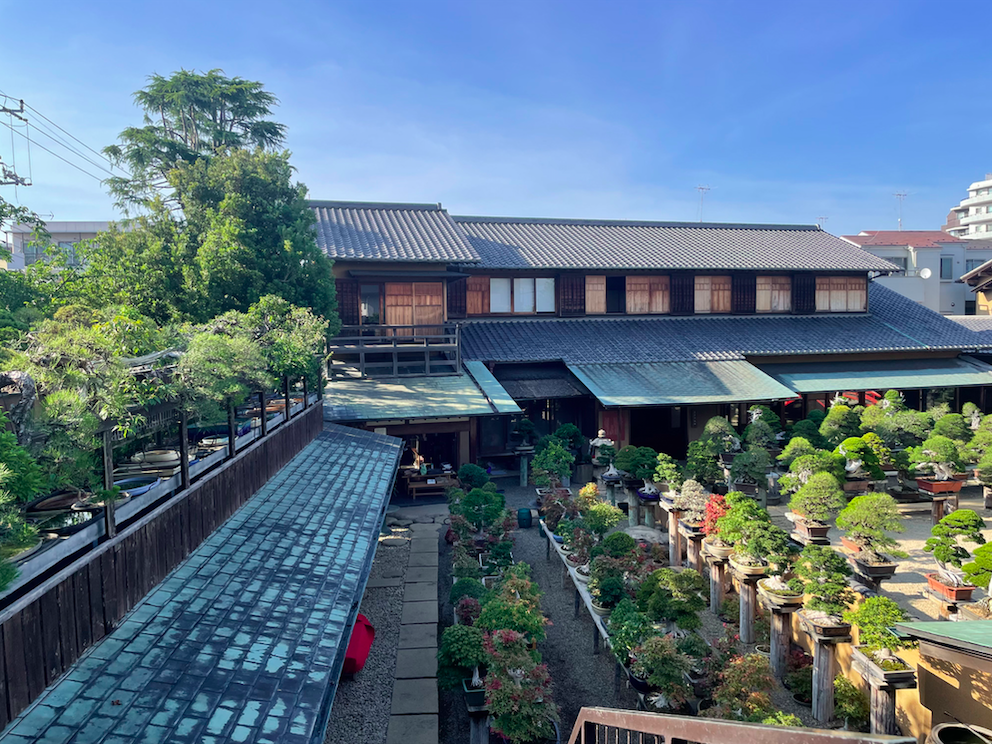
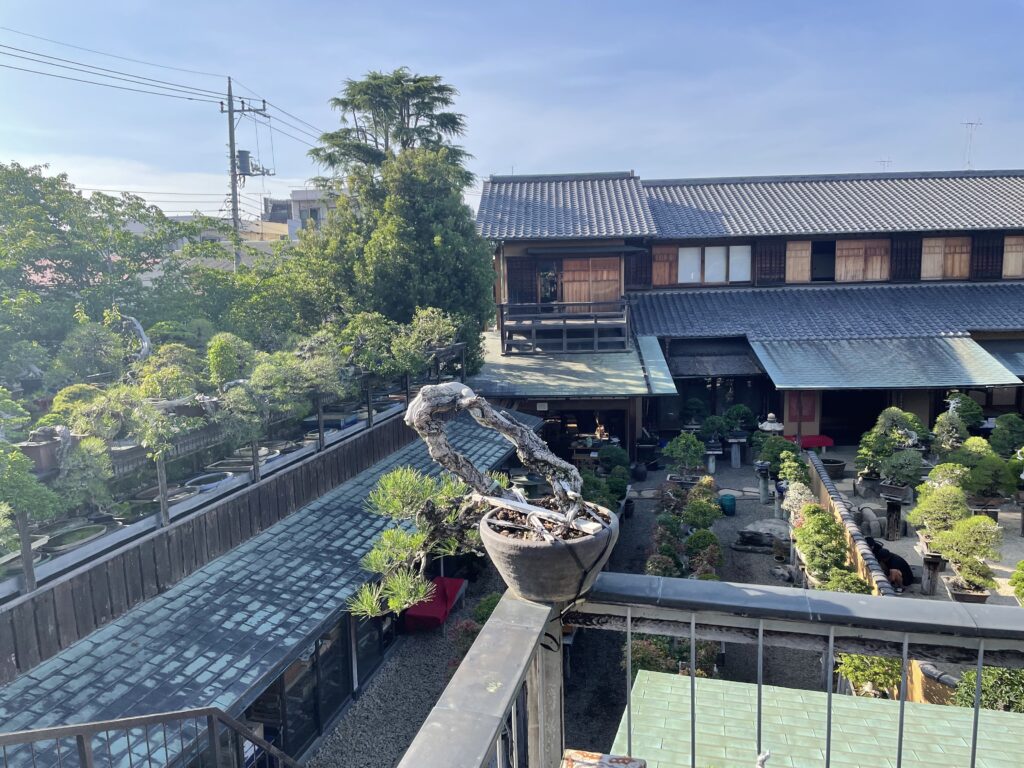
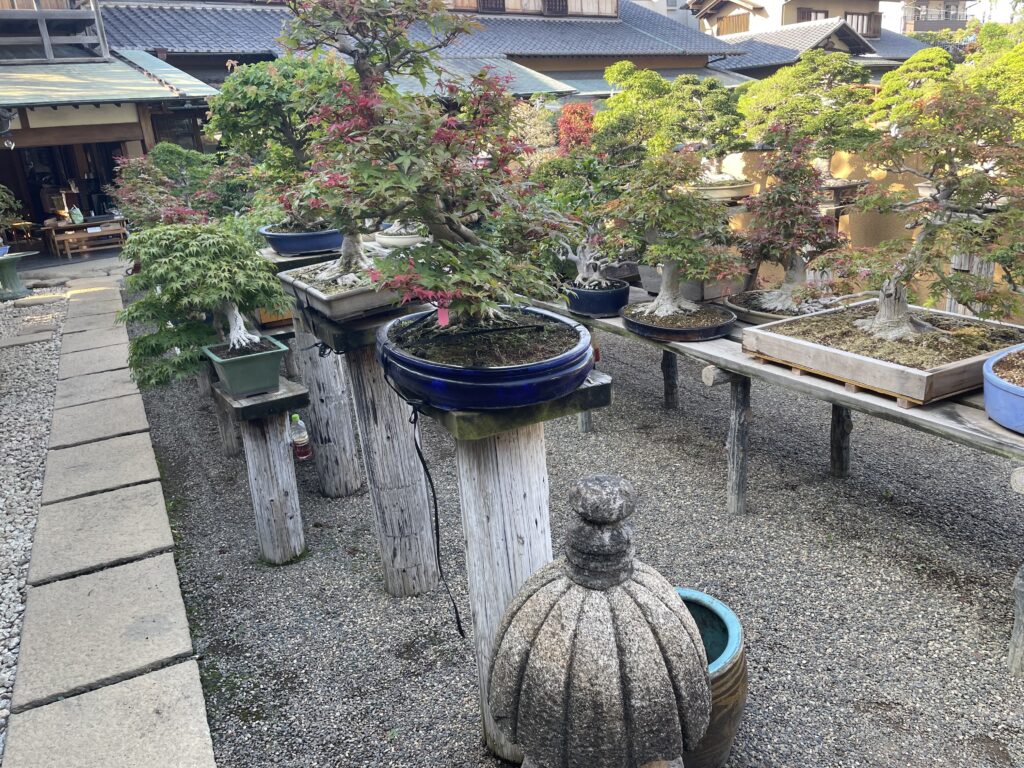
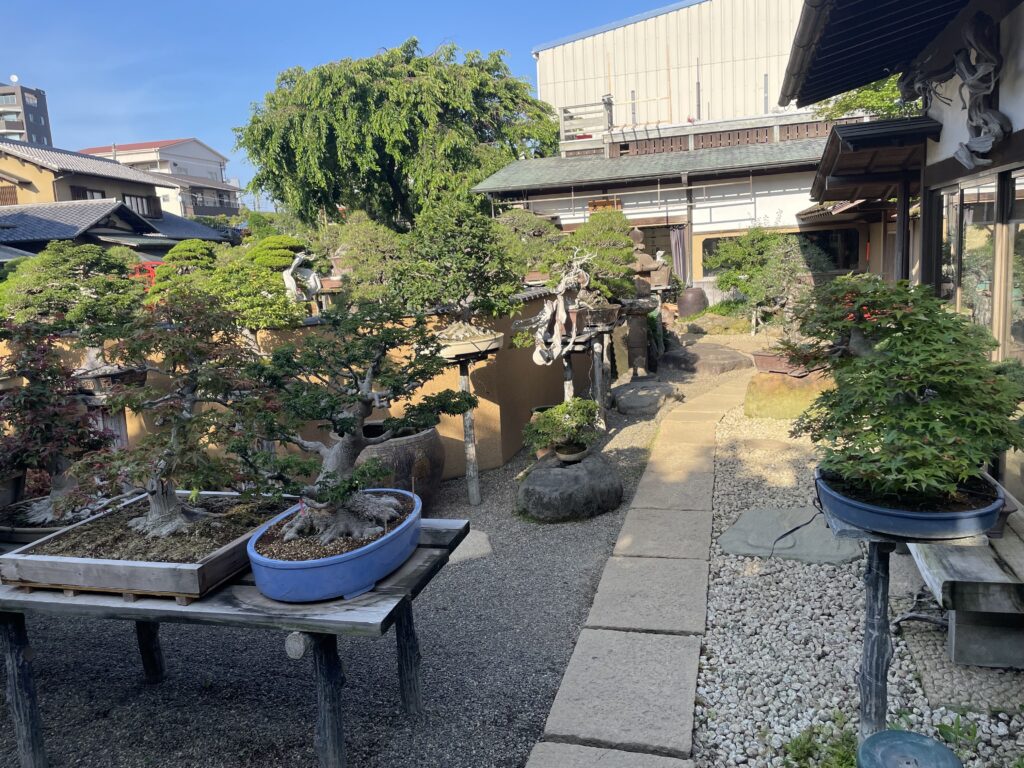
The other day, I visited Japanese Bonsai Museum at Edogawa-ward in Tokyo.

It calls 春花園BONSAI美術館(shunkaen Bosai Museum).

This bonsai museum is famous, which have been visited by world celebrities like Jeff Bezos, Cameron Diaz. More than 80 percent of visitors are foreigners.

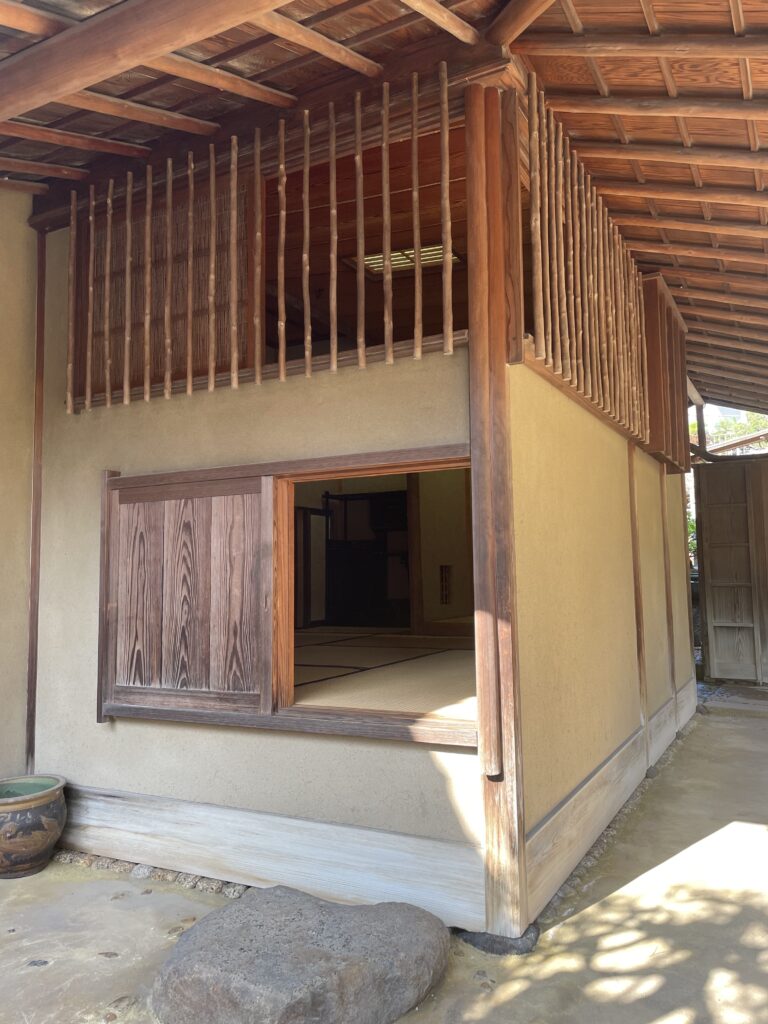
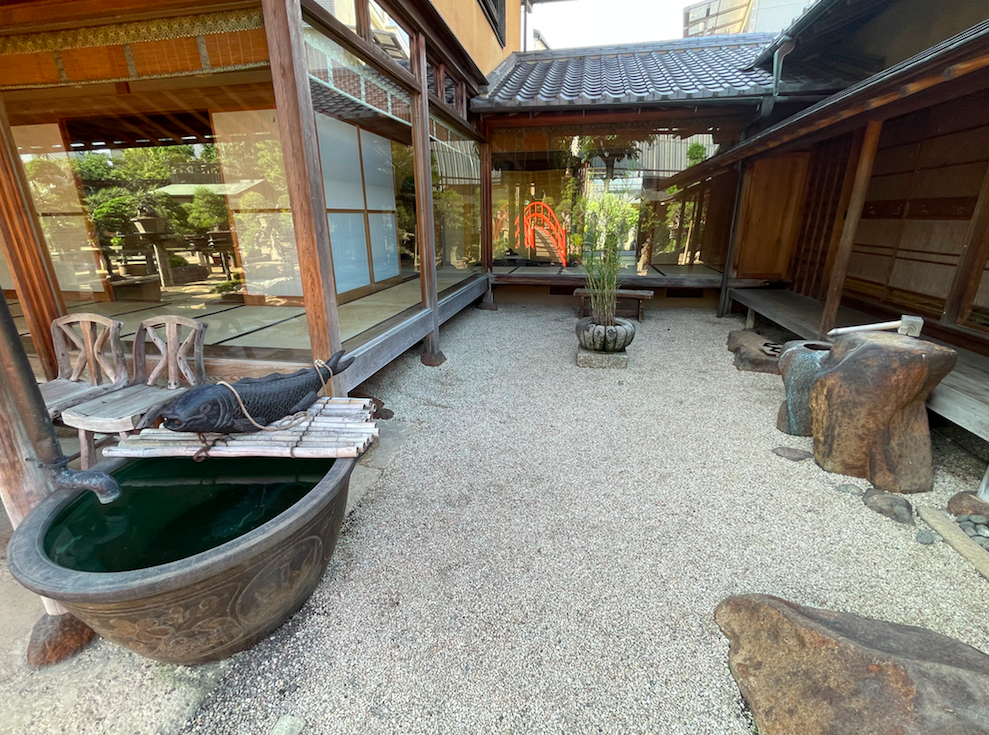
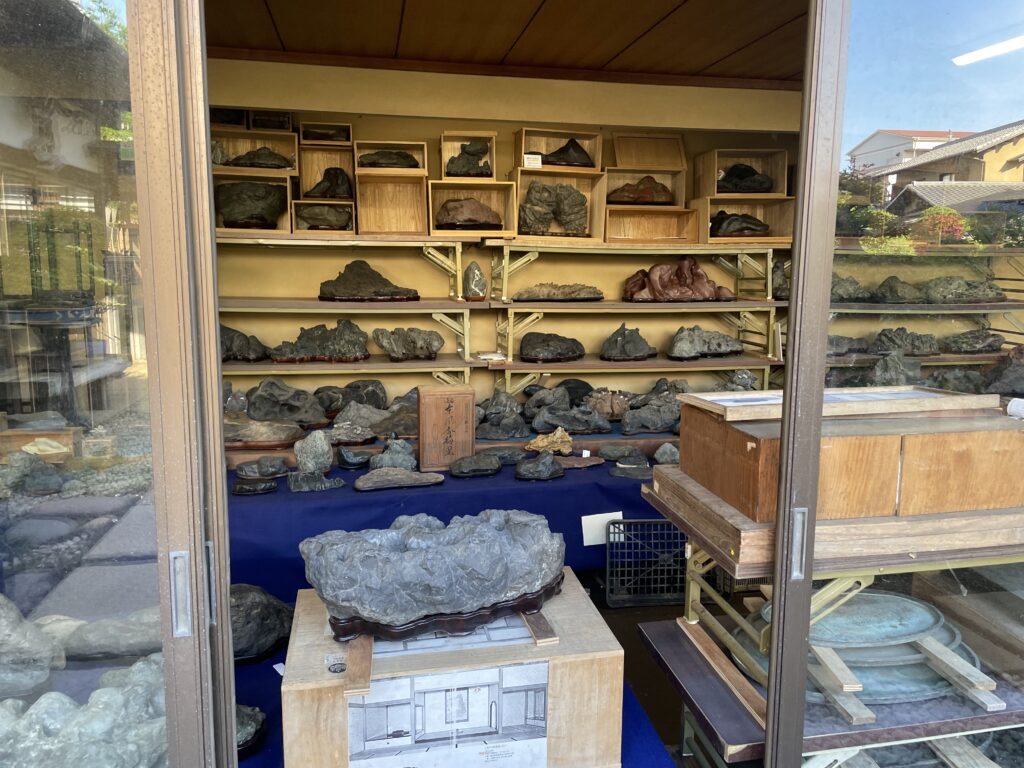
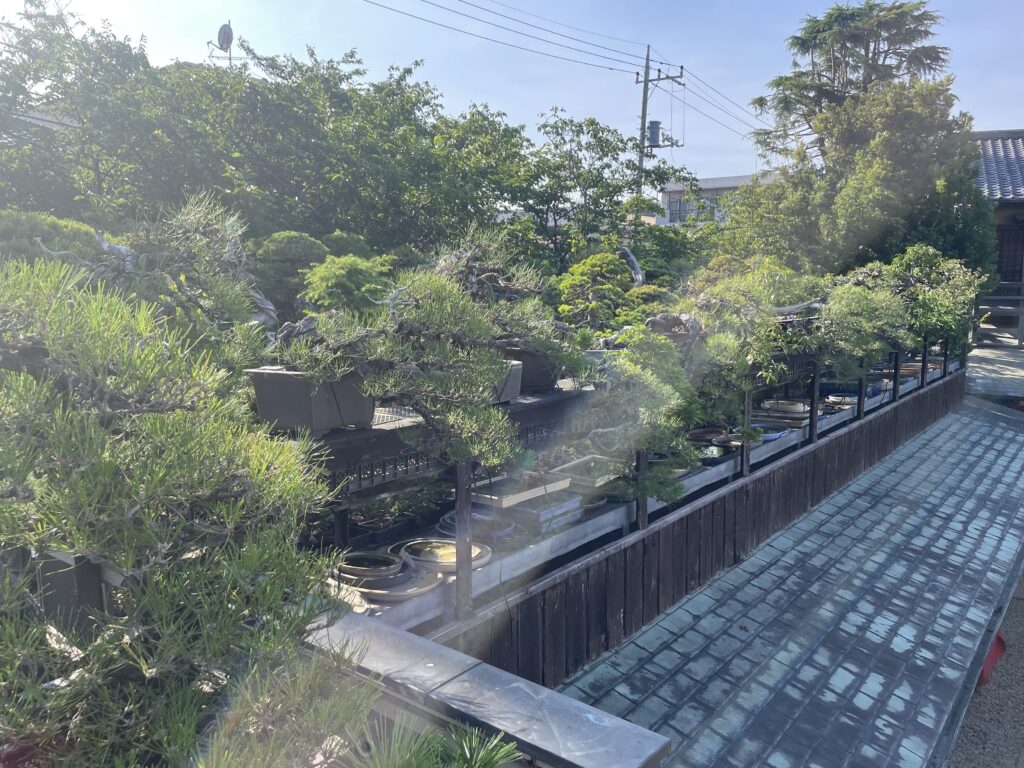
Almost a thousand of bonsai trees in this garden, moreover, tea ceremony room and taiko bridge has built over a pond for kois in sight.

This museum founded by Kunio Kobayashi who is a prominent authority as   a Japanese bonsai artist since 1989. He has trained over 200 successors of all over the world.

https://kunio-kobayashi.com/en/index.html

So what, Bonsai? You don’t know that?  OK, let me explain what is Bonsai.

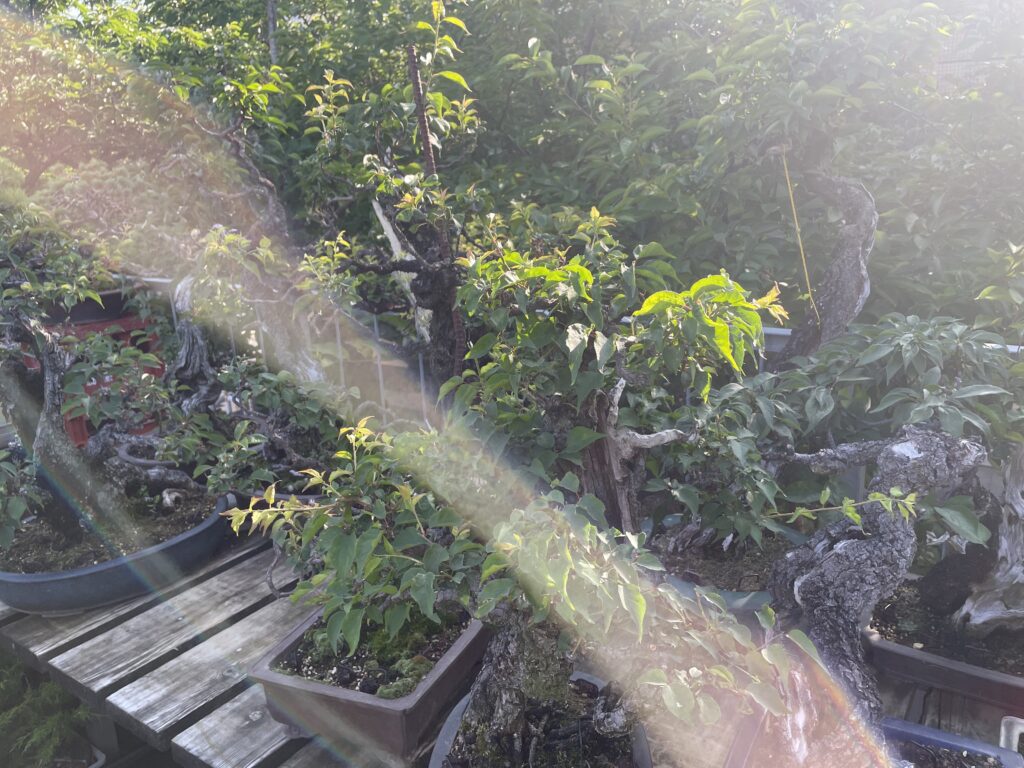
Bonsai (dwarf trees) is an art form that consists of planting a tree in a ceramic pot. Also, articles of taste to be admired through a process of cultivation that draws on the accents the plant’s vital powers, producing a natural elegance of form pleasing to the eye.

It was introduced to Japan the Nara and Heian Period (8 to 12 centuries) from China, whereafter it developed independently in Japan.

Bosai can last for periods ranging from decades to centuries, gradually gaining character as they age. Special cultivation method will be applied.

The essence of the art of cultivation lies in skillfully controlling the growth of the tree through promoting and restraining technics.

Bonsai are cultivated into variety of shapes by controlling such factors as the arrangement of the trunk (upright, learning, twisted, growing from a vertical face), the number of trees (single, multiple, clumped) and the root configuration (horizon with trunks rising from place to place, rock-clinging, partially exposed).

Trees are, mainly used pine tree, but many other types of trees can be used, such as various evergreens and deciduous trees, and trees that blossom, and bear fruit, and each has its own unique attractiveness.

Bonsai tree is, one symbolic subject, which is Japanese people love of natural beauty, Zen-inspired micro-world in the world.

This bonsai garden must be an oasis in concrete jungle of Tokyo, I felt a few degrees cooler in the center of the Tokyo, actually.

Enjoy visiting Zoos & Aquariums @Tokyo

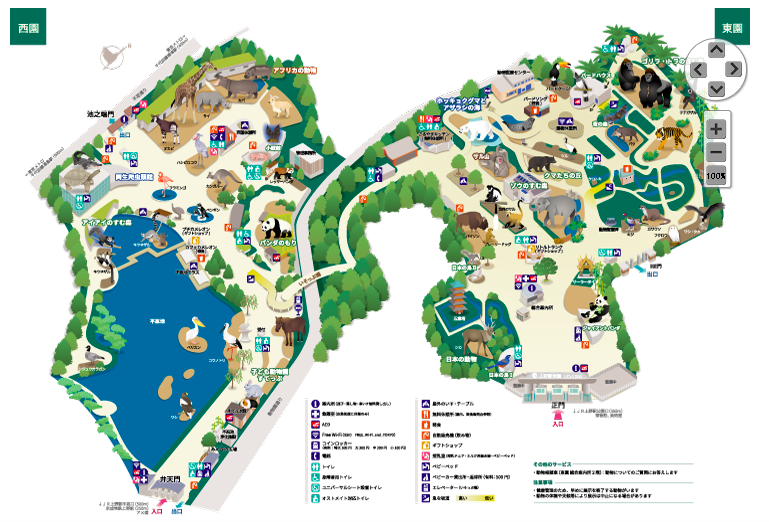
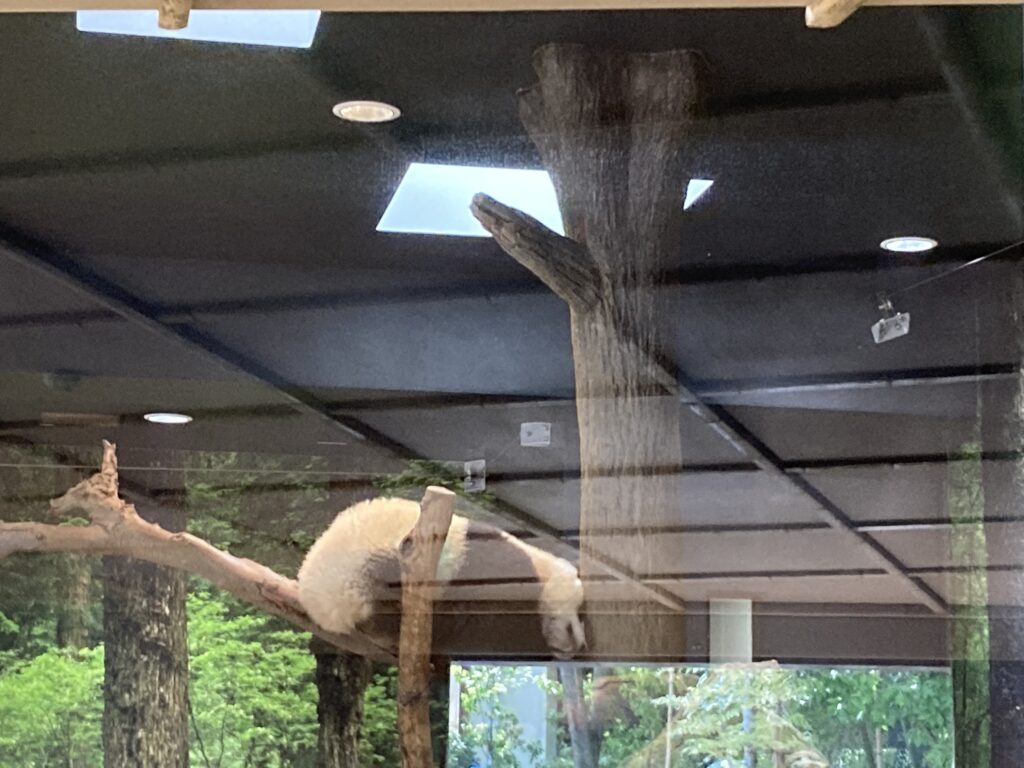
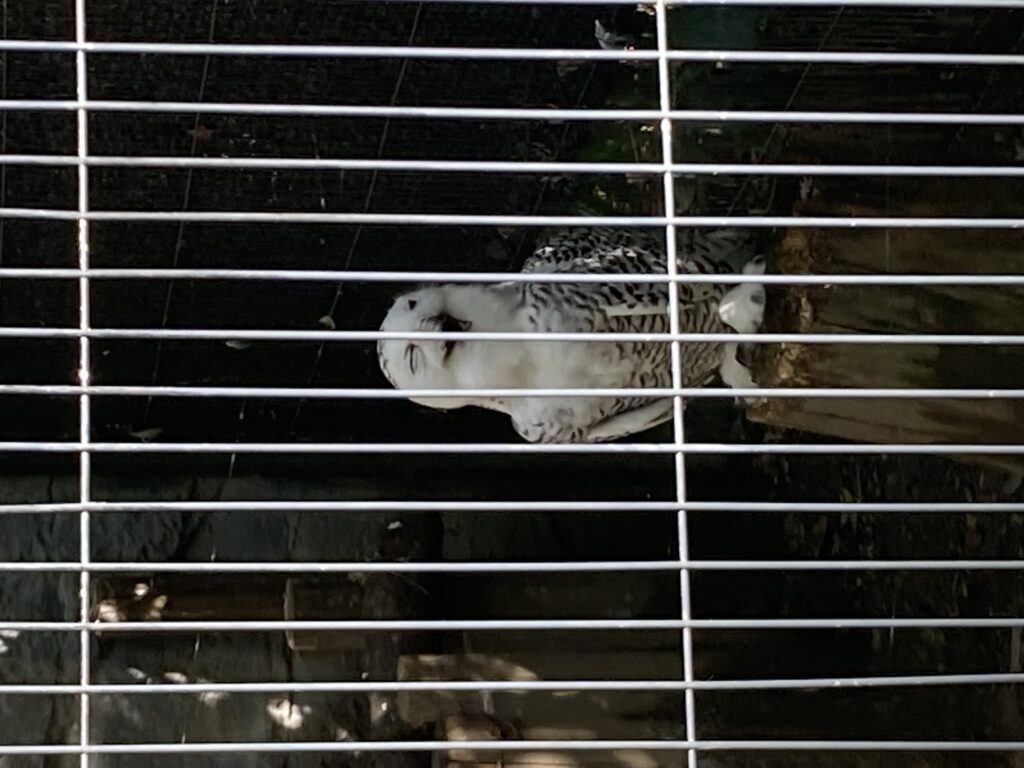
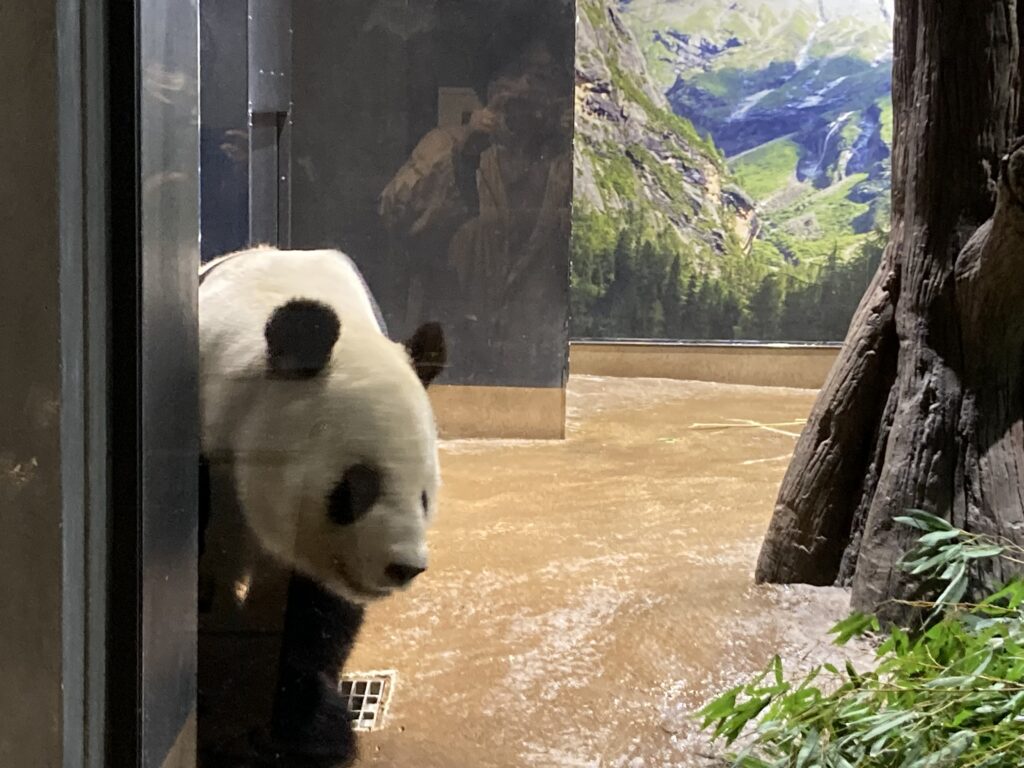
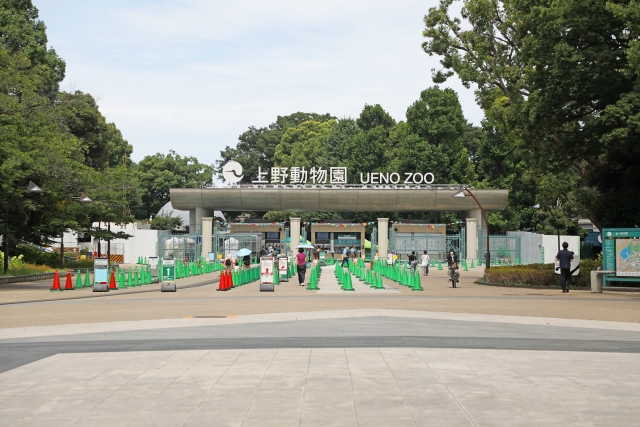
There are unique, characteristic zoos and aquariums all around the world, then, if you love animals or birds and fish, penguins, why don’t you visit zoo and aquarium while staying at Tokyo.

https://www.tokyo-zoo.net/

https://www.tokyo-zoo.net/english/kasai/index.html

Tokyo Ueno Zoo (Tokyo Zoological Gardens)and Kasai Rinkai Aquarium(Tokyo Sea Life Park) are being managed their administrations by Tokyo Metropolitan Government.

You can see the animals along scenery close to its natural environment.

Meanwhile, Sumida Aquarium, Shinagawa Aquarium are private aquariums, inclined to be particular about presentation.

https://www.sumida-aquarium.com/en/index.html

https://sunshinecity.jp/en/aquarium/

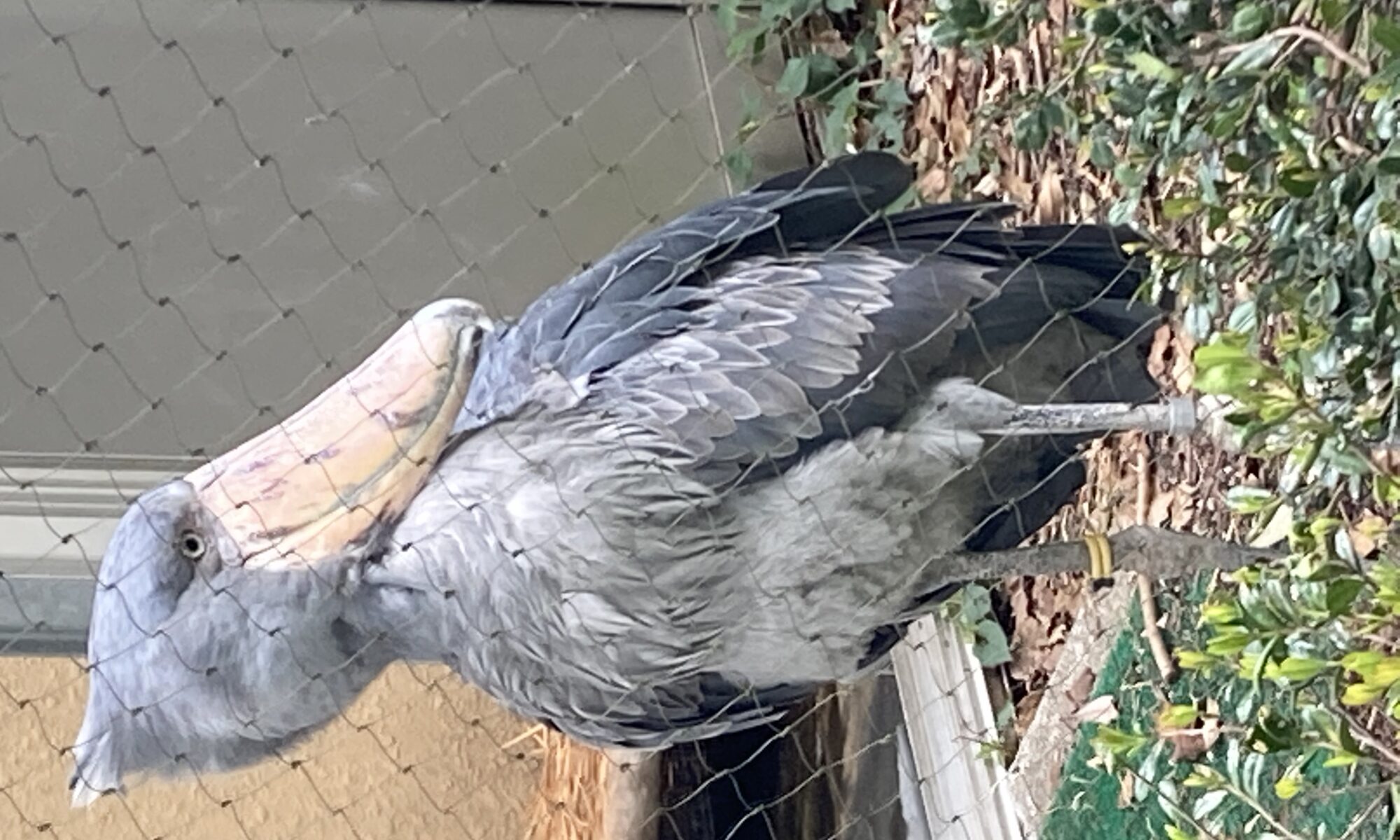
Animals are endearing, wild, brave, humorous, huge and tiny.

You must see fish and penguins, fur seals, Chinese eels, a school of tunas, jelly fish in Tokyo.

Let’s chill out and watch some wildlife at the center of Metropolis.

Ninja and Shogun – Japanese medieval mind game- rebellion against Tokugawa- below the surface

Ninja was – because they were supposed to vanish around the end of 20th century -But people, especially foreigners believe that their descendants are still living in small villages anywhere in japan like “Ninja no Sato”.

Yes, their descendants are still alive, especially Iga-Ninja(伊賀忍者)、Koga-Ninja(甲賀忍者)、Agatsuma-Sanada Ninja(吾妻真田忍者) are very famous, then, the some real descendants and performers are teaching Nin-jyutsu(忍術) to tourists just as an entertainment below,

https://koka.ninpou.jp/

https://agatsuma-ninja.com/

However, Ninja used to be treated – secret agents, private detectives, spies – were hired by Shogun and local Samurai, to play an important role in medieval Japan.

Some says Ninja exist at the beginning of 15th century to the end of 20th century. From the end of 15th century, samurai turned into local feudal loads(Daimyo), they gradually controlled their province.

After victory of the battle of Sekigahara, Ieyasu Tokugawa unified Japan as a one country in 17th century. But at that time, Japan was still divided around 68 territories. Daimyos who contributed to Sekigahara, were given Han(dominion)where closed to Edo(Tokyo), On the other hand, Daimyos who were opposed to Ieyasu Tokugawa while Sekigahara, were shunted off to faraway. They are called “Tozama(外様)Daimyo”.

In this way, Tokugawa and Tozama(外様)Daimyo – below the surface battles began! For exsample, some Tozama Daimyos began import and export trade with foreign countries secretly. Some Tozama Daimyos tried to rise in rebellion against Tokugawa Bakufu. Furthermore, Since Tokugawa banned believing Christianity, Christians plotted treason against Tokugawa in Nagasaki.

Meanwhile, Tokugawa hired many Ninjas for investigating local movements, also Tozama Daimyos hires Ninjas to win those information warfare as well.

So that Ninja was very important existence both of Tokugawa and Tozama Daimyo.

Now, Ninjas are famous – under the influence of comics and animes “Naruto” “Nintama” and drama “House of Ninjas(Ninja-no-ie)”.

Japanese people might think – Ninjas had gone –not exist in present, but you know, Ninjas are spies, they should have just kept his or her head down, hunkered down. Believe it or not, your neighbors might be Ninja!! and Ninja-no-Ie!

By the way, female Ninja are called “Kuno-ichi”. Because “female” is described “女“in Kanji letters, so it can be broken in three parts as

“女”= ”く ノ 一“ く=ku, ノ=no, 一=ichi,

This is very funny cryptography, right??
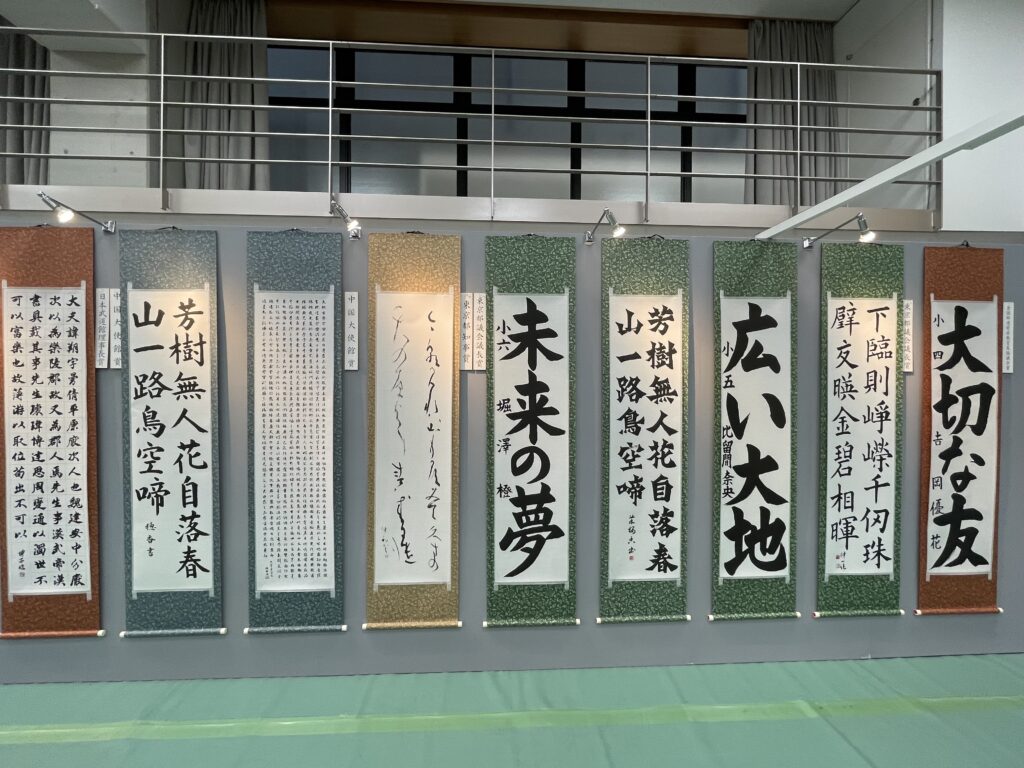
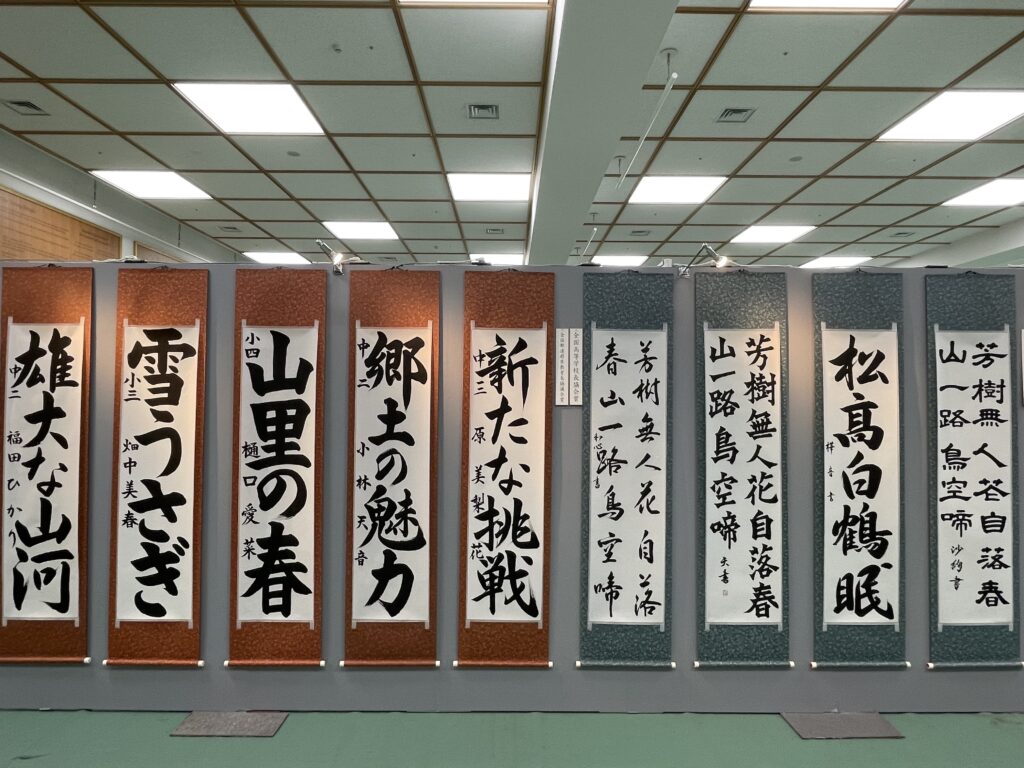
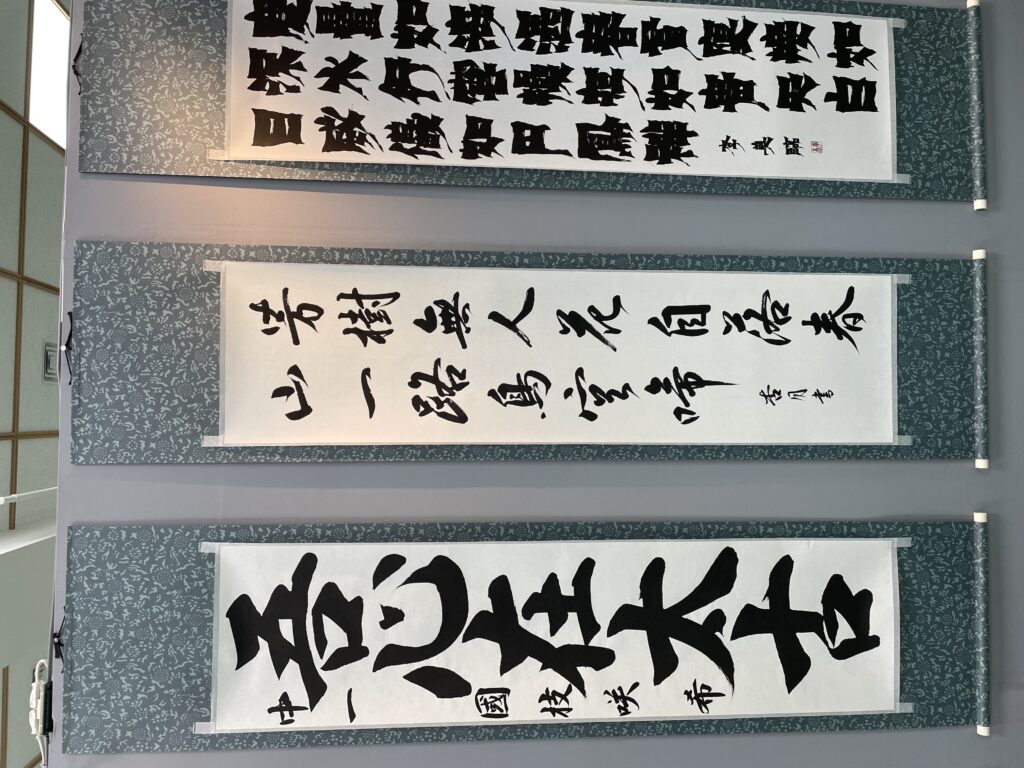
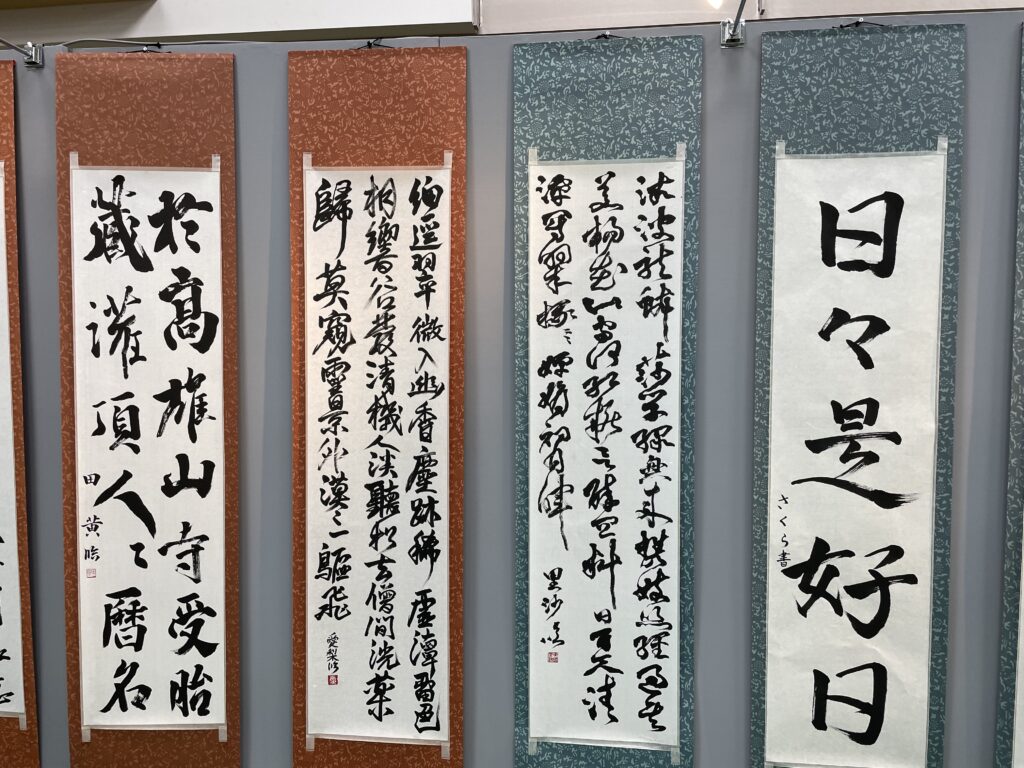
Shodo(書道)-Calligraphy-expresses spiritual depth and beauty by means of Kanji and Kana-Chinese ancient poems and Japanese old saying.

In my previous posting, I introduced that Japanese new year’s customs –Kakizome- the first writing of the new year with Japanese writing brush (fude 筆) and ink(sumi墨). People commonly write new year’s resolutions, auspicious words and poems for celebrating new year.

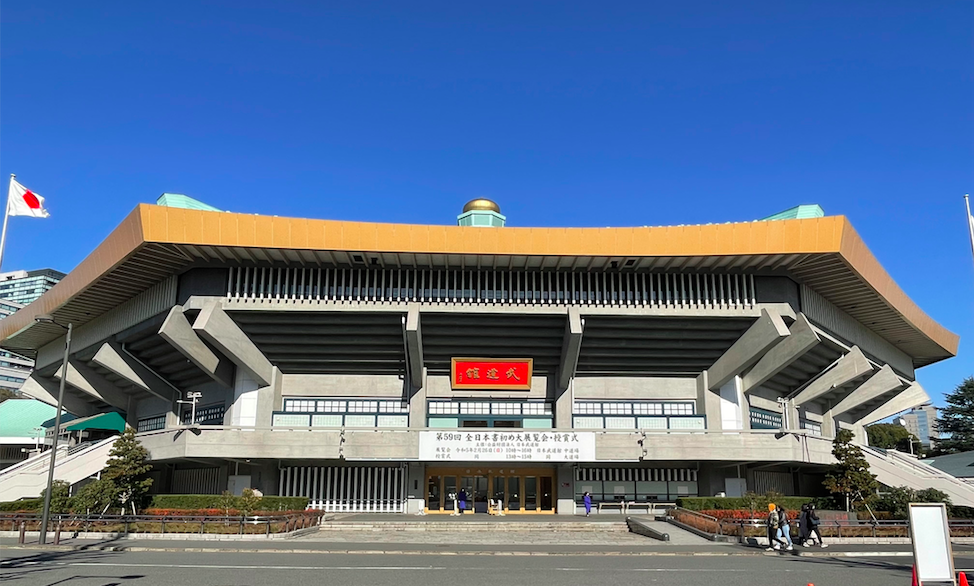
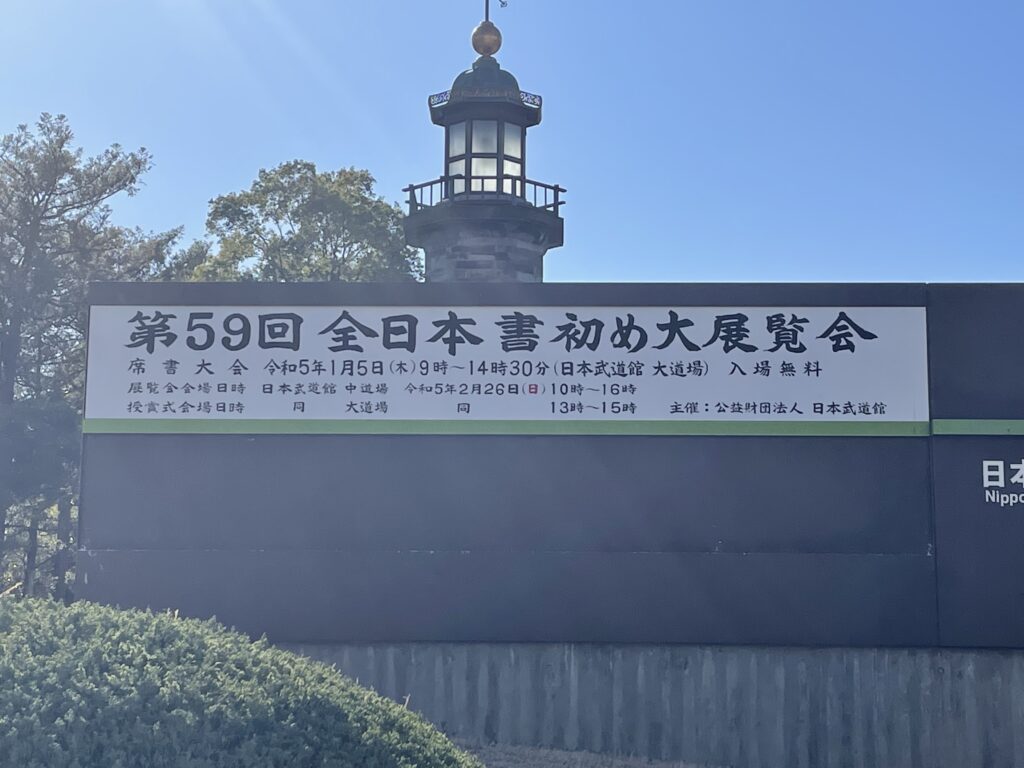
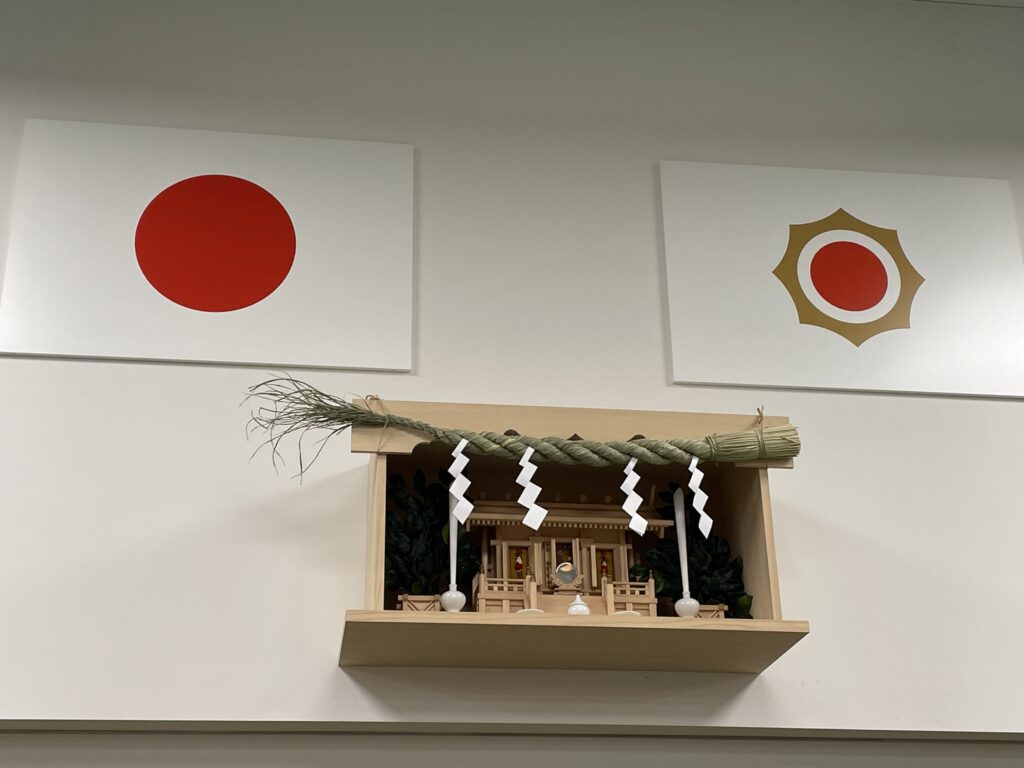
The 59th Kakizome competition and exhibition of Japan took place at Nippon Budokan in February 2023.

Nippon Budokan, maybe, no need to explain, the central organization hall for the promotion of Japanese Budo武道 (ex. Judo柔道, Kendo剣道, Kyudo弓道,Aikido合気道, Karate空手, Sumo相撲, and so on). Furthermore, it is also a well-known place where is legendary, prestigious live concerts hall. Famous musicians have been holding their live concerts at Budokan since 1964, like The Beatles, Cheap Trick, Kiss, Aerosmith, Eric Clapton, Guns N’ Roses, etc. (excuse me, I am a huge hard rock, heavy metal fan!)

http://nipponbudokan.or.jp/english

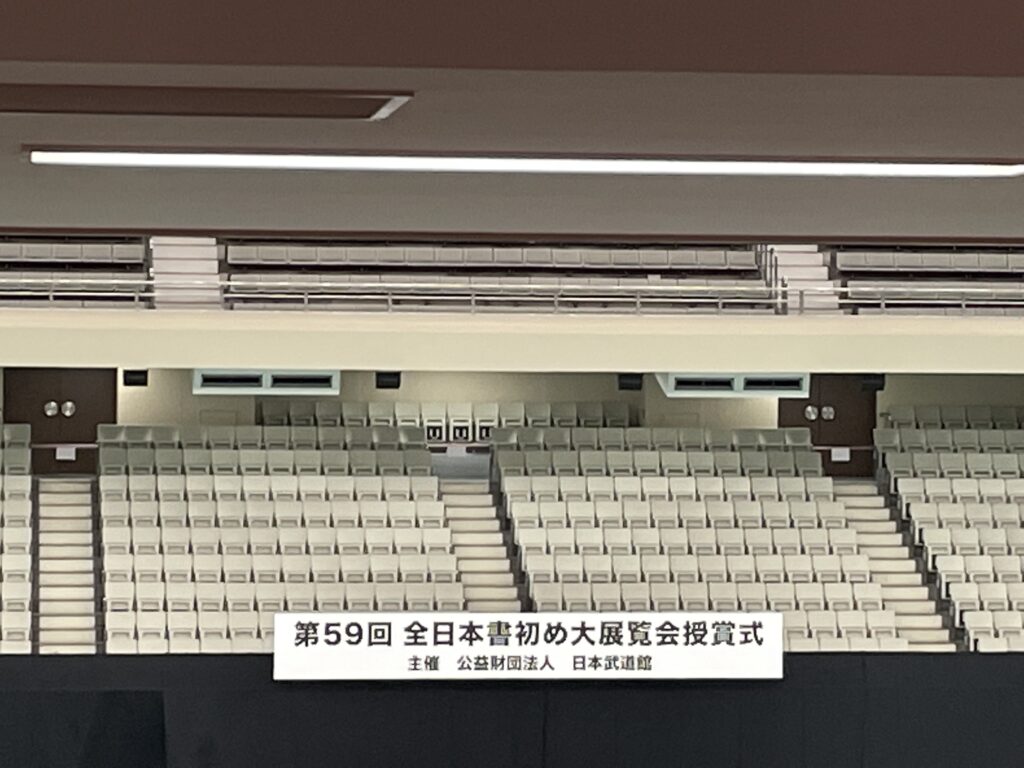
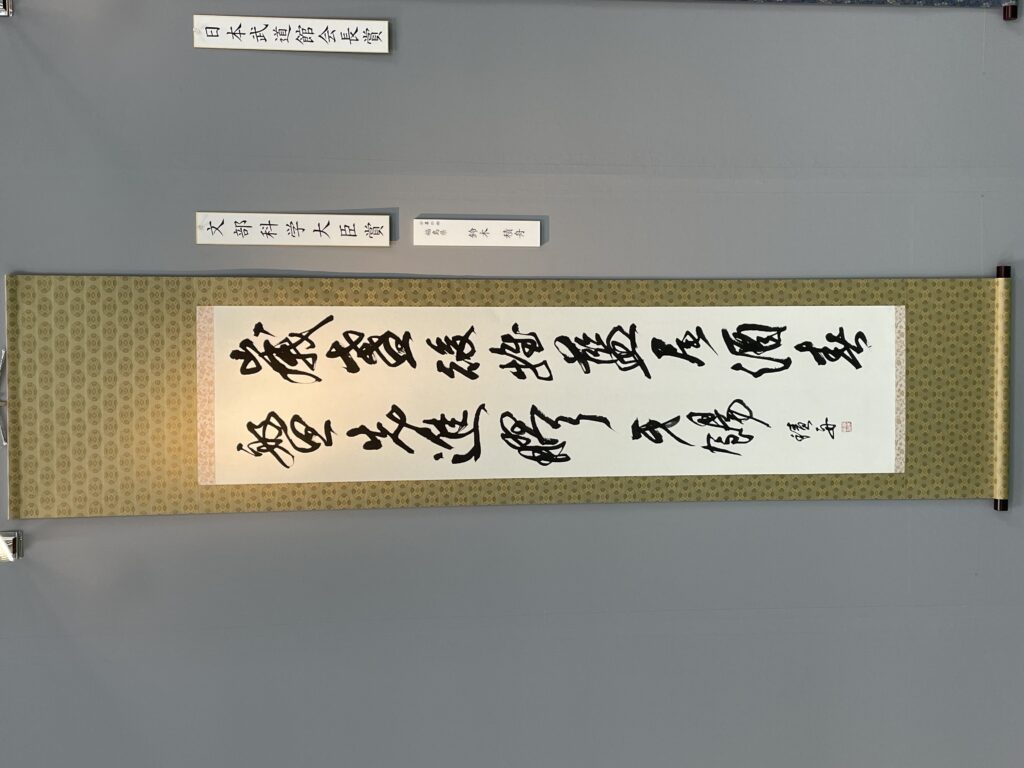
At that time, there was the award ceremony and an exhibition for the winners of 59th Kakizome competition.

The appreciation of a work of calligraphy depends on the beauty of expression, theme selection, writing style, meaning of the words or poems.

Calligraphy has been more highly respected as an art in China, Korea and Japan for a long time, because of the complexity of the Kanji character. In Japan, They are often displayed at Tokonoma(Japanese alcove) as the main theme of Kakejiku.

The awards judgement have been made by each sponsor like news paper companies, governmental organizations, cultural organizations, thief of municipals. The evaluation criteria is based on brush strokes, letter structure, gradation of light and shade of sumi, arrangement, letter alignment. Every letter should be unified as one worldview by using a one washi和紙(hanshi) 半紙paper,bunchin文鎮, suzuri硯, shitajiki下敷.

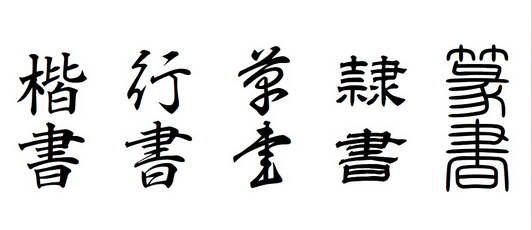
Shodo has basic 5 figures of writing Kanjis, 篆書(Tensho)、隷書(Reisho)、草書(Sosho)、行書(Gyosho)、楷書(Kaisho).

Kaisho, Gyosho, Sosho, Reisho, Tensho,

As I mentioned before, writers have a tendency to select new year’s resolutions, happy auspicious words, old Chinese poems, Japanese old proverbs for their writing themes.

Everyone feel happy for watching Childrens’ kakizome in January.

Also, I was really impressed when I stood in front of artistic shodo works by professionals, even amateurs, those shodo works were…beyond description!

Japanese Ikebana – emerges small universe – the aesthetics of “beauty in the flaws”.

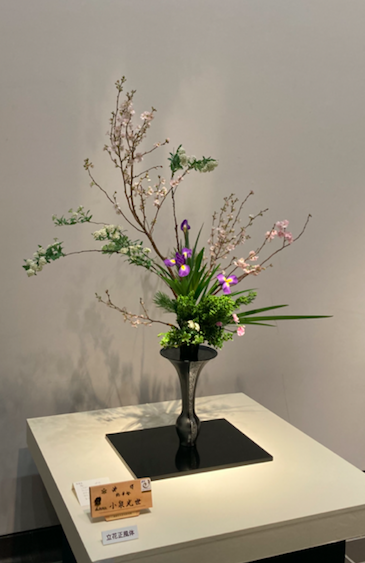
Shoka-Shinputai 生花新風体

Are you interested in Japanese traditional cultures? You might know Japanese traditional Ikebana that is called “Kado”華道, (Japanese Art of Flower Arrangement).

If you flatter yourself that you are definitely a connoisseur of Japanese cultures, you should know the concept and philosophy of Kado.

Rikka-Shofutai 立花正風体
Rikka-Shinputai 立花新風体
Tate-Bana たて花

You also know “Sado”茶道(Japanese Tea Ceremony)and Kodo 香道 (Incense Appreciation) which deeply related to Kado, those concepts depict sophisticated atmosphere, spatial arrangement in the space where is strained quiet loneliness and beauty of silence.

Basically, Ikebana used to adorn the tokonoma (alcove) in front of kakejiku(hanging scrolls) in Japanese traditional home.

Sanshu-Ike 三種生

There are various distinct schools of Ikebana in Japan. Frankly I can’t give a clear-cut explanation of the differences of them. Though, I just visited Ikenobo exhibition at Tokyo Metropolitan Art Museum, so I have learned a little about Ikenobo Kado.

There are estimated to be around over 3000 Ikebana schools in Japan, however, the largest and most popular schools of Ikebana are Ikenobo(池坊)Sougetsu(草月)Obara(小原).

The oldest Ikebana school is Ikenobo. It had begun at Muromachi-era by the monk who name is Ikenobo Senkei.

The characteristic of Ikenobo(池坊) is mainly represented these three ways of style,

 “Rikka(立花)” ,”Shoka(生花)”,”Jiyuka(自由花)”, respectively.

Rikka(立花) is emphasized as means of the materials and forms as they existed in their natural state like sky, mountain, river. It is depicting landscape of nature from Muromachi-era.

Shoka(生花) is generally used one to three materials, which express vital nature of living of flowers and leaves, branches. It was established around Edo-era.

Jiyuka(自由花) is no crucial rules or forms of figures, just try to bring out the charm of their figures and textures.

Sougetsu(草月)is more an avant-garde style of school, which was established in 1927 by Teshigahara Soufu. It is known as free and modern art approach to Ikebana. It doesn’t follow to be bound by common traditional style.

Obara(小原) was established by Obara Unshin. He possessed to utilize for expressing his way of school by using western materials and forms in Meiji-era. He developed Moribana(盛花) style, which is composed of 3 dimensions of art works.

In general, Ikenobo(池坊) contributed to the development of rikka style. Considering this fact, Ikenobo is to the oldest Ikebana school in Japan.

Ikenobo’s basic concept is, representing the state of natures – plants and flowers just exist here profoundly. The view of the world is “Less is more”- as it were,”Wabi-Sabi”.

Ikebana reached its first zenith in the 16th century. And later, in the middle of Edo era, spread widely among common people.

In the Meiji-era, most of girls’ schools brought Ikebana classes in school as part of the mandate curriculum.

Rikka-Shinputai 立花新風体

Even today, Ikebana is respected as one of the classical Japanese arts of refinement.

If you really would like to learn “Wabi-Sabi”aesthetics, this column below is one of the best descriptions about the concept.

Japan’s Unusual Way to View the World