In autumn in Japan, it’s not only the fall foliage that you
can enjoy—there are also many festivals, events, and flea markets.
Among these, pottery markets held in various regions are
especially not to be missed.
There is a convenient website that lists pottery markets held all across Japan,
so be sure to check it out.
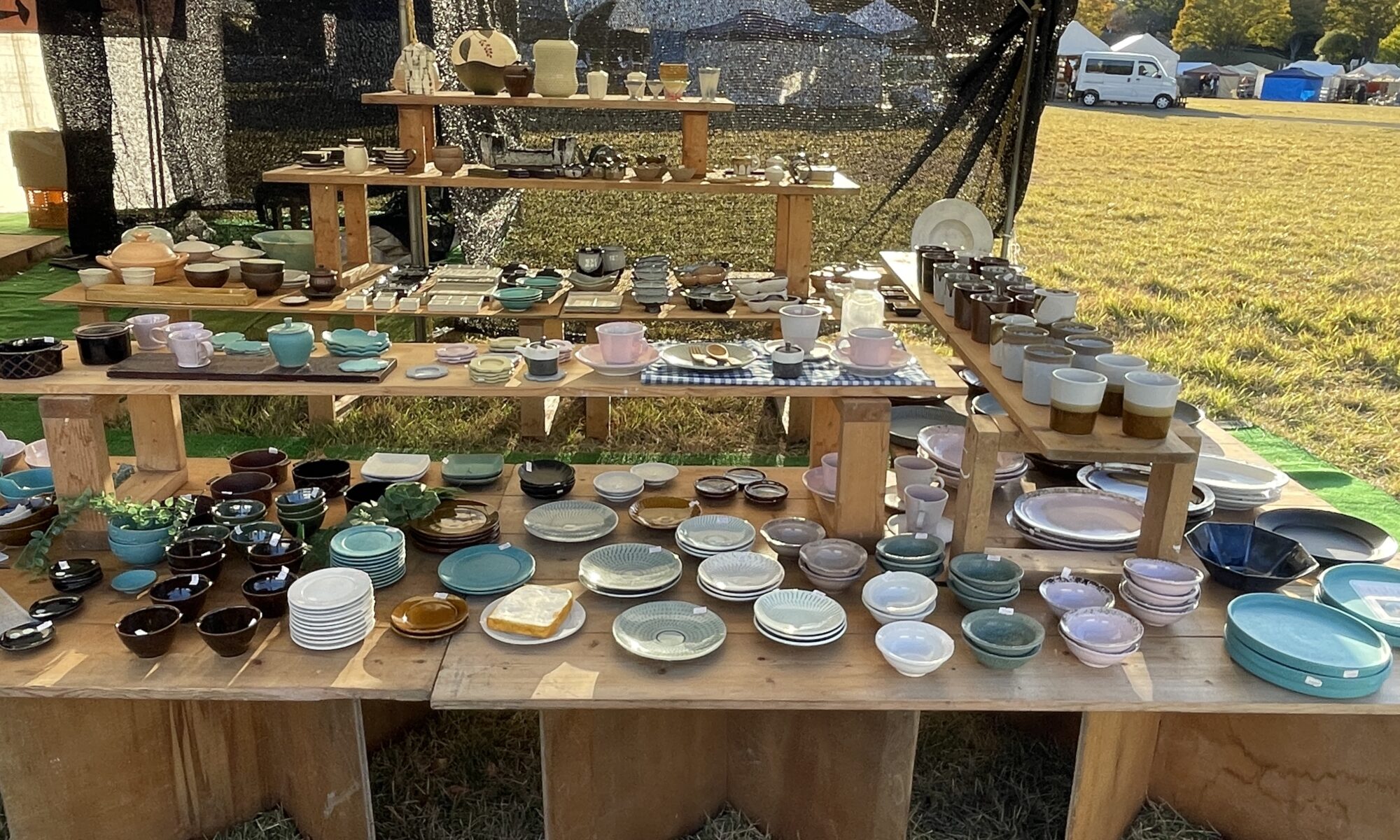
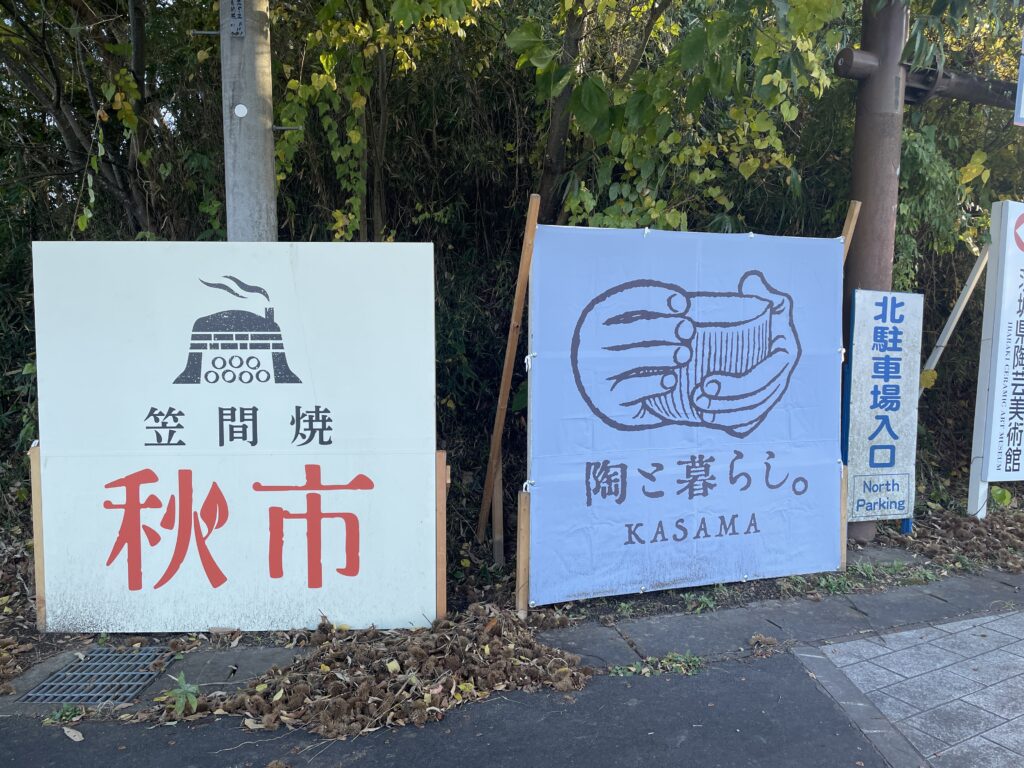
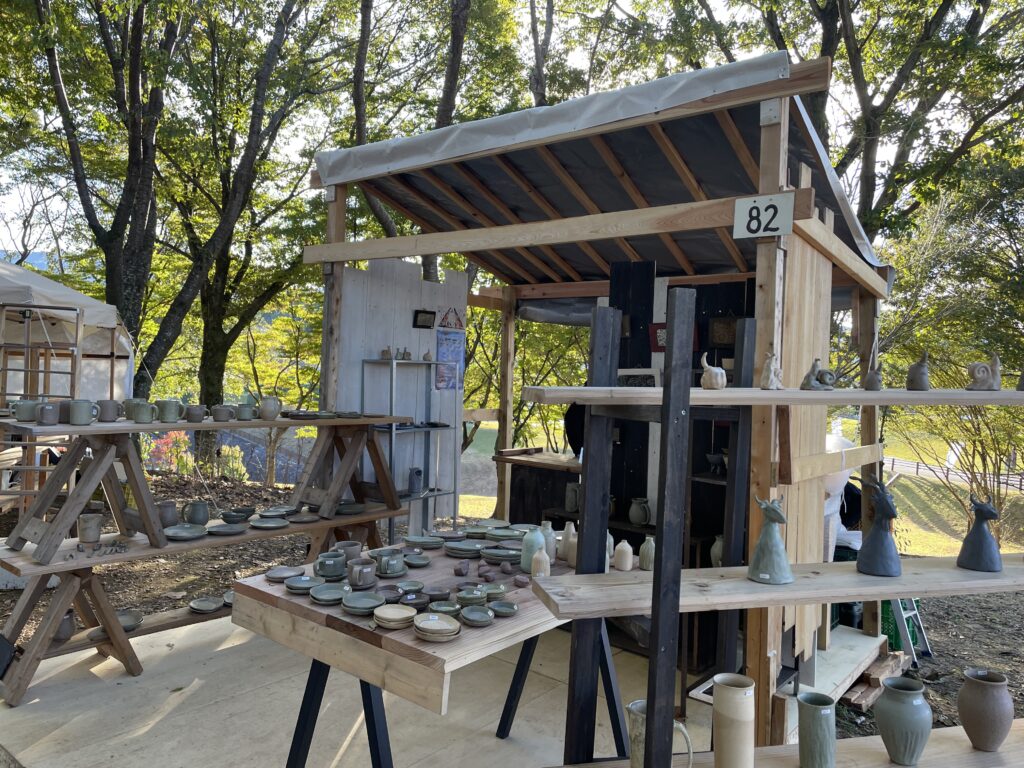
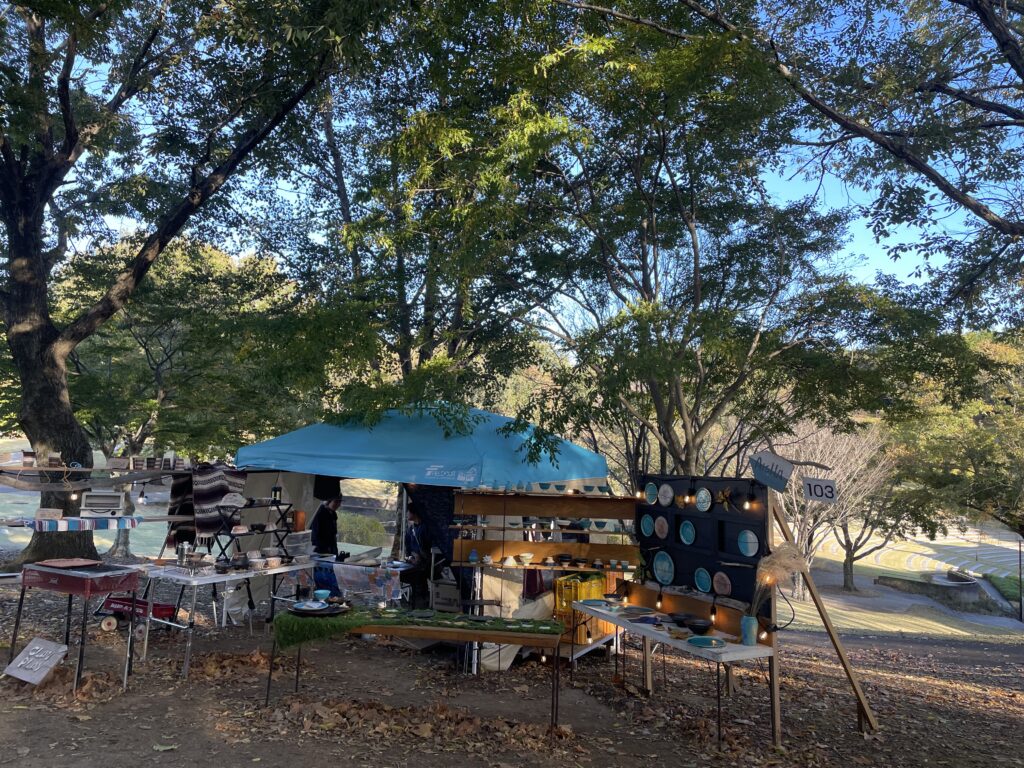
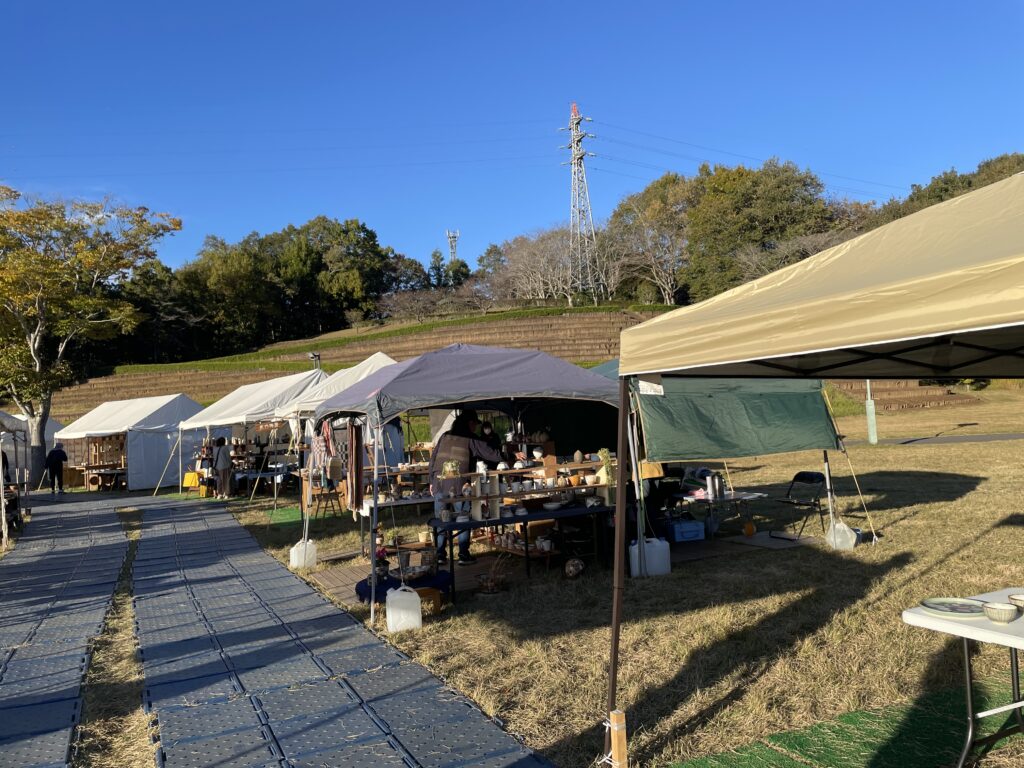
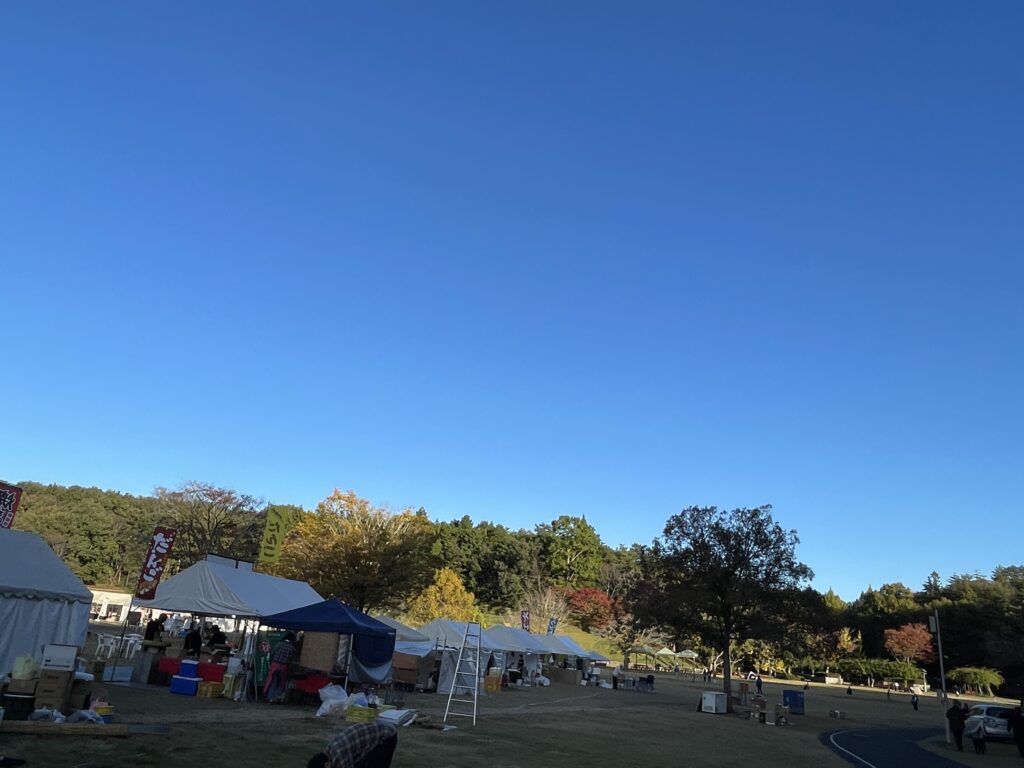
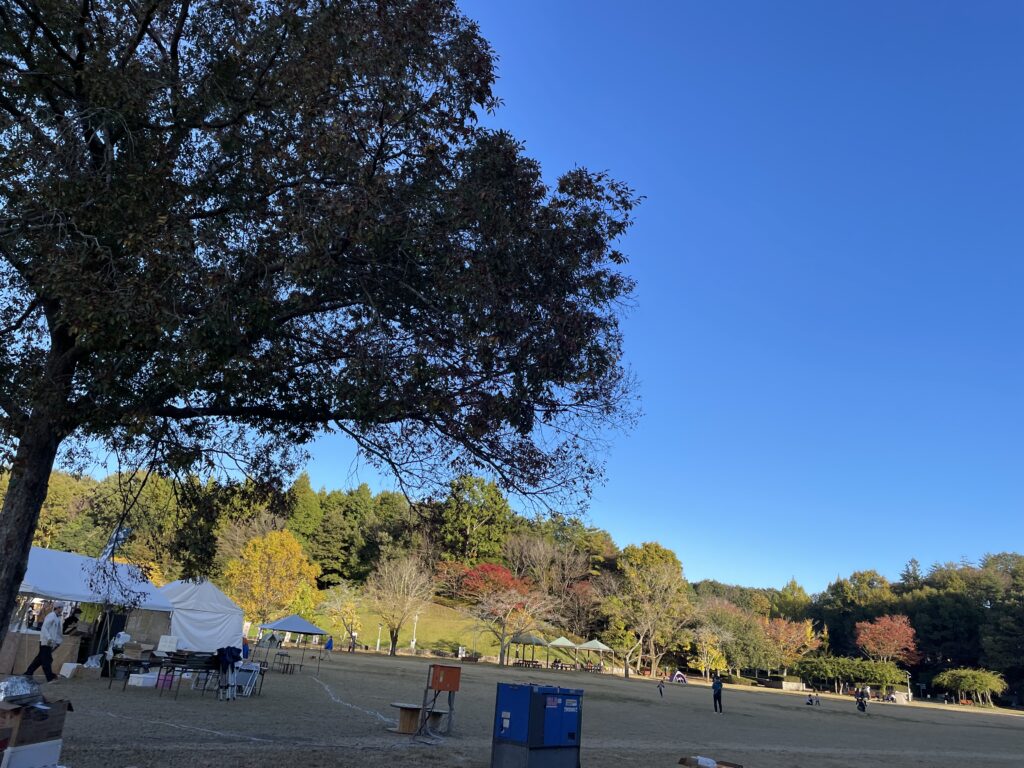
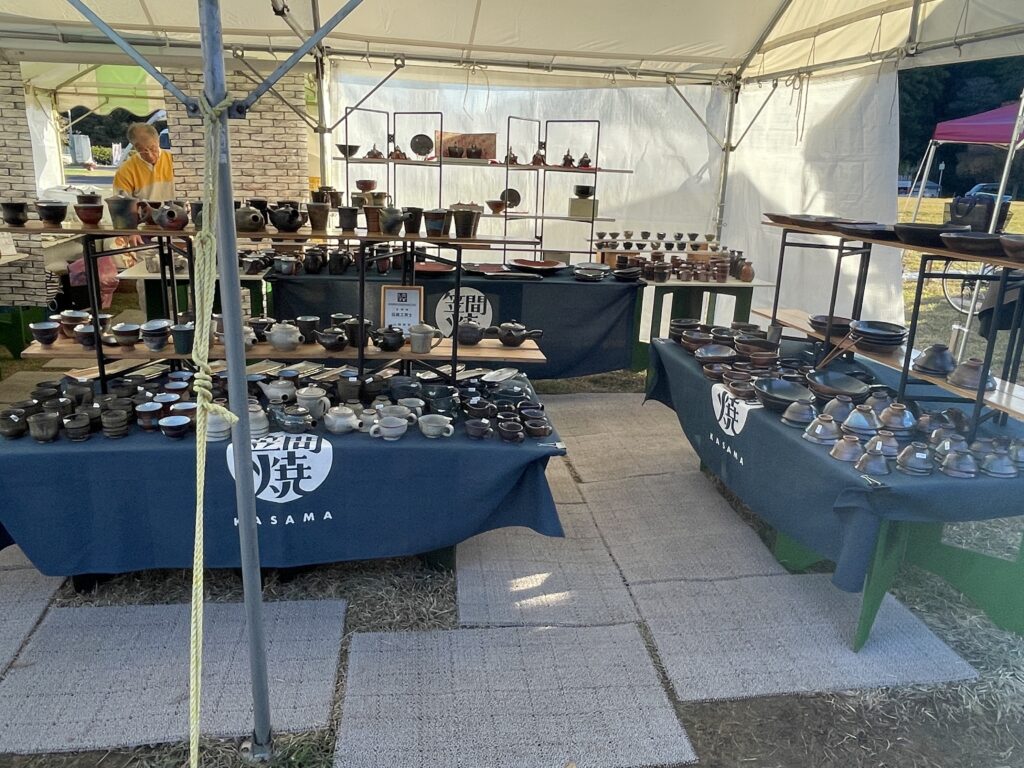
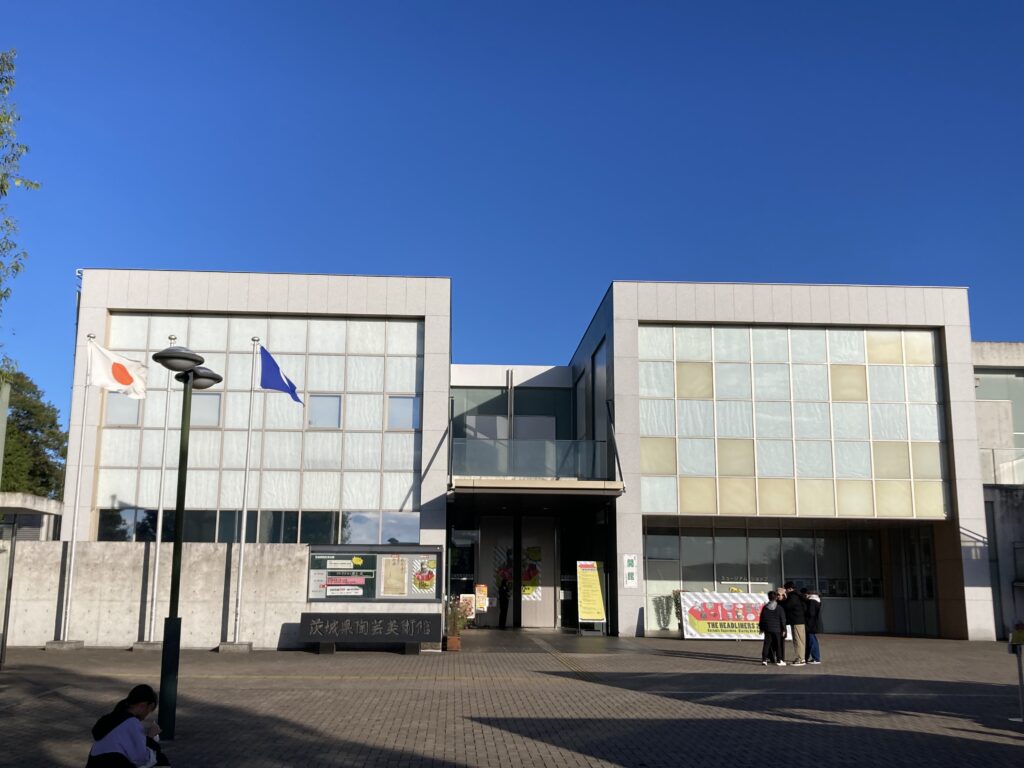
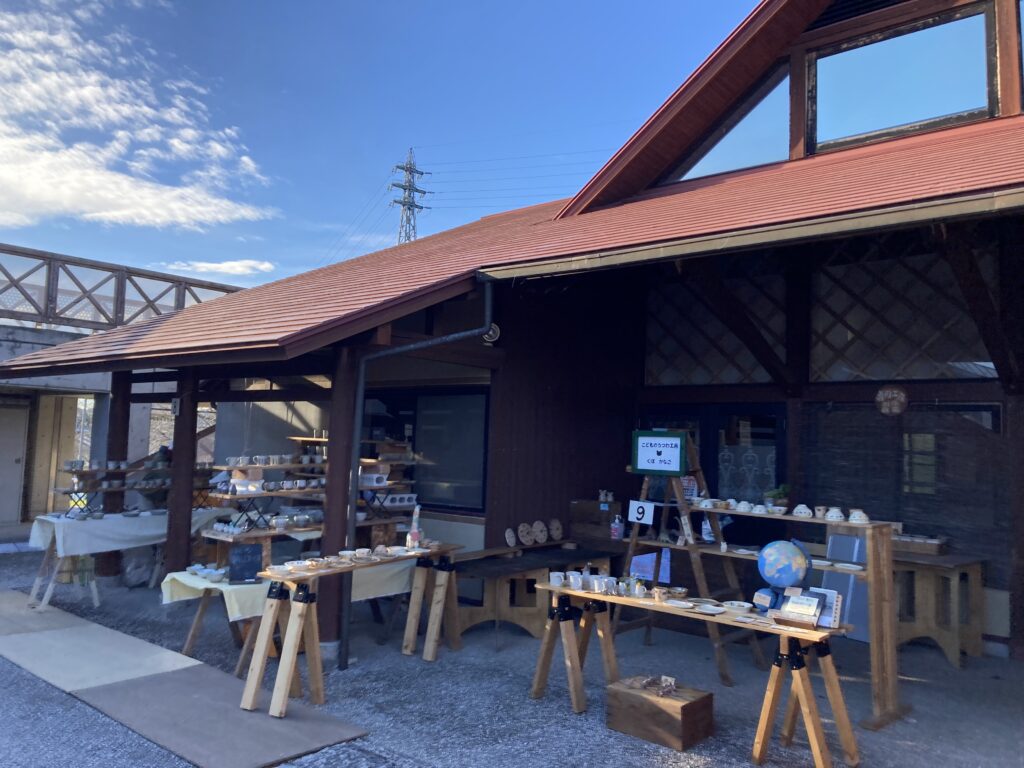
I visited the Kasama Pottery Market in Kasama City, Ibaraki
Prefecture, which is held in early November.
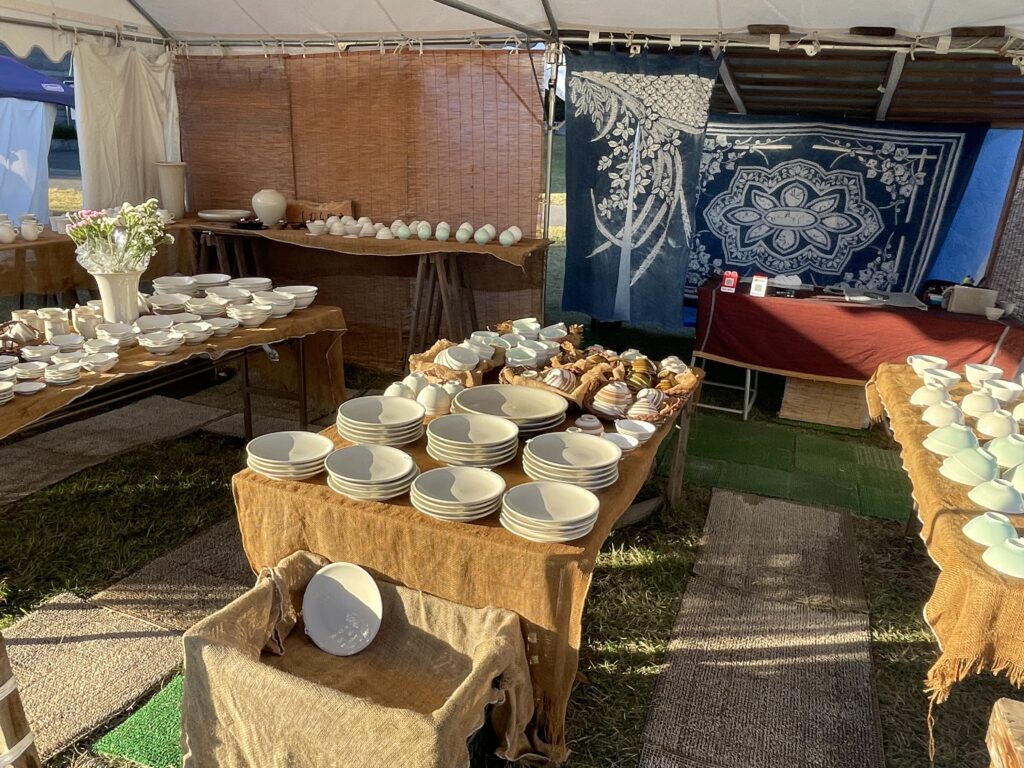
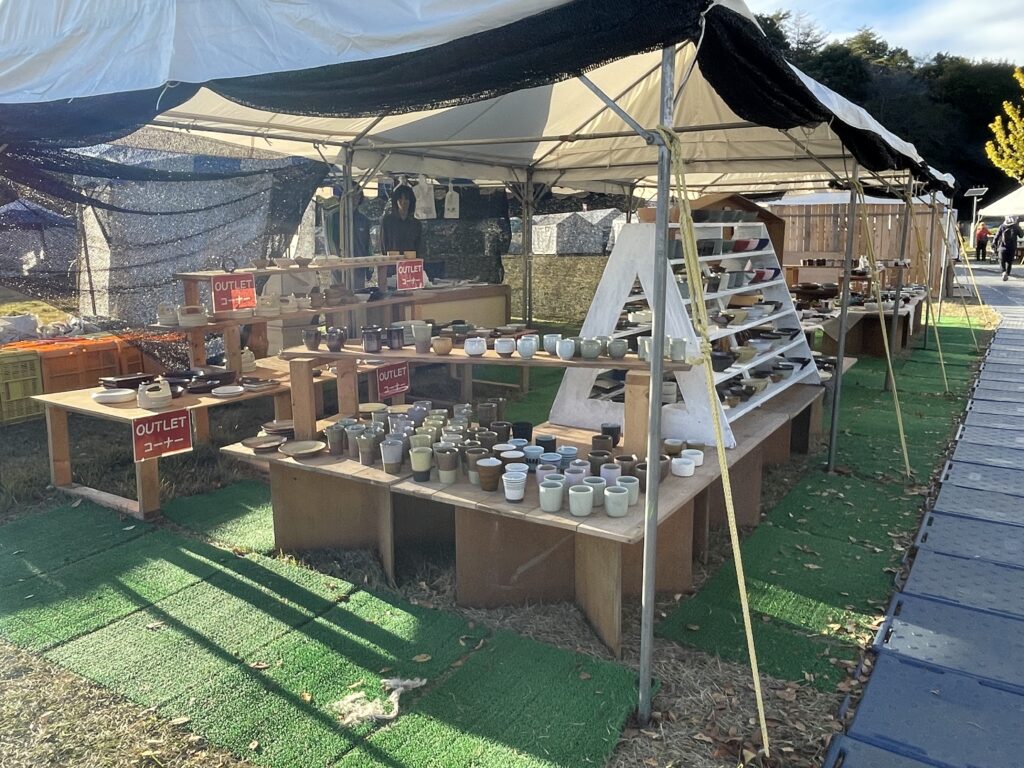
Many ceramic artists had booths there, and it was truly fascinating.
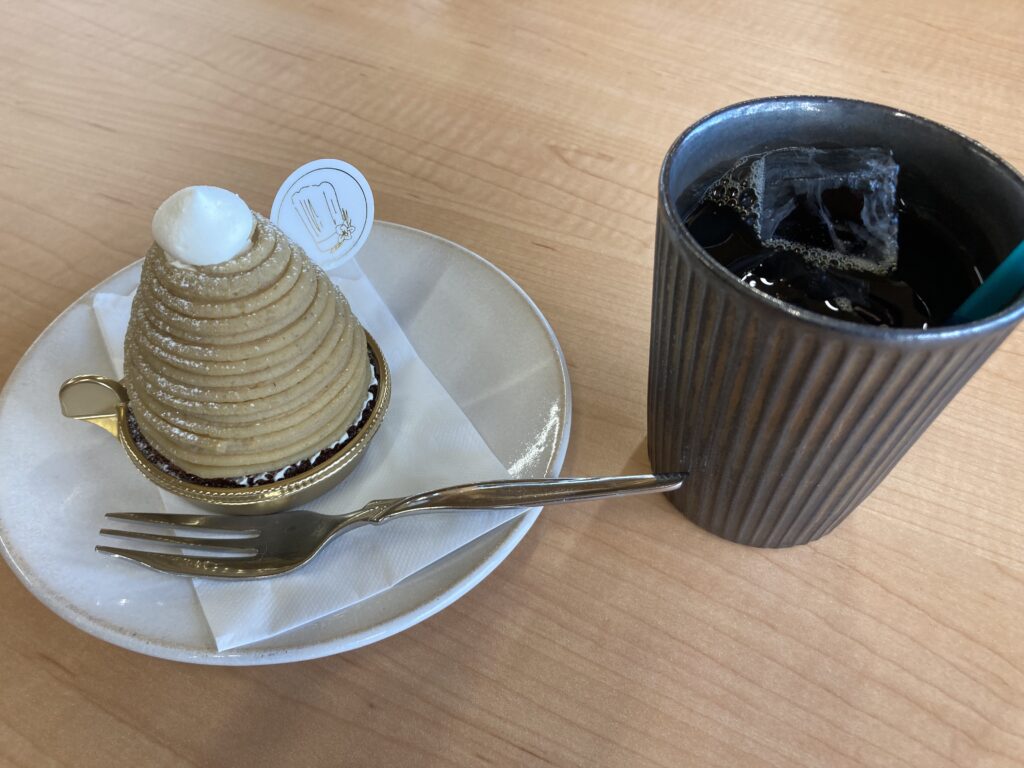
There is also a ceramics museum within the grounds, and for anyone who loves pottery, it’s a place I would definitely recommend visiting at least once. Kasama is also known as a famous chestnut-producing region. At the Kasama roadside station,笠間道の駅、 you can enjoy local specialties such as chestnut sweets and the unique “Mont Blanc Tantanmen (Spicy ramen with chestnuts cream on the top),” making it a fun stop for food lovers as well.
During periods when the Kasama Pottery Market or events at Kasama Geijutsu no Mori Park are held, special shuttle buses operate between the tourist sites and nearby stations—JR Kasama Station on the Mito Line and JR Tomobe Station on the Joban Line. By using these buses, you can get around easily even without a car.
Especially in autumn, you can enjoy the beautiful fall
foliage at the same time, so if you are in the greater Kanto area, it’s sure to
feel like a perfect short getaway.
For those who don’t have much time, pottery markets are also held fairly often within Tokyo. If a market is happening nearby on a weekend, be sure to check regularly and try to find a one-of-a-kind treasure just for you.
In Japan, autumn is the season when the summer heat fades,
making it easier to focus on a wide variety of activities. It is also a time to
celebrate the harvest, which is why it is often referred to as the season of sports, the season of the arts, the harvest season, and even the season of good appetite.
Why not find an autumn activity that suits you best?
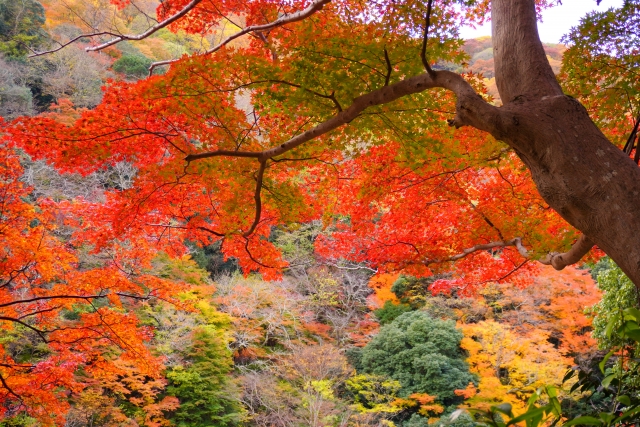
In fall time, we can see autumn foliage
everywhere in the north hemisphere in the world. Whereas, there is only place
where you can see autumn foliage in conjunction with Japanese temples and
shrines.
Due to world climate change effects on fall
foliage in Japan, it is high time to change green leaves to yellow or red at
the beginning of October, but it is running behind recent years.
Because leaves color are closely related to
the temperature. In particular, cool temperature in the nights and mornings are
an important condition for the leaves to turn a vibrant yellow or red.
Now, autumn foliage spots are crossing over
Japanese continents from the north area to the south.
Earth Communication Provider reports
“Release of 2025 Autumn Foliage forecast (2nd Forecast) as below the
link
I am going to Nikko to see autumn foliage
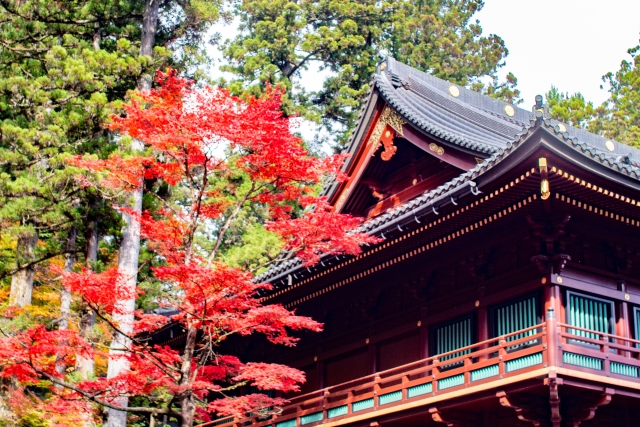
with Nikko Toshogu 日光東照宮
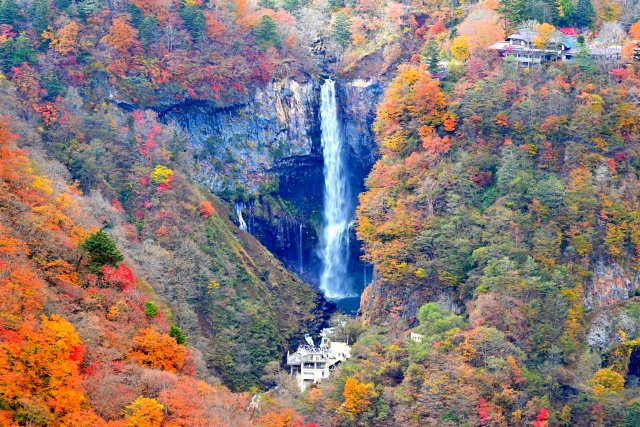
And Kegon no taki 華厳の滝this year. Nikko is very close to Tokyo. Just Two hours train or bus ride will take you to Nikko!
There is so many autumn foliage spots in
Japan, especially Kyoto, Nara.
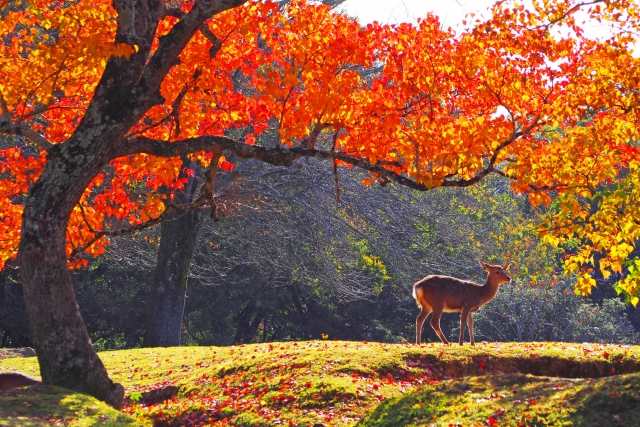
If you love to pet wild animals, visit Nara and see and feed deer at Nara Park.
Nikko Tosho-gu
Nikko Kegon no taki
Kyoto
Kyoto Arashiyama
Let’s start planning to visit autumn foliage spots during this beautiful season in Japan!!
Warning! Be aware of bears in Nikko. Hungry bears have been spotted frequently in towns and villages this autumn. They attacked human in some cases. Please keep update the latest information of bears when you plan to visit mountain areas.
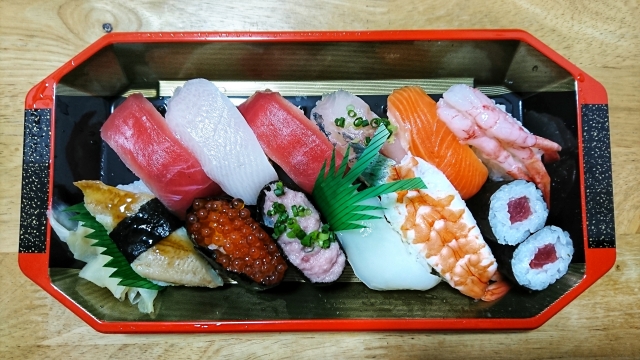
Welcome to Japan! When it comes to visiting Japan, you can’t resist delicious, tempting foods! Ramen, Sushi, Katsu Curry, Tempura, Teppanyaki Steak and Lobster –etcetera.
As you know, convenience stores – Seven
Eleven, Lawson, Family Mart are famous for their delicious snacks, sweets,
finger foods, light meals.
Moreover, even supermarkets set up a large
special corner where displays all genres of foods to take away.
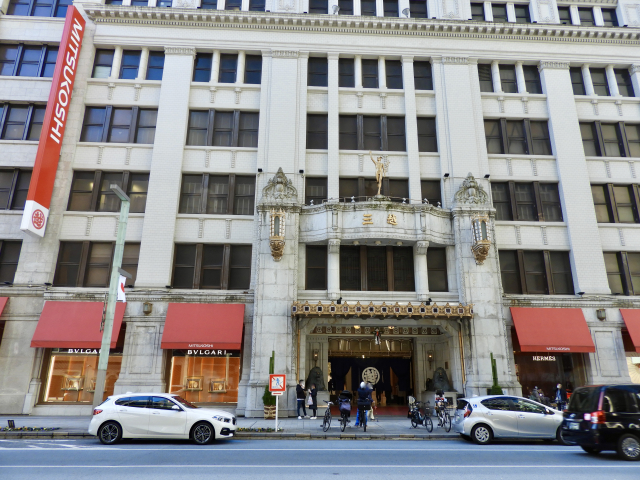
Whereas, most of department stores have food halls commonly are located at their basement floor. We call them as “Depa Chika デパ地下” . Chika means “Basement”.
Ginza Mitsukoshi
Umeda Hankyu
High-end and seasonal select foods and
beverages are displayed everywhere in Depa Chika food streets. They look like Chelsea
Market in NYC or Harrods Food Halls in London.
They entirely hold seasonal theme festivals
like “Christmas”, “New Year’s Eve, New Year’s Day”, “Cherry Blossom”, “Autumn”,
“Hokkaido”, “Kyusyu”, throughout a year.
Takashimaya 高島屋,Isetan 伊勢丹, Mitsukoshi 三越, Matsuzakaya 松坂屋, Marui 丸井, Tobu 東武, Seibu 西武, Sogo 十河, Keio 京王, Daimaru 大丸, Hankyu 阪急, Hanshin 阪神 Fujisaki 藤崎department stores are open for foodies from all around the world!!
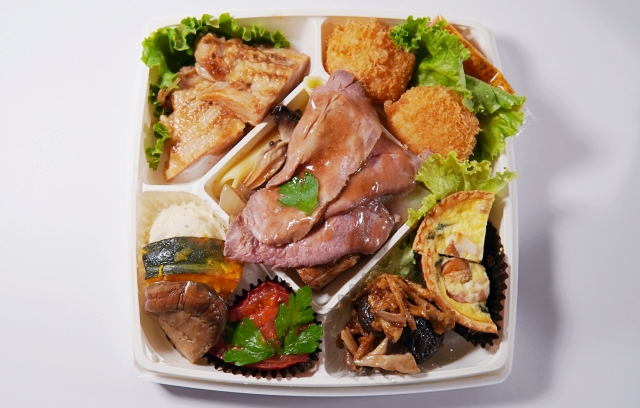
Meats & Fries Appetizers
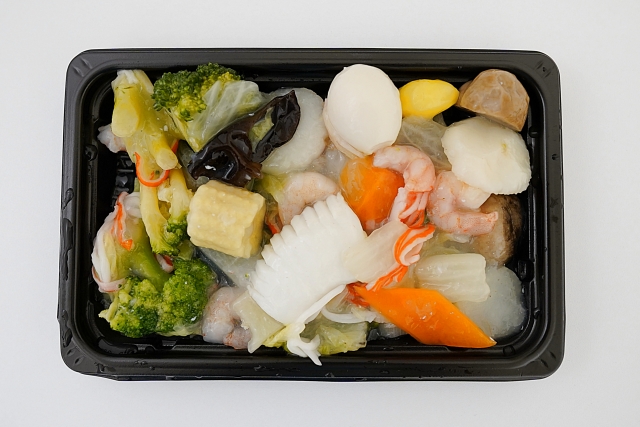
Happousai Fried Vegitable
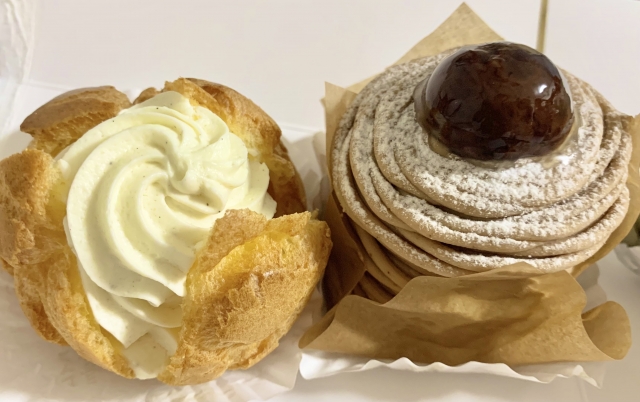
Cheu a la creme & Mont Blanc
Fruits Tarte
Wines
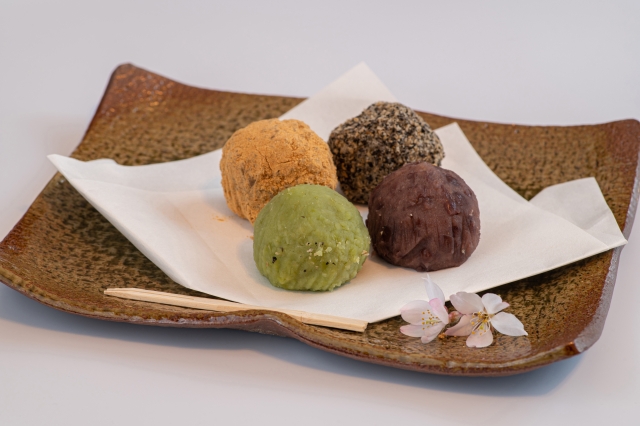
Ohagi Dango
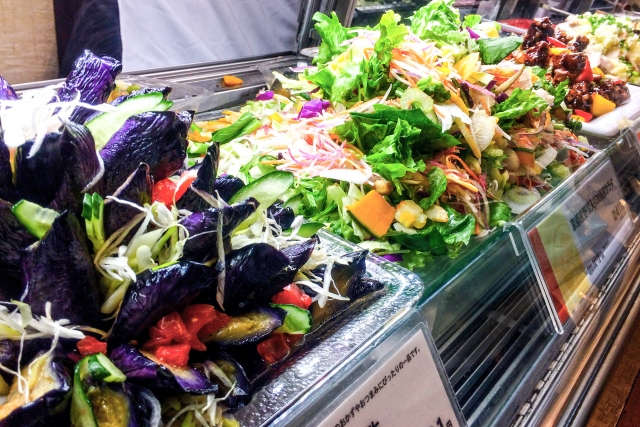
Variety flavors of salads
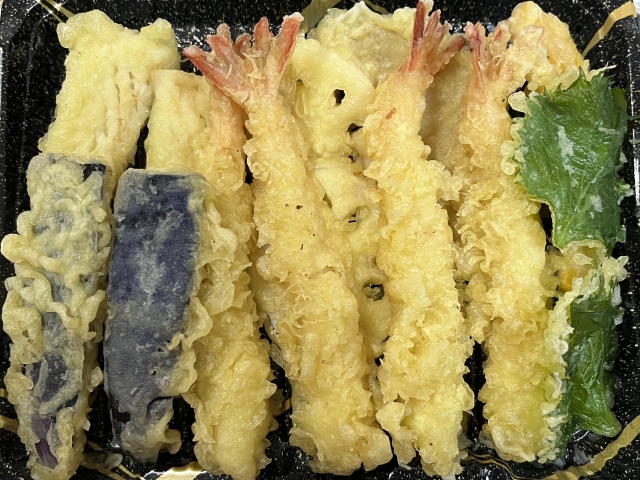
Tempura
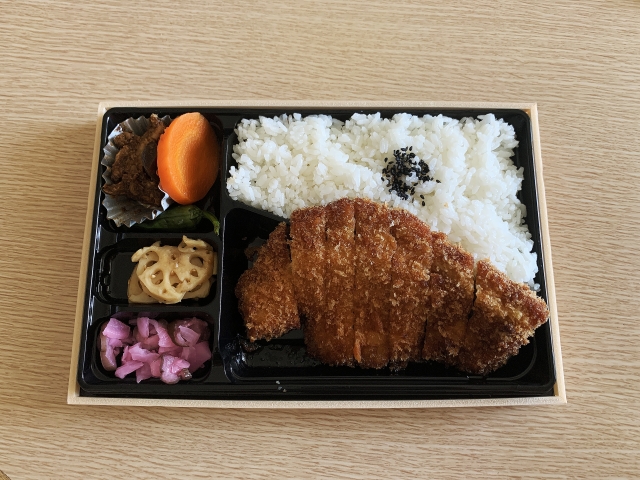
Pork Katsu Bento
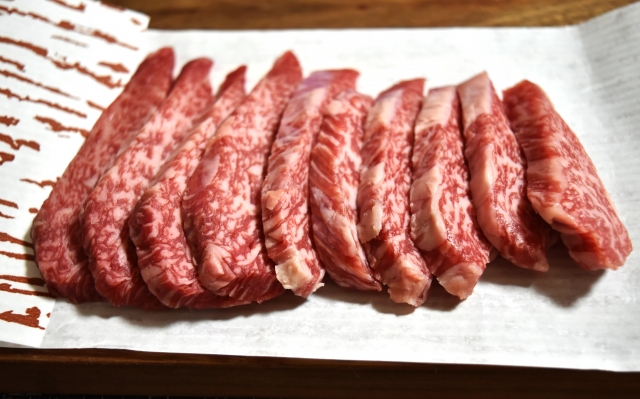
Wa gyu Beef
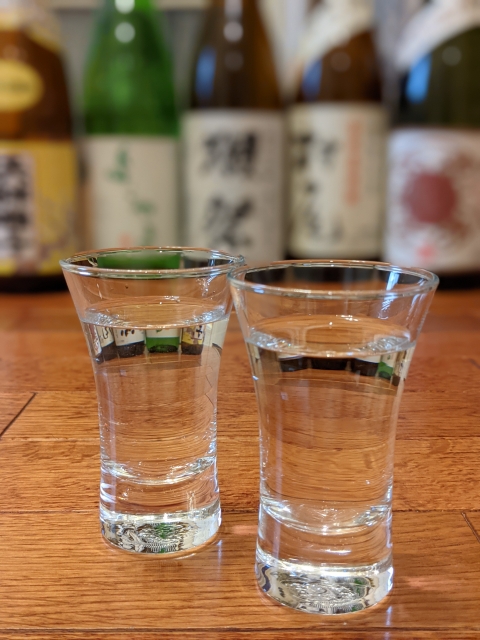
Japanese Sake tasting
I say, some foods are so expensive, because they are literally collecting delicious, beautiful foods from around the world.
Sometime you might be feeling tired from walking so much, just relax, taking a rest at a hotel room with Depa Chika foods and /or having Spa massage.
Exploring Depa Chika might become highlighted, epic Japanesey experience on your itinerary.
This summer, during the 2025 holiday season, some people
might have up to a 9-day consecutive break due to the Obon holiday.
For those spending time with family, going on trips,
returning to their hometowns, or paying respects at graves, there will be
plenty to do.
Given the extreme heat this year (though I feel like every
year is setting new records for the highest temperatures), I’d prefer not to
stand in long lines under the blazing sun for leisure activities. But still, I
really want to visit the Osaka Expo, as it’s a once-in-a-lifetime event this
year.
The content of the Expo is enjoyable for adults, but it’s
especially recommended for children because it provides a very compact and
easy-to-understand look at the future of society, technology, and the diverse
countries of the world. It’s an excellent opportunity for cultural exchange
with people from abroad.
Recently, it seems that all tourist destinations in Japan
are filled with inbound foreign visitors, but at the Osaka Expo venue, I felt
that many of the attendees were Japanese people, especially retirees with more
free time, and people from the Kansai region who had purchased full-term
passes.
Of course, during summer vacation, it’s expected that there
will be many families and children (there are also summer passes for this
period), but it’s important to register for pavilion reservations in advance,
such as two months, seven days, or even the day before the visit. If that’s not
possible, there are also booths where you can make reservations after entering
the venue. (While some pavilions don’t require reservations, due to increased
congestion, more and more places are now requiring them).
Therefore, it’s recommended to enter the venue as early as
possible. (Remember, you need to purchase an entrance ticket separately. Without
it, you won’t be able to enter the pavilion lottery. Once inside, you can make
reservations, so try to get there early. However, in the evening, the crowds
thin out, so it becomes easier to enter pavilions just by standing in line).
Jamaica Pavilion
Romania Pavilion
Kuwait Pavilion
Austria Pavilion Restaurant
Czech Pavilion
Australia Pavilion
The Italy Pavilion, France Pavilion, USA Pavilion were amazing!
the Jordan Pavilion where you can walk through the desert, and the Turkmenistan
Pavilion (which is not yet open to the public as a tourist attraction) are
often in the spotlight. But I recommend visiting the Commons, where there are booths from
many countries within one building. You can see various local products, famous
celebrity figures, cultural arts, and more, almost without having to wait in
line. There are pavilions from A to F, and it’s impossible to see everything!
If you can’t get reservations, you’ll just have to stand in
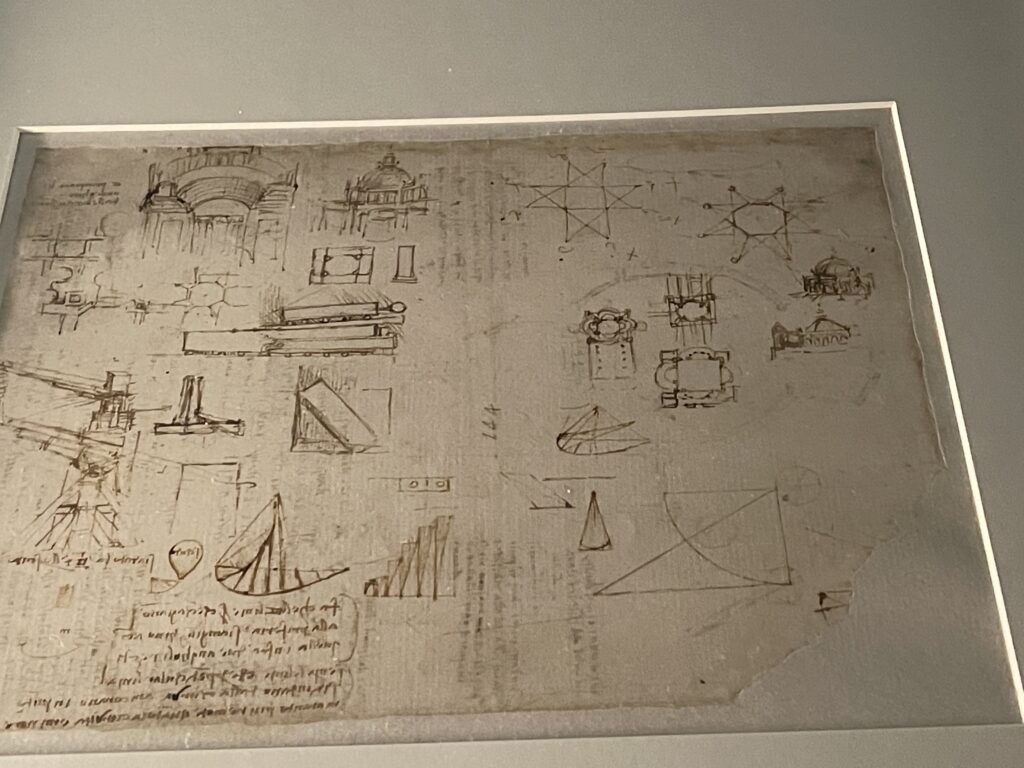
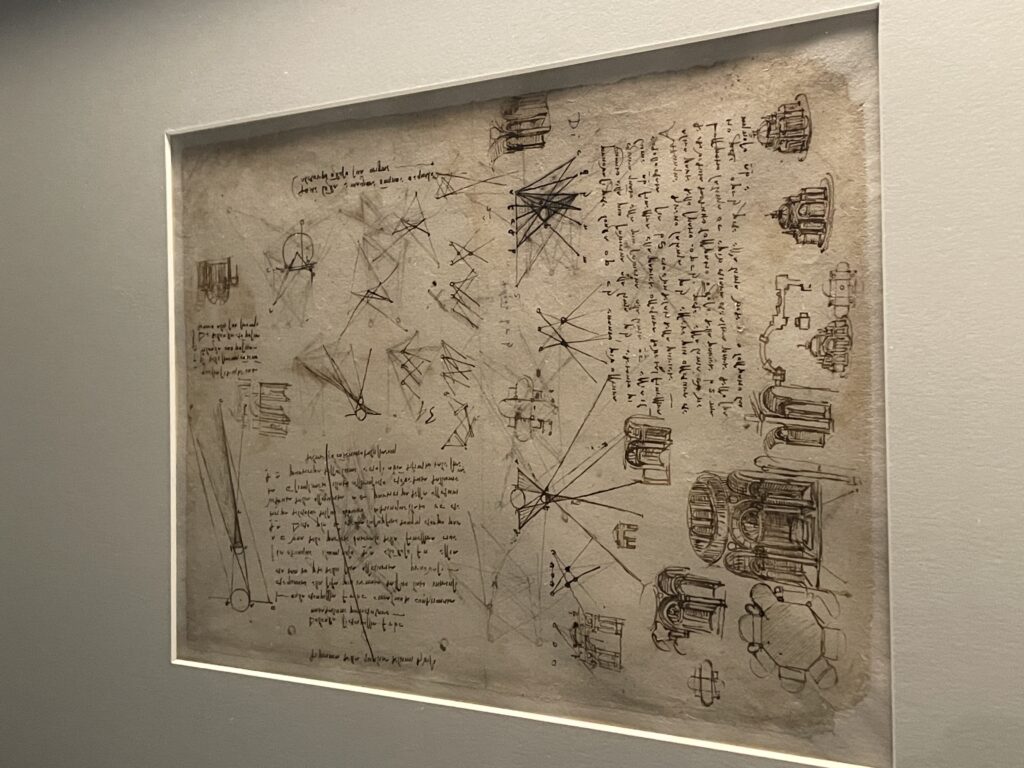
line. When I went, it was the day the Leonardo da Vinci exhibition was launched
at the Italy Pavilion, so I had to wait about six hours! But it was worth it
and very impressive.
It’s recommended to spend several days and visit the Expo
in a planned manner. On the first day, take a quick tour to get an overview,
and then, over the next few days, explore the places you really want to see.
The large roofed area offers shade and seating, and there’s free drinking water
available. Each country also has plenty of food and events, with Myaku Myaku being particularly popular.
There are also so many stamp rallies, so be sure to buy a
stamp book and collect them. The unique stamps of each country will be great
memories of the Expo.
After the summer vacation, I plan to visit again in
September. It’s that fun! The ethnic costumes worn by the pavilion staff from
each country are also wonderful. The Japan Pavilion was so popular that I
couldn’t get a reservation, so I look forward to visiting it next time.
I visited the “Japan, An Artistic Melting Pot”
exhibition at the Kyoto National Museum, and I was absolutely shaken by the
gathering of Japan’s national treasure collections. I don’t think there will
ever be another opportunity like this to see so many national treasures in one
place at once!
With the Osaka and Kansai Expo in mind, the National Museum
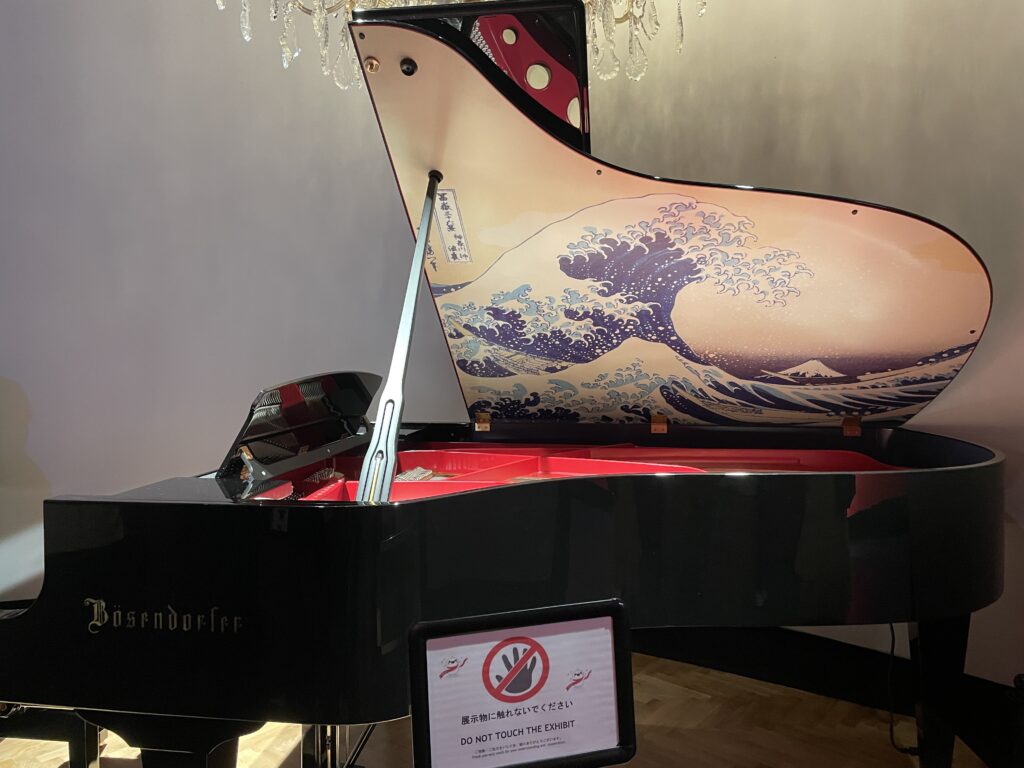
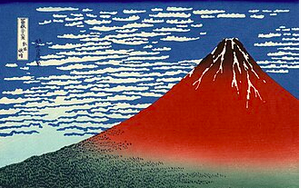
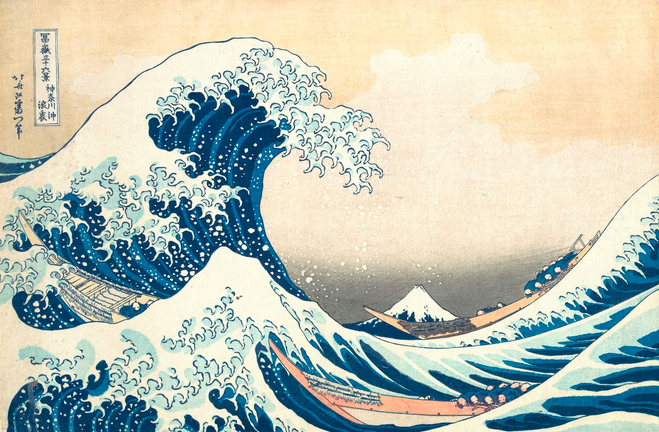
is certainly putting on quite a show. Works like the Fujin Raijin-zu byōbu (Wind and Thunder
Gods Folding Screen) and Fugaku
Sanjūrokkei – Kanagawa Oki Nami Ura, Gaifū Kaisei (Thirty-Six Views
of Mount Fuji – The Great Wave off Kanagawa and the Fine Wind, Clear Morning)
are on display together.
Typically, national treasures and sculptures are preserved
by the temples or institutions that have inherited them over generations, so
it’s expected that many would be in the Kansai region. But even in Tokyo, it’s
rare to see such a collection all in one place!
From Japan to abroad and from abroad to Japan: in many
ways, Japan has been influenced by other countries, while also influencing the
world. Amidst misunderstandings and modifications, there is a constant
curiosity and awe in the artworks and sculptures that reflect newly seen
animals, plants, people, foreign cultures, and first encounters with foreign
artists and works of art.
Personally, I really like the ceramics and Nanban (Southern
Barbarian) folding screens from the 16th century, Momoyama period. They
beautifully blend Japanese and foreign cultures—just the right balance.
Also, the artworks featuring motifs of flowers, birds,
wind, and moon, landscape paintings, mother-of-pearl inlay, and maki-e
lacquerware boxes are all wonderful. The haniwa (ancient clay figures) are also
adorable. (Yes, I love them all! Haha)
I spent a full three hours, and even participated in making
a maki-e letter paper and envelope workshop, which took about four hours in
total. Still, it felt like I didn’t have enough time.
Perhaps because of the rain, or maybe despite it, the Kyoto
National Museum had a large crowd, and it was hard to view each piece slowly
and carefully. It truly was an extraordinary exhibition, one that you rarely
encounter!
Kyoto is the most famous and popular city, especially tourists from abroad. Kyoto is one of the oldest municipalities in which was set imperial court in 794 A.D. by Emperor Kanmu. This, one of the ancient city of Japan is considered the cultural and historical capital of Japan and is a major tourist destination.
There is lot of tourist spots and
experience in Kyoto. Therefore, let me teach you the most convenient and
effective way to see around this city – using public bus and subway.
The public transportations are in Kyoto is
very cheap – for example, using public bus cost you only 230 yen (approx.1.5
dollars) for one ride.
Check the bus map below, which is divided into
5 points of areas of Kyoto, including famous shrines and temples.
Depending on the location, you may need to
use the train or subway.
Not only visiting old shrines and temples,
but also enjoying Japanese culture at Samurai Ninja museum or Kyoto
International Manga museum and Nintendo museum.
You can also have a walk around Kyoto city
with Japanese traditional kimono or yukata.
Meanwhile, the four seasons in Kyoto, each
has its own beauty.
Spring – cherry blossom, Summer – bamboo
forest, Autumn – fall foliage, Winter – snow etc.
Enjoy the scenery of each season with historical architectures and gardens.
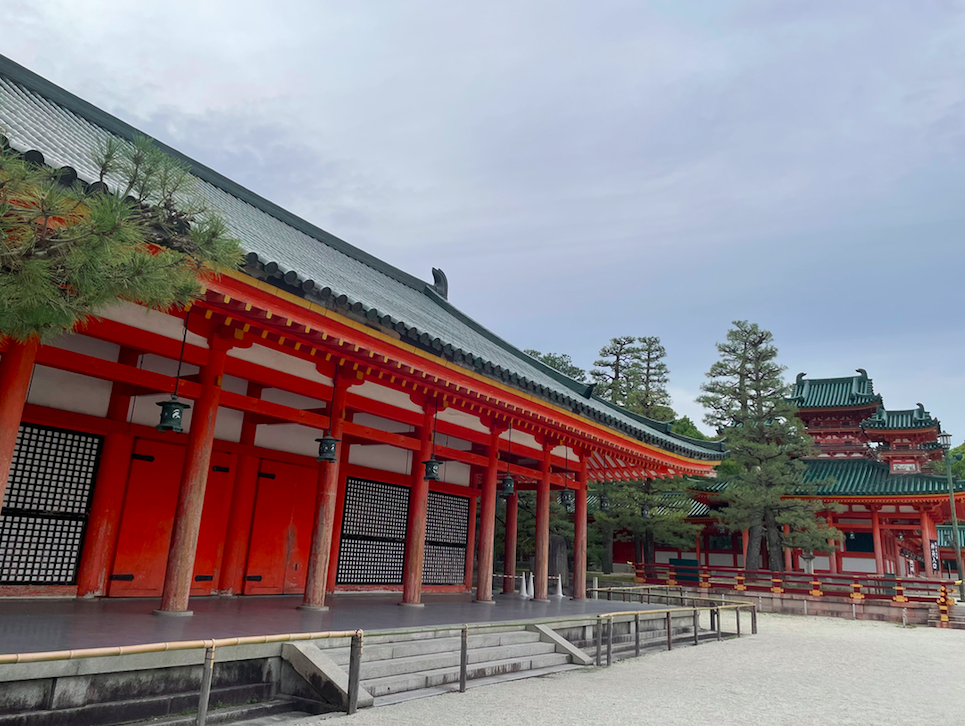
Heian Shrine
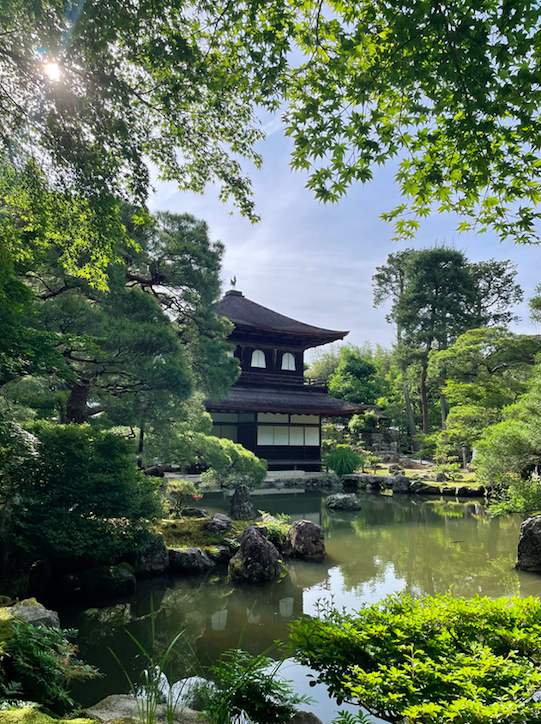
Ginkakuji Temple
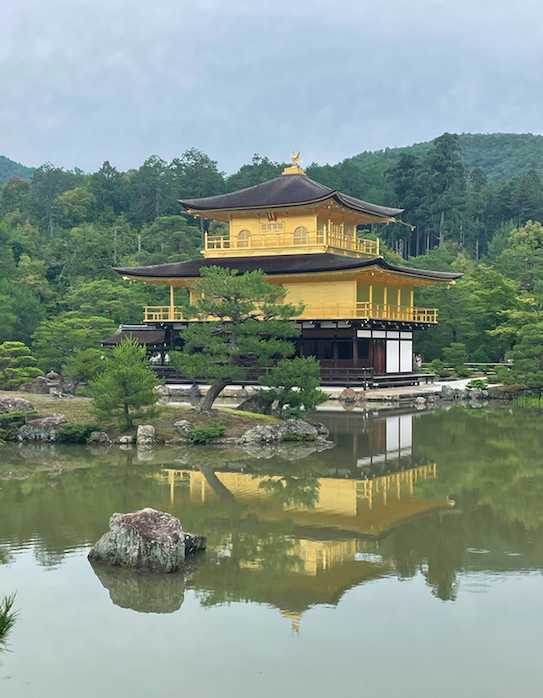
Kinkakuji Temple
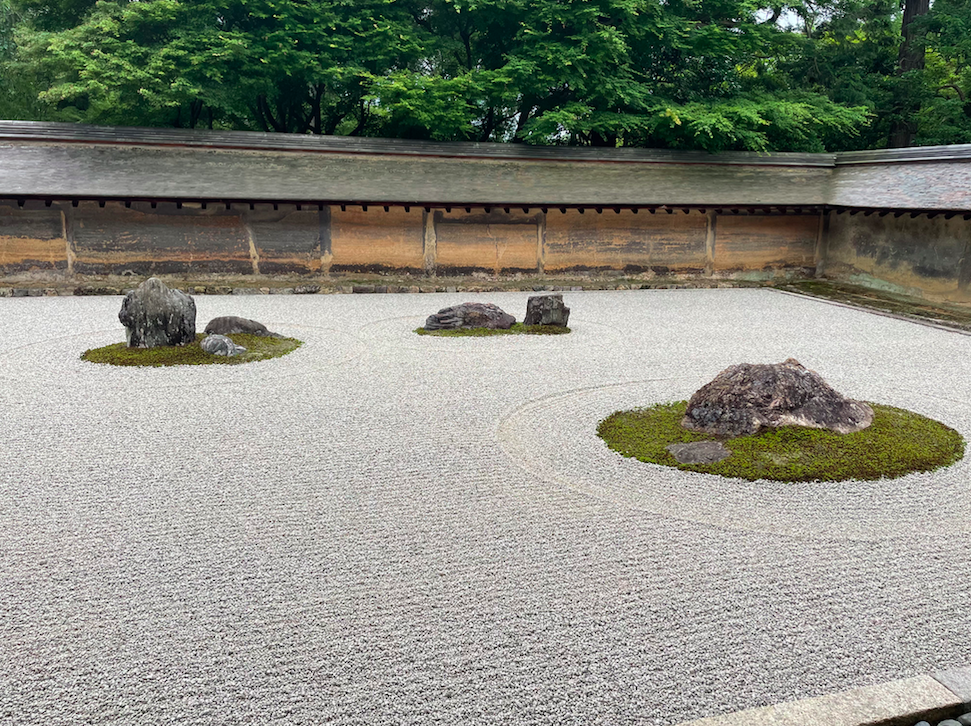
The garden of Ryuan Temple
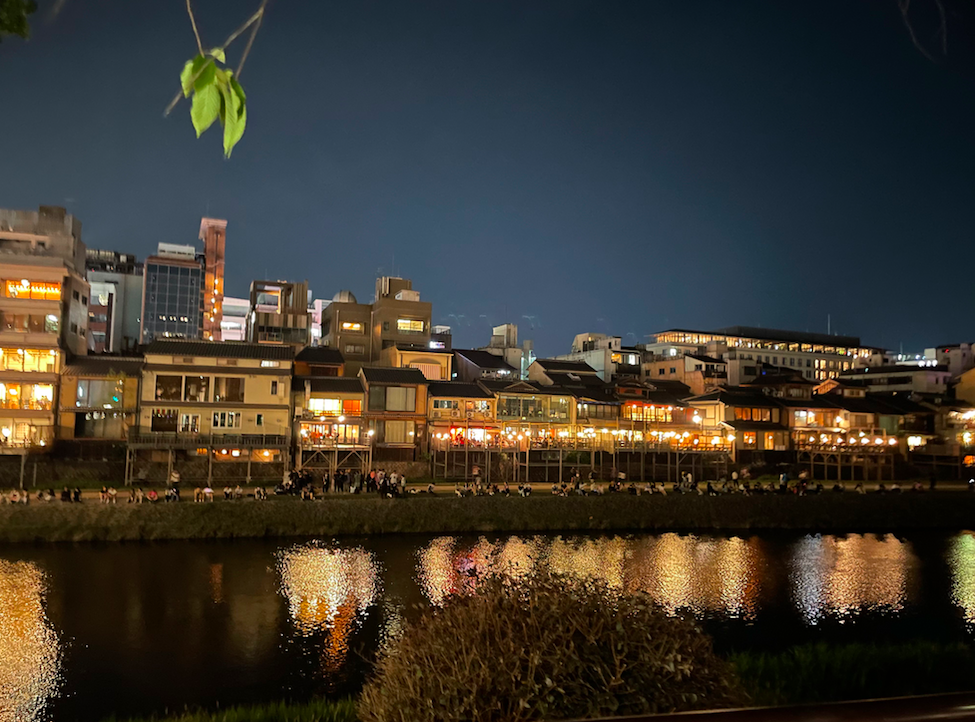
Kamo River
Fushimi Inari Shrine
Moreover, Kyoto has characteristic special quality of foods, especially foods that are made from soy beans and matcha (green tea). Kyoto Uji(京都 宇治) is one of the most famous production area of green tea leaves in Japan.
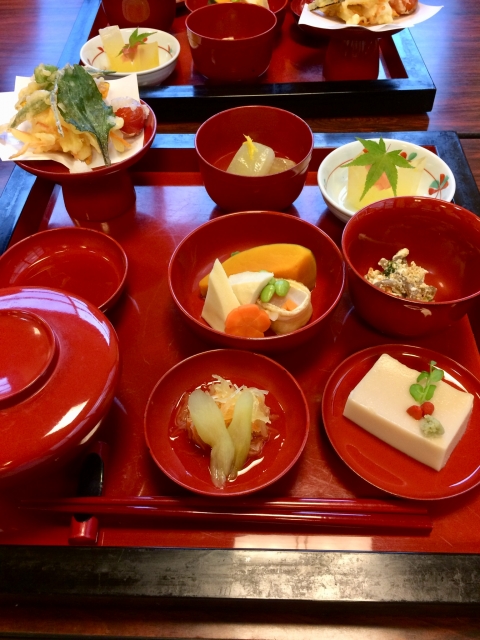
Tofu and yuba, soymilk cuisines have developed in temples at Kyoto, due to the prohibition of meat eating. It is called Shojin Ryori (精進料理).
Shojin Ryori could be a perfect meal for vegans.
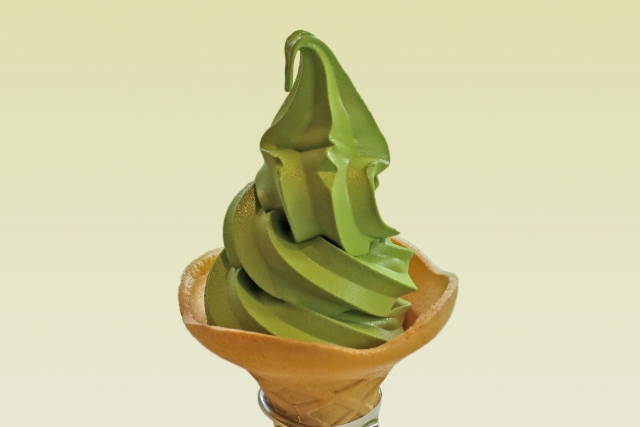
Macha(greentea) ice creams are available
anywhere in Kyoto.
Let’s try a fresh matcha ice cream here!
Besides, Kyoto vegetable pickles(京漬物)and Kyoto yatsuhashi mochi sheets with cinnamon powder(八つ橋)are also popular as souvenirs.
Just 1 hour train ride will take you to Kamakura from The Haneda International Airport.
The Kamakura Shogunate was established in 1185 in Kamakura by Yoritomo Minamoto (源 頼朝). It was the feudal military government of Japan during the Kamakura period from 1185 to 1333.A.D.
Those who wish to learn something about the contrast of old toward urban Japanese culture and history may do so by visiting Japan’s old cities and other spots which form a backdrop to Japan’s long history, or visiting old temples, shrines, gardens and by admiring images of Buddha and objects of fine art.
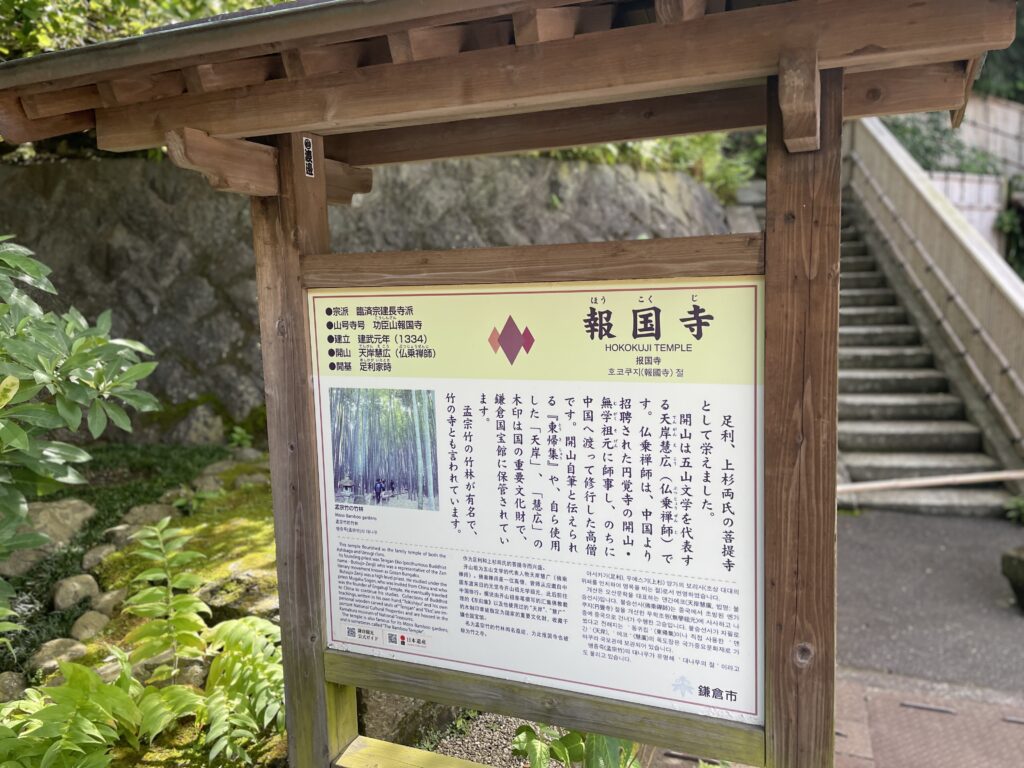
Houkoku Ji
Houkoku Ji
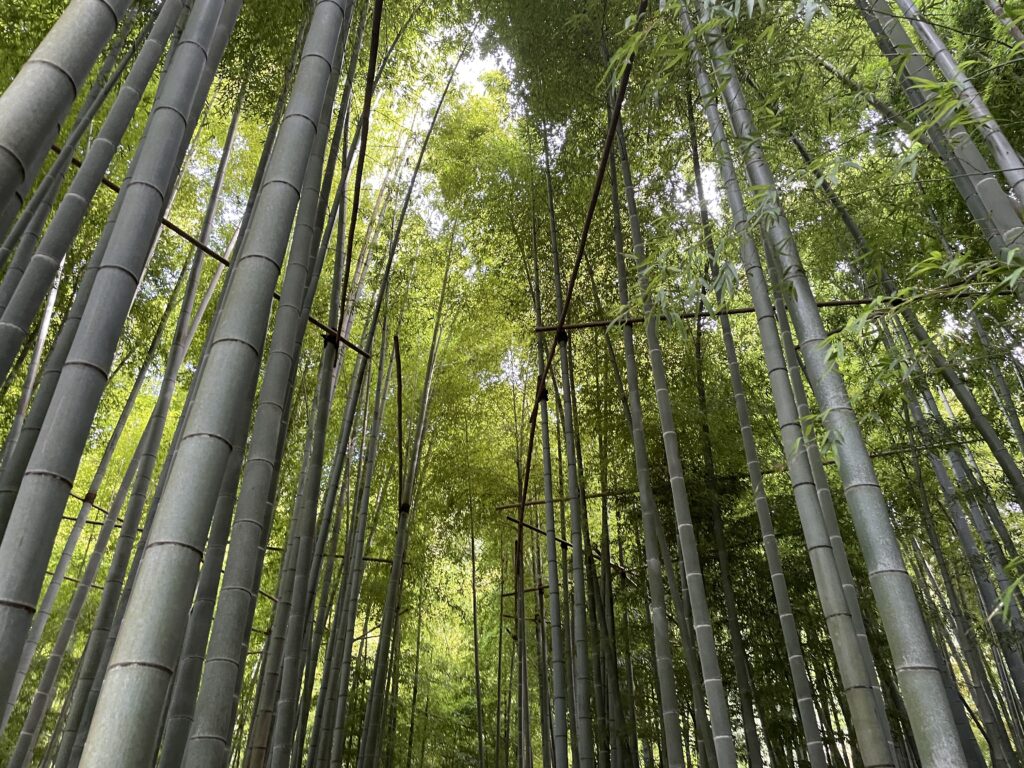
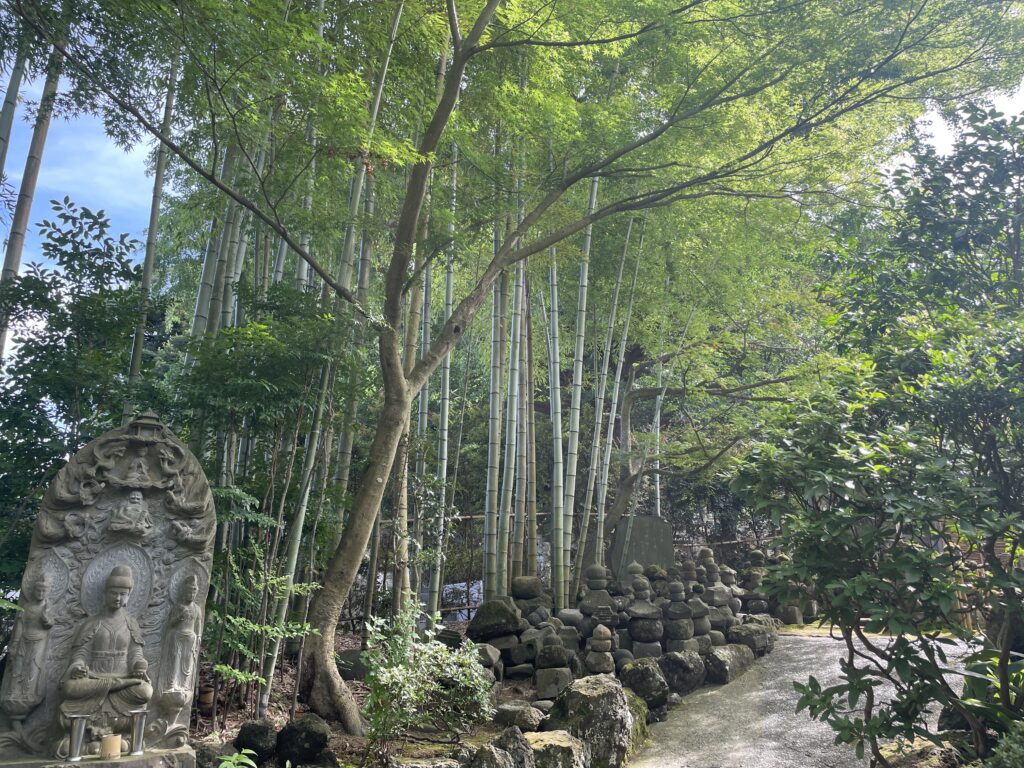
Bamboo forest
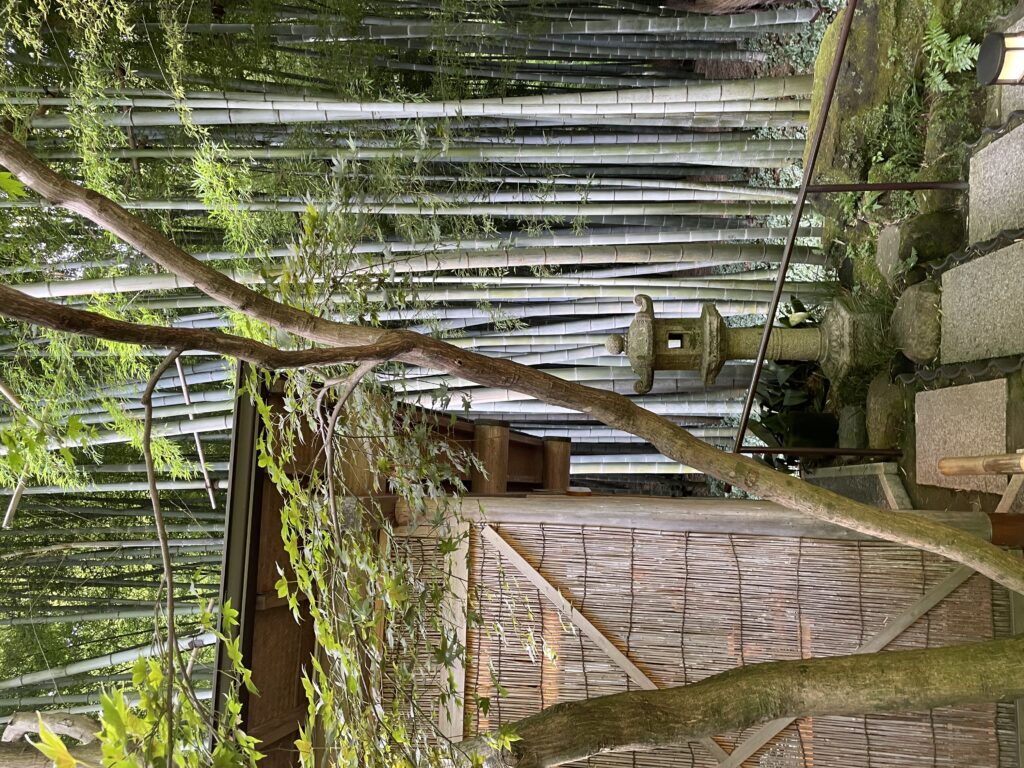
Tea room in the bamboo forest
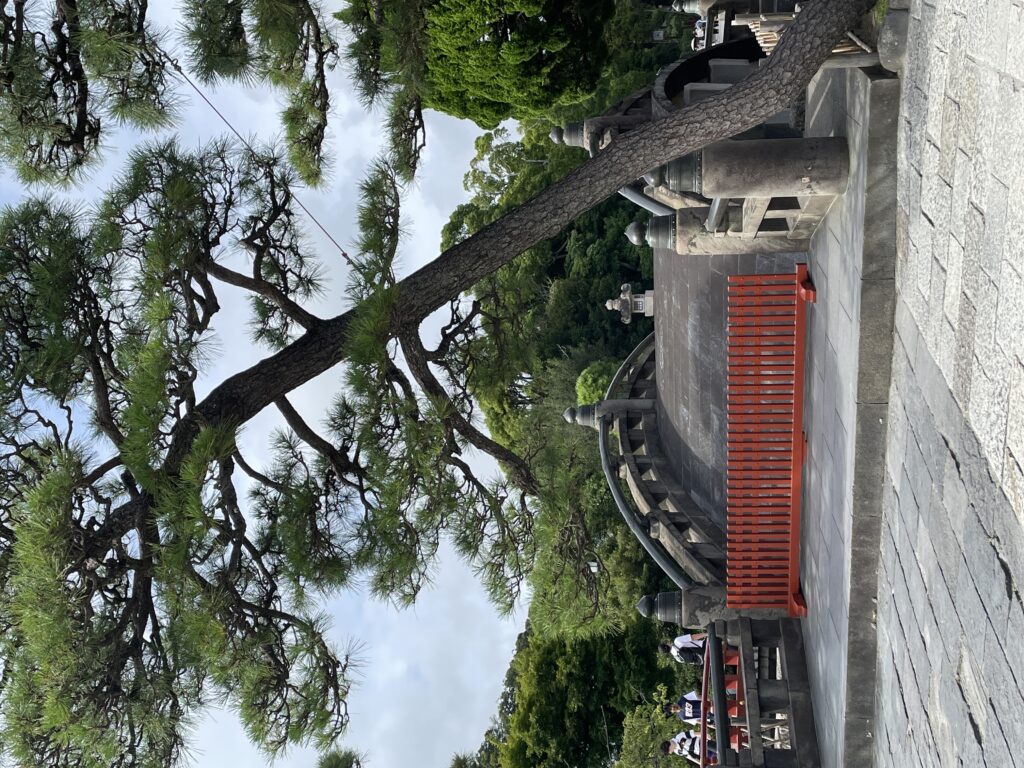
Tsuruoka Hachimangu bridge
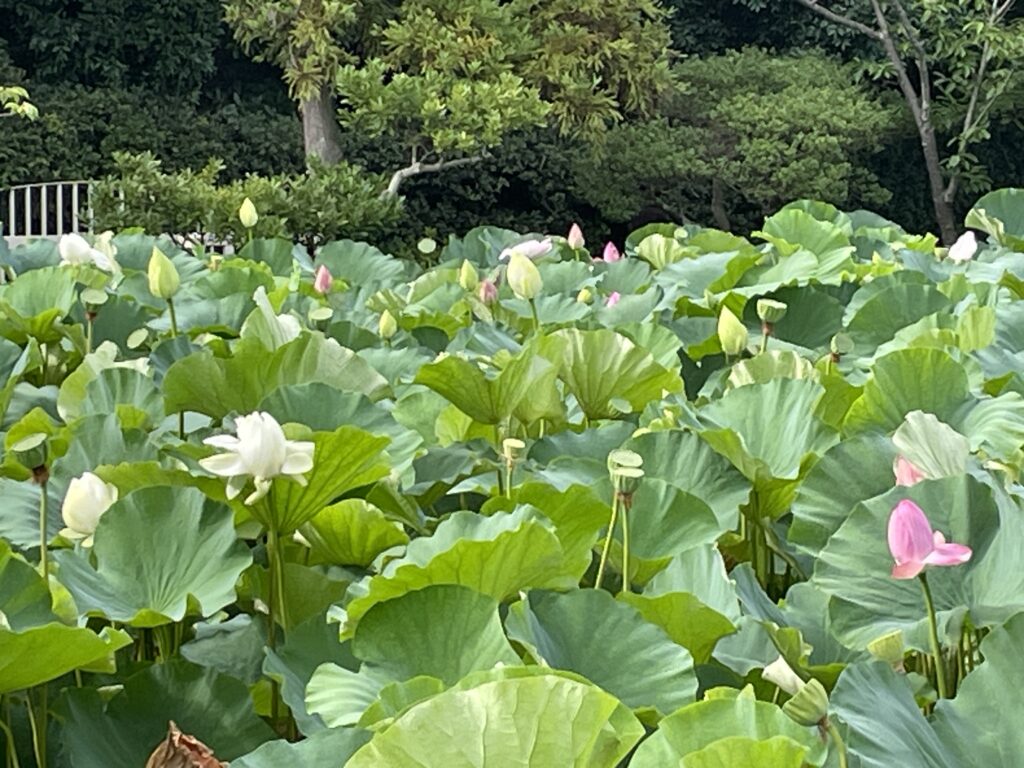
Lotus flowers blooming
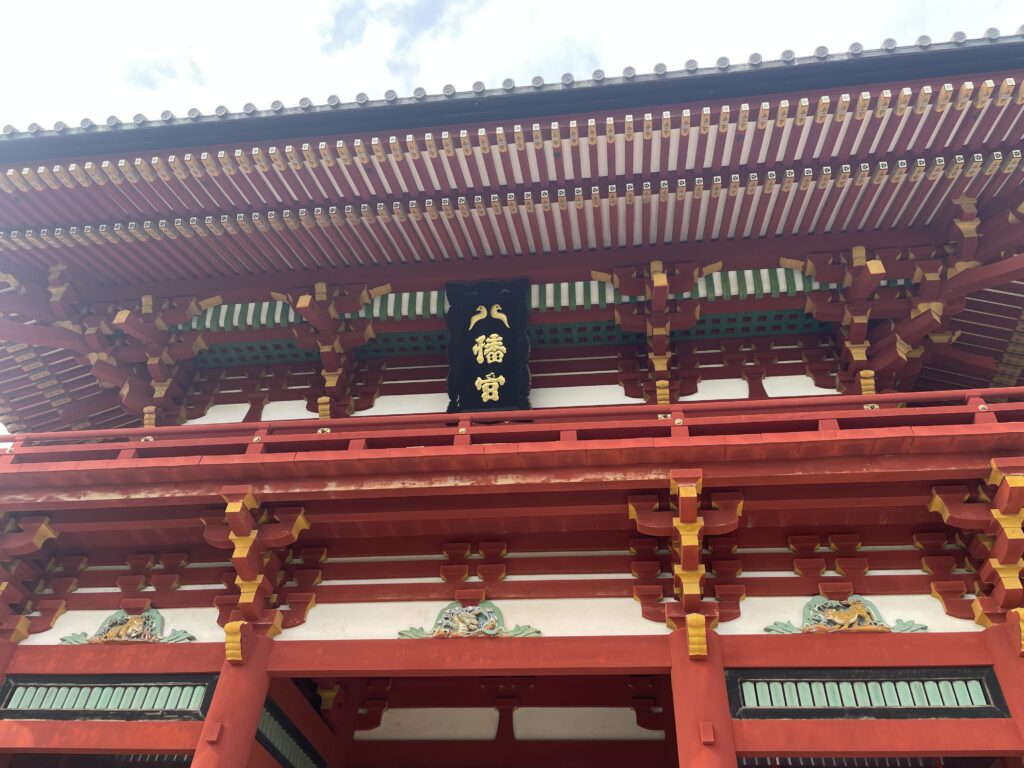
Tsuruoka Hachimangu
Tsuruoka Hachimangu
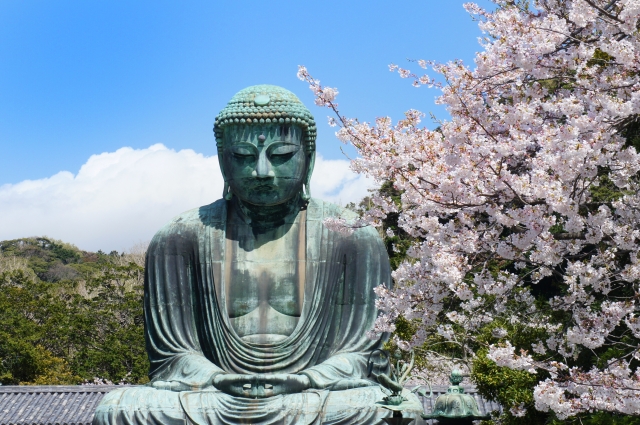
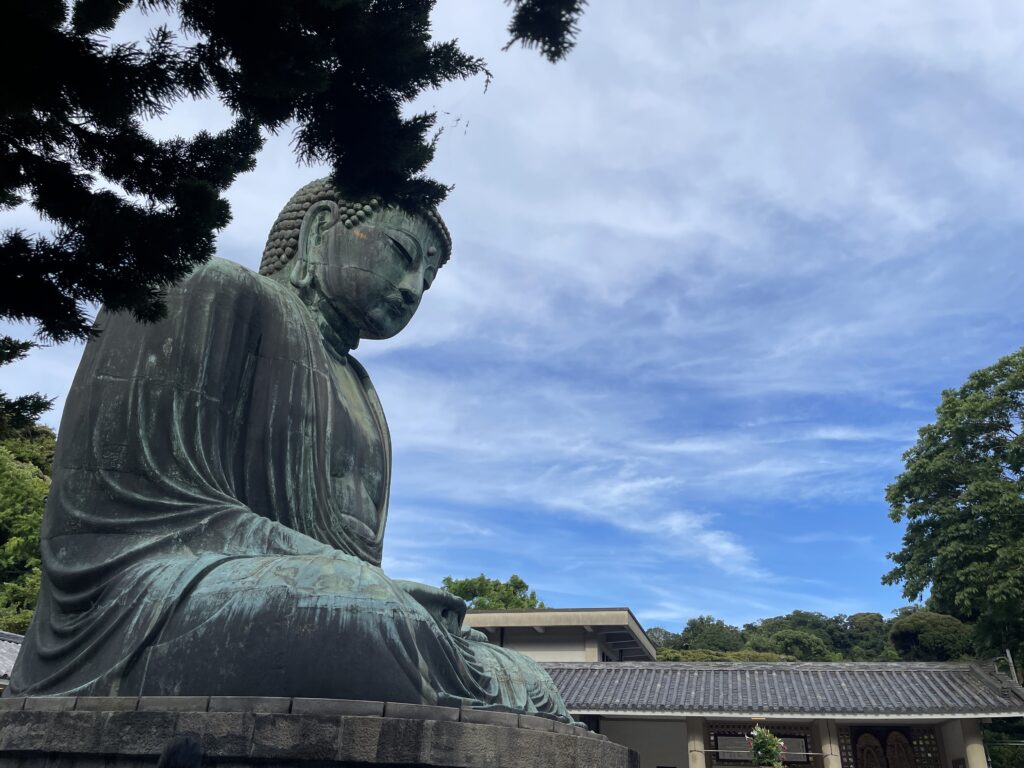
Side face of The Great Budda
Stone paving
There is many historical places and
temples, shrines in Kamakura, especially where is famous for “Great Budda of
Kamakura 鎌倉大仏” “Bamboo Forest Hokokuji Temple 報国寺” “Tsuruoka Hachimangu Shrine
鶴岡八幡宮”.
Kamakura is very compact city to see
around, also can access to many tourist spots easily by public bus. Small old
shopping road is quaint.
Are you sick and tired of gathering the
central area of Tokyo? Tourist
sightseeing spot like Tokyo and Osaka are so crowded?
Come to Kamakura! Kamakura is still
crowded, but it is better than these cities and go to the ocean beach (Yuiga Hama
由比ヶ浜).
Kamakura is the best one-day short trip
destination from Tokyo to feel great atmosphere of Japanese ancient city, worth
visiting here rather than any cherry blossoms viewing spots in Japan.
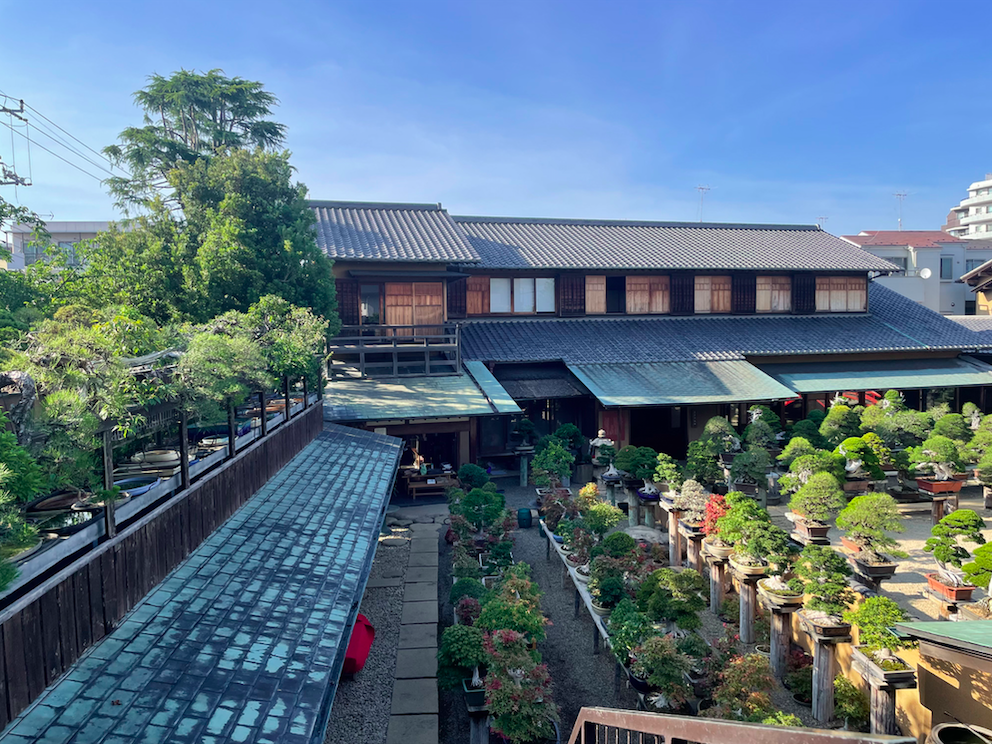
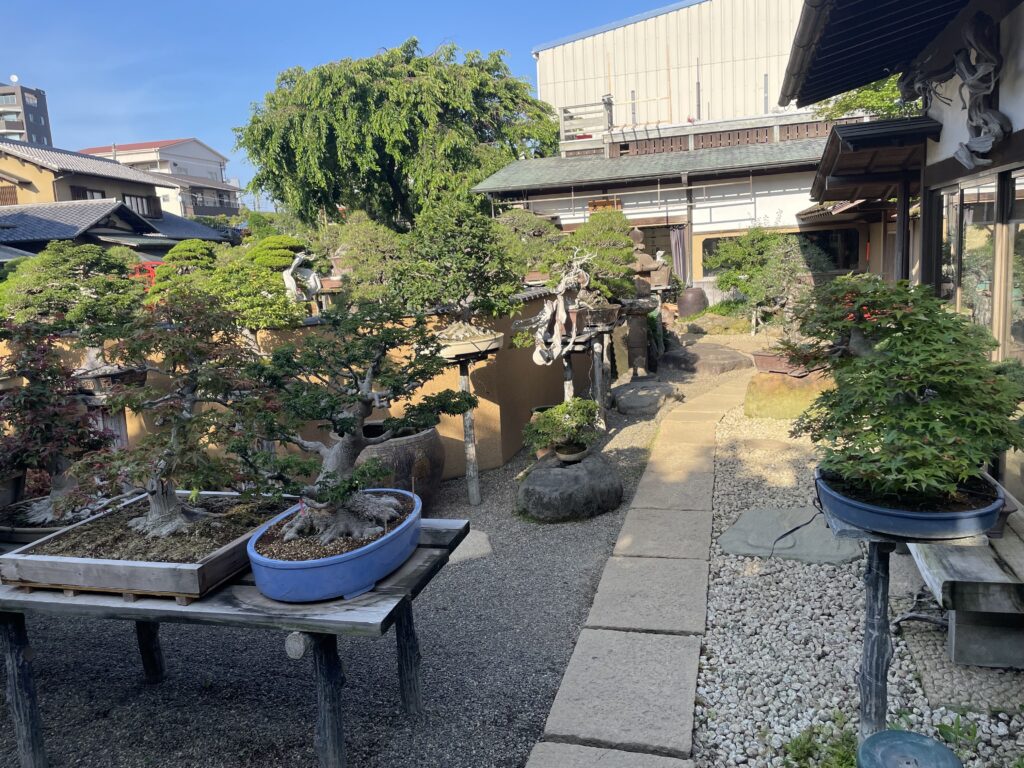
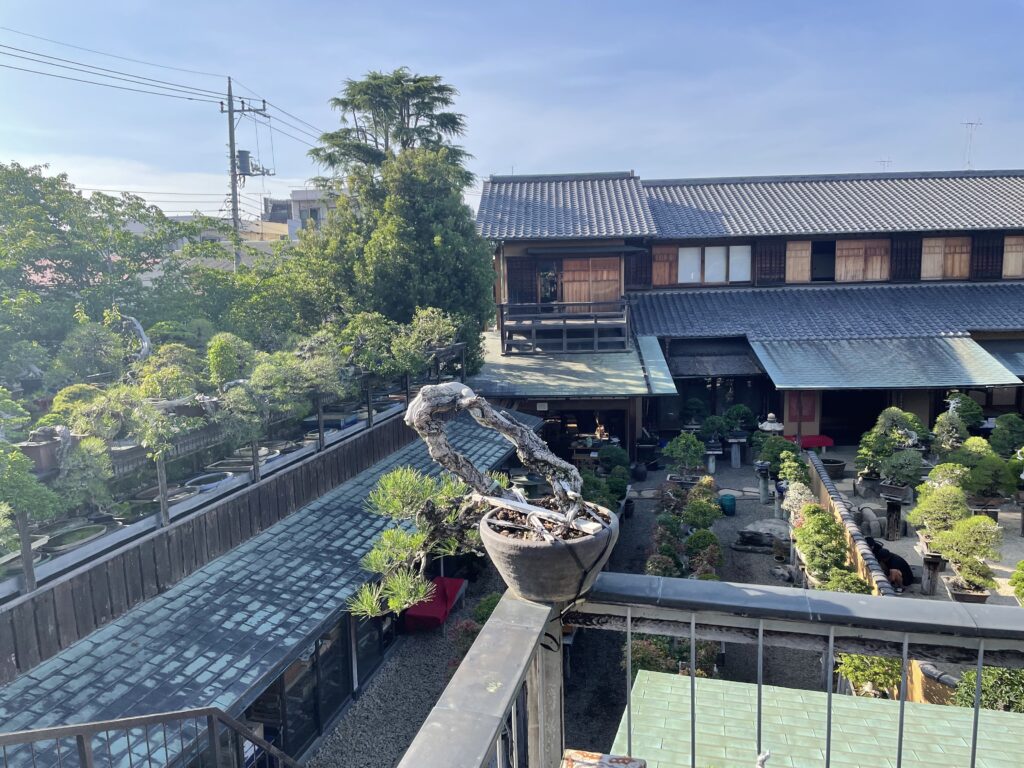
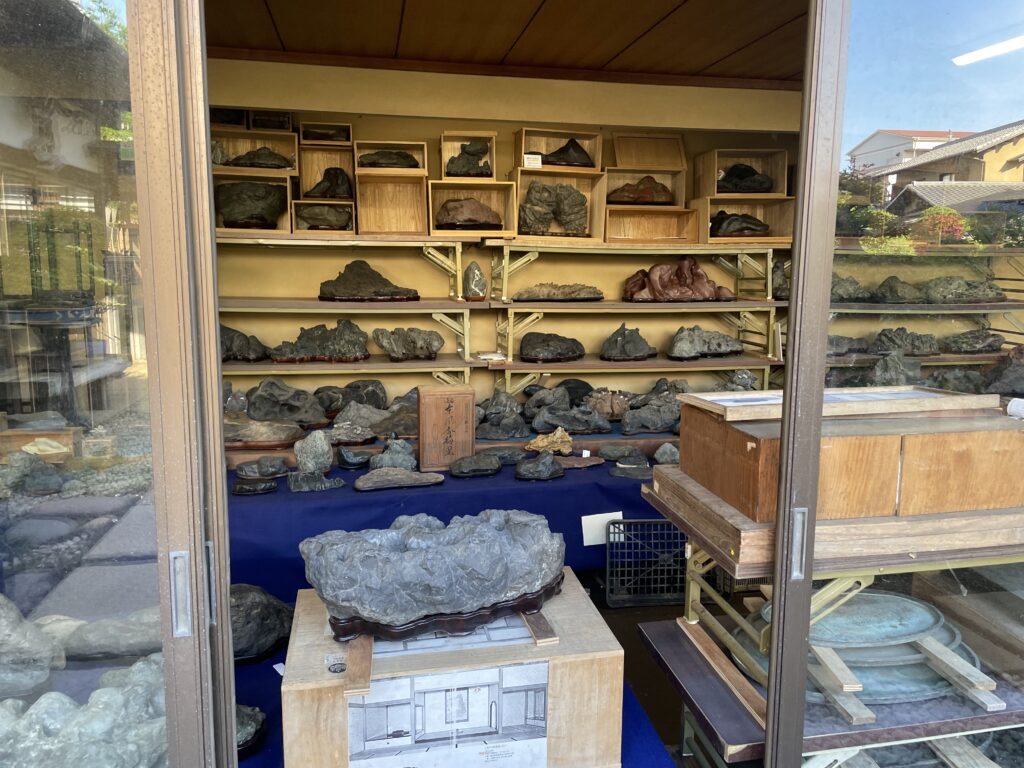
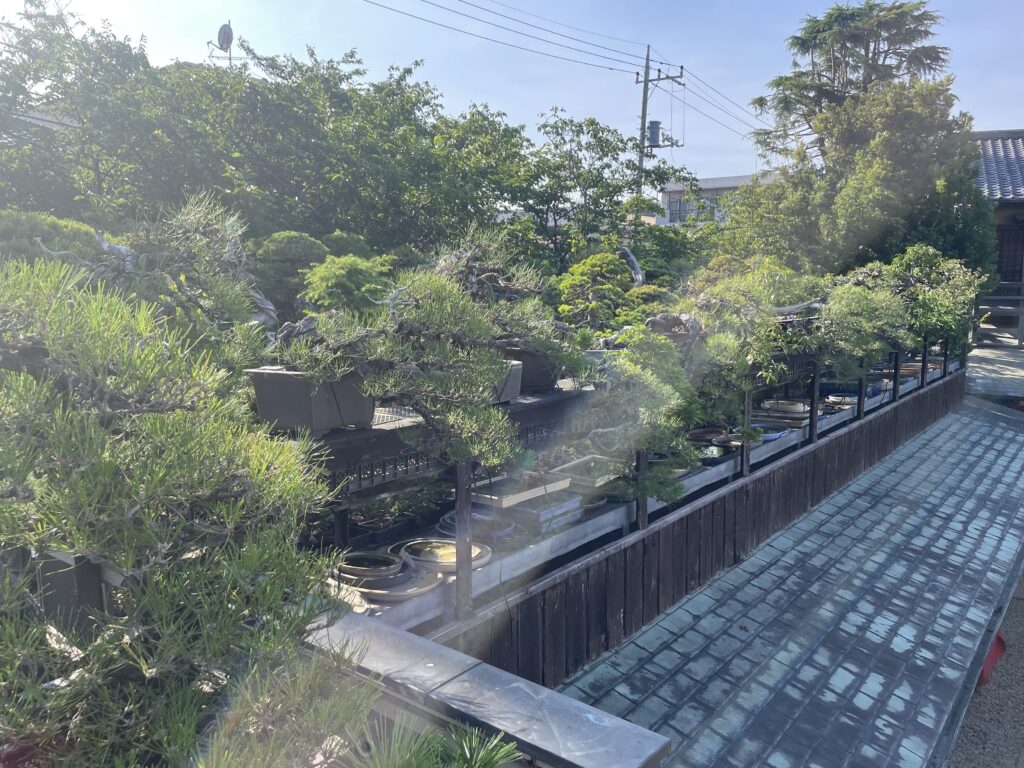
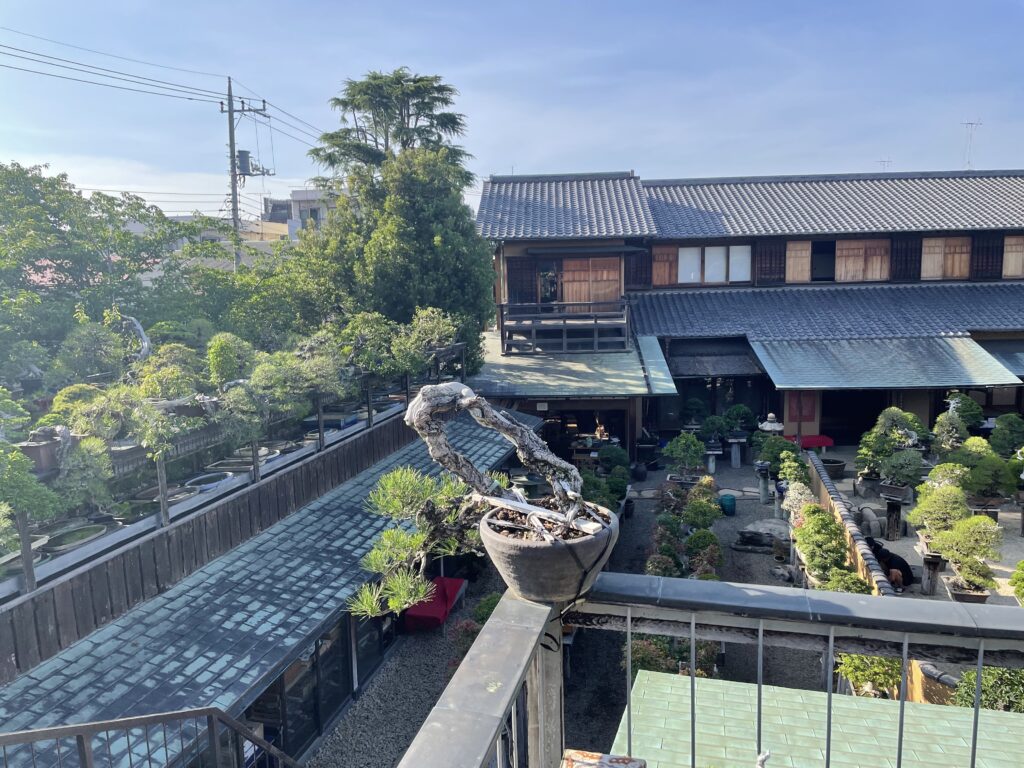
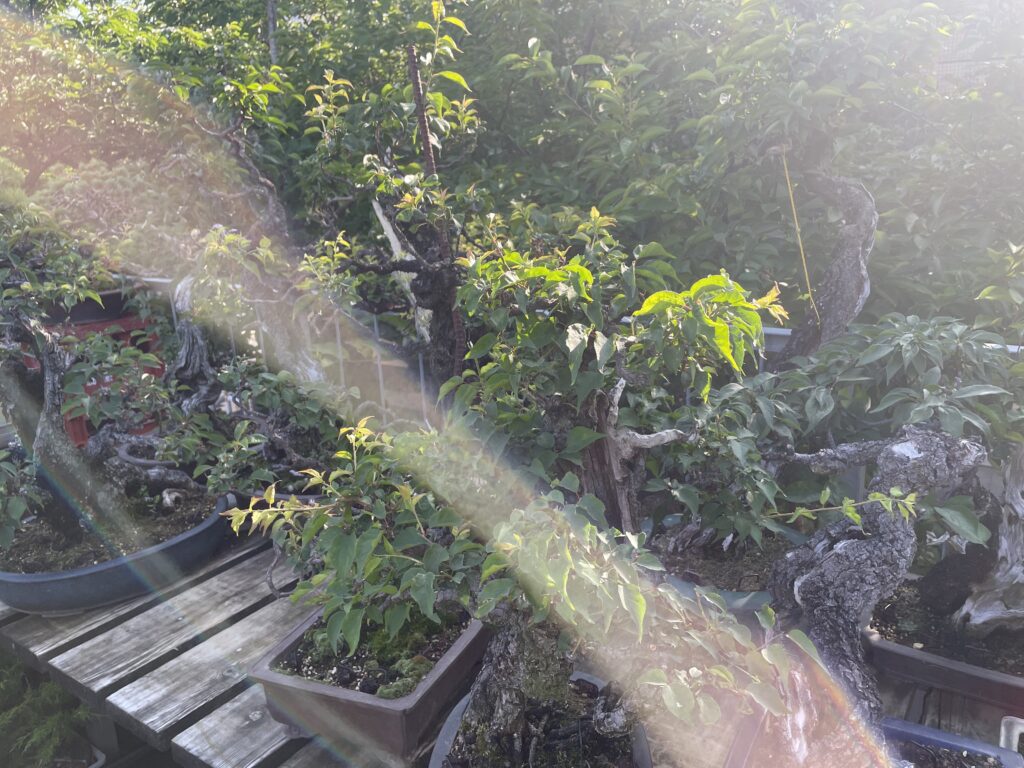
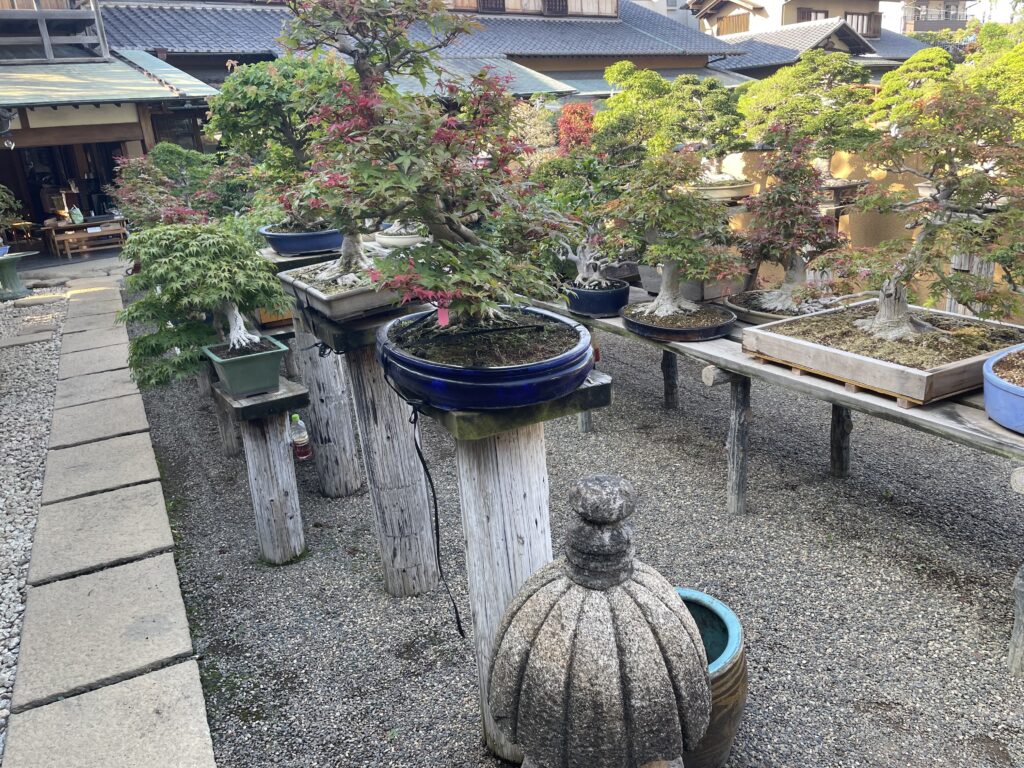
The other day, I visited Japanese Bonsai Museum at Edogawa-ward in Tokyo.
It calls 春花園BONSAI美術館(shunkaen Bosai Museum).
This bonsai museum is famous, which have been visited by world celebrities like Jeff Bezos, Cameron Diaz. More than 80 percent of visitors are foreigners.
Almost a thousand of bonsai trees in this
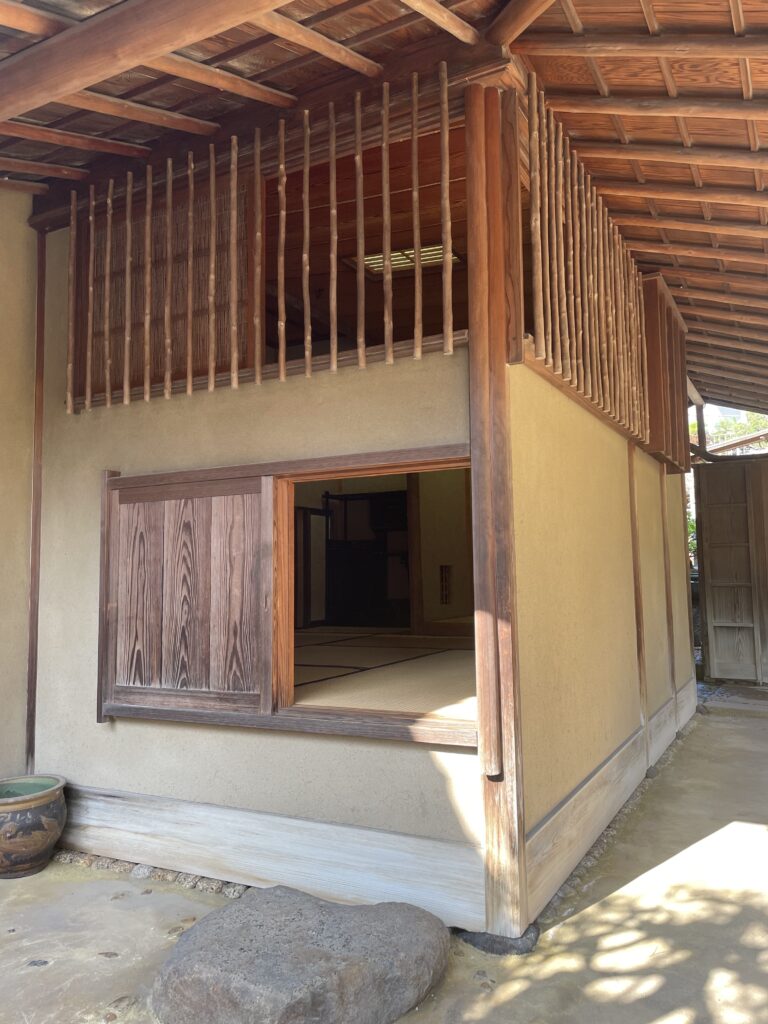
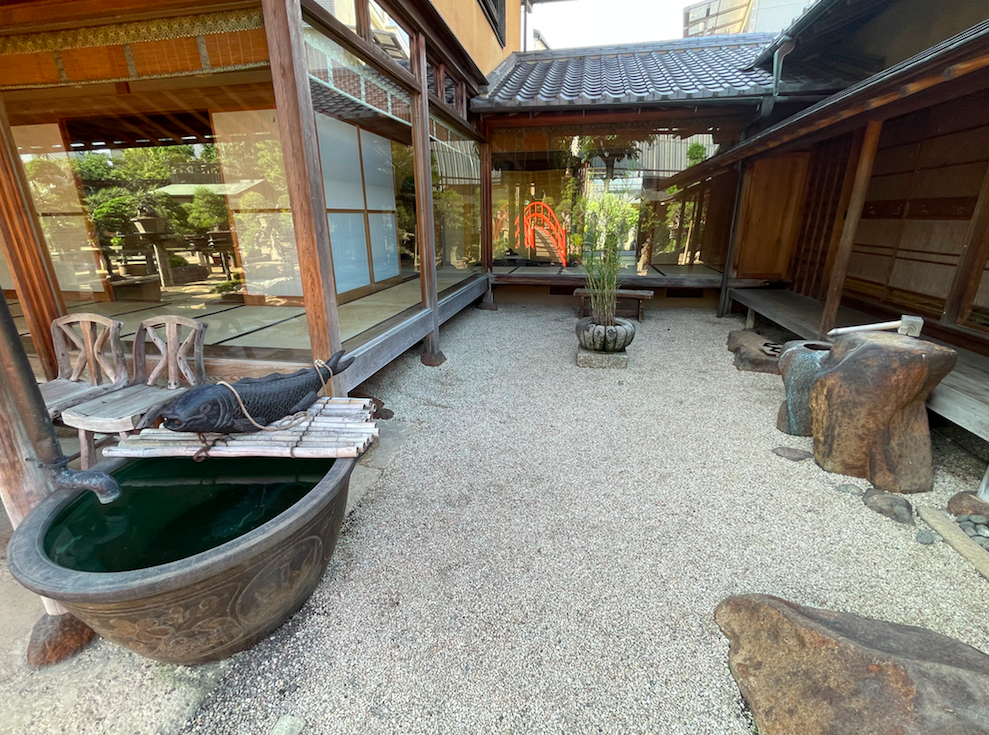
garden, moreover, tea ceremony room and taiko bridge has built over a pond for
kois in sight.
This museum founded by Kunio Kobayashi who
is a prominent authority as a Japanese
bonsai artist since 1989. He has trained over 200 successors of all over the
world.
So what, Bonsai? You don’t know that? OK, let me explain what is Bonsai.
Bonsai (dwarf trees) is an art form that
consists of planting a tree in a ceramic pot. Also, articles of taste to be
admired through a process of cultivation that draws on the accents the plant’s
vital powers, producing a natural elegance of form pleasing to the eye.
It was introduced to Japan the Nara and
Heian Period (8 to 12 centuries) from China, whereafter it developed
independently in Japan.
Bosai can last for periods ranging from decades to centuries, gradually gaining character as they age. Special cultivation method will be applied.
The essence of the art of cultivation lies in skillfully controlling the growth of the tree through promoting and restraining technics.
Bonsai are cultivated into variety of
shapes by controlling such factors as the arrangement of the trunk (upright,
learning, twisted, growing from a vertical face), the number of trees (single,
multiple, clumped) and the root configuration (horizon with trunks rising from place
to place, rock-clinging, partially exposed).
Trees are, mainly used pine tree, but many
other types of trees can be used, such as various evergreens and deciduous
trees, and trees that blossom, and bear fruit, and each has its own unique attractiveness.
Bonsai tree is, one symbolic subject, which
is Japanese people love of natural beauty, Zen-inspired micro-world in the
world.
This bonsai garden must be an oasis in concrete jungle of Tokyo, I felt a few degrees cooler in the center of the Tokyo,
actually.
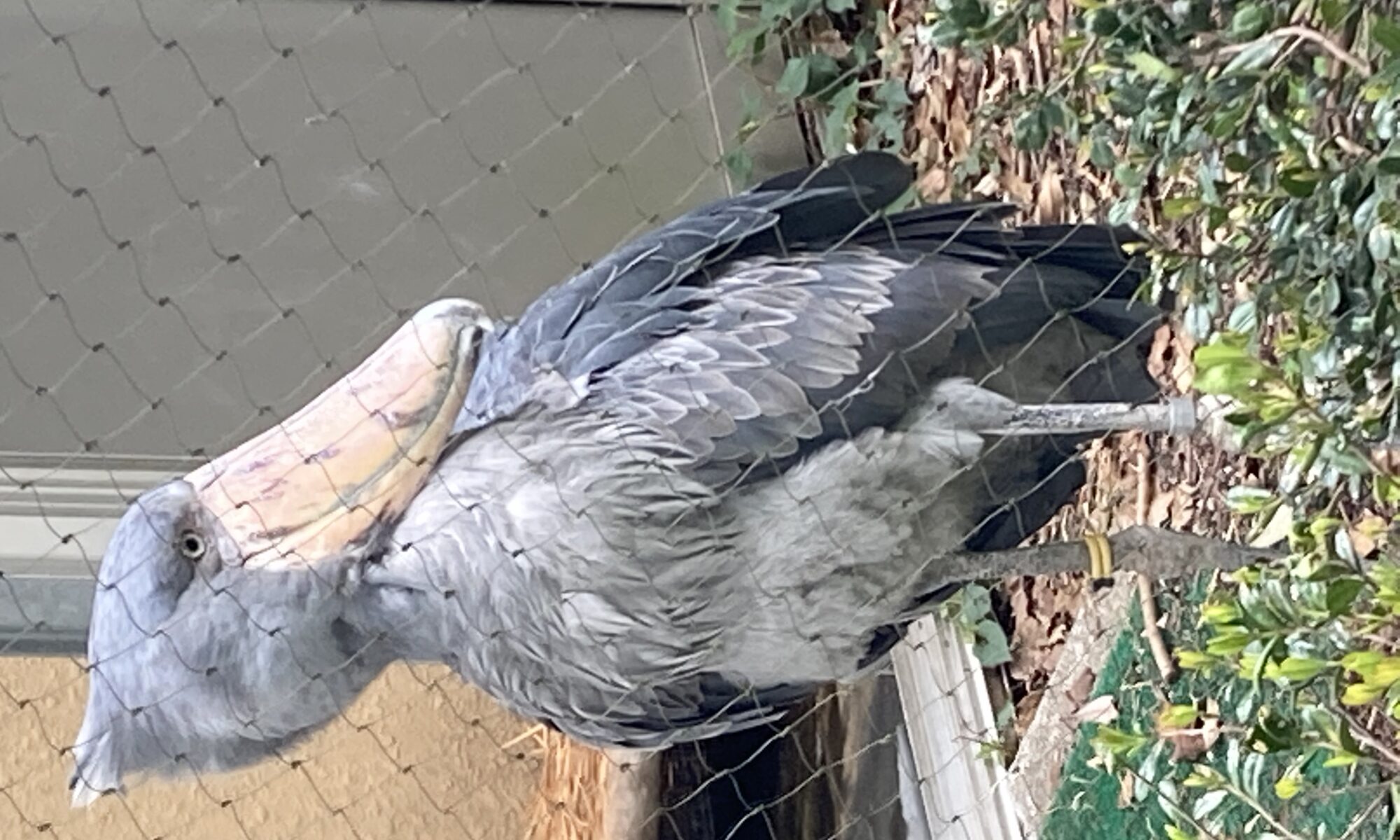
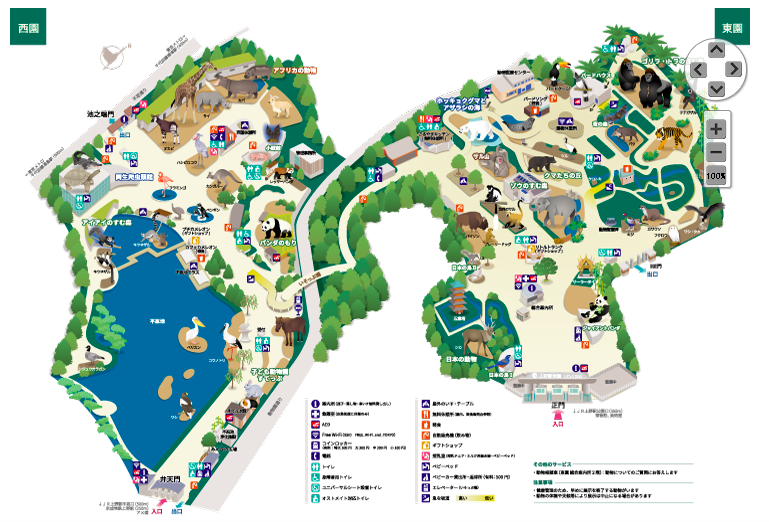
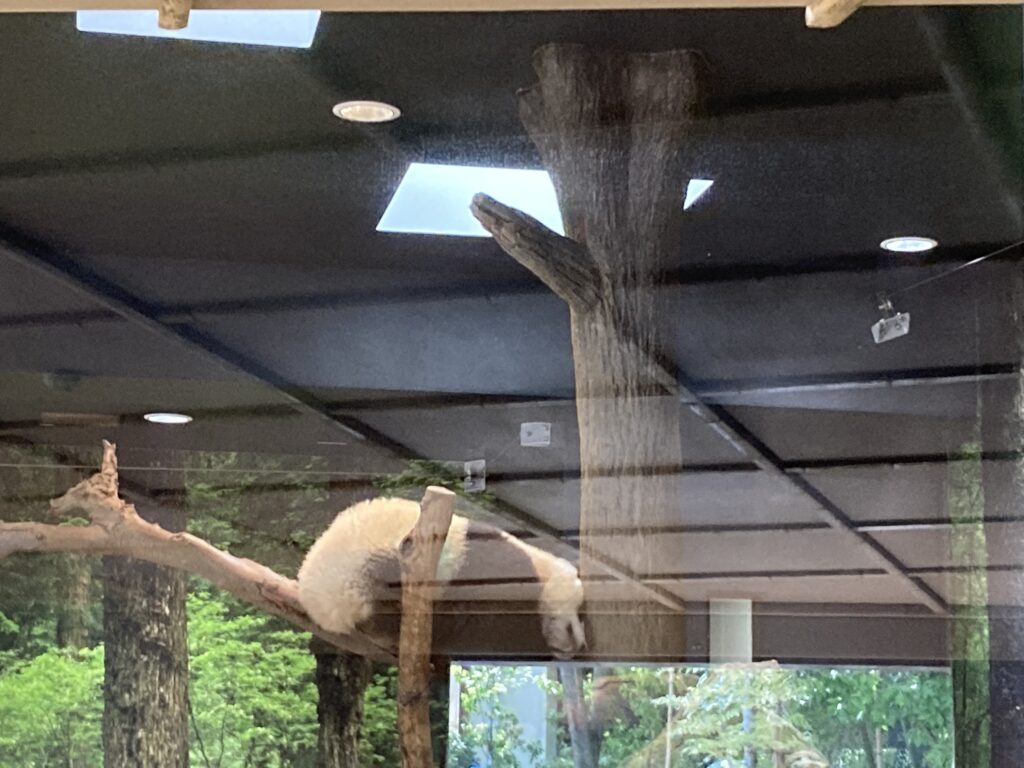
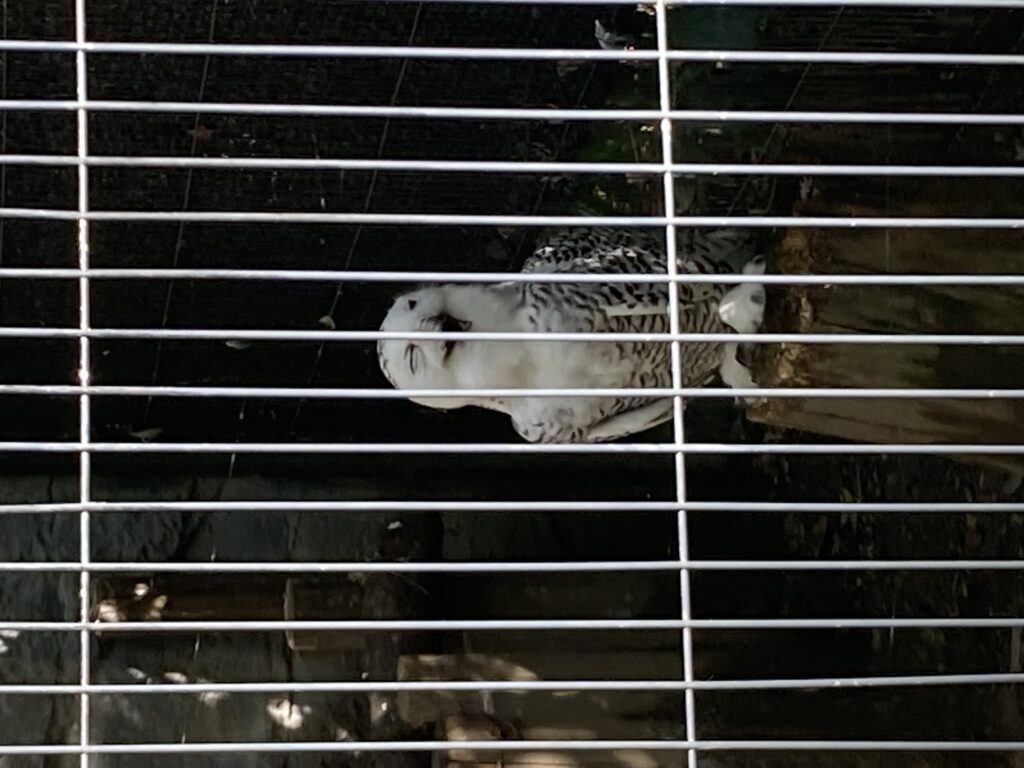
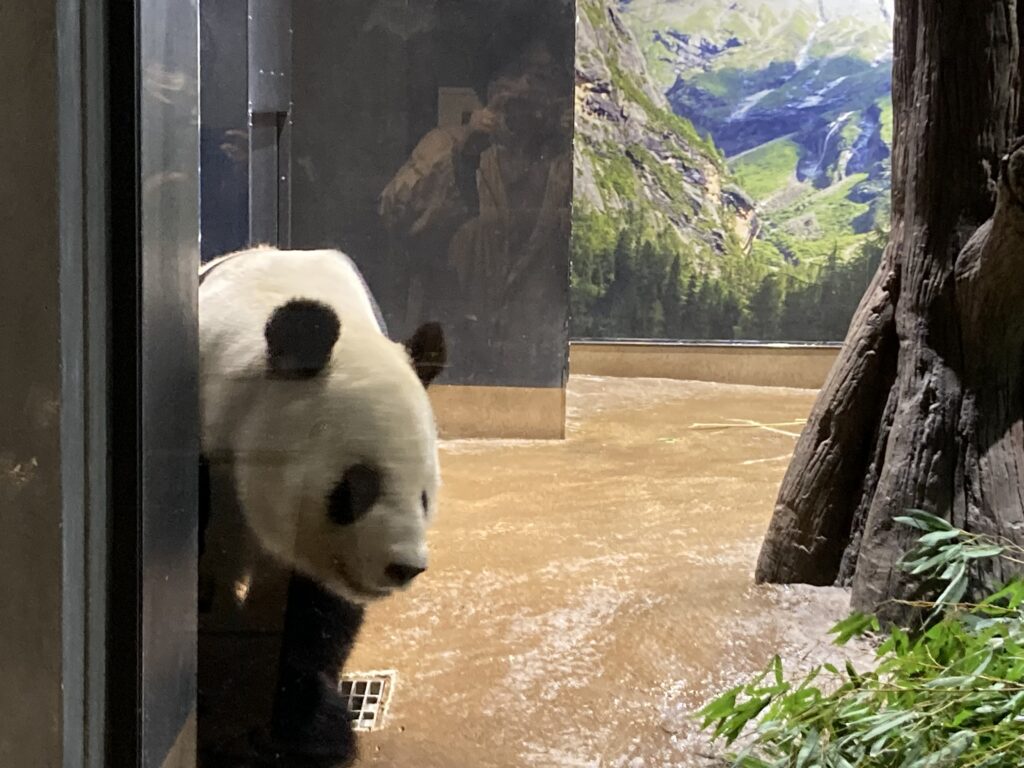
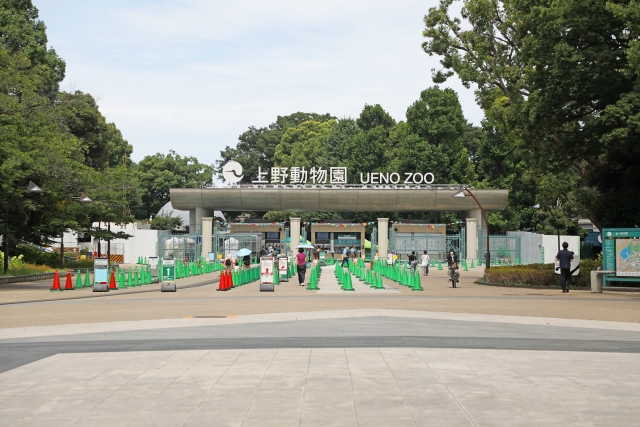
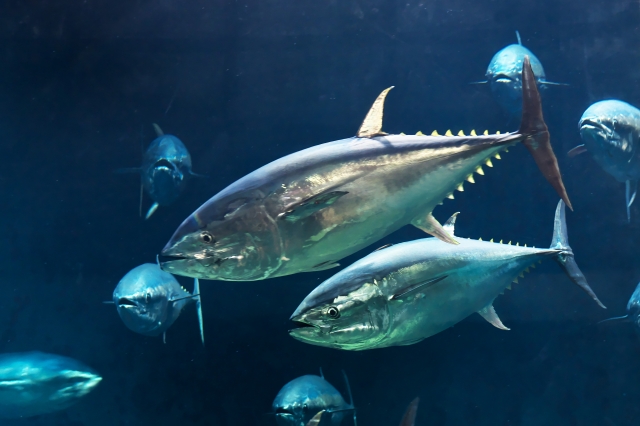
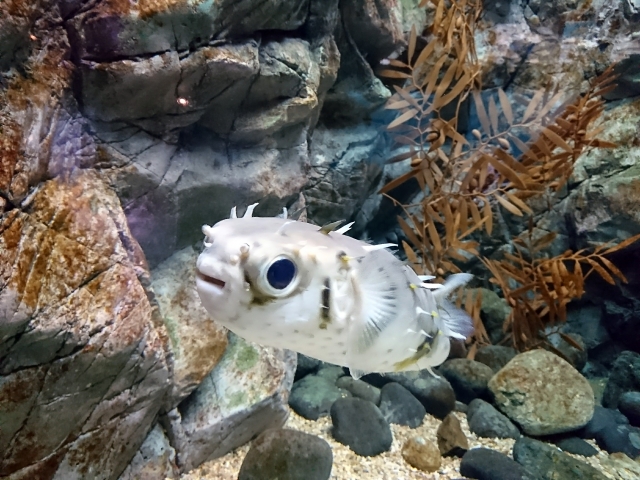
There are unique, characteristic zoos and aquariums all around the world, then, if you love animals or birds and fish, penguins, why don’t you visit zoo and aquarium while staying at Tokyo.
Tokyo Ueno Zoo (Tokyo Zoological Gardens)and Kasai Rinkai Aquarium(Tokyo Sea Life Park) are being managed their administrations by Tokyo Metropolitan Government.
You can see the animals along scenery close to its natural environment.
Meanwhile, Sumida Aquarium, Shinagawa Aquarium are private aquariums, inclined to be particular about presentation.
Basically, Japanese Budo (武道) is highly discipline and refined spirit needed, fundamentally,
Budo is based on profoundly philosophical theory – “Conquer yourself rather
than beating others”.
In other words, “Bushido (武士道) or Samurai no Kokoro-iki(侍の心意気) is most
important spirit among these Japanese budo’s disciples.
According to the website of “Japanese
Budo’s hall of fame – Nihon Budokan日本武道館“,describes what
the Japanese Budo is –
Budō
is a form of Japanese physical culture that has its origins in the ancient
tradition of bushidō – literally, “the way of the warrior.” Practitioners of
budō develop technical martial skills while striving to unify of mind,
technique and body; to develop their character; to enhance their sense of
morality; and to cultivate a respectful and courteous demeanour. Thus, budō
serves as a path to self-perfection. Budō as a general term refers to the
modern Japanese martial arts disciplines comprised of jūdō, kendō, kyūdo, sumō,
karatedō, aikidō, shōrinji kempō, naginata, and jūkendō.
Practitioners of Budo could learn not only
mental toughness but also propriety through the lessons.
Budo’s are, also have different
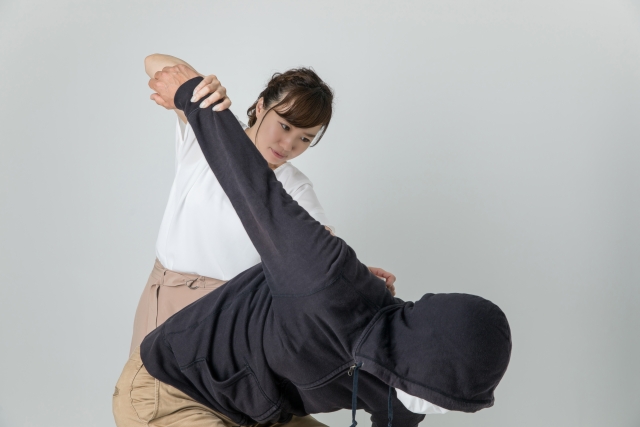
perspectives – which is “the art of self-defense”. Budo’s main priorities are –
just smart ways of protecting ourselves from disasters, crimes, silly squabbles
sudden incidents in our lifetimes. Budo is defensive ways of body protection from
lot of threats – without wearing personal protective equipment.
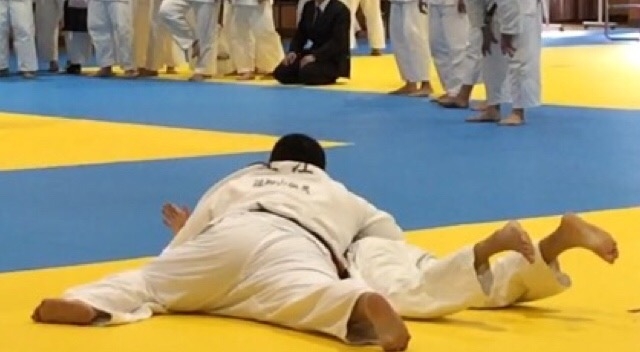
Judo(柔道)
The aim in Judo is not just to win. Judo
means “ 柔“soft “and “gentle”.
It is rather the mind that needs training
not the body.
At the beginning of 12th
century, Judo became part of the educational curriculum of boys from middle
school onwards, then, it has become very widespread – all over the world.
Judo’s spirits is – “softness overcomes
hardness”.
The ability of judo practitioners is
indicated by Dan(段) and Kyu(級)。
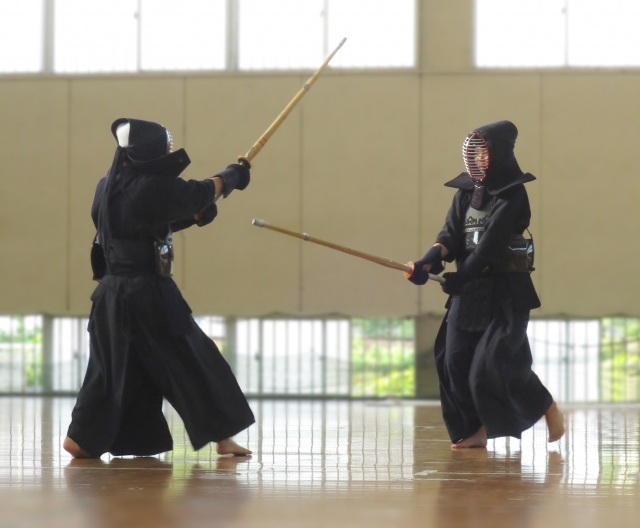
Kendo(剣道) Iaido(居合道)
Kendo is a kind of fencing in which the
fencer uses a “sword” for protection and to attack his opponent of the match.
Basically, Kendo uses shinai 竹刀(bamboo sword) Iaido uses shinken 真剣 (real sword and its sheath).
From the seventeenth century, it has been
stresses that Kendo involves spiritual as well as technical refinement, under
the influence of Buddhism, Confucian teaching like a Zen philosophy and Bushi
do (武士道).
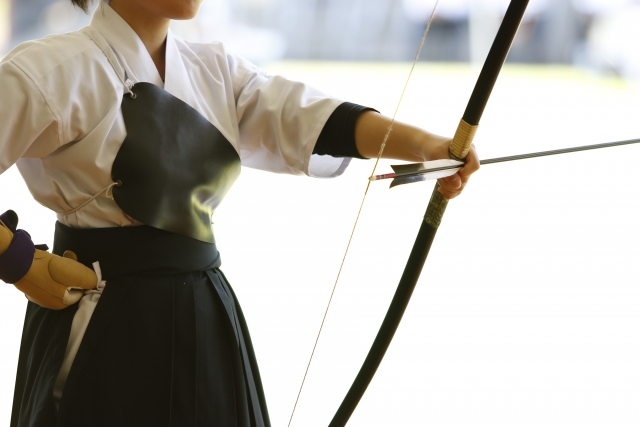
Kyudo(弓道)
Kyudo is Japanese archery. It is said to
have been introduced in the eights century from China and Southeast Asia to
Japan.
The bow had become widespread for hunting
and fighting until medieval – before being introduced firearms from western
countries to Japan. Subsequently, Kyudo development was a discipline of mind
and body based on Zen and Confucian tenets.
It is also famous “Yabusame 流鏑馬“ – playing archery on the horseback.
Yabusame is one of Samurai’s accomplishments.
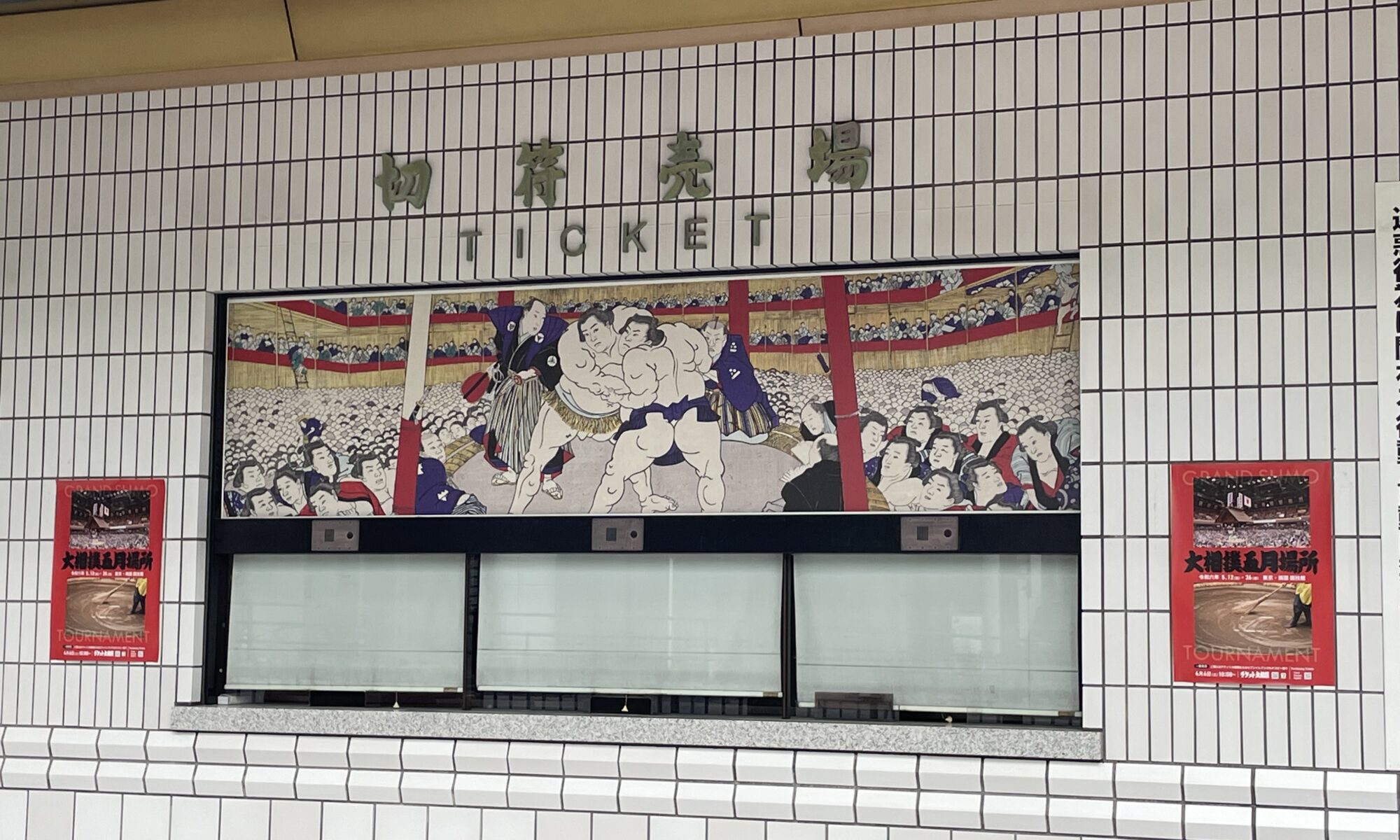
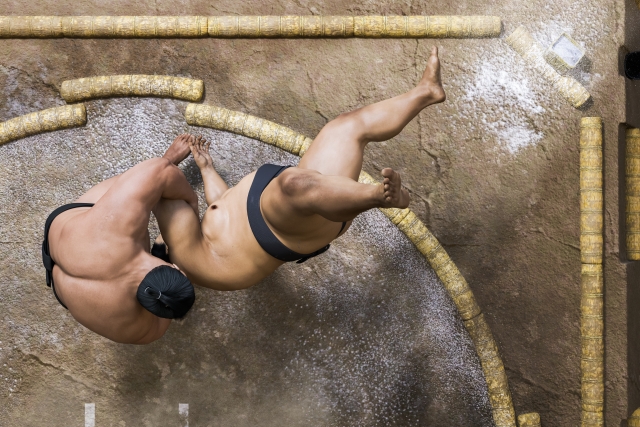
Sumo(相撲)
Sumo’s history goes back to ancient times. In
the ancient myth’s book“Nihon Shoki (日本書紀)”, describes the gods wrestled with each other in some tales. Sumo is
one of symbolic Japanese traditional budos and offerings to the gods.
Due to its origin in offering to the gods,
sumo matches were likely to hold in the front of gods – means inside of
shrines.
In modern sumo tournaments hold 6 times per
a year in different places,
Tokyo(January,May,September),Osaka(March),Nagoya(July), Fukuoka(November).
Sumo wrestlers have huge bodies with traditional
costumes, powerful wrestling styles are very exciting!
The highest rank of sumo wrestlers are
called “Yokozuna 横綱“.
The wrestlers ranking is shown at Banzuke 番付 board in every wrestling tournament.
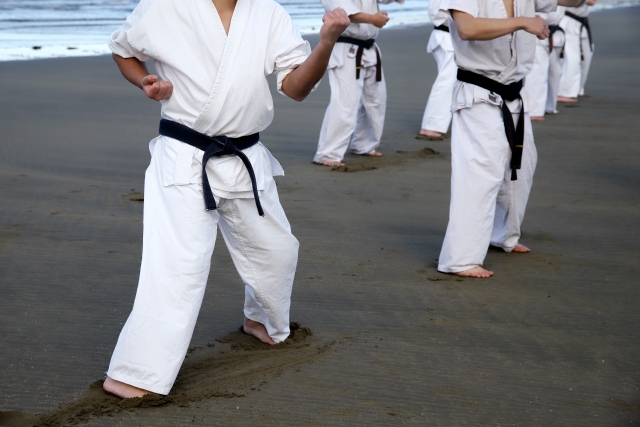
Karate(空手)
Karate is system of self-defense in which
the main emphasis is using the body to the body to the greatest effect to
defeat an adversary.
It has perhaps developed in China around
the eleventh century, in the fourteenth century, it was introduced to Japan via
Okinawa.
Karate contests are, consists of two types, Kata(型)、Kumite(組手)。
Karate has spread all over the world,
especially, to develop well-disciplined habit and a sense of courtesy for
children.
Aikido(合気道)
Aikido’s basically theory is rather than
fighting, it is better to focus on self-defense.
It emphasizes blending with an attacker’s
motion rather than opposing it directly, using techniques that harmonize with
the opponent’s energy to neutralize their attack. Unlike some other martial
arts, Aikido does not focus on competition or fighting, but rather on
self-development and the cultivation of a calm and centered mind.
In short, Aikido can be described as a
modern Japanese martial art that emphasizes blending with an attacker’s motion,
using body movement and posture to redirect force, and fostering both physical
and spiritual development.
Japanese budo is to win over oneself by
embracing a defensive posture rather than an offensive one. As Greek
philosopher Plato said, “The first and best victory is to conquer self”.