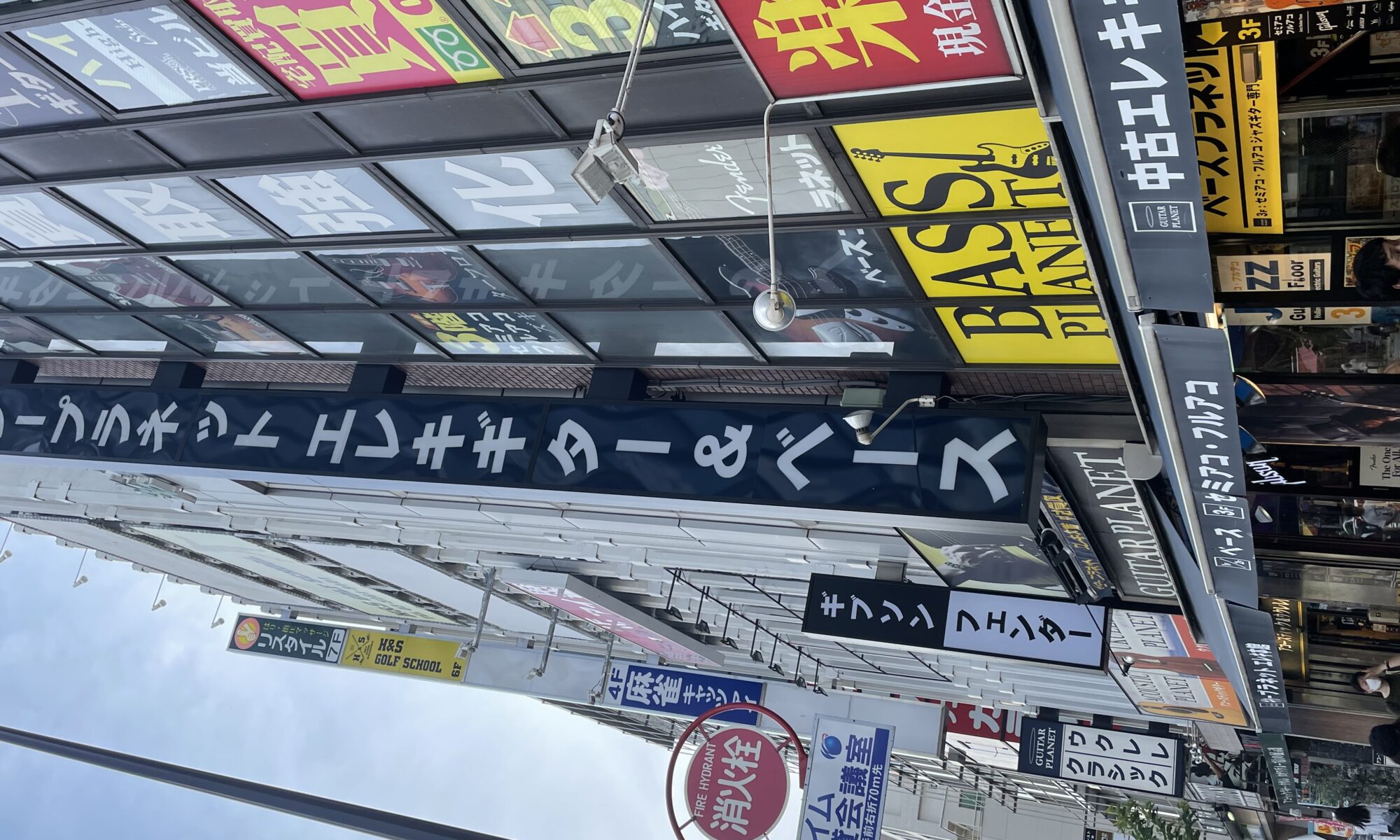
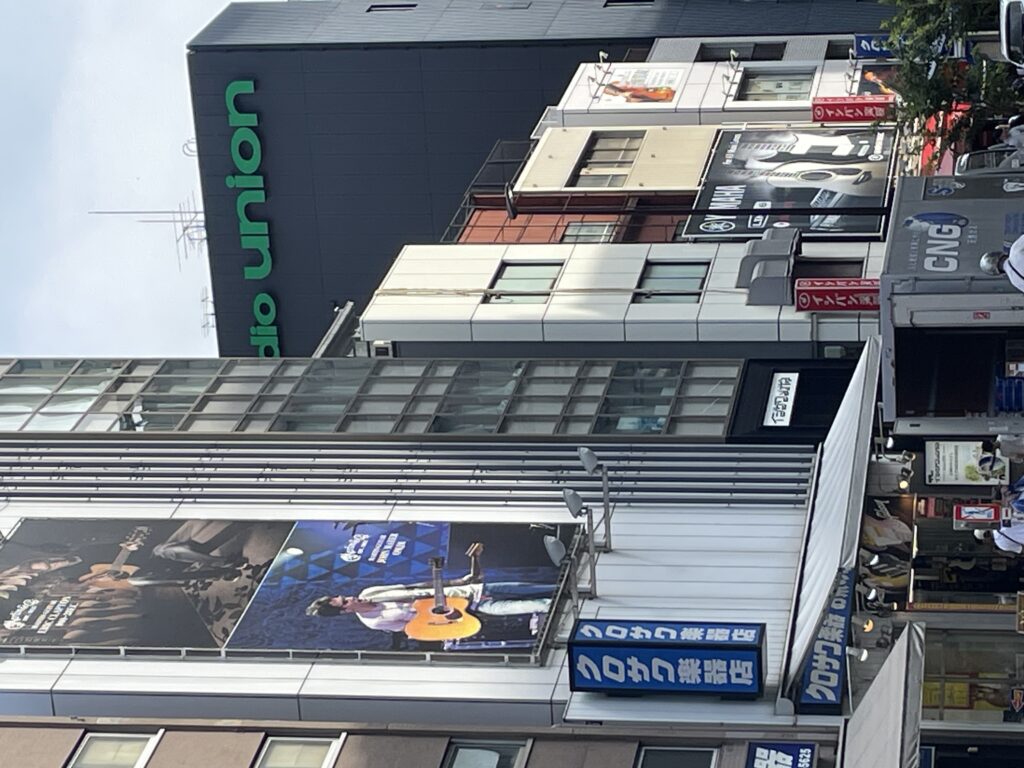
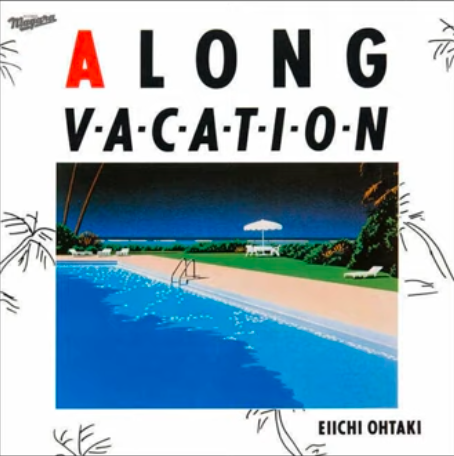
If you are literally music player, you should visit Ochanomizu area where is located in the next stop from Akihabara station. As you know, you could dig in well-conditioned of used vinyl records and old electric guitars, acoustic guitars, electric bass guitars, acoustic drums, other musical instruments @ specialty shops in Ochanomizu.
Meanwhile, Japanese folk musical instruments like Shamisen(三味線), Taiko(和太鼓),Shakuhachi(尺八), etc most of Wa-Gakki(和楽器) are available in Shinjuku.
You may have already known Japanese vinyl record online shops, like Disk Union, RecoFAN, etc, however, on-site small vinyls shops @Ochanomizu are very exciting! Several genres are categorized and sorted at the record racks in each at those stores, help you find easily your favorite records in various bargains.
Japanese city-pop vinyls are many in the stocks, especially 1970’s and 80’s. I could find them also in the storage room or attic of my parent house though, it is very fun to find something special in your memories from those record racks. It would definitely remind you of your youthful memories very quickly.
I am sure, if you are curious about Japanese popular, folk music like Enka, Minyo or Kayou-kyoku, those are also in those stores.
Japanese city pop treasure “Mayonaka no door”.
“Shimauta”is based on Okinawa folk music, which is also covered by Alfredo Casero in Argentina.
Electric guitar brand products are, like Fender, Gibson, Martin, and many musical instruments brands in various shops at Ochanomizu and Jimbocho (Jimbocho is very close to Ochanomizu) area. There are also famous for gathering delicious curry restaurants area. After finding special vinyls and guitars, spicy curry lunch would be waiting for you.
One of the reasons why Japanese books and
comics have been enthusiastically published by Japanese publishers for almost a
century is, just because they are bookworms.
Japanese TV anime show started in 1963, it was “Tetsuwan Atom (Astro Boy)” written by Osamu Tezuka. But still, Japanese kids were, not only reading comic magazines (Mangas) but also watching TV anime show. For example, “Dragon Ball” by Akira Toriyama, “One Piece” by Eiichiro Oda, was still really loved by Japanese people both animes and comics. They are legendary & symbolic authors in Japanese comic history!
The season has come for bookworms! “Kanda used book festival in 2024” started on 25th October until 4th November.
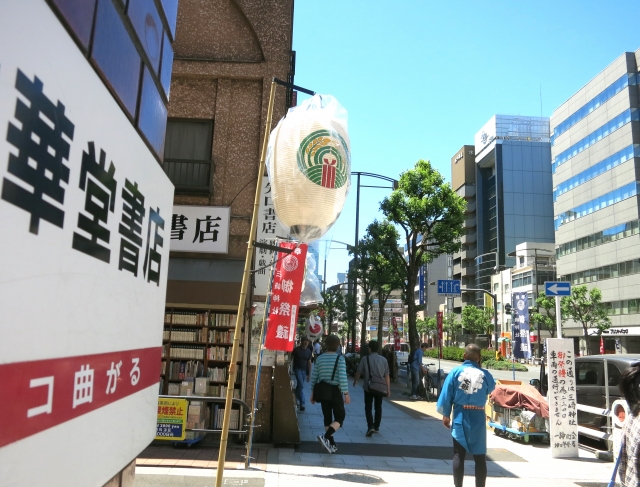
Kanda, Jimbocho area is broadly known as “booktown” in Tokyo. “Kanda used book festival” is held only once a year, the festival covers flea markets and many events, deals with used books, video, CDs, drawing, painting, and etc, more than 1 million of books are exhibited.
I am a kind of niche collectors of “Ukiyoe hanga 浮世絵版画”and cult movie pamphlet (brochures of cult movies which especially directed by foreign creators). I opened my eyes wide, found a couple of brochures of 80’s movie, some Ukiyoe hangas. I was so happy to find treasure buried in a heap of garbage. I prefer looking for treasure in flea markets to participate in internet auctions!!
To say nothing of Ikebukuro, is also famous for Otome 乙女road where has lot of girl’s otakuオタク(nerd) shop paradise. There are many stores of amime goods in Otome road. Especially Fujyoshi腐女子 (girls who really love to B.L.(boy loves boy) comics and animes)) must be fascinated by these flamboyant world!
On the contrary to, Akihabara is the paradise of otaku guys or geeks 🙂 who love lolita girls and cute school girls’ animes. The area has a concentration of computers, video games, anime goods, retro games, dvds, home appliance stores in Akihabara.
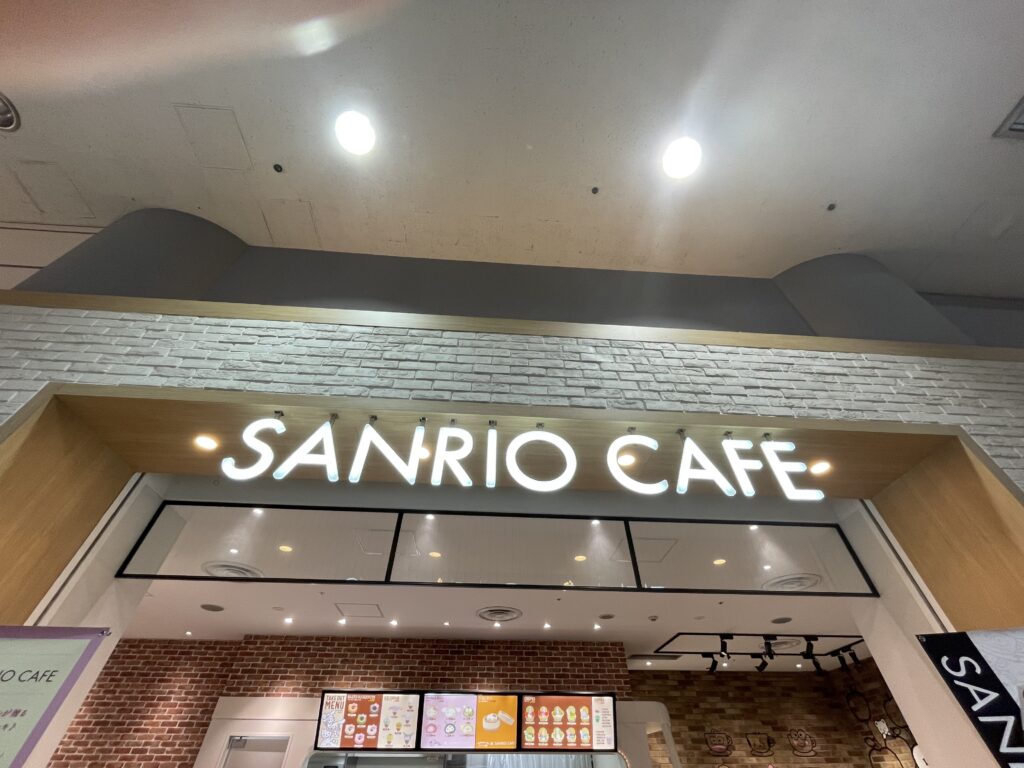
Oh no, I am getting off the track. Ok, I am back to the main topic, sanrio café.
Sanrio stores can be found everywhere in Japan. But Sanrio cafés are only located in Ikebukuro (Tokyo wards) and Kamakura (Kanagawa prefecture).
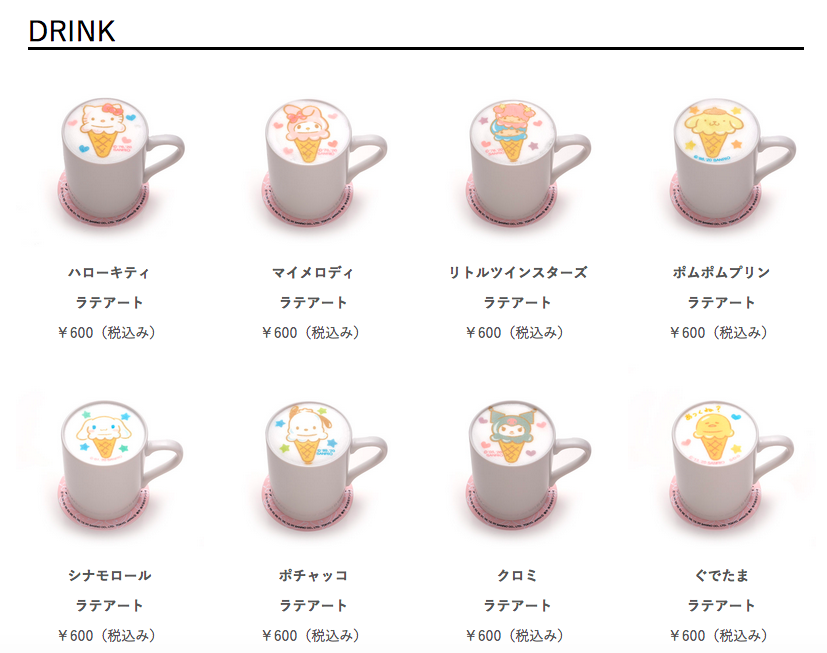
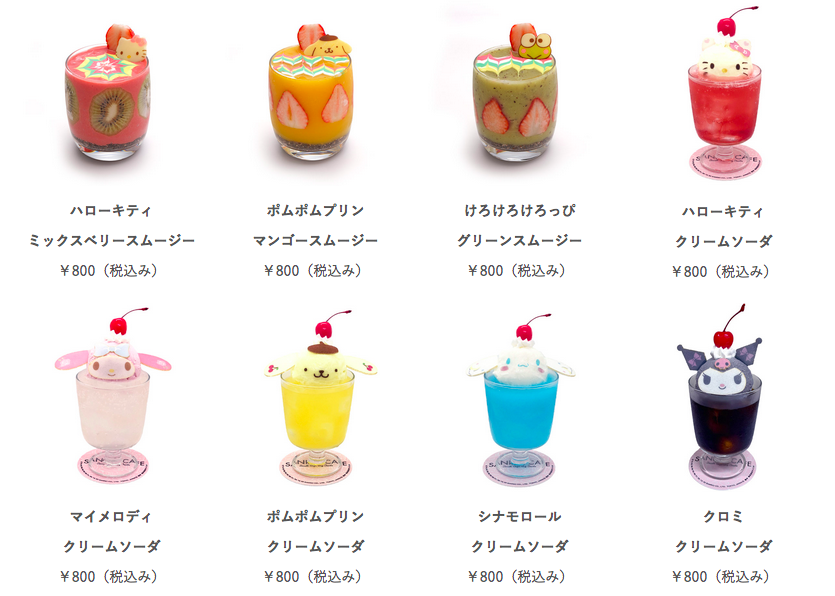
I ordered Kuromi soda(iced coffee with black sesame taste icecream)
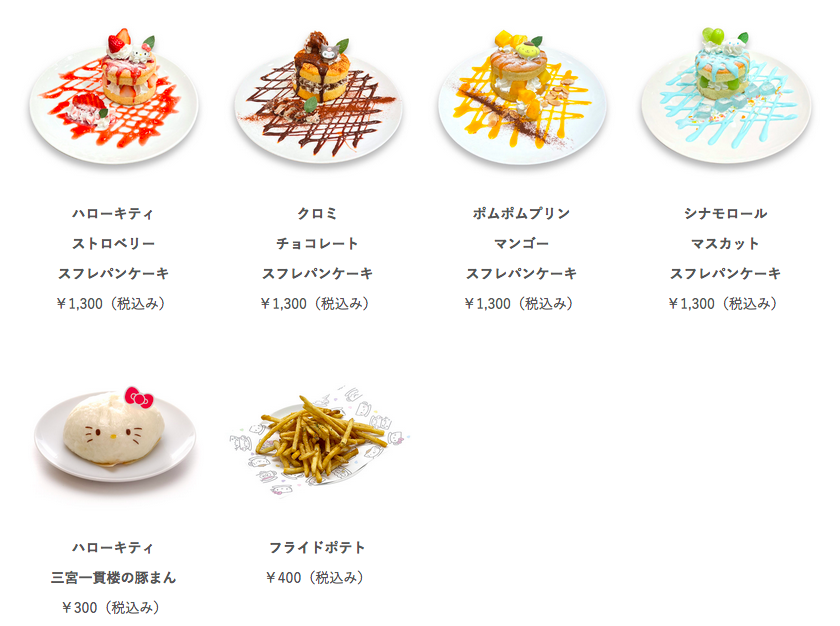
And Kuromi pancake!(chocolate pancake) @Sanrio Cafe. Cause I am a big fun of Kuromi.
Hangyo-Don
Kuromi Soda & Kuromi Pancake
Kuromi has gothloli(abbreviation of gothic lolita) look with black costume and wearing heavy make up(look like the rock band Kiss!).
Kuromi
(クロミ, Kuromi) is My Melody‘s rival, who is a white rabbit or imp-like creature wearing a black
jester’s hat with a pink skull on the front and a black devil’s tail. The
skull’s facial expression changes to match Kuromi’s mood. Fittingly, her
birthday is Halloween (October 31st). Her name translates from Japanese to
English as “black beauty”.
Kuromi’s
appearance is also similar to those of cartoon characters from the 1990s such
as Pichu from Pokémon. Kuromi has become a popular character for the punk,
scene, and goth crowds due to her appearance.
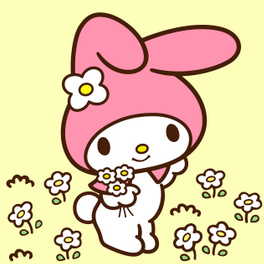
If Hello Kitty and My Melody were angels, Kuromi would be a sweet little demon. She has just irresistible charms for gothic lolita-lovers. Don’t you think she is intriguing anything against My Melody above, do you?
Let’s enjoy the sub-culture paradise of
Ikebukuro and Sanrio café!
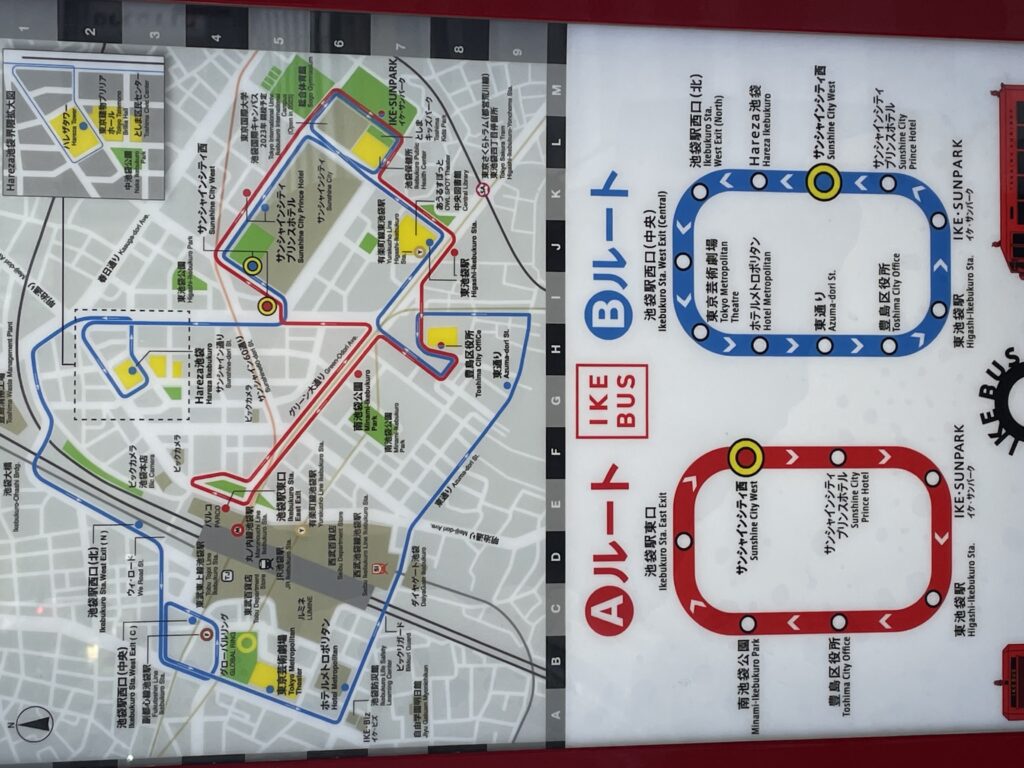
Please stop by Ikebukuro area and see around Otome road. Also Ike-buses池袋バス are available from the east exit of JR Ikebukuro station. The fare is 100 yen.
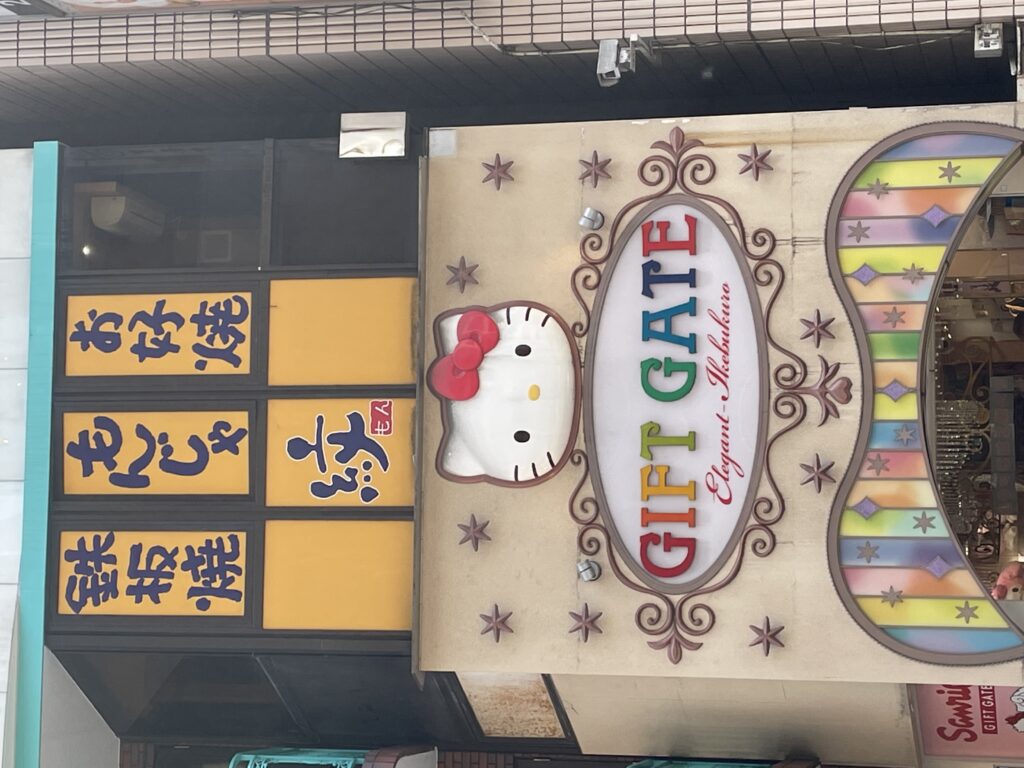
Ikebukuro Sanrio Gift Store
Animate @Otome road
Ike-Bus route map
Ike-Bus station @ the east exit of JR Ikebukuro
Sanrio goods are also available at Ginza and Asakusa, Shibuya. You can find many small Sanrio stores on the website below,
As I mentioned in the previous posting, cherry blossom blooming – initiates new semester and new businesses year in Japan, because cherry blossoms commonly bloom in the beginning of April. (However, under the influence of global warming, cherry blossoms have been blooming and scattering during March the last few years in Tokyo area).
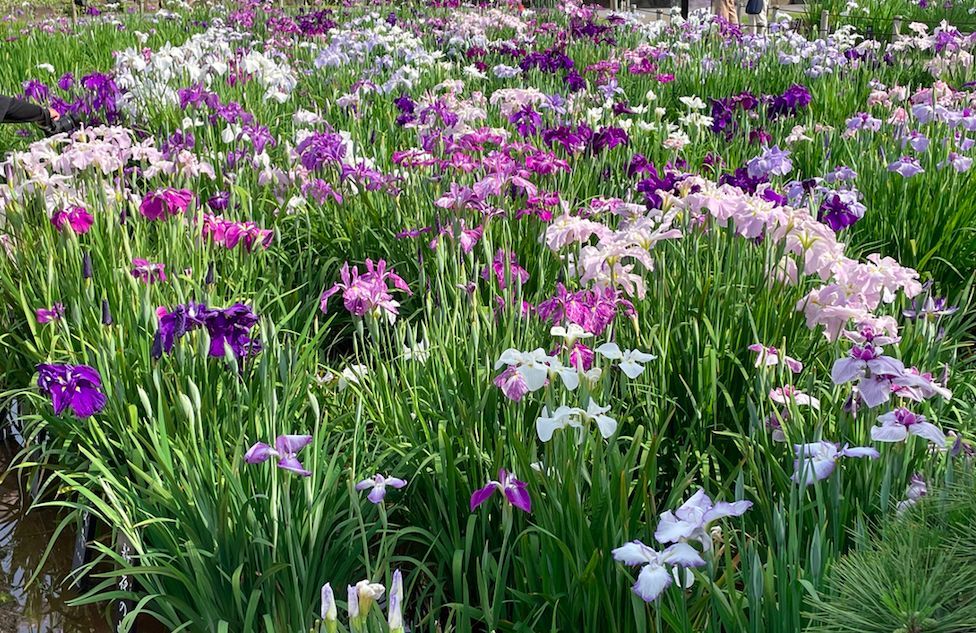
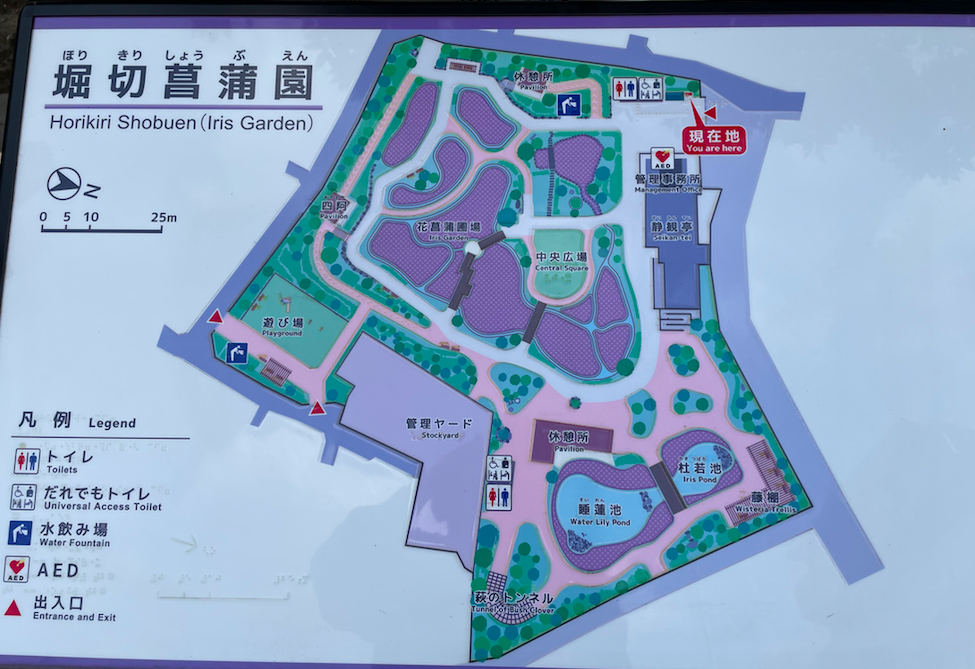
Iris Festival – Horikiri Shobu-en
Cherry blossom blooming season is one of the famous highlights of Japanese sightseeing, moreover you admire flower blooming scenery, we could introduce you some famous flower festival spots in Tokyo.
In Kameido(JR Sobu Line station), where is famous for The Plum Tree Festival from February to March at Kameido Tenjin Shrine. After that, Wisteria Festival takes place in the middle of April. There is over 300 tress of plum and beautiful wisteria trellis – consists of over 50 trees of wisterias.
Wisteria Festival at Kameido Tenjin Shrine
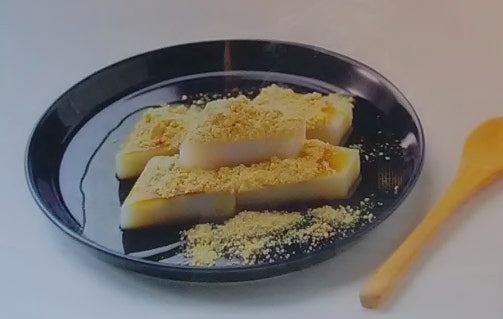
If you have a sweet tooth, you may try to have famous Japanese traditional sweets – Kuzumochi(葛餅) in Funabashi-ya in Kameido – the shop is located in close to Kameido Tenjin Shrine.
Kuzumochi with Kinako and Kuromitsu
In Katushika, Edogawa, there is famous
Flower Irises Festival during May and June.
The flower garden names are, Horikiri Shobu-en, (Edogawa) Koiwa Shobu-en, respectively. Horikiri Shobu-en and Edogawa can be reached by Keisei line. Only 5 or 10 minutes walk takes you to those flower irises gardens.
In the rainy season begins June in Tokyo, hydransias start to bloom.
At the Kinshi(cho) Park is one of interesting selfie spot – with Tokyo Skytree Tower and hydransias and you!
Ueno, Kameido, Katushika, Edogawa,
Kinshicho, are located in Tokyo eastern area, also are called “Shita-machi(下町)“downtown area in Tokyo” including Yanaka(谷根千) area.
You can explore retroactive atmosphere in
deep, old Tokyo eastern area and enjoy this short escape from neo-futuristic
city of Tokyo !!
Those flower gardens above are – all free of charge! Yeah!!
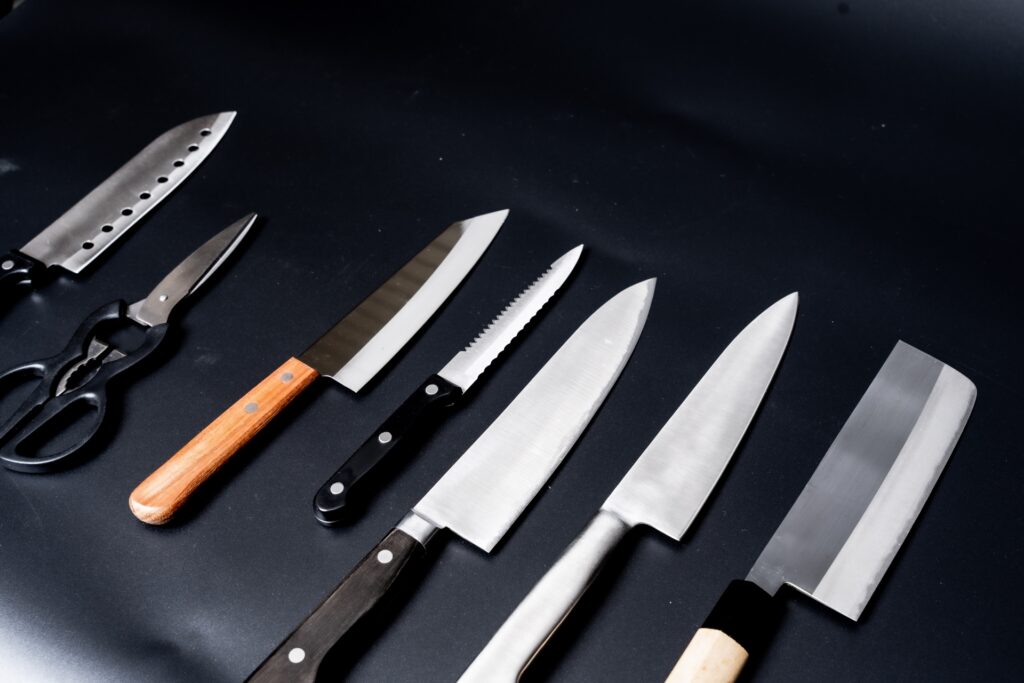
If you are a professional chef, even though nothing but an amateur cook, you will be fond of this town. There are many kitchen wares and supplies in many genres of cuisines tools for professional cooks in everywhere Kappa Bashi.
Just five to ten minutes walk will take you to Kappa Bashi Dougugai from Asakusa station. It is located in between Asakusa to Ueno.
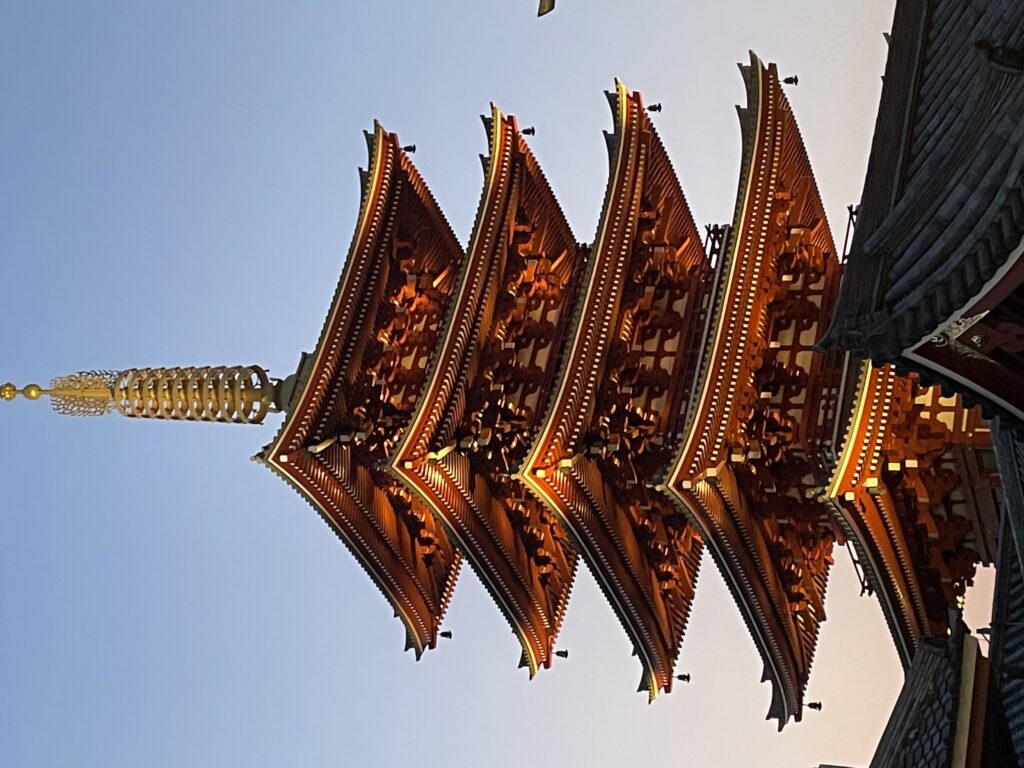
Asakusa Gojyuno-to
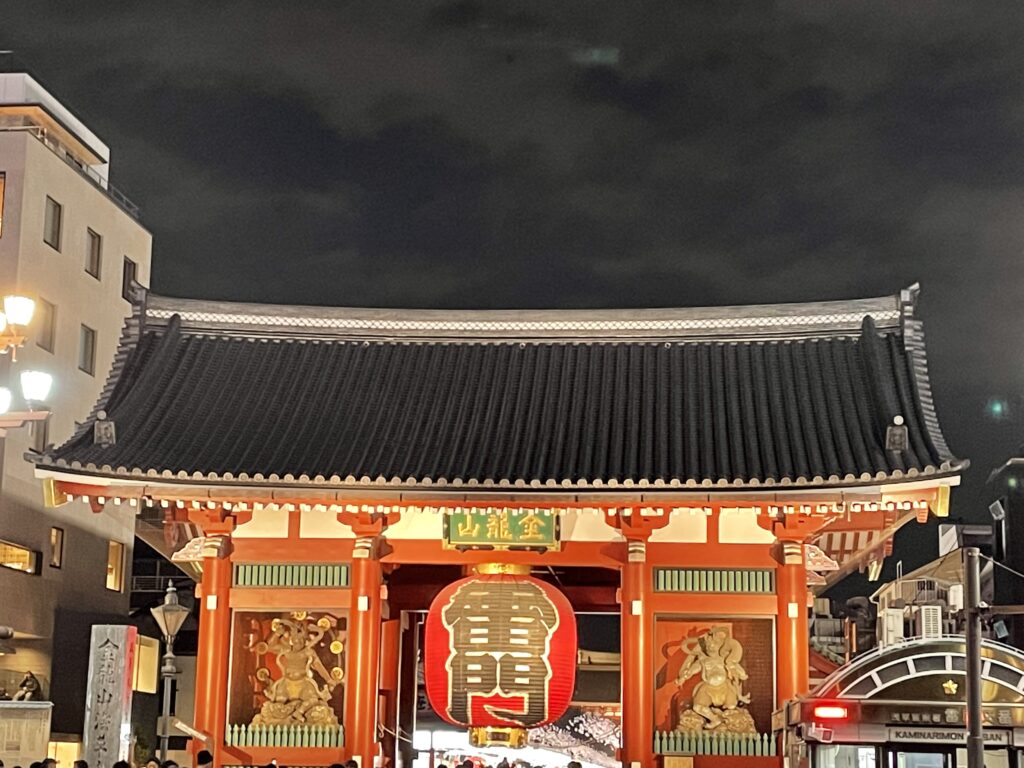
Asakusa Kaminari-mon
Ueno Park
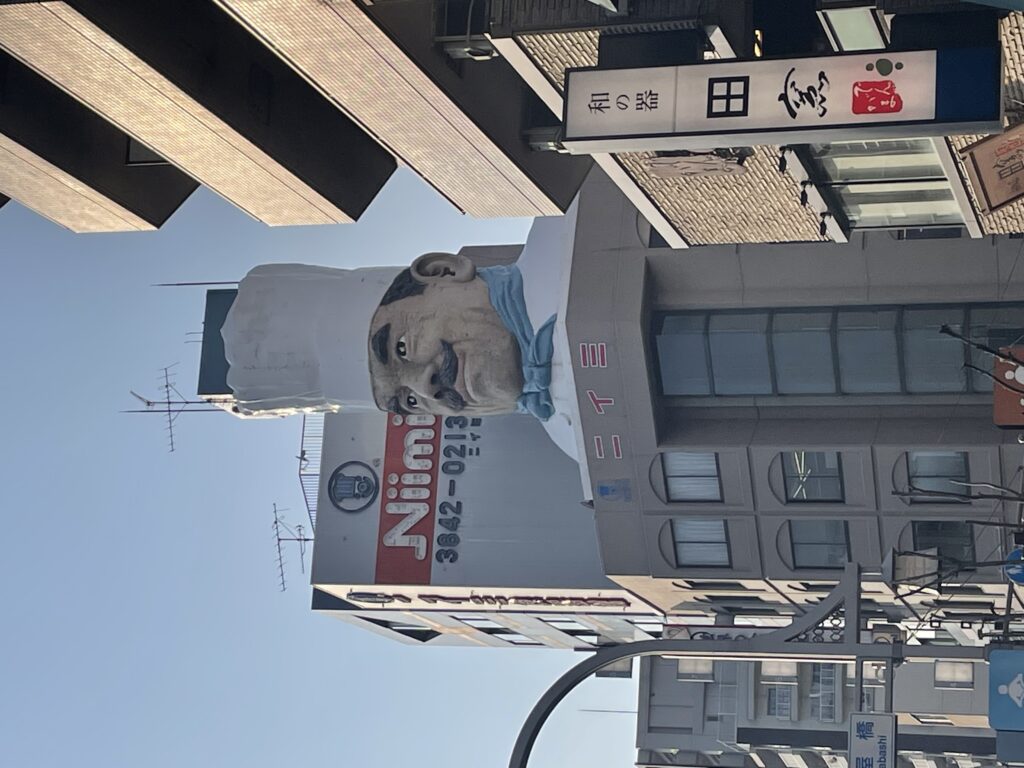
The landmark of Kappa Bash is “The Big Shef” from Niimi Youshokki Store at the corner of south end in Kappa Bashi Dogugai street.
I just stop by this street to find a couple
of knife sharpener of my own knives.
Even old, rusty, dull, flawed knives are likely to be renewed by using three types of knife sharpener (Toishi砥石) from coarse to fine textures. The knife sharpener experience was a kind of magic, exhilarating. My own knife became almost brand-new one!!
Knife sharpener lessons on site are
available in Kappa Bashi Dogugai.
Also, you can find out many lesson videos @You
Tube.
Nothing would need to have an elaborate training for sharpening knives. Don’t be afraid and not to be too much meticulous. Learning useful tips of knife maintenance will make your knives long-lasting. It is also contributing to sustainable living.
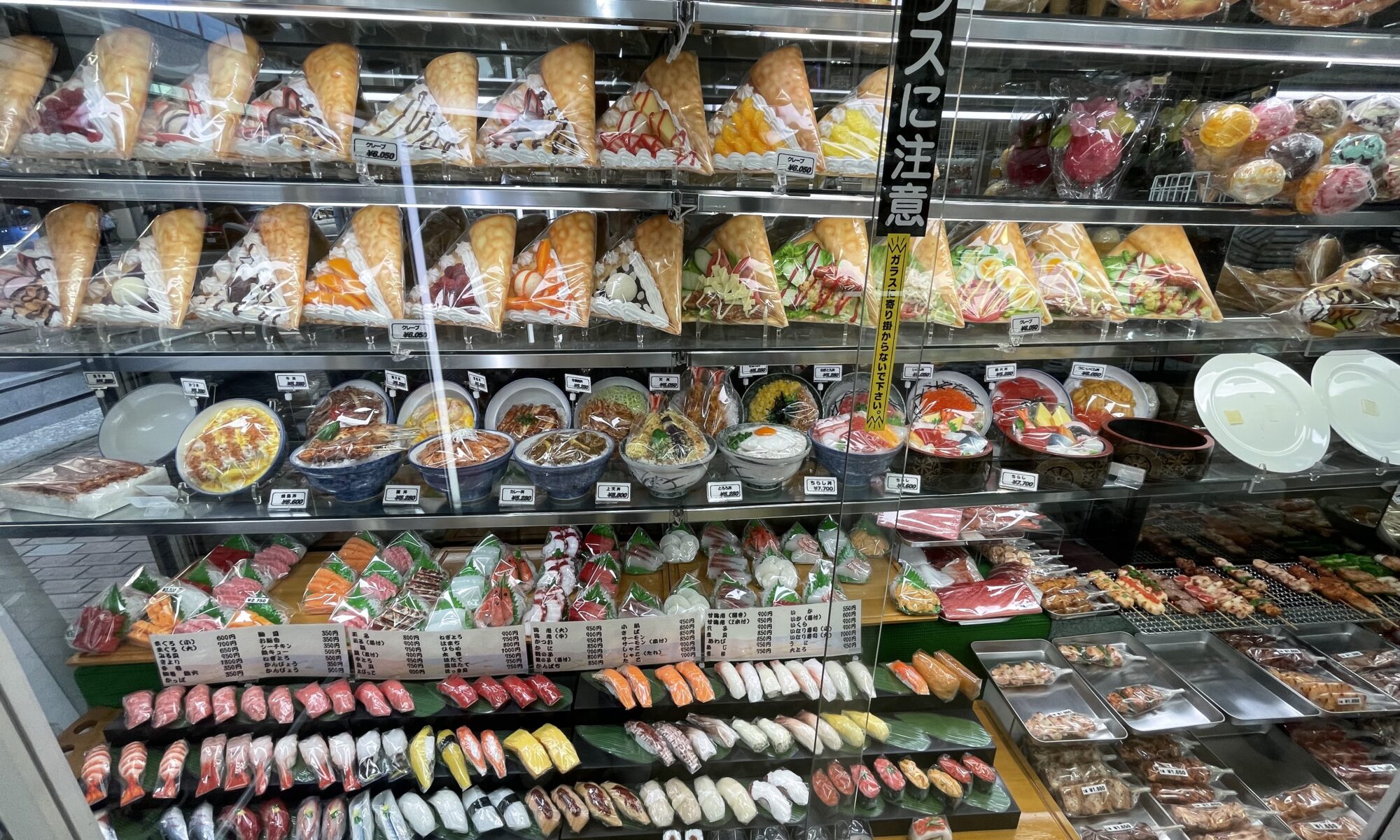
Maybe you also like plastic food samples. I like them too. They are look like real dishes and fresh foods. Small food sample of magnets, key holders are also good for souvenirs.
Japanese Hashi(箸)and Yunomi(湯呑み)ceramics, dishes, Tekki(鉄器),Sake bottles(徳利)and cups(御猪口) are very cute and have a varieties of colors, textures.
ironwares store
lantern store
If you plan to go to Asakusa, Ueno, don’t forget to stop by Kappa Bashi Dogugai. But one point that I need to mention, most of stores of Kappa Bashi will be closed on Sunday and generally open 9a.m. to 5p.m. Don’t be late, don’t procrastinate to visit there and enjoy finding your precious curios – @ Kappa Bashi Dogugai!!
R.I.P. Ryuichi Sakamoto, Yukihiro Takahashi
– Techno Pop Giant Y.M.O.
I was really fascinated by their fashion
and music, furthermore, bedazzled by their neo-futuristic image performance when
the first time I found Y.M.O.
No one could resist 80’s technopop movement
in Japan, To say nothing of, they were the top of the top – the trio band Y.M.O.
(abbreviation of Yellow Magic Orchestra) Everyone realized they are “special”
at that time. Even nothing but a small girl (me!) who was not familiar with
music scene back then.
They had immense influence on later music
scene, inclusively fashion, art, range from pop culture to sub culture in
Japan.
They wore make-up in the stage and played
the coolest instrumental techno tunes, sometimes played standup comedies,
especially Mr.Sakamoto is widely known as a famous actor, also as the great
composer of the films “ Merry Christmas, Mr. Lawrence” “The Last Emperor” “The
Sheltering Sky”.
I can’t describe my feelings… a part of me
just died…my youth is forever gone…I can’t find the exact word to express how
deeply I mourned the news.
Ryuichi Sakamoto passed away the end of March, 2023.
I got just shocked Yukihiro Takahashi’s
news three month ago. He was also Y.M.O. member who was known as a “precise” “super
technique” drum player.
Surprisingly, suddenly I found the fact that we lost 2 members of Y.M.O. out of the three.
R.I.P. Ryuichi Sakamoto, Yukihiro Takahashi – Their music forever!
Rydeen at comedy show (that’s why they were wearing typical middle age guys’ costumes, but their play was terrific!!)
In my previous posting, I introduced that Japanese new year’s customs –Kakizome- the first writing of the new year with Japanese writing brush (fude 筆) and ink(sumi墨). People commonly write new year’s resolutions, auspicious words and poems for celebrating new year.
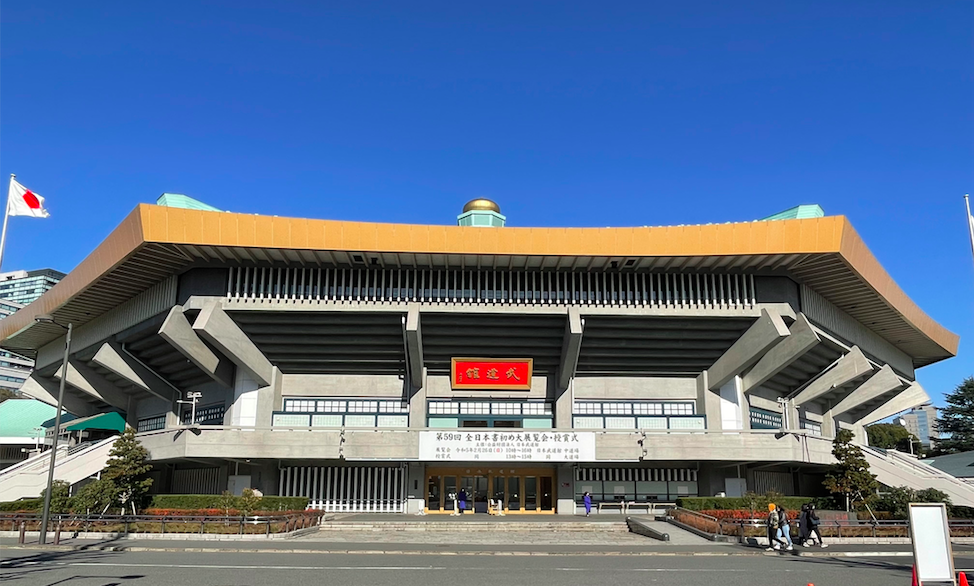
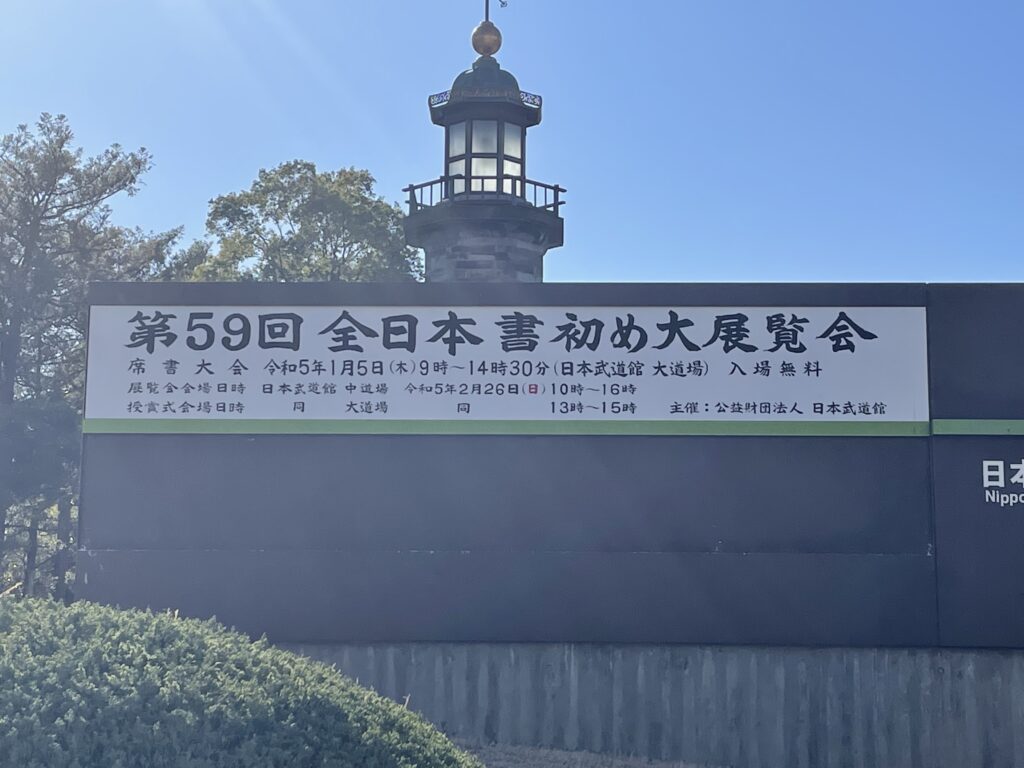
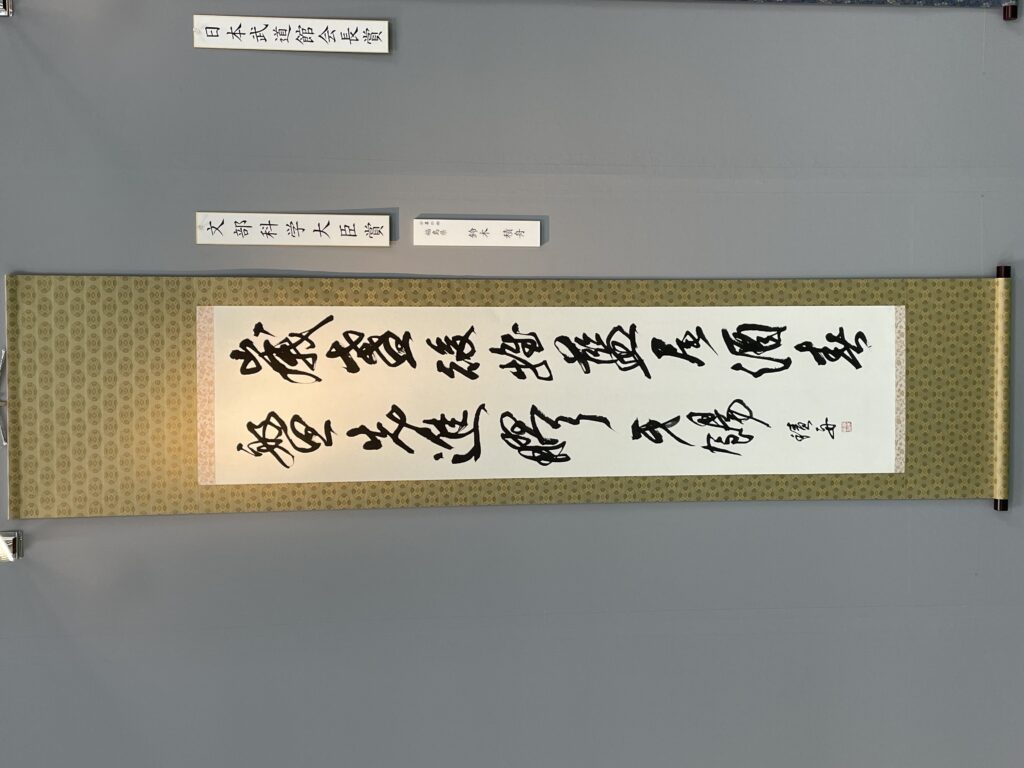
The 59th Kakizome competition
and exhibition of Japan took place at Nippon Budokan in February 2023.
Nippon Budokan, maybe, no need to explain, the central organization hall for the promotion of Japanese Budo武道 (ex. Judo柔道, Kendo剣道, Kyudo弓道,Aikido合気道, Karate空手, Sumo相撲, and so on). Furthermore, it is also a well-known place where is legendary, prestigious live concerts hall. Famous musicians have been holding their live concerts at Budokan since 1964, like The Beatles, Cheap Trick, Kiss, Aerosmith, Eric Clapton, Guns N’ Roses, etc. (excuse me, I am a huge hard rock, heavy metal fan!)
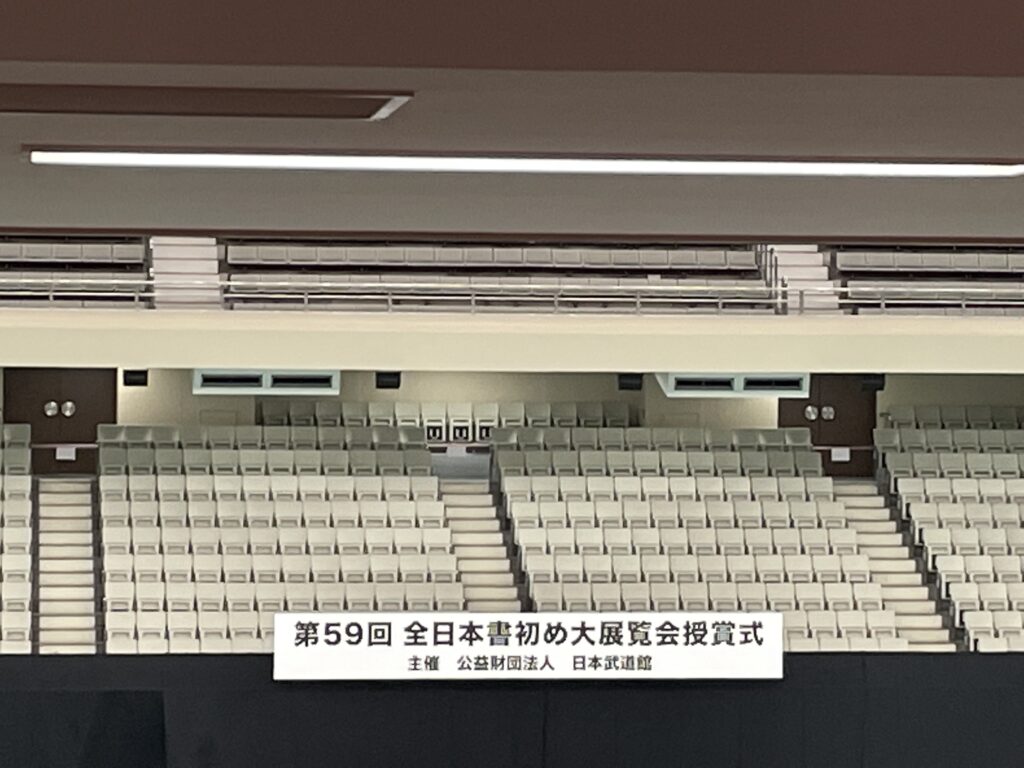
At that time, there was the award ceremony and
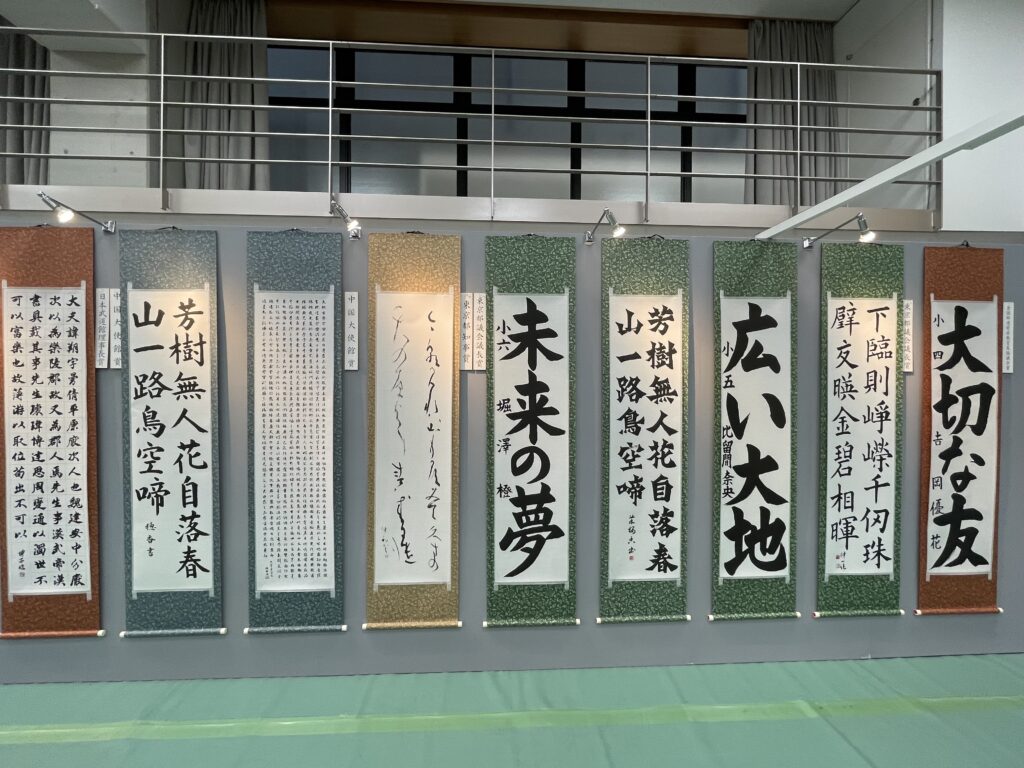
an exhibition for the winners of 59th Kakizome competition.
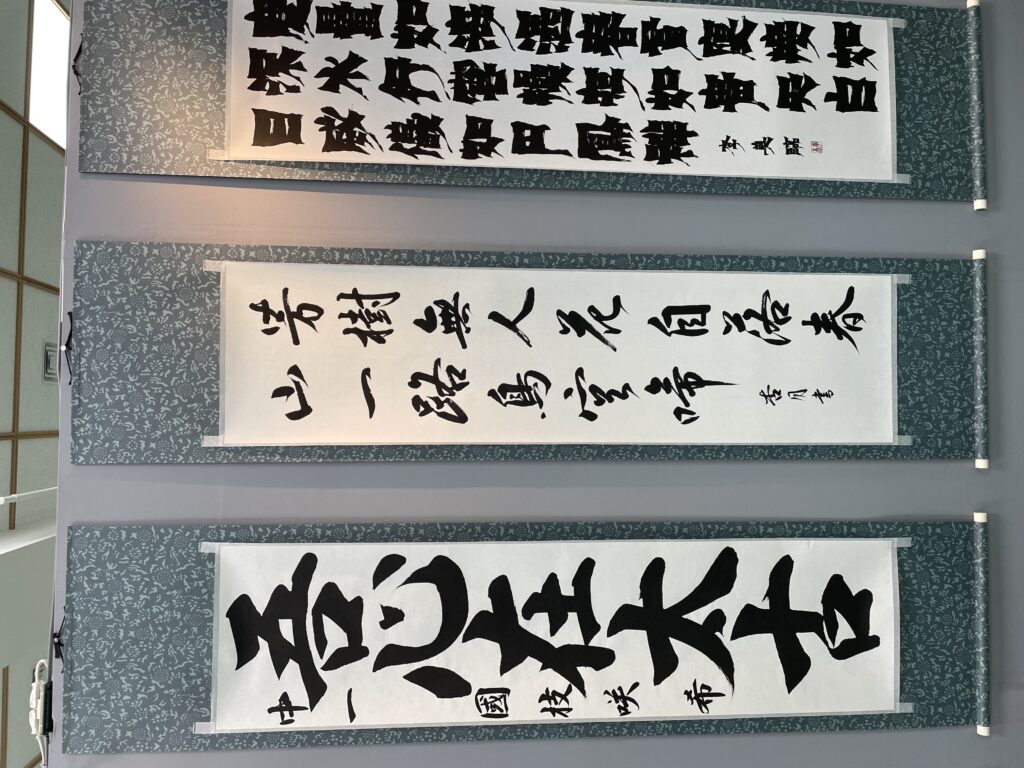
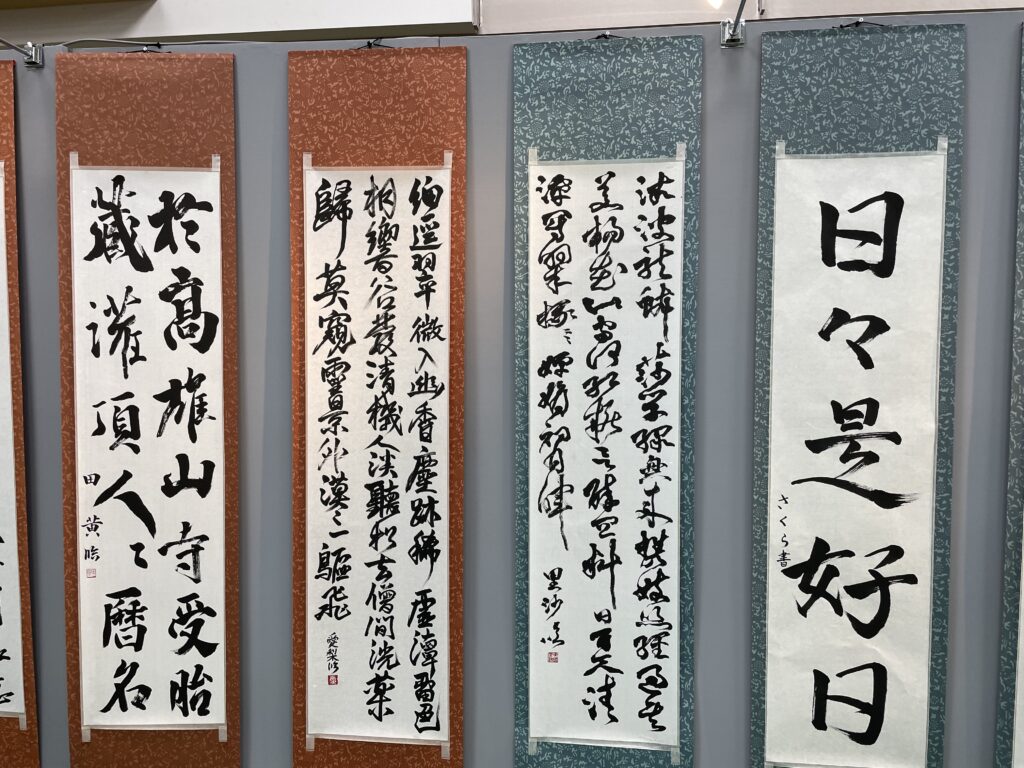
The appreciation of a work of calligraphy depends on the beauty of expression, theme selection, writing style, meaning of the words or poems.
Calligraphy has been more highly respected as an art in China, Korea and Japan for a long time, because of the complexity of the Kanji character. In Japan, They are often displayed at Tokonoma(Japanese alcove) as the main theme of Kakejiku.
The awards judgement have been made by each sponsor like news paper companies, governmental organizations, cultural organizations, thief of municipals. The evaluation criteria is based on brush strokes, letter structure, gradation of light and shade of sumi, arrangement, letter alignment. Every letter should be unified as one worldview by using a one washi和紙(hanshi) 半紙paper,bunchin文鎮, suzuri硯, shitajiki下敷.
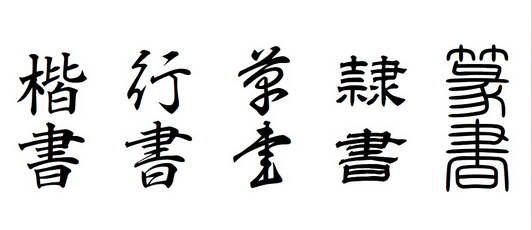
Shodo has basic 5 figures of writing Kanjis, 篆書(Tensho)、隷書(Reisho)、草書(Sosho)、行書(Gyosho)、楷書(Kaisho).
Kaisho, Gyosho, Sosho, Reisho, Tensho,
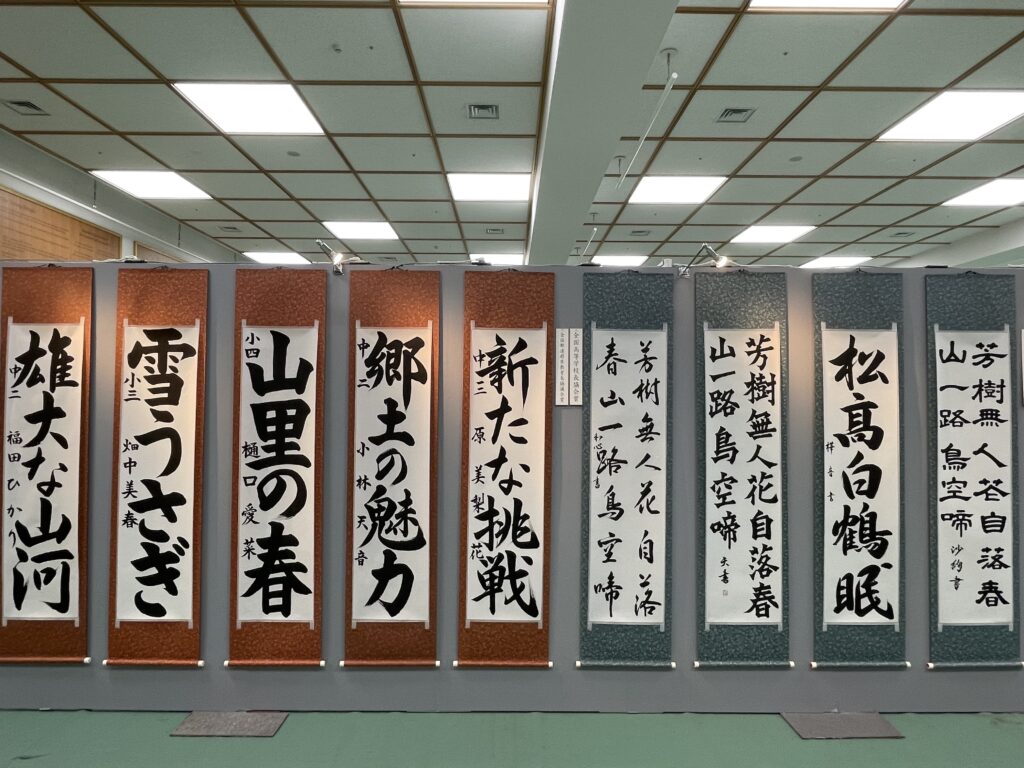
As I mentioned before, writers have a tendency to select new year’s resolutions, happy auspicious words, old Chinese poems, Japanese old proverbs for their writing themes.
Everyone feel happy for watching Childrens’
kakizome in January.
Also, I was really impressed when I stood in front of artistic shodo works by professionals, even amateurs, those shodo works were…beyond description!
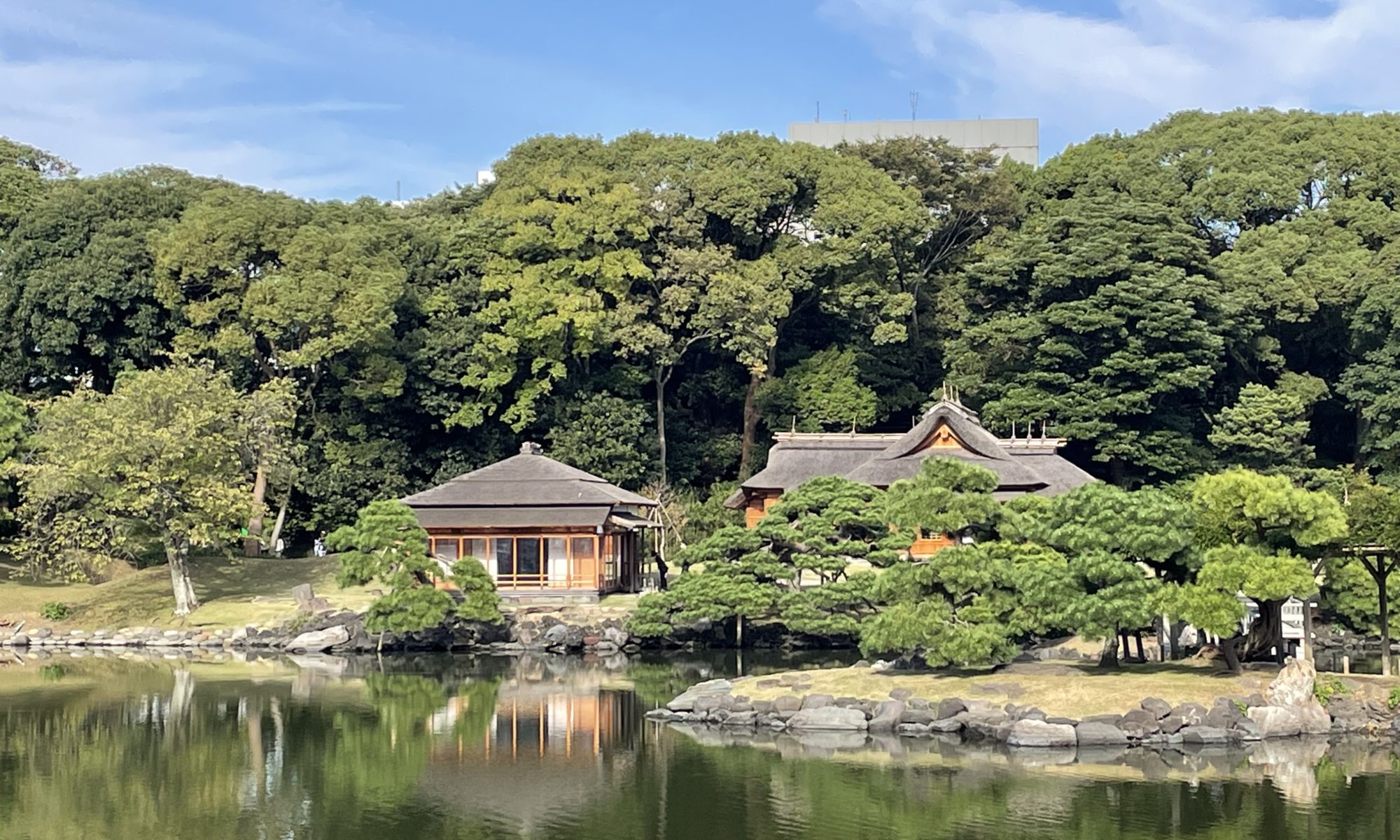
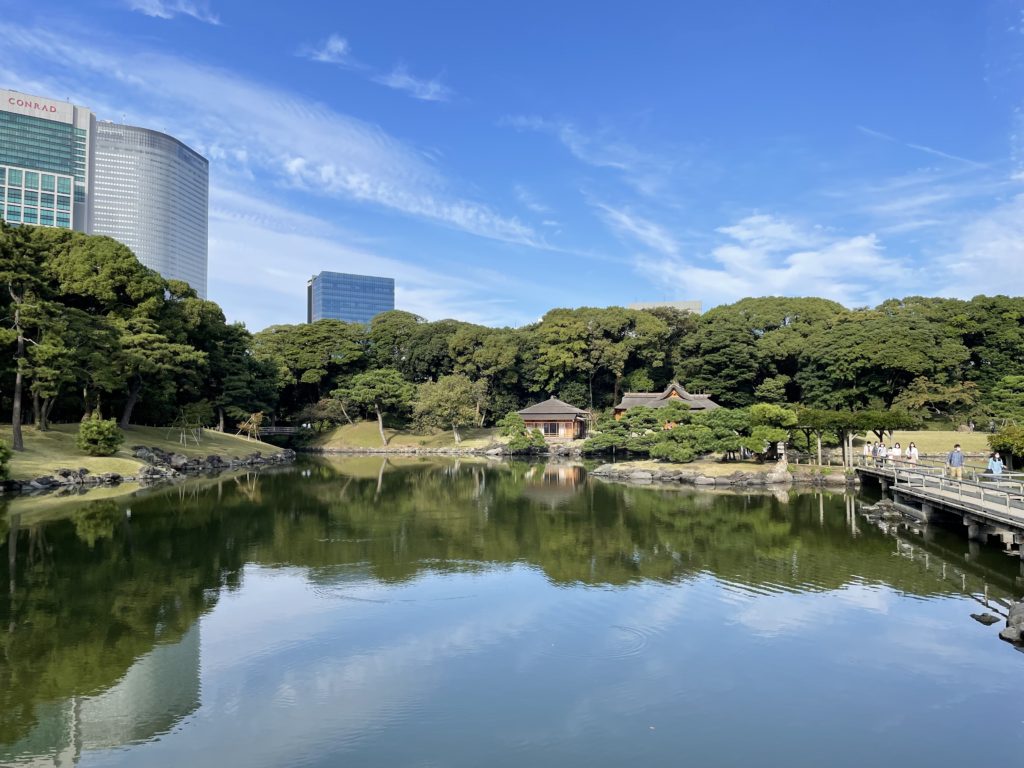
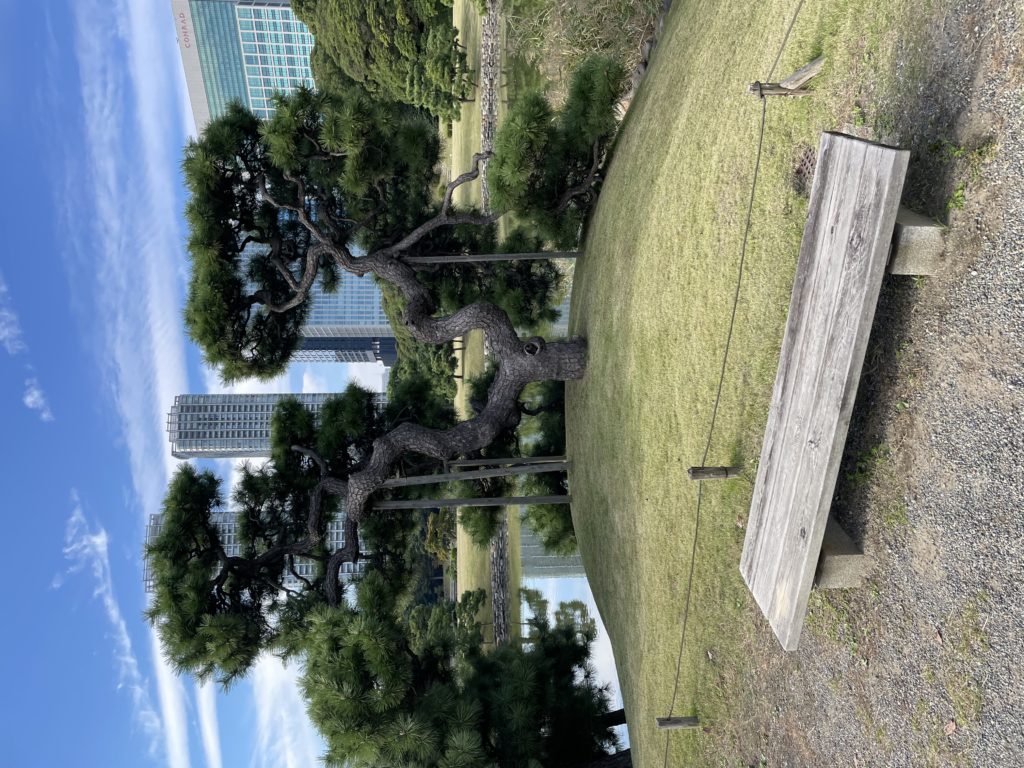
Tokyo Grand Japanese Tea Ceremony was held in Hama Rikyu Gardens on October 2022. It had been held on regular basis from 2020, then the first time ceremony in three years after 2 times cancellations due to covid-19 pandemic.
Tea ceremony – it is called “Sado” “Chanoyu” in Japanese, we have no choice but to mention – “The Book Of Tea” – originally written by Okakura Tenshin in English. The book is very famous in western countries, literally, it is still playing an important role in introducing Sado’s background and philosophy. The book is also very useful guideline for beginners who would like to know the heart of Chanoyu or knowing Japanese esoteric culture and history.
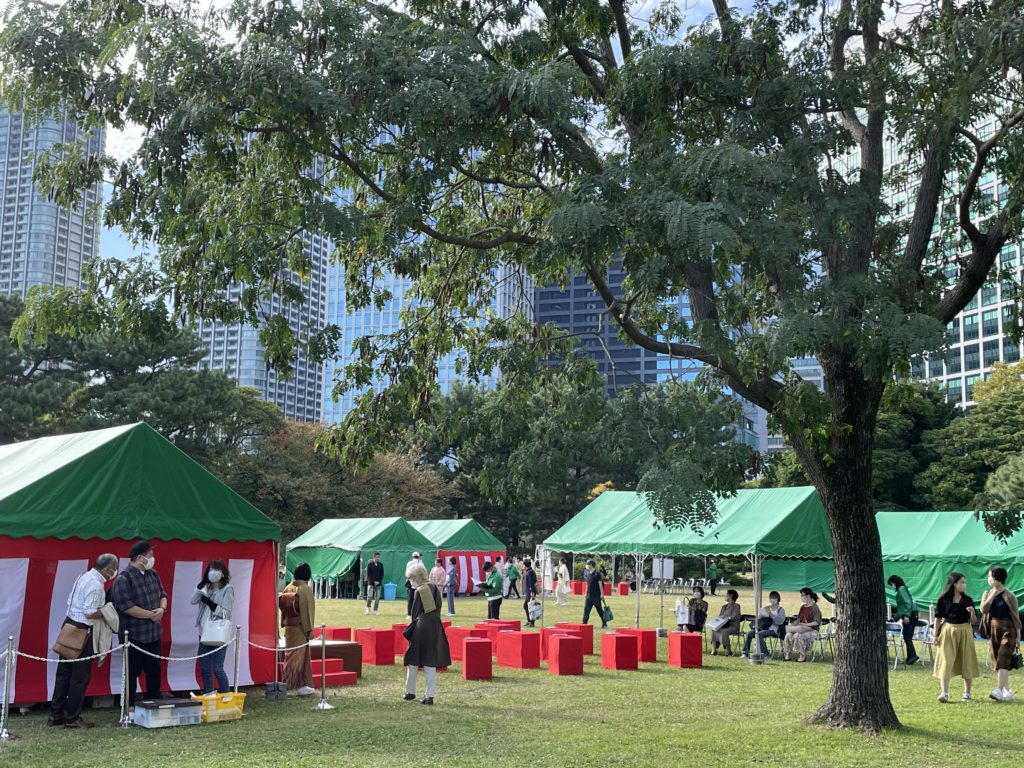
Basically, the event was divided into four programs and areas.
1. Tea ceremony (Indoor)
2. Outdoor tea ceremony (called Nodate in
Japanese)
3. Outdoor tea ceremony by high school
student.
4. Indoor tea ceremony in English
Pre-registration tickets were available in the
website below,
Walk-up tickets were limited available in case of having seat cancellations.
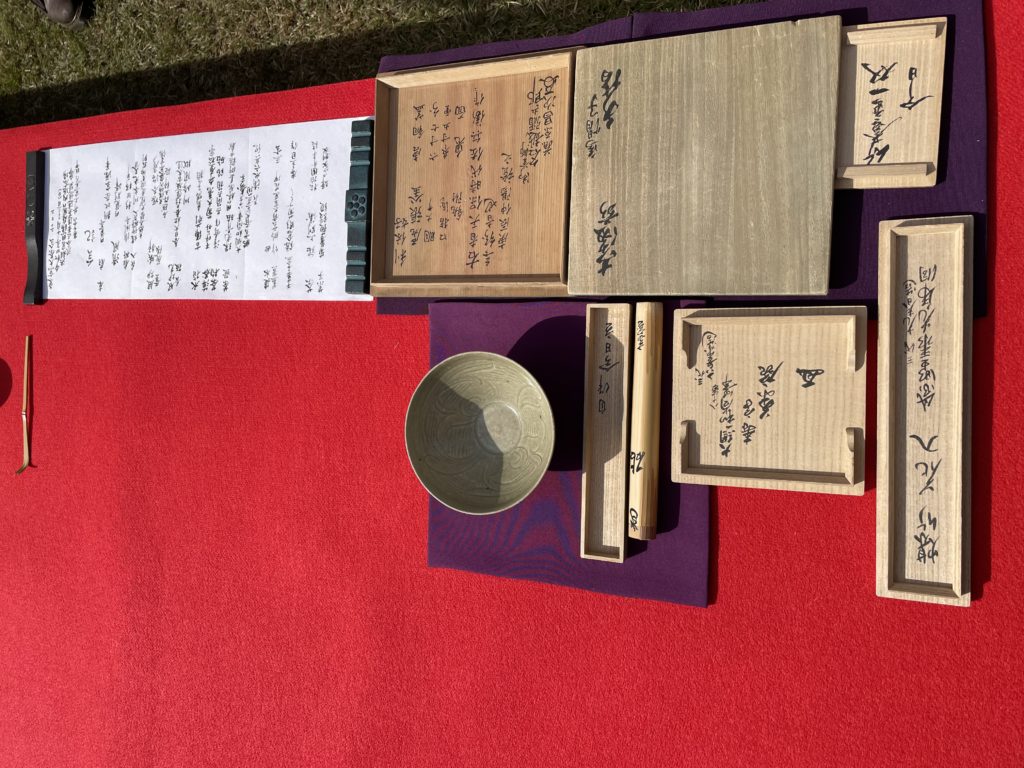
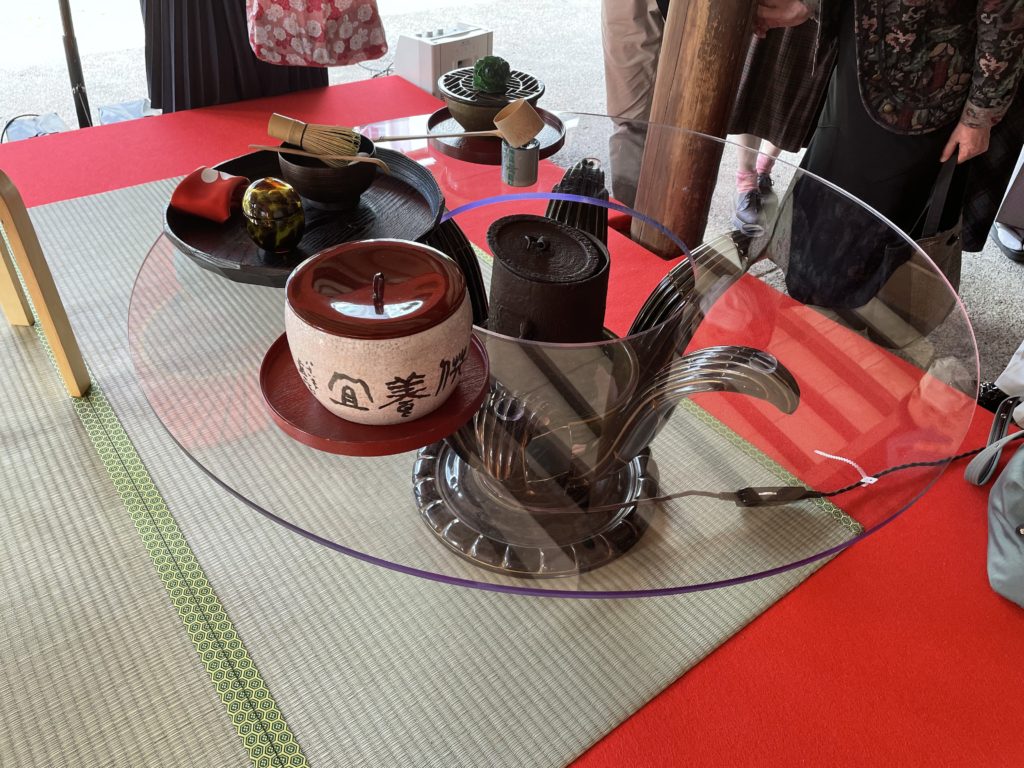
”Cha-Dougu” 茶道具 Tea utencils
The participants will definitely enjoy the world of “Chanoyu” with a cup of green tea (Maccha) and Japanese traditional sweets (Wagashi) only 500 yen!
It is no wonder if you might be a little bit scared to participate in tea ceremony for the first time, frankly, even I am a Japanese, still felt like “having a high threshold” for formal Chanoyu entry because it has strict manners to share same atmosphere and space with the host and other guests.
However, this event is largely open for Chanoyu beginners who are just interested in Japanese Tea Ceremony and Japanese gardens and culture, also Nodate(outdoor tea ceremony) is more casual tea ceremony party so you can join them with ease.
They will hand out brochure, which gives you the basic instruction of tea ceremony. So don’t worry! You don’t hesitate to join them!
”Nodate”野点 Tea ceremony (Outside)
The instruction of tea ceremony – quoted
from Tokyo Grand Tea Ceremony 2022 brochure. The ceremony carries on like this.
Guests should remove watches and accessories such as rings and bracelet before entering the tearoom, so as not to damage the tea container and utensils.
It is said that as a general manner, guests should wear white socks or tabi, and bring along “kaishi” paper and picks used for eating wagashi Japanese sweets.
Manners may differ between tea schools. Please listen carefully to the commentary of teacher and put it in practice.
When wagashi Japanese sweet are served, you say : “Osaki-ni (pardon me for going ahead)” to your neighbor, transfer a wagashi to the “kaishi” paper in front of you, pick wagashi are eaten before the drinking of the tea.
When tea is served, you say : “Osaki-ni (pardon me for going ahead)” to your neighbor, put the tea bowl in front of you and bow to the host. You take it in your right hand, place it on the palm of your left hand and raise it slightly with gratitude. With the front of the bowl toward you, rotate in twice to avoid drinking from the front, and then drink all the tea in a few sips.
When you have finished drinking, use the thumb and index finger of your right hand to lightly trace the part of the tea bowl rim from which you drank, and then wipe your fingers with a “kaishi” paper.
Then turn the bowl back twice so that the front faces you and place the bowl in front of you.
After looking at the tea bowl in appreciation, turn it with its front towards the host.
Tea ceremony in English
The Sado or Chanoyu – is traditional Japanese way of drinking tea in accordance with set rules of etiquette. the point is – both the host and guests share a sense of togetherness during the ceremony.
The Chanoyu was mostly perfected by Rikyu
Sen in the Azuchi-Momoyama period in the latter half of the sixteenth century.
As it were, the core of “heart of Chanoyu” is felling the hosts’ hospitality – they always take utmost care in the preparation of their tea rooms, the adjacent garden, tea utensils and the provision of simple dishes for the exquisite tea room.
The tea ceremony etiquette has been influenced by the etiquette observed by the samurai classes as well as by the form of Noh dances. In turn, the tea cult had a great influence on traditional Japanese customs and manners.
Japanese hospitality – sometime calls “Omotenashi” in Japanese is a part of Chanoyu, which also represents sense of Chanoyu sprits from Rikyu.
If you are a genuine music lover – especially, like digging into local folk music all around the world,there is no loss in you knowing these 5 musical instruments that will be introduced below. Generally, these have been playing with Japanese traditional songs such as Soukyoku, Nagauta, Minyo, Kouta, Youkyoku for hundreds years in Japan.
Generally, music – as in most other nations, evolves from a form of religious celebration and sometimes having a ceremonial role, to becoming a form of entertainment.
Traditional Japanese music is classified by period of origin into Gagaku(ancient), Nogaku(medieval) , and the music of the Shami-sen and Koto(resent). At the same time, the Shakuhachi commonly played by buddhist monks, and the Biwa was known as blind men’s typical work. They called “Biwa-Houshi” who had kept moving place to place in the medieval era of Japan.
Soukyoku(箏曲)is the general name for music played on the Koto. This musical form which developed in the late sixteenth century, later came to be played in concert with the Shami-Sen and the Shaku-hachi.
Nagauta(長唄) is a kind of long epic song based on Shami-sen music which evolved together Kabuki (歌舞伎)dancing in the late seventeenth century.
Having absorbed the lyrics and melodies of local folk music are Minyo(民謡). Minyo is worker’s songs used to sing during their day-to-day works and activities.
Kouta (小唄)is a form of short song or ditty which appeared in the early nineteenth century that is sung at a quick tempo in a suppressed voice.
Youkyoku (謡曲)is the singing to which Noh plays are performed and, is itself the main script of a Noh (能)play. Also Noh is performed independently. Those Noh music was mainly composed between fifteen and sixteenth centuries by Kan-ami and Zeami.
Meanwhile, musical instruments were able to bring additional excitement to ordinary people’s special seasonal events like Bon-Odori(盆踊り), or Matsuri(祭) (local folk festivals typically hold in summer or fall).
Here’s a quick guide to 5 Japanese musical instruments – that always make people’s heart pound throughout in Japan!
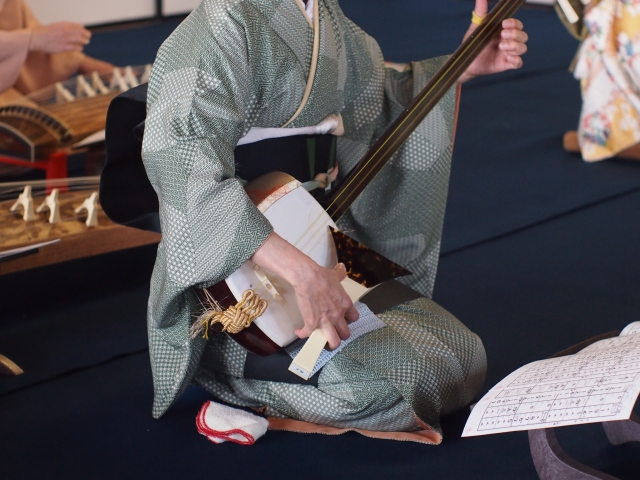
Shami-Sen
Shami-Sen(三味線) means “three strings”. Shami-sen has some regional variations like Okinawan “San-Shin”. Aomiri’s “Tsugaru-Jyamisen). Those musical sounds reflect on local climates and atmosphere, peoples’ characters of each region.
Shami-Sen has no frets, but can play same way like a guitar. Sometimes a player of Shami-Sen and Geisha(Traditional Japanese Dancer) or Maiko(younger one of Geisha) are invited to special tatami room(Ozashiki) of Ryotei(exquisite traditional Japanese restaurant) and perform Shami-Sen and traditional Japanese dance in front of Ryotei guests.
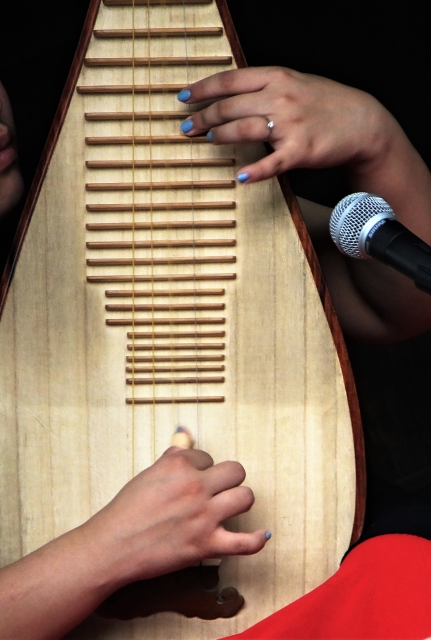
Biwa
Biwa(琵琶) is a short-necked lute has commonly three to five strings. The difference of Shami-sen and Biwa is, Biwa has four to six frets and play vertically with a large plectrum – is called Bachi(like a pick). Biwa used to play by Biwa-Houshi (traveling Biwa players) in tenth century.
Biwa is still used in Gagaku(雅楽)(traditional Japanese court music) since seventh century. Gagaku makes very “refined” impression on the listeners even Japanese themselves.
Koto
Koto(琴) is national
instrument which comes in two types of 13 strings and 17 strings. Koto is
basically placed on the ground with tatami mat, and play with Koto-zume(琴爪) . Koto has a long body up to 180 cm(around 6 feet), Koto players hunch
over the instrument and pick at each string with Koto-zume. Some say Kotos’
sounds very moody and authentic.
Koto is one of the representative musical instrument of Japan. Koto’s notes – remind Japanese people of New Year’s day’s “same old song”.
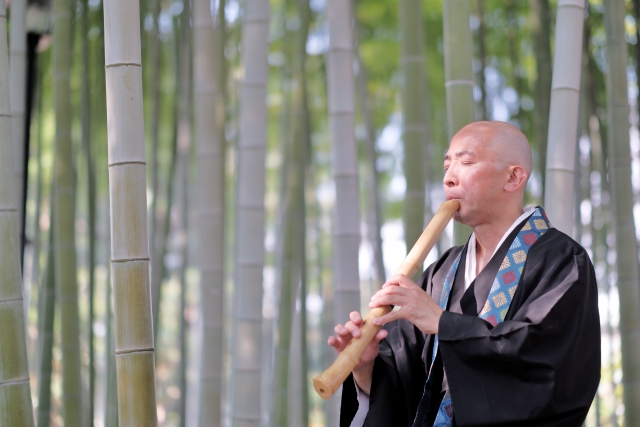
Shakuhachi
Shakuhachi(尺八)used to play by Japanese Zen buddhists and monks. Shakuhachi
figures like a flute, but plays vertically. Shakuhashi has four holes on the
front and one hole on the back.
Shakuhachi is made of bamboo. The sound is very quaint, but always plays important role for Japanese music orchestration.
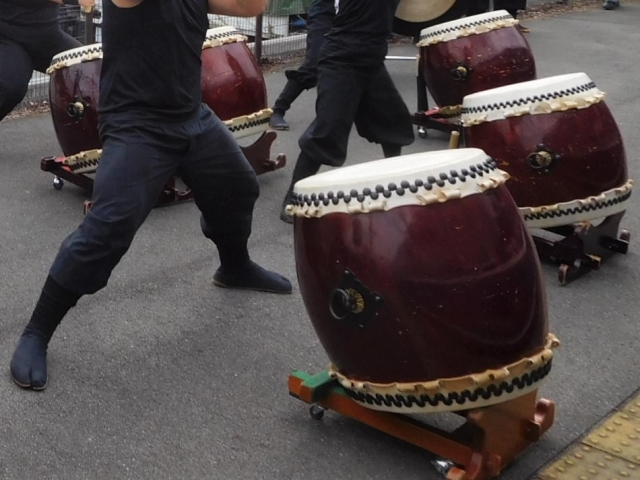
Taiko
Taiko is Japanese drums – typically play at Japanese Bon-Odori (summer festival) or treated the background music during Matsuri(seasonal festival) have been held anywhere in Japan since long long ago.
Taiko(太鼓),formally called Wa-Daiko(和太鼓) has many sizes and shapes.
Wa-Daiko sounds are very vigorous and valiant courage.
Wa-daiko often plays by using Bachi sticks and sometimes collaborate with other traditional Japanese musical instruments – same as western music bands.
Listening to traditional Japanese instruments will broaden your horizon, then, give you absolutely new perspective on Japanese culture!!
G.O.A.T! One of the best city pop song of
Japanese 80’s and TV animes!
If you are really proud of yourself as a huge fun of Kadomatsu Toshiki, Otaki Eiichi, Yamashita Tatsuro, Takeuchi Maria, Anri…Yellow Magic Orchestra (Y.M.O). Everyone over here please! 80’s city pop, techno pop lover, you must love these tunes below!
Including a song, which is 80’s city pop-esque!! 🙂
If you’re planning to dig in vinyl records of 80’s city pop, stop by Darumaya or Disk Union in Tokyo and its suburbs. They have treasure troves of Japanese Showa-era music.
People might say, the most famous anime song of 80’s is “Theme of Lupin The Third”(instrumental). Or “Get wild – Theme of City Hunter” by TM Network.
But don’t forget this one, the ending song ”Miraikeisatsu Urashiman”, which is 80’s TV anime, not only coolest techno pop (technology pop) song but also 80’s TV anime song of Japan! It is still brilliant even in 2022! No joke!
Although, I could hardly remember how the story goes, OK, ask wiki! Ta-dah….the story background set at Tokyo in 1983.
While the boy(Urashiman) has been chased by cop cars from episode 1 opening sequence, finally he got lost in parallel world with sudden thunder strike and forced himself to travel through time… time warp…eventually he arrived the neo-futuristic world in 2050.
This song titled “Dream City Neo-Tokio” as
it means he exactly showed up Tokyo city in 2050.
He was called “Urashiman” who is lost himself and his name, memories of the past. After being captured by future cops, he became a detective to investigate the mystery of his situation, he started finding himself. Who is the enemy?
If you have interest into it, please check Showa anime “Miraikeisatsu Urashiman”!