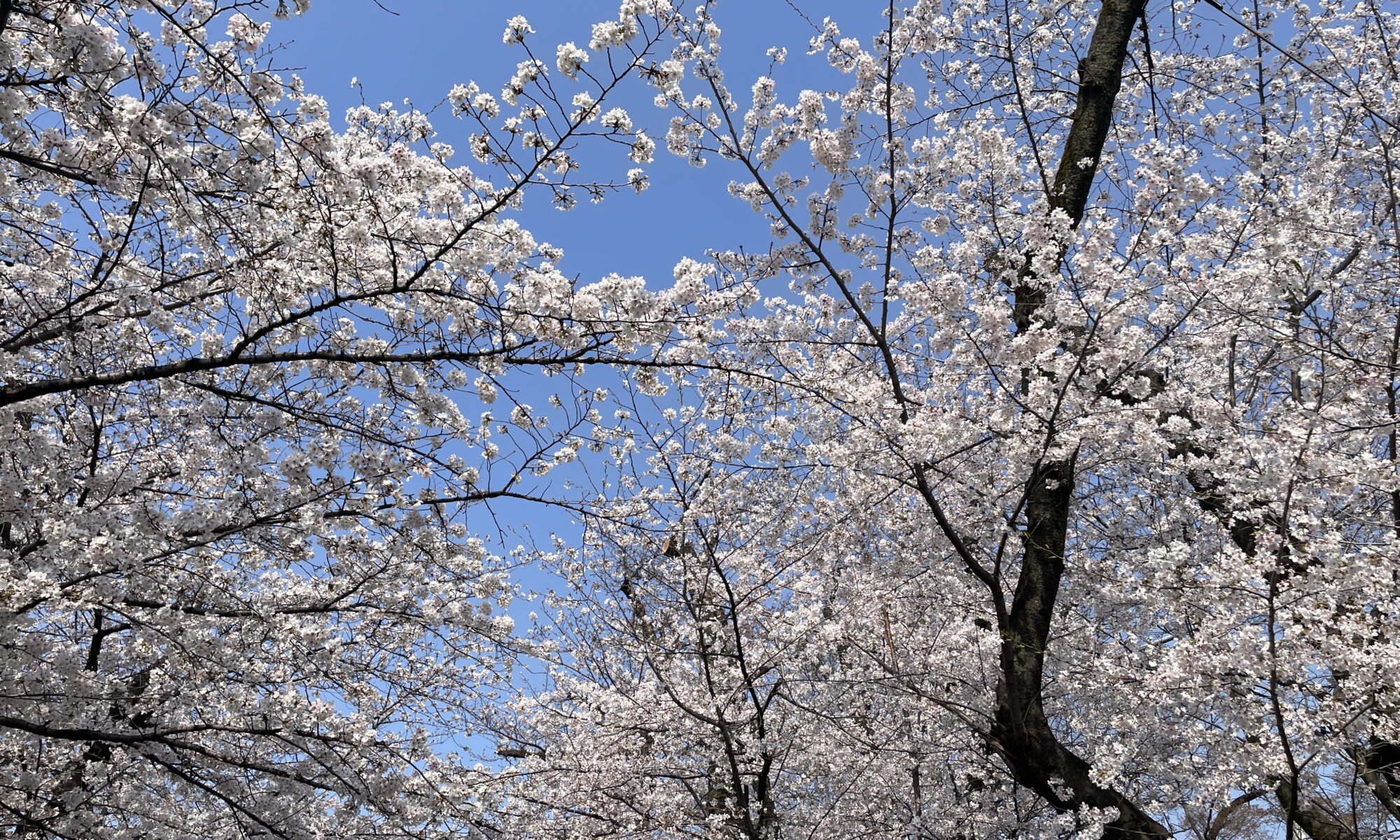
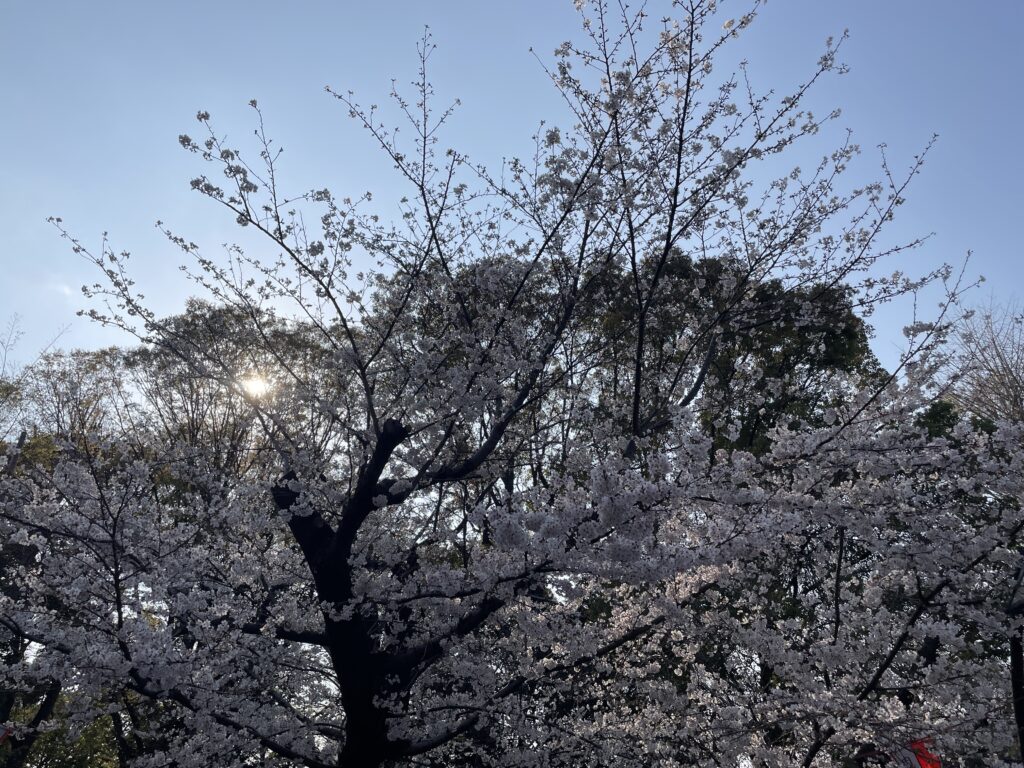
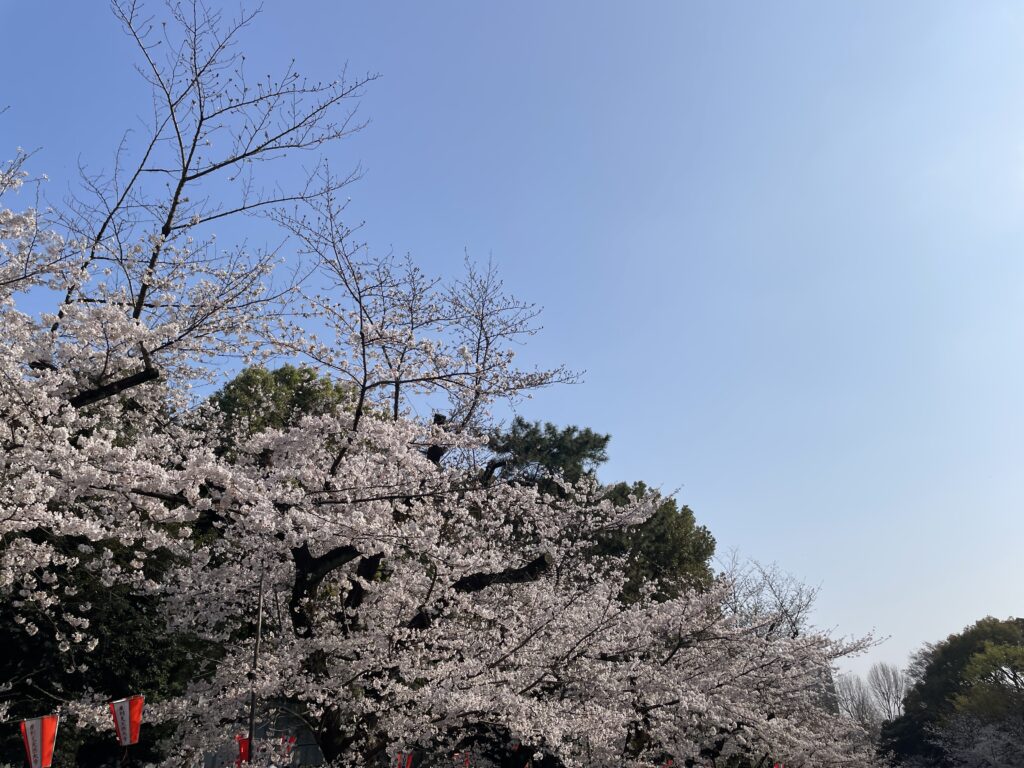
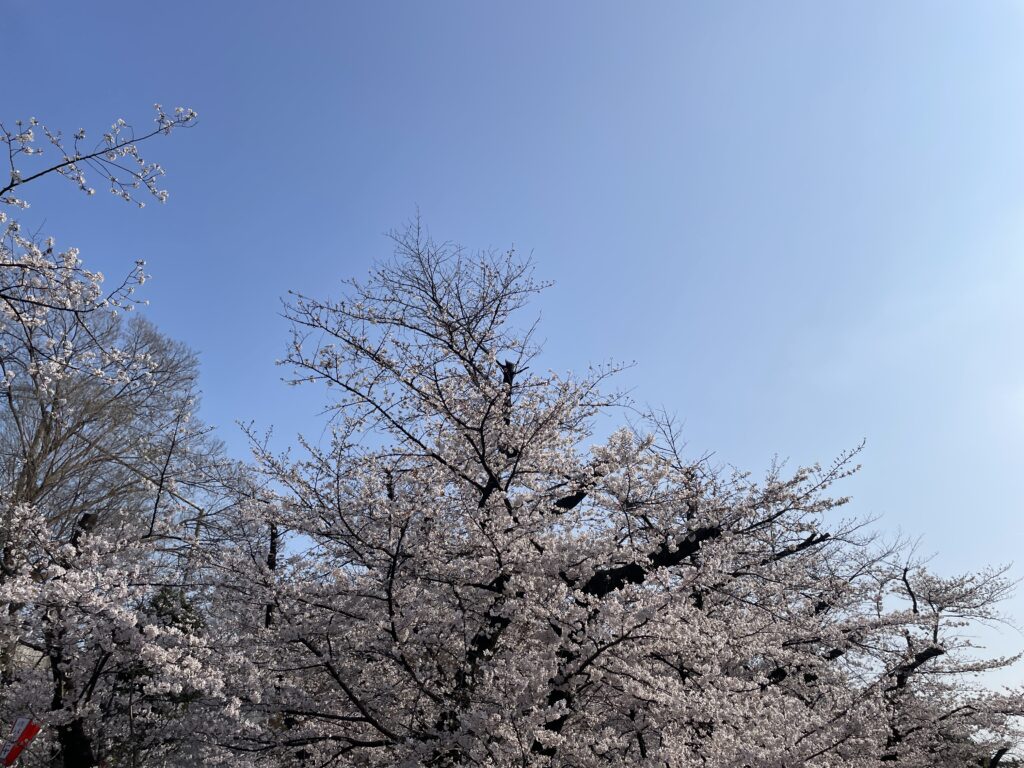
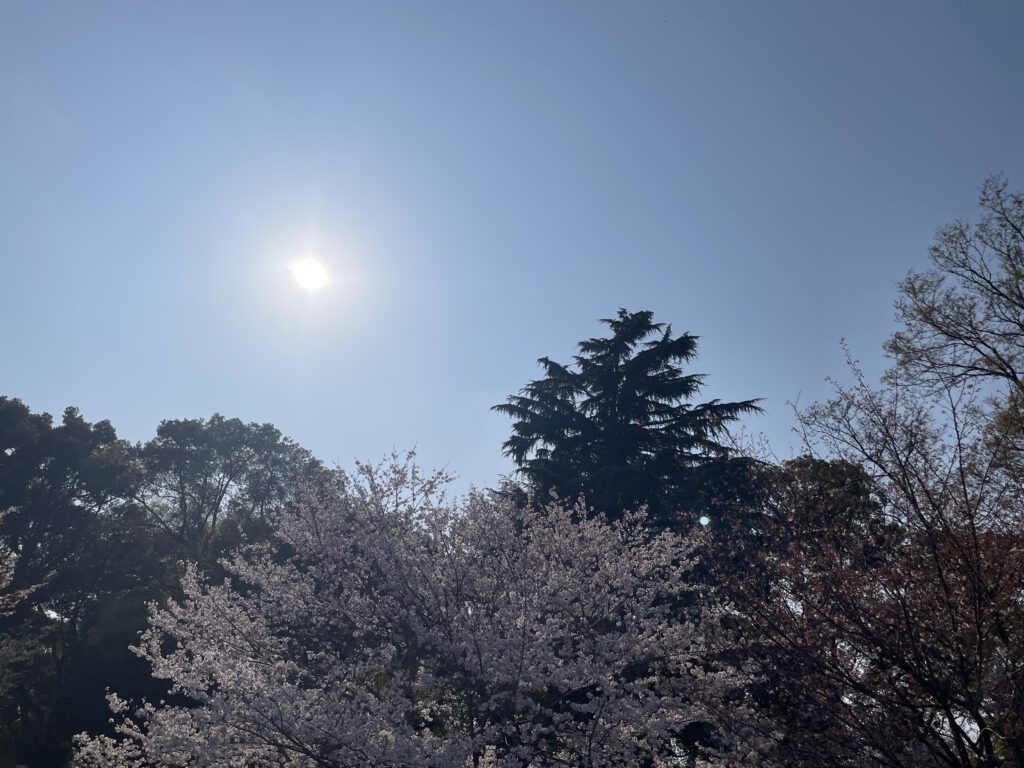
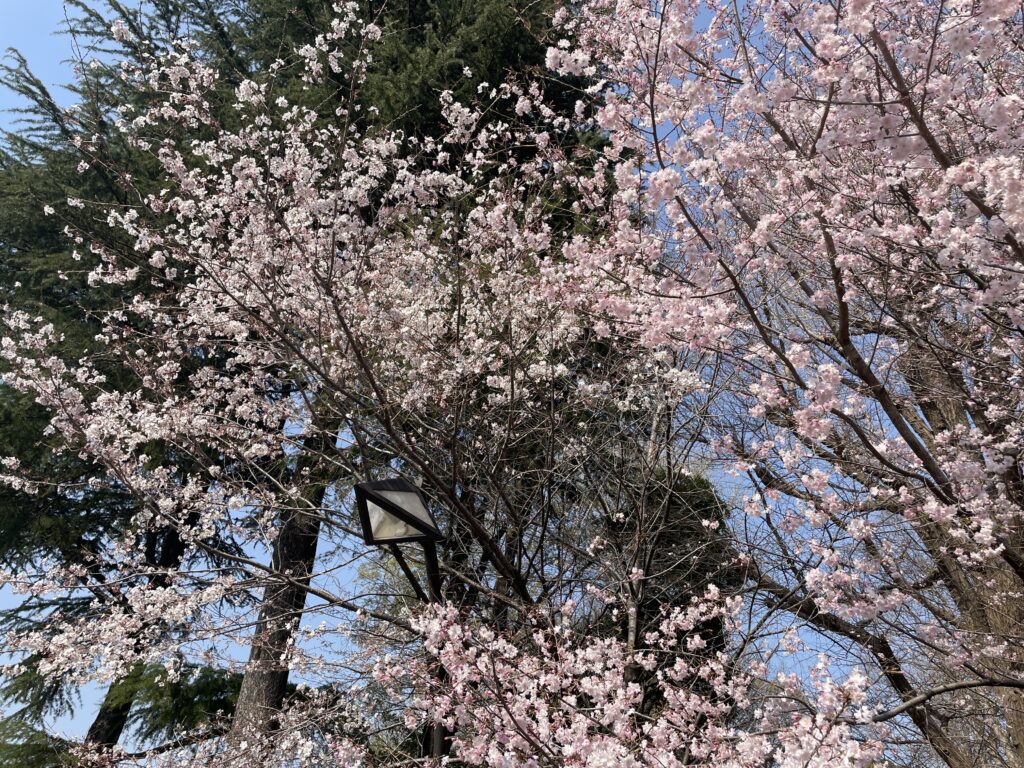
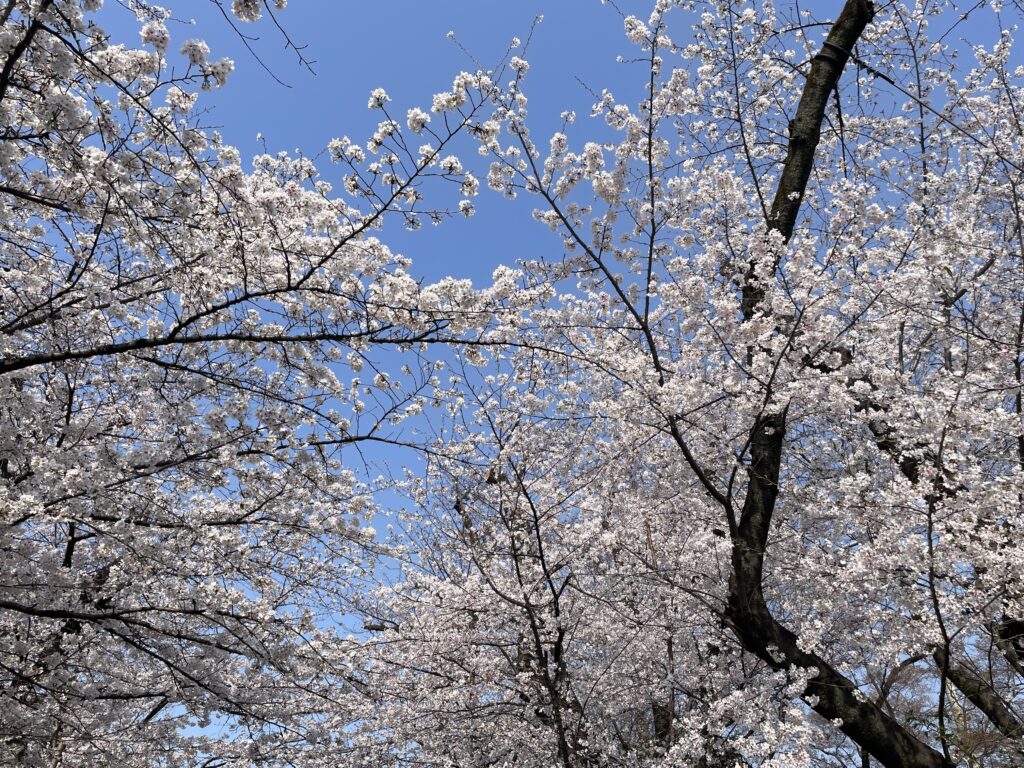
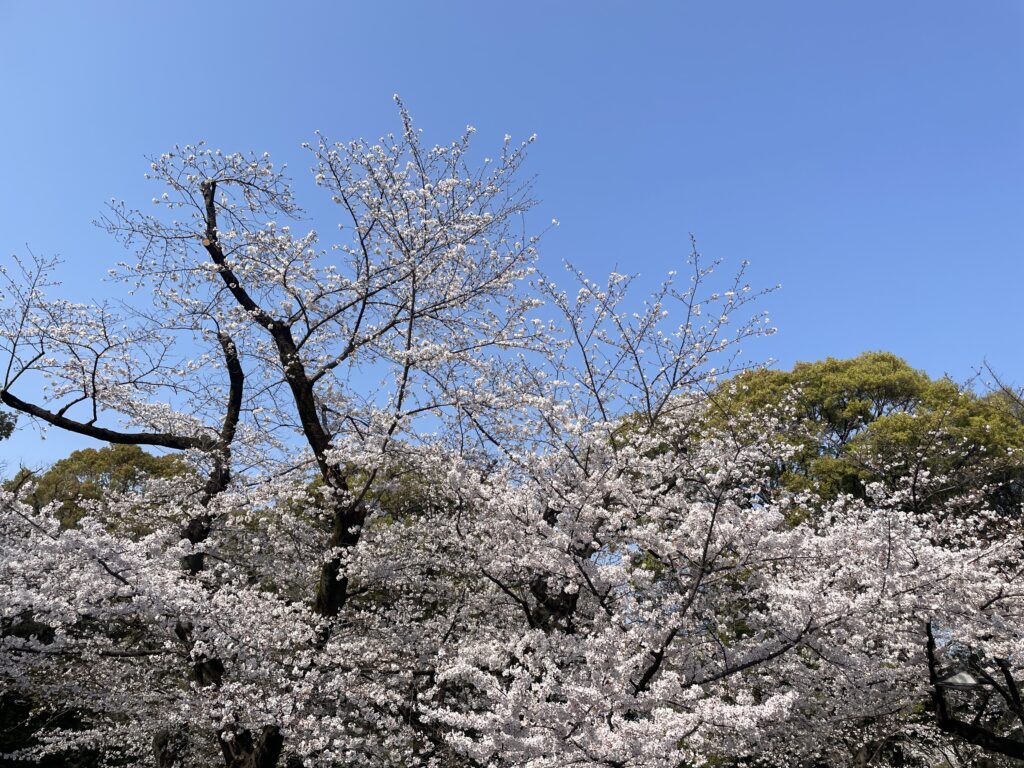
Cherry blossoms in Tokyo are reaching full bloom within
March this year. Last year, the blooming was delayed and they peaked in April,
but with global warming being a long-discussed issue, this year’s blossoms are
once again peaking between March and April.
The cherry blossom front is
expected to continue moving northward, reaching places like Kyoto in the Kansai
region, as well as the Tohoku region and Hokkaido.
Cherry blossoms have become a
quintessential symbol of spring in Japan. Although many kinds of flowers bloom
in spring, sakura truly stand out as the iconic representation of the season.
Because the peak viewing period
for cherry blossoms is so short, it is often said to reflect the Japanese view
of life and death—blooming beautifully and falling gracefully. This fleeting
nature resonates deeply with Japanese aesthetics and emotional sensibilities.
During this time of year,
people all over Japan gather at famous cherry blossom spots to enjoy hanami
(flower viewing). However, in recent years, the crowds have grown so large that
it can be difficult to relax and fully enjoy the experience.
That said, you don’t have to
visit well-known spots. Some people prefer hidden local gems in their
neighborhoods, viewing blossoms from a yakatabune boat along the river, or
enjoying wild mountain cherry trees in the hills. Everyone likely has their own
special cherry tree they cherish.
As for me, there is a
beautiful row of cherry trees near the cemetery where my parents rest, and I
plan to quietly enjoy the blossoms there. I imagine my ancestors also look
forward each year to seeing those trees in full bloom.
Deeply rooted in the hearts of Japanese people, cherry blossoms will
surely captivate us again this year with their stunning beauty. Where will you
go to see the sakura this year?
In Japan, you can spend time playing with adorable cute animals in cozy, small spaces. Going to a zoo is fun, of course, but interacting up close with these cute little creatures is a special kind of joy.
Especially if you’re visiting Japan with children, it’s a safe and memorable experience. Some cafés even let you meet very rare animals.
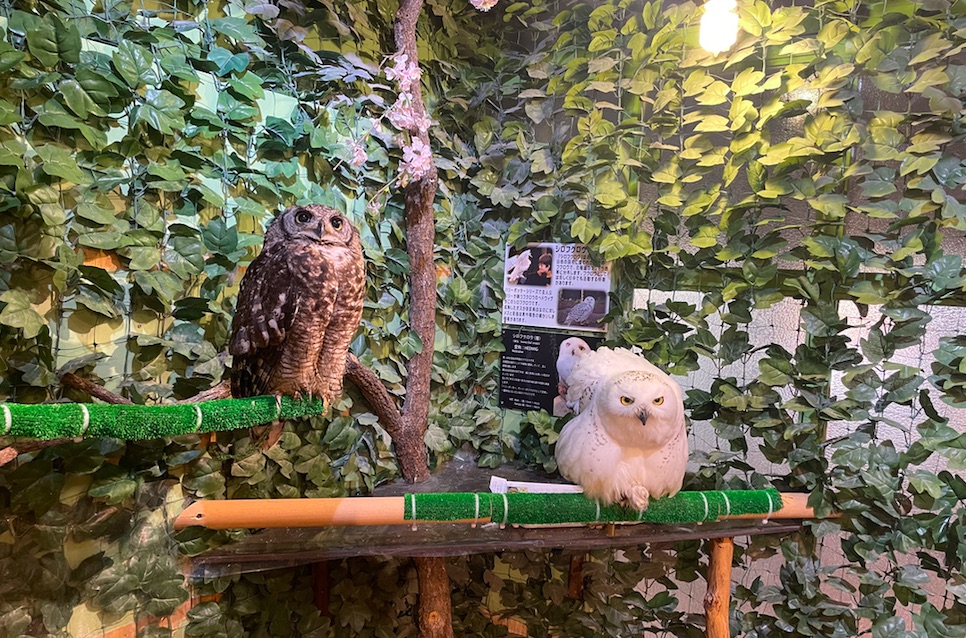
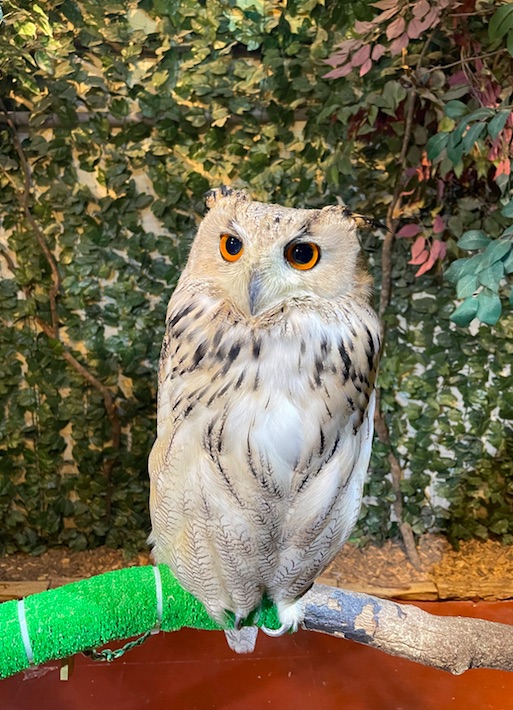
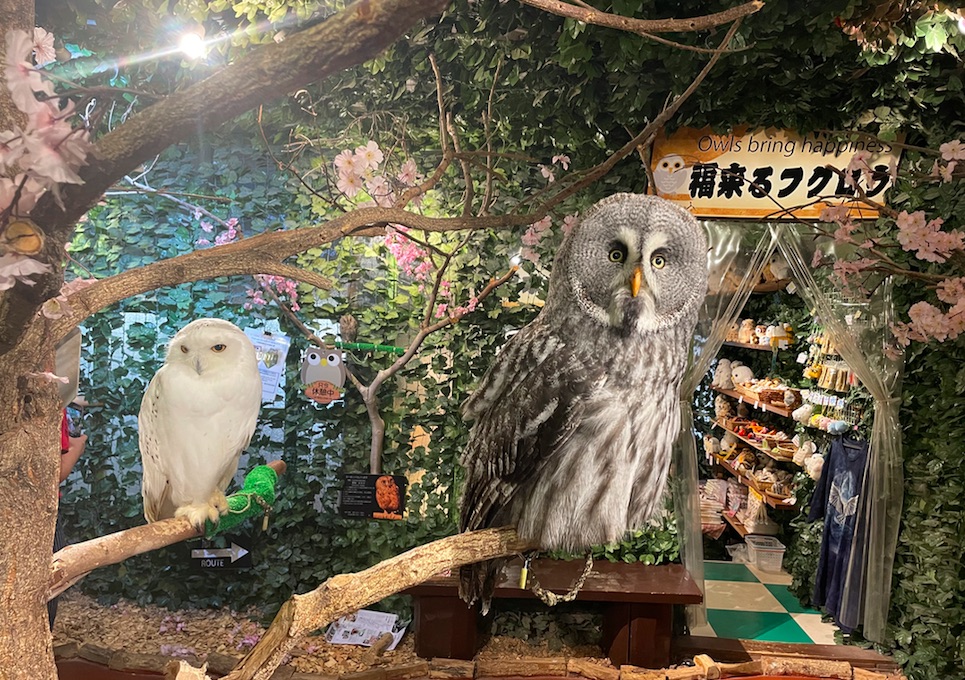
One of my top recommendations
is an owl café. You can observe everything from large owls to tiny screech owls
up close. You can even gently pet them, so be sure to handle them with care.
Capybara cafés are also highly
recommended, as it’s rare to have the chance to touch and interact with these
animals.
For something a bit more
unusual, how about a hedgehog café, a reptile café, or even a mini pig café?
Their charming behavior will definitely delight you. Once you meet them, you’ll
surely want to come back again.
Cat and dog cafés are also
great options if you’d like to see a variety of breeds.
Of course, your own pet at
home is the cutest, but why not take this opportunity to interact with animals
that are difficult to keep at home by visiting a Japanese animal café?
Many of these cafés require
you to order at least one drink. Some even create latte art with animal
designs, adding a nice touch. You can usually feed the animals for an
additional fee, and you’re free to take as many photos as you like.
Be sure to create wonderful memories in Japan together with these
adorable animals!
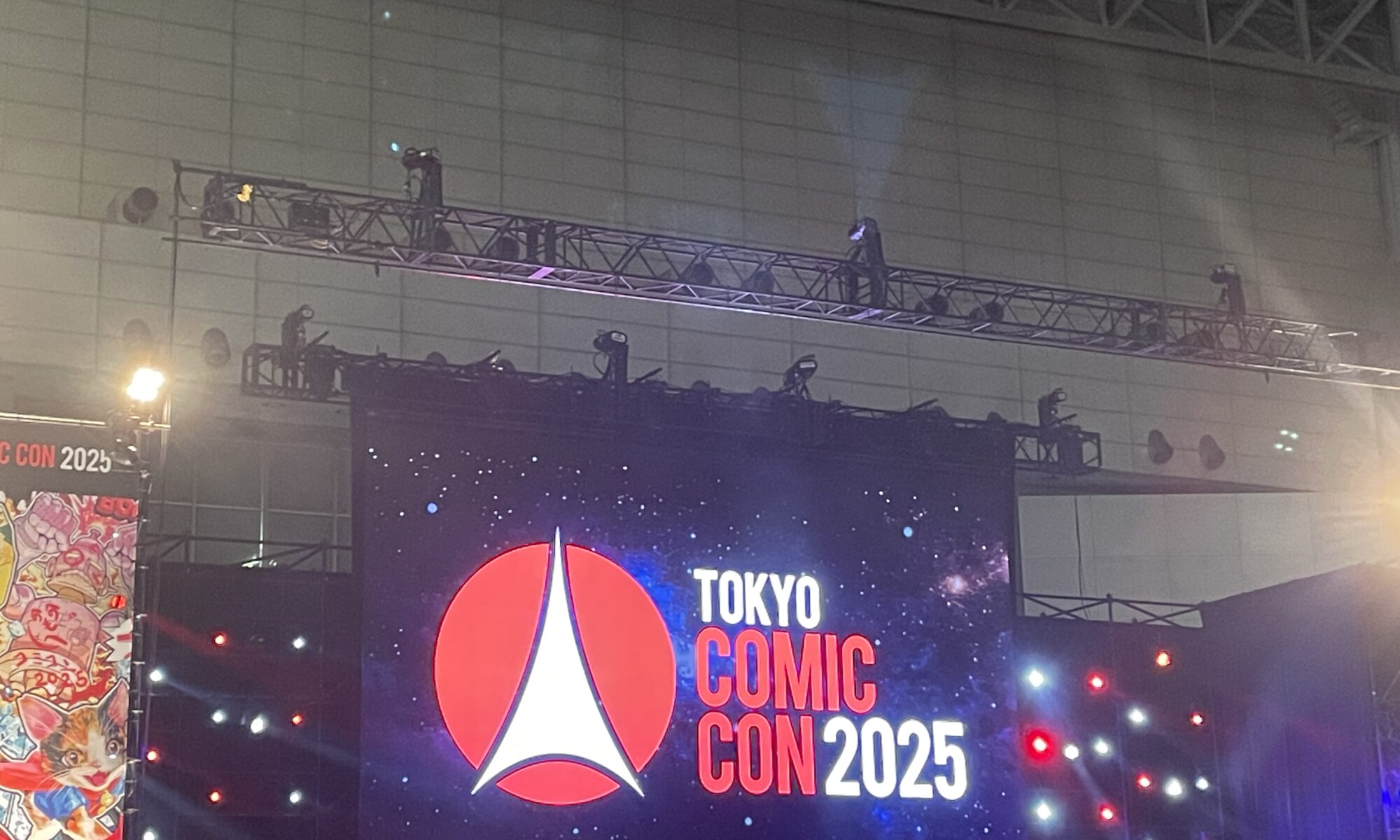
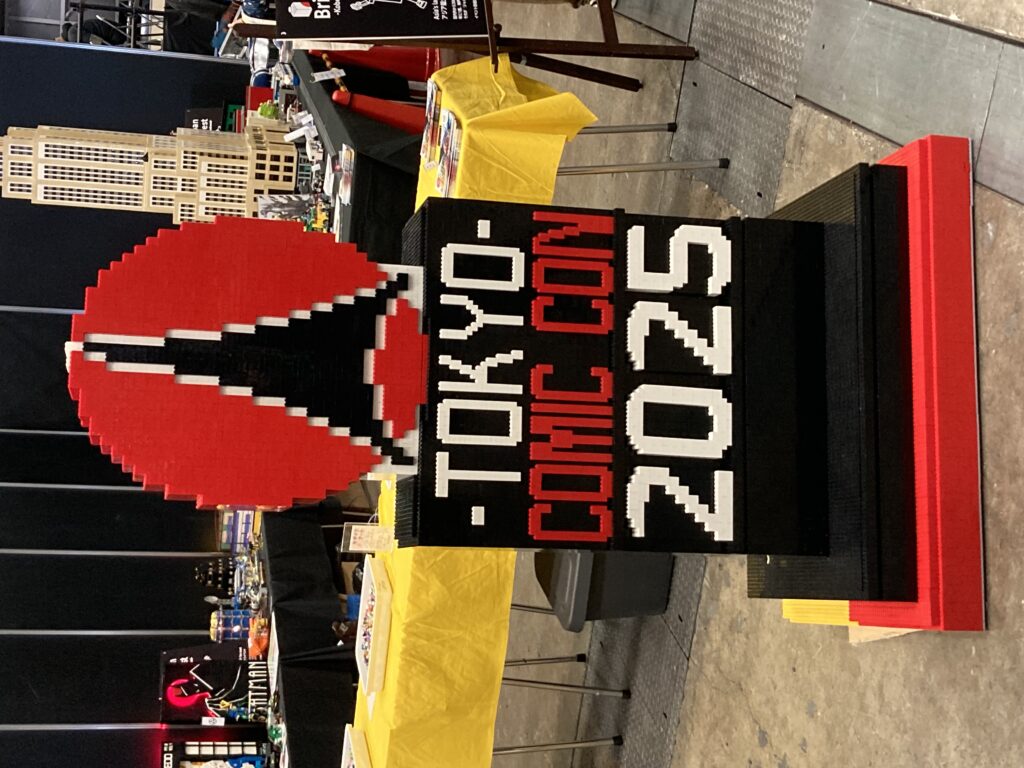
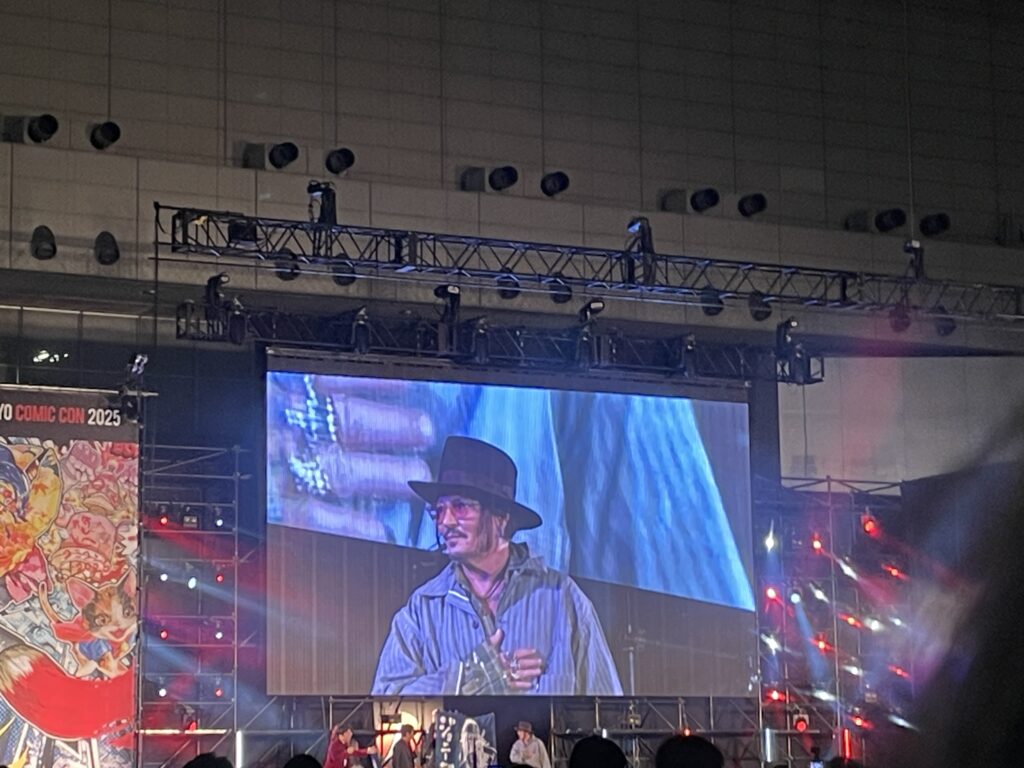
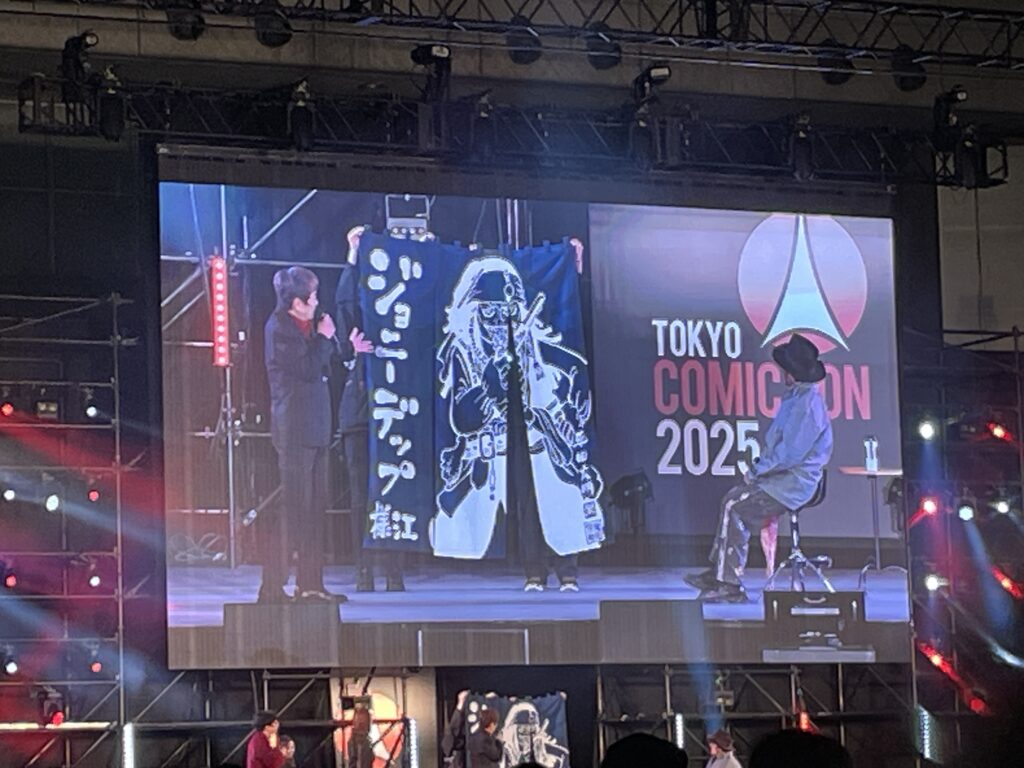
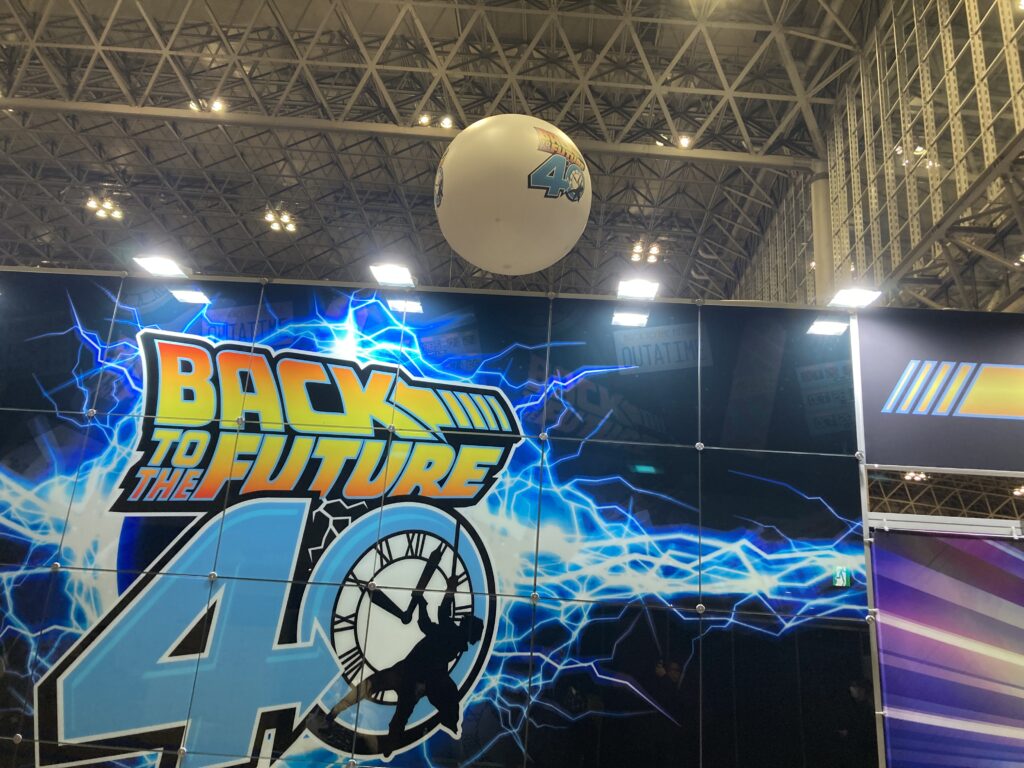
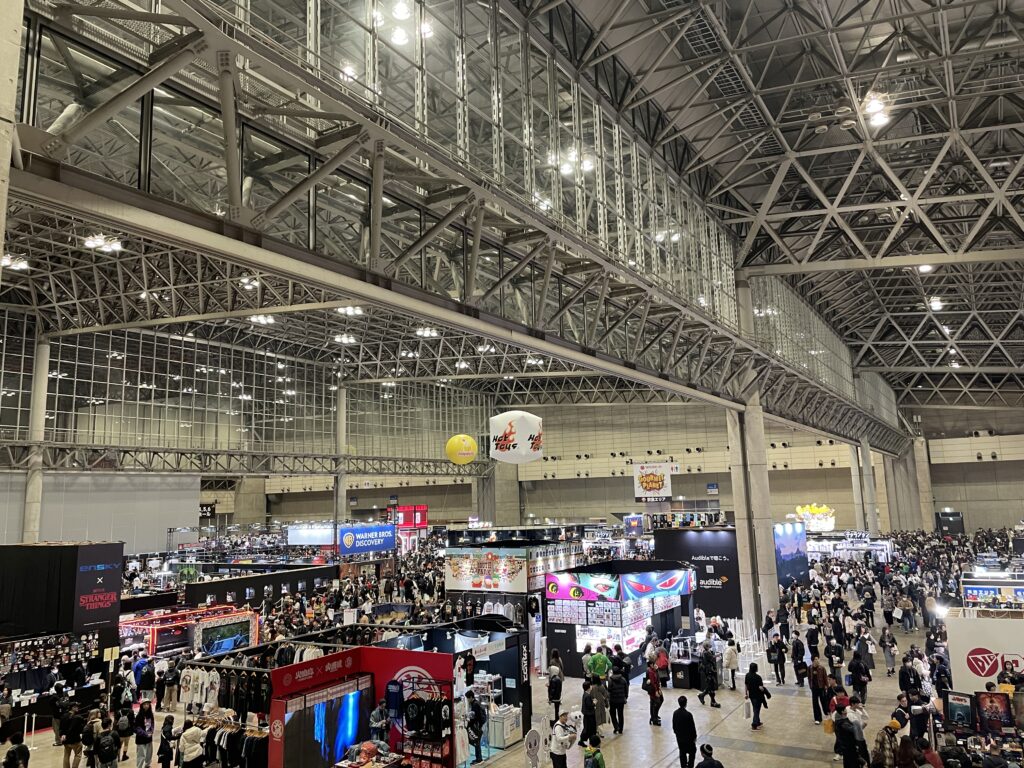
Tokyo Comic Con is held at Makuhari Messe in Chiba. Since it takes place every year in both Tokyo and Osaka, I think many people in Japan are already familiar with it.
I actually attended last year as well, but I completely forgot to write about it on this blog, so this year I went again as a returning visitor.
Every year, Comic Con offers a rich lineup of cosplay and various events, and you can really feel the effort put in by the organizers as well as the enthusiasm of the participants. It’s also an event where you can meet Hollywood stars in person. Compared to global standards, the prices are quite reasonable (though still a bit expensive for Japanese fans), and being able to meet stars face-to-face or get autographs selfies at those prices feels like a great deal.
For me, the main appeal is the unique Comic Con atmosphere, the cosplay, and browsing the merchandise and events. Even without meeting individual stars, it’s more than enjoyable enough.
This year, Johnny Depp made his first appearance, which was very exciting. There was a time when he looked quite different during the stress of his divorce issues, but now he’s clearly back to being the cool Johnny Depp we all know. I was surprised to see so many people at the venue dressed as him.
Personally, I was also very interested in Elijah Wood, who always seems to choose good projects. Since it’s Comic Con, actors who have appeared in American comics or related roles come to Japan, but he often plays slightly quirky yet memorable characters, and he’s an actor I’m looking forward to seeing more of in the future. You don’t often get to see Hollywood stars this close, so even though the admission fee is a bit high (the three-day pass is a great deal), it’s definitely worth attending every year.
Christina Ricci was as cute as ever, too. Christopher Lloyd, Lea Thompson are always legend, Sebastian Stan, Mads Mikkelsen were so cool— It turned out to be a very memorable event to wrap up the year.
This summer, during the 2025 holiday season, some people
might have up to a 9-day consecutive break due to the Obon holiday.
For those spending time with family, going on trips,
returning to their hometowns, or paying respects at graves, there will be
plenty to do.
Given the extreme heat this year (though I feel like every
year is setting new records for the highest temperatures), I’d prefer not to
stand in long lines under the blazing sun for leisure activities. But still, I
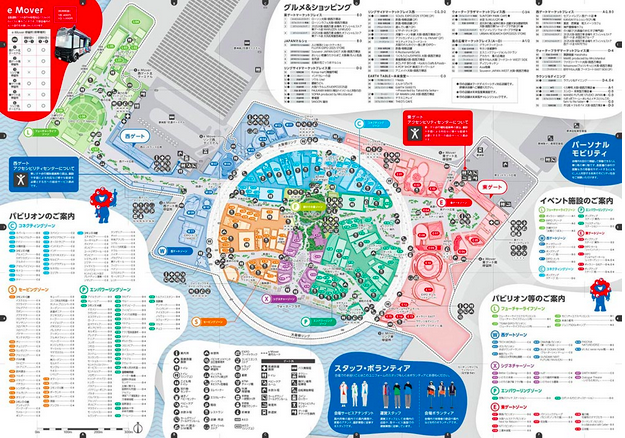
really want to visit the Osaka Expo, as it’s a once-in-a-lifetime event this
year.
The content of the Expo is enjoyable for adults, but it’s
especially recommended for children because it provides a very compact and
easy-to-understand look at the future of society, technology, and the diverse
countries of the world. It’s an excellent opportunity for cultural exchange
with people from abroad.
Recently, it seems that all tourist destinations in Japan
are filled with inbound foreign visitors, but at the Osaka Expo venue, I felt
that many of the attendees were Japanese people, especially retirees with more
free time, and people from the Kansai region who had purchased full-term
passes.
Of course, during summer vacation, it’s expected that there
will be many families and children (there are also summer passes for this
period), but it’s important to register for pavilion reservations in advance,
such as two months, seven days, or even the day before the visit. If that’s not
possible, there are also booths where you can make reservations after entering
the venue. (While some pavilions don’t require reservations, due to increased
congestion, more and more places are now requiring them).
Therefore, it’s recommended to enter the venue as early as
possible. (Remember, you need to purchase an entrance ticket separately. Without
it, you won’t be able to enter the pavilion lottery. Once inside, you can make
reservations, so try to get there early. However, in the evening, the crowds
thin out, so it becomes easier to enter pavilions just by standing in line).
Jamaica Pavilion
Romania Pavilion
Kuwait Pavilion
Austria Pavilion Restaurant
Czech Pavilion
Australia Pavilion
The Italy Pavilion, France Pavilion, USA Pavilion were amazing!
the Jordan Pavilion where you can walk through the desert, and the Turkmenistan
Pavilion (which is not yet open to the public as a tourist attraction) are
often in the spotlight. But I recommend visiting the Commons, where there are booths from
many countries within one building. You can see various local products, famous
celebrity figures, cultural arts, and more, almost without having to wait in
line. There are pavilions from A to F, and it’s impossible to see everything!
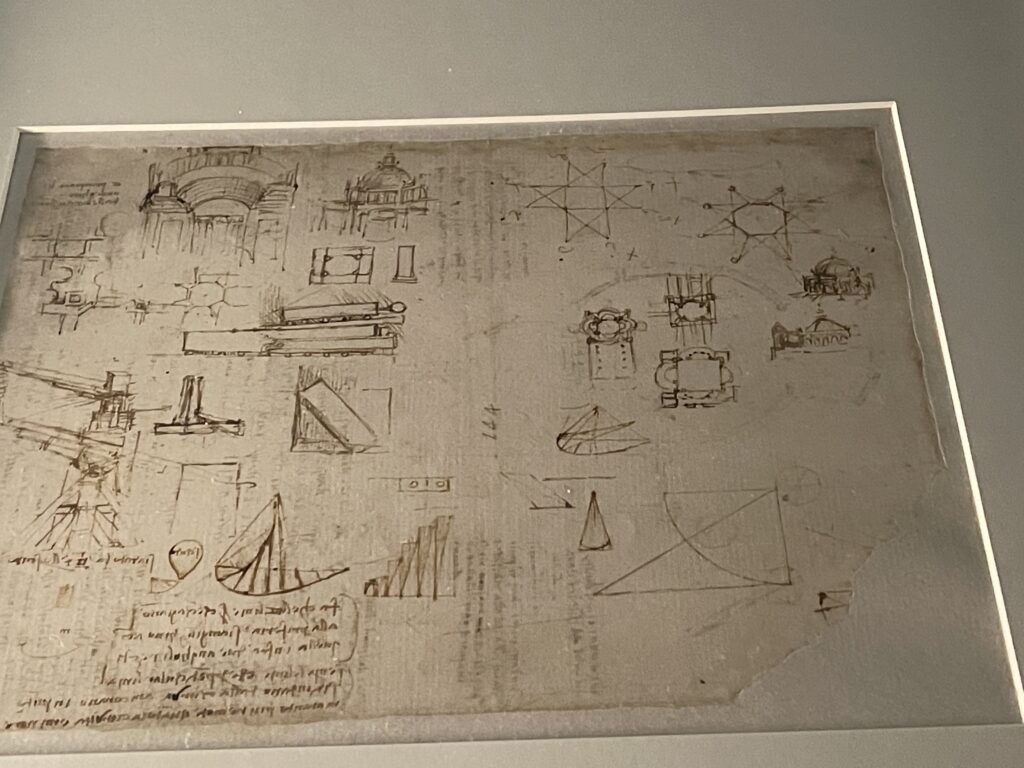
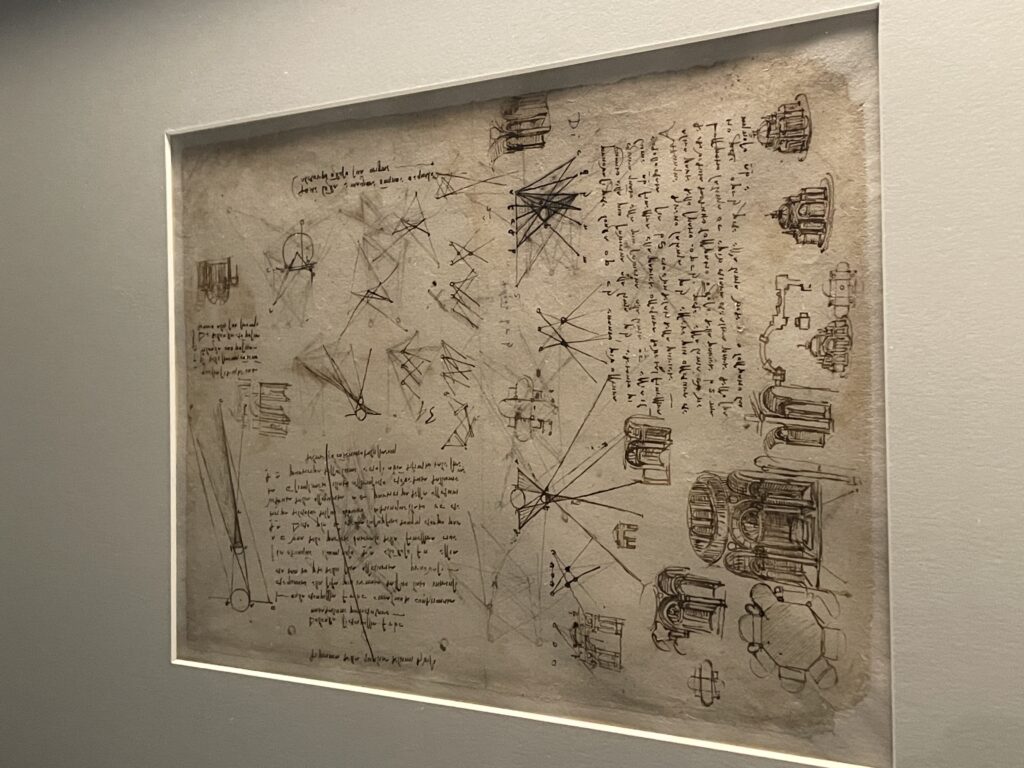
[Atlantic Code] Da VInci
[Atlantic Code] Da Vinci
[ The Entombment of Christ ] Caravaggio
If you can’t get reservations, you’ll just have to stand in
line. When I went, it was the day the Leonardo da Vinci exhibition was launched
at the Italy Pavilion, so I had to wait about six hours! But it was worth it
and very impressive.
It’s recommended to spend several days and visit the Expo
in a planned manner. On the first day, take a quick tour to get an overview,
and then, over the next few days, explore the places you really want to see.
The large roofed area offers shade and seating, and there’s free drinking water
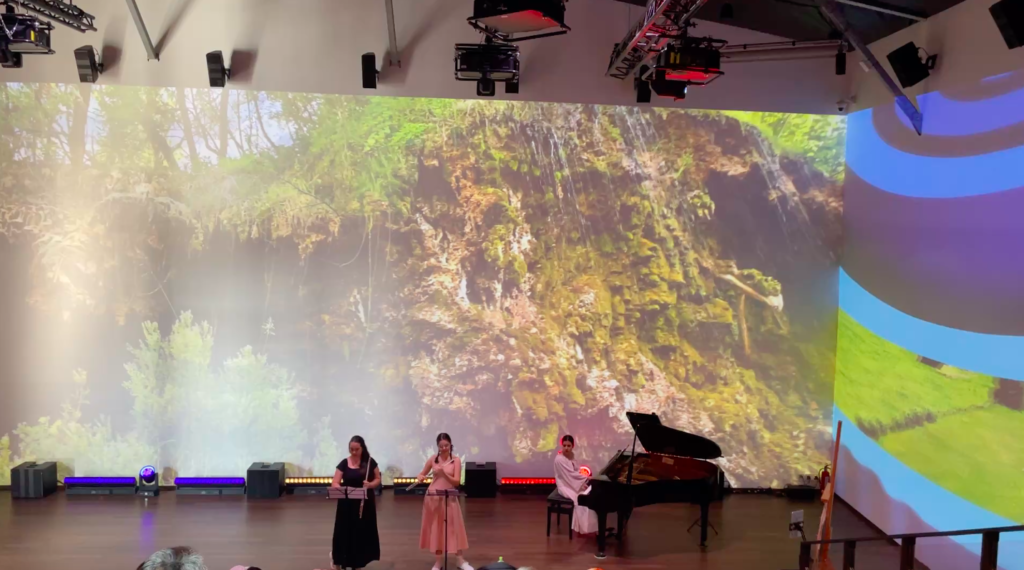
available. Each country also has plenty of food and events, with Myaku Myaku being particularly popular.
There are also so many stamp rallies, so be sure to buy a
stamp book and collect them. The unique stamps of each country will be great
memories of the Expo.
After the summer vacation, I plan to visit again in
September. It’s that fun! The ethnic costumes worn by the pavilion staff from
each country are also wonderful. The Japan Pavilion was so popular that I
couldn’t get a reservation, so I look forward to visiting it next time.
I visited the “Japan, An Artistic Melting Pot”
exhibition at the Kyoto National Museum, and I was absolutely shaken by the
gathering of Japan’s national treasure collections. I don’t think there will
ever be another opportunity like this to see so many national treasures in one
place at once!
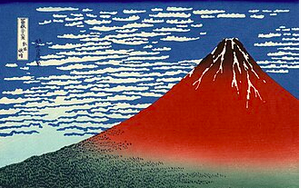
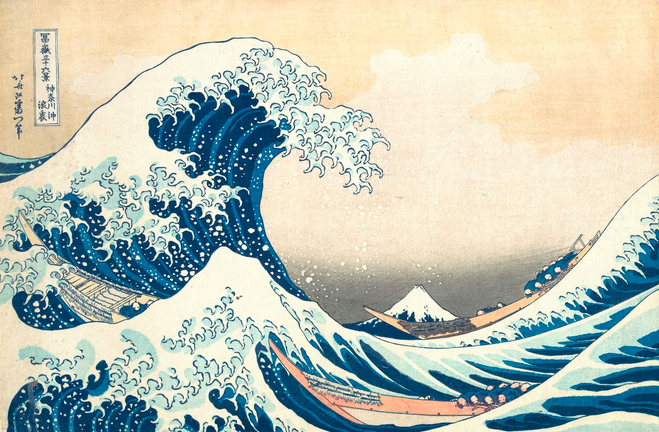
With the Osaka and Kansai Expo in mind, the National Museum
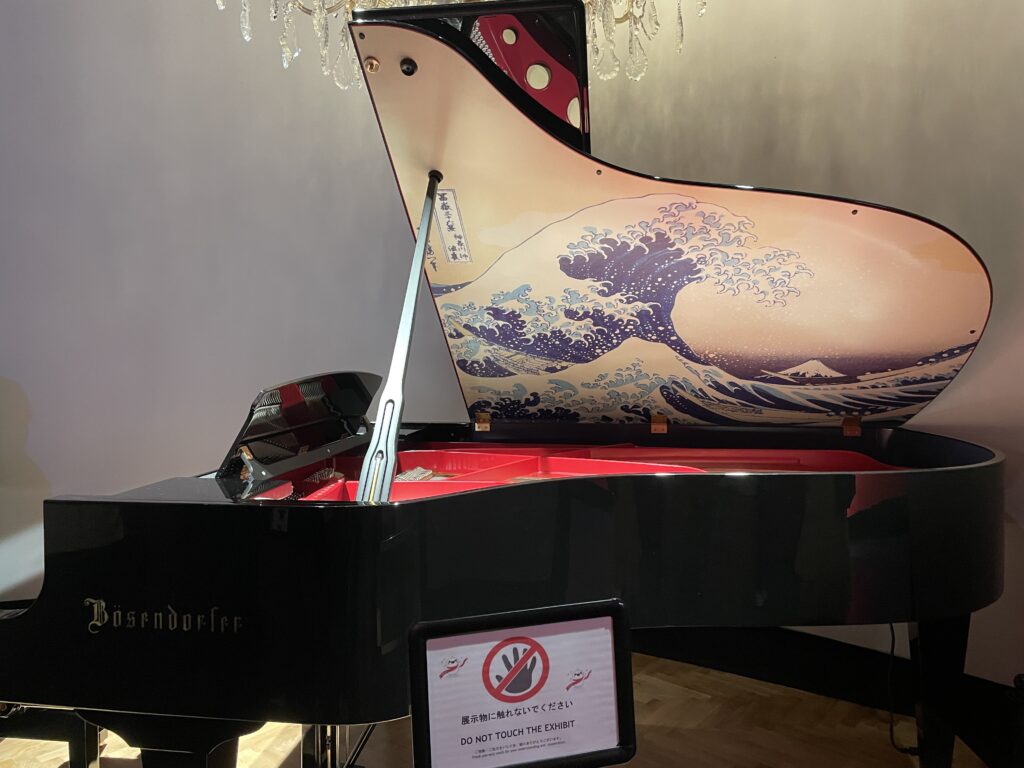
is certainly putting on quite a show. Works like the Fujin Raijin-zu byōbu (Wind and Thunder
Gods Folding Screen) and Fugaku
Sanjūrokkei – Kanagawa Oki Nami Ura, Gaifū Kaisei (Thirty-Six Views
of Mount Fuji – The Great Wave off Kanagawa and the Fine Wind, Clear Morning)
are on display together.
Typically, national treasures and sculptures are preserved
by the temples or institutions that have inherited them over generations, so
it’s expected that many would be in the Kansai region. But even in Tokyo, it’s
rare to see such a collection all in one place!
From Japan to abroad and from abroad to Japan: in many
ways, Japan has been influenced by other countries, while also influencing the
world. Amidst misunderstandings and modifications, there is a constant
curiosity and awe in the artworks and sculptures that reflect newly seen
animals, plants, people, foreign cultures, and first encounters with foreign
artists and works of art.
Personally, I really like the ceramics and Nanban (Southern
Barbarian) folding screens from the 16th century, Momoyama period. They
beautifully blend Japanese and foreign cultures—just the right balance.
Also, the artworks featuring motifs of flowers, birds,
wind, and moon, landscape paintings, mother-of-pearl inlay, and maki-e
lacquerware boxes are all wonderful. The haniwa (ancient clay figures) are also
adorable. (Yes, I love them all! Haha)
I spent a full three hours, and even participated in making
a maki-e letter paper and envelope workshop, which took about four hours in
total. Still, it felt like I didn’t have enough time.
Perhaps because of the rain, or maybe despite it, the Kyoto
National Museum had a large crowd, and it was hard to view each piece slowly
and carefully. It truly was an extraordinary exhibition, one that you rarely
encounter!
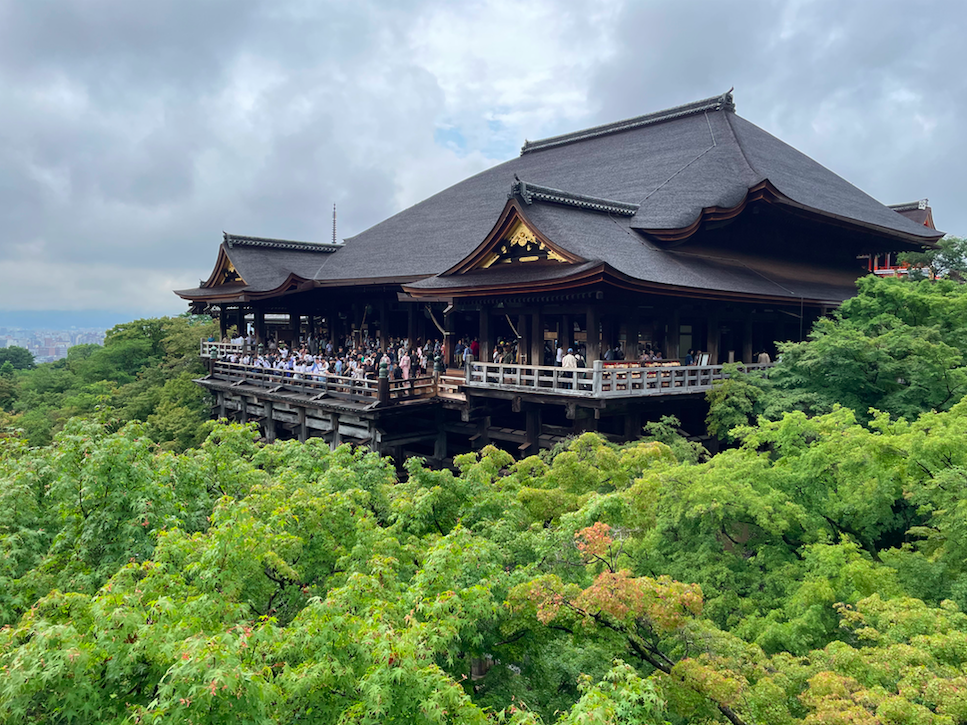
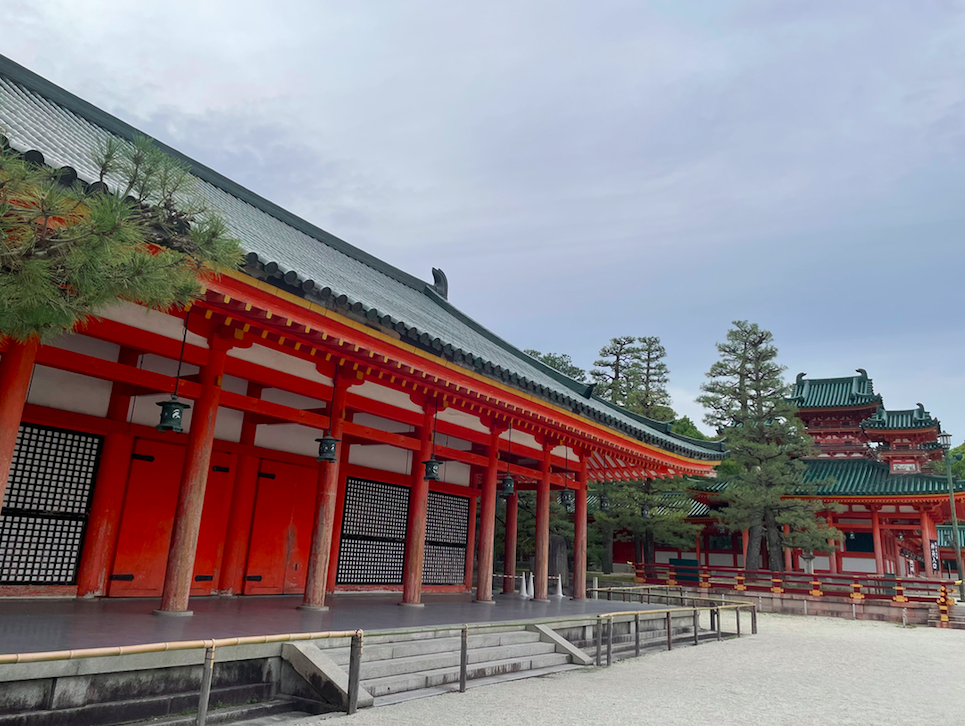
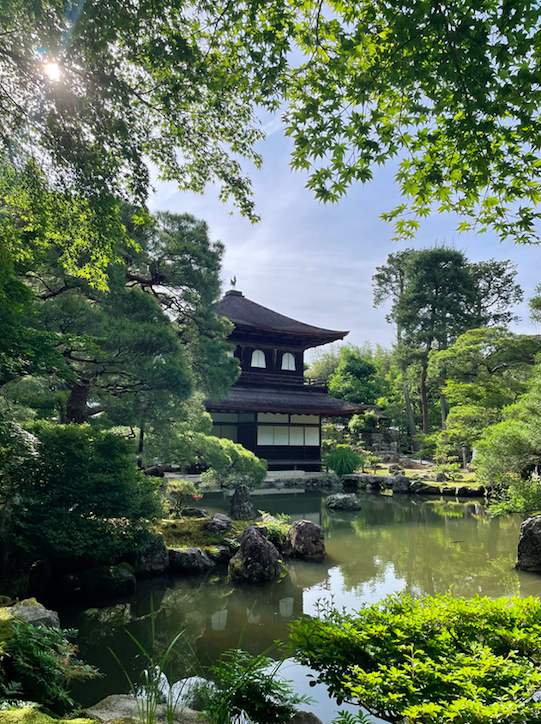
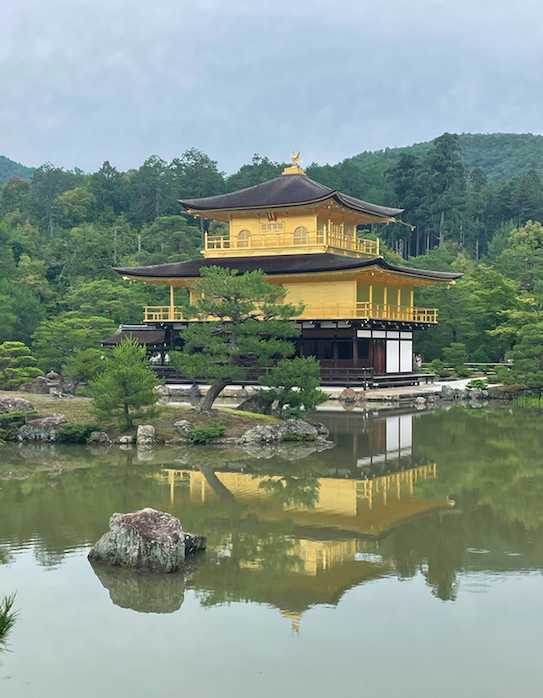
Kyoto is the most famous and popular city, especially tourists from abroad. Kyoto is one of the oldest municipalities in which was set imperial court in 794 A.D. by Emperor Kanmu. This, one of the ancient city of Japan is considered the cultural and historical capital of Japan and is a major tourist destination.
There is lot of tourist spots and
experience in Kyoto. Therefore, let me teach you the most convenient and
effective way to see around this city – using public bus and subway.
The public transportations are in Kyoto is
very cheap – for example, using public bus cost you only 230 yen (approx.1.5
dollars) for one ride.
Check the bus map below, which is divided into
5 points of areas of Kyoto, including famous shrines and temples.
Depending on the location, you may need to
use the train or subway.
Not only visiting old shrines and temples,
but also enjoying Japanese culture at Samurai Ninja museum or Kyoto
International Manga museum and Nintendo museum.
You can also have a walk around Kyoto city
with Japanese traditional kimono or yukata.
Meanwhile, the four seasons in Kyoto, each
has its own beauty.
Spring – cherry blossom, Summer – bamboo
forest, Autumn – fall foliage, Winter – snow etc.
Enjoy the scenery of each season with historical architectures and gardens.
Heian Shrine
Ginkakuji Temple
Kinkakuji Temple
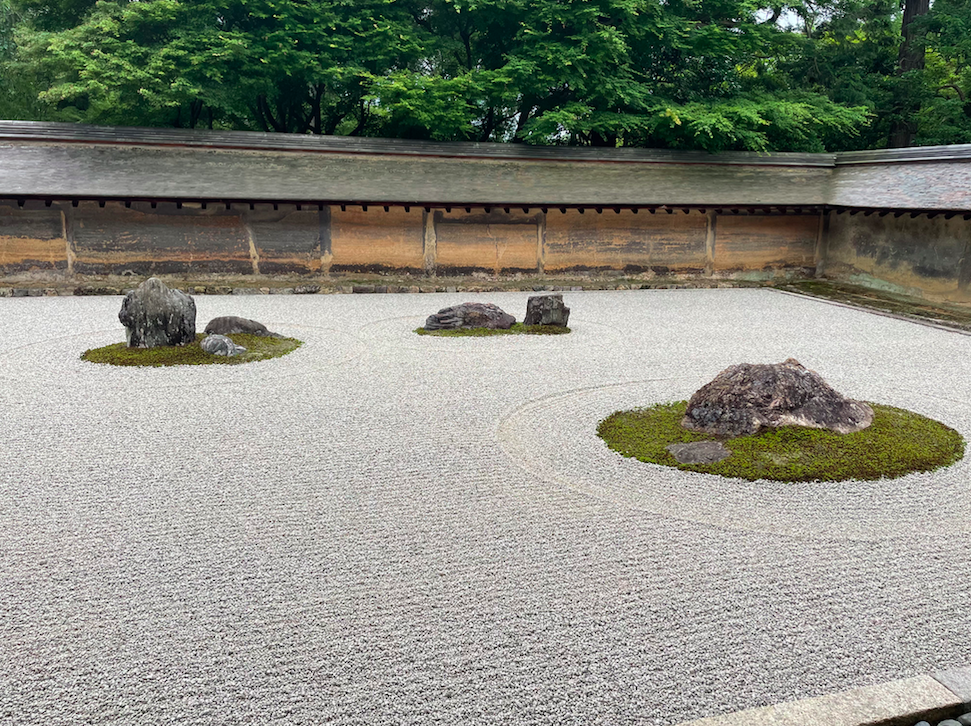
The garden of Ryuan Temple
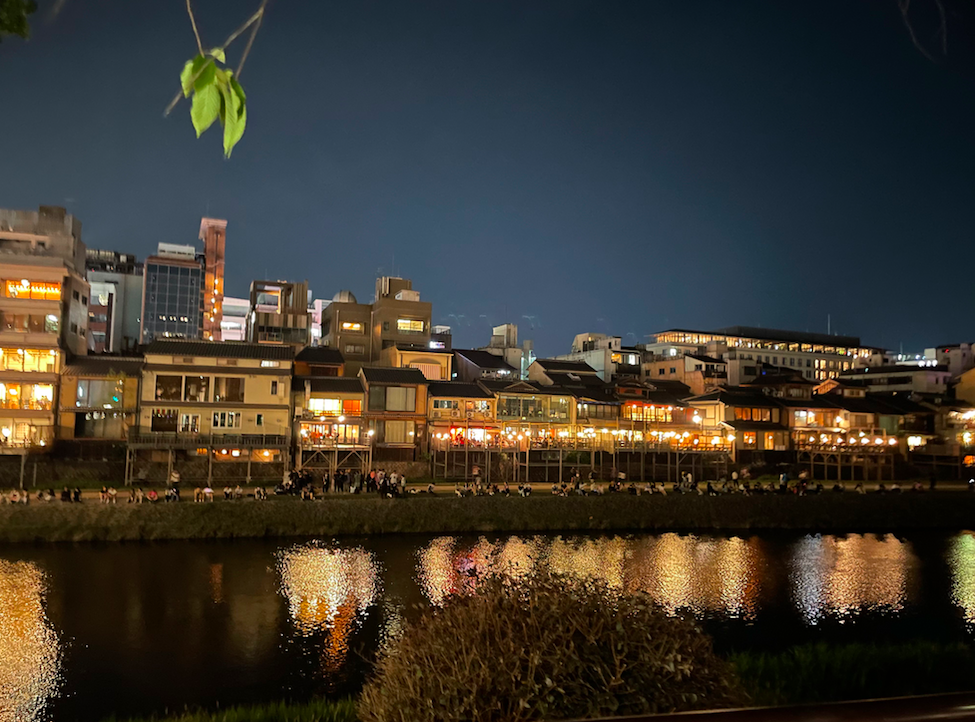
Kamo River
Fushimi Inari Shrine
Moreover, Kyoto has characteristic special quality of foods, especially foods that are made from soy beans and matcha (green tea). Kyoto Uji(京都 宇治) is one of the most famous production area of green tea leaves in Japan.
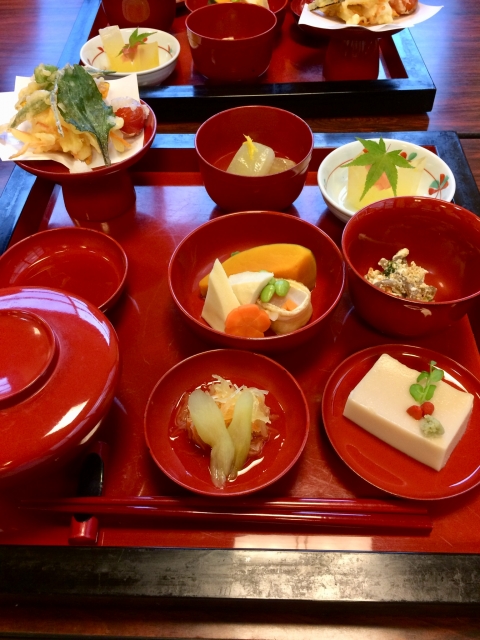
Tofu and yuba, soymilk cuisines have developed in temples at Kyoto, due to the prohibition of meat eating. It is called Shojin Ryori (精進料理).
Shojin Ryori could be a perfect meal for vegans.
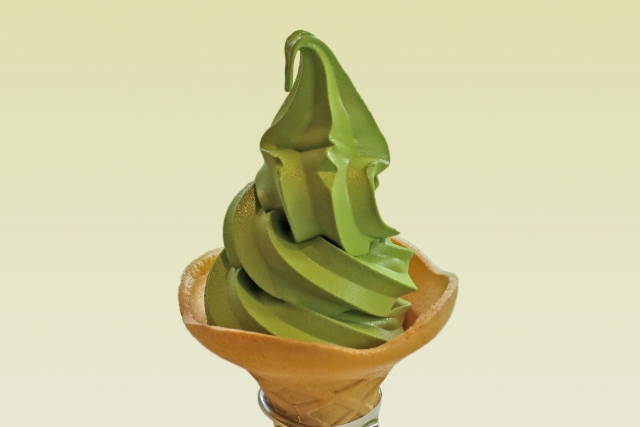
Macha(greentea) ice creams are available
anywhere in Kyoto.
Let’s try a fresh matcha ice cream here!
Besides, Kyoto vegetable pickles(京漬物)and Kyoto yatsuhashi mochi sheets with cinnamon powder(八つ橋)are also popular as souvenirs.
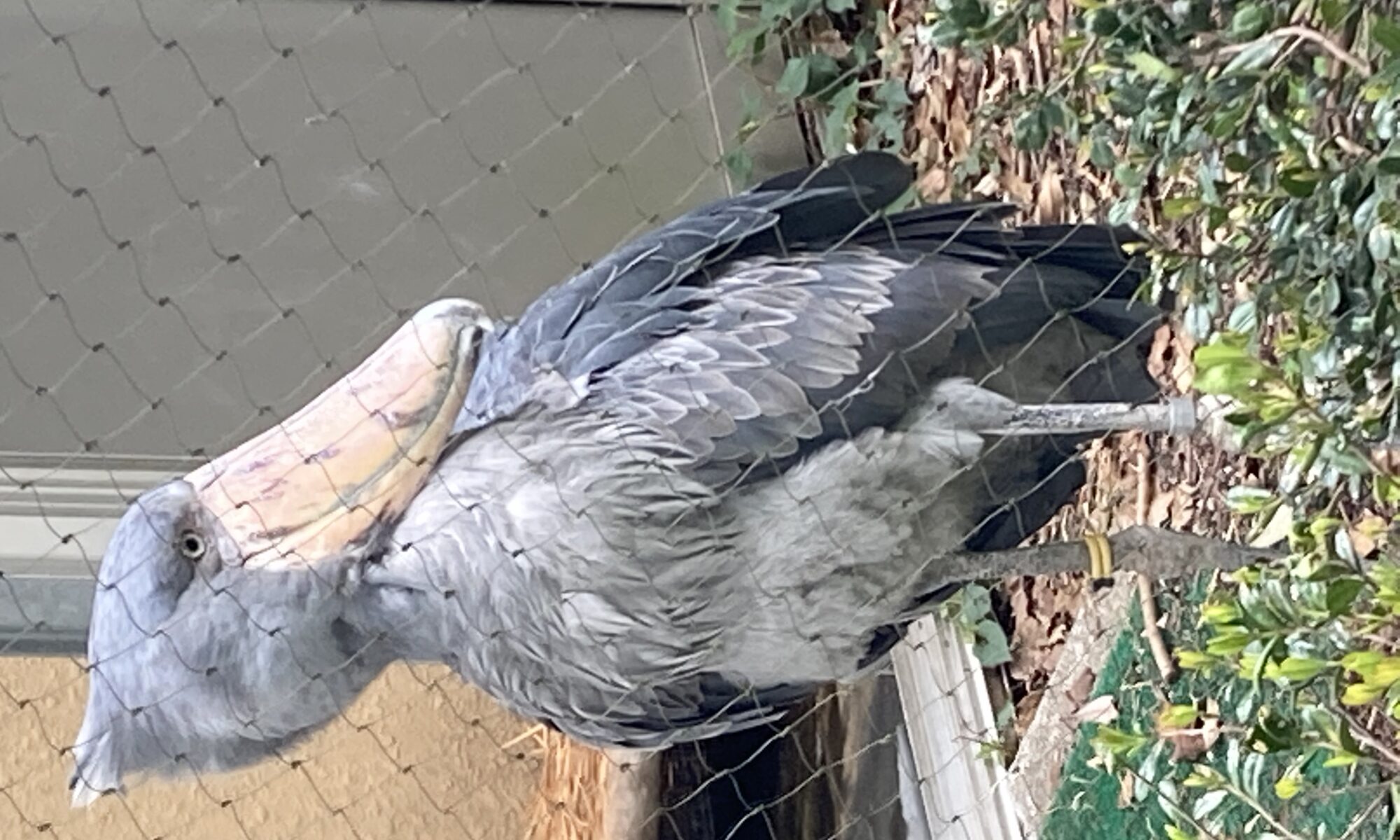
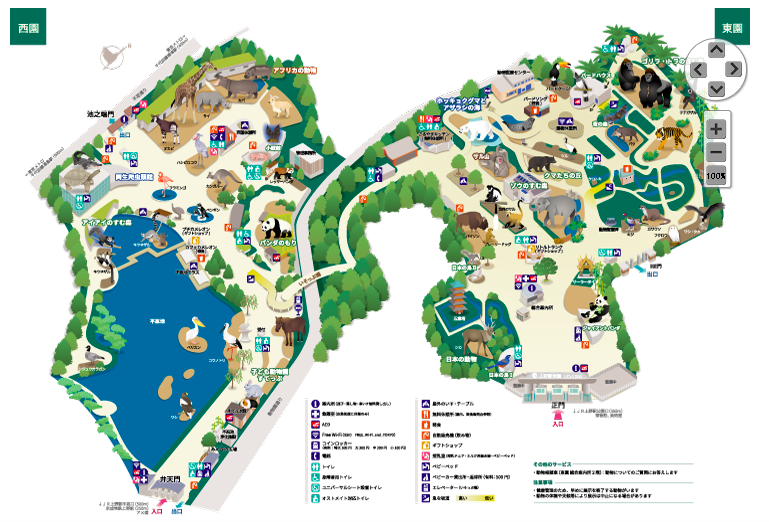
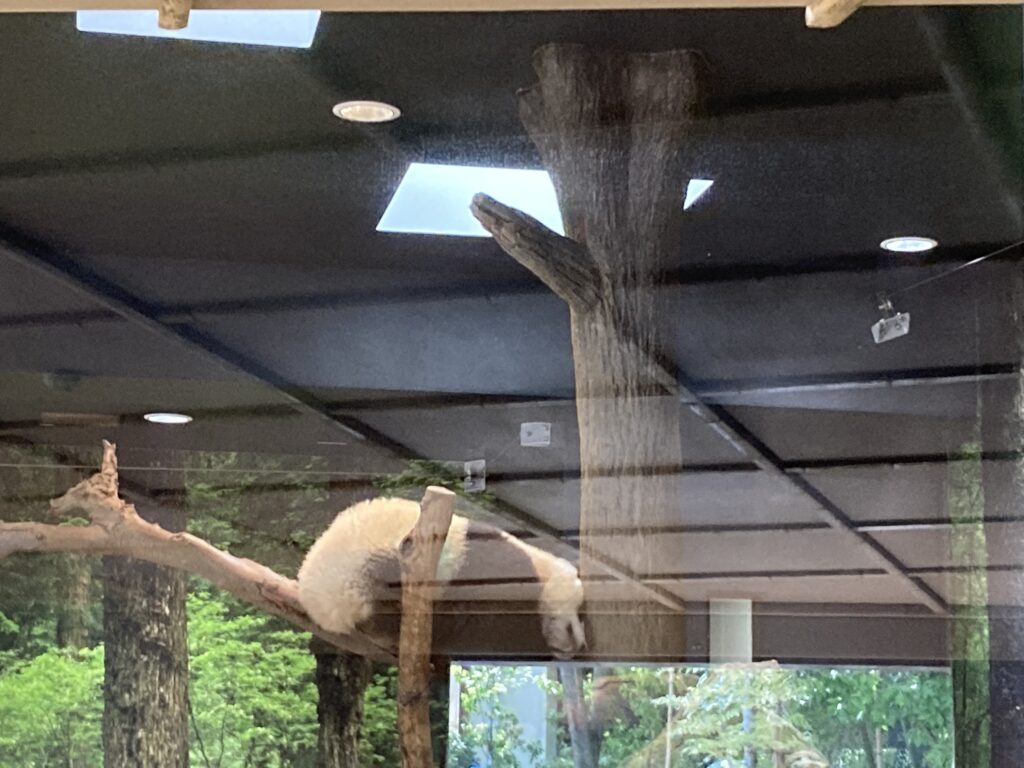
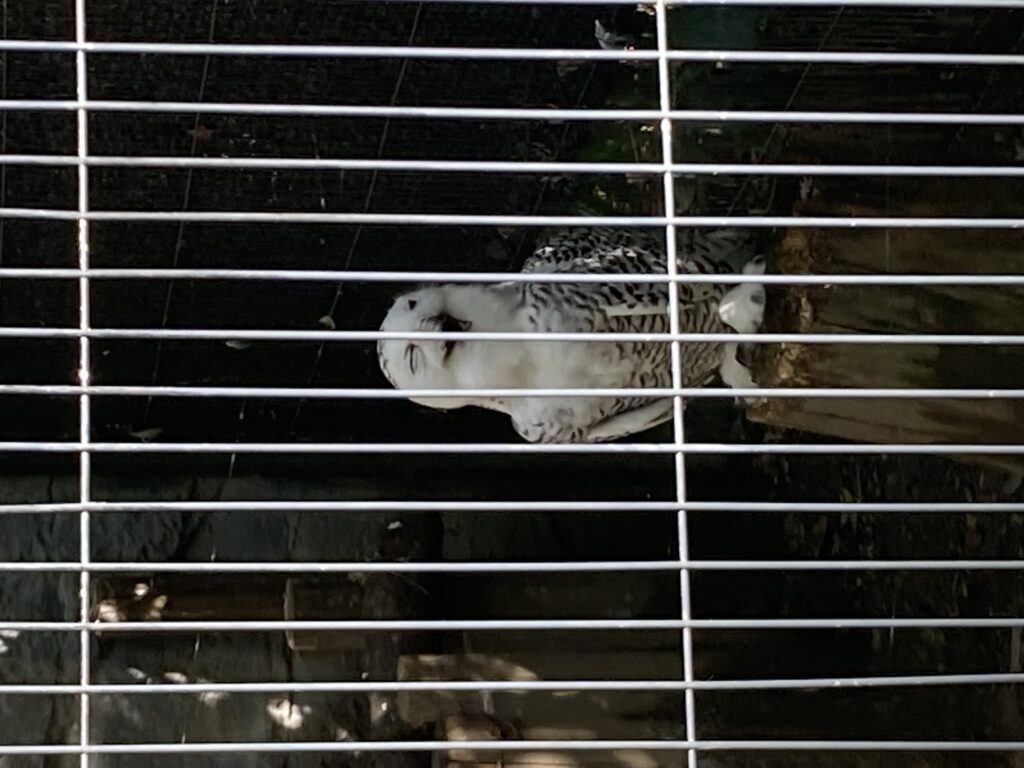
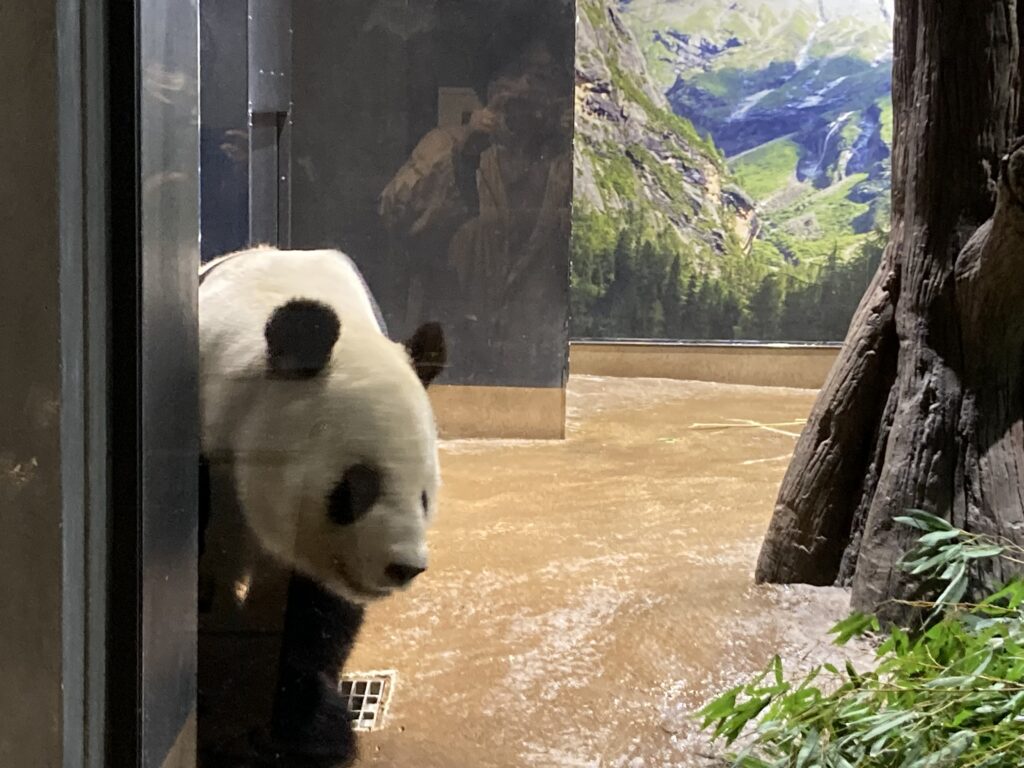
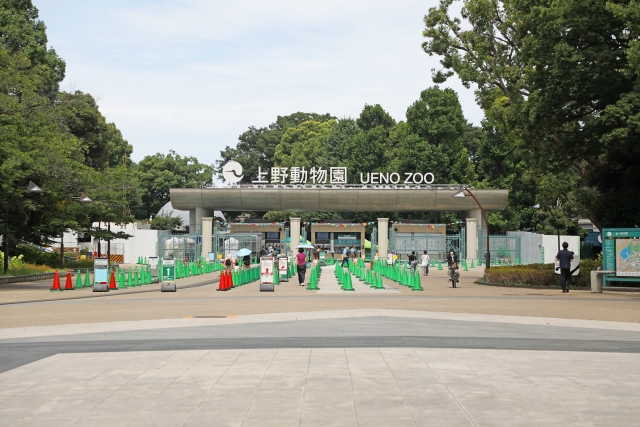
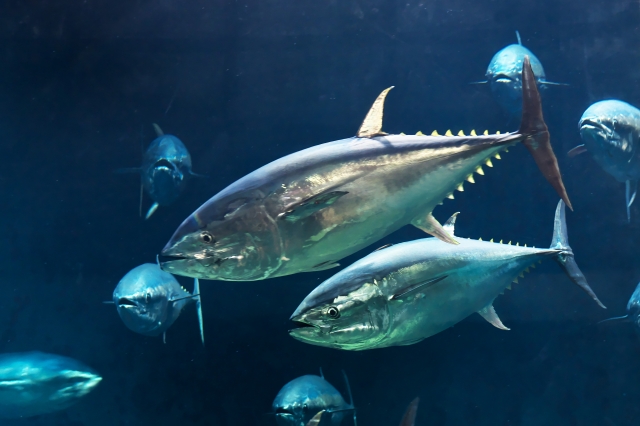
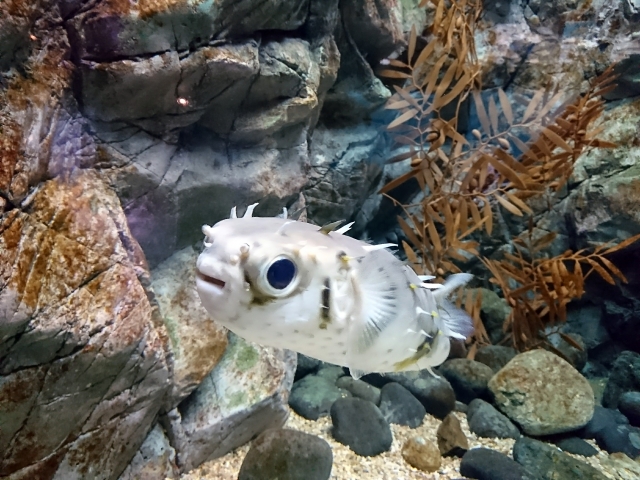
There are unique, characteristic zoos and aquariums all around the world, then, if you love animals or birds and fish, penguins, why don’t you visit zoo and aquarium while staying at Tokyo.
Tokyo Ueno Zoo (Tokyo Zoological Gardens)and Kasai Rinkai Aquarium(Tokyo Sea Life Park) are being managed their administrations by Tokyo Metropolitan Government.
You can see the animals along scenery close to its natural environment.
Meanwhile, Sumida Aquarium, Shinagawa Aquarium are private aquariums, inclined to be particular about presentation.
One of the reasons why Japanese books and
comics have been enthusiastically published by Japanese publishers for almost a
century is, just because they are bookworms.
Japanese TV anime show started in 1963, it was “Tetsuwan Atom (Astro Boy)” written by Osamu Tezuka. But still, Japanese kids were, not only reading comic magazines (Mangas) but also watching TV anime show. For example, “Dragon Ball” by Akira Toriyama, “One Piece” by Eiichiro Oda, was still really loved by Japanese people both animes and comics. They are legendary & symbolic authors in Japanese comic history!
The season has come for bookworms! “Kanda used book festival in 2024” started on 25th October until 4th November.
Kanda, Jimbocho area is broadly known as “booktown” in Tokyo. “Kanda used book festival” is held only once a year, the festival covers flea markets and many events, deals with used books, video, CDs, drawing, painting, and etc, more than 1 million of books are exhibited.
I am a kind of niche collectors of “Ukiyoe hanga 浮世絵版画”and cult movie pamphlet (brochures of cult movies which especially directed by foreign creators). I opened my eyes wide, found a couple of brochures of 80’s movie, some Ukiyoe hangas. I was so happy to find treasure buried in a heap of garbage. I prefer looking for treasure in flea markets to participate in internet auctions!!
Ninja was – because they were supposed to
vanish around the end of 20th century -But people, especially
foreigners believe that their descendants are still living in small villages
anywhere in japan like “Ninja no Sato”.
Yes, their descendants are still alive,
especially Iga-Ninja(伊賀忍者)、Koga-Ninja(甲賀忍者)、Agatsuma-Sanada Ninja(吾妻真田忍者) are very
famous, then, the some real descendants and performers are teaching Nin-jyutsu(忍術) to tourists just as an entertainment below,
However, Ninja used to be treated – secret agents, private detectives, spies – were hired by Shogun and local Samurai, to play an important role in medieval Japan.
Some says Ninja exist at the beginning of 15th century to the end of 20th century. From the end of 15th century, samurai turned into local feudal loads(Daimyo), they gradually controlled their province.
After victory of the battle of Sekigahara, Ieyasu Tokugawa unified Japan as a one country in 17th century. But at that time, Japan was still divided around 68 territories. Daimyos who contributed to Sekigahara, were given Han(dominion)where closed to Edo(Tokyo), On the other hand, Daimyos who were opposed to Ieyasu Tokugawa while Sekigahara, were shunted off to faraway. They are called “Tozama(外様)Daimyo”.
In this way, Tokugawa and Tozama(外様)Daimyo – below the surface battles began! For exsample, some Tozama
Daimyos began import and export trade with foreign countries secretly. Some
Tozama Daimyos tried to rise in rebellion against Tokugawa Bakufu. Furthermore,
Since Tokugawa banned believing Christianity, Christians plotted treason
against Tokugawa in Nagasaki.
Meanwhile, Tokugawa hired many Ninjas for investigating
local movements, also Tozama Daimyos hires Ninjas to win those information
warfare as well.
So that Ninja was very important existence
both of Tokugawa and Tozama Daimyo.
Now, Ninjas are famous – under the influence of comics and animes “Naruto” “Nintama” and drama “House of Ninjas(Ninja-no-ie)”.
Japanese people might think – Ninjas had gone –not exist in present, but you know, Ninjas are spies, they should have just kept his or her head down, hunkered down. Believe it or not, your neighbors might be Ninja!! and Ninja-no-Ie!
By the way, female Ninja are called “Kuno-ichi”. Because “female” is described “女“in Kanji letters, so it can be broken in three parts as
To say nothing of Ikebukuro, is also famous for Otome 乙女road where has lot of girl’s otakuオタク(nerd) shop paradise. There are many stores of amime goods in Otome road. Especially Fujyoshi腐女子 (girls who really love to B.L.(boy loves boy) comics and animes)) must be fascinated by these flamboyant world!
On the contrary to, Akihabara is the paradise of otaku guys or geeks 🙂 who love lolita girls and cute school girls’ animes. The area has a concentration of computers, video games, anime goods, retro games, dvds, home appliance stores in Akihabara.
Oh no, I am getting off the track. Ok, I am back to the main topic, sanrio café.
Sanrio stores can be found everywhere in Japan. But Sanrio cafés are only located in Ikebukuro (Tokyo wards) and Kamakura (Kanagawa prefecture).
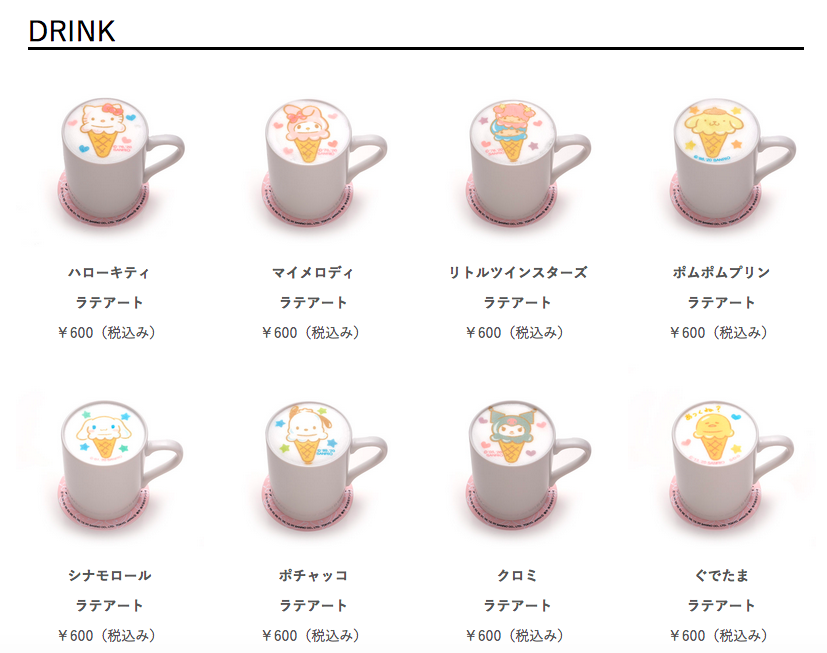
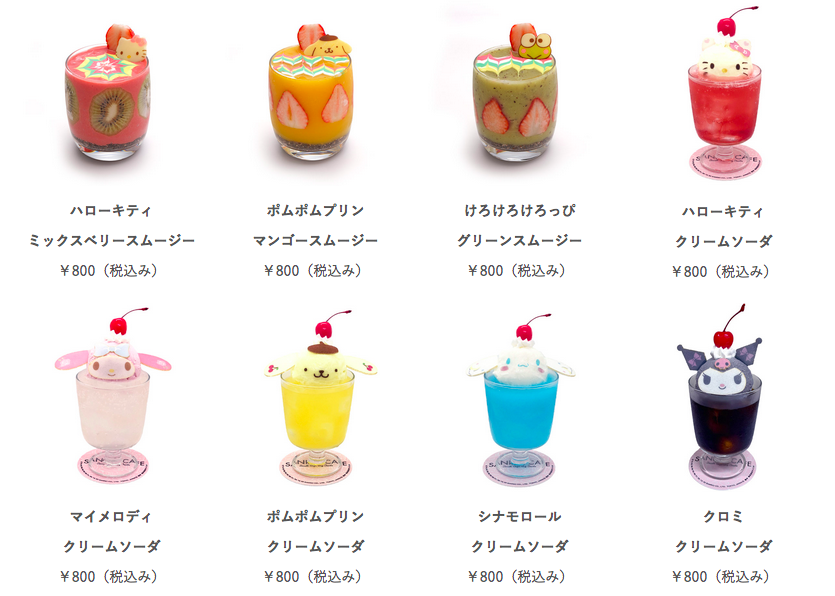
I ordered Kuromi soda(iced coffee with black sesame taste icecream)
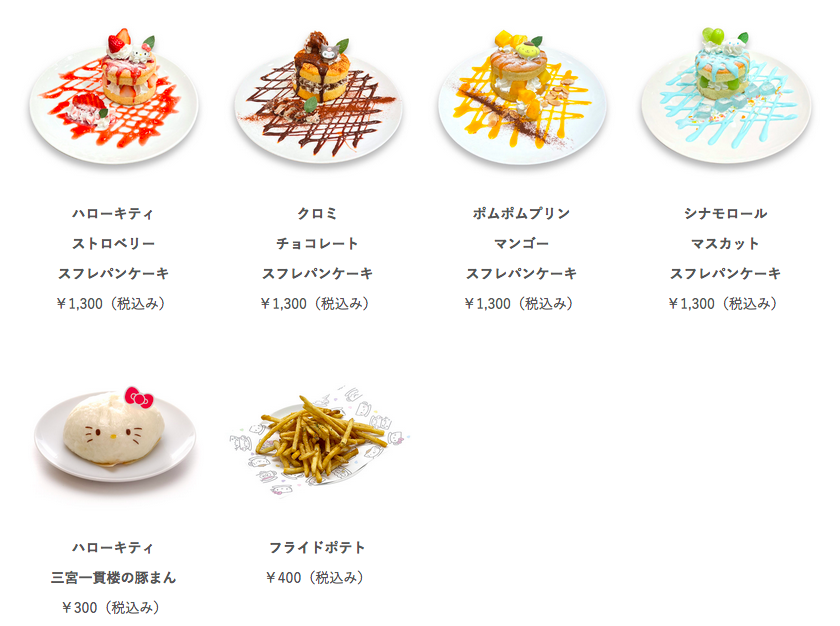
And Kuromi pancake!(chocolate pancake) @Sanrio Cafe. Cause I am a big fun of Kuromi.
Hangyo-Don
Kuromi Soda & Kuromi Pancake
Kuromi has gothloli(abbreviation of gothic lolita) look with black costume and wearing heavy make up(look like the rock band Kiss!).
Kuromi
(クロミ, Kuromi) is My Melody‘s rival, who is a white rabbit or imp-like creature wearing a black
jester’s hat with a pink skull on the front and a black devil’s tail. The
skull’s facial expression changes to match Kuromi’s mood. Fittingly, her
birthday is Halloween (October 31st). Her name translates from Japanese to
English as “black beauty”.
Kuromi’s
appearance is also similar to those of cartoon characters from the 1990s such
as Pichu from Pokémon. Kuromi has become a popular character for the punk,
scene, and goth crowds due to her appearance.
If Hello Kitty and My Melody were angels, Kuromi would be a sweet little demon. She has just irresistible charms for gothic lolita-lovers. Don’t you think she is intriguing anything against My Melody above, do you?
Let’s enjoy the sub-culture paradise of
Ikebukuro and Sanrio café!
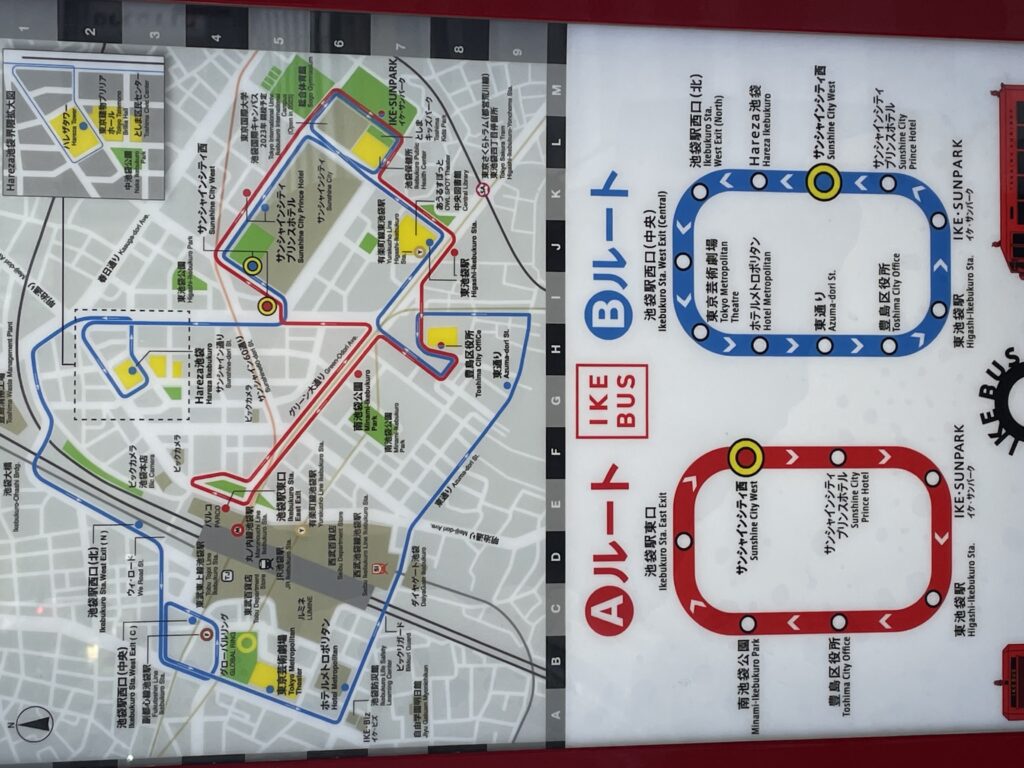
Please stop by Ikebukuro area and see around Otome road. Also Ike-buses池袋バス are available from the east exit of JR Ikebukuro station. The fare is 100 yen.
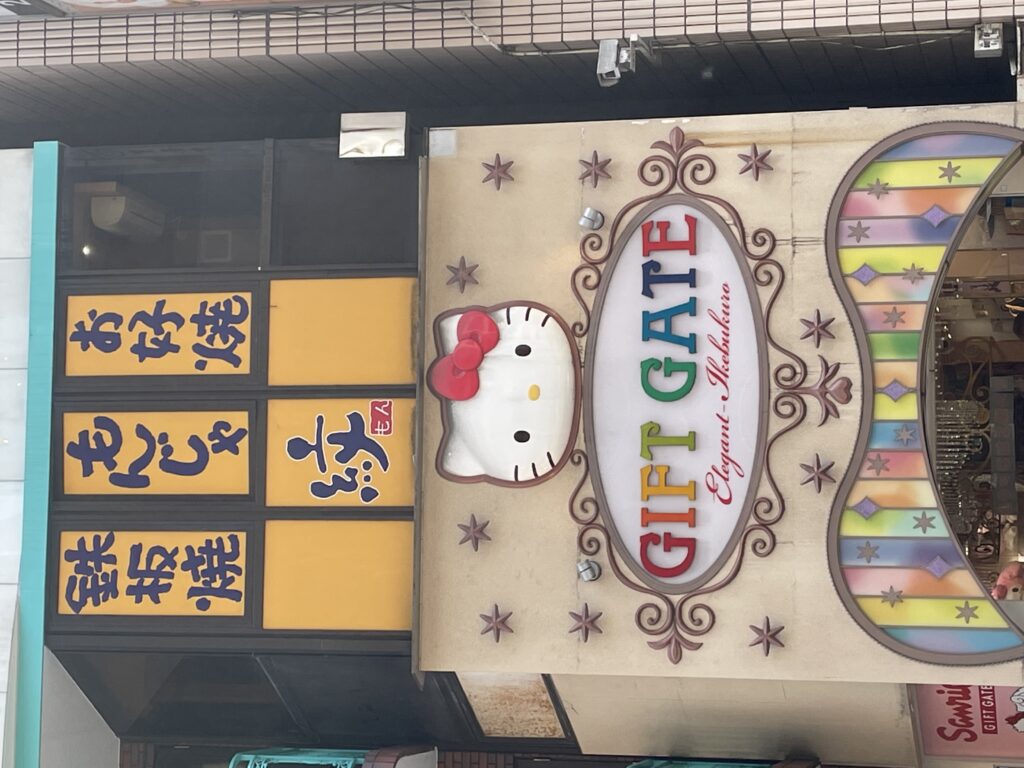
Ikebukuro Sanrio Gift Store
Animate @Otome road
Ike-Bus route map
Ike-Bus station @ the east exit of JR Ikebukuro
Sanrio goods are also available at Ginza and Asakusa, Shibuya. You can find many small Sanrio stores on the website below,