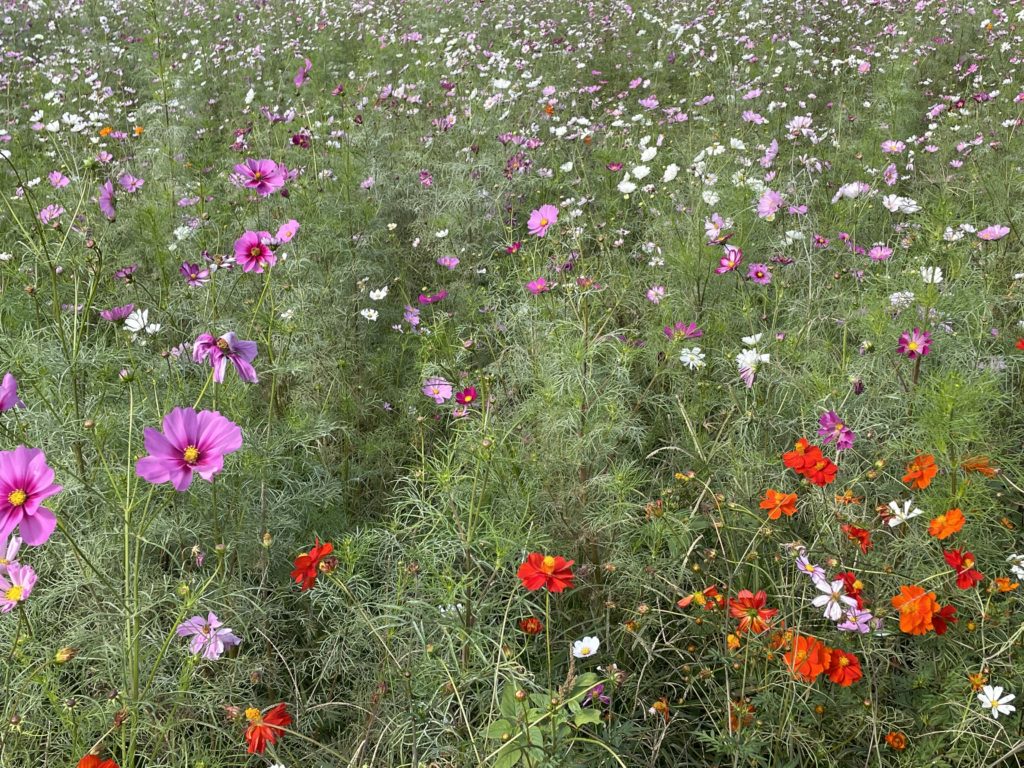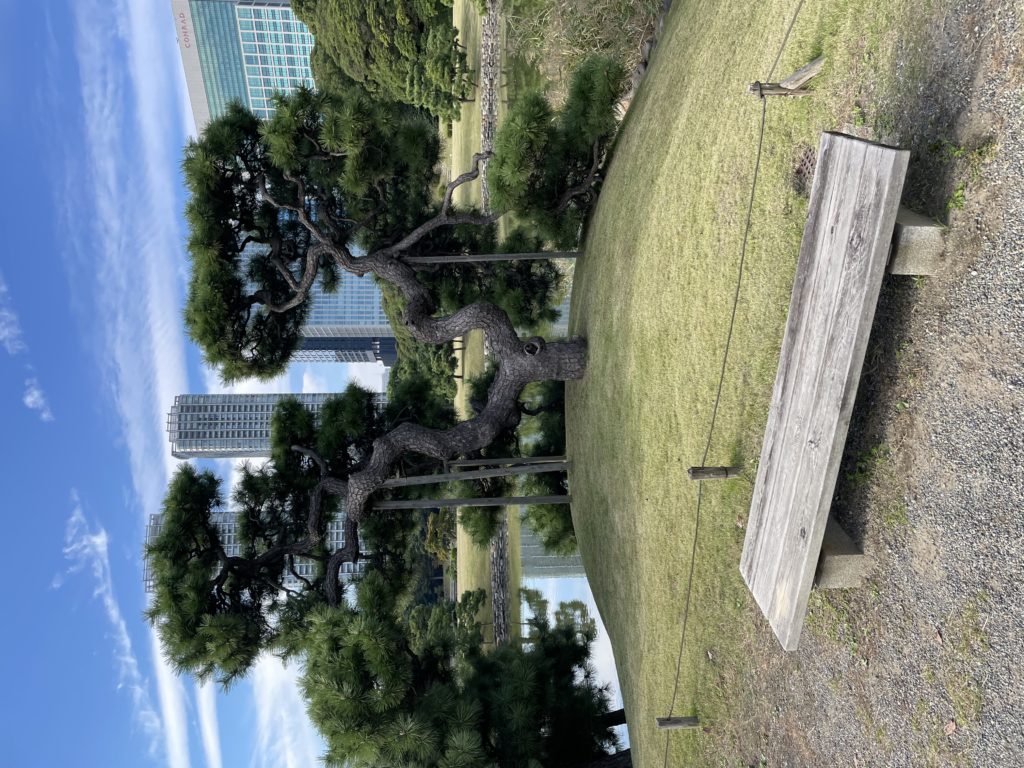
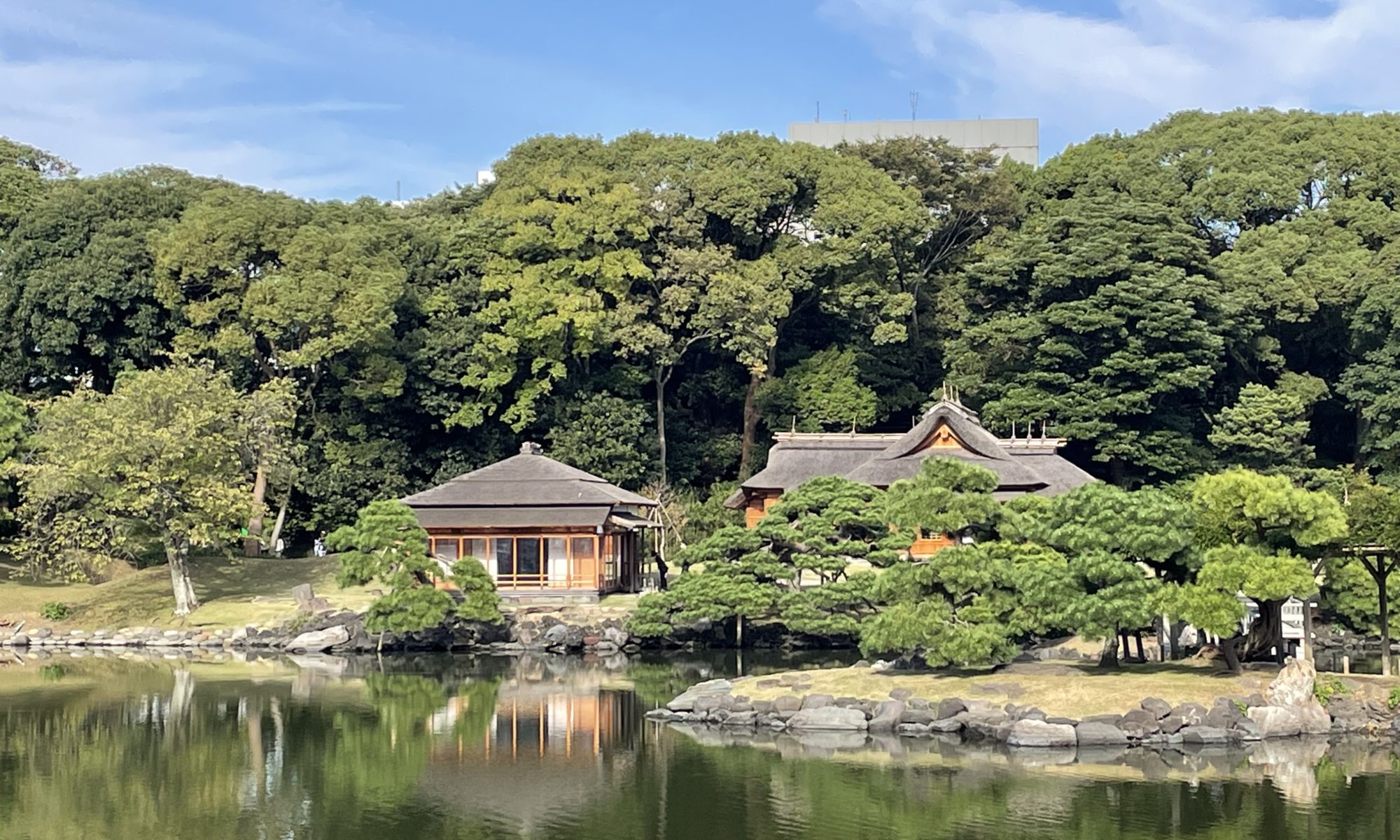

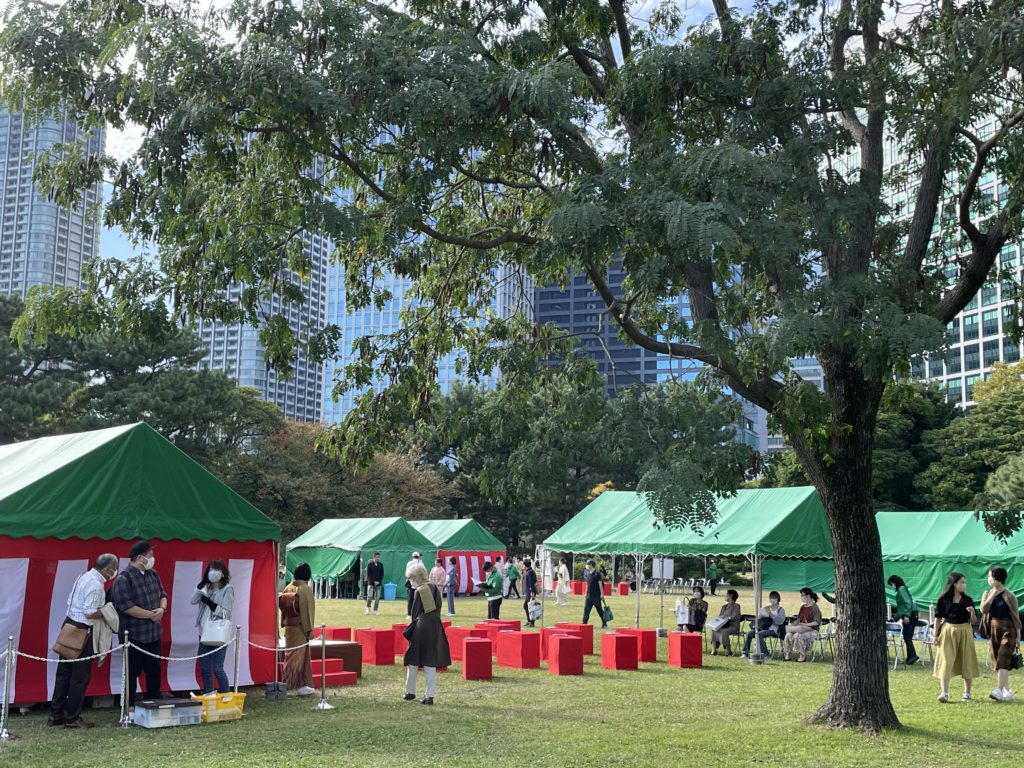
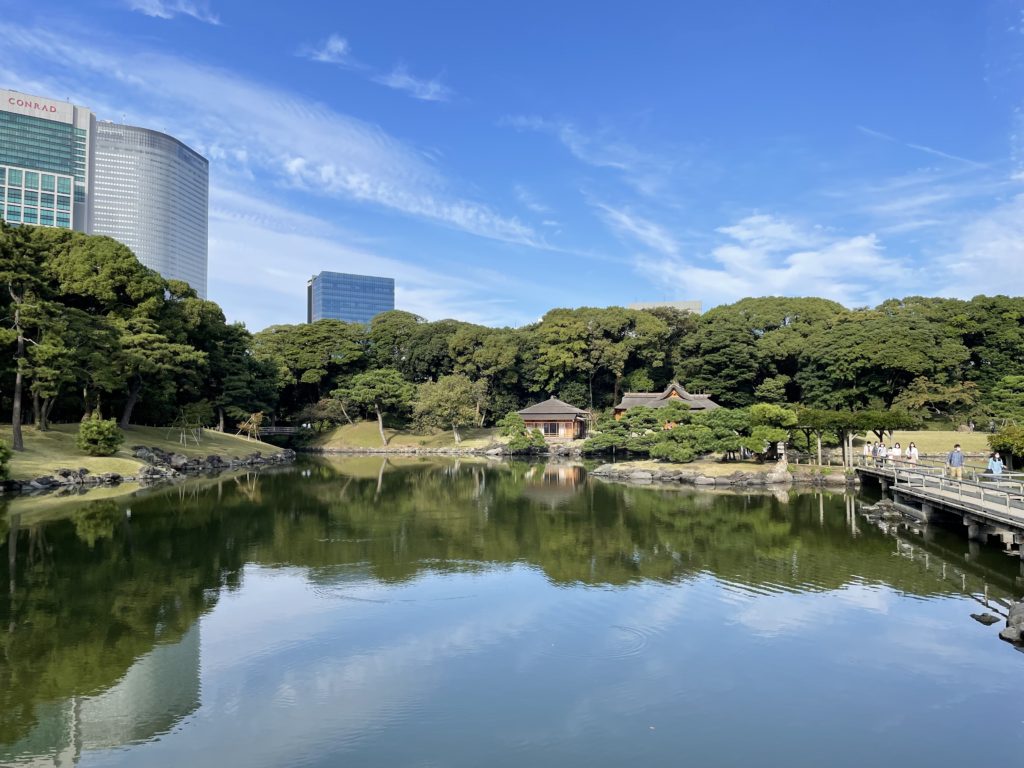
Tokyo Grand Japanese Tea Ceremony was held in Hama Rikyu Gardens on October 2022. It had been held on regular basis from 2020, then the first time ceremony in three years after 2 times cancellations due to covid-19 pandemic.
Tea ceremony – it is called “Sado” “Chanoyu” in Japanese, we have no choice but to mention – “The Book Of Tea” – originally written by Okakura Tenshin in English. The book is very famous in western countries, literally, it is still playing an important role in introducing Sado’s background and philosophy. The book is also very useful guideline for beginners who would like to know the heart of Chanoyu or knowing Japanese esoteric culture and history.
Basically, the event was divided into four programs and areas.
1. Tea ceremony (Indoor)
2. Outdoor tea ceremony (called Nodate in Japanese)
3. Outdoor tea ceremony by high school student.
4. Indoor tea ceremony in English
Pre-registration tickets were available in the website below,
https://tokyo-grand-tea-ceremony.jp/en/index.html
Walk-up tickets were limited available in case of having seat cancellations.
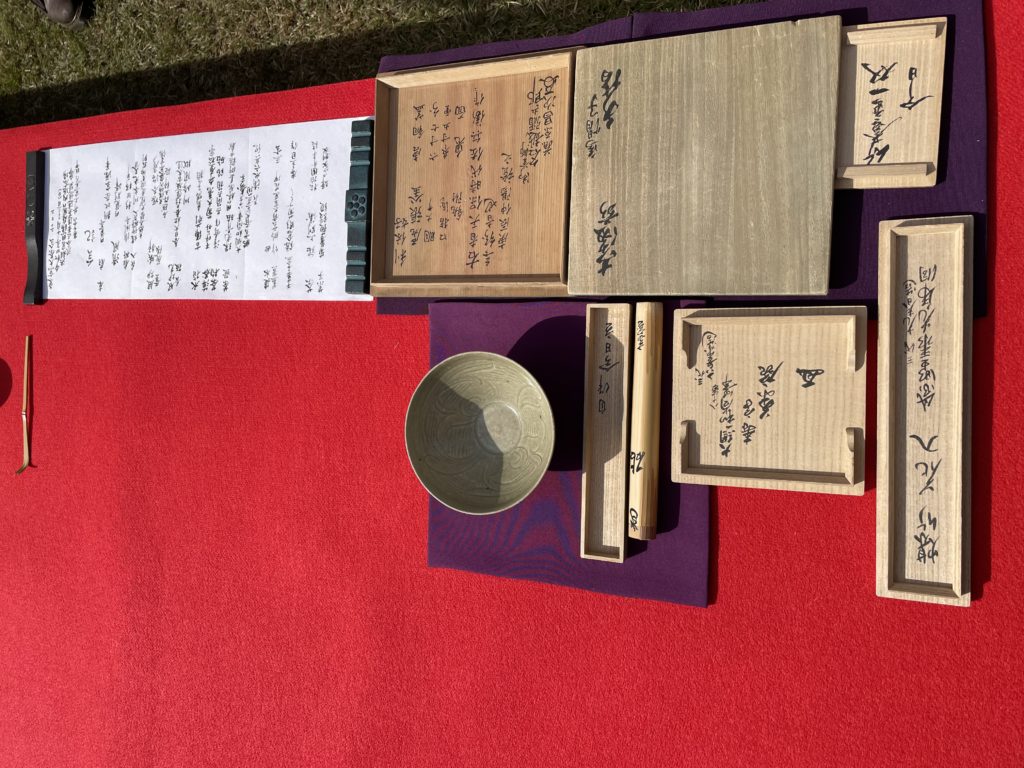
The participants will definitely enjoy the world of “Chanoyu” with a cup of green tea (Maccha) and Japanese traditional sweets (Wagashi) only 500 yen!
It is no wonder if you might be a little bit scared to participate in tea ceremony for the first time, frankly, even I am a Japanese, still felt like “having a high threshold” for formal Chanoyu entry because it has strict manners to share same atmosphere and space with the host and other guests.

However, this event is largely open for Chanoyu beginners who are just interested in Japanese Tea Ceremony and Japanese gardens and culture, also Nodate(outdoor tea ceremony) is more casual tea ceremony party so you can join them with ease.
They will hand out brochure, which gives you the basic instruction of tea ceremony. So don’t worry! You don’t hesitate to join them!
The instruction of tea ceremony – quoted from Tokyo Grand Tea Ceremony 2022 brochure. The ceremony carries on like this.
- Guests should remove watches and accessories such as rings and bracelet before entering the tearoom, so as not to damage the tea container and utensils.
- It is said that as a general manner, guests should wear white socks or tabi, and bring along “kaishi” paper and picks used for eating wagashi Japanese sweets.
- Manners may differ between tea schools. Please listen carefully to the commentary of teacher and put it in practice.
- When wagashi Japanese sweet are served, you say : “Osaki-ni (pardon me for going ahead)” to your neighbor, transfer a wagashi to the “kaishi” paper in front of you, pick wagashi are eaten before the drinking of the tea.
- When tea is served, you say : “Osaki-ni (pardon me for going ahead)” to your neighbor, put the tea bowl in front of you and bow to the host. You take it in your right hand, place it on the palm of your left hand and raise it slightly with gratitude. With the front of the bowl toward you, rotate in twice to avoid drinking from the front, and then drink all the tea in a few sips.
- When you have finished drinking, use the thumb and index finger of your right hand to lightly trace the part of the tea bowl rim from which you drank, and then wipe your fingers with a “kaishi” paper.
- Then turn the bowl back twice so that the front faces you and place the bowl in front of you.
- After looking at the tea bowl in appreciation, turn it with its front towards the host.

The Sado or Chanoyu – is traditional Japanese way of drinking tea in accordance with set rules of etiquette. the point is – both the host and guests share a sense of togetherness during the ceremony.
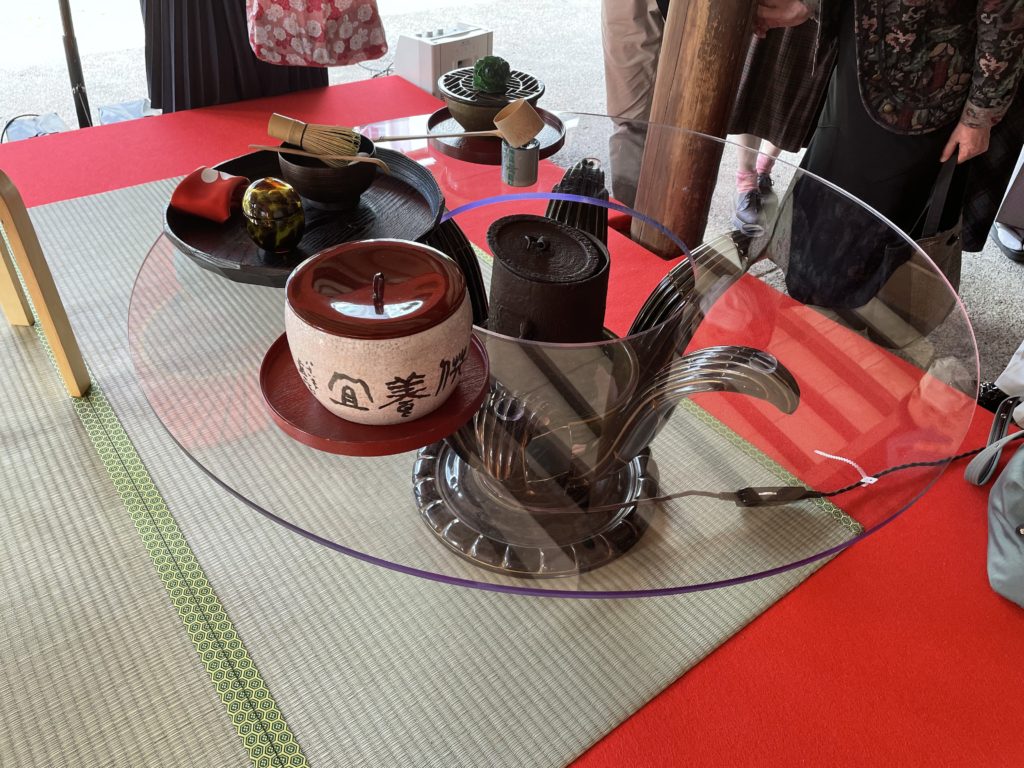
The Chanoyu was mostly perfected by Rikyu Sen in the Azuchi-Momoyama period in the latter half of the sixteenth century.
As it were, the core of “heart of Chanoyu” is felling the hosts’ hospitality – they always take utmost care in the preparation of their tea rooms, the adjacent garden, tea utensils and the provision of simple dishes for the exquisite tea room.
The tea ceremony etiquette has been influenced by the etiquette observed by the samurai classes as well as by the form of Noh dances. In turn, the tea cult had a great influence on traditional Japanese customs and manners.
Japanese hospitality – sometime calls “Omotenashi” in Japanese is a part of Chanoyu, which also represents sense of Chanoyu sprits from Rikyu.
Hama-rikyu Gardens
https://www.gotokyo.org/en/spot/20/index.html