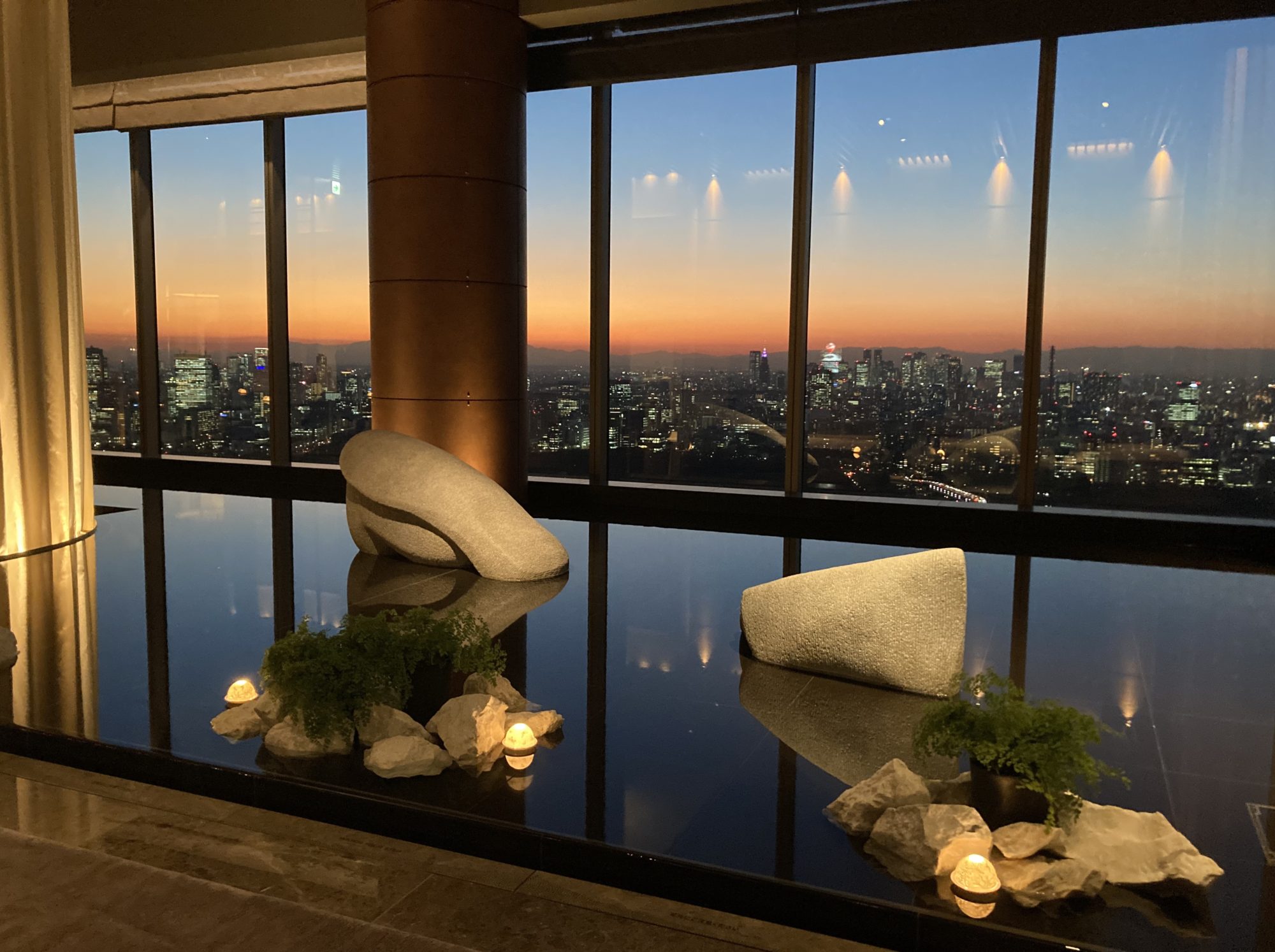
If you are a genuine music lover – especially, like digging into local folk music all around the world,there is no loss in you knowing these 5 musical instruments that will be introduced below. Generally, these have been playing with Japanese traditional songs such as Soukyoku, Nagauta, Minyo, Kouta, Youkyoku for hundreds years in Japan.
Generally, music – as in most other nations, evolves from a form of religious celebration and sometimes having a ceremonial role, to becoming a form of entertainment.
Traditional Japanese music is classified by period of origin into Gagaku(ancient), Nogaku(medieval) , and the music of the Shami-sen and Koto(resent). At the same time, the Shakuhachi commonly played by buddhist monks, and the Biwa was known as blind men’s typical work. They called “Biwa-Houshi” who had kept moving place to place in the medieval era of Japan.
Soukyoku(箏曲) is the general name for music played on the Koto. This musical form which developed in the late sixteenth century, later came to be played in concert with the Shami-Sen and the Shaku-hachi.
Nagauta(長唄) is a kind of long epic song based on Shami-sen music which evolved together Kabuki (歌舞伎)dancing in the late seventeenth century.
Having absorbed the lyrics and melodies of local folk music are Minyo(民謡). Minyo is worker’s songs used to sing during their day-to-day works and activities.
Kouta (小唄)is a form of short song or ditty which appeared in the early nineteenth century that is sung at a quick tempo in a suppressed voice.
Youkyoku (謡曲)is the singing to which Noh plays are performed and, is itself the main script of a Noh (能)play. Also Noh is performed independently. Those Noh music was mainly composed between fifteen and sixteenth centuries by Kan-ami and Zeami.
Meanwhile, musical instruments were able to bring additional excitement to ordinary people’s special seasonal events like Bon-Odori(盆踊り), or Matsuri(祭) (local folk festivals typically hold in summer or fall).
Here’s a quick guide to 5 Japanese musical instruments – that always make people’s heart pound throughout in Japan!
Shami-Sen
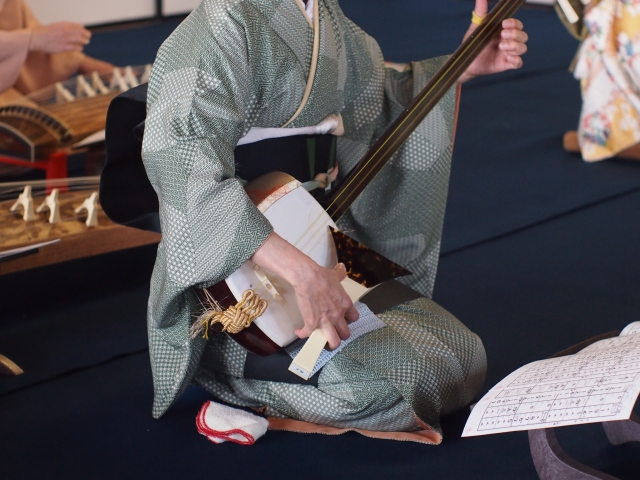
Shami-Sen(三味線) means “three strings”. Shami-sen has some regional variations like Okinawan “San-Shin”. Aomiri’s “Tsugaru-Jyamisen). Those musical sounds reflect on local climates and atmosphere, peoples’ characters of each region.
Shami-Sen has no frets, but can play same way like a guitar. Sometimes a player of Shami-Sen and Geisha(Traditional Japanese Dancer) or Maiko(younger one of Geisha) are invited to special tatami room(Ozashiki) of Ryotei(exquisite traditional Japanese restaurant) and perform Shami-Sen and traditional Japanese dance in front of Ryotei guests.
Biwa
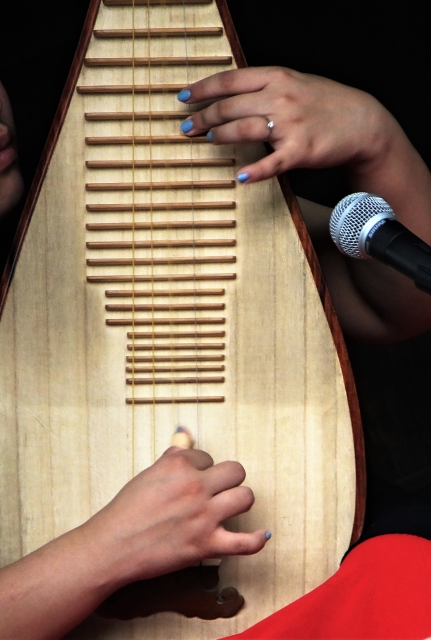
Biwa(琵琶) is a short-necked lute has commonly three to five strings. The difference of Shami-sen and Biwa is, Biwa has four to six frets and play vertically with a large plectrum – is called Bachi(like a pick). Biwa used to play by Biwa-Houshi (traveling Biwa players) in tenth century.
Biwa is still used in Gagaku(雅楽)(traditional Japanese court music) since seventh century. Gagaku makes very “refined” impression on the listeners even Japanese themselves.
Koto

Koto(琴) is national instrument which comes in two types of 13 strings and 17 strings. Koto is basically placed on the ground with tatami mat, and play with Koto-zume(琴爪) . Koto has a long body up to 180 cm(around 6 feet), Koto players hunch over the instrument and pick at each string with Koto-zume. Some say Kotos’ sounds very moody and authentic.
Koto is one of the representative musical instrument of Japan. Koto’s notes – remind Japanese people of New Year’s day’s “same old song”.
Shakuhachi
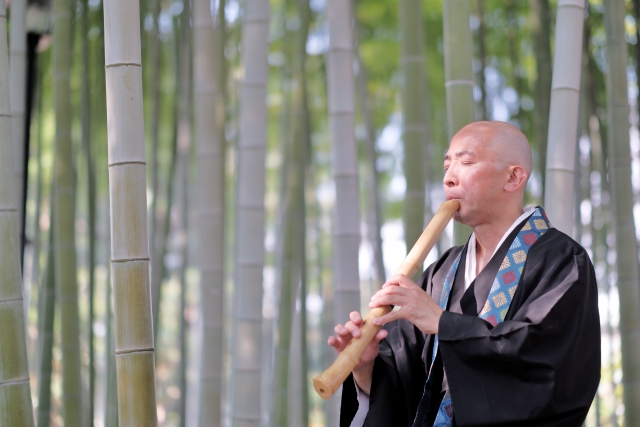
Shakuhachi(尺八)used to play by Japanese Zen buddhists and monks. Shakuhachi figures like a flute, but plays vertically. Shakuhashi has four holes on the front and one hole on the back.
Shakuhachi is made of bamboo. The sound is very quaint, but always plays important role for Japanese music orchestration.
Taiko
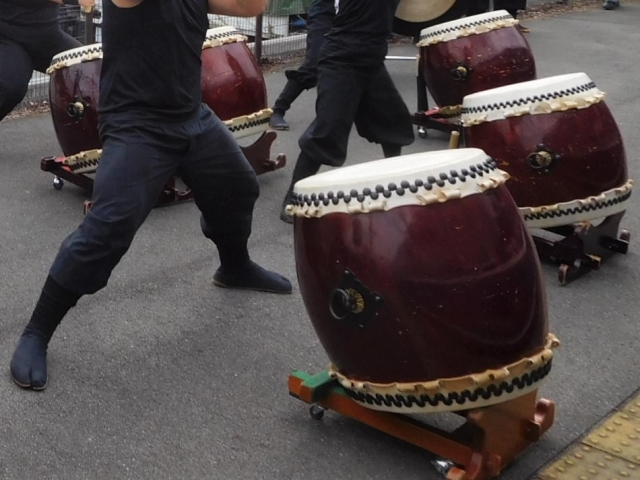
Taiko is Japanese drums – typically play at Japanese Bon-Odori (summer festival) or treated the background music during Matsuri(seasonal festival) have been held anywhere in Japan since long long ago.
Taiko(太鼓),formally called Wa-Daiko(和太鼓) has many sizes and shapes.
Wa-Daiko sounds are very vigorous and valiant courage.
Wa-daiko often plays by using Bachi sticks and sometimes collaborate with other traditional Japanese musical instruments – same as western music bands.
Listening to traditional Japanese instruments will broaden your horizon, then, give you absolutely new perspective on Japanese culture!!